Reasons for the Ineffectiveness of Trump’s “Economic War” against Iran
SCFR Online – Opinion: The intensification of U.S. sanctions against Iran on the eve of the U.S. midterm elections indicates Washington’s inability to achieve its war objectives.


SCFR Online – Opinion: The intensification of U.S. sanctions against Iran on the eve of the U.S. midterm elections indicates Washington’s inability to achieve its war objectives.

SCFR Online – Opinion: The competition between Washington and Beijing over chips and artificial intelligence, simultaneously with the shifting of technological balances, has taken on new economic and security dimensions.
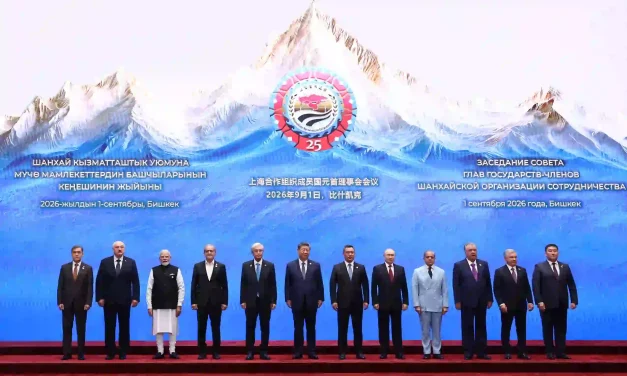
SCFR Online – Opinion: The Shanghai Cooperation Organization summit has created a new opportunity for Iran to transform its membership from a political achievement into economic and transit cooperation.
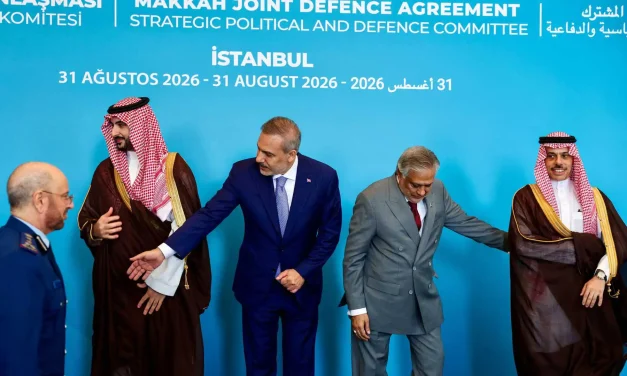
Strategic Council Online – Note: The Makkah Defense Pact can be seen as a sign of regional countries’ efforts to reduce security dependence on extra-regional powers and redefine the balance in West Asia.

SCFR Online – Opinion: The Ukraine war, by exhausting US military capability on one hand and strengthening European defense capacity on the other, has altered the balance of power in the European continent, cast uncertainty over NATO’s future, and is driving it toward a European NATO.
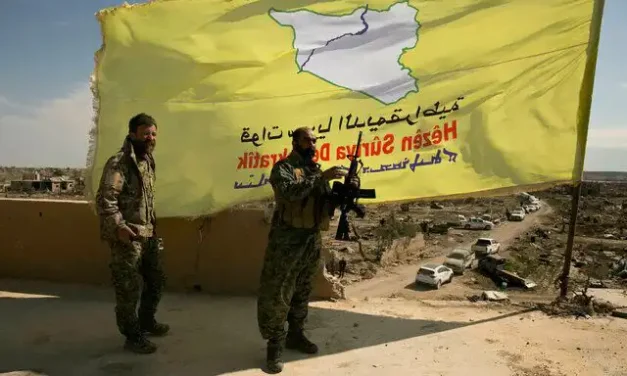
SCFR Online – Opinion: The dissolution of the SDF, although considered an achievement for Turkey’s security, does not put an end to the challenges arising from the Israeli regime’s aggression and expansionism, refugees, and Syria’s fragility.
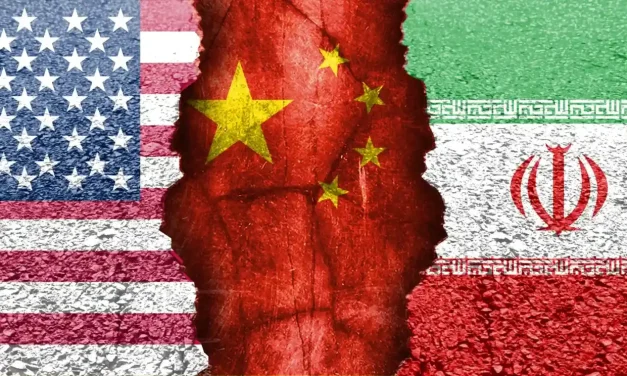
SCFR Online – Opinion: Concurrent with the official commencement of the United States’ economic war against our country, focusing on sanctions instruments, isolation, and economic pressure, what has now become increasingly important is the lack of alignment of other major global powers, especially China, with this policy.

SCFR Online – Opinion: The new US sanctions against Iran, despite extensive propaganda, face serious obstacles to success due to the ineffectiveness of sanctions tools and opposition from some of Tehran’s trading partners.

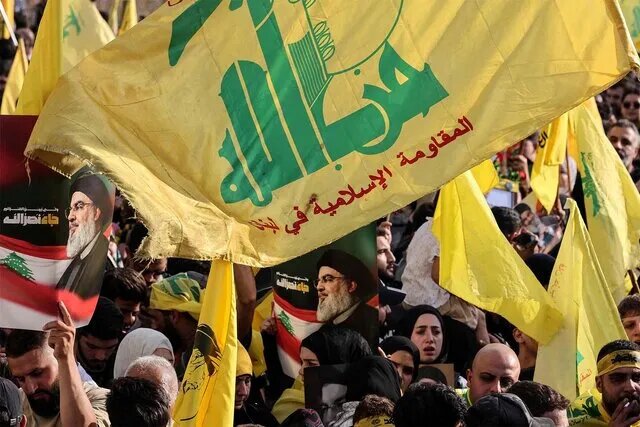
SCFR Online–Opinion: By providing an extensive network of social, healthcare, educational, and post-war reconstruction services, Hezbollah has established a strong social base for itself among Lebanon’s Shiites and Sunnis, and even beyond that, among other segments of Lebanese society, including Christians. Hezbollah has never been an external actor imposed upon Lebanon; rather, it is a phenomenon fundamentally born out of the occupation and crimes of the Zionist regime and itself influenced by popular resistance.
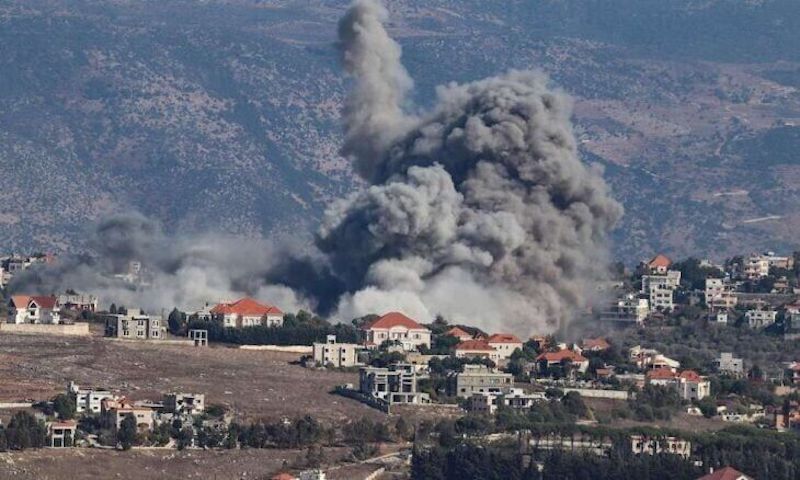
SCFR Online– Opinion: Security and military developments in the region over recent months indicate that the ongoing crises and wars in Gaza, southern Lebanon, and parts of Syrian territory encompass broader dimensions of geopolitical and geostrategic transformations. In this context, the increased military presence and control of the Zionist regime over parts of the territories of these areas, along with proposals regarding the creation of buffer zones or even the expansion of security borders, have raised serious questions about the future of the regional order and its consequences for the countries of West Asia.

SCFR Online – Interview: An analyst of West Asian affairs and former Iranian diplomat in Beirut, stating that Hezbollah Lebanon has played a pivotal role in recent regional developments, remarked: “Hezbollah Lebanon has strengthened the Axis of Resistance in the Ramadan War.”

Strategic Council Online – Opinion: American-Zionist objectives in the region are not limited to weakening Hezbollah. Efforts to disarm Iraqi resistance groups such as Kata’ib Hezbollah and the Popular Mobilization Forces are also part of their subsequent plans.
Strategic Council Online – Interview: A West Asia affairs analyst said: After the 12-day war, Iran, by redefining the discourse of resistance and utilizing media diplomacy, strengthened its soft and regional legitimacy against the Western narrative.

Strategic Council Online – Opinion: The increase in the military movements of the Zionist regime against Lebanon is a sign of Tel Aviv’s effort to advance a long-term strategy aimed at disarming Hezbollah and occupying parts of Lebanese territory; an action that could initiate an unprecedented crisis for this regime.

Online Strategic Council – Interview: The former Director-General of the Middle East at the Ministry of Foreign Affairs stated: The U.S. plan to disarm Lebanon’s Hezbollah, based on Resolution 1701 issued in 2006, is not a new issue, but its timing, coinciding with the Gaza War, which started in October 2023, has placed it in a different context. This is because, simultaneously with the Gaza War, Syria underwent extensive developments, and Lebanon, which had entered the Gaza War through Hezbollah, suddenly signed a ceasefire agreement with the Israeli regime.

Strategic Council Online – Opinion: The plan recently approved by the Lebanese government regarding the disarmament of Hezbollah is, in fact, an American project and scheme, which should be analyzed and assessed within the context of the developments of the past year in Lebanon, specifically the war waged by the Israeli regime against this country. The overarching goal of presenting such a plan is to enable the Israeli regime to impose new security arrangements in Lebanon as part of its efforts to change the regional order.

Strategic Council Online – Interview: A senior analyst on West Asian affairs stated that under the current circumstances, discussing the disarmament of the Resistance is not only unfeasible but could also lead to an escalation of tensions. Following the 12-day aggression by the United States and the Israeli regime against Iran, efforts in another layer to disarm Resistance groups, including Hezbollah, the Popular Mobilization Forces (PMF or Hashd al-Shaabi), and Hamas, have intensified as part of a coordinated project pursued to weaken the Axis of Resistance and impose American regional dominance. The U.S. proposal for Lebanon, which includes disarming Hezbollah by the end of 2025 and the withdrawal of the Israeli regime from border positions, is an attempt to transform an external conflict into an internal one. Hezbollah has firmly rejected this proposal, deeming it a violation of national sovereignty and a service to the interests of the Israeli regime, while emphasizing its defensive role. In Iraq, pressure on the Popular Mobilization Forces has been accompanied by accusations and economic sanctions, yet this group continues to stand as a popular force against external threats. Hamas, despite heavy attacks by the Israeli regime, has continued its resistance and rejected a recent ceasefire proposal in exchange for disarmament. These plans, supported by U.S. and allied diplomatic and economic backing, seek to alter the balance of power in the region. Still, the resistance of the groups and popular support have prevented the realization of these objectives.
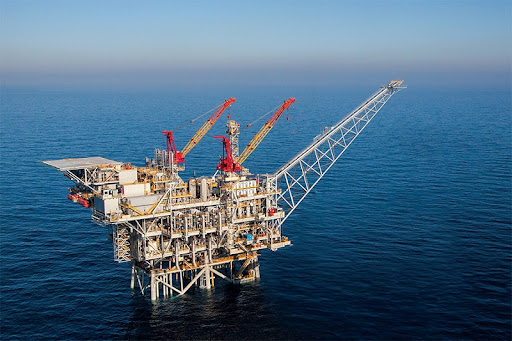
Strategic Council Online – Interview: A researcher on Lebanese affairs stated: Under intense US pressure, Lebanon’s current government is hastily finalizing the gas dossier in the Eastern Mediterranean; an action that benefits the US, the Israeli regime, and their allies, and may result in Lebanon losing approximately five thousand square kilometers of area containing its gas and oil wealth. In this regard, the Al-Akhbar newspaper wrote: What is happening today is not merely a maritime negotiation, but a battle over sovereignty and survival that is feared will end unilaterally at a bargaining table where there is no room for national interests.
SCFR Online – Opinion: The intensification of U.S. sanctions against Iran on the eve of the U.S. midterm elections indicates Washington’s inability to achieve its war objectives.
SCFR Online – Opinion: The competition between Washington and Beijing over chips and artificial intelligence, simultaneously with the shifting of technological balances, has taken on new economic and security dimensions.
SCFR Online – Opinion: The Shanghai Cooperation Organization summit has created a new opportunity for Iran to transform its membership from a political achievement into economic and transit cooperation.
Strategic Council Online – Note: The Makkah Defense Pact can be seen as a sign of regional countries’ efforts to reduce security dependence on extra-regional powers and redefine the balance in West Asia.
SCFR Online – Opinion: The Ukraine war, by exhausting US military capability on one hand and strengthening European defense capacity on the other, has altered the balance of power in the European continent, cast uncertainty over NATO’s future, and is driving it toward a European NATO.
SCFR Online – Opinion: The dissolution of the SDF, although considered an achievement for Turkey’s security, does not put an end to the challenges arising from the Israeli regime’s aggression and expansionism, refugees, and Syria’s fragility.
SCFR Online – Opinion: Concurrent with the official commencement of the United States’ economic war against our country, focusing on sanctions instruments, isolation, and economic pressure, what has now become increasingly important is the lack of alignment of other major global powers, especially China, with this policy.
SCFR Online – Opinion: The new US sanctions against Iran, despite extensive propaganda, face serious obstacles to success due to the ineffectiveness of sanctions tools and opposition from some of Tehran’s trading partners.
SCFR Online–Opinion: By providing an extensive network of social, healthcare, educational, and post-war reconstruction services, Hezbollah has established a strong social base for itself among Lebanon’s Shiites and Sunnis, and even beyond that, among other segments of Lebanese society, including Christians. Hezbollah has never been an external actor imposed upon Lebanon; rather, it is a phenomenon fundamentally born out of the occupation and crimes of the Zionist regime and itself influenced by popular resistance.
SCFR Online– Opinion: Security and military developments in the region over recent months indicate that the ongoing crises and wars in Gaza, southern Lebanon, and parts of Syrian territory encompass broader dimensions of geopolitical and geostrategic transformations. In this context, the increased military presence and control of the Zionist regime over parts of the territories of these areas, along with proposals regarding the creation of buffer zones or even the expansion of security borders, have raised serious questions about the future of the regional order and its consequences for the countries of West Asia.
SCFR Online – Interview: An analyst of West Asian affairs and former Iranian diplomat in Beirut, stating that Hezbollah Lebanon has played a pivotal role in recent regional developments, remarked: “Hezbollah Lebanon has strengthened the Axis of Resistance in the Ramadan War.”
Strategic Council Online – Opinion: American-Zionist objectives in the region are not limited to weakening Hezbollah. Efforts to disarm Iraqi resistance groups such as Kata’ib Hezbollah and the Popular Mobilization Forces are also part of their subsequent plans.
Strategic Council Online – Interview: A West Asia affairs analyst said: After the 12-day war, Iran, by redefining the discourse of resistance and utilizing media diplomacy, strengthened its soft and regional legitimacy against the Western narrative.
Strategic Council Online – Opinion: The increase in the military movements of the Zionist regime against Lebanon is a sign of Tel Aviv’s effort to advance a long-term strategy aimed at disarming Hezbollah and occupying parts of Lebanese territory; an action that could initiate an unprecedented crisis for this regime.
Online Strategic Council – Interview: The former Director-General of the Middle East at the Ministry of Foreign Affairs stated: The U.S. plan to disarm Lebanon’s Hezbollah, based on Resolution 1701 issued in 2006, is not a new issue, but its timing, coinciding with the Gaza War, which started in October 2023, has placed it in a different context. This is because, simultaneously with the Gaza War, Syria underwent extensive developments, and Lebanon, which had entered the Gaza War through Hezbollah, suddenly signed a ceasefire agreement with the Israeli regime.
Strategic Council Online – Opinion: The plan recently approved by the Lebanese government regarding the disarmament of Hezbollah is, in fact, an American project and scheme, which should be analyzed and assessed within the context of the developments of the past year in Lebanon, specifically the war waged by the Israeli regime against this country. The overarching goal of presenting such a plan is to enable the Israeli regime to impose new security arrangements in Lebanon as part of its efforts to change the regional order.
Strategic Council Online – Interview: A senior analyst on West Asian affairs stated that under the current circumstances, discussing the disarmament of the Resistance is not only unfeasible but could also lead to an escalation of tensions. Following the 12-day aggression by the United States and the Israeli regime against Iran, efforts in another layer to disarm Resistance groups, including Hezbollah, the Popular Mobilization Forces (PMF or Hashd al-Shaabi), and Hamas, have intensified as part of a coordinated project pursued to weaken the Axis of Resistance and impose American regional dominance. The U.S. proposal for Lebanon, which includes disarming Hezbollah by the end of 2025 and the withdrawal of the Israeli regime from border positions, is an attempt to transform an external conflict into an internal one. Hezbollah has firmly rejected this proposal, deeming it a violation of national sovereignty and a service to the interests of the Israeli regime, while emphasizing its defensive role. In Iraq, pressure on the Popular Mobilization Forces has been accompanied by accusations and economic sanctions, yet this group continues to stand as a popular force against external threats. Hamas, despite heavy attacks by the Israeli regime, has continued its resistance and rejected a recent ceasefire proposal in exchange for disarmament. These plans, supported by U.S. and allied diplomatic and economic backing, seek to alter the balance of power in the region. Still, the resistance of the groups and popular support have prevented the realization of these objectives.
Strategic Council Online – Interview: A researcher on Lebanese affairs stated: Under intense US pressure, Lebanon’s current government is hastily finalizing the gas dossier in the Eastern Mediterranean; an action that benefits the US, the Israeli regime, and their allies, and may result in Lebanon losing approximately five thousand square kilometers of area containing its gas and oil wealth. In this regard, the Al-Akhbar newspaper wrote: What is happening today is not merely a maritime negotiation, but a battle over sovereignty and survival that is feared will end unilaterally at a bargaining table where there is no room for national interests.
SCFR Online–Opinion: By providing an extensive network of social, healthcare, educational, and post-war reconstruction services, Hezbollah has established a strong social base for itself among Lebanon’s Shiites and Sunnis, and even beyond that, among other segments of Lebanese society, including Christians. Hezbollah has never been an external actor imposed upon Lebanon; rather, it is a phenomenon fundamentally born out of the occupation and crimes of the Zionist regime and itself influenced by popular resistance.
SCFR Online– Opinion: Security and military developments in the region over recent months indicate that the ongoing crises and wars in Gaza, southern Lebanon, and parts of Syrian territory encompass broader dimensions of geopolitical and geostrategic transformations. In this context, the increased military presence and control of the Zionist regime over parts of the territories of these areas, along with proposals regarding the creation of buffer zones or even the expansion of security borders, have raised serious questions about the future of the regional order and its consequences for the countries of West Asia.
SCFR Online – Interview: An analyst of West Asian affairs and former Iranian diplomat in Beirut, stating that Hezbollah Lebanon has played a pivotal role in recent regional developments, remarked: “Hezbollah Lebanon has strengthened the Axis of Resistance in the Ramadan War.”
Strategic Council Online – Opinion: American-Zionist objectives in the region are not limited to weakening Hezbollah. Efforts to disarm Iraqi resistance groups such as Kata’ib Hezbollah and the Popular Mobilization Forces are also part of their subsequent plans.
Strategic Council Online – Interview: A West Asia affairs analyst said: After the 12-day war, Iran, by redefining the discourse of resistance and utilizing media diplomacy, strengthened its soft and regional legitimacy against the Western narrative.
Strategic Council Online – Opinion: The increase in the military movements of the Zionist regime against Lebanon is a sign of Tel Aviv’s effort to advance a long-term strategy aimed at disarming Hezbollah and occupying parts of Lebanese territory; an action that could initiate an unprecedented crisis for this regime.
Online Strategic Council – Interview: The former Director-General of the Middle East at the Ministry of Foreign Affairs stated: The U.S. plan to disarm Lebanon’s Hezbollah, based on Resolution 1701 issued in 2006, is not a new issue, but its timing, coinciding with the Gaza War, which started in October 2023, has placed it in a different context. This is because, simultaneously with the Gaza War, Syria underwent extensive developments, and Lebanon, which had entered the Gaza War through Hezbollah, suddenly signed a ceasefire agreement with the Israeli regime.
Strategic Council Online – Opinion: The plan recently approved by the Lebanese government regarding the disarmament of Hezbollah is, in fact, an American project and scheme, which should be analyzed and assessed within the context of the developments of the past year in Lebanon, specifically the war waged by the Israeli regime against this country. The overarching goal of presenting such a plan is to enable the Israeli regime to impose new security arrangements in Lebanon as part of its efforts to change the regional order.
Strategic Council Online – Interview: A senior analyst on West Asian affairs stated that under the current circumstances, discussing the disarmament of the Resistance is not only unfeasible but could also lead to an escalation of tensions. Following the 12-day aggression by the United States and the Israeli regime against Iran, efforts in another layer to disarm Resistance groups, including Hezbollah, the Popular Mobilization Forces (PMF or Hashd al-Shaabi), and Hamas, have intensified as part of a coordinated project pursued to weaken the Axis of Resistance and impose American regional dominance. The U.S. proposal for Lebanon, which includes disarming Hezbollah by the end of 2025 and the withdrawal of the Israeli regime from border positions, is an attempt to transform an external conflict into an internal one. Hezbollah has firmly rejected this proposal, deeming it a violation of national sovereignty and a service to the interests of the Israeli regime, while emphasizing its defensive role. In Iraq, pressure on the Popular Mobilization Forces has been accompanied by accusations and economic sanctions, yet this group continues to stand as a popular force against external threats. Hamas, despite heavy attacks by the Israeli regime, has continued its resistance and rejected a recent ceasefire proposal in exchange for disarmament. These plans, supported by U.S. and allied diplomatic and economic backing, seek to alter the balance of power in the region. Still, the resistance of the groups and popular support have prevented the realization of these objectives.
Strategic Council Online – Interview: A researcher on Lebanese affairs stated: Under intense US pressure, Lebanon’s current government is hastily finalizing the gas dossier in the Eastern Mediterranean; an action that benefits the US, the Israeli regime, and their allies, and may result in Lebanon losing approximately five thousand square kilometers of area containing its gas and oil wealth. In this regard, the Al-Akhbar newspaper wrote: What is happening today is not merely a maritime negotiation, but a battle over sovereignty and survival that is feared will end unilaterally at a bargaining table where there is no room for national interests.
SCFR Online – Opinion: The intensification of U.S. sanctions against Iran on the eve of the U.S. midterm elections indicates Washington’s inability to achieve its war objectives.
SCFR Online – Opinion: The competition between Washington and Beijing over chips and artificial intelligence, simultaneously with the shifting of technological balances, has taken on new economic and security dimensions.
SCFR Online – Opinion: The Shanghai Cooperation Organization summit has created a new opportunity for Iran to transform its membership from a political achievement into economic and transit cooperation.
Strategic Council Online – Note: The Makkah Defense Pact can be seen as a sign of regional countries’ efforts to reduce security dependence on extra-regional powers and redefine the balance in West Asia.
SCFR Online – Opinion: The Ukraine war, by exhausting US military capability on one hand and strengthening European defense capacity on the other, has altered the balance of power in the European continent, cast uncertainty over NATO’s future, and is driving it toward a European NATO.
SCFR Online – Opinion: The dissolution of the SDF, although considered an achievement for Turkey’s security, does not put an end to the challenges arising from the Israeli regime’s aggression and expansionism, refugees, and Syria’s fragility.
SCFR Online – Opinion: Concurrent with the official commencement of the United States’ economic war against our country, focusing on sanctions instruments, isolation, and economic pressure, what has now become increasingly important is the lack of alignment of other major global powers, especially China, with this policy.
SCFR Online – Opinion: The new US sanctions against Iran, despite extensive propaganda, face serious obstacles to success due to the ineffectiveness of sanctions tools and opposition from some of Tehran’s trading partners.
SCFR Online–Opinion: By providing an extensive network of social, healthcare, educational, and post-war reconstruction services, Hezbollah has established a strong social base for itself among Lebanon’s Shiites and Sunnis, and even beyond that, among other segments of Lebanese society, including Christians. Hezbollah has never been an external actor imposed upon Lebanon; rather, it is a phenomenon fundamentally born out of the occupation and crimes of the Zionist regime and itself influenced by popular resistance.
SCFR Online– Opinion: Security and military developments in the region over recent months indicate that the ongoing crises and wars in Gaza, southern Lebanon, and parts of Syrian territory encompass broader dimensions of geopolitical and geostrategic transformations. In this context, the increased military presence and control of the Zionist regime over parts of the territories of these areas, along with proposals regarding the creation of buffer zones or even the expansion of security borders, have raised serious questions about the future of the regional order and its consequences for the countries of West Asia.
SCFR Online – Interview: An analyst of West Asian affairs and former Iranian diplomat in Beirut, stating that Hezbollah Lebanon has played a pivotal role in recent regional developments, remarked: “Hezbollah Lebanon has strengthened the Axis of Resistance in the Ramadan War.”
Strategic Council Online – Opinion: American-Zionist objectives in the region are not limited to weakening Hezbollah. Efforts to disarm Iraqi resistance groups such as Kata’ib Hezbollah and the Popular Mobilization Forces are also part of their subsequent plans.
Strategic Council Online – Interview: A West Asia affairs analyst said: After the 12-day war, Iran, by redefining the discourse of resistance and utilizing media diplomacy, strengthened its soft and regional legitimacy against the Western narrative.
Strategic Council Online – Opinion: The increase in the military movements of the Zionist regime against Lebanon is a sign of Tel Aviv’s effort to advance a long-term strategy aimed at disarming Hezbollah and occupying parts of Lebanese territory; an action that could initiate an unprecedented crisis for this regime.
Online Strategic Council – Interview: The former Director-General of the Middle East at the Ministry of Foreign Affairs stated: The U.S. plan to disarm Lebanon’s Hezbollah, based on Resolution 1701 issued in 2006, is not a new issue, but its timing, coinciding with the Gaza War, which started in October 2023, has placed it in a different context. This is because, simultaneously with the Gaza War, Syria underwent extensive developments, and Lebanon, which had entered the Gaza War through Hezbollah, suddenly signed a ceasefire agreement with the Israeli regime.
Strategic Council Online – Opinion: The plan recently approved by the Lebanese government regarding the disarmament of Hezbollah is, in fact, an American project and scheme, which should be analyzed and assessed within the context of the developments of the past year in Lebanon, specifically the war waged by the Israeli regime against this country. The overarching goal of presenting such a plan is to enable the Israeli regime to impose new security arrangements in Lebanon as part of its efforts to change the regional order.
Strategic Council Online – Interview: A senior analyst on West Asian affairs stated that under the current circumstances, discussing the disarmament of the Resistance is not only unfeasible but could also lead to an escalation of tensions. Following the 12-day aggression by the United States and the Israeli regime against Iran, efforts in another layer to disarm Resistance groups, including Hezbollah, the Popular Mobilization Forces (PMF or Hashd al-Shaabi), and Hamas, have intensified as part of a coordinated project pursued to weaken the Axis of Resistance and impose American regional dominance. The U.S. proposal for Lebanon, which includes disarming Hezbollah by the end of 2025 and the withdrawal of the Israeli regime from border positions, is an attempt to transform an external conflict into an internal one. Hezbollah has firmly rejected this proposal, deeming it a violation of national sovereignty and a service to the interests of the Israeli regime, while emphasizing its defensive role. In Iraq, pressure on the Popular Mobilization Forces has been accompanied by accusations and economic sanctions, yet this group continues to stand as a popular force against external threats. Hamas, despite heavy attacks by the Israeli regime, has continued its resistance and rejected a recent ceasefire proposal in exchange for disarmament. These plans, supported by U.S. and allied diplomatic and economic backing, seek to alter the balance of power in the region. Still, the resistance of the groups and popular support have prevented the realization of these objectives.
Strategic Council Online – Interview: A researcher on Lebanese affairs stated: Under intense US pressure, Lebanon’s current government is hastily finalizing the gas dossier in the Eastern Mediterranean; an action that benefits the US, the Israeli regime, and their allies, and may result in Lebanon losing approximately five thousand square kilometers of area containing its gas and oil wealth. In this regard, the Al-Akhbar newspaper wrote: What is happening today is not merely a maritime negotiation, but a battle over sovereignty and survival that is feared will end unilaterally at a bargaining table where there is no room for national interests.
SCFR Online – Opinion: The intensification of U.S. sanctions against Iran on the eve of the U.S. midterm elections indicates Washington’s inability to achieve its war objectives.
SCFR Online – Opinion: The competition between Washington and Beijing over chips and artificial intelligence, simultaneously with the shifting of technological balances, has taken on new economic and security dimensions.
SCFR Online – Opinion: The Shanghai Cooperation Organization summit has created a new opportunity for Iran to transform its membership from a political achievement into economic and transit cooperation.
Strategic Council Online – Note: The Makkah Defense Pact can be seen as a sign of regional countries’ efforts to reduce security dependence on extra-regional powers and redefine the balance in West Asia.
SCFR Online – Opinion: The Ukraine war, by exhausting US military capability on one hand and strengthening European defense capacity on the other, has altered the balance of power in the European continent, cast uncertainty over NATO’s future, and is driving it toward a European NATO.
SCFR Online – Opinion: The dissolution of the SDF, although considered an achievement for Turkey’s security, does not put an end to the challenges arising from the Israeli regime’s aggression and expansionism, refugees, and Syria’s fragility.
SCFR Online – Opinion: Concurrent with the official commencement of the United States’ economic war against our country, focusing on sanctions instruments, isolation, and economic pressure, what has now become increasingly important is the lack of alignment of other major global powers, especially China, with this policy.
SCFR Online – Opinion: The new US sanctions against Iran, despite extensive propaganda, face serious obstacles to success due to the ineffectiveness of sanctions tools and opposition from some of Tehran’s trading partners.
SCFR Online–Opinion: By providing an extensive network of social, healthcare, educational, and post-war reconstruction services, Hezbollah has established a strong social base for itself among Lebanon’s Shiites and Sunnis, and even beyond that, among other segments of Lebanese society, including Christians. Hezbollah has never been an external actor imposed upon Lebanon; rather, it is a phenomenon fundamentally born out of the occupation and crimes of the Zionist regime and itself influenced by popular resistance.
SCFR Online– Opinion: Security and military developments in the region over recent months indicate that the ongoing crises and wars in Gaza, southern Lebanon, and parts of Syrian territory encompass broader dimensions of geopolitical and geostrategic transformations. In this context, the increased military presence and control of the Zionist regime over parts of the territories of these areas, along with proposals regarding the creation of buffer zones or even the expansion of security borders, have raised serious questions about the future of the regional order and its consequences for the countries of West Asia.
SCFR Online – Interview: An analyst of West Asian affairs and former Iranian diplomat in Beirut, stating that Hezbollah Lebanon has played a pivotal role in recent regional developments, remarked: “Hezbollah Lebanon has strengthened the Axis of Resistance in the Ramadan War.”
Strategic Council Online – Opinion: American-Zionist objectives in the region are not limited to weakening Hezbollah. Efforts to disarm Iraqi resistance groups such as Kata’ib Hezbollah and the Popular Mobilization Forces are also part of their subsequent plans.
Strategic Council Online – Interview: A West Asia affairs analyst said: After the 12-day war, Iran, by redefining the discourse of resistance and utilizing media diplomacy, strengthened its soft and regional legitimacy against the Western narrative.
Strategic Council Online – Opinion: The increase in the military movements of the Zionist regime against Lebanon is a sign of Tel Aviv’s effort to advance a long-term strategy aimed at disarming Hezbollah and occupying parts of Lebanese territory; an action that could initiate an unprecedented crisis for this regime.
Online Strategic Council – Interview: The former Director-General of the Middle East at the Ministry of Foreign Affairs stated: The U.S. plan to disarm Lebanon’s Hezbollah, based on Resolution 1701 issued in 2006, is not a new issue, but its timing, coinciding with the Gaza War, which started in October 2023, has placed it in a different context. This is because, simultaneously with the Gaza War, Syria underwent extensive developments, and Lebanon, which had entered the Gaza War through Hezbollah, suddenly signed a ceasefire agreement with the Israeli regime.
Strategic Council Online – Opinion: The plan recently approved by the Lebanese government regarding the disarmament of Hezbollah is, in fact, an American project and scheme, which should be analyzed and assessed within the context of the developments of the past year in Lebanon, specifically the war waged by the Israeli regime against this country. The overarching goal of presenting such a plan is to enable the Israeli regime to impose new security arrangements in Lebanon as part of its efforts to change the regional order.
Strategic Council Online – Interview: A senior analyst on West Asian affairs stated that under the current circumstances, discussing the disarmament of the Resistance is not only unfeasible but could also lead to an escalation of tensions. Following the 12-day aggression by the United States and the Israeli regime against Iran, efforts in another layer to disarm Resistance groups, including Hezbollah, the Popular Mobilization Forces (PMF or Hashd al-Shaabi), and Hamas, have intensified as part of a coordinated project pursued to weaken the Axis of Resistance and impose American regional dominance. The U.S. proposal for Lebanon, which includes disarming Hezbollah by the end of 2025 and the withdrawal of the Israeli regime from border positions, is an attempt to transform an external conflict into an internal one. Hezbollah has firmly rejected this proposal, deeming it a violation of national sovereignty and a service to the interests of the Israeli regime, while emphasizing its defensive role. In Iraq, pressure on the Popular Mobilization Forces has been accompanied by accusations and economic sanctions, yet this group continues to stand as a popular force against external threats. Hamas, despite heavy attacks by the Israeli regime, has continued its resistance and rejected a recent ceasefire proposal in exchange for disarmament. These plans, supported by U.S. and allied diplomatic and economic backing, seek to alter the balance of power in the region. Still, the resistance of the groups and popular support have prevented the realization of these objectives.
Strategic Council Online – Interview: A researcher on Lebanese affairs stated: Under intense US pressure, Lebanon’s current government is hastily finalizing the gas dossier in the Eastern Mediterranean; an action that benefits the US, the Israeli regime, and their allies, and may result in Lebanon losing approximately five thousand square kilometers of area containing its gas and oil wealth. In this regard, the Al-Akhbar newspaper wrote: What is happening today is not merely a maritime negotiation, but a battle over sovereignty and survival that is feared will end unilaterally at a bargaining table where there is no room for national interests.
SCFR Online – Opinion: The intensification of U.S. sanctions against Iran on the eve of the U.S. midterm elections indicates Washington’s inability to achieve its war objectives.
SCFR Online – Opinion: The competition between Washington and Beijing over chips and artificial intelligence, simultaneously with the shifting of technological balances, has taken on new economic and security dimensions.
SCFR Online – Opinion: The Shanghai Cooperation Organization summit has created a new opportunity for Iran to transform its membership from a political achievement into economic and transit cooperation.
Strategic Council Online – Note: The Makkah Defense Pact can be seen as a sign of regional countries’ efforts to reduce security dependence on extra-regional powers and redefine the balance in West Asia.
SCFR Online – Opinion: The Ukraine war, by exhausting US military capability on one hand and strengthening European defense capacity on the other, has altered the balance of power in the European continent, cast uncertainty over NATO’s future, and is driving it toward a European NATO.
SCFR Online – Opinion: The dissolution of the SDF, although considered an achievement for Turkey’s security, does not put an end to the challenges arising from the Israeli regime’s aggression and expansionism, refugees, and Syria’s fragility.
SCFR Online – Opinion: Concurrent with the official commencement of the United States’ economic war against our country, focusing on sanctions instruments, isolation, and economic pressure, what has now become increasingly important is the lack of alignment of other major global powers, especially China, with this policy.
SCFR Online – Opinion: The new US sanctions against Iran, despite extensive propaganda, face serious obstacles to success due to the ineffectiveness of sanctions tools and opposition from some of Tehran’s trading partners.
SCFR Online–Opinion: By providing an extensive network of social, healthcare, educational, and post-war reconstruction services, Hezbollah has established a strong social base for itself among Lebanon’s Shiites and Sunnis, and even beyond that, among other segments of Lebanese society, including Christians. Hezbollah has never been an external actor imposed upon Lebanon; rather, it is a phenomenon fundamentally born out of the occupation and crimes of the Zionist regime and itself influenced by popular resistance.
SCFR Online– Opinion: Security and military developments in the region over recent months indicate that the ongoing crises and wars in Gaza, southern Lebanon, and parts of Syrian territory encompass broader dimensions of geopolitical and geostrategic transformations. In this context, the increased military presence and control of the Zionist regime over parts of the territories of these areas, along with proposals regarding the creation of buffer zones or even the expansion of security borders, have raised serious questions about the future of the regional order and its consequences for the countries of West Asia.
SCFR Online – Interview: An analyst of West Asian affairs and former Iranian diplomat in Beirut, stating that Hezbollah Lebanon has played a pivotal role in recent regional developments, remarked: “Hezbollah Lebanon has strengthened the Axis of Resistance in the Ramadan War.”
Strategic Council Online – Opinion: American-Zionist objectives in the region are not limited to weakening Hezbollah. Efforts to disarm Iraqi resistance groups such as Kata’ib Hezbollah and the Popular Mobilization Forces are also part of their subsequent plans.
Strategic Council Online – Interview: A West Asia affairs analyst said: After the 12-day war, Iran, by redefining the discourse of resistance and utilizing media diplomacy, strengthened its soft and regional legitimacy against the Western narrative.
Strategic Council Online – Opinion: The increase in the military movements of the Zionist regime against Lebanon is a sign of Tel Aviv’s effort to advance a long-term strategy aimed at disarming Hezbollah and occupying parts of Lebanese territory; an action that could initiate an unprecedented crisis for this regime.
Online Strategic Council – Interview: The former Director-General of the Middle East at the Ministry of Foreign Affairs stated: The U.S. plan to disarm Lebanon’s Hezbollah, based on Resolution 1701 issued in 2006, is not a new issue, but its timing, coinciding with the Gaza War, which started in October 2023, has placed it in a different context. This is because, simultaneously with the Gaza War, Syria underwent extensive developments, and Lebanon, which had entered the Gaza War through Hezbollah, suddenly signed a ceasefire agreement with the Israeli regime.
Strategic Council Online – Opinion: The plan recently approved by the Lebanese government regarding the disarmament of Hezbollah is, in fact, an American project and scheme, which should be analyzed and assessed within the context of the developments of the past year in Lebanon, specifically the war waged by the Israeli regime against this country. The overarching goal of presenting such a plan is to enable the Israeli regime to impose new security arrangements in Lebanon as part of its efforts to change the regional order.
Strategic Council Online – Interview: A senior analyst on West Asian affairs stated that under the current circumstances, discussing the disarmament of the Resistance is not only unfeasible but could also lead to an escalation of tensions. Following the 12-day aggression by the United States and the Israeli regime against Iran, efforts in another layer to disarm Resistance groups, including Hezbollah, the Popular Mobilization Forces (PMF or Hashd al-Shaabi), and Hamas, have intensified as part of a coordinated project pursued to weaken the Axis of Resistance and impose American regional dominance. The U.S. proposal for Lebanon, which includes disarming Hezbollah by the end of 2025 and the withdrawal of the Israeli regime from border positions, is an attempt to transform an external conflict into an internal one. Hezbollah has firmly rejected this proposal, deeming it a violation of national sovereignty and a service to the interests of the Israeli regime, while emphasizing its defensive role. In Iraq, pressure on the Popular Mobilization Forces has been accompanied by accusations and economic sanctions, yet this group continues to stand as a popular force against external threats. Hamas, despite heavy attacks by the Israeli regime, has continued its resistance and rejected a recent ceasefire proposal in exchange for disarmament. These plans, supported by U.S. and allied diplomatic and economic backing, seek to alter the balance of power in the region. Still, the resistance of the groups and popular support have prevented the realization of these objectives.
Strategic Council Online – Interview: A researcher on Lebanese affairs stated: Under intense US pressure, Lebanon’s current government is hastily finalizing the gas dossier in the Eastern Mediterranean; an action that benefits the US, the Israeli regime, and their allies, and may result in Lebanon losing approximately five thousand square kilometers of area containing its gas and oil wealth. In this regard, the Al-Akhbar newspaper wrote: What is happening today is not merely a maritime negotiation, but a battle over sovereignty and survival that is feared will end unilaterally at a bargaining table where there is no room for national interests.
SCFR Online – Opinion: The intensification of U.S. sanctions against Iran on the eve of the U.S. midterm elections indicates Washington’s inability to achieve its war objectives.
SCFR Online – Opinion: The competition between Washington and Beijing over chips and artificial intelligence, simultaneously with the shifting of technological balances, has taken on new economic and security dimensions.
SCFR Online – Opinion: The Shanghai Cooperation Organization summit has created a new opportunity for Iran to transform its membership from a political achievement into economic and transit cooperation.
Strategic Council Online – Note: The Makkah Defense Pact can be seen as a sign of regional countries’ efforts to reduce security dependence on extra-regional powers and redefine the balance in West Asia.
SCFR Online – Opinion: The Ukraine war, by exhausting US military capability on one hand and strengthening European defense capacity on the other, has altered the balance of power in the European continent, cast uncertainty over NATO’s future, and is driving it toward a European NATO.
SCFR Online – Opinion: The dissolution of the SDF, although considered an achievement for Turkey’s security, does not put an end to the challenges arising from the Israeli regime’s aggression and expansionism, refugees, and Syria’s fragility.
SCFR Online – Opinion: Concurrent with the official commencement of the United States’ economic war against our country, focusing on sanctions instruments, isolation, and economic pressure, what has now become increasingly important is the lack of alignment of other major global powers, especially China, with this policy.
SCFR Online – Opinion: The new US sanctions against Iran, despite extensive propaganda, face serious obstacles to success due to the ineffectiveness of sanctions tools and opposition from some of Tehran’s trading partners.
SCFR Online–Opinion: By providing an extensive network of social, healthcare, educational, and post-war reconstruction services, Hezbollah has established a strong social base for itself among Lebanon’s Shiites and Sunnis, and even beyond that, among other segments of Lebanese society, including Christians. Hezbollah has never been an external actor imposed upon Lebanon; rather, it is a phenomenon fundamentally born out of the occupation and crimes of the Zionist regime and itself influenced by popular resistance.
SCFR Online– Opinion: Security and military developments in the region over recent months indicate that the ongoing crises and wars in Gaza, southern Lebanon, and parts of Syrian territory encompass broader dimensions of geopolitical and geostrategic transformations. In this context, the increased military presence and control of the Zionist regime over parts of the territories of these areas, along with proposals regarding the creation of buffer zones or even the expansion of security borders, have raised serious questions about the future of the regional order and its consequences for the countries of West Asia.
SCFR Online – Interview: An analyst of West Asian affairs and former Iranian diplomat in Beirut, stating that Hezbollah Lebanon has played a pivotal role in recent regional developments, remarked: “Hezbollah Lebanon has strengthened the Axis of Resistance in the Ramadan War.”
Strategic Council Online – Opinion: American-Zionist objectives in the region are not limited to weakening Hezbollah. Efforts to disarm Iraqi resistance groups such as Kata’ib Hezbollah and the Popular Mobilization Forces are also part of their subsequent plans.
Strategic Council Online – Interview: A West Asia affairs analyst said: After the 12-day war, Iran, by redefining the discourse of resistance and utilizing media diplomacy, strengthened its soft and regional legitimacy against the Western narrative.
Strategic Council Online – Opinion: The increase in the military movements of the Zionist regime against Lebanon is a sign of Tel Aviv’s effort to advance a long-term strategy aimed at disarming Hezbollah and occupying parts of Lebanese territory; an action that could initiate an unprecedented crisis for this regime.
Online Strategic Council – Interview: The former Director-General of the Middle East at the Ministry of Foreign Affairs stated: The U.S. plan to disarm Lebanon’s Hezbollah, based on Resolution 1701 issued in 2006, is not a new issue, but its timing, coinciding with the Gaza War, which started in October 2023, has placed it in a different context. This is because, simultaneously with the Gaza War, Syria underwent extensive developments, and Lebanon, which had entered the Gaza War through Hezbollah, suddenly signed a ceasefire agreement with the Israeli regime.
Strategic Council Online – Opinion: The plan recently approved by the Lebanese government regarding the disarmament of Hezbollah is, in fact, an American project and scheme, which should be analyzed and assessed within the context of the developments of the past year in Lebanon, specifically the war waged by the Israeli regime against this country. The overarching goal of presenting such a plan is to enable the Israeli regime to impose new security arrangements in Lebanon as part of its efforts to change the regional order.
Strategic Council Online – Interview: A senior analyst on West Asian affairs stated that under the current circumstances, discussing the disarmament of the Resistance is not only unfeasible but could also lead to an escalation of tensions. Following the 12-day aggression by the United States and the Israeli regime against Iran, efforts in another layer to disarm Resistance groups, including Hezbollah, the Popular Mobilization Forces (PMF or Hashd al-Shaabi), and Hamas, have intensified as part of a coordinated project pursued to weaken the Axis of Resistance and impose American regional dominance. The U.S. proposal for Lebanon, which includes disarming Hezbollah by the end of 2025 and the withdrawal of the Israeli regime from border positions, is an attempt to transform an external conflict into an internal one. Hezbollah has firmly rejected this proposal, deeming it a violation of national sovereignty and a service to the interests of the Israeli regime, while emphasizing its defensive role. In Iraq, pressure on the Popular Mobilization Forces has been accompanied by accusations and economic sanctions, yet this group continues to stand as a popular force against external threats. Hamas, despite heavy attacks by the Israeli regime, has continued its resistance and rejected a recent ceasefire proposal in exchange for disarmament. These plans, supported by U.S. and allied diplomatic and economic backing, seek to alter the balance of power in the region. Still, the resistance of the groups and popular support have prevented the realization of these objectives.
Strategic Council Online – Interview: A researcher on Lebanese affairs stated: Under intense US pressure, Lebanon’s current government is hastily finalizing the gas dossier in the Eastern Mediterranean; an action that benefits the US, the Israeli regime, and their allies, and may result in Lebanon losing approximately five thousand square kilometers of area containing its gas and oil wealth. In this regard, the Al-Akhbar newspaper wrote: What is happening today is not merely a maritime negotiation, but a battle over sovereignty and survival that is feared will end unilaterally at a bargaining table where there is no room for national interests.
SCFR Online – Opinion: The intensification of U.S. sanctions against Iran on the eve of the U.S. midterm elections indicates Washington’s inability to achieve its war objectives.
SCFR Online – Opinion: The competition between Washington and Beijing over chips and artificial intelligence, simultaneously with the shifting of technological balances, has taken on new economic and security dimensions.
SCFR Online – Opinion: The Shanghai Cooperation Organization summit has created a new opportunity for Iran to transform its membership from a political achievement into economic and transit cooperation.
Strategic Council Online – Note: The Makkah Defense Pact can be seen as a sign of regional countries’ efforts to reduce security dependence on extra-regional powers and redefine the balance in West Asia.
SCFR Online – Opinion: The Ukraine war, by exhausting US military capability on one hand and strengthening European defense capacity on the other, has altered the balance of power in the European continent, cast uncertainty over NATO’s future, and is driving it toward a European NATO.
SCFR Online – Opinion: The dissolution of the SDF, although considered an achievement for Turkey’s security, does not put an end to the challenges arising from the Israeli regime’s aggression and expansionism, refugees, and Syria’s fragility.
SCFR Online – Opinion: Concurrent with the official commencement of the United States’ economic war against our country, focusing on sanctions instruments, isolation, and economic pressure, what has now become increasingly important is the lack of alignment of other major global powers, especially China, with this policy.
SCFR Online – Opinion: The new US sanctions against Iran, despite extensive propaganda, face serious obstacles to success due to the ineffectiveness of sanctions tools and opposition from some of Tehran’s trading partners.