جدیدترین مطالب

The Makkah Pact; Reasons for its Formation and Challenges Ahead

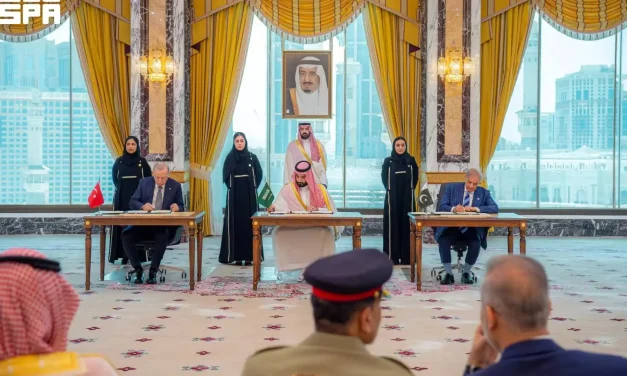
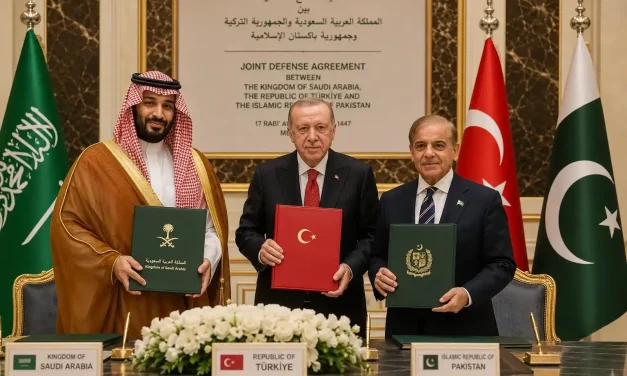
SCFR Online – Opinion: The Makkah Pact, signed between Saudi Arabia, Pakistan, and Turkey under the motto “an attack on one is an attack on all,” is viewed by some analysts less as a full-fledged military coalition and more as an attempt to reduce security dependence on an external power and to establish a regional security mechanism.

Implications of the US-Saudi Nuclear Agreement

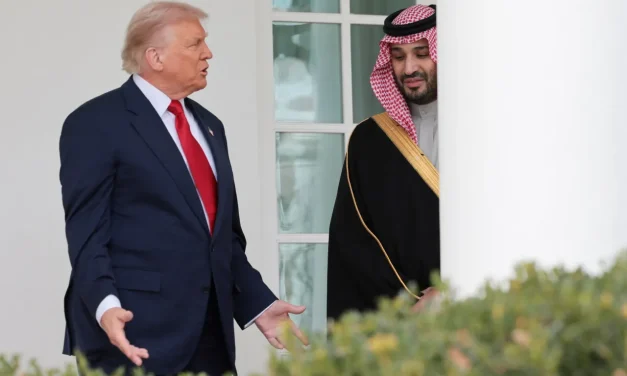
SCFR Online – Opinion: The new US-Saudi nuclear agreement, despite legal and political ambiguities, could alter previous non-proliferation standards in West Asia and intensify nuclear competition, ushering it into a new phase.

An Analysis of Recent Turkey-Israeli Regime Tensions

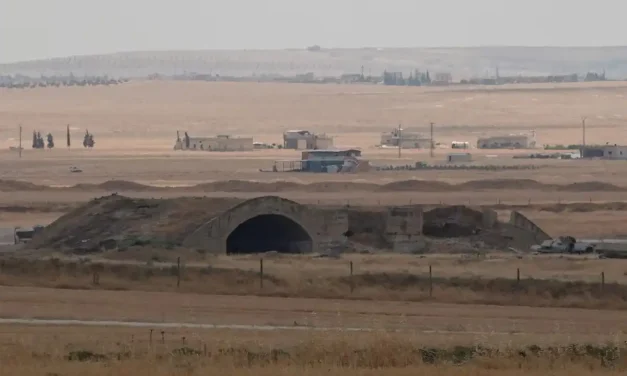
SCFR Online – Opinion: Recent developments in Syria indicate an intensification of strategic rivalry between Turkey and the Israeli regime, but mutual considerations and the role of the United States have limited the likelihood of direct war.

Increasing criticism of the extensive Zionist lobby network

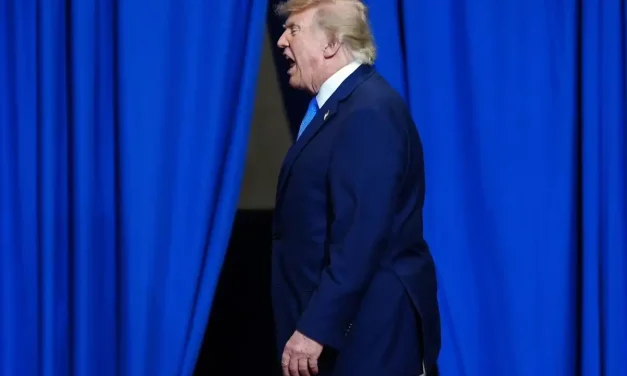
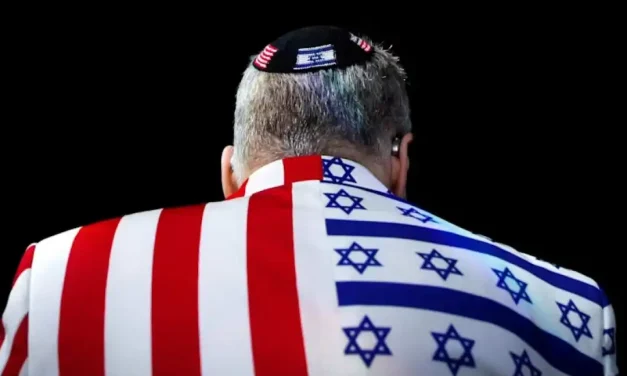
SCFR Online – Opinion: An examination of the mechanisms of the Israeli regime’s influence in the United States depicts a complex picture of shared interests, strategic dependencies, and the limitations of this relationship.

Realities of the Tripartite Makkah Pact

SCFR Online – Interview: The signing of the Makkah agreement between Saudi Arabia, Pakistan, and Turkey has raised questions about the future of the region’s security structure and the position of these countries in West Asian equations. Can this agreement become a genuine collective defense mechanism, or does it have more of a political and deterrent function than creating new military capacity?

Loading

Lebanon

Consequences of the “Lebanon Minus Resistance” Scenario

Consequences of the “Lebanon Minus Resistance” Scenario

Strategic Council Online – Interview: An expert on Arab world affairs said: One of the Zionist regime’s primary motives for insisting on disarming Hezbollah is to create a security vacuum in Lebanon so that, if needed, the possibility of attacking it again is provided. Today, Lebanon is witnessing one of its most sensitive political junctures in recent years; the Lebanese cabinet, in its recent session chaired by Najib Mikati, the country’s Prime Minister, approved the content of the US proposal for disarming Hezbollah and monopolizing weapons in the hands of the army, despite opposition from some ministers. The US proposal, which has faced firm opposition from the Hezbollah, was brought to Beirut by Thomas Barrack, the US Special Envoy, and with a paternalistic approach, considers disarming the Hezbollah a precondition for starting any dialogue and border demarcation, explicitly stating that this plan must either be entirely accepted or Lebanon must accept the consequences of its rejection.

International Legal Consequences of Violating Lebanese Airspace at Nasrallah’s Funeral

International Legal Consequences of Violating Lebanese Airspace at Nasrallah’s Funeral

Strategic Council Online– Opinion: International law, as a set of rules and principles governing relations between states, always emphasizes the preservation of peace, security, and sovereignty of states. One of the fundamental principles of this legal system is respect for the territorial sovereignty of states and the prohibition of violating their territorial integrity without legal authorization.

Lebanon’s Future After Joseph Aoun’s Election

Lebanon’s Future After Joseph Aoun’s Election

Strategic Council Online—Interview: An expert on regional issues said, “The future of Lebanon depends on the cooperation of the various clans and influential countries in Lebanon.”

UN Special Rapporteur’s Proposal to Stop Arms Sales to Israel: A Useful and  followable Initiative

UN Special Rapporteur’s Proposal to Stop Arms Sales to Israel: A Useful and followable Initiative

Online Strategic Council – Interview: An international law expert said: Although there are appropriate laws and regulations regarding the non-sending of arms to countries that violate human rights and humanitarian law, the recent proposal of the UN Special Rapporteur, considering the crimes committed in Gaza and occupied Palestine by the Israeli regime, can complement and improve the current laws and help them in terms of implementation.

Continuity and Increasing Growth of the Resistance Despite Developments in Syria

Continuity and Increasing Growth of the Resistance Despite Developments in Syria

Strategic Council Online—Opinion: It is noteworthy that Bashar al-Assad’s government was an ally of the Islamic Resistance Front and that his fall from power is a challenge to this front. However, for various reasons, such an event can never be considered a “defeat” for the Resistance Front in the region.

Outlook of the Political Crisis in Lebanon

Outlook of the Political Crisis in Lebanon

Strategic Council Online – Opinion: After the recent long war between the Israeli regime and Hezbollah in Lebanon, which finally ended with a ceasefire agreement on November 27, the most important issue in Lebanon today is the outlook for the political situation in the country.

Analysis: The Reasons for Accepting the Ceasefire in Lebanon

Analysis: The Reasons for Accepting the Ceasefire in Lebanon

Strategic Council Online – Opinion: Finally, after about two months of the Zionist regime’s war against Lebanon and in a situation where the war on the Lebanese front had intensified to an unprecedented extent in the days leading up to the ceasefire, the Zionist regime agreed to truce.

أحدث الوظائف

The Makkah Pact; Reasons for its Formation and Challenges Ahead

SCFR Online – Opinion: The Makkah Pact, signed between Saudi Arabia, Pakistan, and Turkey under the motto “an attack on one is an attack on all,” is viewed by some analysts less as a full-fledged military coalition and more as an attempt to reduce security dependence on an external power and to establish a regional security mechanism.

Implications of the US-Saudi Nuclear Agreement

SCFR Online – Opinion: The new US-Saudi nuclear agreement, despite legal and political ambiguities, could alter previous non-proliferation standards in West Asia and intensify nuclear competition, ushering it into a new phase.

An Analysis of Recent Turkey-Israeli Regime Tensions

SCFR Online – Opinion: Recent developments in Syria indicate an intensification of strategic rivalry between Turkey and the Israeli regime, but mutual considerations and the role of the United States have limited the likelihood of direct war.

Increasing criticism of the extensive Zionist lobby network

SCFR Online – Opinion: An examination of the mechanisms of the Israeli regime’s influence in the United States depicts a complex picture of shared interests, strategic dependencies, and the limitations of this relationship.

Realities of the Tripartite Makkah Pact

SCFR Online – Interview: The signing of the Makkah agreement between Saudi Arabia, Pakistan, and Turkey has raised questions about the future of the region’s security structure and the position of these countries in West Asian equations. Can this agreement become a genuine collective defense mechanism, or does it have more of a political and deterrent function than creating new military capacity?

Loading

Lebanon

Consequences of the “Lebanon Minus Resistance” Scenario

Consequences of the “Lebanon Minus Resistance” Scenario

Strategic Council Online – Interview: An expert on Arab world affairs said: One of the Zionist regime’s primary motives for insisting on disarming Hezbollah is to create a security vacuum in Lebanon so that, if needed, the possibility of attacking it again is provided. Today, Lebanon is witnessing one of its most sensitive political junctures in recent years; the Lebanese cabinet, in its recent session chaired by Najib Mikati, the country’s Prime Minister, approved the content of the US proposal for disarming Hezbollah and monopolizing weapons in the hands of the army, despite opposition from some ministers. The US proposal, which has faced firm opposition from the Hezbollah, was brought to Beirut by Thomas Barrack, the US Special Envoy, and with a paternalistic approach, considers disarming the Hezbollah a precondition for starting any dialogue and border demarcation, explicitly stating that this plan must either be entirely accepted or Lebanon must accept the consequences of its rejection.

International Legal Consequences of Violating Lebanese Airspace at Nasrallah’s Funeral

International Legal Consequences of Violating Lebanese Airspace at Nasrallah’s Funeral

Strategic Council Online– Opinion: International law, as a set of rules and principles governing relations between states, always emphasizes the preservation of peace, security, and sovereignty of states. One of the fundamental principles of this legal system is respect for the territorial sovereignty of states and the prohibition of violating their territorial integrity without legal authorization.

Lebanon’s Future After Joseph Aoun’s Election

Lebanon’s Future After Joseph Aoun’s Election

Strategic Council Online—Interview: An expert on regional issues said, “The future of Lebanon depends on the cooperation of the various clans and influential countries in Lebanon.”

UN Special Rapporteur’s Proposal to Stop Arms Sales to Israel: A Useful and  followable Initiative

UN Special Rapporteur’s Proposal to Stop Arms Sales to Israel: A Useful and followable Initiative

Online Strategic Council – Interview: An international law expert said: Although there are appropriate laws and regulations regarding the non-sending of arms to countries that violate human rights and humanitarian law, the recent proposal of the UN Special Rapporteur, considering the crimes committed in Gaza and occupied Palestine by the Israeli regime, can complement and improve the current laws and help them in terms of implementation.

Continuity and Increasing Growth of the Resistance Despite Developments in Syria

Continuity and Increasing Growth of the Resistance Despite Developments in Syria

Strategic Council Online—Opinion: It is noteworthy that Bashar al-Assad’s government was an ally of the Islamic Resistance Front and that his fall from power is a challenge to this front. However, for various reasons, such an event can never be considered a “defeat” for the Resistance Front in the region.

Outlook of the Political Crisis in Lebanon

Outlook of the Political Crisis in Lebanon

Strategic Council Online – Opinion: After the recent long war between the Israeli regime and Hezbollah in Lebanon, which finally ended with a ceasefire agreement on November 27, the most important issue in Lebanon today is the outlook for the political situation in the country.

Analysis: The Reasons for Accepting the Ceasefire in Lebanon

Analysis: The Reasons for Accepting the Ceasefire in Lebanon

Strategic Council Online – Opinion: Finally, after about two months of the Zionist regime’s war against Lebanon and in a situation where the war on the Lebanese front had intensified to an unprecedented extent in the days leading up to the ceasefire, the Zionist regime agreed to truce.

Lebanon

Consequences of the “Lebanon Minus Resistance” Scenario

Consequences of the “Lebanon Minus Resistance” Scenario

Strategic Council Online – Interview: An expert on Arab world affairs said: One of the Zionist regime’s primary motives for insisting on disarming Hezbollah is to create a security vacuum in Lebanon so that, if needed, the possibility of attacking it again is provided. Today, Lebanon is witnessing one of its most sensitive political junctures in recent years; the Lebanese cabinet, in its recent session chaired by Najib Mikati, the country’s Prime Minister, approved the content of the US proposal for disarming Hezbollah and monopolizing weapons in the hands of the army, despite opposition from some ministers. The US proposal, which has faced firm opposition from the Hezbollah, was brought to Beirut by Thomas Barrack, the US Special Envoy, and with a paternalistic approach, considers disarming the Hezbollah a precondition for starting any dialogue and border demarcation, explicitly stating that this plan must either be entirely accepted or Lebanon must accept the consequences of its rejection.

International Legal Consequences of Violating Lebanese Airspace at Nasrallah’s Funeral

International Legal Consequences of Violating Lebanese Airspace at Nasrallah’s Funeral

Strategic Council Online– Opinion: International law, as a set of rules and principles governing relations between states, always emphasizes the preservation of peace, security, and sovereignty of states. One of the fundamental principles of this legal system is respect for the territorial sovereignty of states and the prohibition of violating their territorial integrity without legal authorization.

Lebanon’s Future After Joseph Aoun’s Election

Lebanon’s Future After Joseph Aoun’s Election

Strategic Council Online—Interview: An expert on regional issues said, “The future of Lebanon depends on the cooperation of the various clans and influential countries in Lebanon.”

UN Special Rapporteur’s Proposal to Stop Arms Sales to Israel: A Useful and  followable Initiative

UN Special Rapporteur’s Proposal to Stop Arms Sales to Israel: A Useful and followable Initiative

Online Strategic Council – Interview: An international law expert said: Although there are appropriate laws and regulations regarding the non-sending of arms to countries that violate human rights and humanitarian law, the recent proposal of the UN Special Rapporteur, considering the crimes committed in Gaza and occupied Palestine by the Israeli regime, can complement and improve the current laws and help them in terms of implementation.

Continuity and Increasing Growth of the Resistance Despite Developments in Syria

Continuity and Increasing Growth of the Resistance Despite Developments in Syria

Strategic Council Online—Opinion: It is noteworthy that Bashar al-Assad’s government was an ally of the Islamic Resistance Front and that his fall from power is a challenge to this front. However, for various reasons, such an event can never be considered a “defeat” for the Resistance Front in the region.

Outlook of the Political Crisis in Lebanon

Outlook of the Political Crisis in Lebanon

Strategic Council Online – Opinion: After the recent long war between the Israeli regime and Hezbollah in Lebanon, which finally ended with a ceasefire agreement on November 27, the most important issue in Lebanon today is the outlook for the political situation in the country.

Analysis: The Reasons for Accepting the Ceasefire in Lebanon

Analysis: The Reasons for Accepting the Ceasefire in Lebanon

Strategic Council Online – Opinion: Finally, after about two months of the Zionist regime’s war against Lebanon and in a situation where the war on the Lebanese front had intensified to an unprecedented extent in the days leading up to the ceasefire, the Zionist regime agreed to truce.

LATEST CONTENT

The Makkah Pact; Reasons for its Formation and Challenges Ahead

SCFR Online – Opinion: The Makkah Pact, signed between Saudi Arabia, Pakistan, and Turkey under the motto “an attack on one is an attack on all,” is viewed by some analysts less as a full-fledged military coalition and more as an attempt to reduce security dependence on an external power and to establish a regional security mechanism.

Implications of the US-Saudi Nuclear Agreement

SCFR Online – Opinion: The new US-Saudi nuclear agreement, despite legal and political ambiguities, could alter previous non-proliferation standards in West Asia and intensify nuclear competition, ushering it into a new phase.

An Analysis of Recent Turkey-Israeli Regime Tensions

SCFR Online – Opinion: Recent developments in Syria indicate an intensification of strategic rivalry between Turkey and the Israeli regime, but mutual considerations and the role of the United States have limited the likelihood of direct war.

Increasing criticism of the extensive Zionist lobby network

SCFR Online – Opinion: An examination of the mechanisms of the Israeli regime’s influence in the United States depicts a complex picture of shared interests, strategic dependencies, and the limitations of this relationship.

Realities of the Tripartite Makkah Pact

SCFR Online – Interview: The signing of the Makkah agreement between Saudi Arabia, Pakistan, and Turkey has raised questions about the future of the region’s security structure and the position of these countries in West Asian equations. Can this agreement become a genuine collective defense mechanism, or does it have more of a political and deterrent function than creating new military capacity?

Loading

Lebanon

Consequences of the “Lebanon Minus Resistance” Scenario

Consequences of the “Lebanon Minus Resistance” Scenario

Strategic Council Online – Interview: An expert on Arab world affairs said: One of the Zionist regime’s primary motives for insisting on disarming Hezbollah is to create a security vacuum in Lebanon so that, if needed, the possibility of attacking it again is provided. Today, Lebanon is witnessing one of its most sensitive political junctures in recent years; the Lebanese cabinet, in its recent session chaired by Najib Mikati, the country’s Prime Minister, approved the content of the US proposal for disarming Hezbollah and monopolizing weapons in the hands of the army, despite opposition from some ministers. The US proposal, which has faced firm opposition from the Hezbollah, was brought to Beirut by Thomas Barrack, the US Special Envoy, and with a paternalistic approach, considers disarming the Hezbollah a precondition for starting any dialogue and border demarcation, explicitly stating that this plan must either be entirely accepted or Lebanon must accept the consequences of its rejection.

International Legal Consequences of Violating Lebanese Airspace at Nasrallah’s Funeral

International Legal Consequences of Violating Lebanese Airspace at Nasrallah’s Funeral

Strategic Council Online– Opinion: International law, as a set of rules and principles governing relations between states, always emphasizes the preservation of peace, security, and sovereignty of states. One of the fundamental principles of this legal system is respect for the territorial sovereignty of states and the prohibition of violating their territorial integrity without legal authorization.

Lebanon’s Future After Joseph Aoun’s Election

Lebanon’s Future After Joseph Aoun’s Election

Strategic Council Online—Interview: An expert on regional issues said, “The future of Lebanon depends on the cooperation of the various clans and influential countries in Lebanon.”

UN Special Rapporteur’s Proposal to Stop Arms Sales to Israel: A Useful and  followable Initiative

UN Special Rapporteur’s Proposal to Stop Arms Sales to Israel: A Useful and followable Initiative

Online Strategic Council – Interview: An international law expert said: Although there are appropriate laws and regulations regarding the non-sending of arms to countries that violate human rights and humanitarian law, the recent proposal of the UN Special Rapporteur, considering the crimes committed in Gaza and occupied Palestine by the Israeli regime, can complement and improve the current laws and help them in terms of implementation.

Continuity and Increasing Growth of the Resistance Despite Developments in Syria

Continuity and Increasing Growth of the Resistance Despite Developments in Syria

Strategic Council Online—Opinion: It is noteworthy that Bashar al-Assad’s government was an ally of the Islamic Resistance Front and that his fall from power is a challenge to this front. However, for various reasons, such an event can never be considered a “defeat” for the Resistance Front in the region.

Outlook of the Political Crisis in Lebanon

Outlook of the Political Crisis in Lebanon

Strategic Council Online – Opinion: After the recent long war between the Israeli regime and Hezbollah in Lebanon, which finally ended with a ceasefire agreement on November 27, the most important issue in Lebanon today is the outlook for the political situation in the country.

Analysis: The Reasons for Accepting the Ceasefire in Lebanon

Analysis: The Reasons for Accepting the Ceasefire in Lebanon

Strategic Council Online – Opinion: Finally, after about two months of the Zionist regime’s war against Lebanon and in a situation where the war on the Lebanese front had intensified to an unprecedented extent in the days leading up to the ceasefire, the Zionist regime agreed to truce.

ÚLTIMAS PUBLICACIONES

The Makkah Pact; Reasons for its Formation and Challenges Ahead

SCFR Online – Opinion: The Makkah Pact, signed between Saudi Arabia, Pakistan, and Turkey under the motto “an attack on one is an attack on all,” is viewed by some analysts less as a full-fledged military coalition and more as an attempt to reduce security dependence on an external power and to establish a regional security mechanism.

Implications of the US-Saudi Nuclear Agreement

SCFR Online – Opinion: The new US-Saudi nuclear agreement, despite legal and political ambiguities, could alter previous non-proliferation standards in West Asia and intensify nuclear competition, ushering it into a new phase.

An Analysis of Recent Turkey-Israeli Regime Tensions

SCFR Online – Opinion: Recent developments in Syria indicate an intensification of strategic rivalry between Turkey and the Israeli regime, but mutual considerations and the role of the United States have limited the likelihood of direct war.

Increasing criticism of the extensive Zionist lobby network

SCFR Online – Opinion: An examination of the mechanisms of the Israeli regime’s influence in the United States depicts a complex picture of shared interests, strategic dependencies, and the limitations of this relationship.

Realities of the Tripartite Makkah Pact

SCFR Online – Interview: The signing of the Makkah agreement between Saudi Arabia, Pakistan, and Turkey has raised questions about the future of the region’s security structure and the position of these countries in West Asian equations. Can this agreement become a genuine collective defense mechanism, or does it have more of a political and deterrent function than creating new military capacity?

Loading

Lebanon

Consequences of the “Lebanon Minus Resistance” Scenario

Consequences of the “Lebanon Minus Resistance” Scenario

Strategic Council Online – Interview: An expert on Arab world affairs said: One of the Zionist regime’s primary motives for insisting on disarming Hezbollah is to create a security vacuum in Lebanon so that, if needed, the possibility of attacking it again is provided. Today, Lebanon is witnessing one of its most sensitive political junctures in recent years; the Lebanese cabinet, in its recent session chaired by Najib Mikati, the country’s Prime Minister, approved the content of the US proposal for disarming Hezbollah and monopolizing weapons in the hands of the army, despite opposition from some ministers. The US proposal, which has faced firm opposition from the Hezbollah, was brought to Beirut by Thomas Barrack, the US Special Envoy, and with a paternalistic approach, considers disarming the Hezbollah a precondition for starting any dialogue and border demarcation, explicitly stating that this plan must either be entirely accepted or Lebanon must accept the consequences of its rejection.

International Legal Consequences of Violating Lebanese Airspace at Nasrallah’s Funeral

International Legal Consequences of Violating Lebanese Airspace at Nasrallah’s Funeral

Strategic Council Online– Opinion: International law, as a set of rules and principles governing relations between states, always emphasizes the preservation of peace, security, and sovereignty of states. One of the fundamental principles of this legal system is respect for the territorial sovereignty of states and the prohibition of violating their territorial integrity without legal authorization.

Lebanon’s Future After Joseph Aoun’s Election

Lebanon’s Future After Joseph Aoun’s Election

Strategic Council Online—Interview: An expert on regional issues said, “The future of Lebanon depends on the cooperation of the various clans and influential countries in Lebanon.”

UN Special Rapporteur’s Proposal to Stop Arms Sales to Israel: A Useful and  followable Initiative

UN Special Rapporteur’s Proposal to Stop Arms Sales to Israel: A Useful and followable Initiative

Online Strategic Council – Interview: An international law expert said: Although there are appropriate laws and regulations regarding the non-sending of arms to countries that violate human rights and humanitarian law, the recent proposal of the UN Special Rapporteur, considering the crimes committed in Gaza and occupied Palestine by the Israeli regime, can complement and improve the current laws and help them in terms of implementation.

Continuity and Increasing Growth of the Resistance Despite Developments in Syria

Continuity and Increasing Growth of the Resistance Despite Developments in Syria

Strategic Council Online—Opinion: It is noteworthy that Bashar al-Assad’s government was an ally of the Islamic Resistance Front and that his fall from power is a challenge to this front. However, for various reasons, such an event can never be considered a “defeat” for the Resistance Front in the region.

Outlook of the Political Crisis in Lebanon

Outlook of the Political Crisis in Lebanon

Strategic Council Online – Opinion: After the recent long war between the Israeli regime and Hezbollah in Lebanon, which finally ended with a ceasefire agreement on November 27, the most important issue in Lebanon today is the outlook for the political situation in the country.

Analysis: The Reasons for Accepting the Ceasefire in Lebanon

Analysis: The Reasons for Accepting the Ceasefire in Lebanon

Strategic Council Online – Opinion: Finally, after about two months of the Zionist regime’s war against Lebanon and in a situation where the war on the Lebanese front had intensified to an unprecedented extent in the days leading up to the ceasefire, the Zionist regime agreed to truce.

ÚLTIMAS PUBLICACIONES

The Makkah Pact; Reasons for its Formation and Challenges Ahead

SCFR Online – Opinion: The Makkah Pact, signed between Saudi Arabia, Pakistan, and Turkey under the motto “an attack on one is an attack on all,” is viewed by some analysts less as a full-fledged military coalition and more as an attempt to reduce security dependence on an external power and to establish a regional security mechanism.

Implications of the US-Saudi Nuclear Agreement

SCFR Online – Opinion: The new US-Saudi nuclear agreement, despite legal and political ambiguities, could alter previous non-proliferation standards in West Asia and intensify nuclear competition, ushering it into a new phase.

An Analysis of Recent Turkey-Israeli Regime Tensions

SCFR Online – Opinion: Recent developments in Syria indicate an intensification of strategic rivalry between Turkey and the Israeli regime, but mutual considerations and the role of the United States have limited the likelihood of direct war.

Increasing criticism of the extensive Zionist lobby network

SCFR Online – Opinion: An examination of the mechanisms of the Israeli regime’s influence in the United States depicts a complex picture of shared interests, strategic dependencies, and the limitations of this relationship.

Realities of the Tripartite Makkah Pact

SCFR Online – Interview: The signing of the Makkah agreement between Saudi Arabia, Pakistan, and Turkey has raised questions about the future of the region’s security structure and the position of these countries in West Asian equations. Can this agreement become a genuine collective defense mechanism, or does it have more of a political and deterrent function than creating new military capacity?

Loading

Lebanon

Consequences of the “Lebanon Minus Resistance” Scenario

Consequences of the “Lebanon Minus Resistance” Scenario

Strategic Council Online – Interview: An expert on Arab world affairs said: One of the Zionist regime’s primary motives for insisting on disarming Hezbollah is to create a security vacuum in Lebanon so that, if needed, the possibility of attacking it again is provided. Today, Lebanon is witnessing one of its most sensitive political junctures in recent years; the Lebanese cabinet, in its recent session chaired by Najib Mikati, the country’s Prime Minister, approved the content of the US proposal for disarming Hezbollah and monopolizing weapons in the hands of the army, despite opposition from some ministers. The US proposal, which has faced firm opposition from the Hezbollah, was brought to Beirut by Thomas Barrack, the US Special Envoy, and with a paternalistic approach, considers disarming the Hezbollah a precondition for starting any dialogue and border demarcation, explicitly stating that this plan must either be entirely accepted or Lebanon must accept the consequences of its rejection.

International Legal Consequences of Violating Lebanese Airspace at Nasrallah’s Funeral

International Legal Consequences of Violating Lebanese Airspace at Nasrallah’s Funeral

Strategic Council Online– Opinion: International law, as a set of rules and principles governing relations between states, always emphasizes the preservation of peace, security, and sovereignty of states. One of the fundamental principles of this legal system is respect for the territorial sovereignty of states and the prohibition of violating their territorial integrity without legal authorization.

Lebanon’s Future After Joseph Aoun’s Election

Lebanon’s Future After Joseph Aoun’s Election

Strategic Council Online—Interview: An expert on regional issues said, “The future of Lebanon depends on the cooperation of the various clans and influential countries in Lebanon.”

UN Special Rapporteur’s Proposal to Stop Arms Sales to Israel: A Useful and  followable Initiative

UN Special Rapporteur’s Proposal to Stop Arms Sales to Israel: A Useful and followable Initiative

Online Strategic Council – Interview: An international law expert said: Although there are appropriate laws and regulations regarding the non-sending of arms to countries that violate human rights and humanitarian law, the recent proposal of the UN Special Rapporteur, considering the crimes committed in Gaza and occupied Palestine by the Israeli regime, can complement and improve the current laws and help them in terms of implementation.

Continuity and Increasing Growth of the Resistance Despite Developments in Syria

Continuity and Increasing Growth of the Resistance Despite Developments in Syria

Strategic Council Online—Opinion: It is noteworthy that Bashar al-Assad’s government was an ally of the Islamic Resistance Front and that his fall from power is a challenge to this front. However, for various reasons, such an event can never be considered a “defeat” for the Resistance Front in the region.

Outlook of the Political Crisis in Lebanon

Outlook of the Political Crisis in Lebanon

Strategic Council Online – Opinion: After the recent long war between the Israeli regime and Hezbollah in Lebanon, which finally ended with a ceasefire agreement on November 27, the most important issue in Lebanon today is the outlook for the political situation in the country.

Analysis: The Reasons for Accepting the Ceasefire in Lebanon

Analysis: The Reasons for Accepting the Ceasefire in Lebanon

Strategic Council Online – Opinion: Finally, after about two months of the Zionist regime’s war against Lebanon and in a situation where the war on the Lebanese front had intensified to an unprecedented extent in the days leading up to the ceasefire, the Zionist regime agreed to truce.

ÚLTIMAS PUBLICACIONES

The Makkah Pact; Reasons for its Formation and Challenges Ahead

SCFR Online – Opinion: The Makkah Pact, signed between Saudi Arabia, Pakistan, and Turkey under the motto “an attack on one is an attack on all,” is viewed by some analysts less as a full-fledged military coalition and more as an attempt to reduce security dependence on an external power and to establish a regional security mechanism.

Implications of the US-Saudi Nuclear Agreement

SCFR Online – Opinion: The new US-Saudi nuclear agreement, despite legal and political ambiguities, could alter previous non-proliferation standards in West Asia and intensify nuclear competition, ushering it into a new phase.

An Analysis of Recent Turkey-Israeli Regime Tensions

SCFR Online – Opinion: Recent developments in Syria indicate an intensification of strategic rivalry between Turkey and the Israeli regime, but mutual considerations and the role of the United States have limited the likelihood of direct war.

Increasing criticism of the extensive Zionist lobby network

SCFR Online – Opinion: An examination of the mechanisms of the Israeli regime’s influence in the United States depicts a complex picture of shared interests, strategic dependencies, and the limitations of this relationship.

Realities of the Tripartite Makkah Pact

SCFR Online – Interview: The signing of the Makkah agreement between Saudi Arabia, Pakistan, and Turkey has raised questions about the future of the region’s security structure and the position of these countries in West Asian equations. Can this agreement become a genuine collective defense mechanism, or does it have more of a political and deterrent function than creating new military capacity?

Loading

Lebanon

Consequences of the “Lebanon Minus Resistance” Scenario

Consequences of the “Lebanon Minus Resistance” Scenario

Strategic Council Online – Interview: An expert on Arab world affairs said: One of the Zionist regime’s primary motives for insisting on disarming Hezbollah is to create a security vacuum in Lebanon so that, if needed, the possibility of attacking it again is provided. Today, Lebanon is witnessing one of its most sensitive political junctures in recent years; the Lebanese cabinet, in its recent session chaired by Najib Mikati, the country’s Prime Minister, approved the content of the US proposal for disarming Hezbollah and monopolizing weapons in the hands of the army, despite opposition from some ministers. The US proposal, which has faced firm opposition from the Hezbollah, was brought to Beirut by Thomas Barrack, the US Special Envoy, and with a paternalistic approach, considers disarming the Hezbollah a precondition for starting any dialogue and border demarcation, explicitly stating that this plan must either be entirely accepted or Lebanon must accept the consequences of its rejection.

International Legal Consequences of Violating Lebanese Airspace at Nasrallah’s Funeral

International Legal Consequences of Violating Lebanese Airspace at Nasrallah’s Funeral

Strategic Council Online– Opinion: International law, as a set of rules and principles governing relations between states, always emphasizes the preservation of peace, security, and sovereignty of states. One of the fundamental principles of this legal system is respect for the territorial sovereignty of states and the prohibition of violating their territorial integrity without legal authorization.

Lebanon’s Future After Joseph Aoun’s Election

Lebanon’s Future After Joseph Aoun’s Election

Strategic Council Online—Interview: An expert on regional issues said, “The future of Lebanon depends on the cooperation of the various clans and influential countries in Lebanon.”

UN Special Rapporteur’s Proposal to Stop Arms Sales to Israel: A Useful and  followable Initiative

UN Special Rapporteur’s Proposal to Stop Arms Sales to Israel: A Useful and followable Initiative

Online Strategic Council – Interview: An international law expert said: Although there are appropriate laws and regulations regarding the non-sending of arms to countries that violate human rights and humanitarian law, the recent proposal of the UN Special Rapporteur, considering the crimes committed in Gaza and occupied Palestine by the Israeli regime, can complement and improve the current laws and help them in terms of implementation.

Continuity and Increasing Growth of the Resistance Despite Developments in Syria

Continuity and Increasing Growth of the Resistance Despite Developments in Syria

Strategic Council Online—Opinion: It is noteworthy that Bashar al-Assad’s government was an ally of the Islamic Resistance Front and that his fall from power is a challenge to this front. However, for various reasons, such an event can never be considered a “defeat” for the Resistance Front in the region.

Outlook of the Political Crisis in Lebanon

Outlook of the Political Crisis in Lebanon

Strategic Council Online – Opinion: After the recent long war between the Israeli regime and Hezbollah in Lebanon, which finally ended with a ceasefire agreement on November 27, the most important issue in Lebanon today is the outlook for the political situation in the country.

Analysis: The Reasons for Accepting the Ceasefire in Lebanon

Analysis: The Reasons for Accepting the Ceasefire in Lebanon

Strategic Council Online – Opinion: Finally, after about two months of the Zionist regime’s war against Lebanon and in a situation where the war on the Lebanese front had intensified to an unprecedented extent in the days leading up to the ceasefire, the Zionist regime agreed to truce.

ÚLTIMAS PUBLICACIONES

The Makkah Pact; Reasons for its Formation and Challenges Ahead

SCFR Online – Opinion: The Makkah Pact, signed between Saudi Arabia, Pakistan, and Turkey under the motto “an attack on one is an attack on all,” is viewed by some analysts less as a full-fledged military coalition and more as an attempt to reduce security dependence on an external power and to establish a regional security mechanism.

Implications of the US-Saudi Nuclear Agreement

SCFR Online – Opinion: The new US-Saudi nuclear agreement, despite legal and political ambiguities, could alter previous non-proliferation standards in West Asia and intensify nuclear competition, ushering it into a new phase.

An Analysis of Recent Turkey-Israeli Regime Tensions

SCFR Online – Opinion: Recent developments in Syria indicate an intensification of strategic rivalry between Turkey and the Israeli regime, but mutual considerations and the role of the United States have limited the likelihood of direct war.

Increasing criticism of the extensive Zionist lobby network

SCFR Online – Opinion: An examination of the mechanisms of the Israeli regime’s influence in the United States depicts a complex picture of shared interests, strategic dependencies, and the limitations of this relationship.

Realities of the Tripartite Makkah Pact

SCFR Online – Interview: The signing of the Makkah agreement between Saudi Arabia, Pakistan, and Turkey has raised questions about the future of the region’s security structure and the position of these countries in West Asian equations. Can this agreement become a genuine collective defense mechanism, or does it have more of a political and deterrent function than creating new military capacity?

Loading