جدیدترین مطالب

Realities of the Tripartite Makkah Pact

SCFR Online – Interview: The signing of the Makkah agreement between Saudi Arabia, Pakistan, and Turkey has raised questions about the future of the region’s security structure and the position of these countries in West Asian equations. Can this agreement become a genuine collective defense mechanism, or does it have more of a political and deterrent function than creating new military capacity?

Strategic Implications of the Reduction of US Weapons Stockpiles

SCFR Online – Opinion: The continuation of the US war against Iran, in addition to increasing operational costs, has called into question the actual capacity of the American arsenal to simultaneously fulfill security commitments on multiple fronts; an issue that affects deterrence, defense production capacity, and Washington’s resource prioritization.

The Formation of a New Order in Relations Between Powers

SCFR Online – Opinion: The Russia-Ukraine war and the war of the United States and the Israeli regime against Iran have been formed with different objectives and actors, but field and political developments indicate that they are not entirely separate from one another.

An Analysis of the Makkah Defense Pact

SCFR Online – Opinion: On Friday, August 7, the heads of state of three countries – Saudi Arabia, Turkey, and Pakistan – signed a text under the title “Makkah Joint Defense Agreement.”

Dimensions and challenges of the initiative to revive the Hejaz Railway

Strategic Council Online – Note: The initiative to revive the Hejaz Railway, beyond being a transportation project, constitutes an attempt to redefine geopolitics, the economy, and Turkey’s regional position; however, its realization appears to face significant financial, security, and institutional challenges.

Loading

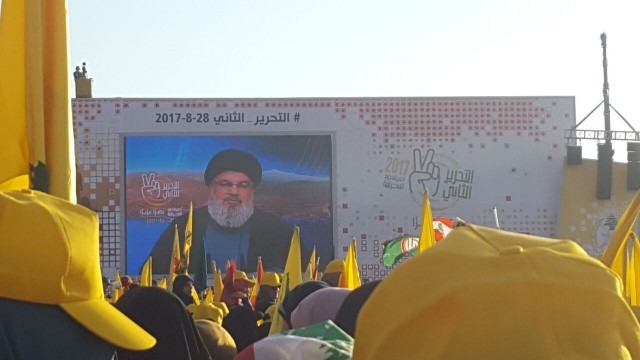
March 8 Alliance

Statelessness in Lebanon, Role of Regional and Trans-Regional Governments

Statelessness in Lebanon, Role of Regional and Trans-Regional Governments

Strategic Council Online – An expert on West Asian affairs referring to the intensification of foreign interference in Lebanon and the problems of the country’s political structure in preparing the grounds for forming a government, said: It seems that some parties are either seeking to engage Lebanon in civil war or leave the country in a vacuum so that the people stop supporting the Resistance.

Reasons for Not Forming a Government in Lebanon

Reasons for Not Forming a Government in Lebanon

Strategic Council Online – Interview: An expert on the Middle East affairs commenting on the reasons for Saad Hariri’s delay in forming the Lebanese government said: The Lebanese government has suffered from an internal crisis in recent years, especially after the 2018 elections; in this way, the governments that came to power could not form a cabinet or continue to work due to some issues such as internal protests or lack of internal political understanding.

Lebanon’s government crisis: consequences and dimensions

Lebanon’s government crisis: consequences and dimensions

Strategic Council Online: Editorial—Under the present circumstances, we may witness once again a crisis in the formation of the Lebanese cabinet. With increasing foreign interference in Lebanon, it seems this crisis would be extended and prolonged more than the previous occasions as each of the foreign players are seeking to advance their own objectives and want to set the pieces of government in their own favour. This is while Lebanon is not a country to be settled with instruction issued from abroad.
Hossein Ajorloo – Expert of Middle East affairs

Enemies of Resistance Axis Agenda to Confront Lebanese Hezbollah

Enemies of Resistance Axis Agenda to Confront Lebanese Hezbollah

Strategic Council Online – The United States, Britain, France and Saudi Arabia are now trying to create conditions to render the government of Hassan Diab ineffective through outside economic pressure and to provoke the people inside so that Lebanon’s Hezbollah too will come under pressure.
Hassan Hanizadeh – Middle East Affairs Expert

Behind the Scenes of New Unrest in Lebanon

Behind the Scenes of New Unrest in Lebanon

Strategic Council Online – An analyst on West Asian affairs said there were “obvious hands” among foreign countries as well as domestic political currents against the Lebanese government, adding that Hassan Diab’s government did not appear to be able to maintain the status quo and efforts are underway to overthrow his government and put the phase of confrontation with the Hezbollah on the agenda; So the next step will be very difficult for Lebanon.

Popular Protests and Foreign Interventions in Lebanon

Popular Protests and Foreign Interventions in Lebanon

Strategic Council Online: An analyst on regional issues, referring to the resignation of Lebanese Prime Minister Saad Hariri and the pressure of certain countries to wage a civil war in Lebanon and weaken the Lebanese Hezbollah, said that today more than being normal events based on current developments the recent unrests revolve around the demands of the external elements with an aim to undermine stability and peace in Lebanon.

Traces of Foreign Interference in Lebanese Unrest

Traces of Foreign Interference in Lebanese Unrest

Strategic Council Online: A regional affairs analyst has no doubt that the recent unrest in Lebanon had both internal causes and many evidences showing external intervention. He added that with the prudence exercised by the Hezbollah leadership, the negotiations that took place and the measures taken by the Lebanese government to introduce reforms the result was a new victory for the Islamic Resistance and the Hezbollah.

أحدث الوظائف

Realities of the Tripartite Makkah Pact

SCFR Online – Interview: The signing of the Makkah agreement between Saudi Arabia, Pakistan, and Turkey has raised questions about the future of the region’s security structure and the position of these countries in West Asian equations. Can this agreement become a genuine collective defense mechanism, or does it have more of a political and deterrent function than creating new military capacity?

Strategic Implications of the Reduction of US Weapons Stockpiles

SCFR Online – Opinion: The continuation of the US war against Iran, in addition to increasing operational costs, has called into question the actual capacity of the American arsenal to simultaneously fulfill security commitments on multiple fronts; an issue that affects deterrence, defense production capacity, and Washington’s resource prioritization.

The Formation of a New Order in Relations Between Powers

SCFR Online – Opinion: The Russia-Ukraine war and the war of the United States and the Israeli regime against Iran have been formed with different objectives and actors, but field and political developments indicate that they are not entirely separate from one another.

An Analysis of the Makkah Defense Pact

SCFR Online – Opinion: On Friday, August 7, the heads of state of three countries – Saudi Arabia, Turkey, and Pakistan – signed a text under the title “Makkah Joint Defense Agreement.”

Dimensions and challenges of the initiative to revive the Hejaz Railway

Strategic Council Online – Note: The initiative to revive the Hejaz Railway, beyond being a transportation project, constitutes an attempt to redefine geopolitics, the economy, and Turkey’s regional position; however, its realization appears to face significant financial, security, and institutional challenges.

Loading

March 8 Alliance

Statelessness in Lebanon, Role of Regional and Trans-Regional Governments

Statelessness in Lebanon, Role of Regional and Trans-Regional Governments

Strategic Council Online – An expert on West Asian affairs referring to the intensification of foreign interference in Lebanon and the problems of the country’s political structure in preparing the grounds for forming a government, said: It seems that some parties are either seeking to engage Lebanon in civil war or leave the country in a vacuum so that the people stop supporting the Resistance.

Reasons for Not Forming a Government in Lebanon

Reasons for Not Forming a Government in Lebanon

Strategic Council Online – Interview: An expert on the Middle East affairs commenting on the reasons for Saad Hariri’s delay in forming the Lebanese government said: The Lebanese government has suffered from an internal crisis in recent years, especially after the 2018 elections; in this way, the governments that came to power could not form a cabinet or continue to work due to some issues such as internal protests or lack of internal political understanding.

Lebanon’s government crisis: consequences and dimensions

Lebanon’s government crisis: consequences and dimensions

Strategic Council Online: Editorial—Under the present circumstances, we may witness once again a crisis in the formation of the Lebanese cabinet. With increasing foreign interference in Lebanon, it seems this crisis would be extended and prolonged more than the previous occasions as each of the foreign players are seeking to advance their own objectives and want to set the pieces of government in their own favour. This is while Lebanon is not a country to be settled with instruction issued from abroad.
Hossein Ajorloo – Expert of Middle East affairs

Enemies of Resistance Axis Agenda to Confront Lebanese Hezbollah

Enemies of Resistance Axis Agenda to Confront Lebanese Hezbollah

Strategic Council Online – The United States, Britain, France and Saudi Arabia are now trying to create conditions to render the government of Hassan Diab ineffective through outside economic pressure and to provoke the people inside so that Lebanon’s Hezbollah too will come under pressure.
Hassan Hanizadeh – Middle East Affairs Expert

Behind the Scenes of New Unrest in Lebanon

Behind the Scenes of New Unrest in Lebanon

Strategic Council Online – An analyst on West Asian affairs said there were “obvious hands” among foreign countries as well as domestic political currents against the Lebanese government, adding that Hassan Diab’s government did not appear to be able to maintain the status quo and efforts are underway to overthrow his government and put the phase of confrontation with the Hezbollah on the agenda; So the next step will be very difficult for Lebanon.

Popular Protests and Foreign Interventions in Lebanon

Popular Protests and Foreign Interventions in Lebanon

Strategic Council Online: An analyst on regional issues, referring to the resignation of Lebanese Prime Minister Saad Hariri and the pressure of certain countries to wage a civil war in Lebanon and weaken the Lebanese Hezbollah, said that today more than being normal events based on current developments the recent unrests revolve around the demands of the external elements with an aim to undermine stability and peace in Lebanon.

Traces of Foreign Interference in Lebanese Unrest

Traces of Foreign Interference in Lebanese Unrest

Strategic Council Online: A regional affairs analyst has no doubt that the recent unrest in Lebanon had both internal causes and many evidences showing external intervention. He added that with the prudence exercised by the Hezbollah leadership, the negotiations that took place and the measures taken by the Lebanese government to introduce reforms the result was a new victory for the Islamic Resistance and the Hezbollah.

March 8 Alliance

Statelessness in Lebanon, Role of Regional and Trans-Regional Governments

Statelessness in Lebanon, Role of Regional and Trans-Regional Governments

Strategic Council Online – An expert on West Asian affairs referring to the intensification of foreign interference in Lebanon and the problems of the country’s political structure in preparing the grounds for forming a government, said: It seems that some parties are either seeking to engage Lebanon in civil war or leave the country in a vacuum so that the people stop supporting the Resistance.

Reasons for Not Forming a Government in Lebanon

Reasons for Not Forming a Government in Lebanon

Strategic Council Online – Interview: An expert on the Middle East affairs commenting on the reasons for Saad Hariri’s delay in forming the Lebanese government said: The Lebanese government has suffered from an internal crisis in recent years, especially after the 2018 elections; in this way, the governments that came to power could not form a cabinet or continue to work due to some issues such as internal protests or lack of internal political understanding.

Lebanon’s government crisis: consequences and dimensions

Lebanon’s government crisis: consequences and dimensions

Strategic Council Online: Editorial—Under the present circumstances, we may witness once again a crisis in the formation of the Lebanese cabinet. With increasing foreign interference in Lebanon, it seems this crisis would be extended and prolonged more than the previous occasions as each of the foreign players are seeking to advance their own objectives and want to set the pieces of government in their own favour. This is while Lebanon is not a country to be settled with instruction issued from abroad.
Hossein Ajorloo – Expert of Middle East affairs

Enemies of Resistance Axis Agenda to Confront Lebanese Hezbollah

Enemies of Resistance Axis Agenda to Confront Lebanese Hezbollah

Strategic Council Online – The United States, Britain, France and Saudi Arabia are now trying to create conditions to render the government of Hassan Diab ineffective through outside economic pressure and to provoke the people inside so that Lebanon’s Hezbollah too will come under pressure.
Hassan Hanizadeh – Middle East Affairs Expert

Behind the Scenes of New Unrest in Lebanon

Behind the Scenes of New Unrest in Lebanon

Strategic Council Online – An analyst on West Asian affairs said there were “obvious hands” among foreign countries as well as domestic political currents against the Lebanese government, adding that Hassan Diab’s government did not appear to be able to maintain the status quo and efforts are underway to overthrow his government and put the phase of confrontation with the Hezbollah on the agenda; So the next step will be very difficult for Lebanon.

Popular Protests and Foreign Interventions in Lebanon

Popular Protests and Foreign Interventions in Lebanon

Strategic Council Online: An analyst on regional issues, referring to the resignation of Lebanese Prime Minister Saad Hariri and the pressure of certain countries to wage a civil war in Lebanon and weaken the Lebanese Hezbollah, said that today more than being normal events based on current developments the recent unrests revolve around the demands of the external elements with an aim to undermine stability and peace in Lebanon.

Traces of Foreign Interference in Lebanese Unrest

Traces of Foreign Interference in Lebanese Unrest

Strategic Council Online: A regional affairs analyst has no doubt that the recent unrest in Lebanon had both internal causes and many evidences showing external intervention. He added that with the prudence exercised by the Hezbollah leadership, the negotiations that took place and the measures taken by the Lebanese government to introduce reforms the result was a new victory for the Islamic Resistance and the Hezbollah.

LATEST CONTENT

Realities of the Tripartite Makkah Pact

SCFR Online – Interview: The signing of the Makkah agreement between Saudi Arabia, Pakistan, and Turkey has raised questions about the future of the region’s security structure and the position of these countries in West Asian equations. Can this agreement become a genuine collective defense mechanism, or does it have more of a political and deterrent function than creating new military capacity?

Strategic Implications of the Reduction of US Weapons Stockpiles

SCFR Online – Opinion: The continuation of the US war against Iran, in addition to increasing operational costs, has called into question the actual capacity of the American arsenal to simultaneously fulfill security commitments on multiple fronts; an issue that affects deterrence, defense production capacity, and Washington’s resource prioritization.

The Formation of a New Order in Relations Between Powers

SCFR Online – Opinion: The Russia-Ukraine war and the war of the United States and the Israeli regime against Iran have been formed with different objectives and actors, but field and political developments indicate that they are not entirely separate from one another.

An Analysis of the Makkah Defense Pact

SCFR Online – Opinion: On Friday, August 7, the heads of state of three countries – Saudi Arabia, Turkey, and Pakistan – signed a text under the title “Makkah Joint Defense Agreement.”

Dimensions and challenges of the initiative to revive the Hejaz Railway

Strategic Council Online – Note: The initiative to revive the Hejaz Railway, beyond being a transportation project, constitutes an attempt to redefine geopolitics, the economy, and Turkey’s regional position; however, its realization appears to face significant financial, security, and institutional challenges.

Loading

March 8 Alliance

Statelessness in Lebanon, Role of Regional and Trans-Regional Governments

Statelessness in Lebanon, Role of Regional and Trans-Regional Governments

Strategic Council Online – An expert on West Asian affairs referring to the intensification of foreign interference in Lebanon and the problems of the country’s political structure in preparing the grounds for forming a government, said: It seems that some parties are either seeking to engage Lebanon in civil war or leave the country in a vacuum so that the people stop supporting the Resistance.

Reasons for Not Forming a Government in Lebanon

Reasons for Not Forming a Government in Lebanon

Strategic Council Online – Interview: An expert on the Middle East affairs commenting on the reasons for Saad Hariri’s delay in forming the Lebanese government said: The Lebanese government has suffered from an internal crisis in recent years, especially after the 2018 elections; in this way, the governments that came to power could not form a cabinet or continue to work due to some issues such as internal protests or lack of internal political understanding.

Lebanon’s government crisis: consequences and dimensions

Lebanon’s government crisis: consequences and dimensions

Strategic Council Online: Editorial—Under the present circumstances, we may witness once again a crisis in the formation of the Lebanese cabinet. With increasing foreign interference in Lebanon, it seems this crisis would be extended and prolonged more than the previous occasions as each of the foreign players are seeking to advance their own objectives and want to set the pieces of government in their own favour. This is while Lebanon is not a country to be settled with instruction issued from abroad.
Hossein Ajorloo – Expert of Middle East affairs

Enemies of Resistance Axis Agenda to Confront Lebanese Hezbollah

Enemies of Resistance Axis Agenda to Confront Lebanese Hezbollah

Strategic Council Online – The United States, Britain, France and Saudi Arabia are now trying to create conditions to render the government of Hassan Diab ineffective through outside economic pressure and to provoke the people inside so that Lebanon’s Hezbollah too will come under pressure.
Hassan Hanizadeh – Middle East Affairs Expert

Behind the Scenes of New Unrest in Lebanon

Behind the Scenes of New Unrest in Lebanon

Strategic Council Online – An analyst on West Asian affairs said there were “obvious hands” among foreign countries as well as domestic political currents against the Lebanese government, adding that Hassan Diab’s government did not appear to be able to maintain the status quo and efforts are underway to overthrow his government and put the phase of confrontation with the Hezbollah on the agenda; So the next step will be very difficult for Lebanon.

Popular Protests and Foreign Interventions in Lebanon

Popular Protests and Foreign Interventions in Lebanon

Strategic Council Online: An analyst on regional issues, referring to the resignation of Lebanese Prime Minister Saad Hariri and the pressure of certain countries to wage a civil war in Lebanon and weaken the Lebanese Hezbollah, said that today more than being normal events based on current developments the recent unrests revolve around the demands of the external elements with an aim to undermine stability and peace in Lebanon.

Traces of Foreign Interference in Lebanese Unrest

Traces of Foreign Interference in Lebanese Unrest

Strategic Council Online: A regional affairs analyst has no doubt that the recent unrest in Lebanon had both internal causes and many evidences showing external intervention. He added that with the prudence exercised by the Hezbollah leadership, the negotiations that took place and the measures taken by the Lebanese government to introduce reforms the result was a new victory for the Islamic Resistance and the Hezbollah.

ÚLTIMAS PUBLICACIONES

Realities of the Tripartite Makkah Pact

SCFR Online – Interview: The signing of the Makkah agreement between Saudi Arabia, Pakistan, and Turkey has raised questions about the future of the region’s security structure and the position of these countries in West Asian equations. Can this agreement become a genuine collective defense mechanism, or does it have more of a political and deterrent function than creating new military capacity?

Strategic Implications of the Reduction of US Weapons Stockpiles

SCFR Online – Opinion: The continuation of the US war against Iran, in addition to increasing operational costs, has called into question the actual capacity of the American arsenal to simultaneously fulfill security commitments on multiple fronts; an issue that affects deterrence, defense production capacity, and Washington’s resource prioritization.

The Formation of a New Order in Relations Between Powers

SCFR Online – Opinion: The Russia-Ukraine war and the war of the United States and the Israeli regime against Iran have been formed with different objectives and actors, but field and political developments indicate that they are not entirely separate from one another.

An Analysis of the Makkah Defense Pact

SCFR Online – Opinion: On Friday, August 7, the heads of state of three countries – Saudi Arabia, Turkey, and Pakistan – signed a text under the title “Makkah Joint Defense Agreement.”

Dimensions and challenges of the initiative to revive the Hejaz Railway

Strategic Council Online – Note: The initiative to revive the Hejaz Railway, beyond being a transportation project, constitutes an attempt to redefine geopolitics, the economy, and Turkey’s regional position; however, its realization appears to face significant financial, security, and institutional challenges.

Loading

March 8 Alliance

Statelessness in Lebanon, Role of Regional and Trans-Regional Governments

Statelessness in Lebanon, Role of Regional and Trans-Regional Governments

Strategic Council Online – An expert on West Asian affairs referring to the intensification of foreign interference in Lebanon and the problems of the country’s political structure in preparing the grounds for forming a government, said: It seems that some parties are either seeking to engage Lebanon in civil war or leave the country in a vacuum so that the people stop supporting the Resistance.

Reasons for Not Forming a Government in Lebanon

Reasons for Not Forming a Government in Lebanon

Strategic Council Online – Interview: An expert on the Middle East affairs commenting on the reasons for Saad Hariri’s delay in forming the Lebanese government said: The Lebanese government has suffered from an internal crisis in recent years, especially after the 2018 elections; in this way, the governments that came to power could not form a cabinet or continue to work due to some issues such as internal protests or lack of internal political understanding.

Lebanon’s government crisis: consequences and dimensions

Lebanon’s government crisis: consequences and dimensions

Strategic Council Online: Editorial—Under the present circumstances, we may witness once again a crisis in the formation of the Lebanese cabinet. With increasing foreign interference in Lebanon, it seems this crisis would be extended and prolonged more than the previous occasions as each of the foreign players are seeking to advance their own objectives and want to set the pieces of government in their own favour. This is while Lebanon is not a country to be settled with instruction issued from abroad.
Hossein Ajorloo – Expert of Middle East affairs

Enemies of Resistance Axis Agenda to Confront Lebanese Hezbollah

Enemies of Resistance Axis Agenda to Confront Lebanese Hezbollah

Strategic Council Online – The United States, Britain, France and Saudi Arabia are now trying to create conditions to render the government of Hassan Diab ineffective through outside economic pressure and to provoke the people inside so that Lebanon’s Hezbollah too will come under pressure.
Hassan Hanizadeh – Middle East Affairs Expert

Behind the Scenes of New Unrest in Lebanon

Behind the Scenes of New Unrest in Lebanon

Strategic Council Online – An analyst on West Asian affairs said there were “obvious hands” among foreign countries as well as domestic political currents against the Lebanese government, adding that Hassan Diab’s government did not appear to be able to maintain the status quo and efforts are underway to overthrow his government and put the phase of confrontation with the Hezbollah on the agenda; So the next step will be very difficult for Lebanon.

Popular Protests and Foreign Interventions in Lebanon

Popular Protests and Foreign Interventions in Lebanon

Strategic Council Online: An analyst on regional issues, referring to the resignation of Lebanese Prime Minister Saad Hariri and the pressure of certain countries to wage a civil war in Lebanon and weaken the Lebanese Hezbollah, said that today more than being normal events based on current developments the recent unrests revolve around the demands of the external elements with an aim to undermine stability and peace in Lebanon.

Traces of Foreign Interference in Lebanese Unrest

Traces of Foreign Interference in Lebanese Unrest

Strategic Council Online: A regional affairs analyst has no doubt that the recent unrest in Lebanon had both internal causes and many evidences showing external intervention. He added that with the prudence exercised by the Hezbollah leadership, the negotiations that took place and the measures taken by the Lebanese government to introduce reforms the result was a new victory for the Islamic Resistance and the Hezbollah.

ÚLTIMAS PUBLICACIONES

Realities of the Tripartite Makkah Pact

SCFR Online – Interview: The signing of the Makkah agreement between Saudi Arabia, Pakistan, and Turkey has raised questions about the future of the region’s security structure and the position of these countries in West Asian equations. Can this agreement become a genuine collective defense mechanism, or does it have more of a political and deterrent function than creating new military capacity?

Strategic Implications of the Reduction of US Weapons Stockpiles

SCFR Online – Opinion: The continuation of the US war against Iran, in addition to increasing operational costs, has called into question the actual capacity of the American arsenal to simultaneously fulfill security commitments on multiple fronts; an issue that affects deterrence, defense production capacity, and Washington’s resource prioritization.

The Formation of a New Order in Relations Between Powers

SCFR Online – Opinion: The Russia-Ukraine war and the war of the United States and the Israeli regime against Iran have been formed with different objectives and actors, but field and political developments indicate that they are not entirely separate from one another.

An Analysis of the Makkah Defense Pact

SCFR Online – Opinion: On Friday, August 7, the heads of state of three countries – Saudi Arabia, Turkey, and Pakistan – signed a text under the title “Makkah Joint Defense Agreement.”

Dimensions and challenges of the initiative to revive the Hejaz Railway

Strategic Council Online – Note: The initiative to revive the Hejaz Railway, beyond being a transportation project, constitutes an attempt to redefine geopolitics, the economy, and Turkey’s regional position; however, its realization appears to face significant financial, security, and institutional challenges.

Loading

March 8 Alliance

Statelessness in Lebanon, Role of Regional and Trans-Regional Governments

Statelessness in Lebanon, Role of Regional and Trans-Regional Governments

Strategic Council Online – An expert on West Asian affairs referring to the intensification of foreign interference in Lebanon and the problems of the country’s political structure in preparing the grounds for forming a government, said: It seems that some parties are either seeking to engage Lebanon in civil war or leave the country in a vacuum so that the people stop supporting the Resistance.

Reasons for Not Forming a Government in Lebanon

Reasons for Not Forming a Government in Lebanon

Strategic Council Online – Interview: An expert on the Middle East affairs commenting on the reasons for Saad Hariri’s delay in forming the Lebanese government said: The Lebanese government has suffered from an internal crisis in recent years, especially after the 2018 elections; in this way, the governments that came to power could not form a cabinet or continue to work due to some issues such as internal protests or lack of internal political understanding.

Lebanon’s government crisis: consequences and dimensions

Lebanon’s government crisis: consequences and dimensions

Strategic Council Online: Editorial—Under the present circumstances, we may witness once again a crisis in the formation of the Lebanese cabinet. With increasing foreign interference in Lebanon, it seems this crisis would be extended and prolonged more than the previous occasions as each of the foreign players are seeking to advance their own objectives and want to set the pieces of government in their own favour. This is while Lebanon is not a country to be settled with instruction issued from abroad.
Hossein Ajorloo – Expert of Middle East affairs

Enemies of Resistance Axis Agenda to Confront Lebanese Hezbollah

Enemies of Resistance Axis Agenda to Confront Lebanese Hezbollah

Strategic Council Online – The United States, Britain, France and Saudi Arabia are now trying to create conditions to render the government of Hassan Diab ineffective through outside economic pressure and to provoke the people inside so that Lebanon’s Hezbollah too will come under pressure.
Hassan Hanizadeh – Middle East Affairs Expert

Behind the Scenes of New Unrest in Lebanon

Behind the Scenes of New Unrest in Lebanon

Strategic Council Online – An analyst on West Asian affairs said there were “obvious hands” among foreign countries as well as domestic political currents against the Lebanese government, adding that Hassan Diab’s government did not appear to be able to maintain the status quo and efforts are underway to overthrow his government and put the phase of confrontation with the Hezbollah on the agenda; So the next step will be very difficult for Lebanon.

Popular Protests and Foreign Interventions in Lebanon

Popular Protests and Foreign Interventions in Lebanon

Strategic Council Online: An analyst on regional issues, referring to the resignation of Lebanese Prime Minister Saad Hariri and the pressure of certain countries to wage a civil war in Lebanon and weaken the Lebanese Hezbollah, said that today more than being normal events based on current developments the recent unrests revolve around the demands of the external elements with an aim to undermine stability and peace in Lebanon.

Traces of Foreign Interference in Lebanese Unrest

Traces of Foreign Interference in Lebanese Unrest

Strategic Council Online: A regional affairs analyst has no doubt that the recent unrest in Lebanon had both internal causes and many evidences showing external intervention. He added that with the prudence exercised by the Hezbollah leadership, the negotiations that took place and the measures taken by the Lebanese government to introduce reforms the result was a new victory for the Islamic Resistance and the Hezbollah.

ÚLTIMAS PUBLICACIONES

Realities of the Tripartite Makkah Pact

SCFR Online – Interview: The signing of the Makkah agreement between Saudi Arabia, Pakistan, and Turkey has raised questions about the future of the region’s security structure and the position of these countries in West Asian equations. Can this agreement become a genuine collective defense mechanism, or does it have more of a political and deterrent function than creating new military capacity?

Strategic Implications of the Reduction of US Weapons Stockpiles

SCFR Online – Opinion: The continuation of the US war against Iran, in addition to increasing operational costs, has called into question the actual capacity of the American arsenal to simultaneously fulfill security commitments on multiple fronts; an issue that affects deterrence, defense production capacity, and Washington’s resource prioritization.

The Formation of a New Order in Relations Between Powers

SCFR Online – Opinion: The Russia-Ukraine war and the war of the United States and the Israeli regime against Iran have been formed with different objectives and actors, but field and political developments indicate that they are not entirely separate from one another.

An Analysis of the Makkah Defense Pact

SCFR Online – Opinion: On Friday, August 7, the heads of state of three countries – Saudi Arabia, Turkey, and Pakistan – signed a text under the title “Makkah Joint Defense Agreement.”

Dimensions and challenges of the initiative to revive the Hejaz Railway

Strategic Council Online – Note: The initiative to revive the Hejaz Railway, beyond being a transportation project, constitutes an attempt to redefine geopolitics, the economy, and Turkey’s regional position; however, its realization appears to face significant financial, security, and institutional challenges.

Loading

March 8 Alliance

Statelessness in Lebanon, Role of Regional and Trans-Regional Governments

Statelessness in Lebanon, Role of Regional and Trans-Regional Governments

Strategic Council Online – An expert on West Asian affairs referring to the intensification of foreign interference in Lebanon and the problems of the country’s political structure in preparing the grounds for forming a government, said: It seems that some parties are either seeking to engage Lebanon in civil war or leave the country in a vacuum so that the people stop supporting the Resistance.

Reasons for Not Forming a Government in Lebanon

Reasons for Not Forming a Government in Lebanon

Strategic Council Online – Interview: An expert on the Middle East affairs commenting on the reasons for Saad Hariri’s delay in forming the Lebanese government said: The Lebanese government has suffered from an internal crisis in recent years, especially after the 2018 elections; in this way, the governments that came to power could not form a cabinet or continue to work due to some issues such as internal protests or lack of internal political understanding.

Lebanon’s government crisis: consequences and dimensions

Lebanon’s government crisis: consequences and dimensions

Strategic Council Online: Editorial—Under the present circumstances, we may witness once again a crisis in the formation of the Lebanese cabinet. With increasing foreign interference in Lebanon, it seems this crisis would be extended and prolonged more than the previous occasions as each of the foreign players are seeking to advance their own objectives and want to set the pieces of government in their own favour. This is while Lebanon is not a country to be settled with instruction issued from abroad.
Hossein Ajorloo – Expert of Middle East affairs

Enemies of Resistance Axis Agenda to Confront Lebanese Hezbollah

Enemies of Resistance Axis Agenda to Confront Lebanese Hezbollah

Strategic Council Online – The United States, Britain, France and Saudi Arabia are now trying to create conditions to render the government of Hassan Diab ineffective through outside economic pressure and to provoke the people inside so that Lebanon’s Hezbollah too will come under pressure.
Hassan Hanizadeh – Middle East Affairs Expert

Behind the Scenes of New Unrest in Lebanon

Behind the Scenes of New Unrest in Lebanon

Strategic Council Online – An analyst on West Asian affairs said there were “obvious hands” among foreign countries as well as domestic political currents against the Lebanese government, adding that Hassan Diab’s government did not appear to be able to maintain the status quo and efforts are underway to overthrow his government and put the phase of confrontation with the Hezbollah on the agenda; So the next step will be very difficult for Lebanon.

Popular Protests and Foreign Interventions in Lebanon

Popular Protests and Foreign Interventions in Lebanon

Strategic Council Online: An analyst on regional issues, referring to the resignation of Lebanese Prime Minister Saad Hariri and the pressure of certain countries to wage a civil war in Lebanon and weaken the Lebanese Hezbollah, said that today more than being normal events based on current developments the recent unrests revolve around the demands of the external elements with an aim to undermine stability and peace in Lebanon.

Traces of Foreign Interference in Lebanese Unrest

Traces of Foreign Interference in Lebanese Unrest

Strategic Council Online: A regional affairs analyst has no doubt that the recent unrest in Lebanon had both internal causes and many evidences showing external intervention. He added that with the prudence exercised by the Hezbollah leadership, the negotiations that took place and the measures taken by the Lebanese government to introduce reforms the result was a new victory for the Islamic Resistance and the Hezbollah.

ÚLTIMAS PUBLICACIONES

Realities of the Tripartite Makkah Pact

SCFR Online – Interview: The signing of the Makkah agreement between Saudi Arabia, Pakistan, and Turkey has raised questions about the future of the region’s security structure and the position of these countries in West Asian equations. Can this agreement become a genuine collective defense mechanism, or does it have more of a political and deterrent function than creating new military capacity?

Strategic Implications of the Reduction of US Weapons Stockpiles

SCFR Online – Opinion: The continuation of the US war against Iran, in addition to increasing operational costs, has called into question the actual capacity of the American arsenal to simultaneously fulfill security commitments on multiple fronts; an issue that affects deterrence, defense production capacity, and Washington’s resource prioritization.

The Formation of a New Order in Relations Between Powers

SCFR Online – Opinion: The Russia-Ukraine war and the war of the United States and the Israeli regime against Iran have been formed with different objectives and actors, but field and political developments indicate that they are not entirely separate from one another.

An Analysis of the Makkah Defense Pact

SCFR Online – Opinion: On Friday, August 7, the heads of state of three countries – Saudi Arabia, Turkey, and Pakistan – signed a text under the title “Makkah Joint Defense Agreement.”

Dimensions and challenges of the initiative to revive the Hejaz Railway

Strategic Council Online – Note: The initiative to revive the Hejaz Railway, beyond being a transportation project, constitutes an attempt to redefine geopolitics, the economy, and Turkey’s regional position; however, its realization appears to face significant financial, security, and institutional challenges.

Loading