جدیدترین مطالب

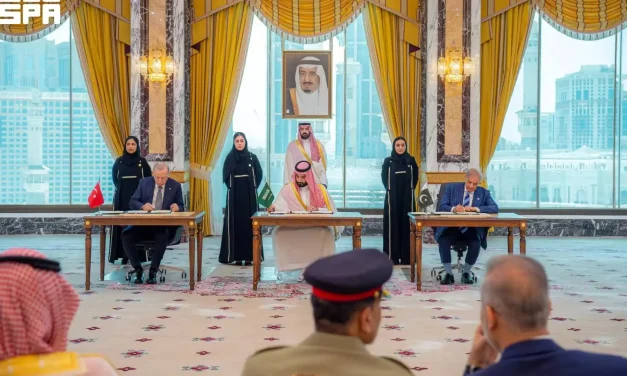
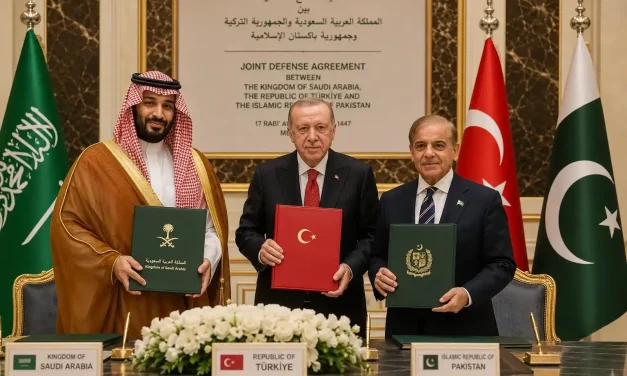
The Makkah Pact; Reasons for its Formation and Challenges Ahead

SCFR Online – Opinion: The Makkah Pact, signed between Saudi Arabia, Pakistan, and Turkey under the motto “an attack on one is an attack on all,” is viewed by some analysts less as a full-fledged military coalition and more as an attempt to reduce security dependence on an external power and to establish a regional security mechanism.

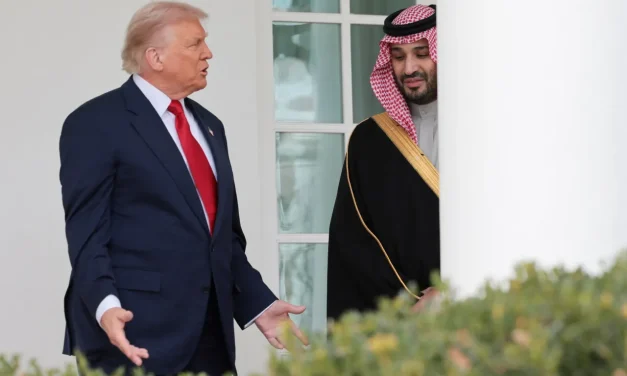
Implications of the US-Saudi Nuclear Agreement

SCFR Online – Opinion: The new US-Saudi nuclear agreement, despite legal and political ambiguities, could alter previous non-proliferation standards in West Asia and intensify nuclear competition, ushering it into a new phase.

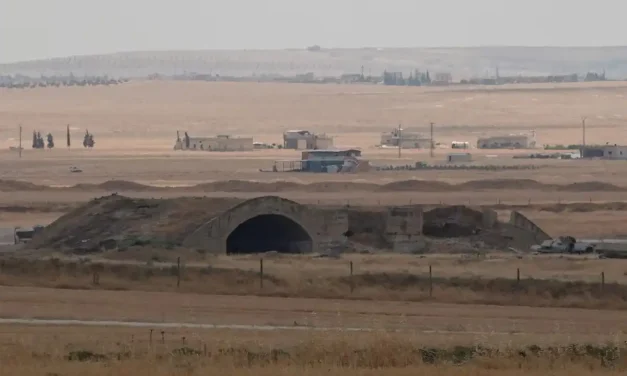
An Analysis of Recent Turkey-Israeli Regime Tensions

SCFR Online – Opinion: Recent developments in Syria indicate an intensification of strategic rivalry between Turkey and the Israeli regime, but mutual considerations and the role of the United States have limited the likelihood of direct war.

Increasing criticism of the extensive Zionist lobby network

SCFR Online – Opinion: An examination of the mechanisms of the Israeli regime’s influence in the United States depicts a complex picture of shared interests, strategic dependencies, and the limitations of this relationship.

Realities of the Tripartite Makkah Pact

SCFR Online – Interview: The signing of the Makkah agreement between Saudi Arabia, Pakistan, and Turkey has raised questions about the future of the region’s security structure and the position of these countries in West Asian equations. Can this agreement become a genuine collective defense mechanism, or does it have more of a political and deterrent function than creating new military capacity?

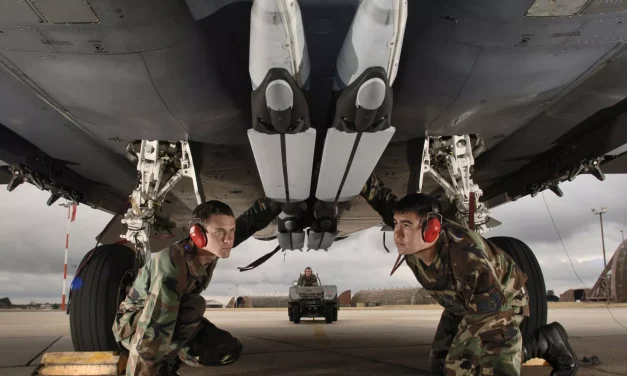
Strategic Implications of the Reduction of US Weapons Stockpiles

SCFR Online – Opinion: The continuation of the US war against Iran, in addition to increasing operational costs, has called into question the actual capacity of the American arsenal to simultaneously fulfill security commitments on multiple fronts; an issue that affects deterrence, defense production capacity, and Washington’s resource prioritization.

Loading

Middle East

West’s Strategic Reflections on “Eastern Threat”

West’s Strategic Reflections on “Eastern Threat”

Strategic Council Online – “The post-corona era is a space for hostility in the areas of trade, finance, economics and administration,” a university professor said, referring to NATO Secretary-General’s warning of China’s future threat to the West. “These tensions have begun and cannot be ignored in the relations of the great powers,” he said.

Reasons for US Military Buildup in South China Sea

Reasons for US Military Buildup in South China Sea

Strategic Council Online – Developments in recent years in the South China Sea, namely China’s efforts to increase its maritime territory by building artificial islands and claiming ownership of some islands in the sea that have caused some controversy with neighboring countries such as the Philippines, Vietnam, Malaysia and the like has led the United States, along with its allies Australia and Britain, to increase its military presence in the South China Sea.
Reza Mirtaher – American Affairs Expert

Consolidation of China- Zionist Regime Cooperation under US Control

Consolidation of China- Zionist Regime Cooperation under US Control

Strategic Council Online: Given Tel Aviv-Washington relations and their long-standing alliance, as well as the hostility and escalation of tensions between China and the United States, it can be said that Israeli-Chinese relations are fully calculated and Tel Aviv would enter into any deal with China by taking into account US sensitivities.
Pir Mohammad Mollazehi – Asian Affairs Expert

Post-Corona and International Economic Outlook

Post-Corona and International Economic Outlook

Strategic Council Online: A professor of political economy, referring to the economic consequences of the corona epidemic for the international economy, said: “The post-corona era is not a time to be dependent on Europe and the United States, and in the near future we will see Asian powers will increase their developmental process and economic power at higher speed and strength in the international arena.”

New Strategy of Hebrew-Arab-Western Front in Syria

New Strategy of Hebrew-Arab-Western Front in Syria

Strategic Council Online: The US-led Hebrew-Arab-Western axis, which has failed to contain the Resistance Axis in the political and security spheres, has entered the military phase, namely the escalation of the Zionist regime’s attacks and the resurgence of ISIS in Syria.
Hossein Ajorlou – Middle East Affairs Expert

Falling Oil Prices & Decline of Militarism in the MENA

Falling Oil Prices & Decline of Militarism in the MENA

Strategic Council Online: An expert on political economy said that until now the treasury of the Persian Gulf Arab states was the unofficial treasury of the Americans, adding that this type of funding will practically be cut with the falling oil prices because the Arab states themselves are faced with budget deficits and cannot afford supporting US terrorist schemes in the region.

Strategic Outcome of Escalating Intervention by Foreign Actors in Libya

Strategic Outcome of Escalating Intervention by Foreign Actors in Libya

Strategic Council Online: Referring to the war of words between Turkey and the UAE over Libya, a university professor said that the rivalry that has taken place between the two groups in Libya is an endless game in which neither side will succeed in becoming influential powers in the Middle East and the Mediterranean. He said if this trend continues they will not be total victors in Libya.

Power Seeking of Saudi Crown Prince in the shadow of Corona Global Crisis

Power Seeking of Saudi Crown Prince in the shadow of Corona Global Crisis

Strategic Council Online: An expert on Middle East affairs citing the global outbreak of the corona crisis, as well as the news on the arrest and restriction of the Saudi Crown Prince’s opponents under the pretext of quarantine, said: Bin Salman has tried to take advantage of the conditions caused by the coronavirus and eliminate his opponents. Re-adoption of conservative policies after a round of unsuccessful experience with political ambitions seems to put Saudi Arabia more focused on the economy. Accordingly, such an atmosphere could pave the way for greater engagement with Iran

New Crises and a Tough Test for Saudi Arabia

New Crises and a Tough Test for Saudi Arabia

Strategic Council Online: The developments occurring in Saudi Arabia in recent weeks for quantitative and qualitative reasons are considerably detached from the traditional process, based on general and current standards in the country. Meantime, some observers and analysts evaluate the situation of political trends in Saudi Arabia to be different from the previous years.
Abolghasem Delfi – Former Iranian Ambassador

Effective Components of Global Oil Market Supply & Demand

Effective Components of Global Oil Market Supply & Demand

Strategic Council Online: In the context of global oil demand, corona epidemic has the greatest impact on future demand, and the likelihood that global oil demand will continue to be small in the next three months is high.
Reza Majidzadeh – Developmental Political Economy Researcher

أحدث الوظائف

The Makkah Pact; Reasons for its Formation and Challenges Ahead

SCFR Online – Opinion: The Makkah Pact, signed between Saudi Arabia, Pakistan, and Turkey under the motto “an attack on one is an attack on all,” is viewed by some analysts less as a full-fledged military coalition and more as an attempt to reduce security dependence on an external power and to establish a regional security mechanism.

Implications of the US-Saudi Nuclear Agreement

SCFR Online – Opinion: The new US-Saudi nuclear agreement, despite legal and political ambiguities, could alter previous non-proliferation standards in West Asia and intensify nuclear competition, ushering it into a new phase.

An Analysis of Recent Turkey-Israeli Regime Tensions

SCFR Online – Opinion: Recent developments in Syria indicate an intensification of strategic rivalry between Turkey and the Israeli regime, but mutual considerations and the role of the United States have limited the likelihood of direct war.

Increasing criticism of the extensive Zionist lobby network

SCFR Online – Opinion: An examination of the mechanisms of the Israeli regime’s influence in the United States depicts a complex picture of shared interests, strategic dependencies, and the limitations of this relationship.

Realities of the Tripartite Makkah Pact

SCFR Online – Interview: The signing of the Makkah agreement between Saudi Arabia, Pakistan, and Turkey has raised questions about the future of the region’s security structure and the position of these countries in West Asian equations. Can this agreement become a genuine collective defense mechanism, or does it have more of a political and deterrent function than creating new military capacity?

Strategic Implications of the Reduction of US Weapons Stockpiles

SCFR Online – Opinion: The continuation of the US war against Iran, in addition to increasing operational costs, has called into question the actual capacity of the American arsenal to simultaneously fulfill security commitments on multiple fronts; an issue that affects deterrence, defense production capacity, and Washington’s resource prioritization.

Loading

Middle East

West’s Strategic Reflections on “Eastern Threat”

West’s Strategic Reflections on “Eastern Threat”

Strategic Council Online – “The post-corona era is a space for hostility in the areas of trade, finance, economics and administration,” a university professor said, referring to NATO Secretary-General’s warning of China’s future threat to the West. “These tensions have begun and cannot be ignored in the relations of the great powers,” he said.

Reasons for US Military Buildup in South China Sea

Reasons for US Military Buildup in South China Sea

Strategic Council Online – Developments in recent years in the South China Sea, namely China’s efforts to increase its maritime territory by building artificial islands and claiming ownership of some islands in the sea that have caused some controversy with neighboring countries such as the Philippines, Vietnam, Malaysia and the like has led the United States, along with its allies Australia and Britain, to increase its military presence in the South China Sea.
Reza Mirtaher – American Affairs Expert

Consolidation of China- Zionist Regime Cooperation under US Control

Consolidation of China- Zionist Regime Cooperation under US Control

Strategic Council Online: Given Tel Aviv-Washington relations and their long-standing alliance, as well as the hostility and escalation of tensions between China and the United States, it can be said that Israeli-Chinese relations are fully calculated and Tel Aviv would enter into any deal with China by taking into account US sensitivities.
Pir Mohammad Mollazehi – Asian Affairs Expert

Post-Corona and International Economic Outlook

Post-Corona and International Economic Outlook

Strategic Council Online: A professor of political economy, referring to the economic consequences of the corona epidemic for the international economy, said: “The post-corona era is not a time to be dependent on Europe and the United States, and in the near future we will see Asian powers will increase their developmental process and economic power at higher speed and strength in the international arena.”

New Strategy of Hebrew-Arab-Western Front in Syria

New Strategy of Hebrew-Arab-Western Front in Syria

Strategic Council Online: The US-led Hebrew-Arab-Western axis, which has failed to contain the Resistance Axis in the political and security spheres, has entered the military phase, namely the escalation of the Zionist regime’s attacks and the resurgence of ISIS in Syria.
Hossein Ajorlou – Middle East Affairs Expert

Falling Oil Prices & Decline of Militarism in the MENA

Falling Oil Prices & Decline of Militarism in the MENA

Strategic Council Online: An expert on political economy said that until now the treasury of the Persian Gulf Arab states was the unofficial treasury of the Americans, adding that this type of funding will practically be cut with the falling oil prices because the Arab states themselves are faced with budget deficits and cannot afford supporting US terrorist schemes in the region.

Strategic Outcome of Escalating Intervention by Foreign Actors in Libya

Strategic Outcome of Escalating Intervention by Foreign Actors in Libya

Strategic Council Online: Referring to the war of words between Turkey and the UAE over Libya, a university professor said that the rivalry that has taken place between the two groups in Libya is an endless game in which neither side will succeed in becoming influential powers in the Middle East and the Mediterranean. He said if this trend continues they will not be total victors in Libya.

Power Seeking of Saudi Crown Prince in the shadow of Corona Global Crisis

Power Seeking of Saudi Crown Prince in the shadow of Corona Global Crisis

Strategic Council Online: An expert on Middle East affairs citing the global outbreak of the corona crisis, as well as the news on the arrest and restriction of the Saudi Crown Prince’s opponents under the pretext of quarantine, said: Bin Salman has tried to take advantage of the conditions caused by the coronavirus and eliminate his opponents. Re-adoption of conservative policies after a round of unsuccessful experience with political ambitions seems to put Saudi Arabia more focused on the economy. Accordingly, such an atmosphere could pave the way for greater engagement with Iran

New Crises and a Tough Test for Saudi Arabia

New Crises and a Tough Test for Saudi Arabia

Strategic Council Online: The developments occurring in Saudi Arabia in recent weeks for quantitative and qualitative reasons are considerably detached from the traditional process, based on general and current standards in the country. Meantime, some observers and analysts evaluate the situation of political trends in Saudi Arabia to be different from the previous years.
Abolghasem Delfi – Former Iranian Ambassador

Effective Components of Global Oil Market Supply & Demand

Effective Components of Global Oil Market Supply & Demand

Strategic Council Online: In the context of global oil demand, corona epidemic has the greatest impact on future demand, and the likelihood that global oil demand will continue to be small in the next three months is high.
Reza Majidzadeh – Developmental Political Economy Researcher

Middle East

West’s Strategic Reflections on “Eastern Threat”

West’s Strategic Reflections on “Eastern Threat”

Strategic Council Online – “The post-corona era is a space for hostility in the areas of trade, finance, economics and administration,” a university professor said, referring to NATO Secretary-General’s warning of China’s future threat to the West. “These tensions have begun and cannot be ignored in the relations of the great powers,” he said.

Reasons for US Military Buildup in South China Sea

Reasons for US Military Buildup in South China Sea

Strategic Council Online – Developments in recent years in the South China Sea, namely China’s efforts to increase its maritime territory by building artificial islands and claiming ownership of some islands in the sea that have caused some controversy with neighboring countries such as the Philippines, Vietnam, Malaysia and the like has led the United States, along with its allies Australia and Britain, to increase its military presence in the South China Sea.
Reza Mirtaher – American Affairs Expert

Consolidation of China- Zionist Regime Cooperation under US Control

Consolidation of China- Zionist Regime Cooperation under US Control

Strategic Council Online: Given Tel Aviv-Washington relations and their long-standing alliance, as well as the hostility and escalation of tensions between China and the United States, it can be said that Israeli-Chinese relations are fully calculated and Tel Aviv would enter into any deal with China by taking into account US sensitivities.
Pir Mohammad Mollazehi – Asian Affairs Expert

Post-Corona and International Economic Outlook

Post-Corona and International Economic Outlook

Strategic Council Online: A professor of political economy, referring to the economic consequences of the corona epidemic for the international economy, said: “The post-corona era is not a time to be dependent on Europe and the United States, and in the near future we will see Asian powers will increase their developmental process and economic power at higher speed and strength in the international arena.”

New Strategy of Hebrew-Arab-Western Front in Syria

New Strategy of Hebrew-Arab-Western Front in Syria

Strategic Council Online: The US-led Hebrew-Arab-Western axis, which has failed to contain the Resistance Axis in the political and security spheres, has entered the military phase, namely the escalation of the Zionist regime’s attacks and the resurgence of ISIS in Syria.
Hossein Ajorlou – Middle East Affairs Expert

Falling Oil Prices & Decline of Militarism in the MENA

Falling Oil Prices & Decline of Militarism in the MENA

Strategic Council Online: An expert on political economy said that until now the treasury of the Persian Gulf Arab states was the unofficial treasury of the Americans, adding that this type of funding will practically be cut with the falling oil prices because the Arab states themselves are faced with budget deficits and cannot afford supporting US terrorist schemes in the region.

Strategic Outcome of Escalating Intervention by Foreign Actors in Libya

Strategic Outcome of Escalating Intervention by Foreign Actors in Libya

Strategic Council Online: Referring to the war of words between Turkey and the UAE over Libya, a university professor said that the rivalry that has taken place between the two groups in Libya is an endless game in which neither side will succeed in becoming influential powers in the Middle East and the Mediterranean. He said if this trend continues they will not be total victors in Libya.

Power Seeking of Saudi Crown Prince in the shadow of Corona Global Crisis

Power Seeking of Saudi Crown Prince in the shadow of Corona Global Crisis

Strategic Council Online: An expert on Middle East affairs citing the global outbreak of the corona crisis, as well as the news on the arrest and restriction of the Saudi Crown Prince’s opponents under the pretext of quarantine, said: Bin Salman has tried to take advantage of the conditions caused by the coronavirus and eliminate his opponents. Re-adoption of conservative policies after a round of unsuccessful experience with political ambitions seems to put Saudi Arabia more focused on the economy. Accordingly, such an atmosphere could pave the way for greater engagement with Iran

New Crises and a Tough Test for Saudi Arabia

New Crises and a Tough Test for Saudi Arabia

Strategic Council Online: The developments occurring in Saudi Arabia in recent weeks for quantitative and qualitative reasons are considerably detached from the traditional process, based on general and current standards in the country. Meantime, some observers and analysts evaluate the situation of political trends in Saudi Arabia to be different from the previous years.
Abolghasem Delfi – Former Iranian Ambassador

Effective Components of Global Oil Market Supply & Demand

Effective Components of Global Oil Market Supply & Demand

Strategic Council Online: In the context of global oil demand, corona epidemic has the greatest impact on future demand, and the likelihood that global oil demand will continue to be small in the next three months is high.
Reza Majidzadeh – Developmental Political Economy Researcher

LATEST CONTENT

The Makkah Pact; Reasons for its Formation and Challenges Ahead

SCFR Online – Opinion: The Makkah Pact, signed between Saudi Arabia, Pakistan, and Turkey under the motto “an attack on one is an attack on all,” is viewed by some analysts less as a full-fledged military coalition and more as an attempt to reduce security dependence on an external power and to establish a regional security mechanism.

Implications of the US-Saudi Nuclear Agreement

SCFR Online – Opinion: The new US-Saudi nuclear agreement, despite legal and political ambiguities, could alter previous non-proliferation standards in West Asia and intensify nuclear competition, ushering it into a new phase.

An Analysis of Recent Turkey-Israeli Regime Tensions

SCFR Online – Opinion: Recent developments in Syria indicate an intensification of strategic rivalry between Turkey and the Israeli regime, but mutual considerations and the role of the United States have limited the likelihood of direct war.

Increasing criticism of the extensive Zionist lobby network

SCFR Online – Opinion: An examination of the mechanisms of the Israeli regime’s influence in the United States depicts a complex picture of shared interests, strategic dependencies, and the limitations of this relationship.

Realities of the Tripartite Makkah Pact

SCFR Online – Interview: The signing of the Makkah agreement between Saudi Arabia, Pakistan, and Turkey has raised questions about the future of the region’s security structure and the position of these countries in West Asian equations. Can this agreement become a genuine collective defense mechanism, or does it have more of a political and deterrent function than creating new military capacity?

Strategic Implications of the Reduction of US Weapons Stockpiles

SCFR Online – Opinion: The continuation of the US war against Iran, in addition to increasing operational costs, has called into question the actual capacity of the American arsenal to simultaneously fulfill security commitments on multiple fronts; an issue that affects deterrence, defense production capacity, and Washington’s resource prioritization.

Loading

Middle East

West’s Strategic Reflections on “Eastern Threat”

West’s Strategic Reflections on “Eastern Threat”

Strategic Council Online – “The post-corona era is a space for hostility in the areas of trade, finance, economics and administration,” a university professor said, referring to NATO Secretary-General’s warning of China’s future threat to the West. “These tensions have begun and cannot be ignored in the relations of the great powers,” he said.

Reasons for US Military Buildup in South China Sea

Reasons for US Military Buildup in South China Sea

Strategic Council Online – Developments in recent years in the South China Sea, namely China’s efforts to increase its maritime territory by building artificial islands and claiming ownership of some islands in the sea that have caused some controversy with neighboring countries such as the Philippines, Vietnam, Malaysia and the like has led the United States, along with its allies Australia and Britain, to increase its military presence in the South China Sea.
Reza Mirtaher – American Affairs Expert

Consolidation of China- Zionist Regime Cooperation under US Control

Consolidation of China- Zionist Regime Cooperation under US Control

Strategic Council Online: Given Tel Aviv-Washington relations and their long-standing alliance, as well as the hostility and escalation of tensions between China and the United States, it can be said that Israeli-Chinese relations are fully calculated and Tel Aviv would enter into any deal with China by taking into account US sensitivities.
Pir Mohammad Mollazehi – Asian Affairs Expert

Post-Corona and International Economic Outlook

Post-Corona and International Economic Outlook

Strategic Council Online: A professor of political economy, referring to the economic consequences of the corona epidemic for the international economy, said: “The post-corona era is not a time to be dependent on Europe and the United States, and in the near future we will see Asian powers will increase their developmental process and economic power at higher speed and strength in the international arena.”

New Strategy of Hebrew-Arab-Western Front in Syria

New Strategy of Hebrew-Arab-Western Front in Syria

Strategic Council Online: The US-led Hebrew-Arab-Western axis, which has failed to contain the Resistance Axis in the political and security spheres, has entered the military phase, namely the escalation of the Zionist regime’s attacks and the resurgence of ISIS in Syria.
Hossein Ajorlou – Middle East Affairs Expert

Falling Oil Prices & Decline of Militarism in the MENA

Falling Oil Prices & Decline of Militarism in the MENA

Strategic Council Online: An expert on political economy said that until now the treasury of the Persian Gulf Arab states was the unofficial treasury of the Americans, adding that this type of funding will practically be cut with the falling oil prices because the Arab states themselves are faced with budget deficits and cannot afford supporting US terrorist schemes in the region.

Strategic Outcome of Escalating Intervention by Foreign Actors in Libya

Strategic Outcome of Escalating Intervention by Foreign Actors in Libya

Strategic Council Online: Referring to the war of words between Turkey and the UAE over Libya, a university professor said that the rivalry that has taken place between the two groups in Libya is an endless game in which neither side will succeed in becoming influential powers in the Middle East and the Mediterranean. He said if this trend continues they will not be total victors in Libya.

Power Seeking of Saudi Crown Prince in the shadow of Corona Global Crisis

Power Seeking of Saudi Crown Prince in the shadow of Corona Global Crisis

Strategic Council Online: An expert on Middle East affairs citing the global outbreak of the corona crisis, as well as the news on the arrest and restriction of the Saudi Crown Prince’s opponents under the pretext of quarantine, said: Bin Salman has tried to take advantage of the conditions caused by the coronavirus and eliminate his opponents. Re-adoption of conservative policies after a round of unsuccessful experience with political ambitions seems to put Saudi Arabia more focused on the economy. Accordingly, such an atmosphere could pave the way for greater engagement with Iran

New Crises and a Tough Test for Saudi Arabia

New Crises and a Tough Test for Saudi Arabia

Strategic Council Online: The developments occurring in Saudi Arabia in recent weeks for quantitative and qualitative reasons are considerably detached from the traditional process, based on general and current standards in the country. Meantime, some observers and analysts evaluate the situation of political trends in Saudi Arabia to be different from the previous years.
Abolghasem Delfi – Former Iranian Ambassador

Effective Components of Global Oil Market Supply & Demand

Effective Components of Global Oil Market Supply & Demand

Strategic Council Online: In the context of global oil demand, corona epidemic has the greatest impact on future demand, and the likelihood that global oil demand will continue to be small in the next three months is high.
Reza Majidzadeh – Developmental Political Economy Researcher

ÚLTIMAS PUBLICACIONES

The Makkah Pact; Reasons for its Formation and Challenges Ahead

SCFR Online – Opinion: The Makkah Pact, signed between Saudi Arabia, Pakistan, and Turkey under the motto “an attack on one is an attack on all,” is viewed by some analysts less as a full-fledged military coalition and more as an attempt to reduce security dependence on an external power and to establish a regional security mechanism.

Implications of the US-Saudi Nuclear Agreement

SCFR Online – Opinion: The new US-Saudi nuclear agreement, despite legal and political ambiguities, could alter previous non-proliferation standards in West Asia and intensify nuclear competition, ushering it into a new phase.

An Analysis of Recent Turkey-Israeli Regime Tensions

SCFR Online – Opinion: Recent developments in Syria indicate an intensification of strategic rivalry between Turkey and the Israeli regime, but mutual considerations and the role of the United States have limited the likelihood of direct war.

Increasing criticism of the extensive Zionist lobby network

SCFR Online – Opinion: An examination of the mechanisms of the Israeli regime’s influence in the United States depicts a complex picture of shared interests, strategic dependencies, and the limitations of this relationship.

Realities of the Tripartite Makkah Pact

SCFR Online – Interview: The signing of the Makkah agreement between Saudi Arabia, Pakistan, and Turkey has raised questions about the future of the region’s security structure and the position of these countries in West Asian equations. Can this agreement become a genuine collective defense mechanism, or does it have more of a political and deterrent function than creating new military capacity?

Strategic Implications of the Reduction of US Weapons Stockpiles

SCFR Online – Opinion: The continuation of the US war against Iran, in addition to increasing operational costs, has called into question the actual capacity of the American arsenal to simultaneously fulfill security commitments on multiple fronts; an issue that affects deterrence, defense production capacity, and Washington’s resource prioritization.

Loading

Middle East

West’s Strategic Reflections on “Eastern Threat”

West’s Strategic Reflections on “Eastern Threat”

Strategic Council Online – “The post-corona era is a space for hostility in the areas of trade, finance, economics and administration,” a university professor said, referring to NATO Secretary-General’s warning of China’s future threat to the West. “These tensions have begun and cannot be ignored in the relations of the great powers,” he said.

Reasons for US Military Buildup in South China Sea

Reasons for US Military Buildup in South China Sea

Strategic Council Online – Developments in recent years in the South China Sea, namely China’s efforts to increase its maritime territory by building artificial islands and claiming ownership of some islands in the sea that have caused some controversy with neighboring countries such as the Philippines, Vietnam, Malaysia and the like has led the United States, along with its allies Australia and Britain, to increase its military presence in the South China Sea.
Reza Mirtaher – American Affairs Expert

Consolidation of China- Zionist Regime Cooperation under US Control

Consolidation of China- Zionist Regime Cooperation under US Control

Strategic Council Online: Given Tel Aviv-Washington relations and their long-standing alliance, as well as the hostility and escalation of tensions between China and the United States, it can be said that Israeli-Chinese relations are fully calculated and Tel Aviv would enter into any deal with China by taking into account US sensitivities.
Pir Mohammad Mollazehi – Asian Affairs Expert

Post-Corona and International Economic Outlook

Post-Corona and International Economic Outlook

Strategic Council Online: A professor of political economy, referring to the economic consequences of the corona epidemic for the international economy, said: “The post-corona era is not a time to be dependent on Europe and the United States, and in the near future we will see Asian powers will increase their developmental process and economic power at higher speed and strength in the international arena.”

New Strategy of Hebrew-Arab-Western Front in Syria

New Strategy of Hebrew-Arab-Western Front in Syria

Strategic Council Online: The US-led Hebrew-Arab-Western axis, which has failed to contain the Resistance Axis in the political and security spheres, has entered the military phase, namely the escalation of the Zionist regime’s attacks and the resurgence of ISIS in Syria.
Hossein Ajorlou – Middle East Affairs Expert

Falling Oil Prices & Decline of Militarism in the MENA

Falling Oil Prices & Decline of Militarism in the MENA

Strategic Council Online: An expert on political economy said that until now the treasury of the Persian Gulf Arab states was the unofficial treasury of the Americans, adding that this type of funding will practically be cut with the falling oil prices because the Arab states themselves are faced with budget deficits and cannot afford supporting US terrorist schemes in the region.

Strategic Outcome of Escalating Intervention by Foreign Actors in Libya

Strategic Outcome of Escalating Intervention by Foreign Actors in Libya

Strategic Council Online: Referring to the war of words between Turkey and the UAE over Libya, a university professor said that the rivalry that has taken place between the two groups in Libya is an endless game in which neither side will succeed in becoming influential powers in the Middle East and the Mediterranean. He said if this trend continues they will not be total victors in Libya.

Power Seeking of Saudi Crown Prince in the shadow of Corona Global Crisis

Power Seeking of Saudi Crown Prince in the shadow of Corona Global Crisis

Strategic Council Online: An expert on Middle East affairs citing the global outbreak of the corona crisis, as well as the news on the arrest and restriction of the Saudi Crown Prince’s opponents under the pretext of quarantine, said: Bin Salman has tried to take advantage of the conditions caused by the coronavirus and eliminate his opponents. Re-adoption of conservative policies after a round of unsuccessful experience with political ambitions seems to put Saudi Arabia more focused on the economy. Accordingly, such an atmosphere could pave the way for greater engagement with Iran

New Crises and a Tough Test for Saudi Arabia

New Crises and a Tough Test for Saudi Arabia

Strategic Council Online: The developments occurring in Saudi Arabia in recent weeks for quantitative and qualitative reasons are considerably detached from the traditional process, based on general and current standards in the country. Meantime, some observers and analysts evaluate the situation of political trends in Saudi Arabia to be different from the previous years.
Abolghasem Delfi – Former Iranian Ambassador

Effective Components of Global Oil Market Supply & Demand

Effective Components of Global Oil Market Supply & Demand

Strategic Council Online: In the context of global oil demand, corona epidemic has the greatest impact on future demand, and the likelihood that global oil demand will continue to be small in the next three months is high.
Reza Majidzadeh – Developmental Political Economy Researcher

ÚLTIMAS PUBLICACIONES

The Makkah Pact; Reasons for its Formation and Challenges Ahead

SCFR Online – Opinion: The Makkah Pact, signed between Saudi Arabia, Pakistan, and Turkey under the motto “an attack on one is an attack on all,” is viewed by some analysts less as a full-fledged military coalition and more as an attempt to reduce security dependence on an external power and to establish a regional security mechanism.

Implications of the US-Saudi Nuclear Agreement

SCFR Online – Opinion: The new US-Saudi nuclear agreement, despite legal and political ambiguities, could alter previous non-proliferation standards in West Asia and intensify nuclear competition, ushering it into a new phase.

An Analysis of Recent Turkey-Israeli Regime Tensions

SCFR Online – Opinion: Recent developments in Syria indicate an intensification of strategic rivalry between Turkey and the Israeli regime, but mutual considerations and the role of the United States have limited the likelihood of direct war.

Increasing criticism of the extensive Zionist lobby network

SCFR Online – Opinion: An examination of the mechanisms of the Israeli regime’s influence in the United States depicts a complex picture of shared interests, strategic dependencies, and the limitations of this relationship.

Realities of the Tripartite Makkah Pact

SCFR Online – Interview: The signing of the Makkah agreement between Saudi Arabia, Pakistan, and Turkey has raised questions about the future of the region’s security structure and the position of these countries in West Asian equations. Can this agreement become a genuine collective defense mechanism, or does it have more of a political and deterrent function than creating new military capacity?

Strategic Implications of the Reduction of US Weapons Stockpiles

SCFR Online – Opinion: The continuation of the US war against Iran, in addition to increasing operational costs, has called into question the actual capacity of the American arsenal to simultaneously fulfill security commitments on multiple fronts; an issue that affects deterrence, defense production capacity, and Washington’s resource prioritization.

Loading

Middle East

West’s Strategic Reflections on “Eastern Threat”

West’s Strategic Reflections on “Eastern Threat”

Strategic Council Online – “The post-corona era is a space for hostility in the areas of trade, finance, economics and administration,” a university professor said, referring to NATO Secretary-General’s warning of China’s future threat to the West. “These tensions have begun and cannot be ignored in the relations of the great powers,” he said.

Reasons for US Military Buildup in South China Sea

Reasons for US Military Buildup in South China Sea

Strategic Council Online – Developments in recent years in the South China Sea, namely China’s efforts to increase its maritime territory by building artificial islands and claiming ownership of some islands in the sea that have caused some controversy with neighboring countries such as the Philippines, Vietnam, Malaysia and the like has led the United States, along with its allies Australia and Britain, to increase its military presence in the South China Sea.
Reza Mirtaher – American Affairs Expert

Consolidation of China- Zionist Regime Cooperation under US Control

Consolidation of China- Zionist Regime Cooperation under US Control

Strategic Council Online: Given Tel Aviv-Washington relations and their long-standing alliance, as well as the hostility and escalation of tensions between China and the United States, it can be said that Israeli-Chinese relations are fully calculated and Tel Aviv would enter into any deal with China by taking into account US sensitivities.
Pir Mohammad Mollazehi – Asian Affairs Expert

Post-Corona and International Economic Outlook

Post-Corona and International Economic Outlook

Strategic Council Online: A professor of political economy, referring to the economic consequences of the corona epidemic for the international economy, said: “The post-corona era is not a time to be dependent on Europe and the United States, and in the near future we will see Asian powers will increase their developmental process and economic power at higher speed and strength in the international arena.”

New Strategy of Hebrew-Arab-Western Front in Syria

New Strategy of Hebrew-Arab-Western Front in Syria

Strategic Council Online: The US-led Hebrew-Arab-Western axis, which has failed to contain the Resistance Axis in the political and security spheres, has entered the military phase, namely the escalation of the Zionist regime’s attacks and the resurgence of ISIS in Syria.
Hossein Ajorlou – Middle East Affairs Expert

Falling Oil Prices & Decline of Militarism in the MENA

Falling Oil Prices & Decline of Militarism in the MENA

Strategic Council Online: An expert on political economy said that until now the treasury of the Persian Gulf Arab states was the unofficial treasury of the Americans, adding that this type of funding will practically be cut with the falling oil prices because the Arab states themselves are faced with budget deficits and cannot afford supporting US terrorist schemes in the region.

Strategic Outcome of Escalating Intervention by Foreign Actors in Libya

Strategic Outcome of Escalating Intervention by Foreign Actors in Libya

Strategic Council Online: Referring to the war of words between Turkey and the UAE over Libya, a university professor said that the rivalry that has taken place between the two groups in Libya is an endless game in which neither side will succeed in becoming influential powers in the Middle East and the Mediterranean. He said if this trend continues they will not be total victors in Libya.

Power Seeking of Saudi Crown Prince in the shadow of Corona Global Crisis

Power Seeking of Saudi Crown Prince in the shadow of Corona Global Crisis

Strategic Council Online: An expert on Middle East affairs citing the global outbreak of the corona crisis, as well as the news on the arrest and restriction of the Saudi Crown Prince’s opponents under the pretext of quarantine, said: Bin Salman has tried to take advantage of the conditions caused by the coronavirus and eliminate his opponents. Re-adoption of conservative policies after a round of unsuccessful experience with political ambitions seems to put Saudi Arabia more focused on the economy. Accordingly, such an atmosphere could pave the way for greater engagement with Iran

New Crises and a Tough Test for Saudi Arabia

New Crises and a Tough Test for Saudi Arabia

Strategic Council Online: The developments occurring in Saudi Arabia in recent weeks for quantitative and qualitative reasons are considerably detached from the traditional process, based on general and current standards in the country. Meantime, some observers and analysts evaluate the situation of political trends in Saudi Arabia to be different from the previous years.
Abolghasem Delfi – Former Iranian Ambassador

Effective Components of Global Oil Market Supply & Demand

Effective Components of Global Oil Market Supply & Demand

Strategic Council Online: In the context of global oil demand, corona epidemic has the greatest impact on future demand, and the likelihood that global oil demand will continue to be small in the next three months is high.
Reza Majidzadeh – Developmental Political Economy Researcher

ÚLTIMAS PUBLICACIONES

The Makkah Pact; Reasons for its Formation and Challenges Ahead

SCFR Online – Opinion: The Makkah Pact, signed between Saudi Arabia, Pakistan, and Turkey under the motto “an attack on one is an attack on all,” is viewed by some analysts less as a full-fledged military coalition and more as an attempt to reduce security dependence on an external power and to establish a regional security mechanism.

Implications of the US-Saudi Nuclear Agreement

SCFR Online – Opinion: The new US-Saudi nuclear agreement, despite legal and political ambiguities, could alter previous non-proliferation standards in West Asia and intensify nuclear competition, ushering it into a new phase.

An Analysis of Recent Turkey-Israeli Regime Tensions

SCFR Online – Opinion: Recent developments in Syria indicate an intensification of strategic rivalry between Turkey and the Israeli regime, but mutual considerations and the role of the United States have limited the likelihood of direct war.

Increasing criticism of the extensive Zionist lobby network

SCFR Online – Opinion: An examination of the mechanisms of the Israeli regime’s influence in the United States depicts a complex picture of shared interests, strategic dependencies, and the limitations of this relationship.

Realities of the Tripartite Makkah Pact

SCFR Online – Interview: The signing of the Makkah agreement between Saudi Arabia, Pakistan, and Turkey has raised questions about the future of the region’s security structure and the position of these countries in West Asian equations. Can this agreement become a genuine collective defense mechanism, or does it have more of a political and deterrent function than creating new military capacity?

Strategic Implications of the Reduction of US Weapons Stockpiles

SCFR Online – Opinion: The continuation of the US war against Iran, in addition to increasing operational costs, has called into question the actual capacity of the American arsenal to simultaneously fulfill security commitments on multiple fronts; an issue that affects deterrence, defense production capacity, and Washington’s resource prioritization.

Loading

Middle East

West’s Strategic Reflections on “Eastern Threat”

West’s Strategic Reflections on “Eastern Threat”

Strategic Council Online – “The post-corona era is a space for hostility in the areas of trade, finance, economics and administration,” a university professor said, referring to NATO Secretary-General’s warning of China’s future threat to the West. “These tensions have begun and cannot be ignored in the relations of the great powers,” he said.

Reasons for US Military Buildup in South China Sea

Reasons for US Military Buildup in South China Sea

Strategic Council Online – Developments in recent years in the South China Sea, namely China’s efforts to increase its maritime territory by building artificial islands and claiming ownership of some islands in the sea that have caused some controversy with neighboring countries such as the Philippines, Vietnam, Malaysia and the like has led the United States, along with its allies Australia and Britain, to increase its military presence in the South China Sea.
Reza Mirtaher – American Affairs Expert

Consolidation of China- Zionist Regime Cooperation under US Control

Consolidation of China- Zionist Regime Cooperation under US Control

Strategic Council Online: Given Tel Aviv-Washington relations and their long-standing alliance, as well as the hostility and escalation of tensions between China and the United States, it can be said that Israeli-Chinese relations are fully calculated and Tel Aviv would enter into any deal with China by taking into account US sensitivities.
Pir Mohammad Mollazehi – Asian Affairs Expert

Post-Corona and International Economic Outlook

Post-Corona and International Economic Outlook

Strategic Council Online: A professor of political economy, referring to the economic consequences of the corona epidemic for the international economy, said: “The post-corona era is not a time to be dependent on Europe and the United States, and in the near future we will see Asian powers will increase their developmental process and economic power at higher speed and strength in the international arena.”

New Strategy of Hebrew-Arab-Western Front in Syria

New Strategy of Hebrew-Arab-Western Front in Syria

Strategic Council Online: The US-led Hebrew-Arab-Western axis, which has failed to contain the Resistance Axis in the political and security spheres, has entered the military phase, namely the escalation of the Zionist regime’s attacks and the resurgence of ISIS in Syria.
Hossein Ajorlou – Middle East Affairs Expert

Falling Oil Prices & Decline of Militarism in the MENA

Falling Oil Prices & Decline of Militarism in the MENA

Strategic Council Online: An expert on political economy said that until now the treasury of the Persian Gulf Arab states was the unofficial treasury of the Americans, adding that this type of funding will practically be cut with the falling oil prices because the Arab states themselves are faced with budget deficits and cannot afford supporting US terrorist schemes in the region.

Strategic Outcome of Escalating Intervention by Foreign Actors in Libya

Strategic Outcome of Escalating Intervention by Foreign Actors in Libya

Strategic Council Online: Referring to the war of words between Turkey and the UAE over Libya, a university professor said that the rivalry that has taken place between the two groups in Libya is an endless game in which neither side will succeed in becoming influential powers in the Middle East and the Mediterranean. He said if this trend continues they will not be total victors in Libya.

Power Seeking of Saudi Crown Prince in the shadow of Corona Global Crisis

Power Seeking of Saudi Crown Prince in the shadow of Corona Global Crisis

Strategic Council Online: An expert on Middle East affairs citing the global outbreak of the corona crisis, as well as the news on the arrest and restriction of the Saudi Crown Prince’s opponents under the pretext of quarantine, said: Bin Salman has tried to take advantage of the conditions caused by the coronavirus and eliminate his opponents. Re-adoption of conservative policies after a round of unsuccessful experience with political ambitions seems to put Saudi Arabia more focused on the economy. Accordingly, such an atmosphere could pave the way for greater engagement with Iran

New Crises and a Tough Test for Saudi Arabia

New Crises and a Tough Test for Saudi Arabia

Strategic Council Online: The developments occurring in Saudi Arabia in recent weeks for quantitative and qualitative reasons are considerably detached from the traditional process, based on general and current standards in the country. Meantime, some observers and analysts evaluate the situation of political trends in Saudi Arabia to be different from the previous years.
Abolghasem Delfi – Former Iranian Ambassador

Effective Components of Global Oil Market Supply & Demand

Effective Components of Global Oil Market Supply & Demand

Strategic Council Online: In the context of global oil demand, corona epidemic has the greatest impact on future demand, and the likelihood that global oil demand will continue to be small in the next three months is high.
Reza Majidzadeh – Developmental Political Economy Researcher

ÚLTIMAS PUBLICACIONES

The Makkah Pact; Reasons for its Formation and Challenges Ahead

SCFR Online – Opinion: The Makkah Pact, signed between Saudi Arabia, Pakistan, and Turkey under the motto “an attack on one is an attack on all,” is viewed by some analysts less as a full-fledged military coalition and more as an attempt to reduce security dependence on an external power and to establish a regional security mechanism.

Implications of the US-Saudi Nuclear Agreement

SCFR Online – Opinion: The new US-Saudi nuclear agreement, despite legal and political ambiguities, could alter previous non-proliferation standards in West Asia and intensify nuclear competition, ushering it into a new phase.

An Analysis of Recent Turkey-Israeli Regime Tensions

SCFR Online – Opinion: Recent developments in Syria indicate an intensification of strategic rivalry between Turkey and the Israeli regime, but mutual considerations and the role of the United States have limited the likelihood of direct war.

Increasing criticism of the extensive Zionist lobby network

SCFR Online – Opinion: An examination of the mechanisms of the Israeli regime’s influence in the United States depicts a complex picture of shared interests, strategic dependencies, and the limitations of this relationship.

Realities of the Tripartite Makkah Pact

SCFR Online – Interview: The signing of the Makkah agreement between Saudi Arabia, Pakistan, and Turkey has raised questions about the future of the region’s security structure and the position of these countries in West Asian equations. Can this agreement become a genuine collective defense mechanism, or does it have more of a political and deterrent function than creating new military capacity?

Strategic Implications of the Reduction of US Weapons Stockpiles

SCFR Online – Opinion: The continuation of the US war against Iran, in addition to increasing operational costs, has called into question the actual capacity of the American arsenal to simultaneously fulfill security commitments on multiple fronts; an issue that affects deterrence, defense production capacity, and Washington’s resource prioritization.

Loading