Reasons for the Ineffectiveness of Trump’s “Economic War” against Iran
SCFR Online – Opinion: The intensification of U.S. sanctions against Iran on the eve of the U.S. midterm elections indicates Washington’s inability to achieve its war objectives.


SCFR Online – Opinion: The intensification of U.S. sanctions against Iran on the eve of the U.S. midterm elections indicates Washington’s inability to achieve its war objectives.

SCFR Online – Opinion: The competition between Washington and Beijing over chips and artificial intelligence, simultaneously with the shifting of technological balances, has taken on new economic and security dimensions.
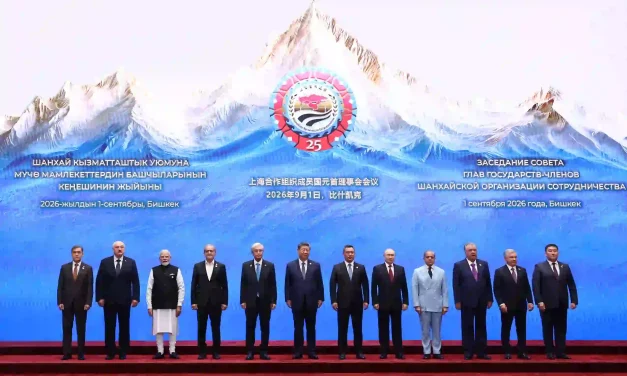
SCFR Online – Opinion: The Shanghai Cooperation Organization summit has created a new opportunity for Iran to transform its membership from a political achievement into economic and transit cooperation.
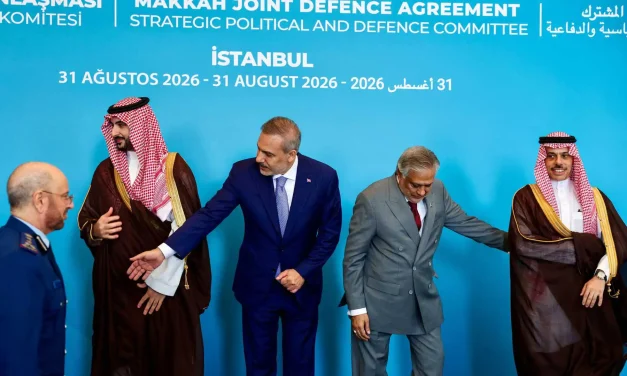
Strategic Council Online – Note: The Makkah Defense Pact can be seen as a sign of regional countries’ efforts to reduce security dependence on extra-regional powers and redefine the balance in West Asia.
SCFR Online – Opinion: The Ukraine war, by exhausting US military capability on one hand and strengthening European defense capacity on the other, has altered the balance of power in the European continent, cast uncertainty over NATO’s future, and is driving it toward a European NATO.
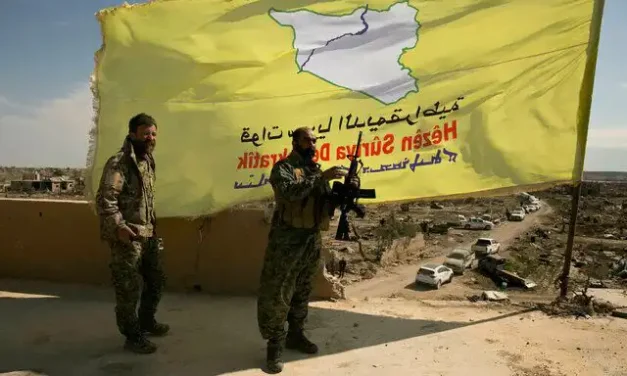
SCFR Online – Opinion: The dissolution of the SDF, although considered an achievement for Turkey’s security, does not put an end to the challenges arising from the Israeli regime’s aggression and expansionism, refugees, and Syria’s fragility.
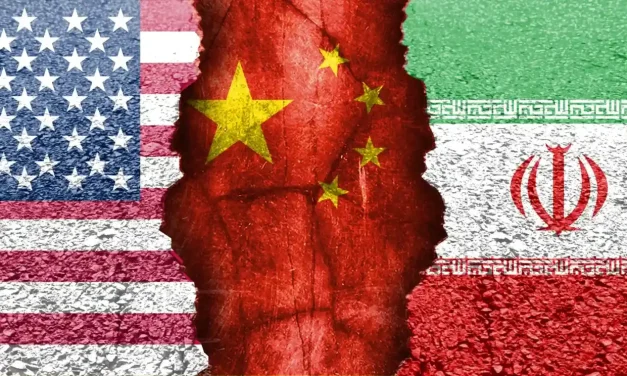
SCFR Online – Opinion: Concurrent with the official commencement of the United States’ economic war against our country, focusing on sanctions instruments, isolation, and economic pressure, what has now become increasingly important is the lack of alignment of other major global powers, especially China, with this policy.
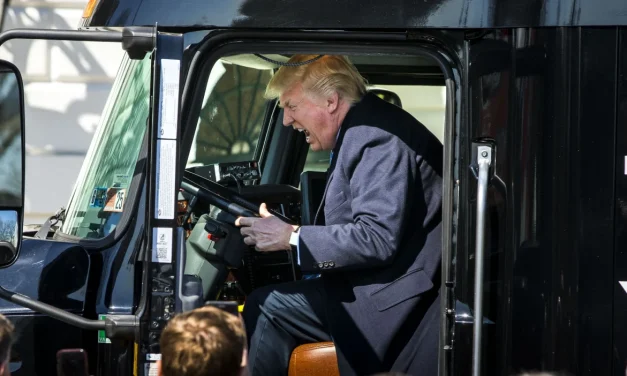
SCFR Online – Opinion: The new US sanctions against Iran, despite extensive propaganda, face serious obstacles to success due to the ineffectiveness of sanctions tools and opposition from some of Tehran’s trading partners.


Strategic Council Online – Interview: An expert on international affairs commented on the last situation of tensions between Russia and the U.S. on Ukraine as saying:” new tensions between Russia and the U.S. started about a year ago. However, the crisis on Ukraine dates back to 2014 when in the course of unrests took place in Kiev, the capital, with the assistance of Western-oriented forces in the country, Victor Yanukovych, the president was forced to resign and a Western-oriented government took office in Ukraine”.

Strategic Council Online – Interview: An analyst of West Asia affairs, explaining the new US strategy in Iraq after troop withdrawal, said: The United States seeks to change the military, security, and political arrangements in Iraq and build capacity for a possible normalization of Baghdad’s relations with the Zionist regime.

Strategic Council Online – Guest Post: Although Turkey has traditionally been committed to the non-proliferation regime, but concerning Erdogan’s pro-Ottoman leadership, Turkish domestic policy seems to be a major determining factor for forming Turkey’s nuclear policy.
Seyed Hamed Hosseini – PhD Student in International Relations

Strategic Council Online – Opinion: Iran’s view of the Republic of Azerbaijan as one of the important Muslim and neighboring countries is beyond the usual views and is in the direction of maintaining, deepening, and expanding bilateral relations to a strategic level.
Hamid Khoshayand – Expert of regional affairs

Strategic Council Online-Interview: Having commented on the role and importance of interferences of foreign players in Libya and challenges ahead of the elections in the country, an analyst of international affairs said:” as long as foreign forces will not withdraw from Libya there is no guarantee to hold healthy elections and it is unclear that when the result of the elections opposes the interests of military groups, how would they react?

Strategic Council Online – Interview: An analyst of Europe affairs, while pointing to the dire condition of asylum seekers and human rights abuses in Europe against them, said: Far right-wing tendencies and partisan and national interests are very strong in the behavior of the EU which has endangered the lives of many asylum seekers.

Strategic Council Online—Opinion: Relations between Turkey and Greece as two NATO members have experienced intense tensions in recent years, with both sides accusing each other of inciting the other. Relations deteriorated sharply last year, with warships in the eastern Mediterranean clashing over maritime borders and energy rights. Athens and Ankara came close to a military confrontation last year in a dispute over gas exploration in the eastern Mediterranean. Turkey called on Greece to adopt peaceful political solutions, not aggressive ones.
Mahmoud Fazeli—International issues analyst

Strategic Council Online – Interview: An expert on Caucasus affairs explaining the conflicting approaches between the countries of the Caucasus region and stressing the need for joint steps to resolve the region’s problems within the framework of the 3 + 3 mechanism, said: This plan can be a factor in ensuring prevention of new hostilities in the region.

Strategic Council Online – Interview: Explaining Russia’s approach to Afghanistan at the Moscow meeting on Afghanistan and reviewing its final statement, the former Iranian diplomat stressed the common goals of Iran and Russia regarding Afghanistan and the need for continuous consultations between Russia and Iran.

Strategic Council Online—Interview: An Afghan researcher and journalist says the international community should change its politico-social priorities in Afghanistan to economic priorities and help the continuity of the country’s structure and prevents to total collapse of the social-economic system and emergence of civil war.
SCFR Online – Opinion: The intensification of U.S. sanctions against Iran on the eve of the U.S. midterm elections indicates Washington’s inability to achieve its war objectives.
SCFR Online – Opinion: The competition between Washington and Beijing over chips and artificial intelligence, simultaneously with the shifting of technological balances, has taken on new economic and security dimensions.
SCFR Online – Opinion: The Shanghai Cooperation Organization summit has created a new opportunity for Iran to transform its membership from a political achievement into economic and transit cooperation.
Strategic Council Online – Note: The Makkah Defense Pact can be seen as a sign of regional countries’ efforts to reduce security dependence on extra-regional powers and redefine the balance in West Asia.
SCFR Online – Opinion: The Ukraine war, by exhausting US military capability on one hand and strengthening European defense capacity on the other, has altered the balance of power in the European continent, cast uncertainty over NATO’s future, and is driving it toward a European NATO.
SCFR Online – Opinion: The dissolution of the SDF, although considered an achievement for Turkey’s security, does not put an end to the challenges arising from the Israeli regime’s aggression and expansionism, refugees, and Syria’s fragility.
SCFR Online – Opinion: Concurrent with the official commencement of the United States’ economic war against our country, focusing on sanctions instruments, isolation, and economic pressure, what has now become increasingly important is the lack of alignment of other major global powers, especially China, with this policy.
SCFR Online – Opinion: The new US sanctions against Iran, despite extensive propaganda, face serious obstacles to success due to the ineffectiveness of sanctions tools and opposition from some of Tehran’s trading partners.
Strategic Council Online – Interview: An expert on international affairs commented on the last situation of tensions between Russia and the U.S. on Ukraine as saying:” new tensions between Russia and the U.S. started about a year ago. However, the crisis on Ukraine dates back to 2014 when in the course of unrests took place in Kiev, the capital, with the assistance of Western-oriented forces in the country, Victor Yanukovych, the president was forced to resign and a Western-oriented government took office in Ukraine”.
Strategic Council Online – Interview: An analyst of West Asia affairs, explaining the new US strategy in Iraq after troop withdrawal, said: The United States seeks to change the military, security, and political arrangements in Iraq and build capacity for a possible normalization of Baghdad’s relations with the Zionist regime.
Strategic Council Online – Guest Post: Although Turkey has traditionally been committed to the non-proliferation regime, but concerning Erdogan’s pro-Ottoman leadership, Turkish domestic policy seems to be a major determining factor for forming Turkey’s nuclear policy.
Seyed Hamed Hosseini – PhD Student in International Relations
Strategic Council Online – Opinion: Iran’s view of the Republic of Azerbaijan as one of the important Muslim and neighboring countries is beyond the usual views and is in the direction of maintaining, deepening, and expanding bilateral relations to a strategic level.
Hamid Khoshayand – Expert of regional affairs
Strategic Council Online-Interview: Having commented on the role and importance of interferences of foreign players in Libya and challenges ahead of the elections in the country, an analyst of international affairs said:” as long as foreign forces will not withdraw from Libya there is no guarantee to hold healthy elections and it is unclear that when the result of the elections opposes the interests of military groups, how would they react?
Strategic Council Online – Interview: An analyst of Europe affairs, while pointing to the dire condition of asylum seekers and human rights abuses in Europe against them, said: Far right-wing tendencies and partisan and national interests are very strong in the behavior of the EU which has endangered the lives of many asylum seekers.
Strategic Council Online—Opinion: Relations between Turkey and Greece as two NATO members have experienced intense tensions in recent years, with both sides accusing each other of inciting the other. Relations deteriorated sharply last year, with warships in the eastern Mediterranean clashing over maritime borders and energy rights. Athens and Ankara came close to a military confrontation last year in a dispute over gas exploration in the eastern Mediterranean. Turkey called on Greece to adopt peaceful political solutions, not aggressive ones.
Mahmoud Fazeli—International issues analyst
Strategic Council Online – Interview: An expert on Caucasus affairs explaining the conflicting approaches between the countries of the Caucasus region and stressing the need for joint steps to resolve the region’s problems within the framework of the 3 + 3 mechanism, said: This plan can be a factor in ensuring prevention of new hostilities in the region.
Strategic Council Online – Interview: Explaining Russia’s approach to Afghanistan at the Moscow meeting on Afghanistan and reviewing its final statement, the former Iranian diplomat stressed the common goals of Iran and Russia regarding Afghanistan and the need for continuous consultations between Russia and Iran.
Strategic Council Online—Interview: An Afghan researcher and journalist says the international community should change its politico-social priorities in Afghanistan to economic priorities and help the continuity of the country’s structure and prevents to total collapse of the social-economic system and emergence of civil war.
Strategic Council Online – Interview: An expert on international affairs commented on the last situation of tensions between Russia and the U.S. on Ukraine as saying:” new tensions between Russia and the U.S. started about a year ago. However, the crisis on Ukraine dates back to 2014 when in the course of unrests took place in Kiev, the capital, with the assistance of Western-oriented forces in the country, Victor Yanukovych, the president was forced to resign and a Western-oriented government took office in Ukraine”.
Strategic Council Online – Interview: An analyst of West Asia affairs, explaining the new US strategy in Iraq after troop withdrawal, said: The United States seeks to change the military, security, and political arrangements in Iraq and build capacity for a possible normalization of Baghdad’s relations with the Zionist regime.
Strategic Council Online – Guest Post: Although Turkey has traditionally been committed to the non-proliferation regime, but concerning Erdogan’s pro-Ottoman leadership, Turkish domestic policy seems to be a major determining factor for forming Turkey’s nuclear policy.
Seyed Hamed Hosseini – PhD Student in International Relations
Strategic Council Online – Opinion: Iran’s view of the Republic of Azerbaijan as one of the important Muslim and neighboring countries is beyond the usual views and is in the direction of maintaining, deepening, and expanding bilateral relations to a strategic level.
Hamid Khoshayand – Expert of regional affairs
Strategic Council Online-Interview: Having commented on the role and importance of interferences of foreign players in Libya and challenges ahead of the elections in the country, an analyst of international affairs said:” as long as foreign forces will not withdraw from Libya there is no guarantee to hold healthy elections and it is unclear that when the result of the elections opposes the interests of military groups, how would they react?
Strategic Council Online – Interview: An analyst of Europe affairs, while pointing to the dire condition of asylum seekers and human rights abuses in Europe against them, said: Far right-wing tendencies and partisan and national interests are very strong in the behavior of the EU which has endangered the lives of many asylum seekers.
Strategic Council Online—Opinion: Relations between Turkey and Greece as two NATO members have experienced intense tensions in recent years, with both sides accusing each other of inciting the other. Relations deteriorated sharply last year, with warships in the eastern Mediterranean clashing over maritime borders and energy rights. Athens and Ankara came close to a military confrontation last year in a dispute over gas exploration in the eastern Mediterranean. Turkey called on Greece to adopt peaceful political solutions, not aggressive ones.
Mahmoud Fazeli—International issues analyst
Strategic Council Online – Interview: An expert on Caucasus affairs explaining the conflicting approaches between the countries of the Caucasus region and stressing the need for joint steps to resolve the region’s problems within the framework of the 3 + 3 mechanism, said: This plan can be a factor in ensuring prevention of new hostilities in the region.
Strategic Council Online – Interview: Explaining Russia’s approach to Afghanistan at the Moscow meeting on Afghanistan and reviewing its final statement, the former Iranian diplomat stressed the common goals of Iran and Russia regarding Afghanistan and the need for continuous consultations between Russia and Iran.
Strategic Council Online—Interview: An Afghan researcher and journalist says the international community should change its politico-social priorities in Afghanistan to economic priorities and help the continuity of the country’s structure and prevents to total collapse of the social-economic system and emergence of civil war.
SCFR Online – Opinion: The intensification of U.S. sanctions against Iran on the eve of the U.S. midterm elections indicates Washington’s inability to achieve its war objectives.
SCFR Online – Opinion: The competition between Washington and Beijing over chips and artificial intelligence, simultaneously with the shifting of technological balances, has taken on new economic and security dimensions.
SCFR Online – Opinion: The Shanghai Cooperation Organization summit has created a new opportunity for Iran to transform its membership from a political achievement into economic and transit cooperation.
Strategic Council Online – Note: The Makkah Defense Pact can be seen as a sign of regional countries’ efforts to reduce security dependence on extra-regional powers and redefine the balance in West Asia.
SCFR Online – Opinion: The Ukraine war, by exhausting US military capability on one hand and strengthening European defense capacity on the other, has altered the balance of power in the European continent, cast uncertainty over NATO’s future, and is driving it toward a European NATO.
SCFR Online – Opinion: The dissolution of the SDF, although considered an achievement for Turkey’s security, does not put an end to the challenges arising from the Israeli regime’s aggression and expansionism, refugees, and Syria’s fragility.
SCFR Online – Opinion: Concurrent with the official commencement of the United States’ economic war against our country, focusing on sanctions instruments, isolation, and economic pressure, what has now become increasingly important is the lack of alignment of other major global powers, especially China, with this policy.
SCFR Online – Opinion: The new US sanctions against Iran, despite extensive propaganda, face serious obstacles to success due to the ineffectiveness of sanctions tools and opposition from some of Tehran’s trading partners.
Strategic Council Online – Interview: An expert on international affairs commented on the last situation of tensions between Russia and the U.S. on Ukraine as saying:” new tensions between Russia and the U.S. started about a year ago. However, the crisis on Ukraine dates back to 2014 when in the course of unrests took place in Kiev, the capital, with the assistance of Western-oriented forces in the country, Victor Yanukovych, the president was forced to resign and a Western-oriented government took office in Ukraine”.
Strategic Council Online – Interview: An analyst of West Asia affairs, explaining the new US strategy in Iraq after troop withdrawal, said: The United States seeks to change the military, security, and political arrangements in Iraq and build capacity for a possible normalization of Baghdad’s relations with the Zionist regime.
Strategic Council Online – Guest Post: Although Turkey has traditionally been committed to the non-proliferation regime, but concerning Erdogan’s pro-Ottoman leadership, Turkish domestic policy seems to be a major determining factor for forming Turkey’s nuclear policy.
Seyed Hamed Hosseini – PhD Student in International Relations
Strategic Council Online – Opinion: Iran’s view of the Republic of Azerbaijan as one of the important Muslim and neighboring countries is beyond the usual views and is in the direction of maintaining, deepening, and expanding bilateral relations to a strategic level.
Hamid Khoshayand – Expert of regional affairs
Strategic Council Online-Interview: Having commented on the role and importance of interferences of foreign players in Libya and challenges ahead of the elections in the country, an analyst of international affairs said:” as long as foreign forces will not withdraw from Libya there is no guarantee to hold healthy elections and it is unclear that when the result of the elections opposes the interests of military groups, how would they react?
Strategic Council Online – Interview: An analyst of Europe affairs, while pointing to the dire condition of asylum seekers and human rights abuses in Europe against them, said: Far right-wing tendencies and partisan and national interests are very strong in the behavior of the EU which has endangered the lives of many asylum seekers.
Strategic Council Online—Opinion: Relations between Turkey and Greece as two NATO members have experienced intense tensions in recent years, with both sides accusing each other of inciting the other. Relations deteriorated sharply last year, with warships in the eastern Mediterranean clashing over maritime borders and energy rights. Athens and Ankara came close to a military confrontation last year in a dispute over gas exploration in the eastern Mediterranean. Turkey called on Greece to adopt peaceful political solutions, not aggressive ones.
Mahmoud Fazeli—International issues analyst
Strategic Council Online – Interview: An expert on Caucasus affairs explaining the conflicting approaches between the countries of the Caucasus region and stressing the need for joint steps to resolve the region’s problems within the framework of the 3 + 3 mechanism, said: This plan can be a factor in ensuring prevention of new hostilities in the region.
Strategic Council Online – Interview: Explaining Russia’s approach to Afghanistan at the Moscow meeting on Afghanistan and reviewing its final statement, the former Iranian diplomat stressed the common goals of Iran and Russia regarding Afghanistan and the need for continuous consultations between Russia and Iran.
Strategic Council Online—Interview: An Afghan researcher and journalist says the international community should change its politico-social priorities in Afghanistan to economic priorities and help the continuity of the country’s structure and prevents to total collapse of the social-economic system and emergence of civil war.
SCFR Online – Opinion: The intensification of U.S. sanctions against Iran on the eve of the U.S. midterm elections indicates Washington’s inability to achieve its war objectives.
SCFR Online – Opinion: The competition between Washington and Beijing over chips and artificial intelligence, simultaneously with the shifting of technological balances, has taken on new economic and security dimensions.
SCFR Online – Opinion: The Shanghai Cooperation Organization summit has created a new opportunity for Iran to transform its membership from a political achievement into economic and transit cooperation.
Strategic Council Online – Note: The Makkah Defense Pact can be seen as a sign of regional countries’ efforts to reduce security dependence on extra-regional powers and redefine the balance in West Asia.
SCFR Online – Opinion: The Ukraine war, by exhausting US military capability on one hand and strengthening European defense capacity on the other, has altered the balance of power in the European continent, cast uncertainty over NATO’s future, and is driving it toward a European NATO.
SCFR Online – Opinion: The dissolution of the SDF, although considered an achievement for Turkey’s security, does not put an end to the challenges arising from the Israeli regime’s aggression and expansionism, refugees, and Syria’s fragility.
SCFR Online – Opinion: Concurrent with the official commencement of the United States’ economic war against our country, focusing on sanctions instruments, isolation, and economic pressure, what has now become increasingly important is the lack of alignment of other major global powers, especially China, with this policy.
SCFR Online – Opinion: The new US sanctions against Iran, despite extensive propaganda, face serious obstacles to success due to the ineffectiveness of sanctions tools and opposition from some of Tehran’s trading partners.
Strategic Council Online – Interview: An expert on international affairs commented on the last situation of tensions between Russia and the U.S. on Ukraine as saying:” new tensions between Russia and the U.S. started about a year ago. However, the crisis on Ukraine dates back to 2014 when in the course of unrests took place in Kiev, the capital, with the assistance of Western-oriented forces in the country, Victor Yanukovych, the president was forced to resign and a Western-oriented government took office in Ukraine”.
Strategic Council Online – Interview: An analyst of West Asia affairs, explaining the new US strategy in Iraq after troop withdrawal, said: The United States seeks to change the military, security, and political arrangements in Iraq and build capacity for a possible normalization of Baghdad’s relations with the Zionist regime.
Strategic Council Online – Guest Post: Although Turkey has traditionally been committed to the non-proliferation regime, but concerning Erdogan’s pro-Ottoman leadership, Turkish domestic policy seems to be a major determining factor for forming Turkey’s nuclear policy.
Seyed Hamed Hosseini – PhD Student in International Relations
Strategic Council Online – Opinion: Iran’s view of the Republic of Azerbaijan as one of the important Muslim and neighboring countries is beyond the usual views and is in the direction of maintaining, deepening, and expanding bilateral relations to a strategic level.
Hamid Khoshayand – Expert of regional affairs
Strategic Council Online-Interview: Having commented on the role and importance of interferences of foreign players in Libya and challenges ahead of the elections in the country, an analyst of international affairs said:” as long as foreign forces will not withdraw from Libya there is no guarantee to hold healthy elections and it is unclear that when the result of the elections opposes the interests of military groups, how would they react?
Strategic Council Online – Interview: An analyst of Europe affairs, while pointing to the dire condition of asylum seekers and human rights abuses in Europe against them, said: Far right-wing tendencies and partisan and national interests are very strong in the behavior of the EU which has endangered the lives of many asylum seekers.
Strategic Council Online—Opinion: Relations between Turkey and Greece as two NATO members have experienced intense tensions in recent years, with both sides accusing each other of inciting the other. Relations deteriorated sharply last year, with warships in the eastern Mediterranean clashing over maritime borders and energy rights. Athens and Ankara came close to a military confrontation last year in a dispute over gas exploration in the eastern Mediterranean. Turkey called on Greece to adopt peaceful political solutions, not aggressive ones.
Mahmoud Fazeli—International issues analyst
Strategic Council Online – Interview: An expert on Caucasus affairs explaining the conflicting approaches between the countries of the Caucasus region and stressing the need for joint steps to resolve the region’s problems within the framework of the 3 + 3 mechanism, said: This plan can be a factor in ensuring prevention of new hostilities in the region.
Strategic Council Online – Interview: Explaining Russia’s approach to Afghanistan at the Moscow meeting on Afghanistan and reviewing its final statement, the former Iranian diplomat stressed the common goals of Iran and Russia regarding Afghanistan and the need for continuous consultations between Russia and Iran.
Strategic Council Online—Interview: An Afghan researcher and journalist says the international community should change its politico-social priorities in Afghanistan to economic priorities and help the continuity of the country’s structure and prevents to total collapse of the social-economic system and emergence of civil war.
SCFR Online – Opinion: The intensification of U.S. sanctions against Iran on the eve of the U.S. midterm elections indicates Washington’s inability to achieve its war objectives.
SCFR Online – Opinion: The competition between Washington and Beijing over chips and artificial intelligence, simultaneously with the shifting of technological balances, has taken on new economic and security dimensions.
SCFR Online – Opinion: The Shanghai Cooperation Organization summit has created a new opportunity for Iran to transform its membership from a political achievement into economic and transit cooperation.
Strategic Council Online – Note: The Makkah Defense Pact can be seen as a sign of regional countries’ efforts to reduce security dependence on extra-regional powers and redefine the balance in West Asia.
SCFR Online – Opinion: The Ukraine war, by exhausting US military capability on one hand and strengthening European defense capacity on the other, has altered the balance of power in the European continent, cast uncertainty over NATO’s future, and is driving it toward a European NATO.
SCFR Online – Opinion: The dissolution of the SDF, although considered an achievement for Turkey’s security, does not put an end to the challenges arising from the Israeli regime’s aggression and expansionism, refugees, and Syria’s fragility.
SCFR Online – Opinion: Concurrent with the official commencement of the United States’ economic war against our country, focusing on sanctions instruments, isolation, and economic pressure, what has now become increasingly important is the lack of alignment of other major global powers, especially China, with this policy.
SCFR Online – Opinion: The new US sanctions against Iran, despite extensive propaganda, face serious obstacles to success due to the ineffectiveness of sanctions tools and opposition from some of Tehran’s trading partners.
Strategic Council Online – Interview: An expert on international affairs commented on the last situation of tensions between Russia and the U.S. on Ukraine as saying:” new tensions between Russia and the U.S. started about a year ago. However, the crisis on Ukraine dates back to 2014 when in the course of unrests took place in Kiev, the capital, with the assistance of Western-oriented forces in the country, Victor Yanukovych, the president was forced to resign and a Western-oriented government took office in Ukraine”.
Strategic Council Online – Interview: An analyst of West Asia affairs, explaining the new US strategy in Iraq after troop withdrawal, said: The United States seeks to change the military, security, and political arrangements in Iraq and build capacity for a possible normalization of Baghdad’s relations with the Zionist regime.
Strategic Council Online – Guest Post: Although Turkey has traditionally been committed to the non-proliferation regime, but concerning Erdogan’s pro-Ottoman leadership, Turkish domestic policy seems to be a major determining factor for forming Turkey’s nuclear policy.
Seyed Hamed Hosseini – PhD Student in International Relations
Strategic Council Online – Opinion: Iran’s view of the Republic of Azerbaijan as one of the important Muslim and neighboring countries is beyond the usual views and is in the direction of maintaining, deepening, and expanding bilateral relations to a strategic level.
Hamid Khoshayand – Expert of regional affairs
Strategic Council Online-Interview: Having commented on the role and importance of interferences of foreign players in Libya and challenges ahead of the elections in the country, an analyst of international affairs said:” as long as foreign forces will not withdraw from Libya there is no guarantee to hold healthy elections and it is unclear that when the result of the elections opposes the interests of military groups, how would they react?
Strategic Council Online – Interview: An analyst of Europe affairs, while pointing to the dire condition of asylum seekers and human rights abuses in Europe against them, said: Far right-wing tendencies and partisan and national interests are very strong in the behavior of the EU which has endangered the lives of many asylum seekers.
Strategic Council Online—Opinion: Relations between Turkey and Greece as two NATO members have experienced intense tensions in recent years, with both sides accusing each other of inciting the other. Relations deteriorated sharply last year, with warships in the eastern Mediterranean clashing over maritime borders and energy rights. Athens and Ankara came close to a military confrontation last year in a dispute over gas exploration in the eastern Mediterranean. Turkey called on Greece to adopt peaceful political solutions, not aggressive ones.
Mahmoud Fazeli—International issues analyst
Strategic Council Online – Interview: An expert on Caucasus affairs explaining the conflicting approaches between the countries of the Caucasus region and stressing the need for joint steps to resolve the region’s problems within the framework of the 3 + 3 mechanism, said: This plan can be a factor in ensuring prevention of new hostilities in the region.
Strategic Council Online – Interview: Explaining Russia’s approach to Afghanistan at the Moscow meeting on Afghanistan and reviewing its final statement, the former Iranian diplomat stressed the common goals of Iran and Russia regarding Afghanistan and the need for continuous consultations between Russia and Iran.
Strategic Council Online—Interview: An Afghan researcher and journalist says the international community should change its politico-social priorities in Afghanistan to economic priorities and help the continuity of the country’s structure and prevents to total collapse of the social-economic system and emergence of civil war.
SCFR Online – Opinion: The intensification of U.S. sanctions against Iran on the eve of the U.S. midterm elections indicates Washington’s inability to achieve its war objectives.
SCFR Online – Opinion: The competition between Washington and Beijing over chips and artificial intelligence, simultaneously with the shifting of technological balances, has taken on new economic and security dimensions.
SCFR Online – Opinion: The Shanghai Cooperation Organization summit has created a new opportunity for Iran to transform its membership from a political achievement into economic and transit cooperation.
Strategic Council Online – Note: The Makkah Defense Pact can be seen as a sign of regional countries’ efforts to reduce security dependence on extra-regional powers and redefine the balance in West Asia.
SCFR Online – Opinion: The Ukraine war, by exhausting US military capability on one hand and strengthening European defense capacity on the other, has altered the balance of power in the European continent, cast uncertainty over NATO’s future, and is driving it toward a European NATO.
SCFR Online – Opinion: The dissolution of the SDF, although considered an achievement for Turkey’s security, does not put an end to the challenges arising from the Israeli regime’s aggression and expansionism, refugees, and Syria’s fragility.
SCFR Online – Opinion: Concurrent with the official commencement of the United States’ economic war against our country, focusing on sanctions instruments, isolation, and economic pressure, what has now become increasingly important is the lack of alignment of other major global powers, especially China, with this policy.
SCFR Online – Opinion: The new US sanctions against Iran, despite extensive propaganda, face serious obstacles to success due to the ineffectiveness of sanctions tools and opposition from some of Tehran’s trading partners.
Strategic Council Online – Interview: An expert on international affairs commented on the last situation of tensions between Russia and the U.S. on Ukraine as saying:” new tensions between Russia and the U.S. started about a year ago. However, the crisis on Ukraine dates back to 2014 when in the course of unrests took place in Kiev, the capital, with the assistance of Western-oriented forces in the country, Victor Yanukovych, the president was forced to resign and a Western-oriented government took office in Ukraine”.
Strategic Council Online – Interview: An analyst of West Asia affairs, explaining the new US strategy in Iraq after troop withdrawal, said: The United States seeks to change the military, security, and political arrangements in Iraq and build capacity for a possible normalization of Baghdad’s relations with the Zionist regime.
Strategic Council Online – Guest Post: Although Turkey has traditionally been committed to the non-proliferation regime, but concerning Erdogan’s pro-Ottoman leadership, Turkish domestic policy seems to be a major determining factor for forming Turkey’s nuclear policy.
Seyed Hamed Hosseini – PhD Student in International Relations
Strategic Council Online – Opinion: Iran’s view of the Republic of Azerbaijan as one of the important Muslim and neighboring countries is beyond the usual views and is in the direction of maintaining, deepening, and expanding bilateral relations to a strategic level.
Hamid Khoshayand – Expert of regional affairs
Strategic Council Online-Interview: Having commented on the role and importance of interferences of foreign players in Libya and challenges ahead of the elections in the country, an analyst of international affairs said:” as long as foreign forces will not withdraw from Libya there is no guarantee to hold healthy elections and it is unclear that when the result of the elections opposes the interests of military groups, how would they react?
Strategic Council Online – Interview: An analyst of Europe affairs, while pointing to the dire condition of asylum seekers and human rights abuses in Europe against them, said: Far right-wing tendencies and partisan and national interests are very strong in the behavior of the EU which has endangered the lives of many asylum seekers.
Strategic Council Online—Opinion: Relations between Turkey and Greece as two NATO members have experienced intense tensions in recent years, with both sides accusing each other of inciting the other. Relations deteriorated sharply last year, with warships in the eastern Mediterranean clashing over maritime borders and energy rights. Athens and Ankara came close to a military confrontation last year in a dispute over gas exploration in the eastern Mediterranean. Turkey called on Greece to adopt peaceful political solutions, not aggressive ones.
Mahmoud Fazeli—International issues analyst
Strategic Council Online – Interview: An expert on Caucasus affairs explaining the conflicting approaches between the countries of the Caucasus region and stressing the need for joint steps to resolve the region’s problems within the framework of the 3 + 3 mechanism, said: This plan can be a factor in ensuring prevention of new hostilities in the region.
Strategic Council Online – Interview: Explaining Russia’s approach to Afghanistan at the Moscow meeting on Afghanistan and reviewing its final statement, the former Iranian diplomat stressed the common goals of Iran and Russia regarding Afghanistan and the need for continuous consultations between Russia and Iran.
Strategic Council Online—Interview: An Afghan researcher and journalist says the international community should change its politico-social priorities in Afghanistan to economic priorities and help the continuity of the country’s structure and prevents to total collapse of the social-economic system and emergence of civil war.
SCFR Online – Opinion: The intensification of U.S. sanctions against Iran on the eve of the U.S. midterm elections indicates Washington’s inability to achieve its war objectives.
SCFR Online – Opinion: The competition between Washington and Beijing over chips and artificial intelligence, simultaneously with the shifting of technological balances, has taken on new economic and security dimensions.
SCFR Online – Opinion: The Shanghai Cooperation Organization summit has created a new opportunity for Iran to transform its membership from a political achievement into economic and transit cooperation.
Strategic Council Online – Note: The Makkah Defense Pact can be seen as a sign of regional countries’ efforts to reduce security dependence on extra-regional powers and redefine the balance in West Asia.
SCFR Online – Opinion: The Ukraine war, by exhausting US military capability on one hand and strengthening European defense capacity on the other, has altered the balance of power in the European continent, cast uncertainty over NATO’s future, and is driving it toward a European NATO.
SCFR Online – Opinion: The dissolution of the SDF, although considered an achievement for Turkey’s security, does not put an end to the challenges arising from the Israeli regime’s aggression and expansionism, refugees, and Syria’s fragility.
SCFR Online – Opinion: Concurrent with the official commencement of the United States’ economic war against our country, focusing on sanctions instruments, isolation, and economic pressure, what has now become increasingly important is the lack of alignment of other major global powers, especially China, with this policy.
SCFR Online – Opinion: The new US sanctions against Iran, despite extensive propaganda, face serious obstacles to success due to the ineffectiveness of sanctions tools and opposition from some of Tehran’s trading partners.