جدیدترین مطالب

Realities of the Tripartite Makkah Pact

SCFR Online – Interview: The signing of the Makkah agreement between Saudi Arabia, Pakistan, and Turkey has raised questions about the future of the region’s security structure and the position of these countries in West Asian equations. Can this agreement become a genuine collective defense mechanism, or does it have more of a political and deterrent function than creating new military capacity?

Strategic Implications of the Reduction of US Weapons Stockpiles

SCFR Online – Opinion: The continuation of the US war against Iran, in addition to increasing operational costs, has called into question the actual capacity of the American arsenal to simultaneously fulfill security commitments on multiple fronts; an issue that affects deterrence, defense production capacity, and Washington’s resource prioritization.

The Formation of a New Order in Relations Between Powers

SCFR Online – Opinion: The Russia-Ukraine war and the war of the United States and the Israeli regime against Iran have been formed with different objectives and actors, but field and political developments indicate that they are not entirely separate from one another.

An Analysis of the Makkah Defense Pact

SCFR Online – Opinion: On Friday, August 7, the heads of state of three countries – Saudi Arabia, Turkey, and Pakistan – signed a text under the title “Makkah Joint Defense Agreement.”

Dimensions and challenges of the initiative to revive the Hejaz Railway

Strategic Council Online – Note: The initiative to revive the Hejaz Railway, beyond being a transportation project, constitutes an attempt to redefine geopolitics, the economy, and Turkey’s regional position; however, its realization appears to face significant financial, security, and institutional challenges.

Loading

Sayyid Reza Ghazvini Gharabi

Redefining the Discourse of Resistance After the 12-Day War

Redefining the Discourse of Resistance After the 12-Day War

Strategic Council Online – Interview: A West Asia affairs analyst said: After the 12-day war, Iran, by redefining the discourse of resistance and utilizing media diplomacy, strengthened its soft and regional legitimacy against the Western narrative.

Consequences of Four Iraqi Shiite Groups Being Placed on the US Terrorist List

Consequences of Four Iraqi Shiite Groups Being Placed on the US Terrorist List

Strategic Council Online– Interview: A senior Iraqi affairs analyst stated that the recent action by the US Department of State in placing four Iraqi Shiite groups on the list of foreign terrorist organizations has not only seriously challenged Iraq’s security dimension but has also broadly overshadowed Baghdad’s political and diplomatic equations. This decision, interpreted as a continuation of Washington’s policy of maximum pressure in the region, could have multi-layered consequences for Iraq’s internal security, foreign relations, and even the balance of power. The groups affected by this decision are part of the official structure of the Popular Mobilization Forces (PMF) and were key players in the defeat of ISIS; therefore, their placement on the terrorist list is not only considered a threat against US interests but also calls into question the legitimacy and cohesion of Iraq’s security forces. This move could cast a shadow over the process of withdrawing US forces from Iraq and provide a pretext for the continuation of Washington’s military presence. Similarly, at the regional level, it further frees the hands of the Israeli regime for aggressive actions.

Dimensions, Perspective of Jordan, Iraq and Egypt Cooperation in “New Levant” Plan

Dimensions, Perspective of Jordan, Iraq and Egypt Cooperation in “New Levant” Plan

Strategic Council Online – A researcher on Iraq affairs saying that Iraq, Egypt, and Jordan have strong economic incentives for trilateral cooperation within the framework of the “New Levant” plan, pointed to the challenges facing the cooperation of the three countries and noted: If the effectiveness of the agreement becomes clear to Iraq, there is the possibility that the cooperation may be extended to other political, security and military fields.

US Withdrawal from Iraq to Guarantee Regional Peace, Stability

US Withdrawal from Iraq to Guarantee Regional Peace, Stability

Strategic Council Online – An analyst of Iraq affairs, referring to some issues of concern to Tehran and Baghdad raised during the visit of the Iraqi National Security Adviser to Iran, said that withdrawal of the Americans from that country can help improve security situation in Iraq and limit the ISIS. Unfortunately, he said what has overshadowed common security issues between Iran and Iraq is the continued presence of US forces in Iraq.

Reasons for ISIS Regaining Strength in Iraq

Reasons for ISIS Regaining Strength in Iraq

Strategic Council Online: The issue of engaging the Iraqi popular mobilization forces and resistance groups against ISIS could be a ploy to draw the attention of these groups to the confrontation with terrorists rather than to the United States.
Seyed Reza Qazvini Gharabi – Journalist and Senior Analyst of Iraqi Affairs

New Iraqi Prime Minister Facing Complex Internal & External Situations

New Iraqi Prime Minister Facing Complex Internal & External Situations

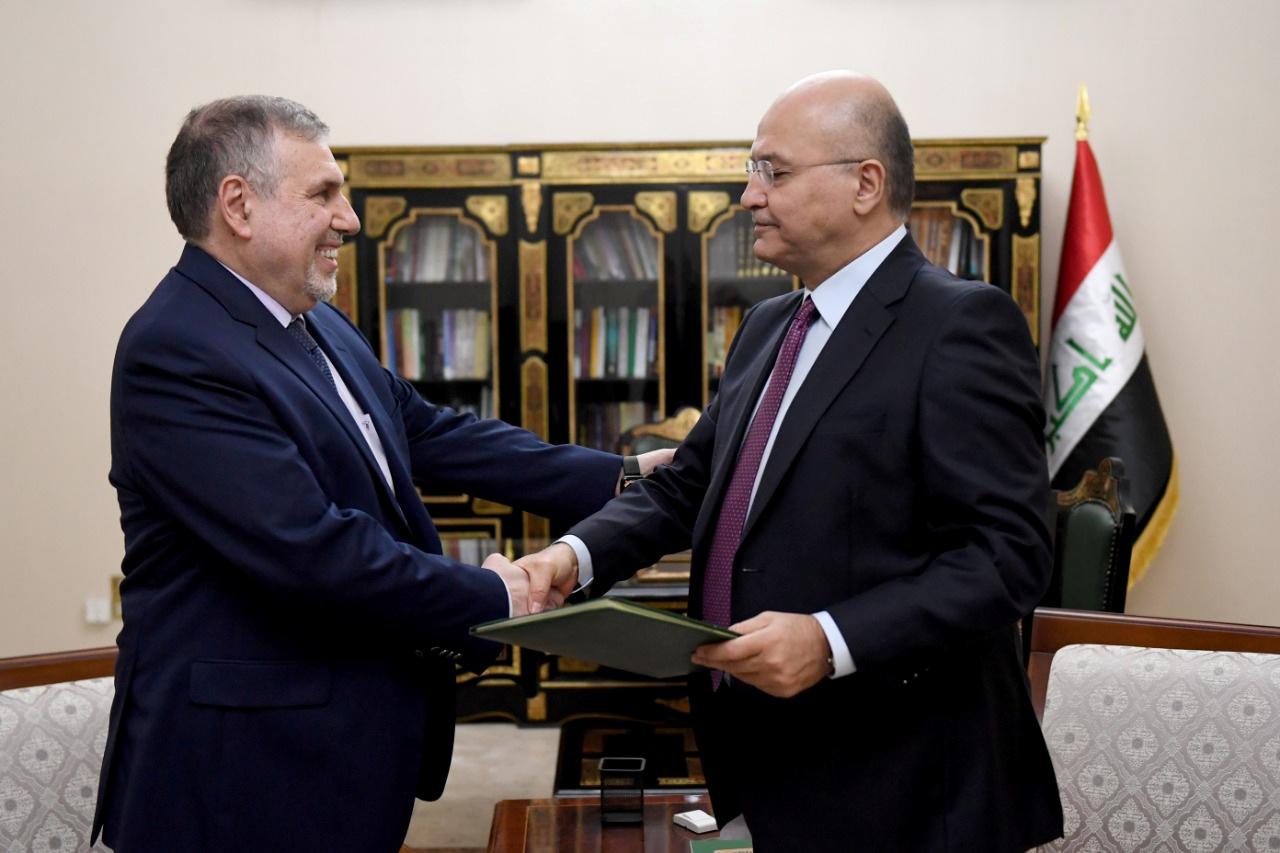
Strategic Council Online: One of the major challenges of the new Iraqi prime minister is his foreign policy in dealing with important regional and international actors. In particular, the shape of Baghdad’s relations with Tehran and Washington will be of great importance in determining the stability and continuity of the government of Mohammad Tawfiq Hussein Allawi.
Sayyid Reza Ghazvini Gharabi – Iraqi Affairs Analyst

أحدث الوظائف

Realities of the Tripartite Makkah Pact

SCFR Online – Interview: The signing of the Makkah agreement between Saudi Arabia, Pakistan, and Turkey has raised questions about the future of the region’s security structure and the position of these countries in West Asian equations. Can this agreement become a genuine collective defense mechanism, or does it have more of a political and deterrent function than creating new military capacity?

Strategic Implications of the Reduction of US Weapons Stockpiles

SCFR Online – Opinion: The continuation of the US war against Iran, in addition to increasing operational costs, has called into question the actual capacity of the American arsenal to simultaneously fulfill security commitments on multiple fronts; an issue that affects deterrence, defense production capacity, and Washington’s resource prioritization.

The Formation of a New Order in Relations Between Powers

SCFR Online – Opinion: The Russia-Ukraine war and the war of the United States and the Israeli regime against Iran have been formed with different objectives and actors, but field and political developments indicate that they are not entirely separate from one another.

An Analysis of the Makkah Defense Pact

SCFR Online – Opinion: On Friday, August 7, the heads of state of three countries – Saudi Arabia, Turkey, and Pakistan – signed a text under the title “Makkah Joint Defense Agreement.”

Dimensions and challenges of the initiative to revive the Hejaz Railway

Strategic Council Online – Note: The initiative to revive the Hejaz Railway, beyond being a transportation project, constitutes an attempt to redefine geopolitics, the economy, and Turkey’s regional position; however, its realization appears to face significant financial, security, and institutional challenges.

Loading

Sayyid Reza Ghazvini Gharabi

Redefining the Discourse of Resistance After the 12-Day War

Redefining the Discourse of Resistance After the 12-Day War

Strategic Council Online – Interview: A West Asia affairs analyst said: After the 12-day war, Iran, by redefining the discourse of resistance and utilizing media diplomacy, strengthened its soft and regional legitimacy against the Western narrative.

Consequences of Four Iraqi Shiite Groups Being Placed on the US Terrorist List

Consequences of Four Iraqi Shiite Groups Being Placed on the US Terrorist List

Strategic Council Online– Interview: A senior Iraqi affairs analyst stated that the recent action by the US Department of State in placing four Iraqi Shiite groups on the list of foreign terrorist organizations has not only seriously challenged Iraq’s security dimension but has also broadly overshadowed Baghdad’s political and diplomatic equations. This decision, interpreted as a continuation of Washington’s policy of maximum pressure in the region, could have multi-layered consequences for Iraq’s internal security, foreign relations, and even the balance of power. The groups affected by this decision are part of the official structure of the Popular Mobilization Forces (PMF) and were key players in the defeat of ISIS; therefore, their placement on the terrorist list is not only considered a threat against US interests but also calls into question the legitimacy and cohesion of Iraq’s security forces. This move could cast a shadow over the process of withdrawing US forces from Iraq and provide a pretext for the continuation of Washington’s military presence. Similarly, at the regional level, it further frees the hands of the Israeli regime for aggressive actions.

Dimensions, Perspective of Jordan, Iraq and Egypt Cooperation in “New Levant” Plan

Dimensions, Perspective of Jordan, Iraq and Egypt Cooperation in “New Levant” Plan

Strategic Council Online – A researcher on Iraq affairs saying that Iraq, Egypt, and Jordan have strong economic incentives for trilateral cooperation within the framework of the “New Levant” plan, pointed to the challenges facing the cooperation of the three countries and noted: If the effectiveness of the agreement becomes clear to Iraq, there is the possibility that the cooperation may be extended to other political, security and military fields.

US Withdrawal from Iraq to Guarantee Regional Peace, Stability

US Withdrawal from Iraq to Guarantee Regional Peace, Stability

Strategic Council Online – An analyst of Iraq affairs, referring to some issues of concern to Tehran and Baghdad raised during the visit of the Iraqi National Security Adviser to Iran, said that withdrawal of the Americans from that country can help improve security situation in Iraq and limit the ISIS. Unfortunately, he said what has overshadowed common security issues between Iran and Iraq is the continued presence of US forces in Iraq.

Reasons for ISIS Regaining Strength in Iraq

Reasons for ISIS Regaining Strength in Iraq

Strategic Council Online: The issue of engaging the Iraqi popular mobilization forces and resistance groups against ISIS could be a ploy to draw the attention of these groups to the confrontation with terrorists rather than to the United States.
Seyed Reza Qazvini Gharabi – Journalist and Senior Analyst of Iraqi Affairs

New Iraqi Prime Minister Facing Complex Internal & External Situations

New Iraqi Prime Minister Facing Complex Internal & External Situations

Strategic Council Online: One of the major challenges of the new Iraqi prime minister is his foreign policy in dealing with important regional and international actors. In particular, the shape of Baghdad’s relations with Tehran and Washington will be of great importance in determining the stability and continuity of the government of Mohammad Tawfiq Hussein Allawi.
Sayyid Reza Ghazvini Gharabi – Iraqi Affairs Analyst

Sayyid Reza Ghazvini Gharabi

Redefining the Discourse of Resistance After the 12-Day War

Redefining the Discourse of Resistance After the 12-Day War

Strategic Council Online – Interview: A West Asia affairs analyst said: After the 12-day war, Iran, by redefining the discourse of resistance and utilizing media diplomacy, strengthened its soft and regional legitimacy against the Western narrative.

Consequences of Four Iraqi Shiite Groups Being Placed on the US Terrorist List

Consequences of Four Iraqi Shiite Groups Being Placed on the US Terrorist List

Strategic Council Online– Interview: A senior Iraqi affairs analyst stated that the recent action by the US Department of State in placing four Iraqi Shiite groups on the list of foreign terrorist organizations has not only seriously challenged Iraq’s security dimension but has also broadly overshadowed Baghdad’s political and diplomatic equations. This decision, interpreted as a continuation of Washington’s policy of maximum pressure in the region, could have multi-layered consequences for Iraq’s internal security, foreign relations, and even the balance of power. The groups affected by this decision are part of the official structure of the Popular Mobilization Forces (PMF) and were key players in the defeat of ISIS; therefore, their placement on the terrorist list is not only considered a threat against US interests but also calls into question the legitimacy and cohesion of Iraq’s security forces. This move could cast a shadow over the process of withdrawing US forces from Iraq and provide a pretext for the continuation of Washington’s military presence. Similarly, at the regional level, it further frees the hands of the Israeli regime for aggressive actions.

Dimensions, Perspective of Jordan, Iraq and Egypt Cooperation in “New Levant” Plan

Dimensions, Perspective of Jordan, Iraq and Egypt Cooperation in “New Levant” Plan

Strategic Council Online – A researcher on Iraq affairs saying that Iraq, Egypt, and Jordan have strong economic incentives for trilateral cooperation within the framework of the “New Levant” plan, pointed to the challenges facing the cooperation of the three countries and noted: If the effectiveness of the agreement becomes clear to Iraq, there is the possibility that the cooperation may be extended to other political, security and military fields.

US Withdrawal from Iraq to Guarantee Regional Peace, Stability

US Withdrawal from Iraq to Guarantee Regional Peace, Stability

Strategic Council Online – An analyst of Iraq affairs, referring to some issues of concern to Tehran and Baghdad raised during the visit of the Iraqi National Security Adviser to Iran, said that withdrawal of the Americans from that country can help improve security situation in Iraq and limit the ISIS. Unfortunately, he said what has overshadowed common security issues between Iran and Iraq is the continued presence of US forces in Iraq.

Reasons for ISIS Regaining Strength in Iraq

Reasons for ISIS Regaining Strength in Iraq

Strategic Council Online: The issue of engaging the Iraqi popular mobilization forces and resistance groups against ISIS could be a ploy to draw the attention of these groups to the confrontation with terrorists rather than to the United States.
Seyed Reza Qazvini Gharabi – Journalist and Senior Analyst of Iraqi Affairs

New Iraqi Prime Minister Facing Complex Internal & External Situations

New Iraqi Prime Minister Facing Complex Internal & External Situations

Strategic Council Online: One of the major challenges of the new Iraqi prime minister is his foreign policy in dealing with important regional and international actors. In particular, the shape of Baghdad’s relations with Tehran and Washington will be of great importance in determining the stability and continuity of the government of Mohammad Tawfiq Hussein Allawi.
Sayyid Reza Ghazvini Gharabi – Iraqi Affairs Analyst

LATEST CONTENT

Realities of the Tripartite Makkah Pact

SCFR Online – Interview: The signing of the Makkah agreement between Saudi Arabia, Pakistan, and Turkey has raised questions about the future of the region’s security structure and the position of these countries in West Asian equations. Can this agreement become a genuine collective defense mechanism, or does it have more of a political and deterrent function than creating new military capacity?

Strategic Implications of the Reduction of US Weapons Stockpiles

SCFR Online – Opinion: The continuation of the US war against Iran, in addition to increasing operational costs, has called into question the actual capacity of the American arsenal to simultaneously fulfill security commitments on multiple fronts; an issue that affects deterrence, defense production capacity, and Washington’s resource prioritization.

The Formation of a New Order in Relations Between Powers

SCFR Online – Opinion: The Russia-Ukraine war and the war of the United States and the Israeli regime against Iran have been formed with different objectives and actors, but field and political developments indicate that they are not entirely separate from one another.

An Analysis of the Makkah Defense Pact

SCFR Online – Opinion: On Friday, August 7, the heads of state of three countries – Saudi Arabia, Turkey, and Pakistan – signed a text under the title “Makkah Joint Defense Agreement.”

Dimensions and challenges of the initiative to revive the Hejaz Railway

Strategic Council Online – Note: The initiative to revive the Hejaz Railway, beyond being a transportation project, constitutes an attempt to redefine geopolitics, the economy, and Turkey’s regional position; however, its realization appears to face significant financial, security, and institutional challenges.

Loading

Sayyid Reza Ghazvini Gharabi

Redefining the Discourse of Resistance After the 12-Day War

Redefining the Discourse of Resistance After the 12-Day War

Strategic Council Online – Interview: A West Asia affairs analyst said: After the 12-day war, Iran, by redefining the discourse of resistance and utilizing media diplomacy, strengthened its soft and regional legitimacy against the Western narrative.

Consequences of Four Iraqi Shiite Groups Being Placed on the US Terrorist List

Consequences of Four Iraqi Shiite Groups Being Placed on the US Terrorist List

Strategic Council Online– Interview: A senior Iraqi affairs analyst stated that the recent action by the US Department of State in placing four Iraqi Shiite groups on the list of foreign terrorist organizations has not only seriously challenged Iraq’s security dimension but has also broadly overshadowed Baghdad’s political and diplomatic equations. This decision, interpreted as a continuation of Washington’s policy of maximum pressure in the region, could have multi-layered consequences for Iraq’s internal security, foreign relations, and even the balance of power. The groups affected by this decision are part of the official structure of the Popular Mobilization Forces (PMF) and were key players in the defeat of ISIS; therefore, their placement on the terrorist list is not only considered a threat against US interests but also calls into question the legitimacy and cohesion of Iraq’s security forces. This move could cast a shadow over the process of withdrawing US forces from Iraq and provide a pretext for the continuation of Washington’s military presence. Similarly, at the regional level, it further frees the hands of the Israeli regime for aggressive actions.

Dimensions, Perspective of Jordan, Iraq and Egypt Cooperation in “New Levant” Plan

Dimensions, Perspective of Jordan, Iraq and Egypt Cooperation in “New Levant” Plan

Strategic Council Online – A researcher on Iraq affairs saying that Iraq, Egypt, and Jordan have strong economic incentives for trilateral cooperation within the framework of the “New Levant” plan, pointed to the challenges facing the cooperation of the three countries and noted: If the effectiveness of the agreement becomes clear to Iraq, there is the possibility that the cooperation may be extended to other political, security and military fields.

US Withdrawal from Iraq to Guarantee Regional Peace, Stability

US Withdrawal from Iraq to Guarantee Regional Peace, Stability

Strategic Council Online – An analyst of Iraq affairs, referring to some issues of concern to Tehran and Baghdad raised during the visit of the Iraqi National Security Adviser to Iran, said that withdrawal of the Americans from that country can help improve security situation in Iraq and limit the ISIS. Unfortunately, he said what has overshadowed common security issues between Iran and Iraq is the continued presence of US forces in Iraq.

Reasons for ISIS Regaining Strength in Iraq

Reasons for ISIS Regaining Strength in Iraq

Strategic Council Online: The issue of engaging the Iraqi popular mobilization forces and resistance groups against ISIS could be a ploy to draw the attention of these groups to the confrontation with terrorists rather than to the United States.
Seyed Reza Qazvini Gharabi – Journalist and Senior Analyst of Iraqi Affairs

New Iraqi Prime Minister Facing Complex Internal & External Situations

New Iraqi Prime Minister Facing Complex Internal & External Situations

Strategic Council Online: One of the major challenges of the new Iraqi prime minister is his foreign policy in dealing with important regional and international actors. In particular, the shape of Baghdad’s relations with Tehran and Washington will be of great importance in determining the stability and continuity of the government of Mohammad Tawfiq Hussein Allawi.
Sayyid Reza Ghazvini Gharabi – Iraqi Affairs Analyst

ÚLTIMAS PUBLICACIONES

Realities of the Tripartite Makkah Pact

SCFR Online – Interview: The signing of the Makkah agreement between Saudi Arabia, Pakistan, and Turkey has raised questions about the future of the region’s security structure and the position of these countries in West Asian equations. Can this agreement become a genuine collective defense mechanism, or does it have more of a political and deterrent function than creating new military capacity?

Strategic Implications of the Reduction of US Weapons Stockpiles

SCFR Online – Opinion: The continuation of the US war against Iran, in addition to increasing operational costs, has called into question the actual capacity of the American arsenal to simultaneously fulfill security commitments on multiple fronts; an issue that affects deterrence, defense production capacity, and Washington’s resource prioritization.

The Formation of a New Order in Relations Between Powers

SCFR Online – Opinion: The Russia-Ukraine war and the war of the United States and the Israeli regime against Iran have been formed with different objectives and actors, but field and political developments indicate that they are not entirely separate from one another.

An Analysis of the Makkah Defense Pact

SCFR Online – Opinion: On Friday, August 7, the heads of state of three countries – Saudi Arabia, Turkey, and Pakistan – signed a text under the title “Makkah Joint Defense Agreement.”

Dimensions and challenges of the initiative to revive the Hejaz Railway

Strategic Council Online – Note: The initiative to revive the Hejaz Railway, beyond being a transportation project, constitutes an attempt to redefine geopolitics, the economy, and Turkey’s regional position; however, its realization appears to face significant financial, security, and institutional challenges.

Loading

Sayyid Reza Ghazvini Gharabi

Redefining the Discourse of Resistance After the 12-Day War

Redefining the Discourse of Resistance After the 12-Day War

Strategic Council Online – Interview: A West Asia affairs analyst said: After the 12-day war, Iran, by redefining the discourse of resistance and utilizing media diplomacy, strengthened its soft and regional legitimacy against the Western narrative.

Consequences of Four Iraqi Shiite Groups Being Placed on the US Terrorist List

Consequences of Four Iraqi Shiite Groups Being Placed on the US Terrorist List

Strategic Council Online– Interview: A senior Iraqi affairs analyst stated that the recent action by the US Department of State in placing four Iraqi Shiite groups on the list of foreign terrorist organizations has not only seriously challenged Iraq’s security dimension but has also broadly overshadowed Baghdad’s political and diplomatic equations. This decision, interpreted as a continuation of Washington’s policy of maximum pressure in the region, could have multi-layered consequences for Iraq’s internal security, foreign relations, and even the balance of power. The groups affected by this decision are part of the official structure of the Popular Mobilization Forces (PMF) and were key players in the defeat of ISIS; therefore, their placement on the terrorist list is not only considered a threat against US interests but also calls into question the legitimacy and cohesion of Iraq’s security forces. This move could cast a shadow over the process of withdrawing US forces from Iraq and provide a pretext for the continuation of Washington’s military presence. Similarly, at the regional level, it further frees the hands of the Israeli regime for aggressive actions.

Dimensions, Perspective of Jordan, Iraq and Egypt Cooperation in “New Levant” Plan

Dimensions, Perspective of Jordan, Iraq and Egypt Cooperation in “New Levant” Plan

Strategic Council Online – A researcher on Iraq affairs saying that Iraq, Egypt, and Jordan have strong economic incentives for trilateral cooperation within the framework of the “New Levant” plan, pointed to the challenges facing the cooperation of the three countries and noted: If the effectiveness of the agreement becomes clear to Iraq, there is the possibility that the cooperation may be extended to other political, security and military fields.

US Withdrawal from Iraq to Guarantee Regional Peace, Stability

US Withdrawal from Iraq to Guarantee Regional Peace, Stability

Strategic Council Online – An analyst of Iraq affairs, referring to some issues of concern to Tehran and Baghdad raised during the visit of the Iraqi National Security Adviser to Iran, said that withdrawal of the Americans from that country can help improve security situation in Iraq and limit the ISIS. Unfortunately, he said what has overshadowed common security issues between Iran and Iraq is the continued presence of US forces in Iraq.

Reasons for ISIS Regaining Strength in Iraq

Reasons for ISIS Regaining Strength in Iraq

Strategic Council Online: The issue of engaging the Iraqi popular mobilization forces and resistance groups against ISIS could be a ploy to draw the attention of these groups to the confrontation with terrorists rather than to the United States.
Seyed Reza Qazvini Gharabi – Journalist and Senior Analyst of Iraqi Affairs

New Iraqi Prime Minister Facing Complex Internal & External Situations

New Iraqi Prime Minister Facing Complex Internal & External Situations

Strategic Council Online: One of the major challenges of the new Iraqi prime minister is his foreign policy in dealing with important regional and international actors. In particular, the shape of Baghdad’s relations with Tehran and Washington will be of great importance in determining the stability and continuity of the government of Mohammad Tawfiq Hussein Allawi.
Sayyid Reza Ghazvini Gharabi – Iraqi Affairs Analyst

ÚLTIMAS PUBLICACIONES

Realities of the Tripartite Makkah Pact

SCFR Online – Interview: The signing of the Makkah agreement between Saudi Arabia, Pakistan, and Turkey has raised questions about the future of the region’s security structure and the position of these countries in West Asian equations. Can this agreement become a genuine collective defense mechanism, or does it have more of a political and deterrent function than creating new military capacity?

Strategic Implications of the Reduction of US Weapons Stockpiles

SCFR Online – Opinion: The continuation of the US war against Iran, in addition to increasing operational costs, has called into question the actual capacity of the American arsenal to simultaneously fulfill security commitments on multiple fronts; an issue that affects deterrence, defense production capacity, and Washington’s resource prioritization.

The Formation of a New Order in Relations Between Powers

SCFR Online – Opinion: The Russia-Ukraine war and the war of the United States and the Israeli regime against Iran have been formed with different objectives and actors, but field and political developments indicate that they are not entirely separate from one another.

An Analysis of the Makkah Defense Pact

SCFR Online – Opinion: On Friday, August 7, the heads of state of three countries – Saudi Arabia, Turkey, and Pakistan – signed a text under the title “Makkah Joint Defense Agreement.”

Dimensions and challenges of the initiative to revive the Hejaz Railway

Strategic Council Online – Note: The initiative to revive the Hejaz Railway, beyond being a transportation project, constitutes an attempt to redefine geopolitics, the economy, and Turkey’s regional position; however, its realization appears to face significant financial, security, and institutional challenges.

Loading

Sayyid Reza Ghazvini Gharabi

Redefining the Discourse of Resistance After the 12-Day War

Redefining the Discourse of Resistance After the 12-Day War

Strategic Council Online – Interview: A West Asia affairs analyst said: After the 12-day war, Iran, by redefining the discourse of resistance and utilizing media diplomacy, strengthened its soft and regional legitimacy against the Western narrative.

Consequences of Four Iraqi Shiite Groups Being Placed on the US Terrorist List

Consequences of Four Iraqi Shiite Groups Being Placed on the US Terrorist List

Strategic Council Online– Interview: A senior Iraqi affairs analyst stated that the recent action by the US Department of State in placing four Iraqi Shiite groups on the list of foreign terrorist organizations has not only seriously challenged Iraq’s security dimension but has also broadly overshadowed Baghdad’s political and diplomatic equations. This decision, interpreted as a continuation of Washington’s policy of maximum pressure in the region, could have multi-layered consequences for Iraq’s internal security, foreign relations, and even the balance of power. The groups affected by this decision are part of the official structure of the Popular Mobilization Forces (PMF) and were key players in the defeat of ISIS; therefore, their placement on the terrorist list is not only considered a threat against US interests but also calls into question the legitimacy and cohesion of Iraq’s security forces. This move could cast a shadow over the process of withdrawing US forces from Iraq and provide a pretext for the continuation of Washington’s military presence. Similarly, at the regional level, it further frees the hands of the Israeli regime for aggressive actions.

Dimensions, Perspective of Jordan, Iraq and Egypt Cooperation in “New Levant” Plan

Dimensions, Perspective of Jordan, Iraq and Egypt Cooperation in “New Levant” Plan

Strategic Council Online – A researcher on Iraq affairs saying that Iraq, Egypt, and Jordan have strong economic incentives for trilateral cooperation within the framework of the “New Levant” plan, pointed to the challenges facing the cooperation of the three countries and noted: If the effectiveness of the agreement becomes clear to Iraq, there is the possibility that the cooperation may be extended to other political, security and military fields.

US Withdrawal from Iraq to Guarantee Regional Peace, Stability

US Withdrawal from Iraq to Guarantee Regional Peace, Stability

Strategic Council Online – An analyst of Iraq affairs, referring to some issues of concern to Tehran and Baghdad raised during the visit of the Iraqi National Security Adviser to Iran, said that withdrawal of the Americans from that country can help improve security situation in Iraq and limit the ISIS. Unfortunately, he said what has overshadowed common security issues between Iran and Iraq is the continued presence of US forces in Iraq.

Reasons for ISIS Regaining Strength in Iraq

Reasons for ISIS Regaining Strength in Iraq

Strategic Council Online: The issue of engaging the Iraqi popular mobilization forces and resistance groups against ISIS could be a ploy to draw the attention of these groups to the confrontation with terrorists rather than to the United States.
Seyed Reza Qazvini Gharabi – Journalist and Senior Analyst of Iraqi Affairs

New Iraqi Prime Minister Facing Complex Internal & External Situations

New Iraqi Prime Minister Facing Complex Internal & External Situations

Strategic Council Online: One of the major challenges of the new Iraqi prime minister is his foreign policy in dealing with important regional and international actors. In particular, the shape of Baghdad’s relations with Tehran and Washington will be of great importance in determining the stability and continuity of the government of Mohammad Tawfiq Hussein Allawi.
Sayyid Reza Ghazvini Gharabi – Iraqi Affairs Analyst

ÚLTIMAS PUBLICACIONES

Realities of the Tripartite Makkah Pact

SCFR Online – Interview: The signing of the Makkah agreement between Saudi Arabia, Pakistan, and Turkey has raised questions about the future of the region’s security structure and the position of these countries in West Asian equations. Can this agreement become a genuine collective defense mechanism, or does it have more of a political and deterrent function than creating new military capacity?

Strategic Implications of the Reduction of US Weapons Stockpiles

SCFR Online – Opinion: The continuation of the US war against Iran, in addition to increasing operational costs, has called into question the actual capacity of the American arsenal to simultaneously fulfill security commitments on multiple fronts; an issue that affects deterrence, defense production capacity, and Washington’s resource prioritization.

The Formation of a New Order in Relations Between Powers

SCFR Online – Opinion: The Russia-Ukraine war and the war of the United States and the Israeli regime against Iran have been formed with different objectives and actors, but field and political developments indicate that they are not entirely separate from one another.

An Analysis of the Makkah Defense Pact

SCFR Online – Opinion: On Friday, August 7, the heads of state of three countries – Saudi Arabia, Turkey, and Pakistan – signed a text under the title “Makkah Joint Defense Agreement.”

Dimensions and challenges of the initiative to revive the Hejaz Railway

Strategic Council Online – Note: The initiative to revive the Hejaz Railway, beyond being a transportation project, constitutes an attempt to redefine geopolitics, the economy, and Turkey’s regional position; however, its realization appears to face significant financial, security, and institutional challenges.

Loading

Sayyid Reza Ghazvini Gharabi

Redefining the Discourse of Resistance After the 12-Day War

Redefining the Discourse of Resistance After the 12-Day War

Strategic Council Online – Interview: A West Asia affairs analyst said: After the 12-day war, Iran, by redefining the discourse of resistance and utilizing media diplomacy, strengthened its soft and regional legitimacy against the Western narrative.

Consequences of Four Iraqi Shiite Groups Being Placed on the US Terrorist List

Consequences of Four Iraqi Shiite Groups Being Placed on the US Terrorist List

Strategic Council Online– Interview: A senior Iraqi affairs analyst stated that the recent action by the US Department of State in placing four Iraqi Shiite groups on the list of foreign terrorist organizations has not only seriously challenged Iraq’s security dimension but has also broadly overshadowed Baghdad’s political and diplomatic equations. This decision, interpreted as a continuation of Washington’s policy of maximum pressure in the region, could have multi-layered consequences for Iraq’s internal security, foreign relations, and even the balance of power. The groups affected by this decision are part of the official structure of the Popular Mobilization Forces (PMF) and were key players in the defeat of ISIS; therefore, their placement on the terrorist list is not only considered a threat against US interests but also calls into question the legitimacy and cohesion of Iraq’s security forces. This move could cast a shadow over the process of withdrawing US forces from Iraq and provide a pretext for the continuation of Washington’s military presence. Similarly, at the regional level, it further frees the hands of the Israeli regime for aggressive actions.

Dimensions, Perspective of Jordan, Iraq and Egypt Cooperation in “New Levant” Plan

Dimensions, Perspective of Jordan, Iraq and Egypt Cooperation in “New Levant” Plan

Strategic Council Online – A researcher on Iraq affairs saying that Iraq, Egypt, and Jordan have strong economic incentives for trilateral cooperation within the framework of the “New Levant” plan, pointed to the challenges facing the cooperation of the three countries and noted: If the effectiveness of the agreement becomes clear to Iraq, there is the possibility that the cooperation may be extended to other political, security and military fields.

US Withdrawal from Iraq to Guarantee Regional Peace, Stability

US Withdrawal from Iraq to Guarantee Regional Peace, Stability

Strategic Council Online – An analyst of Iraq affairs, referring to some issues of concern to Tehran and Baghdad raised during the visit of the Iraqi National Security Adviser to Iran, said that withdrawal of the Americans from that country can help improve security situation in Iraq and limit the ISIS. Unfortunately, he said what has overshadowed common security issues between Iran and Iraq is the continued presence of US forces in Iraq.

Reasons for ISIS Regaining Strength in Iraq

Reasons for ISIS Regaining Strength in Iraq

Strategic Council Online: The issue of engaging the Iraqi popular mobilization forces and resistance groups against ISIS could be a ploy to draw the attention of these groups to the confrontation with terrorists rather than to the United States.
Seyed Reza Qazvini Gharabi – Journalist and Senior Analyst of Iraqi Affairs

New Iraqi Prime Minister Facing Complex Internal & External Situations

New Iraqi Prime Minister Facing Complex Internal & External Situations

Strategic Council Online: One of the major challenges of the new Iraqi prime minister is his foreign policy in dealing with important regional and international actors. In particular, the shape of Baghdad’s relations with Tehran and Washington will be of great importance in determining the stability and continuity of the government of Mohammad Tawfiq Hussein Allawi.
Sayyid Reza Ghazvini Gharabi – Iraqi Affairs Analyst

ÚLTIMAS PUBLICACIONES

Realities of the Tripartite Makkah Pact

SCFR Online – Interview: The signing of the Makkah agreement between Saudi Arabia, Pakistan, and Turkey has raised questions about the future of the region’s security structure and the position of these countries in West Asian equations. Can this agreement become a genuine collective defense mechanism, or does it have more of a political and deterrent function than creating new military capacity?

Strategic Implications of the Reduction of US Weapons Stockpiles

SCFR Online – Opinion: The continuation of the US war against Iran, in addition to increasing operational costs, has called into question the actual capacity of the American arsenal to simultaneously fulfill security commitments on multiple fronts; an issue that affects deterrence, defense production capacity, and Washington’s resource prioritization.

The Formation of a New Order in Relations Between Powers

SCFR Online – Opinion: The Russia-Ukraine war and the war of the United States and the Israeli regime against Iran have been formed with different objectives and actors, but field and political developments indicate that they are not entirely separate from one another.

An Analysis of the Makkah Defense Pact

SCFR Online – Opinion: On Friday, August 7, the heads of state of three countries – Saudi Arabia, Turkey, and Pakistan – signed a text under the title “Makkah Joint Defense Agreement.”

Dimensions and challenges of the initiative to revive the Hejaz Railway

Strategic Council Online – Note: The initiative to revive the Hejaz Railway, beyond being a transportation project, constitutes an attempt to redefine geopolitics, the economy, and Turkey’s regional position; however, its realization appears to face significant financial, security, and institutional challenges.

Loading