جدیدترین مطالب

Balancing in the chain of chokepoints; from sea-based deterrence to pluralistic diplomacy

Strategic Council Online – Note: Recent developments in the political geography of West Asia, from rising tensions in the Persian Gulf to missile and drone activities in the Red Sea and the recent warning by Kaja Kallas, the European Union’s foreign policy chief, regarding the threat to freedom of navigation, indicate a key pattern shift; the US-Iran war has moved beyond the scope of a regional and local confrontation and has linked two vital passageways for the global economy: the Strait of Hormuz and the Bab el-Mandeb Strait.

Indicators for Choosing Between War and Diplomacy

SCFR Online – Opinion: Foreign policy analysis is valid when it evaluates decisions based on the information and circumstances prevailing at the time they were made, not on the basis of outcomes that only become apparent after the crisis has ended.

Loading

Trump’s Economic Policies

Feedback on Trump’s Economic Policies in America

Feedback on Trump’s Economic Policies in America

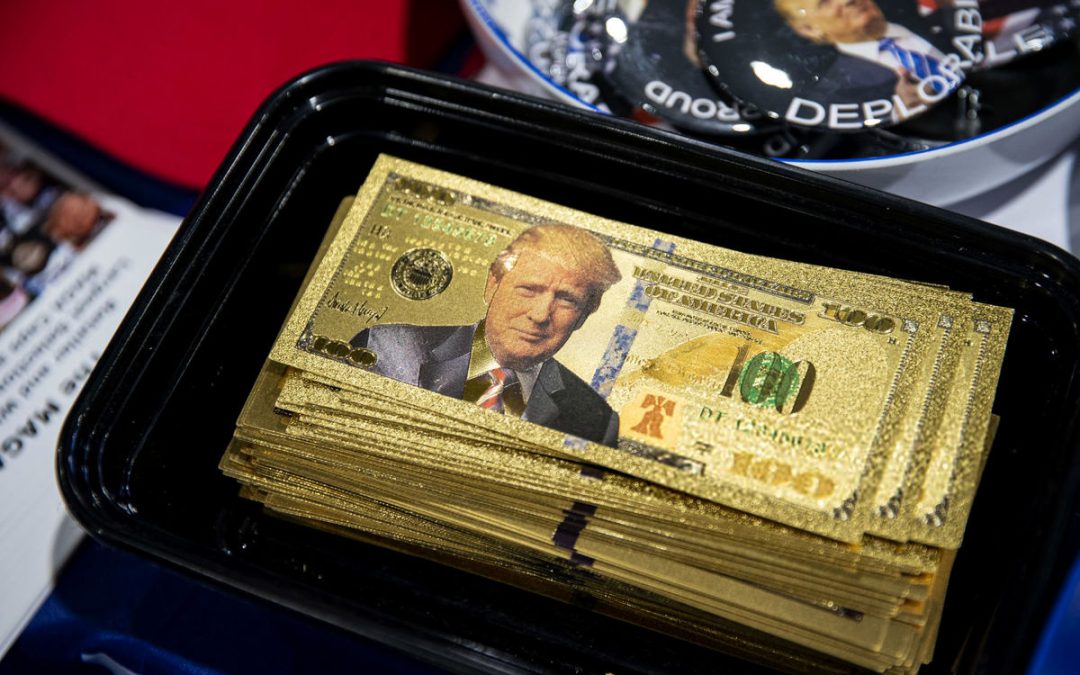
Strategic Council Online – Interview: An American affairs analyst stated: Although only seven months have passed since the beginning of Donald Trump’s second term in the White House, the administration’s official narrative of economic performance has again become a contentious subject in American academic, media, and expert circles. Statistics recently released by the Trump administration on economic indicators appear to suggest economic revival, reduced inflation, and a strengthened labor market. However, when these statistics are juxtaposed with independent data and credible surveys, a different and concerning picture of the U.S. economy’s real condition emerges. Rising unemployment rates, declining employment growth, falling labor force participation, consumer inflation exceeding optimal levels, and widespread public dissatisfaction with living costs are the most significant indicators challenging the Trump administration’s narrative. This comes as Trump, repeating his “Make America Great Again” slogan, had promised that protective trade policies and heavy tariffs would increase domestic employment and enhance the competitiveness of U.S. industries. Yet according to many economists and market observers, these policies have not only failed to revive the economy but have instead increased production costs, burdened domestic consumers, and disrupted global supply chains.

أحدث الوظائف

Balancing in the chain of chokepoints; from sea-based deterrence to pluralistic diplomacy

Strategic Council Online – Note: Recent developments in the political geography of West Asia, from rising tensions in the Persian Gulf to missile and drone activities in the Red Sea and the recent warning by Kaja Kallas, the European Union’s foreign policy chief, regarding the threat to freedom of navigation, indicate a key pattern shift; the US-Iran war has moved beyond the scope of a regional and local confrontation and has linked two vital passageways for the global economy: the Strait of Hormuz and the Bab el-Mandeb Strait.

Indicators for Choosing Between War and Diplomacy

SCFR Online – Opinion: Foreign policy analysis is valid when it evaluates decisions based on the information and circumstances prevailing at the time they were made, not on the basis of outcomes that only become apparent after the crisis has ended.

Loading

Trump’s Economic Policies

Feedback on Trump’s Economic Policies in America

Feedback on Trump’s Economic Policies in America

Strategic Council Online – Interview: An American affairs analyst stated: Although only seven months have passed since the beginning of Donald Trump’s second term in the White House, the administration’s official narrative of economic performance has again become a contentious subject in American academic, media, and expert circles. Statistics recently released by the Trump administration on economic indicators appear to suggest economic revival, reduced inflation, and a strengthened labor market. However, when these statistics are juxtaposed with independent data and credible surveys, a different and concerning picture of the U.S. economy’s real condition emerges. Rising unemployment rates, declining employment growth, falling labor force participation, consumer inflation exceeding optimal levels, and widespread public dissatisfaction with living costs are the most significant indicators challenging the Trump administration’s narrative. This comes as Trump, repeating his “Make America Great Again” slogan, had promised that protective trade policies and heavy tariffs would increase domestic employment and enhance the competitiveness of U.S. industries. Yet according to many economists and market observers, these policies have not only failed to revive the economy but have instead increased production costs, burdened domestic consumers, and disrupted global supply chains.

Trump’s Economic Policies

Feedback on Trump’s Economic Policies in America

Feedback on Trump’s Economic Policies in America

Strategic Council Online – Interview: An American affairs analyst stated: Although only seven months have passed since the beginning of Donald Trump’s second term in the White House, the administration’s official narrative of economic performance has again become a contentious subject in American academic, media, and expert circles. Statistics recently released by the Trump administration on economic indicators appear to suggest economic revival, reduced inflation, and a strengthened labor market. However, when these statistics are juxtaposed with independent data and credible surveys, a different and concerning picture of the U.S. economy’s real condition emerges. Rising unemployment rates, declining employment growth, falling labor force participation, consumer inflation exceeding optimal levels, and widespread public dissatisfaction with living costs are the most significant indicators challenging the Trump administration’s narrative. This comes as Trump, repeating his “Make America Great Again” slogan, had promised that protective trade policies and heavy tariffs would increase domestic employment and enhance the competitiveness of U.S. industries. Yet according to many economists and market observers, these policies have not only failed to revive the economy but have instead increased production costs, burdened domestic consumers, and disrupted global supply chains.

LATEST CONTENT

Balancing in the chain of chokepoints; from sea-based deterrence to pluralistic diplomacy

Strategic Council Online – Note: Recent developments in the political geography of West Asia, from rising tensions in the Persian Gulf to missile and drone activities in the Red Sea and the recent warning by Kaja Kallas, the European Union’s foreign policy chief, regarding the threat to freedom of navigation, indicate a key pattern shift; the US-Iran war has moved beyond the scope of a regional and local confrontation and has linked two vital passageways for the global economy: the Strait of Hormuz and the Bab el-Mandeb Strait.

Indicators for Choosing Between War and Diplomacy

SCFR Online – Opinion: Foreign policy analysis is valid when it evaluates decisions based on the information and circumstances prevailing at the time they were made, not on the basis of outcomes that only become apparent after the crisis has ended.

Loading

Trump’s Economic Policies

Feedback on Trump’s Economic Policies in America

Feedback on Trump’s Economic Policies in America

Strategic Council Online – Interview: An American affairs analyst stated: Although only seven months have passed since the beginning of Donald Trump’s second term in the White House, the administration’s official narrative of economic performance has again become a contentious subject in American academic, media, and expert circles. Statistics recently released by the Trump administration on economic indicators appear to suggest economic revival, reduced inflation, and a strengthened labor market. However, when these statistics are juxtaposed with independent data and credible surveys, a different and concerning picture of the U.S. economy’s real condition emerges. Rising unemployment rates, declining employment growth, falling labor force participation, consumer inflation exceeding optimal levels, and widespread public dissatisfaction with living costs are the most significant indicators challenging the Trump administration’s narrative. This comes as Trump, repeating his “Make America Great Again” slogan, had promised that protective trade policies and heavy tariffs would increase domestic employment and enhance the competitiveness of U.S. industries. Yet according to many economists and market observers, these policies have not only failed to revive the economy but have instead increased production costs, burdened domestic consumers, and disrupted global supply chains.

ÚLTIMAS PUBLICACIONES

Balancing in the chain of chokepoints; from sea-based deterrence to pluralistic diplomacy

Strategic Council Online – Note: Recent developments in the political geography of West Asia, from rising tensions in the Persian Gulf to missile and drone activities in the Red Sea and the recent warning by Kaja Kallas, the European Union’s foreign policy chief, regarding the threat to freedom of navigation, indicate a key pattern shift; the US-Iran war has moved beyond the scope of a regional and local confrontation and has linked two vital passageways for the global economy: the Strait of Hormuz and the Bab el-Mandeb Strait.

Indicators for Choosing Between War and Diplomacy

SCFR Online – Opinion: Foreign policy analysis is valid when it evaluates decisions based on the information and circumstances prevailing at the time they were made, not on the basis of outcomes that only become apparent after the crisis has ended.

Loading

Trump’s Economic Policies

Feedback on Trump’s Economic Policies in America

Feedback on Trump’s Economic Policies in America

Strategic Council Online – Interview: An American affairs analyst stated: Although only seven months have passed since the beginning of Donald Trump’s second term in the White House, the administration’s official narrative of economic performance has again become a contentious subject in American academic, media, and expert circles. Statistics recently released by the Trump administration on economic indicators appear to suggest economic revival, reduced inflation, and a strengthened labor market. However, when these statistics are juxtaposed with independent data and credible surveys, a different and concerning picture of the U.S. economy’s real condition emerges. Rising unemployment rates, declining employment growth, falling labor force participation, consumer inflation exceeding optimal levels, and widespread public dissatisfaction with living costs are the most significant indicators challenging the Trump administration’s narrative. This comes as Trump, repeating his “Make America Great Again” slogan, had promised that protective trade policies and heavy tariffs would increase domestic employment and enhance the competitiveness of U.S. industries. Yet according to many economists and market observers, these policies have not only failed to revive the economy but have instead increased production costs, burdened domestic consumers, and disrupted global supply chains.

ÚLTIMAS PUBLICACIONES

Balancing in the chain of chokepoints; from sea-based deterrence to pluralistic diplomacy

Strategic Council Online – Note: Recent developments in the political geography of West Asia, from rising tensions in the Persian Gulf to missile and drone activities in the Red Sea and the recent warning by Kaja Kallas, the European Union’s foreign policy chief, regarding the threat to freedom of navigation, indicate a key pattern shift; the US-Iran war has moved beyond the scope of a regional and local confrontation and has linked two vital passageways for the global economy: the Strait of Hormuz and the Bab el-Mandeb Strait.

Indicators for Choosing Between War and Diplomacy

SCFR Online – Opinion: Foreign policy analysis is valid when it evaluates decisions based on the information and circumstances prevailing at the time they were made, not on the basis of outcomes that only become apparent after the crisis has ended.

Loading

Trump’s Economic Policies

Feedback on Trump’s Economic Policies in America

Feedback on Trump’s Economic Policies in America

Strategic Council Online – Interview: An American affairs analyst stated: Although only seven months have passed since the beginning of Donald Trump’s second term in the White House, the administration’s official narrative of economic performance has again become a contentious subject in American academic, media, and expert circles. Statistics recently released by the Trump administration on economic indicators appear to suggest economic revival, reduced inflation, and a strengthened labor market. However, when these statistics are juxtaposed with independent data and credible surveys, a different and concerning picture of the U.S. economy’s real condition emerges. Rising unemployment rates, declining employment growth, falling labor force participation, consumer inflation exceeding optimal levels, and widespread public dissatisfaction with living costs are the most significant indicators challenging the Trump administration’s narrative. This comes as Trump, repeating his “Make America Great Again” slogan, had promised that protective trade policies and heavy tariffs would increase domestic employment and enhance the competitiveness of U.S. industries. Yet according to many economists and market observers, these policies have not only failed to revive the economy but have instead increased production costs, burdened domestic consumers, and disrupted global supply chains.

ÚLTIMAS PUBLICACIONES

Balancing in the chain of chokepoints; from sea-based deterrence to pluralistic diplomacy

Strategic Council Online – Note: Recent developments in the political geography of West Asia, from rising tensions in the Persian Gulf to missile and drone activities in the Red Sea and the recent warning by Kaja Kallas, the European Union’s foreign policy chief, regarding the threat to freedom of navigation, indicate a key pattern shift; the US-Iran war has moved beyond the scope of a regional and local confrontation and has linked two vital passageways for the global economy: the Strait of Hormuz and the Bab el-Mandeb Strait.

Indicators for Choosing Between War and Diplomacy

SCFR Online – Opinion: Foreign policy analysis is valid when it evaluates decisions based on the information and circumstances prevailing at the time they were made, not on the basis of outcomes that only become apparent after the crisis has ended.

Loading

Trump’s Economic Policies

Feedback on Trump’s Economic Policies in America

Feedback on Trump’s Economic Policies in America

Strategic Council Online – Interview: An American affairs analyst stated: Although only seven months have passed since the beginning of Donald Trump’s second term in the White House, the administration’s official narrative of economic performance has again become a contentious subject in American academic, media, and expert circles. Statistics recently released by the Trump administration on economic indicators appear to suggest economic revival, reduced inflation, and a strengthened labor market. However, when these statistics are juxtaposed with independent data and credible surveys, a different and concerning picture of the U.S. economy’s real condition emerges. Rising unemployment rates, declining employment growth, falling labor force participation, consumer inflation exceeding optimal levels, and widespread public dissatisfaction with living costs are the most significant indicators challenging the Trump administration’s narrative. This comes as Trump, repeating his “Make America Great Again” slogan, had promised that protective trade policies and heavy tariffs would increase domestic employment and enhance the competitiveness of U.S. industries. Yet according to many economists and market observers, these policies have not only failed to revive the economy but have instead increased production costs, burdened domestic consumers, and disrupted global supply chains.

ÚLTIMAS PUBLICACIONES

Balancing in the chain of chokepoints; from sea-based deterrence to pluralistic diplomacy

Strategic Council Online – Note: Recent developments in the political geography of West Asia, from rising tensions in the Persian Gulf to missile and drone activities in the Red Sea and the recent warning by Kaja Kallas, the European Union’s foreign policy chief, regarding the threat to freedom of navigation, indicate a key pattern shift; the US-Iran war has moved beyond the scope of a regional and local confrontation and has linked two vital passageways for the global economy: the Strait of Hormuz and the Bab el-Mandeb Strait.

Indicators for Choosing Between War and Diplomacy

SCFR Online – Opinion: Foreign policy analysis is valid when it evaluates decisions based on the information and circumstances prevailing at the time they were made, not on the basis of outcomes that only become apparent after the crisis has ended.

Loading