جدیدترین مطالب

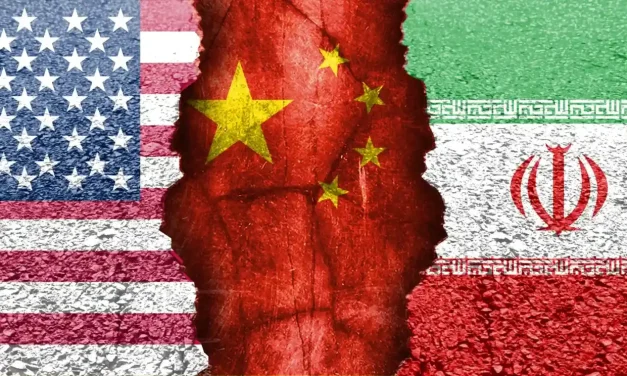
China’s Rejection of US Sanctions; Strengthening Iran’s Geopolitical Leverage

SCFR Online – Opinion: Concurrent with the official commencement of the United States’ economic war against our country, focusing on sanctions instruments, isolation, and economic pressure, what has now become increasingly important is the lack of alignment of other major global powers, especially China, with this policy.
The Makkah Pact; Reasons for its Formation and Challenges Ahead

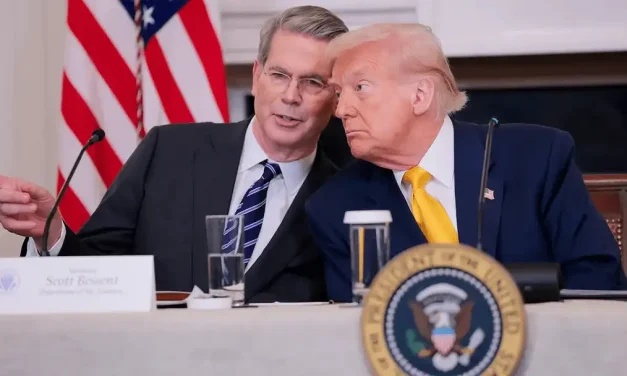
SCFR Online – Opinion: The Makkah Pact, signed between Saudi Arabia, Pakistan, and Turkey under the motto “an attack on one is an attack on all,” is viewed by some analysts less as a full-fledged military coalition and more as an attempt to reduce security dependence on an external power and to establish a regional security mechanism.

Implications of the US-Saudi Nuclear Agreement

SCFR Online – Opinion: The new US-Saudi nuclear agreement, despite legal and political ambiguities, could alter previous non-proliferation standards in West Asia and intensify nuclear competition, ushering it into a new phase.

An Analysis of Recent Turkey-Israeli Regime Tensions

SCFR Online – Opinion: Recent developments in Syria indicate an intensification of strategic rivalry between Turkey and the Israeli regime, but mutual considerations and the role of the United States have limited the likelihood of direct war.

Loading

United States

Iran – America & the Evolution of the Islamic resistance

Strategic Council Online: Recent events in the Middle East attract part of global attention. “New Structure of Power” and “New Geopolitics in the Region” are the latest realities of the regional developments of recent years.
Raouf Sheibani – Former ambassador of the Islamic Republic of Iran in Syria and Lebanon

Prospect of Peace Talks with the Taliban

Strategic Council Online: The biggest challenge facing Afghan peace talks in Moscow and Doha at present is that the Taliban believe the Afghan government is a puppet state and has no legitimacy.
Nozar Shafiei – Expert on Subcontinent Affairs

Disputes in US-Russia Relations

Strategic Council Online: The United States and Russia are pursuing two different approaches vis-à-vis the West Asia region, and these different approaches have led to geopolitical disagreements between the two countries, especially with regard to the region’s major crises and dossiers.
Shoaib Bahman – Expert on Russian Affairs

Prospects of US Peace Talks with the Taliban

Strategic Council Online: For the real progress of the peace talks, the Taliban must accept to enter into negotiations with the central government and Khalilzad and the Americans must accept to pull out their troops from Afghanistan.
Pir Mohammad Mollazehi – Expert on the Indian Affairs in the Subcontinent

Perspective of US Role Playing in Syria

Strategic Council Online: In commentaries, Americans seem to have finally accepted that the political establishment in Syria under the leadership of Bashar Assad cannot be changed; also the possibility of toppling Assad’s government and the US desired changes in Syria will not be realized; therefore, Europe and the United States will gradually but informally proceed towards recognizing the status quo.
Amir Ali AbolFatah, American Affairs expert

US Goals behind Warsaw Conference

Strategic Council Online: Reinforcement and boosting the morale of US troops and Washington’s humiliated regional allies in the aftermath of repeated defeats of their coalition in Syria, Iraq, Yemen, and Palestine are among other goals of the United States in holding the Warsaw confab.

America’s Obvious & Concealed Goals in Venezuelan Crisis

Strategic Council Online: The current US policy in response to internal developments in Venezuela depends on three factors: The Socialist nature of the Venezuelan system, the question of oil, and US homeland security.
Hadi Aalami Fariman – Latin American Affairs expert

US Intention behind Holding Anti-Iranian Confab in Poland

Strategic Council Online: Washington by holding such a meeting is seeking to isolate Iran and forge a consensus against Tehran, however, if the countries refuse to attend the conference, the United States will not achieve its goal.
Abdolreza Faraji Rad – University Lecturer on Geopolitics

أحدث الوظائف

China’s Rejection of US Sanctions; Strengthening Iran’s Geopolitical Leverage

SCFR Online – Opinion: Concurrent with the official commencement of the United States’ economic war against our country, focusing on sanctions instruments, isolation, and economic pressure, what has now become increasingly important is the lack of alignment of other major global powers, especially China, with this policy.
The Makkah Pact; Reasons for its Formation and Challenges Ahead

SCFR Online – Opinion: The Makkah Pact, signed between Saudi Arabia, Pakistan, and Turkey under the motto “an attack on one is an attack on all,” is viewed by some analysts less as a full-fledged military coalition and more as an attempt to reduce security dependence on an external power and to establish a regional security mechanism.

Implications of the US-Saudi Nuclear Agreement

SCFR Online – Opinion: The new US-Saudi nuclear agreement, despite legal and political ambiguities, could alter previous non-proliferation standards in West Asia and intensify nuclear competition, ushering it into a new phase.

An Analysis of Recent Turkey-Israeli Regime Tensions

SCFR Online – Opinion: Recent developments in Syria indicate an intensification of strategic rivalry between Turkey and the Israeli regime, but mutual considerations and the role of the United States have limited the likelihood of direct war.

Loading

United States

Iran – America & the Evolution of the Islamic resistance

Strategic Council Online: Recent events in the Middle East attract part of global attention. “New Structure of Power” and “New Geopolitics in the Region” are the latest realities of the regional developments of recent years.
Raouf Sheibani – Former ambassador of the Islamic Republic of Iran in Syria and Lebanon

Prospect of Peace Talks with the Taliban

Strategic Council Online: The biggest challenge facing Afghan peace talks in Moscow and Doha at present is that the Taliban believe the Afghan government is a puppet state and has no legitimacy.
Nozar Shafiei – Expert on Subcontinent Affairs

Disputes in US-Russia Relations

Strategic Council Online: The United States and Russia are pursuing two different approaches vis-à-vis the West Asia region, and these different approaches have led to geopolitical disagreements between the two countries, especially with regard to the region’s major crises and dossiers.
Shoaib Bahman – Expert on Russian Affairs

Prospects of US Peace Talks with the Taliban

Strategic Council Online: For the real progress of the peace talks, the Taliban must accept to enter into negotiations with the central government and Khalilzad and the Americans must accept to pull out their troops from Afghanistan.
Pir Mohammad Mollazehi – Expert on the Indian Affairs in the Subcontinent

Perspective of US Role Playing in Syria

Strategic Council Online: In commentaries, Americans seem to have finally accepted that the political establishment in Syria under the leadership of Bashar Assad cannot be changed; also the possibility of toppling Assad’s government and the US desired changes in Syria will not be realized; therefore, Europe and the United States will gradually but informally proceed towards recognizing the status quo.
Amir Ali AbolFatah, American Affairs expert

US Goals behind Warsaw Conference

Strategic Council Online: Reinforcement and boosting the morale of US troops and Washington’s humiliated regional allies in the aftermath of repeated defeats of their coalition in Syria, Iraq, Yemen, and Palestine are among other goals of the United States in holding the Warsaw confab.

America’s Obvious & Concealed Goals in Venezuelan Crisis

Strategic Council Online: The current US policy in response to internal developments in Venezuela depends on three factors: The Socialist nature of the Venezuelan system, the question of oil, and US homeland security.
Hadi Aalami Fariman – Latin American Affairs expert

US Intention behind Holding Anti-Iranian Confab in Poland

Strategic Council Online: Washington by holding such a meeting is seeking to isolate Iran and forge a consensus against Tehran, however, if the countries refuse to attend the conference, the United States will not achieve its goal.
Abdolreza Faraji Rad – University Lecturer on Geopolitics

United States

Iran – America & the Evolution of the Islamic resistance

Strategic Council Online: Recent events in the Middle East attract part of global attention. “New Structure of Power” and “New Geopolitics in the Region” are the latest realities of the regional developments of recent years.
Raouf Sheibani – Former ambassador of the Islamic Republic of Iran in Syria and Lebanon

Prospect of Peace Talks with the Taliban

Strategic Council Online: The biggest challenge facing Afghan peace talks in Moscow and Doha at present is that the Taliban believe the Afghan government is a puppet state and has no legitimacy.
Nozar Shafiei – Expert on Subcontinent Affairs

Disputes in US-Russia Relations

Strategic Council Online: The United States and Russia are pursuing two different approaches vis-à-vis the West Asia region, and these different approaches have led to geopolitical disagreements between the two countries, especially with regard to the region’s major crises and dossiers.
Shoaib Bahman – Expert on Russian Affairs

Prospects of US Peace Talks with the Taliban

Strategic Council Online: For the real progress of the peace talks, the Taliban must accept to enter into negotiations with the central government and Khalilzad and the Americans must accept to pull out their troops from Afghanistan.
Pir Mohammad Mollazehi – Expert on the Indian Affairs in the Subcontinent

Perspective of US Role Playing in Syria

Strategic Council Online: In commentaries, Americans seem to have finally accepted that the political establishment in Syria under the leadership of Bashar Assad cannot be changed; also the possibility of toppling Assad’s government and the US desired changes in Syria will not be realized; therefore, Europe and the United States will gradually but informally proceed towards recognizing the status quo.
Amir Ali AbolFatah, American Affairs expert

US Goals behind Warsaw Conference

Strategic Council Online: Reinforcement and boosting the morale of US troops and Washington’s humiliated regional allies in the aftermath of repeated defeats of their coalition in Syria, Iraq, Yemen, and Palestine are among other goals of the United States in holding the Warsaw confab.

America’s Obvious & Concealed Goals in Venezuelan Crisis

Strategic Council Online: The current US policy in response to internal developments in Venezuela depends on three factors: The Socialist nature of the Venezuelan system, the question of oil, and US homeland security.
Hadi Aalami Fariman – Latin American Affairs expert

US Intention behind Holding Anti-Iranian Confab in Poland

Strategic Council Online: Washington by holding such a meeting is seeking to isolate Iran and forge a consensus against Tehran, however, if the countries refuse to attend the conference, the United States will not achieve its goal.
Abdolreza Faraji Rad – University Lecturer on Geopolitics

LATEST CONTENT

China’s Rejection of US Sanctions; Strengthening Iran’s Geopolitical Leverage

SCFR Online – Opinion: Concurrent with the official commencement of the United States’ economic war against our country, focusing on sanctions instruments, isolation, and economic pressure, what has now become increasingly important is the lack of alignment of other major global powers, especially China, with this policy.
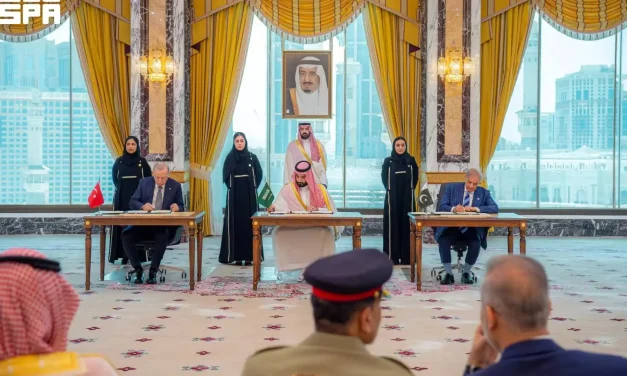
The Makkah Pact; Reasons for its Formation and Challenges Ahead

SCFR Online – Opinion: The Makkah Pact, signed between Saudi Arabia, Pakistan, and Turkey under the motto “an attack on one is an attack on all,” is viewed by some analysts less as a full-fledged military coalition and more as an attempt to reduce security dependence on an external power and to establish a regional security mechanism.

Implications of the US-Saudi Nuclear Agreement

SCFR Online – Opinion: The new US-Saudi nuclear agreement, despite legal and political ambiguities, could alter previous non-proliferation standards in West Asia and intensify nuclear competition, ushering it into a new phase.

An Analysis of Recent Turkey-Israeli Regime Tensions

SCFR Online – Opinion: Recent developments in Syria indicate an intensification of strategic rivalry between Turkey and the Israeli regime, but mutual considerations and the role of the United States have limited the likelihood of direct war.

Loading

United States

Iran – America & the Evolution of the Islamic resistance

Strategic Council Online: Recent events in the Middle East attract part of global attention. “New Structure of Power” and “New Geopolitics in the Region” are the latest realities of the regional developments of recent years.
Raouf Sheibani – Former ambassador of the Islamic Republic of Iran in Syria and Lebanon

Prospect of Peace Talks with the Taliban

Strategic Council Online: The biggest challenge facing Afghan peace talks in Moscow and Doha at present is that the Taliban believe the Afghan government is a puppet state and has no legitimacy.
Nozar Shafiei – Expert on Subcontinent Affairs

Disputes in US-Russia Relations

Strategic Council Online: The United States and Russia are pursuing two different approaches vis-à-vis the West Asia region, and these different approaches have led to geopolitical disagreements between the two countries, especially with regard to the region’s major crises and dossiers.
Shoaib Bahman – Expert on Russian Affairs

Prospects of US Peace Talks with the Taliban

Strategic Council Online: For the real progress of the peace talks, the Taliban must accept to enter into negotiations with the central government and Khalilzad and the Americans must accept to pull out their troops from Afghanistan.
Pir Mohammad Mollazehi – Expert on the Indian Affairs in the Subcontinent

Perspective of US Role Playing in Syria

Strategic Council Online: In commentaries, Americans seem to have finally accepted that the political establishment in Syria under the leadership of Bashar Assad cannot be changed; also the possibility of toppling Assad’s government and the US desired changes in Syria will not be realized; therefore, Europe and the United States will gradually but informally proceed towards recognizing the status quo.
Amir Ali AbolFatah, American Affairs expert

US Goals behind Warsaw Conference

Strategic Council Online: Reinforcement and boosting the morale of US troops and Washington’s humiliated regional allies in the aftermath of repeated defeats of their coalition in Syria, Iraq, Yemen, and Palestine are among other goals of the United States in holding the Warsaw confab.

America’s Obvious & Concealed Goals in Venezuelan Crisis

Strategic Council Online: The current US policy in response to internal developments in Venezuela depends on three factors: The Socialist nature of the Venezuelan system, the question of oil, and US homeland security.
Hadi Aalami Fariman – Latin American Affairs expert

US Intention behind Holding Anti-Iranian Confab in Poland

Strategic Council Online: Washington by holding such a meeting is seeking to isolate Iran and forge a consensus against Tehran, however, if the countries refuse to attend the conference, the United States will not achieve its goal.
Abdolreza Faraji Rad – University Lecturer on Geopolitics

ÚLTIMAS PUBLICACIONES

China’s Rejection of US Sanctions; Strengthening Iran’s Geopolitical Leverage

SCFR Online – Opinion: Concurrent with the official commencement of the United States’ economic war against our country, focusing on sanctions instruments, isolation, and economic pressure, what has now become increasingly important is the lack of alignment of other major global powers, especially China, with this policy.
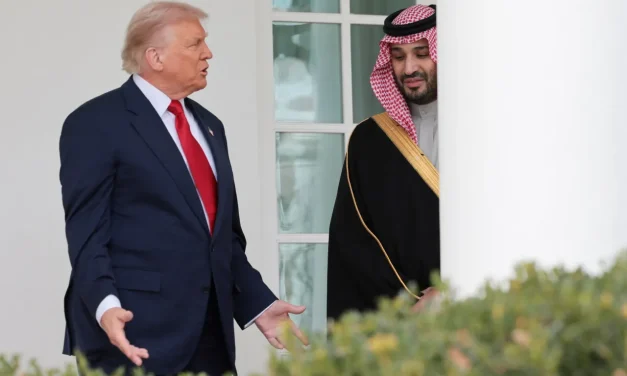
The Makkah Pact; Reasons for its Formation and Challenges Ahead

SCFR Online – Opinion: The Makkah Pact, signed between Saudi Arabia, Pakistan, and Turkey under the motto “an attack on one is an attack on all,” is viewed by some analysts less as a full-fledged military coalition and more as an attempt to reduce security dependence on an external power and to establish a regional security mechanism.

Implications of the US-Saudi Nuclear Agreement

SCFR Online – Opinion: The new US-Saudi nuclear agreement, despite legal and political ambiguities, could alter previous non-proliferation standards in West Asia and intensify nuclear competition, ushering it into a new phase.

An Analysis of Recent Turkey-Israeli Regime Tensions

SCFR Online – Opinion: Recent developments in Syria indicate an intensification of strategic rivalry between Turkey and the Israeli regime, but mutual considerations and the role of the United States have limited the likelihood of direct war.

Loading

United States

Iran – America & the Evolution of the Islamic resistance

Strategic Council Online: Recent events in the Middle East attract part of global attention. “New Structure of Power” and “New Geopolitics in the Region” are the latest realities of the regional developments of recent years.
Raouf Sheibani – Former ambassador of the Islamic Republic of Iran in Syria and Lebanon

Prospect of Peace Talks with the Taliban

Strategic Council Online: The biggest challenge facing Afghan peace talks in Moscow and Doha at present is that the Taliban believe the Afghan government is a puppet state and has no legitimacy.
Nozar Shafiei – Expert on Subcontinent Affairs

Disputes in US-Russia Relations

Strategic Council Online: The United States and Russia are pursuing two different approaches vis-à-vis the West Asia region, and these different approaches have led to geopolitical disagreements between the two countries, especially with regard to the region’s major crises and dossiers.
Shoaib Bahman – Expert on Russian Affairs

Prospects of US Peace Talks with the Taliban

Strategic Council Online: For the real progress of the peace talks, the Taliban must accept to enter into negotiations with the central government and Khalilzad and the Americans must accept to pull out their troops from Afghanistan.
Pir Mohammad Mollazehi – Expert on the Indian Affairs in the Subcontinent

Perspective of US Role Playing in Syria

Strategic Council Online: In commentaries, Americans seem to have finally accepted that the political establishment in Syria under the leadership of Bashar Assad cannot be changed; also the possibility of toppling Assad’s government and the US desired changes in Syria will not be realized; therefore, Europe and the United States will gradually but informally proceed towards recognizing the status quo.
Amir Ali AbolFatah, American Affairs expert

US Goals behind Warsaw Conference

Strategic Council Online: Reinforcement and boosting the morale of US troops and Washington’s humiliated regional allies in the aftermath of repeated defeats of their coalition in Syria, Iraq, Yemen, and Palestine are among other goals of the United States in holding the Warsaw confab.

America’s Obvious & Concealed Goals in Venezuelan Crisis

Strategic Council Online: The current US policy in response to internal developments in Venezuela depends on three factors: The Socialist nature of the Venezuelan system, the question of oil, and US homeland security.
Hadi Aalami Fariman – Latin American Affairs expert

US Intention behind Holding Anti-Iranian Confab in Poland

Strategic Council Online: Washington by holding such a meeting is seeking to isolate Iran and forge a consensus against Tehran, however, if the countries refuse to attend the conference, the United States will not achieve its goal.
Abdolreza Faraji Rad – University Lecturer on Geopolitics

ÚLTIMAS PUBLICACIONES

China’s Rejection of US Sanctions; Strengthening Iran’s Geopolitical Leverage

SCFR Online – Opinion: Concurrent with the official commencement of the United States’ economic war against our country, focusing on sanctions instruments, isolation, and economic pressure, what has now become increasingly important is the lack of alignment of other major global powers, especially China, with this policy.
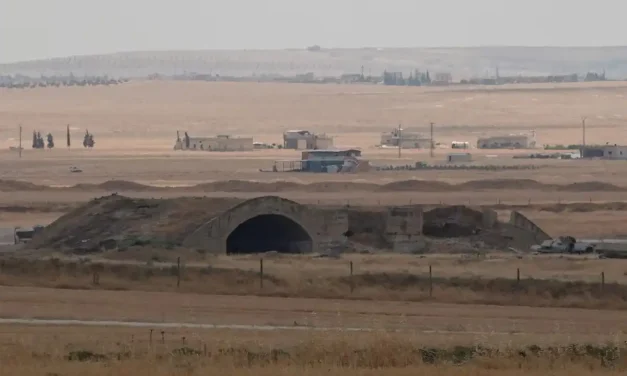
The Makkah Pact; Reasons for its Formation and Challenges Ahead

SCFR Online – Opinion: The Makkah Pact, signed between Saudi Arabia, Pakistan, and Turkey under the motto “an attack on one is an attack on all,” is viewed by some analysts less as a full-fledged military coalition and more as an attempt to reduce security dependence on an external power and to establish a regional security mechanism.

Implications of the US-Saudi Nuclear Agreement

SCFR Online – Opinion: The new US-Saudi nuclear agreement, despite legal and political ambiguities, could alter previous non-proliferation standards in West Asia and intensify nuclear competition, ushering it into a new phase.

An Analysis of Recent Turkey-Israeli Regime Tensions

SCFR Online – Opinion: Recent developments in Syria indicate an intensification of strategic rivalry between Turkey and the Israeli regime, but mutual considerations and the role of the United States have limited the likelihood of direct war.

Loading

United States

Iran – America & the Evolution of the Islamic resistance

Strategic Council Online: Recent events in the Middle East attract part of global attention. “New Structure of Power” and “New Geopolitics in the Region” are the latest realities of the regional developments of recent years.
Raouf Sheibani – Former ambassador of the Islamic Republic of Iran in Syria and Lebanon

Prospect of Peace Talks with the Taliban

Strategic Council Online: The biggest challenge facing Afghan peace talks in Moscow and Doha at present is that the Taliban believe the Afghan government is a puppet state and has no legitimacy.
Nozar Shafiei – Expert on Subcontinent Affairs

Disputes in US-Russia Relations

Strategic Council Online: The United States and Russia are pursuing two different approaches vis-à-vis the West Asia region, and these different approaches have led to geopolitical disagreements between the two countries, especially with regard to the region’s major crises and dossiers.
Shoaib Bahman – Expert on Russian Affairs

Prospects of US Peace Talks with the Taliban

Strategic Council Online: For the real progress of the peace talks, the Taliban must accept to enter into negotiations with the central government and Khalilzad and the Americans must accept to pull out their troops from Afghanistan.
Pir Mohammad Mollazehi – Expert on the Indian Affairs in the Subcontinent

Perspective of US Role Playing in Syria

Strategic Council Online: In commentaries, Americans seem to have finally accepted that the political establishment in Syria under the leadership of Bashar Assad cannot be changed; also the possibility of toppling Assad’s government and the US desired changes in Syria will not be realized; therefore, Europe and the United States will gradually but informally proceed towards recognizing the status quo.
Amir Ali AbolFatah, American Affairs expert

US Goals behind Warsaw Conference

Strategic Council Online: Reinforcement and boosting the morale of US troops and Washington’s humiliated regional allies in the aftermath of repeated defeats of their coalition in Syria, Iraq, Yemen, and Palestine are among other goals of the United States in holding the Warsaw confab.

America’s Obvious & Concealed Goals in Venezuelan Crisis

Strategic Council Online: The current US policy in response to internal developments in Venezuela depends on three factors: The Socialist nature of the Venezuelan system, the question of oil, and US homeland security.
Hadi Aalami Fariman – Latin American Affairs expert

US Intention behind Holding Anti-Iranian Confab in Poland

Strategic Council Online: Washington by holding such a meeting is seeking to isolate Iran and forge a consensus against Tehran, however, if the countries refuse to attend the conference, the United States will not achieve its goal.
Abdolreza Faraji Rad – University Lecturer on Geopolitics

ÚLTIMAS PUBLICACIONES

China’s Rejection of US Sanctions; Strengthening Iran’s Geopolitical Leverage

SCFR Online – Opinion: Concurrent with the official commencement of the United States’ economic war against our country, focusing on sanctions instruments, isolation, and economic pressure, what has now become increasingly important is the lack of alignment of other major global powers, especially China, with this policy.
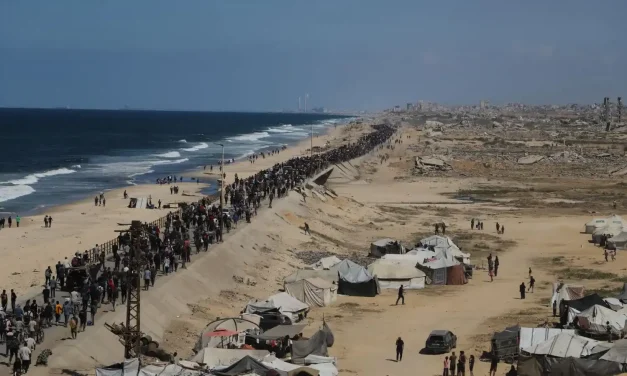
The Makkah Pact; Reasons for its Formation and Challenges Ahead

SCFR Online – Opinion: The Makkah Pact, signed between Saudi Arabia, Pakistan, and Turkey under the motto “an attack on one is an attack on all,” is viewed by some analysts less as a full-fledged military coalition and more as an attempt to reduce security dependence on an external power and to establish a regional security mechanism.

Implications of the US-Saudi Nuclear Agreement

SCFR Online – Opinion: The new US-Saudi nuclear agreement, despite legal and political ambiguities, could alter previous non-proliferation standards in West Asia and intensify nuclear competition, ushering it into a new phase.

An Analysis of Recent Turkey-Israeli Regime Tensions

SCFR Online – Opinion: Recent developments in Syria indicate an intensification of strategic rivalry between Turkey and the Israeli regime, but mutual considerations and the role of the United States have limited the likelihood of direct war.

Loading

United States

Iran – America & the Evolution of the Islamic resistance

Strategic Council Online: Recent events in the Middle East attract part of global attention. “New Structure of Power” and “New Geopolitics in the Region” are the latest realities of the regional developments of recent years.
Raouf Sheibani – Former ambassador of the Islamic Republic of Iran in Syria and Lebanon

Prospect of Peace Talks with the Taliban

Strategic Council Online: The biggest challenge facing Afghan peace talks in Moscow and Doha at present is that the Taliban believe the Afghan government is a puppet state and has no legitimacy.
Nozar Shafiei – Expert on Subcontinent Affairs

Disputes in US-Russia Relations

Strategic Council Online: The United States and Russia are pursuing two different approaches vis-à-vis the West Asia region, and these different approaches have led to geopolitical disagreements between the two countries, especially with regard to the region’s major crises and dossiers.
Shoaib Bahman – Expert on Russian Affairs

Prospects of US Peace Talks with the Taliban

Strategic Council Online: For the real progress of the peace talks, the Taliban must accept to enter into negotiations with the central government and Khalilzad and the Americans must accept to pull out their troops from Afghanistan.
Pir Mohammad Mollazehi – Expert on the Indian Affairs in the Subcontinent

Perspective of US Role Playing in Syria

Strategic Council Online: In commentaries, Americans seem to have finally accepted that the political establishment in Syria under the leadership of Bashar Assad cannot be changed; also the possibility of toppling Assad’s government and the US desired changes in Syria will not be realized; therefore, Europe and the United States will gradually but informally proceed towards recognizing the status quo.
Amir Ali AbolFatah, American Affairs expert

US Goals behind Warsaw Conference

Strategic Council Online: Reinforcement and boosting the morale of US troops and Washington’s humiliated regional allies in the aftermath of repeated defeats of their coalition in Syria, Iraq, Yemen, and Palestine are among other goals of the United States in holding the Warsaw confab.

America’s Obvious & Concealed Goals in Venezuelan Crisis

Strategic Council Online: The current US policy in response to internal developments in Venezuela depends on three factors: The Socialist nature of the Venezuelan system, the question of oil, and US homeland security.
Hadi Aalami Fariman – Latin American Affairs expert

US Intention behind Holding Anti-Iranian Confab in Poland

Strategic Council Online: Washington by holding such a meeting is seeking to isolate Iran and forge a consensus against Tehran, however, if the countries refuse to attend the conference, the United States will not achieve its goal.
Abdolreza Faraji Rad – University Lecturer on Geopolitics

ÚLTIMAS PUBLICACIONES

China’s Rejection of US Sanctions; Strengthening Iran’s Geopolitical Leverage

SCFR Online – Opinion: Concurrent with the official commencement of the United States’ economic war against our country, focusing on sanctions instruments, isolation, and economic pressure, what has now become increasingly important is the lack of alignment of other major global powers, especially China, with this policy.

The Makkah Pact; Reasons for its Formation and Challenges Ahead

SCFR Online – Opinion: The Makkah Pact, signed between Saudi Arabia, Pakistan, and Turkey under the motto “an attack on one is an attack on all,” is viewed by some analysts less as a full-fledged military coalition and more as an attempt to reduce security dependence on an external power and to establish a regional security mechanism.

Implications of the US-Saudi Nuclear Agreement

SCFR Online – Opinion: The new US-Saudi nuclear agreement, despite legal and political ambiguities, could alter previous non-proliferation standards in West Asia and intensify nuclear competition, ushering it into a new phase.

An Analysis of Recent Turkey-Israeli Regime Tensions

SCFR Online – Opinion: Recent developments in Syria indicate an intensification of strategic rivalry between Turkey and the Israeli regime, but mutual considerations and the role of the United States have limited the likelihood of direct war.

Loading