جدیدترین مطالب

An Analysis of the Makkah Defense Pact

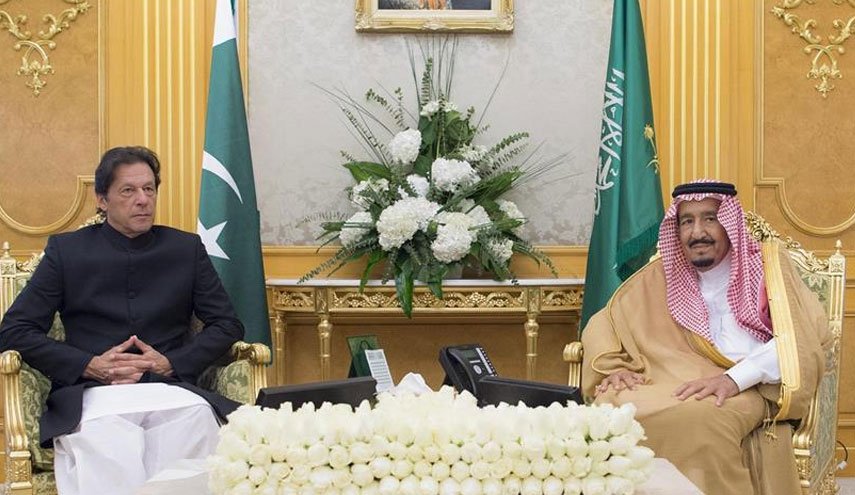
SCFR Online – Opinion: On Friday, August 7, the heads of state of three countries – Saudi Arabia, Turkey, and Pakistan – signed a text under the title “Makkah Joint Defense Agreement.”

Dimensions and challenges of the initiative to revive the Hejaz Railway

Strategic Council Online – Note: The initiative to revive the Hejaz Railway, beyond being a transportation project, constitutes an attempt to redefine geopolitics, the economy, and Turkey’s regional position; however, its realization appears to face significant financial, security, and institutional challenges.

Balancing in the chain of chokepoints; from sea-based deterrence to pluralistic diplomacy

Strategic Council Online – Note: Recent developments in the political geography of West Asia, from rising tensions in the Persian Gulf to missile and drone activities in the Red Sea and the recent warning by Kaja Kallas, the European Union’s foreign policy chief, regarding the threat to freedom of navigation, indicate a key pattern shift; the US-Iran war has moved beyond the scope of a regional and local confrontation and has linked two vital passageways for the global economy: the Strait of Hormuz and the Bab el-Mandeb Strait.

Loading

Pakistan

China’s Goals behind Modernization of Naval Forces

China’s Goals behind Modernization of Naval Forces

Strategic Council Online – Guest opinion: The Chinese military plans to become the world’s first naval power by 2050. This is in line with the strategy announced in 2015 that China intends to become a modern socialist country by 2049.
Maryam Varij Kazemi – Researcher on geopolitical issues

Putin’s Strategic Targets in India Visit

Putin’s Strategic Targets in India Visit

Strategic Council Online – Interview: An analyst of subcontinent affairs, saying that India and Russia have many common interests, the most important issue for Russia regarding India is to prevent the full absorption of that country by the United States, added: Concerned about China’s rapid progress, the Russians think that if they equip India militarily, there will be a balance of power between India and China that will benefit Russia.

Unacceptable Ambitions of Azeri President to Change Geopolitics of Caucasus

Unacceptable Ambitions of Azeri President to Change Geopolitics of Caucasus

Strategic Council Online – Interview: An expert on international and regional affairs, referring to the destructive role of the Zionist regime in the Caucasus and considering the confession of the President of Azerbaijan on using Israeli drones, said: The recent provocative actions of the government of President Ilham Aliyev in holding a joint maneuver with Turkey and the Zionist regime along Iran’s northwestern borders and Aliyev’s accusations against Iran within the context of his family’s long-standing and unacceptable ambition to change the geopolitics of the Caucasus can be analyzed.

Strategic Opportunities for Iran’s Membership in Shanghai Cooperation Organization

Strategic Opportunities for Iran’s Membership in Shanghai Cooperation Organization

Strategic Council Online – Interview: A university professor saying that Iran could be the third most influential country in the Shanghai Cooperation Organization after China and Russia, said: Iran’s membership in that organization alone is not enough for the achievement of Tehran’s goals and some factors must be taken into account and at the same time movements should be put on the agenda.

Turkey’s Strategic Targets in Afghanistan

Turkey’s Strategic Targets in Afghanistan

Strategic Council Online – Interview: A university professor, stating that Turkey has a strategic and economic motivation to be present in Afghanistan, suggested that in the near future we will be witness to the extensive talks between the Taliban and Turkey.

Behind the Scenes of Terrorist Acts in Afghanistan

Behind the Scenes of Terrorist Acts in Afghanistan

Strategic Council Online – An expert on the Subcontinent affairs in connection with the recent explosion in front of a girls’ school in Kabul that killed and injured a large number of innocent Afghan people and children, said that no group has yet claimed responsibility for the attacks.

Strategic Implications of US Troops Pullout from Afghanistan

Strategic Implications of US Troops Pullout from Afghanistan

Strategic Council Online: According to the agreement reached between the United States and the Taliban in March 2018, the withdrawal of US troops from Afghanistan will begin and by mid-July (July 2020) the number of US combat troops will reach 8600 persons. This is happening at a time when the bilateral security agreement between the United States and the Afghan government is still valid. In addition, in recent months, the activities of terrorist groups in Afghanistan have not diminished, but in addition to the Taliban’s spring attacks, ISIS terrorist activities in Afghanistan are taking civilian tolls from among the oppressed people of Afghanistan, and the atmosphere of insecurity has not changed. Although the withdrawal of US troops from Afghanistan is important, it may have significant implications for the future of Afghanistan and the region, given the shortcomings and negligence in fulfilling their commitments, especially in the field of training Afghan forces. Americans should accept responsibility and pay the damages.
Seyed Mostafa Hashemi – Afghan Affairs Expert

Prospect of Peace Talks in Light of New Developments in Afghanistan

Prospect of Peace Talks in Light of New Developments in Afghanistan

Strategic Council Online: It looks like eventually US envoy Zalmay Khalilzad, who is in Kabul, will intervene in the current governance process in Afghanistan and bring Abdullah Abdullah to the negotiating table: A situation similar to what happened when John Kerry was in office; that is today a new government will be formed with some differences. In this new government, space will also be opened for the Taliban, and Zalmay will probably succeed in bringing the three currents – Ashraf Ghani, Abdullah Abdullah and Taliban to the negotiating table to pull Afghanistan out of the current situation.
Pir Mohammad Molazehi – Indian Subcontinent Affairs Expert

Kashmir the Cause of Tension in Pakistan-Saudi Relations

Kashmir the Cause of Tension in Pakistan-Saudi Relations

Strategic Council Online: Given that Kashmir is considered one of the main red lines of the Pakistani government and people, Saudi Arabia has essentially adopted a thoughtful silence in this regard, which has become a challenge in relations between the two countries.
Mohammad Reza Asgari Moroudi – Subcontinent Affairs Expert

Dimensions of New Tensions between Islamabad & Delhi

Dimensions of New Tensions between Islamabad & Delhi

Strategic Council Online: An Asian affairs analyst attributed the recent tension between Islamabad and New Delhi to the Kashmir issue and to some extent to Afghanistan, saying Kashmir has become a symbolic and prestigious matter for both sides and despite the strong role of the two countries’ military in foreign policy, the BJP’s extreme nationalist stance and its negative view of Muslims will not only fail to resolve the differences between the two countries in the near future but will continue in the form of war of words, as well as political and sometimes military conflicts.

أحدث الوظائف

An Analysis of the Makkah Defense Pact

SCFR Online – Opinion: On Friday, August 7, the heads of state of three countries – Saudi Arabia, Turkey, and Pakistan – signed a text under the title “Makkah Joint Defense Agreement.”

Dimensions and challenges of the initiative to revive the Hejaz Railway

Strategic Council Online – Note: The initiative to revive the Hejaz Railway, beyond being a transportation project, constitutes an attempt to redefine geopolitics, the economy, and Turkey’s regional position; however, its realization appears to face significant financial, security, and institutional challenges.

Balancing in the chain of chokepoints; from sea-based deterrence to pluralistic diplomacy

Strategic Council Online – Note: Recent developments in the political geography of West Asia, from rising tensions in the Persian Gulf to missile and drone activities in the Red Sea and the recent warning by Kaja Kallas, the European Union’s foreign policy chief, regarding the threat to freedom of navigation, indicate a key pattern shift; the US-Iran war has moved beyond the scope of a regional and local confrontation and has linked two vital passageways for the global economy: the Strait of Hormuz and the Bab el-Mandeb Strait.

Loading

Pakistan

China’s Goals behind Modernization of Naval Forces

China’s Goals behind Modernization of Naval Forces

Strategic Council Online – Guest opinion: The Chinese military plans to become the world’s first naval power by 2050. This is in line with the strategy announced in 2015 that China intends to become a modern socialist country by 2049.
Maryam Varij Kazemi – Researcher on geopolitical issues

Putin’s Strategic Targets in India Visit

Putin’s Strategic Targets in India Visit

Strategic Council Online – Interview: An analyst of subcontinent affairs, saying that India and Russia have many common interests, the most important issue for Russia regarding India is to prevent the full absorption of that country by the United States, added: Concerned about China’s rapid progress, the Russians think that if they equip India militarily, there will be a balance of power between India and China that will benefit Russia.

Unacceptable Ambitions of Azeri President to Change Geopolitics of Caucasus

Unacceptable Ambitions of Azeri President to Change Geopolitics of Caucasus

Strategic Council Online – Interview: An expert on international and regional affairs, referring to the destructive role of the Zionist regime in the Caucasus and considering the confession of the President of Azerbaijan on using Israeli drones, said: The recent provocative actions of the government of President Ilham Aliyev in holding a joint maneuver with Turkey and the Zionist regime along Iran’s northwestern borders and Aliyev’s accusations against Iran within the context of his family’s long-standing and unacceptable ambition to change the geopolitics of the Caucasus can be analyzed.

Strategic Opportunities for Iran’s Membership in Shanghai Cooperation Organization

Strategic Opportunities for Iran’s Membership in Shanghai Cooperation Organization

Strategic Council Online – Interview: A university professor saying that Iran could be the third most influential country in the Shanghai Cooperation Organization after China and Russia, said: Iran’s membership in that organization alone is not enough for the achievement of Tehran’s goals and some factors must be taken into account and at the same time movements should be put on the agenda.

Turkey’s Strategic Targets in Afghanistan

Turkey’s Strategic Targets in Afghanistan

Strategic Council Online – Interview: A university professor, stating that Turkey has a strategic and economic motivation to be present in Afghanistan, suggested that in the near future we will be witness to the extensive talks between the Taliban and Turkey.

Behind the Scenes of Terrorist Acts in Afghanistan

Behind the Scenes of Terrorist Acts in Afghanistan

Strategic Council Online – An expert on the Subcontinent affairs in connection with the recent explosion in front of a girls’ school in Kabul that killed and injured a large number of innocent Afghan people and children, said that no group has yet claimed responsibility for the attacks.

Strategic Implications of US Troops Pullout from Afghanistan

Strategic Implications of US Troops Pullout from Afghanistan

Strategic Council Online: According to the agreement reached between the United States and the Taliban in March 2018, the withdrawal of US troops from Afghanistan will begin and by mid-July (July 2020) the number of US combat troops will reach 8600 persons. This is happening at a time when the bilateral security agreement between the United States and the Afghan government is still valid. In addition, in recent months, the activities of terrorist groups in Afghanistan have not diminished, but in addition to the Taliban’s spring attacks, ISIS terrorist activities in Afghanistan are taking civilian tolls from among the oppressed people of Afghanistan, and the atmosphere of insecurity has not changed. Although the withdrawal of US troops from Afghanistan is important, it may have significant implications for the future of Afghanistan and the region, given the shortcomings and negligence in fulfilling their commitments, especially in the field of training Afghan forces. Americans should accept responsibility and pay the damages.
Seyed Mostafa Hashemi – Afghan Affairs Expert

Prospect of Peace Talks in Light of New Developments in Afghanistan

Prospect of Peace Talks in Light of New Developments in Afghanistan

Strategic Council Online: It looks like eventually US envoy Zalmay Khalilzad, who is in Kabul, will intervene in the current governance process in Afghanistan and bring Abdullah Abdullah to the negotiating table: A situation similar to what happened when John Kerry was in office; that is today a new government will be formed with some differences. In this new government, space will also be opened for the Taliban, and Zalmay will probably succeed in bringing the three currents – Ashraf Ghani, Abdullah Abdullah and Taliban to the negotiating table to pull Afghanistan out of the current situation.
Pir Mohammad Molazehi – Indian Subcontinent Affairs Expert

Kashmir the Cause of Tension in Pakistan-Saudi Relations

Kashmir the Cause of Tension in Pakistan-Saudi Relations

Strategic Council Online: Given that Kashmir is considered one of the main red lines of the Pakistani government and people, Saudi Arabia has essentially adopted a thoughtful silence in this regard, which has become a challenge in relations between the two countries.
Mohammad Reza Asgari Moroudi – Subcontinent Affairs Expert

Dimensions of New Tensions between Islamabad & Delhi

Dimensions of New Tensions between Islamabad & Delhi

Strategic Council Online: An Asian affairs analyst attributed the recent tension between Islamabad and New Delhi to the Kashmir issue and to some extent to Afghanistan, saying Kashmir has become a symbolic and prestigious matter for both sides and despite the strong role of the two countries’ military in foreign policy, the BJP’s extreme nationalist stance and its negative view of Muslims will not only fail to resolve the differences between the two countries in the near future but will continue in the form of war of words, as well as political and sometimes military conflicts.

Pakistan

China’s Goals behind Modernization of Naval Forces

China’s Goals behind Modernization of Naval Forces

Strategic Council Online – Guest opinion: The Chinese military plans to become the world’s first naval power by 2050. This is in line with the strategy announced in 2015 that China intends to become a modern socialist country by 2049.
Maryam Varij Kazemi – Researcher on geopolitical issues

Putin’s Strategic Targets in India Visit

Putin’s Strategic Targets in India Visit

Strategic Council Online – Interview: An analyst of subcontinent affairs, saying that India and Russia have many common interests, the most important issue for Russia regarding India is to prevent the full absorption of that country by the United States, added: Concerned about China’s rapid progress, the Russians think that if they equip India militarily, there will be a balance of power between India and China that will benefit Russia.

Unacceptable Ambitions of Azeri President to Change Geopolitics of Caucasus

Unacceptable Ambitions of Azeri President to Change Geopolitics of Caucasus

Strategic Council Online – Interview: An expert on international and regional affairs, referring to the destructive role of the Zionist regime in the Caucasus and considering the confession of the President of Azerbaijan on using Israeli drones, said: The recent provocative actions of the government of President Ilham Aliyev in holding a joint maneuver with Turkey and the Zionist regime along Iran’s northwestern borders and Aliyev’s accusations against Iran within the context of his family’s long-standing and unacceptable ambition to change the geopolitics of the Caucasus can be analyzed.

Strategic Opportunities for Iran’s Membership in Shanghai Cooperation Organization

Strategic Opportunities for Iran’s Membership in Shanghai Cooperation Organization

Strategic Council Online – Interview: A university professor saying that Iran could be the third most influential country in the Shanghai Cooperation Organization after China and Russia, said: Iran’s membership in that organization alone is not enough for the achievement of Tehran’s goals and some factors must be taken into account and at the same time movements should be put on the agenda.

Turkey’s Strategic Targets in Afghanistan

Turkey’s Strategic Targets in Afghanistan

Strategic Council Online – Interview: A university professor, stating that Turkey has a strategic and economic motivation to be present in Afghanistan, suggested that in the near future we will be witness to the extensive talks between the Taliban and Turkey.

Behind the Scenes of Terrorist Acts in Afghanistan

Behind the Scenes of Terrorist Acts in Afghanistan

Strategic Council Online – An expert on the Subcontinent affairs in connection with the recent explosion in front of a girls’ school in Kabul that killed and injured a large number of innocent Afghan people and children, said that no group has yet claimed responsibility for the attacks.

Strategic Implications of US Troops Pullout from Afghanistan

Strategic Implications of US Troops Pullout from Afghanistan

Strategic Council Online: According to the agreement reached between the United States and the Taliban in March 2018, the withdrawal of US troops from Afghanistan will begin and by mid-July (July 2020) the number of US combat troops will reach 8600 persons. This is happening at a time when the bilateral security agreement between the United States and the Afghan government is still valid. In addition, in recent months, the activities of terrorist groups in Afghanistan have not diminished, but in addition to the Taliban’s spring attacks, ISIS terrorist activities in Afghanistan are taking civilian tolls from among the oppressed people of Afghanistan, and the atmosphere of insecurity has not changed. Although the withdrawal of US troops from Afghanistan is important, it may have significant implications for the future of Afghanistan and the region, given the shortcomings and negligence in fulfilling their commitments, especially in the field of training Afghan forces. Americans should accept responsibility and pay the damages.
Seyed Mostafa Hashemi – Afghan Affairs Expert

Prospect of Peace Talks in Light of New Developments in Afghanistan

Prospect of Peace Talks in Light of New Developments in Afghanistan

Strategic Council Online: It looks like eventually US envoy Zalmay Khalilzad, who is in Kabul, will intervene in the current governance process in Afghanistan and bring Abdullah Abdullah to the negotiating table: A situation similar to what happened when John Kerry was in office; that is today a new government will be formed with some differences. In this new government, space will also be opened for the Taliban, and Zalmay will probably succeed in bringing the three currents – Ashraf Ghani, Abdullah Abdullah and Taliban to the negotiating table to pull Afghanistan out of the current situation.
Pir Mohammad Molazehi – Indian Subcontinent Affairs Expert

Kashmir the Cause of Tension in Pakistan-Saudi Relations

Kashmir the Cause of Tension in Pakistan-Saudi Relations

Strategic Council Online: Given that Kashmir is considered one of the main red lines of the Pakistani government and people, Saudi Arabia has essentially adopted a thoughtful silence in this regard, which has become a challenge in relations between the two countries.
Mohammad Reza Asgari Moroudi – Subcontinent Affairs Expert

Dimensions of New Tensions between Islamabad & Delhi

Dimensions of New Tensions between Islamabad & Delhi

Strategic Council Online: An Asian affairs analyst attributed the recent tension between Islamabad and New Delhi to the Kashmir issue and to some extent to Afghanistan, saying Kashmir has become a symbolic and prestigious matter for both sides and despite the strong role of the two countries’ military in foreign policy, the BJP’s extreme nationalist stance and its negative view of Muslims will not only fail to resolve the differences between the two countries in the near future but will continue in the form of war of words, as well as political and sometimes military conflicts.

LATEST CONTENT

An Analysis of the Makkah Defense Pact

SCFR Online – Opinion: On Friday, August 7, the heads of state of three countries – Saudi Arabia, Turkey, and Pakistan – signed a text under the title “Makkah Joint Defense Agreement.”

Dimensions and challenges of the initiative to revive the Hejaz Railway

Strategic Council Online – Note: The initiative to revive the Hejaz Railway, beyond being a transportation project, constitutes an attempt to redefine geopolitics, the economy, and Turkey’s regional position; however, its realization appears to face significant financial, security, and institutional challenges.

Balancing in the chain of chokepoints; from sea-based deterrence to pluralistic diplomacy

Strategic Council Online – Note: Recent developments in the political geography of West Asia, from rising tensions in the Persian Gulf to missile and drone activities in the Red Sea and the recent warning by Kaja Kallas, the European Union’s foreign policy chief, regarding the threat to freedom of navigation, indicate a key pattern shift; the US-Iran war has moved beyond the scope of a regional and local confrontation and has linked two vital passageways for the global economy: the Strait of Hormuz and the Bab el-Mandeb Strait.

Loading

Pakistan

China’s Goals behind Modernization of Naval Forces

China’s Goals behind Modernization of Naval Forces

Strategic Council Online – Guest opinion: The Chinese military plans to become the world’s first naval power by 2050. This is in line with the strategy announced in 2015 that China intends to become a modern socialist country by 2049.
Maryam Varij Kazemi – Researcher on geopolitical issues

Putin’s Strategic Targets in India Visit

Putin’s Strategic Targets in India Visit

Strategic Council Online – Interview: An analyst of subcontinent affairs, saying that India and Russia have many common interests, the most important issue for Russia regarding India is to prevent the full absorption of that country by the United States, added: Concerned about China’s rapid progress, the Russians think that if they equip India militarily, there will be a balance of power between India and China that will benefit Russia.

Unacceptable Ambitions of Azeri President to Change Geopolitics of Caucasus

Unacceptable Ambitions of Azeri President to Change Geopolitics of Caucasus

Strategic Council Online – Interview: An expert on international and regional affairs, referring to the destructive role of the Zionist regime in the Caucasus and considering the confession of the President of Azerbaijan on using Israeli drones, said: The recent provocative actions of the government of President Ilham Aliyev in holding a joint maneuver with Turkey and the Zionist regime along Iran’s northwestern borders and Aliyev’s accusations against Iran within the context of his family’s long-standing and unacceptable ambition to change the geopolitics of the Caucasus can be analyzed.

Strategic Opportunities for Iran’s Membership in Shanghai Cooperation Organization

Strategic Opportunities for Iran’s Membership in Shanghai Cooperation Organization

Strategic Council Online – Interview: A university professor saying that Iran could be the third most influential country in the Shanghai Cooperation Organization after China and Russia, said: Iran’s membership in that organization alone is not enough for the achievement of Tehran’s goals and some factors must be taken into account and at the same time movements should be put on the agenda.

Turkey’s Strategic Targets in Afghanistan

Turkey’s Strategic Targets in Afghanistan

Strategic Council Online – Interview: A university professor, stating that Turkey has a strategic and economic motivation to be present in Afghanistan, suggested that in the near future we will be witness to the extensive talks between the Taliban and Turkey.

Behind the Scenes of Terrorist Acts in Afghanistan

Behind the Scenes of Terrorist Acts in Afghanistan

Strategic Council Online – An expert on the Subcontinent affairs in connection with the recent explosion in front of a girls’ school in Kabul that killed and injured a large number of innocent Afghan people and children, said that no group has yet claimed responsibility for the attacks.

Strategic Implications of US Troops Pullout from Afghanistan

Strategic Implications of US Troops Pullout from Afghanistan

Strategic Council Online: According to the agreement reached between the United States and the Taliban in March 2018, the withdrawal of US troops from Afghanistan will begin and by mid-July (July 2020) the number of US combat troops will reach 8600 persons. This is happening at a time when the bilateral security agreement between the United States and the Afghan government is still valid. In addition, in recent months, the activities of terrorist groups in Afghanistan have not diminished, but in addition to the Taliban’s spring attacks, ISIS terrorist activities in Afghanistan are taking civilian tolls from among the oppressed people of Afghanistan, and the atmosphere of insecurity has not changed. Although the withdrawal of US troops from Afghanistan is important, it may have significant implications for the future of Afghanistan and the region, given the shortcomings and negligence in fulfilling their commitments, especially in the field of training Afghan forces. Americans should accept responsibility and pay the damages.
Seyed Mostafa Hashemi – Afghan Affairs Expert

Prospect of Peace Talks in Light of New Developments in Afghanistan

Prospect of Peace Talks in Light of New Developments in Afghanistan

Strategic Council Online: It looks like eventually US envoy Zalmay Khalilzad, who is in Kabul, will intervene in the current governance process in Afghanistan and bring Abdullah Abdullah to the negotiating table: A situation similar to what happened when John Kerry was in office; that is today a new government will be formed with some differences. In this new government, space will also be opened for the Taliban, and Zalmay will probably succeed in bringing the three currents – Ashraf Ghani, Abdullah Abdullah and Taliban to the negotiating table to pull Afghanistan out of the current situation.
Pir Mohammad Molazehi – Indian Subcontinent Affairs Expert

Kashmir the Cause of Tension in Pakistan-Saudi Relations

Kashmir the Cause of Tension in Pakistan-Saudi Relations

Strategic Council Online: Given that Kashmir is considered one of the main red lines of the Pakistani government and people, Saudi Arabia has essentially adopted a thoughtful silence in this regard, which has become a challenge in relations between the two countries.
Mohammad Reza Asgari Moroudi – Subcontinent Affairs Expert

Dimensions of New Tensions between Islamabad & Delhi

Dimensions of New Tensions between Islamabad & Delhi

Strategic Council Online: An Asian affairs analyst attributed the recent tension between Islamabad and New Delhi to the Kashmir issue and to some extent to Afghanistan, saying Kashmir has become a symbolic and prestigious matter for both sides and despite the strong role of the two countries’ military in foreign policy, the BJP’s extreme nationalist stance and its negative view of Muslims will not only fail to resolve the differences between the two countries in the near future but will continue in the form of war of words, as well as political and sometimes military conflicts.

ÚLTIMAS PUBLICACIONES

An Analysis of the Makkah Defense Pact

SCFR Online – Opinion: On Friday, August 7, the heads of state of three countries – Saudi Arabia, Turkey, and Pakistan – signed a text under the title “Makkah Joint Defense Agreement.”

Dimensions and challenges of the initiative to revive the Hejaz Railway

Strategic Council Online – Note: The initiative to revive the Hejaz Railway, beyond being a transportation project, constitutes an attempt to redefine geopolitics, the economy, and Turkey’s regional position; however, its realization appears to face significant financial, security, and institutional challenges.

Balancing in the chain of chokepoints; from sea-based deterrence to pluralistic diplomacy

Strategic Council Online – Note: Recent developments in the political geography of West Asia, from rising tensions in the Persian Gulf to missile and drone activities in the Red Sea and the recent warning by Kaja Kallas, the European Union’s foreign policy chief, regarding the threat to freedom of navigation, indicate a key pattern shift; the US-Iran war has moved beyond the scope of a regional and local confrontation and has linked two vital passageways for the global economy: the Strait of Hormuz and the Bab el-Mandeb Strait.

Loading

Pakistan

China’s Goals behind Modernization of Naval Forces

China’s Goals behind Modernization of Naval Forces

Strategic Council Online – Guest opinion: The Chinese military plans to become the world’s first naval power by 2050. This is in line with the strategy announced in 2015 that China intends to become a modern socialist country by 2049.
Maryam Varij Kazemi – Researcher on geopolitical issues

Putin’s Strategic Targets in India Visit

Putin’s Strategic Targets in India Visit

Strategic Council Online – Interview: An analyst of subcontinent affairs, saying that India and Russia have many common interests, the most important issue for Russia regarding India is to prevent the full absorption of that country by the United States, added: Concerned about China’s rapid progress, the Russians think that if they equip India militarily, there will be a balance of power between India and China that will benefit Russia.

Unacceptable Ambitions of Azeri President to Change Geopolitics of Caucasus

Unacceptable Ambitions of Azeri President to Change Geopolitics of Caucasus

Strategic Council Online – Interview: An expert on international and regional affairs, referring to the destructive role of the Zionist regime in the Caucasus and considering the confession of the President of Azerbaijan on using Israeli drones, said: The recent provocative actions of the government of President Ilham Aliyev in holding a joint maneuver with Turkey and the Zionist regime along Iran’s northwestern borders and Aliyev’s accusations against Iran within the context of his family’s long-standing and unacceptable ambition to change the geopolitics of the Caucasus can be analyzed.

Strategic Opportunities for Iran’s Membership in Shanghai Cooperation Organization

Strategic Opportunities for Iran’s Membership in Shanghai Cooperation Organization

Strategic Council Online – Interview: A university professor saying that Iran could be the third most influential country in the Shanghai Cooperation Organization after China and Russia, said: Iran’s membership in that organization alone is not enough for the achievement of Tehran’s goals and some factors must be taken into account and at the same time movements should be put on the agenda.

Turkey’s Strategic Targets in Afghanistan

Turkey’s Strategic Targets in Afghanistan

Strategic Council Online – Interview: A university professor, stating that Turkey has a strategic and economic motivation to be present in Afghanistan, suggested that in the near future we will be witness to the extensive talks between the Taliban and Turkey.

Behind the Scenes of Terrorist Acts in Afghanistan

Behind the Scenes of Terrorist Acts in Afghanistan

Strategic Council Online – An expert on the Subcontinent affairs in connection with the recent explosion in front of a girls’ school in Kabul that killed and injured a large number of innocent Afghan people and children, said that no group has yet claimed responsibility for the attacks.

Strategic Implications of US Troops Pullout from Afghanistan

Strategic Implications of US Troops Pullout from Afghanistan

Strategic Council Online: According to the agreement reached between the United States and the Taliban in March 2018, the withdrawal of US troops from Afghanistan will begin and by mid-July (July 2020) the number of US combat troops will reach 8600 persons. This is happening at a time when the bilateral security agreement between the United States and the Afghan government is still valid. In addition, in recent months, the activities of terrorist groups in Afghanistan have not diminished, but in addition to the Taliban’s spring attacks, ISIS terrorist activities in Afghanistan are taking civilian tolls from among the oppressed people of Afghanistan, and the atmosphere of insecurity has not changed. Although the withdrawal of US troops from Afghanistan is important, it may have significant implications for the future of Afghanistan and the region, given the shortcomings and negligence in fulfilling their commitments, especially in the field of training Afghan forces. Americans should accept responsibility and pay the damages.
Seyed Mostafa Hashemi – Afghan Affairs Expert

Prospect of Peace Talks in Light of New Developments in Afghanistan

Prospect of Peace Talks in Light of New Developments in Afghanistan

Strategic Council Online: It looks like eventually US envoy Zalmay Khalilzad, who is in Kabul, will intervene in the current governance process in Afghanistan and bring Abdullah Abdullah to the negotiating table: A situation similar to what happened when John Kerry was in office; that is today a new government will be formed with some differences. In this new government, space will also be opened for the Taliban, and Zalmay will probably succeed in bringing the three currents – Ashraf Ghani, Abdullah Abdullah and Taliban to the negotiating table to pull Afghanistan out of the current situation.
Pir Mohammad Molazehi – Indian Subcontinent Affairs Expert

Kashmir the Cause of Tension in Pakistan-Saudi Relations

Kashmir the Cause of Tension in Pakistan-Saudi Relations

Strategic Council Online: Given that Kashmir is considered one of the main red lines of the Pakistani government and people, Saudi Arabia has essentially adopted a thoughtful silence in this regard, which has become a challenge in relations between the two countries.
Mohammad Reza Asgari Moroudi – Subcontinent Affairs Expert

Dimensions of New Tensions between Islamabad & Delhi

Dimensions of New Tensions between Islamabad & Delhi

Strategic Council Online: An Asian affairs analyst attributed the recent tension between Islamabad and New Delhi to the Kashmir issue and to some extent to Afghanistan, saying Kashmir has become a symbolic and prestigious matter for both sides and despite the strong role of the two countries’ military in foreign policy, the BJP’s extreme nationalist stance and its negative view of Muslims will not only fail to resolve the differences between the two countries in the near future but will continue in the form of war of words, as well as political and sometimes military conflicts.

ÚLTIMAS PUBLICACIONES

An Analysis of the Makkah Defense Pact

SCFR Online – Opinion: On Friday, August 7, the heads of state of three countries – Saudi Arabia, Turkey, and Pakistan – signed a text under the title “Makkah Joint Defense Agreement.”

Dimensions and challenges of the initiative to revive the Hejaz Railway

Strategic Council Online – Note: The initiative to revive the Hejaz Railway, beyond being a transportation project, constitutes an attempt to redefine geopolitics, the economy, and Turkey’s regional position; however, its realization appears to face significant financial, security, and institutional challenges.

Balancing in the chain of chokepoints; from sea-based deterrence to pluralistic diplomacy

Strategic Council Online – Note: Recent developments in the political geography of West Asia, from rising tensions in the Persian Gulf to missile and drone activities in the Red Sea and the recent warning by Kaja Kallas, the European Union’s foreign policy chief, regarding the threat to freedom of navigation, indicate a key pattern shift; the US-Iran war has moved beyond the scope of a regional and local confrontation and has linked two vital passageways for the global economy: the Strait of Hormuz and the Bab el-Mandeb Strait.

Loading

Pakistan

China’s Goals behind Modernization of Naval Forces

China’s Goals behind Modernization of Naval Forces

Strategic Council Online – Guest opinion: The Chinese military plans to become the world’s first naval power by 2050. This is in line with the strategy announced in 2015 that China intends to become a modern socialist country by 2049.
Maryam Varij Kazemi – Researcher on geopolitical issues

Putin’s Strategic Targets in India Visit

Putin’s Strategic Targets in India Visit

Strategic Council Online – Interview: An analyst of subcontinent affairs, saying that India and Russia have many common interests, the most important issue for Russia regarding India is to prevent the full absorption of that country by the United States, added: Concerned about China’s rapid progress, the Russians think that if they equip India militarily, there will be a balance of power between India and China that will benefit Russia.

Unacceptable Ambitions of Azeri President to Change Geopolitics of Caucasus

Unacceptable Ambitions of Azeri President to Change Geopolitics of Caucasus

Strategic Council Online – Interview: An expert on international and regional affairs, referring to the destructive role of the Zionist regime in the Caucasus and considering the confession of the President of Azerbaijan on using Israeli drones, said: The recent provocative actions of the government of President Ilham Aliyev in holding a joint maneuver with Turkey and the Zionist regime along Iran’s northwestern borders and Aliyev’s accusations against Iran within the context of his family’s long-standing and unacceptable ambition to change the geopolitics of the Caucasus can be analyzed.

Strategic Opportunities for Iran’s Membership in Shanghai Cooperation Organization

Strategic Opportunities for Iran’s Membership in Shanghai Cooperation Organization

Strategic Council Online – Interview: A university professor saying that Iran could be the third most influential country in the Shanghai Cooperation Organization after China and Russia, said: Iran’s membership in that organization alone is not enough for the achievement of Tehran’s goals and some factors must be taken into account and at the same time movements should be put on the agenda.

Turkey’s Strategic Targets in Afghanistan

Turkey’s Strategic Targets in Afghanistan

Strategic Council Online – Interview: A university professor, stating that Turkey has a strategic and economic motivation to be present in Afghanistan, suggested that in the near future we will be witness to the extensive talks between the Taliban and Turkey.

Behind the Scenes of Terrorist Acts in Afghanistan

Behind the Scenes of Terrorist Acts in Afghanistan

Strategic Council Online – An expert on the Subcontinent affairs in connection with the recent explosion in front of a girls’ school in Kabul that killed and injured a large number of innocent Afghan people and children, said that no group has yet claimed responsibility for the attacks.

Strategic Implications of US Troops Pullout from Afghanistan

Strategic Implications of US Troops Pullout from Afghanistan

Strategic Council Online: According to the agreement reached between the United States and the Taliban in March 2018, the withdrawal of US troops from Afghanistan will begin and by mid-July (July 2020) the number of US combat troops will reach 8600 persons. This is happening at a time when the bilateral security agreement between the United States and the Afghan government is still valid. In addition, in recent months, the activities of terrorist groups in Afghanistan have not diminished, but in addition to the Taliban’s spring attacks, ISIS terrorist activities in Afghanistan are taking civilian tolls from among the oppressed people of Afghanistan, and the atmosphere of insecurity has not changed. Although the withdrawal of US troops from Afghanistan is important, it may have significant implications for the future of Afghanistan and the region, given the shortcomings and negligence in fulfilling their commitments, especially in the field of training Afghan forces. Americans should accept responsibility and pay the damages.
Seyed Mostafa Hashemi – Afghan Affairs Expert

Prospect of Peace Talks in Light of New Developments in Afghanistan

Prospect of Peace Talks in Light of New Developments in Afghanistan

Strategic Council Online: It looks like eventually US envoy Zalmay Khalilzad, who is in Kabul, will intervene in the current governance process in Afghanistan and bring Abdullah Abdullah to the negotiating table: A situation similar to what happened when John Kerry was in office; that is today a new government will be formed with some differences. In this new government, space will also be opened for the Taliban, and Zalmay will probably succeed in bringing the three currents – Ashraf Ghani, Abdullah Abdullah and Taliban to the negotiating table to pull Afghanistan out of the current situation.
Pir Mohammad Molazehi – Indian Subcontinent Affairs Expert

Kashmir the Cause of Tension in Pakistan-Saudi Relations

Kashmir the Cause of Tension in Pakistan-Saudi Relations

Strategic Council Online: Given that Kashmir is considered one of the main red lines of the Pakistani government and people, Saudi Arabia has essentially adopted a thoughtful silence in this regard, which has become a challenge in relations between the two countries.
Mohammad Reza Asgari Moroudi – Subcontinent Affairs Expert

Dimensions of New Tensions between Islamabad & Delhi

Dimensions of New Tensions between Islamabad & Delhi

Strategic Council Online: An Asian affairs analyst attributed the recent tension between Islamabad and New Delhi to the Kashmir issue and to some extent to Afghanistan, saying Kashmir has become a symbolic and prestigious matter for both sides and despite the strong role of the two countries’ military in foreign policy, the BJP’s extreme nationalist stance and its negative view of Muslims will not only fail to resolve the differences between the two countries in the near future but will continue in the form of war of words, as well as political and sometimes military conflicts.

ÚLTIMAS PUBLICACIONES

An Analysis of the Makkah Defense Pact

SCFR Online – Opinion: On Friday, August 7, the heads of state of three countries – Saudi Arabia, Turkey, and Pakistan – signed a text under the title “Makkah Joint Defense Agreement.”

Dimensions and challenges of the initiative to revive the Hejaz Railway

Strategic Council Online – Note: The initiative to revive the Hejaz Railway, beyond being a transportation project, constitutes an attempt to redefine geopolitics, the economy, and Turkey’s regional position; however, its realization appears to face significant financial, security, and institutional challenges.

Balancing in the chain of chokepoints; from sea-based deterrence to pluralistic diplomacy

Strategic Council Online – Note: Recent developments in the political geography of West Asia, from rising tensions in the Persian Gulf to missile and drone activities in the Red Sea and the recent warning by Kaja Kallas, the European Union’s foreign policy chief, regarding the threat to freedom of navigation, indicate a key pattern shift; the US-Iran war has moved beyond the scope of a regional and local confrontation and has linked two vital passageways for the global economy: the Strait of Hormuz and the Bab el-Mandeb Strait.

Loading

Pakistan

China’s Goals behind Modernization of Naval Forces

China’s Goals behind Modernization of Naval Forces

Strategic Council Online – Guest opinion: The Chinese military plans to become the world’s first naval power by 2050. This is in line with the strategy announced in 2015 that China intends to become a modern socialist country by 2049.
Maryam Varij Kazemi – Researcher on geopolitical issues

Putin’s Strategic Targets in India Visit

Putin’s Strategic Targets in India Visit

Strategic Council Online – Interview: An analyst of subcontinent affairs, saying that India and Russia have many common interests, the most important issue for Russia regarding India is to prevent the full absorption of that country by the United States, added: Concerned about China’s rapid progress, the Russians think that if they equip India militarily, there will be a balance of power between India and China that will benefit Russia.

Unacceptable Ambitions of Azeri President to Change Geopolitics of Caucasus

Unacceptable Ambitions of Azeri President to Change Geopolitics of Caucasus

Strategic Council Online – Interview: An expert on international and regional affairs, referring to the destructive role of the Zionist regime in the Caucasus and considering the confession of the President of Azerbaijan on using Israeli drones, said: The recent provocative actions of the government of President Ilham Aliyev in holding a joint maneuver with Turkey and the Zionist regime along Iran’s northwestern borders and Aliyev’s accusations against Iran within the context of his family’s long-standing and unacceptable ambition to change the geopolitics of the Caucasus can be analyzed.

Strategic Opportunities for Iran’s Membership in Shanghai Cooperation Organization

Strategic Opportunities for Iran’s Membership in Shanghai Cooperation Organization

Strategic Council Online – Interview: A university professor saying that Iran could be the third most influential country in the Shanghai Cooperation Organization after China and Russia, said: Iran’s membership in that organization alone is not enough for the achievement of Tehran’s goals and some factors must be taken into account and at the same time movements should be put on the agenda.

Turkey’s Strategic Targets in Afghanistan

Turkey’s Strategic Targets in Afghanistan

Strategic Council Online – Interview: A university professor, stating that Turkey has a strategic and economic motivation to be present in Afghanistan, suggested that in the near future we will be witness to the extensive talks between the Taliban and Turkey.

Behind the Scenes of Terrorist Acts in Afghanistan

Behind the Scenes of Terrorist Acts in Afghanistan

Strategic Council Online – An expert on the Subcontinent affairs in connection with the recent explosion in front of a girls’ school in Kabul that killed and injured a large number of innocent Afghan people and children, said that no group has yet claimed responsibility for the attacks.

Strategic Implications of US Troops Pullout from Afghanistan

Strategic Implications of US Troops Pullout from Afghanistan

Strategic Council Online: According to the agreement reached between the United States and the Taliban in March 2018, the withdrawal of US troops from Afghanistan will begin and by mid-July (July 2020) the number of US combat troops will reach 8600 persons. This is happening at a time when the bilateral security agreement between the United States and the Afghan government is still valid. In addition, in recent months, the activities of terrorist groups in Afghanistan have not diminished, but in addition to the Taliban’s spring attacks, ISIS terrorist activities in Afghanistan are taking civilian tolls from among the oppressed people of Afghanistan, and the atmosphere of insecurity has not changed. Although the withdrawal of US troops from Afghanistan is important, it may have significant implications for the future of Afghanistan and the region, given the shortcomings and negligence in fulfilling their commitments, especially in the field of training Afghan forces. Americans should accept responsibility and pay the damages.
Seyed Mostafa Hashemi – Afghan Affairs Expert

Prospect of Peace Talks in Light of New Developments in Afghanistan

Prospect of Peace Talks in Light of New Developments in Afghanistan

Strategic Council Online: It looks like eventually US envoy Zalmay Khalilzad, who is in Kabul, will intervene in the current governance process in Afghanistan and bring Abdullah Abdullah to the negotiating table: A situation similar to what happened when John Kerry was in office; that is today a new government will be formed with some differences. In this new government, space will also be opened for the Taliban, and Zalmay will probably succeed in bringing the three currents – Ashraf Ghani, Abdullah Abdullah and Taliban to the negotiating table to pull Afghanistan out of the current situation.
Pir Mohammad Molazehi – Indian Subcontinent Affairs Expert

Kashmir the Cause of Tension in Pakistan-Saudi Relations

Kashmir the Cause of Tension in Pakistan-Saudi Relations

Strategic Council Online: Given that Kashmir is considered one of the main red lines of the Pakistani government and people, Saudi Arabia has essentially adopted a thoughtful silence in this regard, which has become a challenge in relations between the two countries.
Mohammad Reza Asgari Moroudi – Subcontinent Affairs Expert

Dimensions of New Tensions between Islamabad & Delhi

Dimensions of New Tensions between Islamabad & Delhi

Strategic Council Online: An Asian affairs analyst attributed the recent tension between Islamabad and New Delhi to the Kashmir issue and to some extent to Afghanistan, saying Kashmir has become a symbolic and prestigious matter for both sides and despite the strong role of the two countries’ military in foreign policy, the BJP’s extreme nationalist stance and its negative view of Muslims will not only fail to resolve the differences between the two countries in the near future but will continue in the form of war of words, as well as political and sometimes military conflicts.

ÚLTIMAS PUBLICACIONES

An Analysis of the Makkah Defense Pact

SCFR Online – Opinion: On Friday, August 7, the heads of state of three countries – Saudi Arabia, Turkey, and Pakistan – signed a text under the title “Makkah Joint Defense Agreement.”

Dimensions and challenges of the initiative to revive the Hejaz Railway

Strategic Council Online – Note: The initiative to revive the Hejaz Railway, beyond being a transportation project, constitutes an attempt to redefine geopolitics, the economy, and Turkey’s regional position; however, its realization appears to face significant financial, security, and institutional challenges.

Balancing in the chain of chokepoints; from sea-based deterrence to pluralistic diplomacy

Strategic Council Online – Note: Recent developments in the political geography of West Asia, from rising tensions in the Persian Gulf to missile and drone activities in the Red Sea and the recent warning by Kaja Kallas, the European Union’s foreign policy chief, regarding the threat to freedom of navigation, indicate a key pattern shift; the US-Iran war has moved beyond the scope of a regional and local confrontation and has linked two vital passageways for the global economy: the Strait of Hormuz and the Bab el-Mandeb Strait.

Loading