

In a meeting with president of Tajikistan a few months ago, the Supreme Leader of the Islamic Revolution emphasized the strategic point that “drone is an important factor in the security of countries today”.
The Islamic Republic of Iran, which has always played a constructive and positive role in intra-regional developments and political-security crises in West Asia, in the years after the imposed war has had a special focus on the quantitative and qualitative expansion of its military-defense capabilities and deterrence power, including in the field of “drones”.
Eight years of unequal war was imposed in which no military power was willing to meet Iran’s weaponry needs, it was an expensive experience for the improvement of the country’s military and defensive infrastructure; in a world described as the “age of drones”.
Having a large number of advanced drones with various capabilities of detection, surveillance, combat, electronic warfare, agriculture, telecommunications, weather, traffic control, etc. in different classes has made Iran one of the “top four powers” in the manufacture of unmanned aircraft which is considered as a “strong point” for Iran.
If we look at the issue from an economic point of view, there are two important factors that have turned drones into a profitable and “unique market”: 1- The rapid trend of using drones in the world, which goes beyond the military fields, including agriculture, natural disaster management, weather, traffic monitoring, etc. has expanded. 2- Limitation and monopoly of drone production technologies that are available to a few countries. According to the existing estimates, the cost that countries will allocate for the purchase of drones by 2023 will reach more than 15 billion dollars per year, which can provide a profitable market for the Islamic Republic of Iran to export drones. At the same time, many low-income countries also tend to buy mass drones, the cost of which is usually less than one million dollars, instead of purchasing expensive weaponry such as American F35 fighters, which cost 110 million dollars.
The American political and media circles, the Zionist regime and some countries aligned with them, while acknowledging the capabilities of the Islamic Republic of Iran’s drones, have always tried to “induce” that Iran’s increasing progress in this technology is a threat to the region!
Contrary to this and the inductions and propaganda, Iran’s possession of power of drones and providing the knowledge and technology of this guided bird to friendly and allied countries as well as the Islamic Resistance Front has had important consequences in the direction of deepening peace and security at the regional level, the most important of which are as follows:
One: The effective and efficient role of drones in the field of “fighting terrorism”, especially ISIS in Syria and Iraq through reconnaissance, support and combat missions, which even the Americans have acknowledged in their private meetings.
Two: The change in the concept of power and the “balance of field forces” in the region, which has provided the Islamic Resistance with an opportunity to reduce military costs and material and human losses and inflict “strategic strikes” on the enemy.
Three: Strengthening defensive and offensive power as well as “enhancing deterrence” and empowering Iran and the Islamic Resistance Front in the region (Syria, Iraq, Lebanon, Occupied Palestine and Yemen), which has become a big challenge for the US and the Zionist regime, which firmly believe in “war and creating crisis” to secure their own national interests.
Fourth: Reduction of human and material losses in comparison with the past battles of the Islamic Resistance Front with the Zionist regime and the anti-resistance axis, which is at the head of the criminal and war measures against this front.
Five: Bringing the US air superiority under question after many years in the region, which General McKenzie, the former commander of the United States Central Command (CENTCOM) also admitted recently.
Under the special regional and international conditions where military and hardware threats are still in force and take on new and more complex dimensions every day, and great powers like the United States look at war as a “tool” to advance their regional and global interests. Taking advantage of advanced and practical technology in the field of designing, manufacturing, mass production and exporting drones is considered as a “strategic advantage” in the military and economic field.
In conclusion, it should be added that news has recently been published about Russia’s desire to buy Iranian drones. This is not a new issue, and since August 2019, the Russians had expressed their potential interest in buying Iranian drones. Iran’s policy in this field is clear and in line with national interests and in the framework of international regulations, it welcomes countries that seek to enter into arms contracts with Iran.
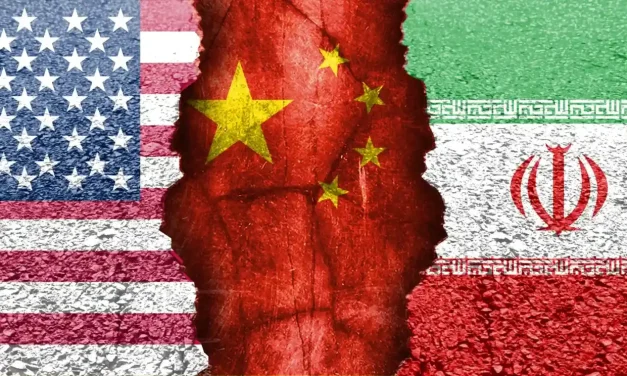
China’s Rejection of US Sanctions; Strengthening Iran’s Geopolitical Leverage
SCFR Online – Opinion: Concurrent with the official commencement of the United States’ economic war against our country, focusing on sanctions instruments, isolation, and economic pressure, what has now become increasingly important is the lack of alignment of other major global powers, especially China, with this policy.

0 Comments