Implications of Corona Escalation for United States

2020/05/05 | interview, Politics, Top News

Strategic Council Online: An Iranian diplomat says the impact and implications of the coronavirus can be very broad and unimaginable in the world and in the United States. He said the repercussions of the corona crisis were visible in both global systems, the democratic system and authoritarian systems in the United States, and the US President, in reality, exposed the weaknesses of both systems in handling the coronavirus crisis.

In an interview with the website of the Strategic Council on Foreign Relations, Javad Kachuian said: “Trump initially underestimated the crisis and in later stages too he failed to cope with the problem efficiently which sparked a big rise in the number of affected people and death tolls and increased the American people’s dissatisfaction. If Trump fails to manage the crisis it would certainly have a big impact on the upcoming US election.

Corona Crisis Management, Trump’s Achilles Heel

The international affairs expert went on to say that Trump’s failures in managing the crisis could lead to a sharp drop in his votes. In fact, the corona crisis is becoming Trump’s Achilles Heel in the upcoming elections. The United States and certain other states instead of taking advantage of the experiences of other countries closed their borders and carried out internal controls. They were thinking merely of saving their own country and left others alone. The United States, like certain European states, stole medical equipment belonging to other countries.

Structural Weaknesses of America

Referring to Trump’s criticism of the World Health Organization, which made Washington cut US financial aid to the organization, as well as tensions created with other countries and physician members of the National Center for Combating Corona in the United States, he said: Trump is trying to blame his mismanagement of the crisis on others. During this period, the structure of the United States showed some weaknesses of the liberal democratic system in various fields, including the health system, transportation, and employment, which proved they are not prepared to deal with this great crisis and this has undermined the confidence between the people and the ruling establishment.

Noting that the central role of governments in this crisis has increased, the international affairs expert added: “In the United States, as in other countries, we will see a kind of nationalism and nationalist movements that will show themselves in the field of economics.”

Shaky Confidence between People & Government

Regarding the effects and consequences of this crisis in the short-term future in the United States, Kachuian said: “The implications of the crisis depend on how it is managed. If this crisis continues for a long time and they can’t prevent further casualties with proper management, the trust between the people and the establishment will weaken and it will definitely have astonishing impacts.”

He explained: “Certainly, just as Europe 2020 will be fundamentally different from Europe 2019, we will see the same impact in the United States. If Trump fails to manage the crisis in various political, economic, and social spheres, the impacts will soon become apparent. In the meantime, the Democrats have yet to come up with a plan. They criticize the Trump administration but they have no plans. They are trying to weaken Trump’s administration but Trump is also trying to show that he is in control. If he can prevent the negative implications of the crisis he has good chances for reelection.

Corona Crisis Undermining Trump’s Strong Points

Regarding the impact of this crisis on the results of the US presidential election, Kachuian who has served as IRI ambassador to Ireland said: “It is too early in the current situation to reach a conclusion on these issues. It all depends on how Trump and the Republicans manage. Of course, Trump’s achievements so far have been more limited to the economic sphere, but the corona crisis has targeted all these achievements and is challenging Trump’s strong points. The continuation of this crisis will definitely have a big impact on employment, trade and other economic pillars of the United States, and Trump’s strong points will turn into his weaknesses.

Impacts of Corona Crisis on US Military Industry

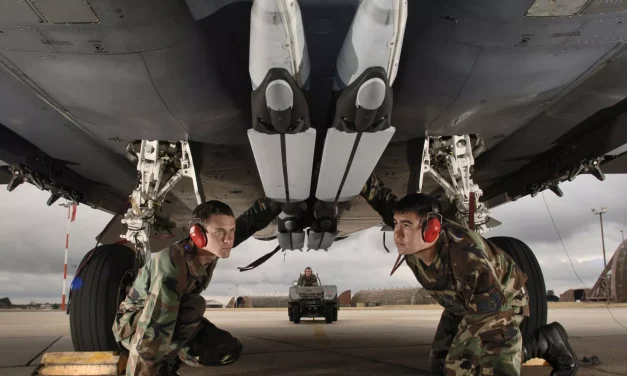
He added: “Certainly this crisis will affect the US military industry as well, and the Americans will not be able to enter into conflict or war with this economic weakness. This issue raises public dissatisfaction and economic problems of the Americans. The United States cannot create a crisis in different parts of the world in this situation; even if we assume that it seeks to make money by selling weapons, war does not merely mean selling arms. It also has economic, political and social consequences and increases the spread of the coronavirus, which no country would endorse under these conditions.

He added: “All countries are trying to control the consequences and implications of this crisis in their country, and the United States is no exception; of course, the US administration will face a series of new problems, but how they would manage this crisis and its related problems and the degree of success or failure should be evaluated in the future.
0 Comments

Submit a Comment

Your email address will not be published. Required fields are marked *

LATEST CONTENT

Realities of the Tripartite Makkah Pact

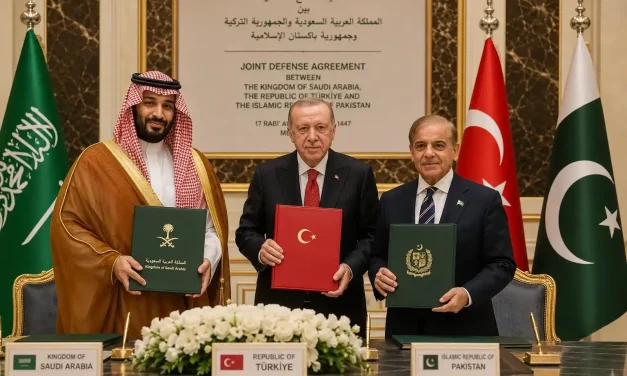
SCFR Online – Interview: The signing of the Makkah agreement between Saudi Arabia, Pakistan, and Turkey has raised questions about the future of the region’s security structure and the position of these countries in West Asian equations. Can this agreement become a genuine collective defense mechanism, or does it have more of a political and deterrent function than creating new military capacity?

Strategic Implications of the Reduction of US Weapons Stockpiles

SCFR Online – Opinion: The continuation of the US war against Iran, in addition to increasing operational costs, has called into question the actual capacity of the American arsenal to simultaneously fulfill security commitments on multiple fronts; an issue that affects deterrence, defense production capacity, and Washington’s resource prioritization.

The Formation of a New Order in Relations Between Powers

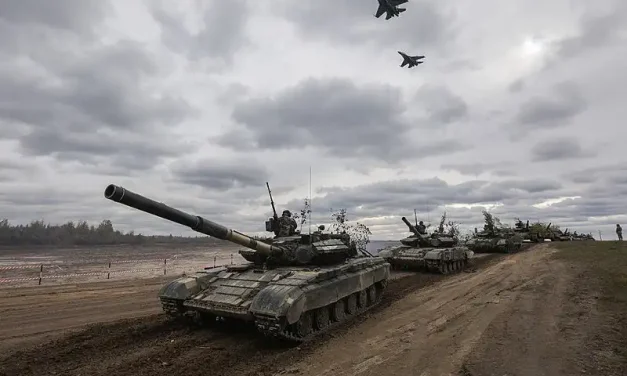
SCFR Online – Opinion: The Russia-Ukraine war and the war of the United States and the Israeli regime against Iran have been formed with different objectives and actors, but field and political developments indicate that they are not entirely separate from one another.

An Analysis of the Makkah Defense Pact

SCFR Online – Opinion: On Friday, August 7, the heads of state of three countries – Saudi Arabia, Turkey, and Pakistan – signed a text under the title “Makkah Joint Defense Agreement.”

Dimensions and challenges of the initiative to revive the Hejaz Railway

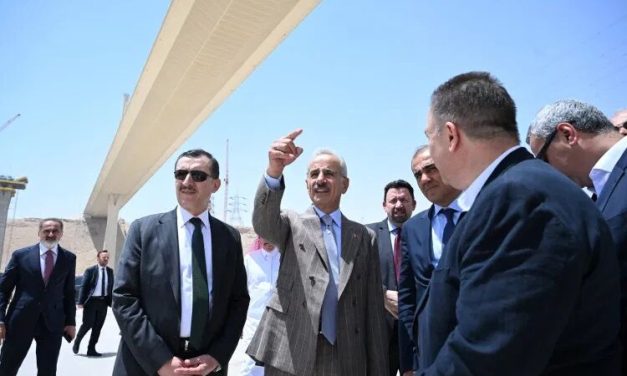
Strategic Council Online – Note: The initiative to revive the Hejaz Railway, beyond being a transportation project, constitutes an attempt to redefine geopolitics, the economy, and Turkey’s regional position; however, its realization appears to face significant financial, security, and institutional challenges.

Loading

Últimas publicaciones

Realities of the Tripartite Makkah Pact

SCFR Online – Interview: The signing of the Makkah agreement between Saudi Arabia, Pakistan, and Turkey has raised questions about the future of the region’s security structure and the position of these countries in West Asian equations. Can this agreement become a genuine collective defense mechanism, or does it have more of a political and deterrent function than creating new military capacity?

Strategic Implications of the Reduction of US Weapons Stockpiles

SCFR Online – Opinion: The continuation of the US war against Iran, in addition to increasing operational costs, has called into question the actual capacity of the American arsenal to simultaneously fulfill security commitments on multiple fronts; an issue that affects deterrence, defense production capacity, and Washington’s resource prioritization.

The Formation of a New Order in Relations Between Powers

SCFR Online – Opinion: The Russia-Ukraine war and the war of the United States and the Israeli regime against Iran have been formed with different objectives and actors, but field and political developments indicate that they are not entirely separate from one another.

An Analysis of the Makkah Defense Pact

SCFR Online – Opinion: On Friday, August 7, the heads of state of three countries – Saudi Arabia, Turkey, and Pakistan – signed a text under the title “Makkah Joint Defense Agreement.”

Dimensions and challenges of the initiative to revive the Hejaz Railway

Strategic Council Online – Note: The initiative to revive the Hejaz Railway, beyond being a transportation project, constitutes an attempt to redefine geopolitics, the economy, and Turkey’s regional position; however, its realization appears to face significant financial, security, and institutional challenges.

Loading

DERNIER CONTENU

Realities of the Tripartite Makkah Pact

SCFR Online – Interview: The signing of the Makkah agreement between Saudi Arabia, Pakistan, and Turkey has raised questions about the future of the region’s security structure and the position of these countries in West Asian equations. Can this agreement become a genuine collective defense mechanism, or does it have more of a political and deterrent function than creating new military capacity?

Strategic Implications of the Reduction of US Weapons Stockpiles

SCFR Online – Opinion: The continuation of the US war against Iran, in addition to increasing operational costs, has called into question the actual capacity of the American arsenal to simultaneously fulfill security commitments on multiple fronts; an issue that affects deterrence, defense production capacity, and Washington’s resource prioritization.

The Formation of a New Order in Relations Between Powers

SCFR Online – Opinion: The Russia-Ukraine war and the war of the United States and the Israeli regime against Iran have been formed with different objectives and actors, but field and political developments indicate that they are not entirely separate from one another.

An Analysis of the Makkah Defense Pact

SCFR Online – Opinion: On Friday, August 7, the heads of state of three countries – Saudi Arabia, Turkey, and Pakistan – signed a text under the title “Makkah Joint Defense Agreement.”

Dimensions and challenges of the initiative to revive the Hejaz Railway

Strategic Council Online – Note: The initiative to revive the Hejaz Railway, beyond being a transportation project, constitutes an attempt to redefine geopolitics, the economy, and Turkey’s regional position; however, its realization appears to face significant financial, security, and institutional challenges.

Loading

DERNIER CONTENU

Realities of the Tripartite Makkah Pact

SCFR Online – Interview: The signing of the Makkah agreement between Saudi Arabia, Pakistan, and Turkey has raised questions about the future of the region’s security structure and the position of these countries in West Asian equations. Can this agreement become a genuine collective defense mechanism, or does it have more of a political and deterrent function than creating new military capacity?

Strategic Implications of the Reduction of US Weapons Stockpiles

SCFR Online – Opinion: The continuation of the US war against Iran, in addition to increasing operational costs, has called into question the actual capacity of the American arsenal to simultaneously fulfill security commitments on multiple fronts; an issue that affects deterrence, defense production capacity, and Washington’s resource prioritization.

The Formation of a New Order in Relations Between Powers

SCFR Online – Opinion: The Russia-Ukraine war and the war of the United States and the Israeli regime against Iran have been formed with different objectives and actors, but field and political developments indicate that they are not entirely separate from one another.

An Analysis of the Makkah Defense Pact

SCFR Online – Opinion: On Friday, August 7, the heads of state of three countries – Saudi Arabia, Turkey, and Pakistan – signed a text under the title “Makkah Joint Defense Agreement.”

Dimensions and challenges of the initiative to revive the Hejaz Railway

Strategic Council Online – Note: The initiative to revive the Hejaz Railway, beyond being a transportation project, constitutes an attempt to redefine geopolitics, the economy, and Turkey’s regional position; however, its realization appears to face significant financial, security, and institutional challenges.

Loading

DERNIER CONTENU

Realities of the Tripartite Makkah Pact

SCFR Online – Interview: The signing of the Makkah agreement between Saudi Arabia, Pakistan, and Turkey has raised questions about the future of the region’s security structure and the position of these countries in West Asian equations. Can this agreement become a genuine collective defense mechanism, or does it have more of a political and deterrent function than creating new military capacity?

Strategic Implications of the Reduction of US Weapons Stockpiles

SCFR Online – Opinion: The continuation of the US war against Iran, in addition to increasing operational costs, has called into question the actual capacity of the American arsenal to simultaneously fulfill security commitments on multiple fronts; an issue that affects deterrence, defense production capacity, and Washington’s resource prioritization.

The Formation of a New Order in Relations Between Powers

SCFR Online – Opinion: The Russia-Ukraine war and the war of the United States and the Israeli regime against Iran have been formed with different objectives and actors, but field and political developments indicate that they are not entirely separate from one another.

An Analysis of the Makkah Defense Pact

SCFR Online – Opinion: On Friday, August 7, the heads of state of three countries – Saudi Arabia, Turkey, and Pakistan – signed a text under the title “Makkah Joint Defense Agreement.”

Dimensions and challenges of the initiative to revive the Hejaz Railway

Strategic Council Online – Note: The initiative to revive the Hejaz Railway, beyond being a transportation project, constitutes an attempt to redefine geopolitics, the economy, and Turkey’s regional position; however, its realization appears to face significant financial, security, and institutional challenges.

Loading