Consequences of destabilizing US presence in Iraq

2021/05/09 | interview, Politics, Top News

Strategic Council Online - Interview: An expert on Iraq affairs, commenting on the continued presence of US troops in Iraq despite strategic talks between the two countries on this issue and approval of the law on the withdrawal of US troops from Iraq in December 2019 said: There is no doubt that the stay of American forces in Iraq will intensify instability in that country.

Siamak Kakai, speaking in an interview with the website of the Strategic Council on Foreign Relations noted: Discussions about the continued presence of US forces in Iraq are intensifying under the condition that the new round of security and strategic talks between the United States and Iraq were held recently, which is one of the most important discussions to determine the timing for American troops to leave Iraq.

Kakai, commenting on the domestic reasons for the decision that was recently announced by the Chief of Staff Kenneth McKenzie that there was currently no plan to begin withdrawal of 2,500 US troops from Iraq said: According to US officials, their presence in Iraq is in line with the fight against the ISIS, and some in Washington believe that the ISIS movement is still standing and poses a threat to Iraq’s security.

But according to the expert, the Baghdad government was looking for a timetable.

Saying that in view of the experts there are other reasons that are effective in the decision of the Americans for the presence of their forces in Iraq, Kakai continued: One of those reasons is the situation in Syria and Iraq. Especially since there are still US forces in Syria and prospects for the developments in Syria and the role that the US wants to play in that country, as well as the prospects for the political and social developments in Iraq, are not very clear for the Americans.

Stressing that insecurity still exists in Iraq and that it has recently intensified in some cities, Kakai said: But in addition to the insecurity, Iraqi political issues are more important to the United States.

He added: Especially that in the next few months, early parliamentary elections will be held in Iraq, which reflects the fact that the United States has its special view on the Iraqi parliamentary elections and is therefore trying to ensure that any current which succeeds in this election at least will not have too much sensitivity about the American presence in Iraq.

Referring to the Iraqi parliament’s approval two years ago to withdraw US troops from the country, he said: This resolution is the basis for groups that oppose the presence of American forces in Iraq.

Kakai, referring to the new security and political implications of the US military presence in Iraq said: Recently, the Americans have been looking at the presence of their forces in Iraqi Kurdistan, and in Iraq, some movements and groups that oppose the continued presence of the Americans have warned about this. On the other hand, given the upcoming parliamentary elections, the issue of the American presence in Iraq could become a pretext for anti-American propaganda by critical groups that will influence the overall political and social process in Iraq.

Kakai also believes that the US bluntness in announcing the non-withdrawal of its troops from Iraq will also damage the position of Prime Minister Mustafa al-Kadhimi, who has previously spoken about the withdrawal of troops, and will challenge the Iraqi political situation.

He continued: In any case, al-Kadhimi has made plans for the upcoming elections and the upsetting of the situation will be to his detriment.

The expert on Iraq affairs noted: The continued presence of the Americans in Iraq is also debatable from the point of view of the opposition in that it affects the national sovereignty of the country and at the same time may exacerbate instability, because in Iraq most groups and individuals are against presence of the American forces in their country.

He concluded by saying: In the regional arena, continued US military presence in Iraq, Syria and the Persian Gulf states in general will have regional implications and lead to instability in the region, because the United States wants to pursue its extravagant targets by being present in those areas.
0 Comments

Submit a Comment

Your email address will not be published. Required fields are marked *

LATEST CONTENT

Realities of the Tripartite Makkah Pact

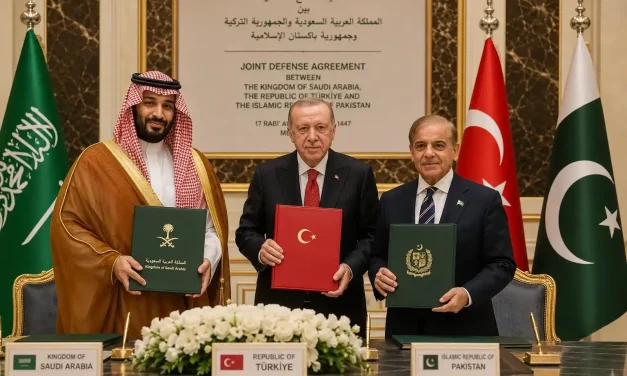
SCFR Online – Interview: The signing of the Makkah agreement between Saudi Arabia, Pakistan, and Turkey has raised questions about the future of the region’s security structure and the position of these countries in West Asian equations. Can this agreement become a genuine collective defense mechanism, or does it have more of a political and deterrent function than creating new military capacity?

Strategic Implications of the Reduction of US Weapons Stockpiles

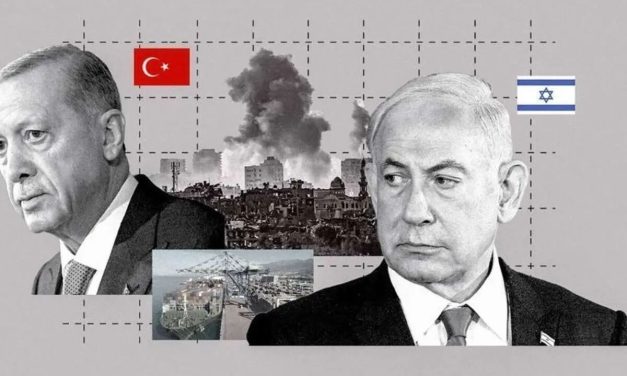
SCFR Online – Opinion: The continuation of the US war against Iran, in addition to increasing operational costs, has called into question the actual capacity of the American arsenal to simultaneously fulfill security commitments on multiple fronts; an issue that affects deterrence, defense production capacity, and Washington’s resource prioritization.

The Formation of a New Order in Relations Between Powers

SCFR Online – Opinion: The Russia-Ukraine war and the war of the United States and the Israeli regime against Iran have been formed with different objectives and actors, but field and political developments indicate that they are not entirely separate from one another.

An Analysis of the Makkah Defense Pact

SCFR Online – Opinion: On Friday, August 7, the heads of state of three countries – Saudi Arabia, Turkey, and Pakistan – signed a text under the title “Makkah Joint Defense Agreement.”

Dimensions and challenges of the initiative to revive the Hejaz Railway

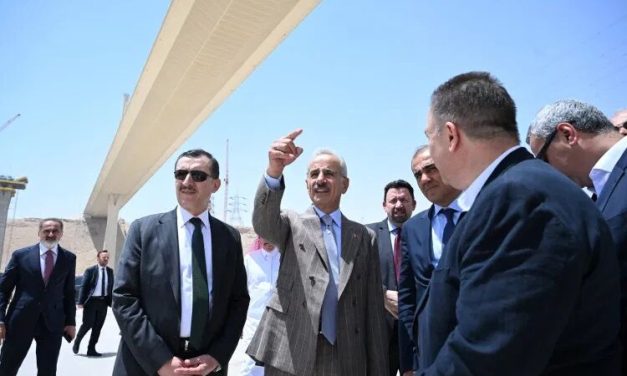
Strategic Council Online – Note: The initiative to revive the Hejaz Railway, beyond being a transportation project, constitutes an attempt to redefine geopolitics, the economy, and Turkey’s regional position; however, its realization appears to face significant financial, security, and institutional challenges.

Loading

Últimas publicaciones

Realities of the Tripartite Makkah Pact

SCFR Online – Interview: The signing of the Makkah agreement between Saudi Arabia, Pakistan, and Turkey has raised questions about the future of the region’s security structure and the position of these countries in West Asian equations. Can this agreement become a genuine collective defense mechanism, or does it have more of a political and deterrent function than creating new military capacity?

Strategic Implications of the Reduction of US Weapons Stockpiles

SCFR Online – Opinion: The continuation of the US war against Iran, in addition to increasing operational costs, has called into question the actual capacity of the American arsenal to simultaneously fulfill security commitments on multiple fronts; an issue that affects deterrence, defense production capacity, and Washington’s resource prioritization.

The Formation of a New Order in Relations Between Powers

SCFR Online – Opinion: The Russia-Ukraine war and the war of the United States and the Israeli regime against Iran have been formed with different objectives and actors, but field and political developments indicate that they are not entirely separate from one another.

An Analysis of the Makkah Defense Pact

SCFR Online – Opinion: On Friday, August 7, the heads of state of three countries – Saudi Arabia, Turkey, and Pakistan – signed a text under the title “Makkah Joint Defense Agreement.”

Dimensions and challenges of the initiative to revive the Hejaz Railway

Strategic Council Online – Note: The initiative to revive the Hejaz Railway, beyond being a transportation project, constitutes an attempt to redefine geopolitics, the economy, and Turkey’s regional position; however, its realization appears to face significant financial, security, and institutional challenges.

Loading

DERNIER CONTENU

Realities of the Tripartite Makkah Pact

SCFR Online – Interview: The signing of the Makkah agreement between Saudi Arabia, Pakistan, and Turkey has raised questions about the future of the region’s security structure and the position of these countries in West Asian equations. Can this agreement become a genuine collective defense mechanism, or does it have more of a political and deterrent function than creating new military capacity?

Strategic Implications of the Reduction of US Weapons Stockpiles

SCFR Online – Opinion: The continuation of the US war against Iran, in addition to increasing operational costs, has called into question the actual capacity of the American arsenal to simultaneously fulfill security commitments on multiple fronts; an issue that affects deterrence, defense production capacity, and Washington’s resource prioritization.

The Formation of a New Order in Relations Between Powers

SCFR Online – Opinion: The Russia-Ukraine war and the war of the United States and the Israeli regime against Iran have been formed with different objectives and actors, but field and political developments indicate that they are not entirely separate from one another.

An Analysis of the Makkah Defense Pact

SCFR Online – Opinion: On Friday, August 7, the heads of state of three countries – Saudi Arabia, Turkey, and Pakistan – signed a text under the title “Makkah Joint Defense Agreement.”

Dimensions and challenges of the initiative to revive the Hejaz Railway

Strategic Council Online – Note: The initiative to revive the Hejaz Railway, beyond being a transportation project, constitutes an attempt to redefine geopolitics, the economy, and Turkey’s regional position; however, its realization appears to face significant financial, security, and institutional challenges.

Loading

DERNIER CONTENU

Realities of the Tripartite Makkah Pact

SCFR Online – Interview: The signing of the Makkah agreement between Saudi Arabia, Pakistan, and Turkey has raised questions about the future of the region’s security structure and the position of these countries in West Asian equations. Can this agreement become a genuine collective defense mechanism, or does it have more of a political and deterrent function than creating new military capacity?

Strategic Implications of the Reduction of US Weapons Stockpiles

SCFR Online – Opinion: The continuation of the US war against Iran, in addition to increasing operational costs, has called into question the actual capacity of the American arsenal to simultaneously fulfill security commitments on multiple fronts; an issue that affects deterrence, defense production capacity, and Washington’s resource prioritization.

The Formation of a New Order in Relations Between Powers

SCFR Online – Opinion: The Russia-Ukraine war and the war of the United States and the Israeli regime against Iran have been formed with different objectives and actors, but field and political developments indicate that they are not entirely separate from one another.

An Analysis of the Makkah Defense Pact

SCFR Online – Opinion: On Friday, August 7, the heads of state of three countries – Saudi Arabia, Turkey, and Pakistan – signed a text under the title “Makkah Joint Defense Agreement.”

Dimensions and challenges of the initiative to revive the Hejaz Railway

Strategic Council Online – Note: The initiative to revive the Hejaz Railway, beyond being a transportation project, constitutes an attempt to redefine geopolitics, the economy, and Turkey’s regional position; however, its realization appears to face significant financial, security, and institutional challenges.

Loading

DERNIER CONTENU

Realities of the Tripartite Makkah Pact

SCFR Online – Interview: The signing of the Makkah agreement between Saudi Arabia, Pakistan, and Turkey has raised questions about the future of the region’s security structure and the position of these countries in West Asian equations. Can this agreement become a genuine collective defense mechanism, or does it have more of a political and deterrent function than creating new military capacity?

Strategic Implications of the Reduction of US Weapons Stockpiles

SCFR Online – Opinion: The continuation of the US war against Iran, in addition to increasing operational costs, has called into question the actual capacity of the American arsenal to simultaneously fulfill security commitments on multiple fronts; an issue that affects deterrence, defense production capacity, and Washington’s resource prioritization.

The Formation of a New Order in Relations Between Powers

SCFR Online – Opinion: The Russia-Ukraine war and the war of the United States and the Israeli regime against Iran have been formed with different objectives and actors, but field and political developments indicate that they are not entirely separate from one another.

An Analysis of the Makkah Defense Pact

SCFR Online – Opinion: On Friday, August 7, the heads of state of three countries – Saudi Arabia, Turkey, and Pakistan – signed a text under the title “Makkah Joint Defense Agreement.”

Dimensions and challenges of the initiative to revive the Hejaz Railway

Strategic Council Online – Note: The initiative to revive the Hejaz Railway, beyond being a transportation project, constitutes an attempt to redefine geopolitics, the economy, and Turkey’s regional position; however, its realization appears to face significant financial, security, and institutional challenges.

Loading