The continuation of the US military presence in Iraq and its consequences

2023/04/04 | interview, Politics, top news

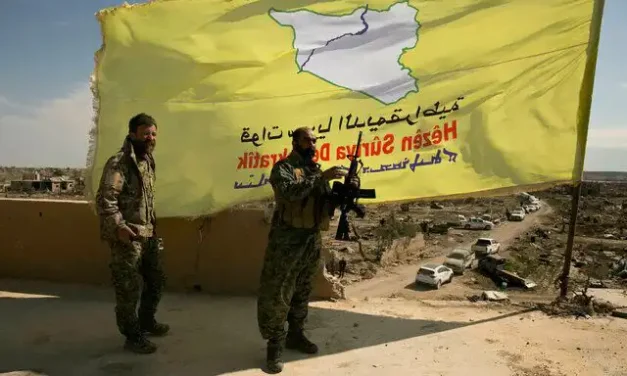
Strategic Council Online-Interview: An Iraqi affairs expert emphasized that the US wants to maintain a military presence in Iraq and the region, adding that the US presence has no consequences other than insecurity in the region and an impact on the independence of decision-making in the governments that host them.

Mohammad Baqer Sedaqat told the Strategic Council on Foreign Relations that during the recent visit of the US Defense Secretary to Baghdad, the continuation of the US military presence in Iraq was emphasized at the request of Baghdad and with the support of al-Sudani.

He said, referring to the remarks by the spokesman of the White House National Security Council regarding the desire of the United States to continue its military presence in Iraq and Syria under the pretext of fighting Daesh.

He stated that before the fall of Saddam, the continuation of the US military presence was always accompanied by an adverse reaction in the public opinion of Iraqis. The coverage of the fight against Daesh and terrorism pointed to Iraq, adding that 2020 marked a turning point in the history of the American military presence in Iraq with the assassination of General Haj Qasem Soleimani and Abu Mehdi Al-Muhandis, the vice-chairman of the Hashd al-Shaabi of Iraq. Since then, the government’s reaction to the presence of the Americans became negative, the parliament passed a resolution to expel foreign forces, and the resistance forces reacted strongly by targeting the equipment of the American troops.

This expert on Iraq issues, recalling the strategic talks between the al-Kazemi government and the White House and the decision of the US to reduce the military forces stationed in Iraq and change the mission to the present army advisors, adding that during the entire 20-year presence of the Americans in Iraq, this presence was never at the request of the Iraqi government. And public acceptance did not accompany it, But the government has not been able to oppose this presence in any period. The government of Iraq is a fledgling government that receives its budget, which is the result of oil sales, from the US, because the money from oil sales is first deposited into the accounts of American banks. At their discretion, this money is delivered to Baghdad.

Sedaqat stated that whenever the US felt that the Iraqi government was seeking actions that conflicted with Washington’s interests, it used financial leverage to exert pressure on Baghdad, adding that the latest example of this pressure is the increase in the price of the dollar in Iraq and the failure to send petrodollars to Iraq. This action was carried out under the name of fighting money laundering. Still, the US was looking for assurance and reassurance about the performance of the al-Sudani government.

He emphasized that the Iraqi government cannot act against the interests of the Americans and their presence in the region and Iraq, contrary to the will of Washington, and on the other hand, the presence of the American military forces in Iraq is not in line with the interests of Iraq and is only to secure interests of the US.

This expert on Iraq issues stated that the US strategy is to maintain its dominance over the global energy highway in the Middle East and the Persian Gulf, to continue its neighborhood with Iran as one of the most critical challenges against America’s policies in the region, and if possible, to cut Iran’s connection with the axis of the resistance in Iraq, Syria, Lebanon, and Palestine.

Sadaqat said Iraq is the only land bridge connecting Iran to its aligned forces, as the axis of resistance in Syria, Lebanon, and Palestine. In addition, the presence of Americans in this region can be significant for stopping Iran and weakening the axis of resistance. On the other hand, in the region, Iraq is the most vulnerable country, and due to the country’s economic dependence on the United States, because of having all of Iraq’s oil money at its disposal, the country’s breathing room is at the disposal of the United States. They cannot oppose the American government and have less independence than other countries in the region.

He explained the geopolitical characteristics of Iraq in the region, including its borders with Iran, Saudi Arabia, Syria, and Turkey, its water connection with the Persian Gulf, its oil and gas reserves, and the presence of Zionist bases in Iraqi Kurdistan. He continued that these characteristics make Iraq the most susceptible country for the US to maintain its military bases. On the other hand, the American bases in Iraq each have their privileges, and in the meantime, the Ain al-Asad base has one of the best military infrastructures. According to the investments they have made over the past years, this base is one of the best bases they have set up in the region. Therefore, maintaining such a regional base is very important for the US.

This analyst of Iraq issues pointed to the emphasis of the Americans that they are not ready to hand over this base easily, adding that Iraq gets the most influence from Iran in terms of culture and public, social, and political commonalities. From the point of view of the White House, if Iraq is emptied of American forces, this country will be handed over to a powerful actor named Iran.

Emphasizing that the idea of ​​Iraq without American troops is implausible, Sedaqat noted that the Americans would not move towards withdrawing their military forces from Iraq, even with the possibility of a new front opening for the Americans in southern China and economic restrictions. To increase the military budget, it seems unlikely that the US will leave Iraq militarily.

While pointing to the consequences of the continued US military presence in Iraq, he said that creating continuous insecurity in Iraq by the US to justify their military existence in the region and to convince public opinion are on their agenda. They have proven that wherever security challenges are necessary to justify their military presence, they do not fail to do so; or establish different terrorist groups or support existing terrorist groups; To create a sense of need among the public opinion by relying on its media power.

This analyst of Iraq issues considered the weakening of the independence of Iraqi sovereignty as another consequence of the continued presence of the Americans in Iraq and added that as long as the United States considers it necessary to continue its military presence in Iraq, the Iraqi government will have no ability to confront them in this regard. In the past, wherever the Iraqi government did not provide US interests, it faced the reaction of the American forces. In the government of Adel Abdul Mahdi, after the signing of the memoranda of understanding between Iraq and China, numerous US military attacks on the bases of the Iraqi army, police, and Hashd al-Shaabi increased. Finally, as they coincided with the demonstrations, the government was forced to resign.

0 Comments

Submit a Comment

Your email address will not be published. Required fields are marked *

LATEST CONTENT

Iran’s Success in the Narrative Battle in Cyberspace

SCFR Online – Opinion: In the war between Iran and the United States, the main battlefield was not defined solely in the military domain; rather, the battle of narratives in cyberspace—particularly through memes—reached a decisive level.

The Global Energy Shock Situation and Future Scenarios

SCFR Online – Opinion: Only one month after the beginning of the Ramadan War, maritime traffic in the Strait of Hormuz decreased dramatically, with Bloomberg announcing a reduction of 103 vessels; Brent oil prices rose by more than 50 percent, and gasoline prices in the United States increased by 31.4 percent. Additionally, benchmark gas prices in Europe showed a 73.4 percent increase.

Al-Zaydi’s Selection as Prime Minister, The Beginning of a New Chapter in Iraq

SCFR Online – Note: After approximately five months of political deadlock and institutional confusion, Ali al-Zaydi has finally been selected as Iraq’s Prime Minister. Al-Zaydi’s selection as Prime Minister represents a positive sign of the completion of the government formation process and the beginning of a new phase in Iraqi politics and governance. The emergence of a young, technocratic figure from the third generation of politicians—in a context where the country has been administered by traditional figures for decades—revives hope that Iraq may perhaps distance itself from the repetitive cycle of crises and experience a new path of stability, efficiency, and regional convergence.

Intensifying Intra-Party Divisions in the United States Regarding the Zionist Regime

SCFR Online – Note: Over recent decades, support for the Zionist regime has been one of the few issues commanding bipartisan consensus in US foreign policy. Since the Cold War era, Republicans and Democrats have generally agreed on the necessity of preserving the security and survival of the Zionist regime as Washington’s most strategic ally in West Asia—and indeed, globally. However, developments in recent years—particularly the Gaza war, escalating regional conflicts, the expansion of tensions into Lebanon, and this regime’s recent warmongering against Iran—have caused this traditional consensus, especially within the Democratic Party, to face significant fractures.

Public Opinion Disappointment of the Zionist Regime Regarding Success in War with Iran

SCFR Online – Opinion: The internal situation of the Israeli regime during the 40-day war can be analyzed from several perspectives. The popularity levels of Benjamin Netanyahu, the Likud Party, and the ruling coalition led by Netanyahu until February 28, 2026, remained approximately the same as during the preceding year. The most recent factor that had somewhat increased Netanyahu’s popularity was the advancement of the 2024 war with Hezbollah Lebanon. Subsequently, his popularity temporarily increased during the 12-day war with Iran, but after the war, it returned to its previous state.

Loading

Últimas publicaciones

Iran’s Success in the Narrative Battle in Cyberspace

SCFR Online – Opinion: In the war between Iran and the United States, the main battlefield was not defined solely in the military domain; rather, the battle of narratives in cyberspace—particularly through memes—reached a decisive level.

The Global Energy Shock Situation and Future Scenarios

SCFR Online – Opinion: Only one month after the beginning of the Ramadan War, maritime traffic in the Strait of Hormuz decreased dramatically, with Bloomberg announcing a reduction of 103 vessels; Brent oil prices rose by more than 50 percent, and gasoline prices in the United States increased by 31.4 percent. Additionally, benchmark gas prices in Europe showed a 73.4 percent increase.

Al-Zaydi’s Selection as Prime Minister, The Beginning of a New Chapter in Iraq

SCFR Online – Note: After approximately five months of political deadlock and institutional confusion, Ali al-Zaydi has finally been selected as Iraq’s Prime Minister. Al-Zaydi’s selection as Prime Minister represents a positive sign of the completion of the government formation process and the beginning of a new phase in Iraqi politics and governance. The emergence of a young, technocratic figure from the third generation of politicians—in a context where the country has been administered by traditional figures for decades—revives hope that Iraq may perhaps distance itself from the repetitive cycle of crises and experience a new path of stability, efficiency, and regional convergence.

Intensifying Intra-Party Divisions in the United States Regarding the Zionist Regime

SCFR Online – Note: Over recent decades, support for the Zionist regime has been one of the few issues commanding bipartisan consensus in US foreign policy. Since the Cold War era, Republicans and Democrats have generally agreed on the necessity of preserving the security and survival of the Zionist regime as Washington’s most strategic ally in West Asia—and indeed, globally. However, developments in recent years—particularly the Gaza war, escalating regional conflicts, the expansion of tensions into Lebanon, and this regime’s recent warmongering against Iran—have caused this traditional consensus, especially within the Democratic Party, to face significant fractures.

Public Opinion Disappointment of the Zionist Regime Regarding Success in War with Iran

SCFR Online – Opinion: The internal situation of the Israeli regime during the 40-day war can be analyzed from several perspectives. The popularity levels of Benjamin Netanyahu, the Likud Party, and the ruling coalition led by Netanyahu until February 28, 2026, remained approximately the same as during the preceding year. The most recent factor that had somewhat increased Netanyahu’s popularity was the advancement of the 2024 war with Hezbollah Lebanon. Subsequently, his popularity temporarily increased during the 12-day war with Iran, but after the war, it returned to its previous state.

Loading

DERNIER CONTENU

Iran’s Success in the Narrative Battle in Cyberspace

SCFR Online – Opinion: In the war between Iran and the United States, the main battlefield was not defined solely in the military domain; rather, the battle of narratives in cyberspace—particularly through memes—reached a decisive level.

The Global Energy Shock Situation and Future Scenarios

SCFR Online – Opinion: Only one month after the beginning of the Ramadan War, maritime traffic in the Strait of Hormuz decreased dramatically, with Bloomberg announcing a reduction of 103 vessels; Brent oil prices rose by more than 50 percent, and gasoline prices in the United States increased by 31.4 percent. Additionally, benchmark gas prices in Europe showed a 73.4 percent increase.

Al-Zaydi’s Selection as Prime Minister, The Beginning of a New Chapter in Iraq

SCFR Online – Note: After approximately five months of political deadlock and institutional confusion, Ali al-Zaydi has finally been selected as Iraq’s Prime Minister. Al-Zaydi’s selection as Prime Minister represents a positive sign of the completion of the government formation process and the beginning of a new phase in Iraqi politics and governance. The emergence of a young, technocratic figure from the third generation of politicians—in a context where the country has been administered by traditional figures for decades—revives hope that Iraq may perhaps distance itself from the repetitive cycle of crises and experience a new path of stability, efficiency, and regional convergence.

Intensifying Intra-Party Divisions in the United States Regarding the Zionist Regime

SCFR Online – Note: Over recent decades, support for the Zionist regime has been one of the few issues commanding bipartisan consensus in US foreign policy. Since the Cold War era, Republicans and Democrats have generally agreed on the necessity of preserving the security and survival of the Zionist regime as Washington’s most strategic ally in West Asia—and indeed, globally. However, developments in recent years—particularly the Gaza war, escalating regional conflicts, the expansion of tensions into Lebanon, and this regime’s recent warmongering against Iran—have caused this traditional consensus, especially within the Democratic Party, to face significant fractures.

Public Opinion Disappointment of the Zionist Regime Regarding Success in War with Iran

SCFR Online – Opinion: The internal situation of the Israeli regime during the 40-day war can be analyzed from several perspectives. The popularity levels of Benjamin Netanyahu, the Likud Party, and the ruling coalition led by Netanyahu until February 28, 2026, remained approximately the same as during the preceding year. The most recent factor that had somewhat increased Netanyahu’s popularity was the advancement of the 2024 war with Hezbollah Lebanon. Subsequently, his popularity temporarily increased during the 12-day war with Iran, but after the war, it returned to its previous state.

Loading

DERNIER CONTENU

Iran’s Success in the Narrative Battle in Cyberspace

SCFR Online – Opinion: In the war between Iran and the United States, the main battlefield was not defined solely in the military domain; rather, the battle of narratives in cyberspace—particularly through memes—reached a decisive level.

The Global Energy Shock Situation and Future Scenarios

SCFR Online – Opinion: Only one month after the beginning of the Ramadan War, maritime traffic in the Strait of Hormuz decreased dramatically, with Bloomberg announcing a reduction of 103 vessels; Brent oil prices rose by more than 50 percent, and gasoline prices in the United States increased by 31.4 percent. Additionally, benchmark gas prices in Europe showed a 73.4 percent increase.

Al-Zaydi’s Selection as Prime Minister, The Beginning of a New Chapter in Iraq

SCFR Online – Note: After approximately five months of political deadlock and institutional confusion, Ali al-Zaydi has finally been selected as Iraq’s Prime Minister. Al-Zaydi’s selection as Prime Minister represents a positive sign of the completion of the government formation process and the beginning of a new phase in Iraqi politics and governance. The emergence of a young, technocratic figure from the third generation of politicians—in a context where the country has been administered by traditional figures for decades—revives hope that Iraq may perhaps distance itself from the repetitive cycle of crises and experience a new path of stability, efficiency, and regional convergence.

Intensifying Intra-Party Divisions in the United States Regarding the Zionist Regime

SCFR Online – Note: Over recent decades, support for the Zionist regime has been one of the few issues commanding bipartisan consensus in US foreign policy. Since the Cold War era, Republicans and Democrats have generally agreed on the necessity of preserving the security and survival of the Zionist regime as Washington’s most strategic ally in West Asia—and indeed, globally. However, developments in recent years—particularly the Gaza war, escalating regional conflicts, the expansion of tensions into Lebanon, and this regime’s recent warmongering against Iran—have caused this traditional consensus, especially within the Democratic Party, to face significant fractures.

Public Opinion Disappointment of the Zionist Regime Regarding Success in War with Iran

SCFR Online – Opinion: The internal situation of the Israeli regime during the 40-day war can be analyzed from several perspectives. The popularity levels of Benjamin Netanyahu, the Likud Party, and the ruling coalition led by Netanyahu until February 28, 2026, remained approximately the same as during the preceding year. The most recent factor that had somewhat increased Netanyahu’s popularity was the advancement of the 2024 war with Hezbollah Lebanon. Subsequently, his popularity temporarily increased during the 12-day war with Iran, but after the war, it returned to its previous state.

Loading

DERNIER CONTENU

Iran’s Success in the Narrative Battle in Cyberspace

SCFR Online – Opinion: In the war between Iran and the United States, the main battlefield was not defined solely in the military domain; rather, the battle of narratives in cyberspace—particularly through memes—reached a decisive level.

The Global Energy Shock Situation and Future Scenarios

SCFR Online – Opinion: Only one month after the beginning of the Ramadan War, maritime traffic in the Strait of Hormuz decreased dramatically, with Bloomberg announcing a reduction of 103 vessels; Brent oil prices rose by more than 50 percent, and gasoline prices in the United States increased by 31.4 percent. Additionally, benchmark gas prices in Europe showed a 73.4 percent increase.

Al-Zaydi’s Selection as Prime Minister, The Beginning of a New Chapter in Iraq

SCFR Online – Note: After approximately five months of political deadlock and institutional confusion, Ali al-Zaydi has finally been selected as Iraq’s Prime Minister. Al-Zaydi’s selection as Prime Minister represents a positive sign of the completion of the government formation process and the beginning of a new phase in Iraqi politics and governance. The emergence of a young, technocratic figure from the third generation of politicians—in a context where the country has been administered by traditional figures for decades—revives hope that Iraq may perhaps distance itself from the repetitive cycle of crises and experience a new path of stability, efficiency, and regional convergence.

Intensifying Intra-Party Divisions in the United States Regarding the Zionist Regime

SCFR Online – Note: Over recent decades, support for the Zionist regime has been one of the few issues commanding bipartisan consensus in US foreign policy. Since the Cold War era, Republicans and Democrats have generally agreed on the necessity of preserving the security and survival of the Zionist regime as Washington’s most strategic ally in West Asia—and indeed, globally. However, developments in recent years—particularly the Gaza war, escalating regional conflicts, the expansion of tensions into Lebanon, and this regime’s recent warmongering against Iran—have caused this traditional consensus, especially within the Democratic Party, to face significant fractures.

Public Opinion Disappointment of the Zionist Regime Regarding Success in War with Iran

SCFR Online – Opinion: The internal situation of the Israeli regime during the 40-day war can be analyzed from several perspectives. The popularity levels of Benjamin Netanyahu, the Likud Party, and the ruling coalition led by Netanyahu until February 28, 2026, remained approximately the same as during the preceding year. The most recent factor that had somewhat increased Netanyahu’s popularity was the advancement of the 2024 war with Hezbollah Lebanon. Subsequently, his popularity temporarily increased during the 12-day war with Iran, but after the war, it returned to its previous state.

Loading