
Hamid Khoshayand – Expert on Regional Affairs
The military and security developments of 2026 in West Asia have revealed signs of a gradual revision in the traditional model of providing security and a desire among regional actors to reduce the costs of instability. The continuation of tensions, the vulnerability of energy infrastructure, the rising costs of the US military presence, and the increasing complexity of deterrence equations have raised the question of whether a “model of indigenous and collective security” can gradually replace traditional arrangements.
In the meantime, the Islamic Republic of Iran, backed by its geopolitical position, deterrent capacities, and effective role in the security of the Strait of Hormuz, is considered one of the pivotal actors in any security equation in West Asia. The experience of developments in recent decades has also shown that the formation of a sustainable security structure without considering Iran’s position will face serious limitations; a view that has also been emphasized in the positions of some of the country’s senior officials. However, new regional dynamics require that engagement with emerging coalitions and pacts be revised and redesigned, without exclusive dependence on extra-regional models.
The Strait of Hormuz; the geopolitical axis and the ground for convergence
The Strait of Hormuz is one of the most sensitive chokepoints of the global economy and the intersection of the economic-security interests of Iran, the Arab countries of the Persian Gulf, and extra-regional powers. Security incidents and reported attacks on violating vessels in recent weeks, in October 2026, have highlighted the fragility of energy corridors and the limitations of exclusive models of providing security.
Iran’s capability to influence the security and management of this waterway is considered a strategic advantage that gains greater importance alongside the necessity of reducing regional tensions. The development and economic stability of the Persian Gulf littoral states, the continuity of energy exports, and the attraction of foreign investment are also dependent on the sustainable security of maritime routes; an issue that highlights Iran’s role in the political, economic, and security calculations of these countries.
From this perspective, current trends should be able to provide the ground for creating a balance between Iran’s geopolitical capacities and regional cooperation to protect shipping lanes, secure infrastructure, and manage existing challenges. The effectiveness of such a process requires continuous dialogue and active diplomacy among the littoral states.
The importance of exploiting the vulnerability of extra-regional arrangements
The enhancement of Iran’s missile and drone capabilities and the increased costs of maintaining US military bases have confronted the continuation of America’s direct presence with challenges; however, the military, intelligence, and economic ties of the Persian Gulf Cooperation Council countries with Washington remain intact. Saudi Arabia, the UAE, Qatar, and Bahrain have, over the past years, based an important part of their security arrangements on cooperation with the United States, and changing these dependencies will not be possible quickly.
In such circumstances, Iran’s regional policy can, instead of entering into political dichotomies, focus on the formation and strengthening of gradual security convergence. Defining mechanisms and offering initiatives that encourage regional countries toward multilateral cooperation to reduce threats, manage differences, and confront destabilizing factors can reduce political resistance to indigenous initiatives and provide the ground for Tehran’s more effective role-playing.
The Tehran meeting and the Makkah Defense Pact; new dynamics
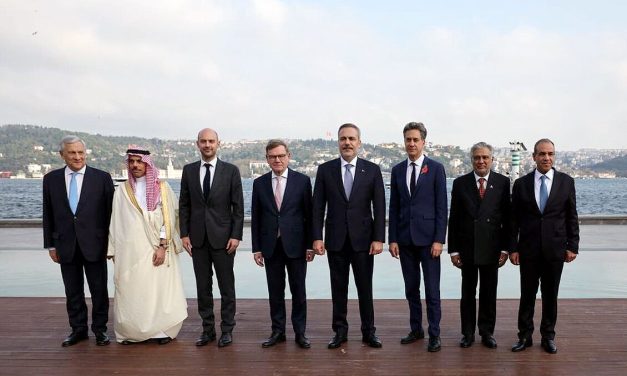
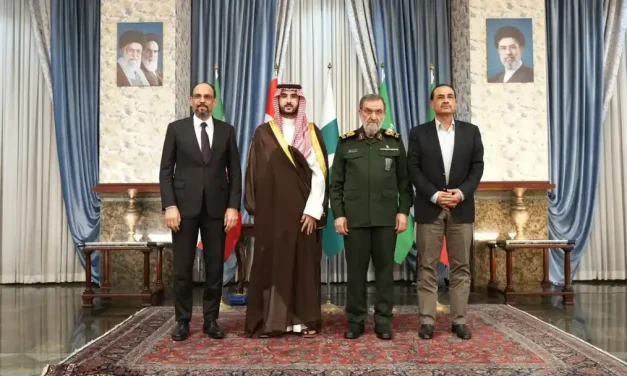
The holding of the quadrilateral meeting of Iran, Saudi Arabia, Turkey, and Pakistan in Tehran is a sign of the dynamism of regional diplomacy and the desire of some key actors to directly manage differences. Although the difference in the defense structures of these countries, including Turkey’s membership in NATO and the security relations of Pakistan and Saudi Arabia with the West, will in the short term prevent the formation of a coherent defense coalition, the importance of this meeting should be sought in the creation of direct and independent communication channels and the strengthening of a common understanding of the necessity of de-escalation.
Undoubtedly, the signing of the Makkah Joint Defense Pact between Saudi Arabia, Turkey, and Pakistan in August 2026 can indicate these countries’ effort to strengthen defense coordination and collective deterrence. However, it is obvious that no comprehensive security arrangement can achieve a desirable and sustainable outcome without considering Iran’s interests, capacities, and security considerations. Therefore, Tehran’s strategy should be based on monitoring developments, continuing and strengthening neighborhood diplomacy, and emphasizing the necessity of collective cooperation and inclusive participation of regional countries.
The architecture of collective security; from dialogue to institution-building
The formation of a new security order in West Asia requires a gradual and structured process that is based on several main axes:
Bilateral and regional security diplomacy: the continuation of regular dialogues between Iran and the Persian Gulf countries regarding emerging threats, the security of vital infrastructure, and the management of differences;
The creation of crisis management mechanisms: the establishment of emergency communication lines among maritime and military centers to prevent miscalculation and contain unforeseen incidents;
Economic and transit convergence: linking economic interests, energy projects, and the security of transmission lines with the aim of preventing confrontation due to its costs and strengthening political stability;
The creation of a security dialogue forum: the establishment of an indigenous institution with the participation of regional countries based on the principles of respect for national sovereignty, non-intervention, and mutual security.
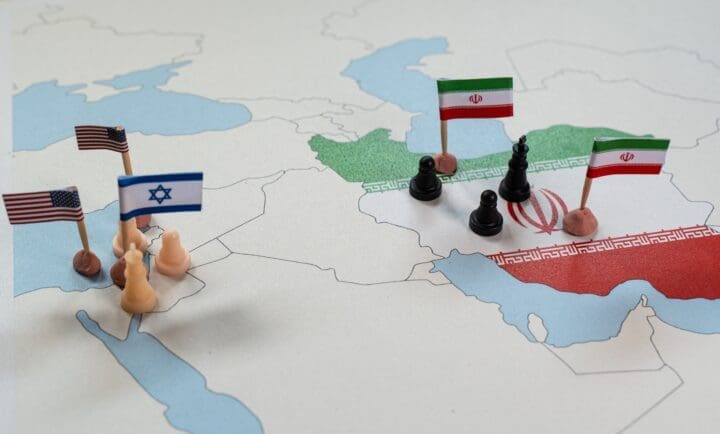
The transition to a new security order in West Asia requires Iran’s active role-playing and its participation in regional arrangements. The developments of the 40-day war of America and the Israeli regime against Iran and its security and economic consequences have drawn the attention of regional countries more than ever to the costs of sole reliance on extra-regional security arrangements. The experience of recent years also shows that any sustainable and efficient security structure must take into account Iran’s role-playing and its security considerations.
Ultimately, the realistic path to providing regional security is the reduction of attritional rivalries, the management of differences, and the strengthening of intra-regional convergence. The realization of this goal will depend on the common will of regional countries, the creation of sustainable communication and security mechanisms, and the transformation of agreements and political will into practical cooperation.


0 Comments