جدیدترین مطالب

The Inseparability of the Lebanese Front from the Axis of Resistance

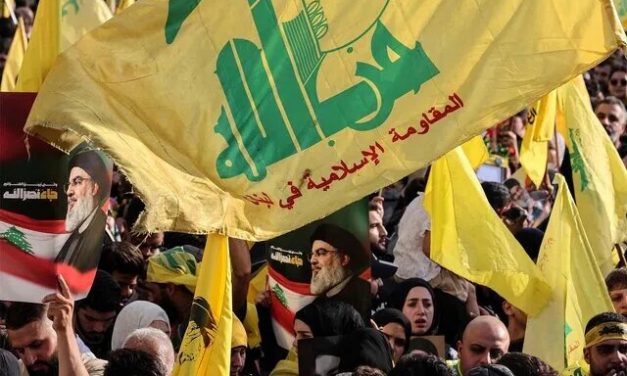
SCFR Online–Opinion: By providing an extensive network of social, healthcare, educational, and post-war reconstruction services, Hezbollah has established a strong social base for itself among Lebanon’s Shiites and Sunnis, and even beyond that, among other segments of Lebanese society, including Christians. Hezbollah has never been an external actor imposed upon Lebanon; rather, it is a phenomenon fundamentally born out of the occupation and crimes of the Zionist regime and itself influenced by popular resistance.

The Increasing Efforts of the Zionist Regime to Redefine Borders and the Regional Order and Its Consequences

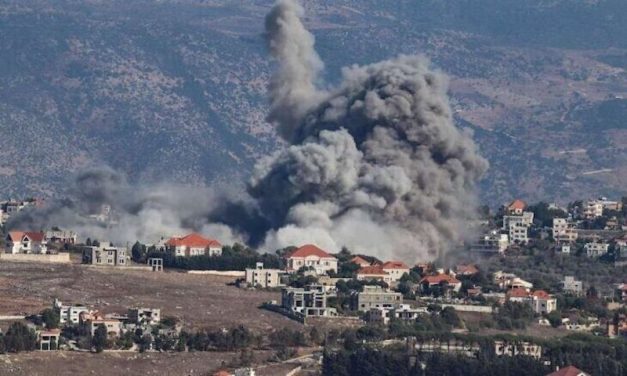
SCFR Online– Opinion: Security and military developments in the region over recent months indicate that the ongoing crises and wars in Gaza, southern Lebanon, and parts of Syrian territory encompass broader dimensions of geopolitical and geostrategic transformations. In this context, the increased military presence and control of the Zionist regime over parts of the territories of these areas, along with proposals regarding the creation of buffer zones or even the expansion of security borders, have raised serious questions about the future of the regional order and its consequences for the countries of West Asia.

The Components of Iran’s Deterrence Power

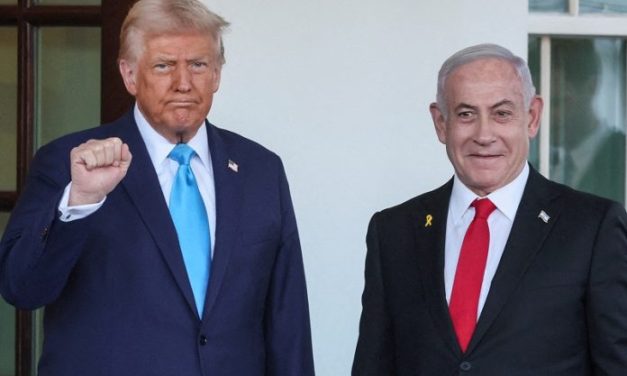
SCFR Online – Opinion: At a time when regional security equations have reached a sensitive stage under the influence of Iran’s strategic confrontation with the United States and the Zionist regime, the question of the nature of Tehran’s defensive power has gained greater significance than ever before. While Washington and Tel Aviv rely on their technological superiority, the Islamic Republic of Iran has presented a model of deterrence that extends beyond the material calculations of the world’s classical militaries. This power, rooted in the connection between “the field” and “the people,” has not only altered the balance of power in recent conflicts but has also disrupted adversaries’ calculations when confronting Iran’s strategic depth.

Loading

AGOL

Trump’s Behind-the-Scene Threats against Europe

Strategic Council Online: Ever since he came to power, Donald Trump has sought to cause rift and division between European countries and his ultimate goal is based on the approach to disintegrate the European Union.
Abdolreza Faraji Rad – Geopolitics Professor

Engaging, not Isolating, Iran is Essential to Middle East Stability

“It is fundamental and crucial for our security”. With these words, EU High Representative Federica Mogherini pushed back against renewed calls by the US to end Europe’s support for the Iran Nuclear Deal, or Joint Comprehensive Plan of Action (JCPOA) as it is formally called.
Andrea Dessì – Senior Fellow of IAI’s Mediterranean and Middle East programme

What are the alternative Ideas for the EU Dealing with Illegal Extraterritorial Sanctions ?

Strategic Council Online: If the German-French-UK agreement about INSTEX has shown the willingness of EU member states to act against illegal extraterritorial sanctions of third states, the conflict over the US extraterritorial sanctions against Iran has also shown the need for a strategy of the European Union vis-à-vis that challenge. The member states and the European Commission share the widely accepted opinion that these sanctions contravene treaty law and international law and are illegal and should therefore not be observed. Moreover, the EU can plead the protection of its external security, which is more threatened by the US Iran sanctions than is the security of the US itself. EU member states have the same right as that invoked by U.S. State Secretary Mike Pompeo before the International Court of Justice on behalf of his country, namely “the sovereign right …. to take a lawful action necessary to protect (their) security”.
Professor Christian Deubner – Member of the FEPS Scientific Council

Implications of US-Russia Missile Encounter for Europe

Strategic Council Online: The main losers of a US pullout from the Intermediate-Range Nuclear Forces (INF) treaty are the European countries. The reason is that the treaty had banned deployment of short-range and medium-range missiles in Europe but new circumstances could emerge after US withdrawal.
Shoaib Bahman, Expert on Russian Affairs

Warsaw Confab: A Reflection of US Foreign Policy Failure

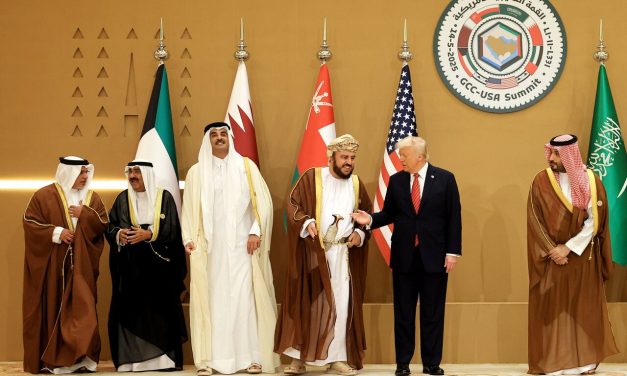
Strategic Council Online: After the announcement of a sudden decision by the US President Donald Trump on the immediate withdrawal of US troops from Syria, a shock wave was felt in the United States and the Middle East including Washington’s allies from Saudi Arabia and the United Arab Emirates to Israel. The announcement sparked the concern that the United States might reduce its role in West Asia and that withdrawal from Syria was a prelude to pullout from the Middle East region.
Amir Ali Abolfatah – American Affairs expert

Intra-Afghan Conference in Moscow: Dimensions and Outcomes

Strategic Council Online: In the context of the Moscow Conference, it seems that a declaration that could be endorsed by all sides is very important because it shows that the Taliban are prepared to sit at the negotiation table and, in the meantime accept the distribution of power and stop monopolism.
Pir Mohammad Mollazehi – Expert on the Subcontinent Affairs

أحدث الوظائف

The Inseparability of the Lebanese Front from the Axis of Resistance

SCFR Online–Opinion: By providing an extensive network of social, healthcare, educational, and post-war reconstruction services, Hezbollah has established a strong social base for itself among Lebanon’s Shiites and Sunnis, and even beyond that, among other segments of Lebanese society, including Christians. Hezbollah has never been an external actor imposed upon Lebanon; rather, it is a phenomenon fundamentally born out of the occupation and crimes of the Zionist regime and itself influenced by popular resistance.

The Increasing Efforts of the Zionist Regime to Redefine Borders and the Regional Order and Its Consequences

SCFR Online– Opinion: Security and military developments in the region over recent months indicate that the ongoing crises and wars in Gaza, southern Lebanon, and parts of Syrian territory encompass broader dimensions of geopolitical and geostrategic transformations. In this context, the increased military presence and control of the Zionist regime over parts of the territories of these areas, along with proposals regarding the creation of buffer zones or even the expansion of security borders, have raised serious questions about the future of the regional order and its consequences for the countries of West Asia.

The Components of Iran’s Deterrence Power

SCFR Online – Opinion: At a time when regional security equations have reached a sensitive stage under the influence of Iran’s strategic confrontation with the United States and the Zionist regime, the question of the nature of Tehran’s defensive power has gained greater significance than ever before. While Washington and Tel Aviv rely on their technological superiority, the Islamic Republic of Iran has presented a model of deterrence that extends beyond the material calculations of the world’s classical militaries. This power, rooted in the connection between “the field” and “the people,” has not only altered the balance of power in recent conflicts but has also disrupted adversaries’ calculations when confronting Iran’s strategic depth.

Loading

AGOL

Trump’s Behind-the-Scene Threats against Europe

Strategic Council Online: Ever since he came to power, Donald Trump has sought to cause rift and division between European countries and his ultimate goal is based on the approach to disintegrate the European Union.
Abdolreza Faraji Rad – Geopolitics Professor

Engaging, not Isolating, Iran is Essential to Middle East Stability

“It is fundamental and crucial for our security”. With these words, EU High Representative Federica Mogherini pushed back against renewed calls by the US to end Europe’s support for the Iran Nuclear Deal, or Joint Comprehensive Plan of Action (JCPOA) as it is formally called.
Andrea Dessì – Senior Fellow of IAI’s Mediterranean and Middle East programme

What are the alternative Ideas for the EU Dealing with Illegal Extraterritorial Sanctions ?

Strategic Council Online: If the German-French-UK agreement about INSTEX has shown the willingness of EU member states to act against illegal extraterritorial sanctions of third states, the conflict over the US extraterritorial sanctions against Iran has also shown the need for a strategy of the European Union vis-à-vis that challenge. The member states and the European Commission share the widely accepted opinion that these sanctions contravene treaty law and international law and are illegal and should therefore not be observed. Moreover, the EU can plead the protection of its external security, which is more threatened by the US Iran sanctions than is the security of the US itself. EU member states have the same right as that invoked by U.S. State Secretary Mike Pompeo before the International Court of Justice on behalf of his country, namely “the sovereign right …. to take a lawful action necessary to protect (their) security”.
Professor Christian Deubner – Member of the FEPS Scientific Council

Implications of US-Russia Missile Encounter for Europe

Strategic Council Online: The main losers of a US pullout from the Intermediate-Range Nuclear Forces (INF) treaty are the European countries. The reason is that the treaty had banned deployment of short-range and medium-range missiles in Europe but new circumstances could emerge after US withdrawal.
Shoaib Bahman, Expert on Russian Affairs

Warsaw Confab: A Reflection of US Foreign Policy Failure

Strategic Council Online: After the announcement of a sudden decision by the US President Donald Trump on the immediate withdrawal of US troops from Syria, a shock wave was felt in the United States and the Middle East including Washington’s allies from Saudi Arabia and the United Arab Emirates to Israel. The announcement sparked the concern that the United States might reduce its role in West Asia and that withdrawal from Syria was a prelude to pullout from the Middle East region.
Amir Ali Abolfatah – American Affairs expert

Intra-Afghan Conference in Moscow: Dimensions and Outcomes

Strategic Council Online: In the context of the Moscow Conference, it seems that a declaration that could be endorsed by all sides is very important because it shows that the Taliban are prepared to sit at the negotiation table and, in the meantime accept the distribution of power and stop monopolism.
Pir Mohammad Mollazehi – Expert on the Subcontinent Affairs

AGOL

Trump’s Behind-the-Scene Threats against Europe

Strategic Council Online: Ever since he came to power, Donald Trump has sought to cause rift and division between European countries and his ultimate goal is based on the approach to disintegrate the European Union.
Abdolreza Faraji Rad – Geopolitics Professor

Engaging, not Isolating, Iran is Essential to Middle East Stability

“It is fundamental and crucial for our security”. With these words, EU High Representative Federica Mogherini pushed back against renewed calls by the US to end Europe’s support for the Iran Nuclear Deal, or Joint Comprehensive Plan of Action (JCPOA) as it is formally called.
Andrea Dessì – Senior Fellow of IAI’s Mediterranean and Middle East programme

What are the alternative Ideas for the EU Dealing with Illegal Extraterritorial Sanctions ?

Strategic Council Online: If the German-French-UK agreement about INSTEX has shown the willingness of EU member states to act against illegal extraterritorial sanctions of third states, the conflict over the US extraterritorial sanctions against Iran has also shown the need for a strategy of the European Union vis-à-vis that challenge. The member states and the European Commission share the widely accepted opinion that these sanctions contravene treaty law and international law and are illegal and should therefore not be observed. Moreover, the EU can plead the protection of its external security, which is more threatened by the US Iran sanctions than is the security of the US itself. EU member states have the same right as that invoked by U.S. State Secretary Mike Pompeo before the International Court of Justice on behalf of his country, namely “the sovereign right …. to take a lawful action necessary to protect (their) security”.
Professor Christian Deubner – Member of the FEPS Scientific Council

Implications of US-Russia Missile Encounter for Europe

Strategic Council Online: The main losers of a US pullout from the Intermediate-Range Nuclear Forces (INF) treaty are the European countries. The reason is that the treaty had banned deployment of short-range and medium-range missiles in Europe but new circumstances could emerge after US withdrawal.
Shoaib Bahman, Expert on Russian Affairs

Warsaw Confab: A Reflection of US Foreign Policy Failure

Strategic Council Online: After the announcement of a sudden decision by the US President Donald Trump on the immediate withdrawal of US troops from Syria, a shock wave was felt in the United States and the Middle East including Washington’s allies from Saudi Arabia and the United Arab Emirates to Israel. The announcement sparked the concern that the United States might reduce its role in West Asia and that withdrawal from Syria was a prelude to pullout from the Middle East region.
Amir Ali Abolfatah – American Affairs expert

Intra-Afghan Conference in Moscow: Dimensions and Outcomes

Strategic Council Online: In the context of the Moscow Conference, it seems that a declaration that could be endorsed by all sides is very important because it shows that the Taliban are prepared to sit at the negotiation table and, in the meantime accept the distribution of power and stop monopolism.
Pir Mohammad Mollazehi – Expert on the Subcontinent Affairs

LATEST CONTENT

The Inseparability of the Lebanese Front from the Axis of Resistance

SCFR Online–Opinion: By providing an extensive network of social, healthcare, educational, and post-war reconstruction services, Hezbollah has established a strong social base for itself among Lebanon’s Shiites and Sunnis, and even beyond that, among other segments of Lebanese society, including Christians. Hezbollah has never been an external actor imposed upon Lebanon; rather, it is a phenomenon fundamentally born out of the occupation and crimes of the Zionist regime and itself influenced by popular resistance.

The Increasing Efforts of the Zionist Regime to Redefine Borders and the Regional Order and Its Consequences

SCFR Online– Opinion: Security and military developments in the region over recent months indicate that the ongoing crises and wars in Gaza, southern Lebanon, and parts of Syrian territory encompass broader dimensions of geopolitical and geostrategic transformations. In this context, the increased military presence and control of the Zionist regime over parts of the territories of these areas, along with proposals regarding the creation of buffer zones or even the expansion of security borders, have raised serious questions about the future of the regional order and its consequences for the countries of West Asia.

The Components of Iran’s Deterrence Power

SCFR Online – Opinion: At a time when regional security equations have reached a sensitive stage under the influence of Iran’s strategic confrontation with the United States and the Zionist regime, the question of the nature of Tehran’s defensive power has gained greater significance than ever before. While Washington and Tel Aviv rely on their technological superiority, the Islamic Republic of Iran has presented a model of deterrence that extends beyond the material calculations of the world’s classical militaries. This power, rooted in the connection between “the field” and “the people,” has not only altered the balance of power in recent conflicts but has also disrupted adversaries’ calculations when confronting Iran’s strategic depth.

Loading

AGOL

Trump’s Behind-the-Scene Threats against Europe

Strategic Council Online: Ever since he came to power, Donald Trump has sought to cause rift and division between European countries and his ultimate goal is based on the approach to disintegrate the European Union.
Abdolreza Faraji Rad – Geopolitics Professor

Engaging, not Isolating, Iran is Essential to Middle East Stability

“It is fundamental and crucial for our security”. With these words, EU High Representative Federica Mogherini pushed back against renewed calls by the US to end Europe’s support for the Iran Nuclear Deal, or Joint Comprehensive Plan of Action (JCPOA) as it is formally called.
Andrea Dessì – Senior Fellow of IAI’s Mediterranean and Middle East programme

What are the alternative Ideas for the EU Dealing with Illegal Extraterritorial Sanctions ?

Strategic Council Online: If the German-French-UK agreement about INSTEX has shown the willingness of EU member states to act against illegal extraterritorial sanctions of third states, the conflict over the US extraterritorial sanctions against Iran has also shown the need for a strategy of the European Union vis-à-vis that challenge. The member states and the European Commission share the widely accepted opinion that these sanctions contravene treaty law and international law and are illegal and should therefore not be observed. Moreover, the EU can plead the protection of its external security, which is more threatened by the US Iran sanctions than is the security of the US itself. EU member states have the same right as that invoked by U.S. State Secretary Mike Pompeo before the International Court of Justice on behalf of his country, namely “the sovereign right …. to take a lawful action necessary to protect (their) security”.
Professor Christian Deubner – Member of the FEPS Scientific Council

Implications of US-Russia Missile Encounter for Europe

Strategic Council Online: The main losers of a US pullout from the Intermediate-Range Nuclear Forces (INF) treaty are the European countries. The reason is that the treaty had banned deployment of short-range and medium-range missiles in Europe but new circumstances could emerge after US withdrawal.
Shoaib Bahman, Expert on Russian Affairs

Warsaw Confab: A Reflection of US Foreign Policy Failure

Strategic Council Online: After the announcement of a sudden decision by the US President Donald Trump on the immediate withdrawal of US troops from Syria, a shock wave was felt in the United States and the Middle East including Washington’s allies from Saudi Arabia and the United Arab Emirates to Israel. The announcement sparked the concern that the United States might reduce its role in West Asia and that withdrawal from Syria was a prelude to pullout from the Middle East region.
Amir Ali Abolfatah – American Affairs expert

Intra-Afghan Conference in Moscow: Dimensions and Outcomes

Strategic Council Online: In the context of the Moscow Conference, it seems that a declaration that could be endorsed by all sides is very important because it shows that the Taliban are prepared to sit at the negotiation table and, in the meantime accept the distribution of power and stop monopolism.
Pir Mohammad Mollazehi – Expert on the Subcontinent Affairs

ÚLTIMAS PUBLICACIONES

The Inseparability of the Lebanese Front from the Axis of Resistance

SCFR Online–Opinion: By providing an extensive network of social, healthcare, educational, and post-war reconstruction services, Hezbollah has established a strong social base for itself among Lebanon’s Shiites and Sunnis, and even beyond that, among other segments of Lebanese society, including Christians. Hezbollah has never been an external actor imposed upon Lebanon; rather, it is a phenomenon fundamentally born out of the occupation and crimes of the Zionist regime and itself influenced by popular resistance.

The Increasing Efforts of the Zionist Regime to Redefine Borders and the Regional Order and Its Consequences

SCFR Online– Opinion: Security and military developments in the region over recent months indicate that the ongoing crises and wars in Gaza, southern Lebanon, and parts of Syrian territory encompass broader dimensions of geopolitical and geostrategic transformations. In this context, the increased military presence and control of the Zionist regime over parts of the territories of these areas, along with proposals regarding the creation of buffer zones or even the expansion of security borders, have raised serious questions about the future of the regional order and its consequences for the countries of West Asia.

The Components of Iran’s Deterrence Power

SCFR Online – Opinion: At a time when regional security equations have reached a sensitive stage under the influence of Iran’s strategic confrontation with the United States and the Zionist regime, the question of the nature of Tehran’s defensive power has gained greater significance than ever before. While Washington and Tel Aviv rely on their technological superiority, the Islamic Republic of Iran has presented a model of deterrence that extends beyond the material calculations of the world’s classical militaries. This power, rooted in the connection between “the field” and “the people,” has not only altered the balance of power in recent conflicts but has also disrupted adversaries’ calculations when confronting Iran’s strategic depth.

Loading

AGOL

Trump’s Behind-the-Scene Threats against Europe

Strategic Council Online: Ever since he came to power, Donald Trump has sought to cause rift and division between European countries and his ultimate goal is based on the approach to disintegrate the European Union.
Abdolreza Faraji Rad – Geopolitics Professor

Engaging, not Isolating, Iran is Essential to Middle East Stability

“It is fundamental and crucial for our security”. With these words, EU High Representative Federica Mogherini pushed back against renewed calls by the US to end Europe’s support for the Iran Nuclear Deal, or Joint Comprehensive Plan of Action (JCPOA) as it is formally called.
Andrea Dessì – Senior Fellow of IAI’s Mediterranean and Middle East programme

What are the alternative Ideas for the EU Dealing with Illegal Extraterritorial Sanctions ?

Strategic Council Online: If the German-French-UK agreement about INSTEX has shown the willingness of EU member states to act against illegal extraterritorial sanctions of third states, the conflict over the US extraterritorial sanctions against Iran has also shown the need for a strategy of the European Union vis-à-vis that challenge. The member states and the European Commission share the widely accepted opinion that these sanctions contravene treaty law and international law and are illegal and should therefore not be observed. Moreover, the EU can plead the protection of its external security, which is more threatened by the US Iran sanctions than is the security of the US itself. EU member states have the same right as that invoked by U.S. State Secretary Mike Pompeo before the International Court of Justice on behalf of his country, namely “the sovereign right …. to take a lawful action necessary to protect (their) security”.
Professor Christian Deubner – Member of the FEPS Scientific Council

Implications of US-Russia Missile Encounter for Europe

Strategic Council Online: The main losers of a US pullout from the Intermediate-Range Nuclear Forces (INF) treaty are the European countries. The reason is that the treaty had banned deployment of short-range and medium-range missiles in Europe but new circumstances could emerge after US withdrawal.
Shoaib Bahman, Expert on Russian Affairs

Warsaw Confab: A Reflection of US Foreign Policy Failure

Strategic Council Online: After the announcement of a sudden decision by the US President Donald Trump on the immediate withdrawal of US troops from Syria, a shock wave was felt in the United States and the Middle East including Washington’s allies from Saudi Arabia and the United Arab Emirates to Israel. The announcement sparked the concern that the United States might reduce its role in West Asia and that withdrawal from Syria was a prelude to pullout from the Middle East region.
Amir Ali Abolfatah – American Affairs expert

Intra-Afghan Conference in Moscow: Dimensions and Outcomes

Strategic Council Online: In the context of the Moscow Conference, it seems that a declaration that could be endorsed by all sides is very important because it shows that the Taliban are prepared to sit at the negotiation table and, in the meantime accept the distribution of power and stop monopolism.
Pir Mohammad Mollazehi – Expert on the Subcontinent Affairs

ÚLTIMAS PUBLICACIONES

The Inseparability of the Lebanese Front from the Axis of Resistance

SCFR Online–Opinion: By providing an extensive network of social, healthcare, educational, and post-war reconstruction services, Hezbollah has established a strong social base for itself among Lebanon’s Shiites and Sunnis, and even beyond that, among other segments of Lebanese society, including Christians. Hezbollah has never been an external actor imposed upon Lebanon; rather, it is a phenomenon fundamentally born out of the occupation and crimes of the Zionist regime and itself influenced by popular resistance.

The Increasing Efforts of the Zionist Regime to Redefine Borders and the Regional Order and Its Consequences

SCFR Online– Opinion: Security and military developments in the region over recent months indicate that the ongoing crises and wars in Gaza, southern Lebanon, and parts of Syrian territory encompass broader dimensions of geopolitical and geostrategic transformations. In this context, the increased military presence and control of the Zionist regime over parts of the territories of these areas, along with proposals regarding the creation of buffer zones or even the expansion of security borders, have raised serious questions about the future of the regional order and its consequences for the countries of West Asia.

The Components of Iran’s Deterrence Power

SCFR Online – Opinion: At a time when regional security equations have reached a sensitive stage under the influence of Iran’s strategic confrontation with the United States and the Zionist regime, the question of the nature of Tehran’s defensive power has gained greater significance than ever before. While Washington and Tel Aviv rely on their technological superiority, the Islamic Republic of Iran has presented a model of deterrence that extends beyond the material calculations of the world’s classical militaries. This power, rooted in the connection between “the field” and “the people,” has not only altered the balance of power in recent conflicts but has also disrupted adversaries’ calculations when confronting Iran’s strategic depth.

Loading

AGOL

Trump’s Behind-the-Scene Threats against Europe

Strategic Council Online: Ever since he came to power, Donald Trump has sought to cause rift and division between European countries and his ultimate goal is based on the approach to disintegrate the European Union.
Abdolreza Faraji Rad – Geopolitics Professor

Engaging, not Isolating, Iran is Essential to Middle East Stability

“It is fundamental and crucial for our security”. With these words, EU High Representative Federica Mogherini pushed back against renewed calls by the US to end Europe’s support for the Iran Nuclear Deal, or Joint Comprehensive Plan of Action (JCPOA) as it is formally called.
Andrea Dessì – Senior Fellow of IAI’s Mediterranean and Middle East programme

What are the alternative Ideas for the EU Dealing with Illegal Extraterritorial Sanctions ?

Strategic Council Online: If the German-French-UK agreement about INSTEX has shown the willingness of EU member states to act against illegal extraterritorial sanctions of third states, the conflict over the US extraterritorial sanctions against Iran has also shown the need for a strategy of the European Union vis-à-vis that challenge. The member states and the European Commission share the widely accepted opinion that these sanctions contravene treaty law and international law and are illegal and should therefore not be observed. Moreover, the EU can plead the protection of its external security, which is more threatened by the US Iran sanctions than is the security of the US itself. EU member states have the same right as that invoked by U.S. State Secretary Mike Pompeo before the International Court of Justice on behalf of his country, namely “the sovereign right …. to take a lawful action necessary to protect (their) security”.
Professor Christian Deubner – Member of the FEPS Scientific Council

Implications of US-Russia Missile Encounter for Europe

Strategic Council Online: The main losers of a US pullout from the Intermediate-Range Nuclear Forces (INF) treaty are the European countries. The reason is that the treaty had banned deployment of short-range and medium-range missiles in Europe but new circumstances could emerge after US withdrawal.
Shoaib Bahman, Expert on Russian Affairs

Warsaw Confab: A Reflection of US Foreign Policy Failure

Strategic Council Online: After the announcement of a sudden decision by the US President Donald Trump on the immediate withdrawal of US troops from Syria, a shock wave was felt in the United States and the Middle East including Washington’s allies from Saudi Arabia and the United Arab Emirates to Israel. The announcement sparked the concern that the United States might reduce its role in West Asia and that withdrawal from Syria was a prelude to pullout from the Middle East region.
Amir Ali Abolfatah – American Affairs expert

Intra-Afghan Conference in Moscow: Dimensions and Outcomes

Strategic Council Online: In the context of the Moscow Conference, it seems that a declaration that could be endorsed by all sides is very important because it shows that the Taliban are prepared to sit at the negotiation table and, in the meantime accept the distribution of power and stop monopolism.
Pir Mohammad Mollazehi – Expert on the Subcontinent Affairs

ÚLTIMAS PUBLICACIONES

The Inseparability of the Lebanese Front from the Axis of Resistance

SCFR Online–Opinion: By providing an extensive network of social, healthcare, educational, and post-war reconstruction services, Hezbollah has established a strong social base for itself among Lebanon’s Shiites and Sunnis, and even beyond that, among other segments of Lebanese society, including Christians. Hezbollah has never been an external actor imposed upon Lebanon; rather, it is a phenomenon fundamentally born out of the occupation and crimes of the Zionist regime and itself influenced by popular resistance.

The Increasing Efforts of the Zionist Regime to Redefine Borders and the Regional Order and Its Consequences

SCFR Online– Opinion: Security and military developments in the region over recent months indicate that the ongoing crises and wars in Gaza, southern Lebanon, and parts of Syrian territory encompass broader dimensions of geopolitical and geostrategic transformations. In this context, the increased military presence and control of the Zionist regime over parts of the territories of these areas, along with proposals regarding the creation of buffer zones or even the expansion of security borders, have raised serious questions about the future of the regional order and its consequences for the countries of West Asia.

The Components of Iran’s Deterrence Power

SCFR Online – Opinion: At a time when regional security equations have reached a sensitive stage under the influence of Iran’s strategic confrontation with the United States and the Zionist regime, the question of the nature of Tehran’s defensive power has gained greater significance than ever before. While Washington and Tel Aviv rely on their technological superiority, the Islamic Republic of Iran has presented a model of deterrence that extends beyond the material calculations of the world’s classical militaries. This power, rooted in the connection between “the field” and “the people,” has not only altered the balance of power in recent conflicts but has also disrupted adversaries’ calculations when confronting Iran’s strategic depth.

Loading

AGOL

Trump’s Behind-the-Scene Threats against Europe

Strategic Council Online: Ever since he came to power, Donald Trump has sought to cause rift and division between European countries and his ultimate goal is based on the approach to disintegrate the European Union.
Abdolreza Faraji Rad – Geopolitics Professor

Engaging, not Isolating, Iran is Essential to Middle East Stability

“It is fundamental and crucial for our security”. With these words, EU High Representative Federica Mogherini pushed back against renewed calls by the US to end Europe’s support for the Iran Nuclear Deal, or Joint Comprehensive Plan of Action (JCPOA) as it is formally called.
Andrea Dessì – Senior Fellow of IAI’s Mediterranean and Middle East programme

What are the alternative Ideas for the EU Dealing with Illegal Extraterritorial Sanctions ?

Strategic Council Online: If the German-French-UK agreement about INSTEX has shown the willingness of EU member states to act against illegal extraterritorial sanctions of third states, the conflict over the US extraterritorial sanctions against Iran has also shown the need for a strategy of the European Union vis-à-vis that challenge. The member states and the European Commission share the widely accepted opinion that these sanctions contravene treaty law and international law and are illegal and should therefore not be observed. Moreover, the EU can plead the protection of its external security, which is more threatened by the US Iran sanctions than is the security of the US itself. EU member states have the same right as that invoked by U.S. State Secretary Mike Pompeo before the International Court of Justice on behalf of his country, namely “the sovereign right …. to take a lawful action necessary to protect (their) security”.
Professor Christian Deubner – Member of the FEPS Scientific Council

Implications of US-Russia Missile Encounter for Europe

Strategic Council Online: The main losers of a US pullout from the Intermediate-Range Nuclear Forces (INF) treaty are the European countries. The reason is that the treaty had banned deployment of short-range and medium-range missiles in Europe but new circumstances could emerge after US withdrawal.
Shoaib Bahman, Expert on Russian Affairs

Warsaw Confab: A Reflection of US Foreign Policy Failure

Strategic Council Online: After the announcement of a sudden decision by the US President Donald Trump on the immediate withdrawal of US troops from Syria, a shock wave was felt in the United States and the Middle East including Washington’s allies from Saudi Arabia and the United Arab Emirates to Israel. The announcement sparked the concern that the United States might reduce its role in West Asia and that withdrawal from Syria was a prelude to pullout from the Middle East region.
Amir Ali Abolfatah – American Affairs expert

Intra-Afghan Conference in Moscow: Dimensions and Outcomes

Strategic Council Online: In the context of the Moscow Conference, it seems that a declaration that could be endorsed by all sides is very important because it shows that the Taliban are prepared to sit at the negotiation table and, in the meantime accept the distribution of power and stop monopolism.
Pir Mohammad Mollazehi – Expert on the Subcontinent Affairs

ÚLTIMAS PUBLICACIONES

The Inseparability of the Lebanese Front from the Axis of Resistance

SCFR Online–Opinion: By providing an extensive network of social, healthcare, educational, and post-war reconstruction services, Hezbollah has established a strong social base for itself among Lebanon’s Shiites and Sunnis, and even beyond that, among other segments of Lebanese society, including Christians. Hezbollah has never been an external actor imposed upon Lebanon; rather, it is a phenomenon fundamentally born out of the occupation and crimes of the Zionist regime and itself influenced by popular resistance.

The Increasing Efforts of the Zionist Regime to Redefine Borders and the Regional Order and Its Consequences

SCFR Online– Opinion: Security and military developments in the region over recent months indicate that the ongoing crises and wars in Gaza, southern Lebanon, and parts of Syrian territory encompass broader dimensions of geopolitical and geostrategic transformations. In this context, the increased military presence and control of the Zionist regime over parts of the territories of these areas, along with proposals regarding the creation of buffer zones or even the expansion of security borders, have raised serious questions about the future of the regional order and its consequences for the countries of West Asia.

The Components of Iran’s Deterrence Power

SCFR Online – Opinion: At a time when regional security equations have reached a sensitive stage under the influence of Iran’s strategic confrontation with the United States and the Zionist regime, the question of the nature of Tehran’s defensive power has gained greater significance than ever before. While Washington and Tel Aviv rely on their technological superiority, the Islamic Republic of Iran has presented a model of deterrence that extends beyond the material calculations of the world’s classical militaries. This power, rooted in the connection between “the field” and “the people,” has not only altered the balance of power in recent conflicts but has also disrupted adversaries’ calculations when confronting Iran’s strategic depth.

Loading