جدیدترین مطالب

The Inseparability of the Lebanese Front from the Axis of Resistance

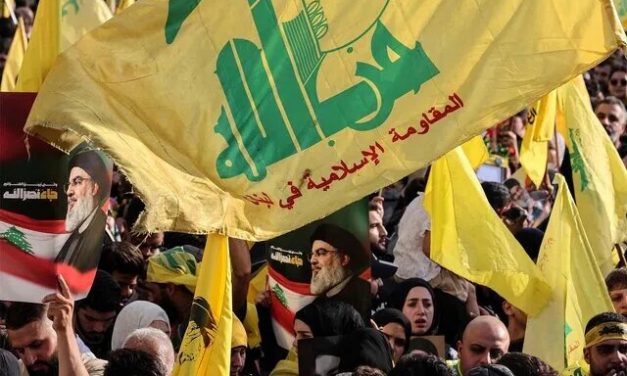
SCFR Online–Opinion: By providing an extensive network of social, healthcare, educational, and post-war reconstruction services, Hezbollah has established a strong social base for itself among Lebanon’s Shiites and Sunnis, and even beyond that, among other segments of Lebanese society, including Christians. Hezbollah has never been an external actor imposed upon Lebanon; rather, it is a phenomenon fundamentally born out of the occupation and crimes of the Zionist regime and itself influenced by popular resistance.

The Increasing Efforts of the Zionist Regime to Redefine Borders and the Regional Order and Its Consequences

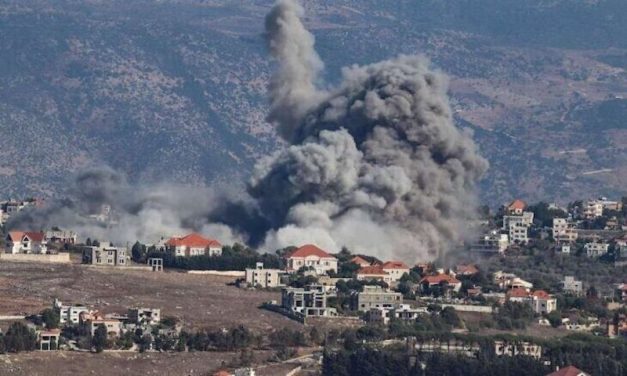
SCFR Online– Opinion: Security and military developments in the region over recent months indicate that the ongoing crises and wars in Gaza, southern Lebanon, and parts of Syrian territory encompass broader dimensions of geopolitical and geostrategic transformations. In this context, the increased military presence and control of the Zionist regime over parts of the territories of these areas, along with proposals regarding the creation of buffer zones or even the expansion of security borders, have raised serious questions about the future of the regional order and its consequences for the countries of West Asia.

The Components of Iran’s Deterrence Power

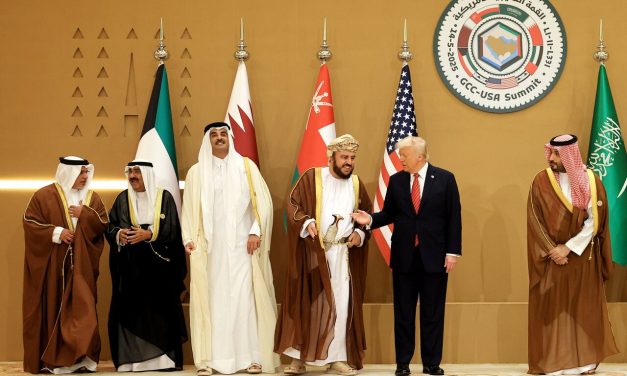
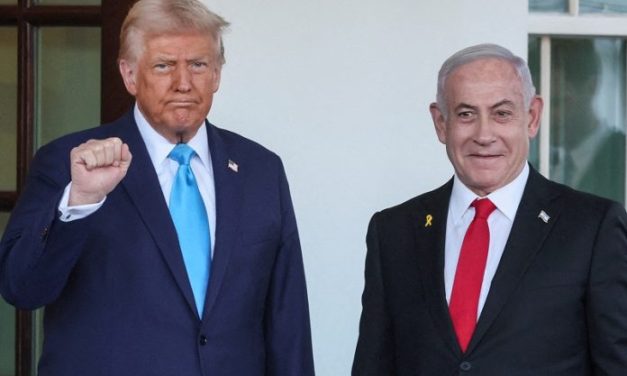
SCFR Online – Opinion: At a time when regional security equations have reached a sensitive stage under the influence of Iran’s strategic confrontation with the United States and the Zionist regime, the question of the nature of Tehran’s defensive power has gained greater significance than ever before. While Washington and Tel Aviv rely on their technological superiority, the Islamic Republic of Iran has presented a model of deterrence that extends beyond the material calculations of the world’s classical militaries. This power, rooted in the connection between “the field” and “the people,” has not only altered the balance of power in recent conflicts but has also disrupted adversaries’ calculations when confronting Iran’s strategic depth.

Loading

AGOL

US Goals behind Afghan Peace

Strategic Council Online: The United States seeks to empower the Taliban in the first phase, and next, if the Taliban came to power through elections, Washington will accept their role. As a result, Zalmai Khalilzad is working behind the scene to strike a deal between the Taliban and the central Afghan government.
Pir-Mohammad Molazehi – Expert on Sub-continental affairs

The Complex Phenomenon of Religious Extremism

The Complex Phenomenon of Religious Extremism

Strategic Council Online: A senior analyst at the International Crisis Group believes that the danger of religious fundamentalism has risen in comparison to the past, and hostility to Shiite Muslims has also become more central to fundamentalists acting under the name of “Jihad”.

Scenarios Facing Syrian Kurds

Strategic Council Online: One of the contingencies and scenarios discussed for the future dialogue between the Kurds and the Syrian government, is for a part of the American troops to stay in the northern regions of Syria, in which case the Kurdish tribes will face a new dilemma: To continue cooperation with the United States or forge new cooperation with the Syrian government. The existence of this dilemma can further create disparities within the Kurdish groups and prevent them from pursuing the right path.
Jafar Ghanadbashi – Middle East expert

US Troop Pullout from Syria: Regional Implications

Strategic Council Online: Donald Trump’s decision to withdraw US forces from Syria has sparked a lot of debates. Many experts maintain that US troop pullout from Syria has caused growing concern in the Zionist regime. They argue that US withdrawal from Syria will pave the way for Iran to launch a land corridor from Tehran to Beirut.

Future of Washington-Pyongyang Relations?

Strategic Council Online: US-North Korea relations are currently stalled, that is neither a specific movement is being taken on the part of Washington, nor does Pyongyang want to meet the demands of the other side the way they wish.
Ismail Bashari – Expert on Korean Peninsula affairs

Negotiations with the Taliban!

Strategic Council Online: The idea of peace talks with the Taliban was raised from the early years of the US-NATO war against the Taliban in Afghanistan and after failure of the foreign forces to defeat the group was placed on the agenda of the parties fighting extremism.
Mohammad Reza Asgari Moroudi – Senior Researcher on Asian Affairs

Behind the Recent Saudi Cabinet Reshuffle

Strategic Council Online: The new changes in the Saudi cabinet will not be very deep and widespread and we should not expect a tangible turn in Saudi foreign policy vis-à-vis the Yemeni crisis or Iran-related issues.
Dr. Rahman Ghahramanpour – Senior Middle East Researcher

Behind the Presence of American Aircraft Carrier in Persian Gulf

Strategic Council Online: An expert on international affairs says: “As the Americans talk about withdrawing from Syria and reducing the number of their military forces in Afghanistan, there is a great deal of ambiguity about the future of the US allies, or in other words, the US affiliates in the region. Therefore, the presence of American aircraft carrier in the Persian Gulf could suggest that US military withdrawal from Syria does not mean a decline in Washington’s support for Saudi Arabia or the Zionist regime in the region.

Scenarios of Yemeni Peace Talks

Strategic Council Online: An expert on West Asian affairs believes that the most likely scenario for the future of peace in Yemen is the continuation of the bilateral and multilateral negotiations, in parallel with the Saudi obstructions and repeated violations of the ceasefire provisions.

Bargaining Game between Trump and US Congress

Strategic Council Online: Currently, the funding for construction of a wall on the US-Mexico border has become a bargaining chip between Trump and the Congress. The result of this bargaining also depends on the bargaining power of the two sides.
Reza Majidzadeh, International Affairs Expert

أحدث الوظائف

The Inseparability of the Lebanese Front from the Axis of Resistance

SCFR Online–Opinion: By providing an extensive network of social, healthcare, educational, and post-war reconstruction services, Hezbollah has established a strong social base for itself among Lebanon’s Shiites and Sunnis, and even beyond that, among other segments of Lebanese society, including Christians. Hezbollah has never been an external actor imposed upon Lebanon; rather, it is a phenomenon fundamentally born out of the occupation and crimes of the Zionist regime and itself influenced by popular resistance.

The Increasing Efforts of the Zionist Regime to Redefine Borders and the Regional Order and Its Consequences

SCFR Online– Opinion: Security and military developments in the region over recent months indicate that the ongoing crises and wars in Gaza, southern Lebanon, and parts of Syrian territory encompass broader dimensions of geopolitical and geostrategic transformations. In this context, the increased military presence and control of the Zionist regime over parts of the territories of these areas, along with proposals regarding the creation of buffer zones or even the expansion of security borders, have raised serious questions about the future of the regional order and its consequences for the countries of West Asia.

The Components of Iran’s Deterrence Power

SCFR Online – Opinion: At a time when regional security equations have reached a sensitive stage under the influence of Iran’s strategic confrontation with the United States and the Zionist regime, the question of the nature of Tehran’s defensive power has gained greater significance than ever before. While Washington and Tel Aviv rely on their technological superiority, the Islamic Republic of Iran has presented a model of deterrence that extends beyond the material calculations of the world’s classical militaries. This power, rooted in the connection between “the field” and “the people,” has not only altered the balance of power in recent conflicts but has also disrupted adversaries’ calculations when confronting Iran’s strategic depth.

Loading

AGOL

US Goals behind Afghan Peace

Strategic Council Online: The United States seeks to empower the Taliban in the first phase, and next, if the Taliban came to power through elections, Washington will accept their role. As a result, Zalmai Khalilzad is working behind the scene to strike a deal between the Taliban and the central Afghan government.
Pir-Mohammad Molazehi – Expert on Sub-continental affairs

The Complex Phenomenon of Religious Extremism

The Complex Phenomenon of Religious Extremism

Strategic Council Online: A senior analyst at the International Crisis Group believes that the danger of religious fundamentalism has risen in comparison to the past, and hostility to Shiite Muslims has also become more central to fundamentalists acting under the name of “Jihad”.

Scenarios Facing Syrian Kurds

Strategic Council Online: One of the contingencies and scenarios discussed for the future dialogue between the Kurds and the Syrian government, is for a part of the American troops to stay in the northern regions of Syria, in which case the Kurdish tribes will face a new dilemma: To continue cooperation with the United States or forge new cooperation with the Syrian government. The existence of this dilemma can further create disparities within the Kurdish groups and prevent them from pursuing the right path.
Jafar Ghanadbashi – Middle East expert

US Troop Pullout from Syria: Regional Implications

Strategic Council Online: Donald Trump’s decision to withdraw US forces from Syria has sparked a lot of debates. Many experts maintain that US troop pullout from Syria has caused growing concern in the Zionist regime. They argue that US withdrawal from Syria will pave the way for Iran to launch a land corridor from Tehran to Beirut.

Future of Washington-Pyongyang Relations?

Strategic Council Online: US-North Korea relations are currently stalled, that is neither a specific movement is being taken on the part of Washington, nor does Pyongyang want to meet the demands of the other side the way they wish.
Ismail Bashari – Expert on Korean Peninsula affairs

Negotiations with the Taliban!

Strategic Council Online: The idea of peace talks with the Taliban was raised from the early years of the US-NATO war against the Taliban in Afghanistan and after failure of the foreign forces to defeat the group was placed on the agenda of the parties fighting extremism.
Mohammad Reza Asgari Moroudi – Senior Researcher on Asian Affairs

Behind the Recent Saudi Cabinet Reshuffle

Strategic Council Online: The new changes in the Saudi cabinet will not be very deep and widespread and we should not expect a tangible turn in Saudi foreign policy vis-à-vis the Yemeni crisis or Iran-related issues.
Dr. Rahman Ghahramanpour – Senior Middle East Researcher

Behind the Presence of American Aircraft Carrier in Persian Gulf

Strategic Council Online: An expert on international affairs says: “As the Americans talk about withdrawing from Syria and reducing the number of their military forces in Afghanistan, there is a great deal of ambiguity about the future of the US allies, or in other words, the US affiliates in the region. Therefore, the presence of American aircraft carrier in the Persian Gulf could suggest that US military withdrawal from Syria does not mean a decline in Washington’s support for Saudi Arabia or the Zionist regime in the region.

Scenarios of Yemeni Peace Talks

Strategic Council Online: An expert on West Asian affairs believes that the most likely scenario for the future of peace in Yemen is the continuation of the bilateral and multilateral negotiations, in parallel with the Saudi obstructions and repeated violations of the ceasefire provisions.

Bargaining Game between Trump and US Congress

Strategic Council Online: Currently, the funding for construction of a wall on the US-Mexico border has become a bargaining chip between Trump and the Congress. The result of this bargaining also depends on the bargaining power of the two sides.
Reza Majidzadeh, International Affairs Expert

AGOL

US Goals behind Afghan Peace

Strategic Council Online: The United States seeks to empower the Taliban in the first phase, and next, if the Taliban came to power through elections, Washington will accept their role. As a result, Zalmai Khalilzad is working behind the scene to strike a deal between the Taliban and the central Afghan government.
Pir-Mohammad Molazehi – Expert on Sub-continental affairs

The Complex Phenomenon of Religious Extremism

The Complex Phenomenon of Religious Extremism

Strategic Council Online: A senior analyst at the International Crisis Group believes that the danger of religious fundamentalism has risen in comparison to the past, and hostility to Shiite Muslims has also become more central to fundamentalists acting under the name of “Jihad”.

Scenarios Facing Syrian Kurds

Strategic Council Online: One of the contingencies and scenarios discussed for the future dialogue between the Kurds and the Syrian government, is for a part of the American troops to stay in the northern regions of Syria, in which case the Kurdish tribes will face a new dilemma: To continue cooperation with the United States or forge new cooperation with the Syrian government. The existence of this dilemma can further create disparities within the Kurdish groups and prevent them from pursuing the right path.
Jafar Ghanadbashi – Middle East expert

US Troop Pullout from Syria: Regional Implications

Strategic Council Online: Donald Trump’s decision to withdraw US forces from Syria has sparked a lot of debates. Many experts maintain that US troop pullout from Syria has caused growing concern in the Zionist regime. They argue that US withdrawal from Syria will pave the way for Iran to launch a land corridor from Tehran to Beirut.

Future of Washington-Pyongyang Relations?

Strategic Council Online: US-North Korea relations are currently stalled, that is neither a specific movement is being taken on the part of Washington, nor does Pyongyang want to meet the demands of the other side the way they wish.
Ismail Bashari – Expert on Korean Peninsula affairs

Negotiations with the Taliban!

Strategic Council Online: The idea of peace talks with the Taliban was raised from the early years of the US-NATO war against the Taliban in Afghanistan and after failure of the foreign forces to defeat the group was placed on the agenda of the parties fighting extremism.
Mohammad Reza Asgari Moroudi – Senior Researcher on Asian Affairs

Behind the Recent Saudi Cabinet Reshuffle

Strategic Council Online: The new changes in the Saudi cabinet will not be very deep and widespread and we should not expect a tangible turn in Saudi foreign policy vis-à-vis the Yemeni crisis or Iran-related issues.
Dr. Rahman Ghahramanpour – Senior Middle East Researcher

Behind the Presence of American Aircraft Carrier in Persian Gulf

Strategic Council Online: An expert on international affairs says: “As the Americans talk about withdrawing from Syria and reducing the number of their military forces in Afghanistan, there is a great deal of ambiguity about the future of the US allies, or in other words, the US affiliates in the region. Therefore, the presence of American aircraft carrier in the Persian Gulf could suggest that US military withdrawal from Syria does not mean a decline in Washington’s support for Saudi Arabia or the Zionist regime in the region.

Scenarios of Yemeni Peace Talks

Strategic Council Online: An expert on West Asian affairs believes that the most likely scenario for the future of peace in Yemen is the continuation of the bilateral and multilateral negotiations, in parallel with the Saudi obstructions and repeated violations of the ceasefire provisions.

Bargaining Game between Trump and US Congress

Strategic Council Online: Currently, the funding for construction of a wall on the US-Mexico border has become a bargaining chip between Trump and the Congress. The result of this bargaining also depends on the bargaining power of the two sides.
Reza Majidzadeh, International Affairs Expert

LATEST CONTENT

The Inseparability of the Lebanese Front from the Axis of Resistance

SCFR Online–Opinion: By providing an extensive network of social, healthcare, educational, and post-war reconstruction services, Hezbollah has established a strong social base for itself among Lebanon’s Shiites and Sunnis, and even beyond that, among other segments of Lebanese society, including Christians. Hezbollah has never been an external actor imposed upon Lebanon; rather, it is a phenomenon fundamentally born out of the occupation and crimes of the Zionist regime and itself influenced by popular resistance.

The Increasing Efforts of the Zionist Regime to Redefine Borders and the Regional Order and Its Consequences

SCFR Online– Opinion: Security and military developments in the region over recent months indicate that the ongoing crises and wars in Gaza, southern Lebanon, and parts of Syrian territory encompass broader dimensions of geopolitical and geostrategic transformations. In this context, the increased military presence and control of the Zionist regime over parts of the territories of these areas, along with proposals regarding the creation of buffer zones or even the expansion of security borders, have raised serious questions about the future of the regional order and its consequences for the countries of West Asia.

The Components of Iran’s Deterrence Power

SCFR Online – Opinion: At a time when regional security equations have reached a sensitive stage under the influence of Iran’s strategic confrontation with the United States and the Zionist regime, the question of the nature of Tehran’s defensive power has gained greater significance than ever before. While Washington and Tel Aviv rely on their technological superiority, the Islamic Republic of Iran has presented a model of deterrence that extends beyond the material calculations of the world’s classical militaries. This power, rooted in the connection between “the field” and “the people,” has not only altered the balance of power in recent conflicts but has also disrupted adversaries’ calculations when confronting Iran’s strategic depth.

Loading

AGOL

US Goals behind Afghan Peace

Strategic Council Online: The United States seeks to empower the Taliban in the first phase, and next, if the Taliban came to power through elections, Washington will accept their role. As a result, Zalmai Khalilzad is working behind the scene to strike a deal between the Taliban and the central Afghan government.
Pir-Mohammad Molazehi – Expert on Sub-continental affairs

The Complex Phenomenon of Religious Extremism

The Complex Phenomenon of Religious Extremism

Strategic Council Online: A senior analyst at the International Crisis Group believes that the danger of religious fundamentalism has risen in comparison to the past, and hostility to Shiite Muslims has also become more central to fundamentalists acting under the name of “Jihad”.

Scenarios Facing Syrian Kurds

Strategic Council Online: One of the contingencies and scenarios discussed for the future dialogue between the Kurds and the Syrian government, is for a part of the American troops to stay in the northern regions of Syria, in which case the Kurdish tribes will face a new dilemma: To continue cooperation with the United States or forge new cooperation with the Syrian government. The existence of this dilemma can further create disparities within the Kurdish groups and prevent them from pursuing the right path.
Jafar Ghanadbashi – Middle East expert

US Troop Pullout from Syria: Regional Implications

Strategic Council Online: Donald Trump’s decision to withdraw US forces from Syria has sparked a lot of debates. Many experts maintain that US troop pullout from Syria has caused growing concern in the Zionist regime. They argue that US withdrawal from Syria will pave the way for Iran to launch a land corridor from Tehran to Beirut.

Future of Washington-Pyongyang Relations?

Strategic Council Online: US-North Korea relations are currently stalled, that is neither a specific movement is being taken on the part of Washington, nor does Pyongyang want to meet the demands of the other side the way they wish.
Ismail Bashari – Expert on Korean Peninsula affairs

Negotiations with the Taliban!

Strategic Council Online: The idea of peace talks with the Taliban was raised from the early years of the US-NATO war against the Taliban in Afghanistan and after failure of the foreign forces to defeat the group was placed on the agenda of the parties fighting extremism.
Mohammad Reza Asgari Moroudi – Senior Researcher on Asian Affairs

Behind the Recent Saudi Cabinet Reshuffle

Strategic Council Online: The new changes in the Saudi cabinet will not be very deep and widespread and we should not expect a tangible turn in Saudi foreign policy vis-à-vis the Yemeni crisis or Iran-related issues.
Dr. Rahman Ghahramanpour – Senior Middle East Researcher

Behind the Presence of American Aircraft Carrier in Persian Gulf

Strategic Council Online: An expert on international affairs says: “As the Americans talk about withdrawing from Syria and reducing the number of their military forces in Afghanistan, there is a great deal of ambiguity about the future of the US allies, or in other words, the US affiliates in the region. Therefore, the presence of American aircraft carrier in the Persian Gulf could suggest that US military withdrawal from Syria does not mean a decline in Washington’s support for Saudi Arabia or the Zionist regime in the region.

Scenarios of Yemeni Peace Talks

Strategic Council Online: An expert on West Asian affairs believes that the most likely scenario for the future of peace in Yemen is the continuation of the bilateral and multilateral negotiations, in parallel with the Saudi obstructions and repeated violations of the ceasefire provisions.

Bargaining Game between Trump and US Congress

Strategic Council Online: Currently, the funding for construction of a wall on the US-Mexico border has become a bargaining chip between Trump and the Congress. The result of this bargaining also depends on the bargaining power of the two sides.
Reza Majidzadeh, International Affairs Expert

ÚLTIMAS PUBLICACIONES

The Inseparability of the Lebanese Front from the Axis of Resistance

SCFR Online–Opinion: By providing an extensive network of social, healthcare, educational, and post-war reconstruction services, Hezbollah has established a strong social base for itself among Lebanon’s Shiites and Sunnis, and even beyond that, among other segments of Lebanese society, including Christians. Hezbollah has never been an external actor imposed upon Lebanon; rather, it is a phenomenon fundamentally born out of the occupation and crimes of the Zionist regime and itself influenced by popular resistance.

The Increasing Efforts of the Zionist Regime to Redefine Borders and the Regional Order and Its Consequences

SCFR Online– Opinion: Security and military developments in the region over recent months indicate that the ongoing crises and wars in Gaza, southern Lebanon, and parts of Syrian territory encompass broader dimensions of geopolitical and geostrategic transformations. In this context, the increased military presence and control of the Zionist regime over parts of the territories of these areas, along with proposals regarding the creation of buffer zones or even the expansion of security borders, have raised serious questions about the future of the regional order and its consequences for the countries of West Asia.

The Components of Iran’s Deterrence Power

SCFR Online – Opinion: At a time when regional security equations have reached a sensitive stage under the influence of Iran’s strategic confrontation with the United States and the Zionist regime, the question of the nature of Tehran’s defensive power has gained greater significance than ever before. While Washington and Tel Aviv rely on their technological superiority, the Islamic Republic of Iran has presented a model of deterrence that extends beyond the material calculations of the world’s classical militaries. This power, rooted in the connection between “the field” and “the people,” has not only altered the balance of power in recent conflicts but has also disrupted adversaries’ calculations when confronting Iran’s strategic depth.

Loading

AGOL

US Goals behind Afghan Peace

Strategic Council Online: The United States seeks to empower the Taliban in the first phase, and next, if the Taliban came to power through elections, Washington will accept their role. As a result, Zalmai Khalilzad is working behind the scene to strike a deal between the Taliban and the central Afghan government.
Pir-Mohammad Molazehi – Expert on Sub-continental affairs

The Complex Phenomenon of Religious Extremism

The Complex Phenomenon of Religious Extremism

Strategic Council Online: A senior analyst at the International Crisis Group believes that the danger of religious fundamentalism has risen in comparison to the past, and hostility to Shiite Muslims has also become more central to fundamentalists acting under the name of “Jihad”.

Scenarios Facing Syrian Kurds

Strategic Council Online: One of the contingencies and scenarios discussed for the future dialogue between the Kurds and the Syrian government, is for a part of the American troops to stay in the northern regions of Syria, in which case the Kurdish tribes will face a new dilemma: To continue cooperation with the United States or forge new cooperation with the Syrian government. The existence of this dilemma can further create disparities within the Kurdish groups and prevent them from pursuing the right path.
Jafar Ghanadbashi – Middle East expert

US Troop Pullout from Syria: Regional Implications

Strategic Council Online: Donald Trump’s decision to withdraw US forces from Syria has sparked a lot of debates. Many experts maintain that US troop pullout from Syria has caused growing concern in the Zionist regime. They argue that US withdrawal from Syria will pave the way for Iran to launch a land corridor from Tehran to Beirut.

Future of Washington-Pyongyang Relations?

Strategic Council Online: US-North Korea relations are currently stalled, that is neither a specific movement is being taken on the part of Washington, nor does Pyongyang want to meet the demands of the other side the way they wish.
Ismail Bashari – Expert on Korean Peninsula affairs

Negotiations with the Taliban!

Strategic Council Online: The idea of peace talks with the Taliban was raised from the early years of the US-NATO war against the Taliban in Afghanistan and after failure of the foreign forces to defeat the group was placed on the agenda of the parties fighting extremism.
Mohammad Reza Asgari Moroudi – Senior Researcher on Asian Affairs

Behind the Recent Saudi Cabinet Reshuffle

Strategic Council Online: The new changes in the Saudi cabinet will not be very deep and widespread and we should not expect a tangible turn in Saudi foreign policy vis-à-vis the Yemeni crisis or Iran-related issues.
Dr. Rahman Ghahramanpour – Senior Middle East Researcher

Behind the Presence of American Aircraft Carrier in Persian Gulf

Strategic Council Online: An expert on international affairs says: “As the Americans talk about withdrawing from Syria and reducing the number of their military forces in Afghanistan, there is a great deal of ambiguity about the future of the US allies, or in other words, the US affiliates in the region. Therefore, the presence of American aircraft carrier in the Persian Gulf could suggest that US military withdrawal from Syria does not mean a decline in Washington’s support for Saudi Arabia or the Zionist regime in the region.

Scenarios of Yemeni Peace Talks

Strategic Council Online: An expert on West Asian affairs believes that the most likely scenario for the future of peace in Yemen is the continuation of the bilateral and multilateral negotiations, in parallel with the Saudi obstructions and repeated violations of the ceasefire provisions.

Bargaining Game between Trump and US Congress

Strategic Council Online: Currently, the funding for construction of a wall on the US-Mexico border has become a bargaining chip between Trump and the Congress. The result of this bargaining also depends on the bargaining power of the two sides.
Reza Majidzadeh, International Affairs Expert

ÚLTIMAS PUBLICACIONES

The Inseparability of the Lebanese Front from the Axis of Resistance

SCFR Online–Opinion: By providing an extensive network of social, healthcare, educational, and post-war reconstruction services, Hezbollah has established a strong social base for itself among Lebanon’s Shiites and Sunnis, and even beyond that, among other segments of Lebanese society, including Christians. Hezbollah has never been an external actor imposed upon Lebanon; rather, it is a phenomenon fundamentally born out of the occupation and crimes of the Zionist regime and itself influenced by popular resistance.

The Increasing Efforts of the Zionist Regime to Redefine Borders and the Regional Order and Its Consequences

SCFR Online– Opinion: Security and military developments in the region over recent months indicate that the ongoing crises and wars in Gaza, southern Lebanon, and parts of Syrian territory encompass broader dimensions of geopolitical and geostrategic transformations. In this context, the increased military presence and control of the Zionist regime over parts of the territories of these areas, along with proposals regarding the creation of buffer zones or even the expansion of security borders, have raised serious questions about the future of the regional order and its consequences for the countries of West Asia.

The Components of Iran’s Deterrence Power

SCFR Online – Opinion: At a time when regional security equations have reached a sensitive stage under the influence of Iran’s strategic confrontation with the United States and the Zionist regime, the question of the nature of Tehran’s defensive power has gained greater significance than ever before. While Washington and Tel Aviv rely on their technological superiority, the Islamic Republic of Iran has presented a model of deterrence that extends beyond the material calculations of the world’s classical militaries. This power, rooted in the connection between “the field” and “the people,” has not only altered the balance of power in recent conflicts but has also disrupted adversaries’ calculations when confronting Iran’s strategic depth.

Loading

AGOL

US Goals behind Afghan Peace

Strategic Council Online: The United States seeks to empower the Taliban in the first phase, and next, if the Taliban came to power through elections, Washington will accept their role. As a result, Zalmai Khalilzad is working behind the scene to strike a deal between the Taliban and the central Afghan government.
Pir-Mohammad Molazehi – Expert on Sub-continental affairs

The Complex Phenomenon of Religious Extremism

The Complex Phenomenon of Religious Extremism

Strategic Council Online: A senior analyst at the International Crisis Group believes that the danger of religious fundamentalism has risen in comparison to the past, and hostility to Shiite Muslims has also become more central to fundamentalists acting under the name of “Jihad”.

Scenarios Facing Syrian Kurds

Strategic Council Online: One of the contingencies and scenarios discussed for the future dialogue between the Kurds and the Syrian government, is for a part of the American troops to stay in the northern regions of Syria, in which case the Kurdish tribes will face a new dilemma: To continue cooperation with the United States or forge new cooperation with the Syrian government. The existence of this dilemma can further create disparities within the Kurdish groups and prevent them from pursuing the right path.
Jafar Ghanadbashi – Middle East expert

US Troop Pullout from Syria: Regional Implications

Strategic Council Online: Donald Trump’s decision to withdraw US forces from Syria has sparked a lot of debates. Many experts maintain that US troop pullout from Syria has caused growing concern in the Zionist regime. They argue that US withdrawal from Syria will pave the way for Iran to launch a land corridor from Tehran to Beirut.

Future of Washington-Pyongyang Relations?

Strategic Council Online: US-North Korea relations are currently stalled, that is neither a specific movement is being taken on the part of Washington, nor does Pyongyang want to meet the demands of the other side the way they wish.
Ismail Bashari – Expert on Korean Peninsula affairs

Negotiations with the Taliban!

Strategic Council Online: The idea of peace talks with the Taliban was raised from the early years of the US-NATO war against the Taliban in Afghanistan and after failure of the foreign forces to defeat the group was placed on the agenda of the parties fighting extremism.
Mohammad Reza Asgari Moroudi – Senior Researcher on Asian Affairs

Behind the Recent Saudi Cabinet Reshuffle

Strategic Council Online: The new changes in the Saudi cabinet will not be very deep and widespread and we should not expect a tangible turn in Saudi foreign policy vis-à-vis the Yemeni crisis or Iran-related issues.
Dr. Rahman Ghahramanpour – Senior Middle East Researcher

Behind the Presence of American Aircraft Carrier in Persian Gulf

Strategic Council Online: An expert on international affairs says: “As the Americans talk about withdrawing from Syria and reducing the number of their military forces in Afghanistan, there is a great deal of ambiguity about the future of the US allies, or in other words, the US affiliates in the region. Therefore, the presence of American aircraft carrier in the Persian Gulf could suggest that US military withdrawal from Syria does not mean a decline in Washington’s support for Saudi Arabia or the Zionist regime in the region.

Scenarios of Yemeni Peace Talks

Strategic Council Online: An expert on West Asian affairs believes that the most likely scenario for the future of peace in Yemen is the continuation of the bilateral and multilateral negotiations, in parallel with the Saudi obstructions and repeated violations of the ceasefire provisions.

Bargaining Game between Trump and US Congress

Strategic Council Online: Currently, the funding for construction of a wall on the US-Mexico border has become a bargaining chip between Trump and the Congress. The result of this bargaining also depends on the bargaining power of the two sides.
Reza Majidzadeh, International Affairs Expert

ÚLTIMAS PUBLICACIONES

The Inseparability of the Lebanese Front from the Axis of Resistance

SCFR Online–Opinion: By providing an extensive network of social, healthcare, educational, and post-war reconstruction services, Hezbollah has established a strong social base for itself among Lebanon’s Shiites and Sunnis, and even beyond that, among other segments of Lebanese society, including Christians. Hezbollah has never been an external actor imposed upon Lebanon; rather, it is a phenomenon fundamentally born out of the occupation and crimes of the Zionist regime and itself influenced by popular resistance.

The Increasing Efforts of the Zionist Regime to Redefine Borders and the Regional Order and Its Consequences

SCFR Online– Opinion: Security and military developments in the region over recent months indicate that the ongoing crises and wars in Gaza, southern Lebanon, and parts of Syrian territory encompass broader dimensions of geopolitical and geostrategic transformations. In this context, the increased military presence and control of the Zionist regime over parts of the territories of these areas, along with proposals regarding the creation of buffer zones or even the expansion of security borders, have raised serious questions about the future of the regional order and its consequences for the countries of West Asia.

The Components of Iran’s Deterrence Power

SCFR Online – Opinion: At a time when regional security equations have reached a sensitive stage under the influence of Iran’s strategic confrontation with the United States and the Zionist regime, the question of the nature of Tehran’s defensive power has gained greater significance than ever before. While Washington and Tel Aviv rely on their technological superiority, the Islamic Republic of Iran has presented a model of deterrence that extends beyond the material calculations of the world’s classical militaries. This power, rooted in the connection between “the field” and “the people,” has not only altered the balance of power in recent conflicts but has also disrupted adversaries’ calculations when confronting Iran’s strategic depth.

Loading

AGOL

US Goals behind Afghan Peace

Strategic Council Online: The United States seeks to empower the Taliban in the first phase, and next, if the Taliban came to power through elections, Washington will accept their role. As a result, Zalmai Khalilzad is working behind the scene to strike a deal between the Taliban and the central Afghan government.
Pir-Mohammad Molazehi – Expert on Sub-continental affairs

The Complex Phenomenon of Religious Extremism

The Complex Phenomenon of Religious Extremism

Strategic Council Online: A senior analyst at the International Crisis Group believes that the danger of religious fundamentalism has risen in comparison to the past, and hostility to Shiite Muslims has also become more central to fundamentalists acting under the name of “Jihad”.

Scenarios Facing Syrian Kurds

Strategic Council Online: One of the contingencies and scenarios discussed for the future dialogue between the Kurds and the Syrian government, is for a part of the American troops to stay in the northern regions of Syria, in which case the Kurdish tribes will face a new dilemma: To continue cooperation with the United States or forge new cooperation with the Syrian government. The existence of this dilemma can further create disparities within the Kurdish groups and prevent them from pursuing the right path.
Jafar Ghanadbashi – Middle East expert

US Troop Pullout from Syria: Regional Implications

Strategic Council Online: Donald Trump’s decision to withdraw US forces from Syria has sparked a lot of debates. Many experts maintain that US troop pullout from Syria has caused growing concern in the Zionist regime. They argue that US withdrawal from Syria will pave the way for Iran to launch a land corridor from Tehran to Beirut.

Future of Washington-Pyongyang Relations?

Strategic Council Online: US-North Korea relations are currently stalled, that is neither a specific movement is being taken on the part of Washington, nor does Pyongyang want to meet the demands of the other side the way they wish.
Ismail Bashari – Expert on Korean Peninsula affairs

Negotiations with the Taliban!

Strategic Council Online: The idea of peace talks with the Taliban was raised from the early years of the US-NATO war against the Taliban in Afghanistan and after failure of the foreign forces to defeat the group was placed on the agenda of the parties fighting extremism.
Mohammad Reza Asgari Moroudi – Senior Researcher on Asian Affairs

Behind the Recent Saudi Cabinet Reshuffle

Strategic Council Online: The new changes in the Saudi cabinet will not be very deep and widespread and we should not expect a tangible turn in Saudi foreign policy vis-à-vis the Yemeni crisis or Iran-related issues.
Dr. Rahman Ghahramanpour – Senior Middle East Researcher

Behind the Presence of American Aircraft Carrier in Persian Gulf

Strategic Council Online: An expert on international affairs says: “As the Americans talk about withdrawing from Syria and reducing the number of their military forces in Afghanistan, there is a great deal of ambiguity about the future of the US allies, or in other words, the US affiliates in the region. Therefore, the presence of American aircraft carrier in the Persian Gulf could suggest that US military withdrawal from Syria does not mean a decline in Washington’s support for Saudi Arabia or the Zionist regime in the region.

Scenarios of Yemeni Peace Talks

Strategic Council Online: An expert on West Asian affairs believes that the most likely scenario for the future of peace in Yemen is the continuation of the bilateral and multilateral negotiations, in parallel with the Saudi obstructions and repeated violations of the ceasefire provisions.

Bargaining Game between Trump and US Congress

Strategic Council Online: Currently, the funding for construction of a wall on the US-Mexico border has become a bargaining chip between Trump and the Congress. The result of this bargaining also depends on the bargaining power of the two sides.
Reza Majidzadeh, International Affairs Expert

ÚLTIMAS PUBLICACIONES

The Inseparability of the Lebanese Front from the Axis of Resistance

SCFR Online–Opinion: By providing an extensive network of social, healthcare, educational, and post-war reconstruction services, Hezbollah has established a strong social base for itself among Lebanon’s Shiites and Sunnis, and even beyond that, among other segments of Lebanese society, including Christians. Hezbollah has never been an external actor imposed upon Lebanon; rather, it is a phenomenon fundamentally born out of the occupation and crimes of the Zionist regime and itself influenced by popular resistance.

The Increasing Efforts of the Zionist Regime to Redefine Borders and the Regional Order and Its Consequences

SCFR Online– Opinion: Security and military developments in the region over recent months indicate that the ongoing crises and wars in Gaza, southern Lebanon, and parts of Syrian territory encompass broader dimensions of geopolitical and geostrategic transformations. In this context, the increased military presence and control of the Zionist regime over parts of the territories of these areas, along with proposals regarding the creation of buffer zones or even the expansion of security borders, have raised serious questions about the future of the regional order and its consequences for the countries of West Asia.

The Components of Iran’s Deterrence Power

SCFR Online – Opinion: At a time when regional security equations have reached a sensitive stage under the influence of Iran’s strategic confrontation with the United States and the Zionist regime, the question of the nature of Tehran’s defensive power has gained greater significance than ever before. While Washington and Tel Aviv rely on their technological superiority, the Islamic Republic of Iran has presented a model of deterrence that extends beyond the material calculations of the world’s classical militaries. This power, rooted in the connection between “the field” and “the people,” has not only altered the balance of power in recent conflicts but has also disrupted adversaries’ calculations when confronting Iran’s strategic depth.

Loading