جدیدترین مطالب

The Inseparability of the Lebanese Front from the Axis of Resistance

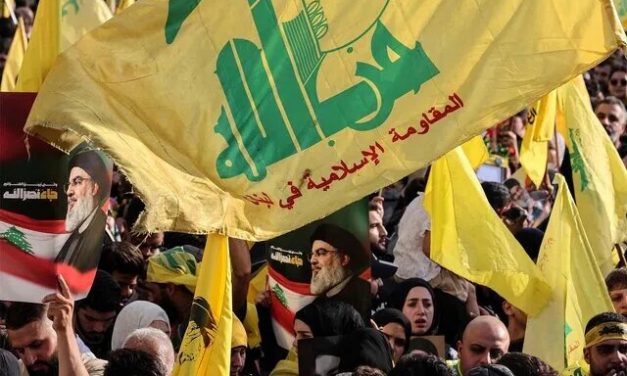
SCFR Online–Opinion: By providing an extensive network of social, healthcare, educational, and post-war reconstruction services, Hezbollah has established a strong social base for itself among Lebanon’s Shiites and Sunnis, and even beyond that, among other segments of Lebanese society, including Christians. Hezbollah has never been an external actor imposed upon Lebanon; rather, it is a phenomenon fundamentally born out of the occupation and crimes of the Zionist regime and itself influenced by popular resistance.

The Increasing Efforts of the Zionist Regime to Redefine Borders and the Regional Order and Its Consequences

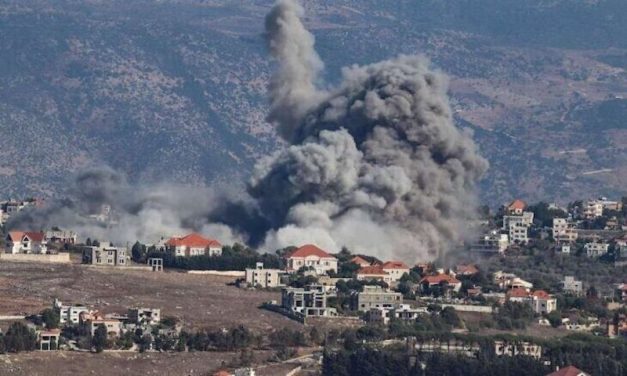
SCFR Online– Opinion: Security and military developments in the region over recent months indicate that the ongoing crises and wars in Gaza, southern Lebanon, and parts of Syrian territory encompass broader dimensions of geopolitical and geostrategic transformations. In this context, the increased military presence and control of the Zionist regime over parts of the territories of these areas, along with proposals regarding the creation of buffer zones or even the expansion of security borders, have raised serious questions about the future of the regional order and its consequences for the countries of West Asia.

The Components of Iran’s Deterrence Power

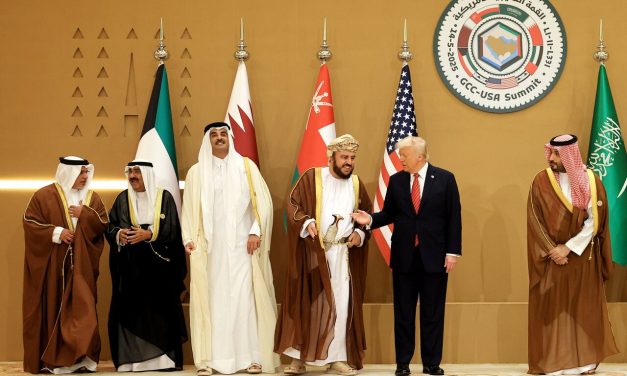
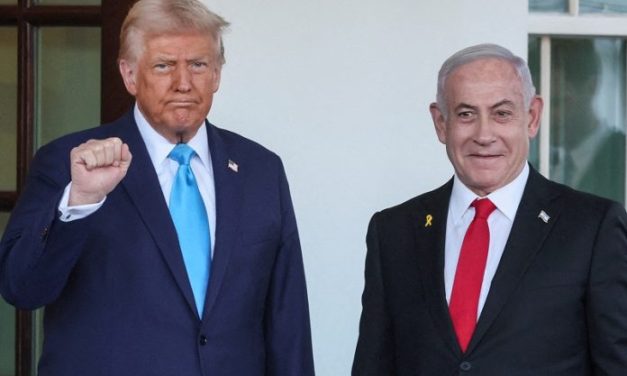
SCFR Online – Opinion: At a time when regional security equations have reached a sensitive stage under the influence of Iran’s strategic confrontation with the United States and the Zionist regime, the question of the nature of Tehran’s defensive power has gained greater significance than ever before. While Washington and Tel Aviv rely on their technological superiority, the Islamic Republic of Iran has presented a model of deterrence that extends beyond the material calculations of the world’s classical militaries. This power, rooted in the connection between “the field” and “the people,” has not only altered the balance of power in recent conflicts but has also disrupted adversaries’ calculations when confronting Iran’s strategic depth.

Loading

AGOL

Pakistan’s Strategy towards Afghanistan

Pakistan’s Strategy towards Afghanistan

Strategic Council Online – The former head of Afghanistan Support Headquarters at the IRI Ministry of Foreign Affairs, stating that Pakistan considers Afghanistan the depth of its strategy, said: It is better for countries in the region to allow the Afghan people to independently determine their government and address common concerns through friendly relations.

Perspective of New Start Treaty

Perspective of New Start Treaty

Strategic Council Online- Interview
“Had the Start Treaty which was about to expire in 2021, not been extended, could practically entangle the US, Russia and the whole world with a serious crisis in the field of disarmament of nuclear arms”, an expert of Russia said about an agreement of extension of Treaty on the Reduction and Limitation of Strategic Offensive Arms between Russian Federation and the United States of America called as “New Start Treaty”.

Review of the strategy of the United States in Afghanistan and the prospect of the future order

Review of the strategy of the United States in Afghanistan and the prospect of the future order

Strategic Council Online—Interview: Former Iranian ambassador to Afghanistan says the behavior of Americans towards Afghanistan has been irresponsible, adding that the present order in Afghanistan is the outcome of the First Bonne Conference in 2001; however, this order is collapsing and it seems that the future order in Afghanistan will be formed on the basis of the Doha Agreement.

Failure of ethnocentrism in Afghanistan, need for nation-building

Failure of ethnocentrism in Afghanistan, need for nation-building

Strategic Council Online – Interview: An analyst of Afghanistan affairs described “ethnocentrism” as the main axis of socio-political developments and the enjoyment of rights and privileges in Afghanistan, and said: Ethnic management has been implemented many times in Afghanistan and has failed each time. A national government should be formed in that country and this is the best scenario that can be imagined for the future of Afghanistan.

The evolution of the crisis in Relations between Azerbaijan Republic and Armenia

The evolution of the crisis in Relations between Azerbaijan Republic and Armenia

Strategic Council Online – Despite the passage of months since the end of the 44-day war between Azerbaijan and Armenia, which began on September 27, 2020 and ended on November 10 with the signing of a tripartite statement by the presidents of Azerbaijan, Russia and the prime minister of Armenia, border clashes between the two sides continued and intensified in recent months; clashes that have resulted in the deaths of the military on both sides, while the two sides accuse each other of violating the peace agreement.
Hossein Asgarian – Tehran International Studies and Researc Institute (Abrar)

Roots of the Crisis in Tunisia

Roots of the Crisis in Tunisia

Strategic Council Online – Since the fall of Ben Ali in Tunisia in 2011, the country has faced many surprises. The only country that was able to successfully overcome the Arab Spring and draft a constitution based on democracy was Tunisia. In Tunisia there is a semi-presidential system, a parliamentary government, and at the same time a president with very broad powers elected by the people; but the removal of the Tunisian prime minister by President Kais Saied, the dissolution of the parliament for a month, and the lifting of the immunity of deputies is the beginning of a new round of events in the country.
Mahmoud Fazeli – International affairs analyst

The maneuver of Russia, Tajikistan, Uzbekistan and common concerns about the spread of insecurity to Central Asia

The maneuver of Russia, Tajikistan, Uzbekistan and common concerns about the spread of insecurity to Central Asia

Strategic Council Online—Interview: A university professor said any instability and insecurity in Afghanistan can easily spread to Central Asian states and create numerous security challenges for them, adding that there is the concern that empowerment of a radical force in Afghanistan and or any other foreign instigation or movement can result in recruitment of social dissidents in Tajikistan and move this country towards serious challenges.

Reasons of expediting the exit of America from Afghanistan

Reasons of expediting the exit of America from Afghanistan

Strategic Council Online—Interview: An expert of Afghanistan issues says on the reasons behind the decision by Joe Biden to withdraw military forces from Afghanistan by September that “it seems the main reason behind this decision is the prolongation of the presence of the US in Afghanistan as the US is present there close to two decades and in the meantime, various administrations in America have failed to realize the slogans they cried in these years.

أحدث الوظائف

The Inseparability of the Lebanese Front from the Axis of Resistance

SCFR Online–Opinion: By providing an extensive network of social, healthcare, educational, and post-war reconstruction services, Hezbollah has established a strong social base for itself among Lebanon’s Shiites and Sunnis, and even beyond that, among other segments of Lebanese society, including Christians. Hezbollah has never been an external actor imposed upon Lebanon; rather, it is a phenomenon fundamentally born out of the occupation and crimes of the Zionist regime and itself influenced by popular resistance.

The Increasing Efforts of the Zionist Regime to Redefine Borders and the Regional Order and Its Consequences

SCFR Online– Opinion: Security and military developments in the region over recent months indicate that the ongoing crises and wars in Gaza, southern Lebanon, and parts of Syrian territory encompass broader dimensions of geopolitical and geostrategic transformations. In this context, the increased military presence and control of the Zionist regime over parts of the territories of these areas, along with proposals regarding the creation of buffer zones or even the expansion of security borders, have raised serious questions about the future of the regional order and its consequences for the countries of West Asia.

The Components of Iran’s Deterrence Power

SCFR Online – Opinion: At a time when regional security equations have reached a sensitive stage under the influence of Iran’s strategic confrontation with the United States and the Zionist regime, the question of the nature of Tehran’s defensive power has gained greater significance than ever before. While Washington and Tel Aviv rely on their technological superiority, the Islamic Republic of Iran has presented a model of deterrence that extends beyond the material calculations of the world’s classical militaries. This power, rooted in the connection between “the field” and “the people,” has not only altered the balance of power in recent conflicts but has also disrupted adversaries’ calculations when confronting Iran’s strategic depth.

Loading

AGOL

Pakistan’s Strategy towards Afghanistan

Pakistan’s Strategy towards Afghanistan

Strategic Council Online – The former head of Afghanistan Support Headquarters at the IRI Ministry of Foreign Affairs, stating that Pakistan considers Afghanistan the depth of its strategy, said: It is better for countries in the region to allow the Afghan people to independently determine their government and address common concerns through friendly relations.

Perspective of New Start Treaty

Perspective of New Start Treaty

Strategic Council Online- Interview
“Had the Start Treaty which was about to expire in 2021, not been extended, could practically entangle the US, Russia and the whole world with a serious crisis in the field of disarmament of nuclear arms”, an expert of Russia said about an agreement of extension of Treaty on the Reduction and Limitation of Strategic Offensive Arms between Russian Federation and the United States of America called as “New Start Treaty”.

Review of the strategy of the United States in Afghanistan and the prospect of the future order

Review of the strategy of the United States in Afghanistan and the prospect of the future order

Strategic Council Online—Interview: Former Iranian ambassador to Afghanistan says the behavior of Americans towards Afghanistan has been irresponsible, adding that the present order in Afghanistan is the outcome of the First Bonne Conference in 2001; however, this order is collapsing and it seems that the future order in Afghanistan will be formed on the basis of the Doha Agreement.

Failure of ethnocentrism in Afghanistan, need for nation-building

Failure of ethnocentrism in Afghanistan, need for nation-building

Strategic Council Online – Interview: An analyst of Afghanistan affairs described “ethnocentrism” as the main axis of socio-political developments and the enjoyment of rights and privileges in Afghanistan, and said: Ethnic management has been implemented many times in Afghanistan and has failed each time. A national government should be formed in that country and this is the best scenario that can be imagined for the future of Afghanistan.

The evolution of the crisis in Relations between Azerbaijan Republic and Armenia

The evolution of the crisis in Relations between Azerbaijan Republic and Armenia

Strategic Council Online – Despite the passage of months since the end of the 44-day war between Azerbaijan and Armenia, which began on September 27, 2020 and ended on November 10 with the signing of a tripartite statement by the presidents of Azerbaijan, Russia and the prime minister of Armenia, border clashes between the two sides continued and intensified in recent months; clashes that have resulted in the deaths of the military on both sides, while the two sides accuse each other of violating the peace agreement.
Hossein Asgarian – Tehran International Studies and Researc Institute (Abrar)

Roots of the Crisis in Tunisia

Roots of the Crisis in Tunisia

Strategic Council Online – Since the fall of Ben Ali in Tunisia in 2011, the country has faced many surprises. The only country that was able to successfully overcome the Arab Spring and draft a constitution based on democracy was Tunisia. In Tunisia there is a semi-presidential system, a parliamentary government, and at the same time a president with very broad powers elected by the people; but the removal of the Tunisian prime minister by President Kais Saied, the dissolution of the parliament for a month, and the lifting of the immunity of deputies is the beginning of a new round of events in the country.
Mahmoud Fazeli – International affairs analyst

The maneuver of Russia, Tajikistan, Uzbekistan and common concerns about the spread of insecurity to Central Asia

The maneuver of Russia, Tajikistan, Uzbekistan and common concerns about the spread of insecurity to Central Asia

Strategic Council Online—Interview: A university professor said any instability and insecurity in Afghanistan can easily spread to Central Asian states and create numerous security challenges for them, adding that there is the concern that empowerment of a radical force in Afghanistan and or any other foreign instigation or movement can result in recruitment of social dissidents in Tajikistan and move this country towards serious challenges.

Reasons of expediting the exit of America from Afghanistan

Reasons of expediting the exit of America from Afghanistan

Strategic Council Online—Interview: An expert of Afghanistan issues says on the reasons behind the decision by Joe Biden to withdraw military forces from Afghanistan by September that “it seems the main reason behind this decision is the prolongation of the presence of the US in Afghanistan as the US is present there close to two decades and in the meantime, various administrations in America have failed to realize the slogans they cried in these years.

AGOL

Pakistan’s Strategy towards Afghanistan

Pakistan’s Strategy towards Afghanistan

Strategic Council Online – The former head of Afghanistan Support Headquarters at the IRI Ministry of Foreign Affairs, stating that Pakistan considers Afghanistan the depth of its strategy, said: It is better for countries in the region to allow the Afghan people to independently determine their government and address common concerns through friendly relations.

Perspective of New Start Treaty

Perspective of New Start Treaty

Strategic Council Online- Interview
“Had the Start Treaty which was about to expire in 2021, not been extended, could practically entangle the US, Russia and the whole world with a serious crisis in the field of disarmament of nuclear arms”, an expert of Russia said about an agreement of extension of Treaty on the Reduction and Limitation of Strategic Offensive Arms between Russian Federation and the United States of America called as “New Start Treaty”.

Review of the strategy of the United States in Afghanistan and the prospect of the future order

Review of the strategy of the United States in Afghanistan and the prospect of the future order

Strategic Council Online—Interview: Former Iranian ambassador to Afghanistan says the behavior of Americans towards Afghanistan has been irresponsible, adding that the present order in Afghanistan is the outcome of the First Bonne Conference in 2001; however, this order is collapsing and it seems that the future order in Afghanistan will be formed on the basis of the Doha Agreement.

Failure of ethnocentrism in Afghanistan, need for nation-building

Failure of ethnocentrism in Afghanistan, need for nation-building

Strategic Council Online – Interview: An analyst of Afghanistan affairs described “ethnocentrism” as the main axis of socio-political developments and the enjoyment of rights and privileges in Afghanistan, and said: Ethnic management has been implemented many times in Afghanistan and has failed each time. A national government should be formed in that country and this is the best scenario that can be imagined for the future of Afghanistan.

The evolution of the crisis in Relations between Azerbaijan Republic and Armenia

The evolution of the crisis in Relations between Azerbaijan Republic and Armenia

Strategic Council Online – Despite the passage of months since the end of the 44-day war between Azerbaijan and Armenia, which began on September 27, 2020 and ended on November 10 with the signing of a tripartite statement by the presidents of Azerbaijan, Russia and the prime minister of Armenia, border clashes between the two sides continued and intensified in recent months; clashes that have resulted in the deaths of the military on both sides, while the two sides accuse each other of violating the peace agreement.
Hossein Asgarian – Tehran International Studies and Researc Institute (Abrar)

Roots of the Crisis in Tunisia

Roots of the Crisis in Tunisia

Strategic Council Online – Since the fall of Ben Ali in Tunisia in 2011, the country has faced many surprises. The only country that was able to successfully overcome the Arab Spring and draft a constitution based on democracy was Tunisia. In Tunisia there is a semi-presidential system, a parliamentary government, and at the same time a president with very broad powers elected by the people; but the removal of the Tunisian prime minister by President Kais Saied, the dissolution of the parliament for a month, and the lifting of the immunity of deputies is the beginning of a new round of events in the country.
Mahmoud Fazeli – International affairs analyst

The maneuver of Russia, Tajikistan, Uzbekistan and common concerns about the spread of insecurity to Central Asia

The maneuver of Russia, Tajikistan, Uzbekistan and common concerns about the spread of insecurity to Central Asia

Strategic Council Online—Interview: A university professor said any instability and insecurity in Afghanistan can easily spread to Central Asian states and create numerous security challenges for them, adding that there is the concern that empowerment of a radical force in Afghanistan and or any other foreign instigation or movement can result in recruitment of social dissidents in Tajikistan and move this country towards serious challenges.

Reasons of expediting the exit of America from Afghanistan

Reasons of expediting the exit of America from Afghanistan

Strategic Council Online—Interview: An expert of Afghanistan issues says on the reasons behind the decision by Joe Biden to withdraw military forces from Afghanistan by September that “it seems the main reason behind this decision is the prolongation of the presence of the US in Afghanistan as the US is present there close to two decades and in the meantime, various administrations in America have failed to realize the slogans they cried in these years.

LATEST CONTENT

The Inseparability of the Lebanese Front from the Axis of Resistance

SCFR Online–Opinion: By providing an extensive network of social, healthcare, educational, and post-war reconstruction services, Hezbollah has established a strong social base for itself among Lebanon’s Shiites and Sunnis, and even beyond that, among other segments of Lebanese society, including Christians. Hezbollah has never been an external actor imposed upon Lebanon; rather, it is a phenomenon fundamentally born out of the occupation and crimes of the Zionist regime and itself influenced by popular resistance.

The Increasing Efforts of the Zionist Regime to Redefine Borders and the Regional Order and Its Consequences

SCFR Online– Opinion: Security and military developments in the region over recent months indicate that the ongoing crises and wars in Gaza, southern Lebanon, and parts of Syrian territory encompass broader dimensions of geopolitical and geostrategic transformations. In this context, the increased military presence and control of the Zionist regime over parts of the territories of these areas, along with proposals regarding the creation of buffer zones or even the expansion of security borders, have raised serious questions about the future of the regional order and its consequences for the countries of West Asia.

The Components of Iran’s Deterrence Power

SCFR Online – Opinion: At a time when regional security equations have reached a sensitive stage under the influence of Iran’s strategic confrontation with the United States and the Zionist regime, the question of the nature of Tehran’s defensive power has gained greater significance than ever before. While Washington and Tel Aviv rely on their technological superiority, the Islamic Republic of Iran has presented a model of deterrence that extends beyond the material calculations of the world’s classical militaries. This power, rooted in the connection between “the field” and “the people,” has not only altered the balance of power in recent conflicts but has also disrupted adversaries’ calculations when confronting Iran’s strategic depth.

Loading

AGOL

Pakistan’s Strategy towards Afghanistan

Pakistan’s Strategy towards Afghanistan

Strategic Council Online – The former head of Afghanistan Support Headquarters at the IRI Ministry of Foreign Affairs, stating that Pakistan considers Afghanistan the depth of its strategy, said: It is better for countries in the region to allow the Afghan people to independently determine their government and address common concerns through friendly relations.

Perspective of New Start Treaty

Perspective of New Start Treaty

Strategic Council Online- Interview
“Had the Start Treaty which was about to expire in 2021, not been extended, could practically entangle the US, Russia and the whole world with a serious crisis in the field of disarmament of nuclear arms”, an expert of Russia said about an agreement of extension of Treaty on the Reduction and Limitation of Strategic Offensive Arms between Russian Federation and the United States of America called as “New Start Treaty”.

Review of the strategy of the United States in Afghanistan and the prospect of the future order

Review of the strategy of the United States in Afghanistan and the prospect of the future order

Strategic Council Online—Interview: Former Iranian ambassador to Afghanistan says the behavior of Americans towards Afghanistan has been irresponsible, adding that the present order in Afghanistan is the outcome of the First Bonne Conference in 2001; however, this order is collapsing and it seems that the future order in Afghanistan will be formed on the basis of the Doha Agreement.

Failure of ethnocentrism in Afghanistan, need for nation-building

Failure of ethnocentrism in Afghanistan, need for nation-building

Strategic Council Online – Interview: An analyst of Afghanistan affairs described “ethnocentrism” as the main axis of socio-political developments and the enjoyment of rights and privileges in Afghanistan, and said: Ethnic management has been implemented many times in Afghanistan and has failed each time. A national government should be formed in that country and this is the best scenario that can be imagined for the future of Afghanistan.

The evolution of the crisis in Relations between Azerbaijan Republic and Armenia

The evolution of the crisis in Relations between Azerbaijan Republic and Armenia

Strategic Council Online – Despite the passage of months since the end of the 44-day war between Azerbaijan and Armenia, which began on September 27, 2020 and ended on November 10 with the signing of a tripartite statement by the presidents of Azerbaijan, Russia and the prime minister of Armenia, border clashes between the two sides continued and intensified in recent months; clashes that have resulted in the deaths of the military on both sides, while the two sides accuse each other of violating the peace agreement.
Hossein Asgarian – Tehran International Studies and Researc Institute (Abrar)

Roots of the Crisis in Tunisia

Roots of the Crisis in Tunisia

Strategic Council Online – Since the fall of Ben Ali in Tunisia in 2011, the country has faced many surprises. The only country that was able to successfully overcome the Arab Spring and draft a constitution based on democracy was Tunisia. In Tunisia there is a semi-presidential system, a parliamentary government, and at the same time a president with very broad powers elected by the people; but the removal of the Tunisian prime minister by President Kais Saied, the dissolution of the parliament for a month, and the lifting of the immunity of deputies is the beginning of a new round of events in the country.
Mahmoud Fazeli – International affairs analyst

The maneuver of Russia, Tajikistan, Uzbekistan and common concerns about the spread of insecurity to Central Asia

The maneuver of Russia, Tajikistan, Uzbekistan and common concerns about the spread of insecurity to Central Asia

Strategic Council Online—Interview: A university professor said any instability and insecurity in Afghanistan can easily spread to Central Asian states and create numerous security challenges for them, adding that there is the concern that empowerment of a radical force in Afghanistan and or any other foreign instigation or movement can result in recruitment of social dissidents in Tajikistan and move this country towards serious challenges.

Reasons of expediting the exit of America from Afghanistan

Reasons of expediting the exit of America from Afghanistan

Strategic Council Online—Interview: An expert of Afghanistan issues says on the reasons behind the decision by Joe Biden to withdraw military forces from Afghanistan by September that “it seems the main reason behind this decision is the prolongation of the presence of the US in Afghanistan as the US is present there close to two decades and in the meantime, various administrations in America have failed to realize the slogans they cried in these years.

ÚLTIMAS PUBLICACIONES

The Inseparability of the Lebanese Front from the Axis of Resistance

SCFR Online–Opinion: By providing an extensive network of social, healthcare, educational, and post-war reconstruction services, Hezbollah has established a strong social base for itself among Lebanon’s Shiites and Sunnis, and even beyond that, among other segments of Lebanese society, including Christians. Hezbollah has never been an external actor imposed upon Lebanon; rather, it is a phenomenon fundamentally born out of the occupation and crimes of the Zionist regime and itself influenced by popular resistance.

The Increasing Efforts of the Zionist Regime to Redefine Borders and the Regional Order and Its Consequences

SCFR Online– Opinion: Security and military developments in the region over recent months indicate that the ongoing crises and wars in Gaza, southern Lebanon, and parts of Syrian territory encompass broader dimensions of geopolitical and geostrategic transformations. In this context, the increased military presence and control of the Zionist regime over parts of the territories of these areas, along with proposals regarding the creation of buffer zones or even the expansion of security borders, have raised serious questions about the future of the regional order and its consequences for the countries of West Asia.

The Components of Iran’s Deterrence Power

SCFR Online – Opinion: At a time when regional security equations have reached a sensitive stage under the influence of Iran’s strategic confrontation with the United States and the Zionist regime, the question of the nature of Tehran’s defensive power has gained greater significance than ever before. While Washington and Tel Aviv rely on their technological superiority, the Islamic Republic of Iran has presented a model of deterrence that extends beyond the material calculations of the world’s classical militaries. This power, rooted in the connection between “the field” and “the people,” has not only altered the balance of power in recent conflicts but has also disrupted adversaries’ calculations when confronting Iran’s strategic depth.

Loading

AGOL

Pakistan’s Strategy towards Afghanistan

Pakistan’s Strategy towards Afghanistan

Strategic Council Online – The former head of Afghanistan Support Headquarters at the IRI Ministry of Foreign Affairs, stating that Pakistan considers Afghanistan the depth of its strategy, said: It is better for countries in the region to allow the Afghan people to independently determine their government and address common concerns through friendly relations.

Perspective of New Start Treaty

Perspective of New Start Treaty

Strategic Council Online- Interview
“Had the Start Treaty which was about to expire in 2021, not been extended, could practically entangle the US, Russia and the whole world with a serious crisis in the field of disarmament of nuclear arms”, an expert of Russia said about an agreement of extension of Treaty on the Reduction and Limitation of Strategic Offensive Arms between Russian Federation and the United States of America called as “New Start Treaty”.

Review of the strategy of the United States in Afghanistan and the prospect of the future order

Review of the strategy of the United States in Afghanistan and the prospect of the future order

Strategic Council Online—Interview: Former Iranian ambassador to Afghanistan says the behavior of Americans towards Afghanistan has been irresponsible, adding that the present order in Afghanistan is the outcome of the First Bonne Conference in 2001; however, this order is collapsing and it seems that the future order in Afghanistan will be formed on the basis of the Doha Agreement.

Failure of ethnocentrism in Afghanistan, need for nation-building

Failure of ethnocentrism in Afghanistan, need for nation-building

Strategic Council Online – Interview: An analyst of Afghanistan affairs described “ethnocentrism” as the main axis of socio-political developments and the enjoyment of rights and privileges in Afghanistan, and said: Ethnic management has been implemented many times in Afghanistan and has failed each time. A national government should be formed in that country and this is the best scenario that can be imagined for the future of Afghanistan.

The evolution of the crisis in Relations between Azerbaijan Republic and Armenia

The evolution of the crisis in Relations between Azerbaijan Republic and Armenia

Strategic Council Online – Despite the passage of months since the end of the 44-day war between Azerbaijan and Armenia, which began on September 27, 2020 and ended on November 10 with the signing of a tripartite statement by the presidents of Azerbaijan, Russia and the prime minister of Armenia, border clashes between the two sides continued and intensified in recent months; clashes that have resulted in the deaths of the military on both sides, while the two sides accuse each other of violating the peace agreement.
Hossein Asgarian – Tehran International Studies and Researc Institute (Abrar)

Roots of the Crisis in Tunisia

Roots of the Crisis in Tunisia

Strategic Council Online – Since the fall of Ben Ali in Tunisia in 2011, the country has faced many surprises. The only country that was able to successfully overcome the Arab Spring and draft a constitution based on democracy was Tunisia. In Tunisia there is a semi-presidential system, a parliamentary government, and at the same time a president with very broad powers elected by the people; but the removal of the Tunisian prime minister by President Kais Saied, the dissolution of the parliament for a month, and the lifting of the immunity of deputies is the beginning of a new round of events in the country.
Mahmoud Fazeli – International affairs analyst

The maneuver of Russia, Tajikistan, Uzbekistan and common concerns about the spread of insecurity to Central Asia

The maneuver of Russia, Tajikistan, Uzbekistan and common concerns about the spread of insecurity to Central Asia

Strategic Council Online—Interview: A university professor said any instability and insecurity in Afghanistan can easily spread to Central Asian states and create numerous security challenges for them, adding that there is the concern that empowerment of a radical force in Afghanistan and or any other foreign instigation or movement can result in recruitment of social dissidents in Tajikistan and move this country towards serious challenges.

Reasons of expediting the exit of America from Afghanistan

Reasons of expediting the exit of America from Afghanistan

Strategic Council Online—Interview: An expert of Afghanistan issues says on the reasons behind the decision by Joe Biden to withdraw military forces from Afghanistan by September that “it seems the main reason behind this decision is the prolongation of the presence of the US in Afghanistan as the US is present there close to two decades and in the meantime, various administrations in America have failed to realize the slogans they cried in these years.

ÚLTIMAS PUBLICACIONES

The Inseparability of the Lebanese Front from the Axis of Resistance

SCFR Online–Opinion: By providing an extensive network of social, healthcare, educational, and post-war reconstruction services, Hezbollah has established a strong social base for itself among Lebanon’s Shiites and Sunnis, and even beyond that, among other segments of Lebanese society, including Christians. Hezbollah has never been an external actor imposed upon Lebanon; rather, it is a phenomenon fundamentally born out of the occupation and crimes of the Zionist regime and itself influenced by popular resistance.

The Increasing Efforts of the Zionist Regime to Redefine Borders and the Regional Order and Its Consequences

SCFR Online– Opinion: Security and military developments in the region over recent months indicate that the ongoing crises and wars in Gaza, southern Lebanon, and parts of Syrian territory encompass broader dimensions of geopolitical and geostrategic transformations. In this context, the increased military presence and control of the Zionist regime over parts of the territories of these areas, along with proposals regarding the creation of buffer zones or even the expansion of security borders, have raised serious questions about the future of the regional order and its consequences for the countries of West Asia.

The Components of Iran’s Deterrence Power

SCFR Online – Opinion: At a time when regional security equations have reached a sensitive stage under the influence of Iran’s strategic confrontation with the United States and the Zionist regime, the question of the nature of Tehran’s defensive power has gained greater significance than ever before. While Washington and Tel Aviv rely on their technological superiority, the Islamic Republic of Iran has presented a model of deterrence that extends beyond the material calculations of the world’s classical militaries. This power, rooted in the connection between “the field” and “the people,” has not only altered the balance of power in recent conflicts but has also disrupted adversaries’ calculations when confronting Iran’s strategic depth.

Loading

AGOL

Pakistan’s Strategy towards Afghanistan

Pakistan’s Strategy towards Afghanistan

Strategic Council Online – The former head of Afghanistan Support Headquarters at the IRI Ministry of Foreign Affairs, stating that Pakistan considers Afghanistan the depth of its strategy, said: It is better for countries in the region to allow the Afghan people to independently determine their government and address common concerns through friendly relations.

Perspective of New Start Treaty

Perspective of New Start Treaty

Strategic Council Online- Interview
“Had the Start Treaty which was about to expire in 2021, not been extended, could practically entangle the US, Russia and the whole world with a serious crisis in the field of disarmament of nuclear arms”, an expert of Russia said about an agreement of extension of Treaty on the Reduction and Limitation of Strategic Offensive Arms between Russian Federation and the United States of America called as “New Start Treaty”.

Review of the strategy of the United States in Afghanistan and the prospect of the future order

Review of the strategy of the United States in Afghanistan and the prospect of the future order

Strategic Council Online—Interview: Former Iranian ambassador to Afghanistan says the behavior of Americans towards Afghanistan has been irresponsible, adding that the present order in Afghanistan is the outcome of the First Bonne Conference in 2001; however, this order is collapsing and it seems that the future order in Afghanistan will be formed on the basis of the Doha Agreement.

Failure of ethnocentrism in Afghanistan, need for nation-building

Failure of ethnocentrism in Afghanistan, need for nation-building

Strategic Council Online – Interview: An analyst of Afghanistan affairs described “ethnocentrism” as the main axis of socio-political developments and the enjoyment of rights and privileges in Afghanistan, and said: Ethnic management has been implemented many times in Afghanistan and has failed each time. A national government should be formed in that country and this is the best scenario that can be imagined for the future of Afghanistan.

The evolution of the crisis in Relations between Azerbaijan Republic and Armenia

The evolution of the crisis in Relations between Azerbaijan Republic and Armenia

Strategic Council Online – Despite the passage of months since the end of the 44-day war between Azerbaijan and Armenia, which began on September 27, 2020 and ended on November 10 with the signing of a tripartite statement by the presidents of Azerbaijan, Russia and the prime minister of Armenia, border clashes between the two sides continued and intensified in recent months; clashes that have resulted in the deaths of the military on both sides, while the two sides accuse each other of violating the peace agreement.
Hossein Asgarian – Tehran International Studies and Researc Institute (Abrar)

Roots of the Crisis in Tunisia

Roots of the Crisis in Tunisia

Strategic Council Online – Since the fall of Ben Ali in Tunisia in 2011, the country has faced many surprises. The only country that was able to successfully overcome the Arab Spring and draft a constitution based on democracy was Tunisia. In Tunisia there is a semi-presidential system, a parliamentary government, and at the same time a president with very broad powers elected by the people; but the removal of the Tunisian prime minister by President Kais Saied, the dissolution of the parliament for a month, and the lifting of the immunity of deputies is the beginning of a new round of events in the country.
Mahmoud Fazeli – International affairs analyst

The maneuver of Russia, Tajikistan, Uzbekistan and common concerns about the spread of insecurity to Central Asia

The maneuver of Russia, Tajikistan, Uzbekistan and common concerns about the spread of insecurity to Central Asia

Strategic Council Online—Interview: A university professor said any instability and insecurity in Afghanistan can easily spread to Central Asian states and create numerous security challenges for them, adding that there is the concern that empowerment of a radical force in Afghanistan and or any other foreign instigation or movement can result in recruitment of social dissidents in Tajikistan and move this country towards serious challenges.

Reasons of expediting the exit of America from Afghanistan

Reasons of expediting the exit of America from Afghanistan

Strategic Council Online—Interview: An expert of Afghanistan issues says on the reasons behind the decision by Joe Biden to withdraw military forces from Afghanistan by September that “it seems the main reason behind this decision is the prolongation of the presence of the US in Afghanistan as the US is present there close to two decades and in the meantime, various administrations in America have failed to realize the slogans they cried in these years.

ÚLTIMAS PUBLICACIONES

The Inseparability of the Lebanese Front from the Axis of Resistance

SCFR Online–Opinion: By providing an extensive network of social, healthcare, educational, and post-war reconstruction services, Hezbollah has established a strong social base for itself among Lebanon’s Shiites and Sunnis, and even beyond that, among other segments of Lebanese society, including Christians. Hezbollah has never been an external actor imposed upon Lebanon; rather, it is a phenomenon fundamentally born out of the occupation and crimes of the Zionist regime and itself influenced by popular resistance.

The Increasing Efforts of the Zionist Regime to Redefine Borders and the Regional Order and Its Consequences

SCFR Online– Opinion: Security and military developments in the region over recent months indicate that the ongoing crises and wars in Gaza, southern Lebanon, and parts of Syrian territory encompass broader dimensions of geopolitical and geostrategic transformations. In this context, the increased military presence and control of the Zionist regime over parts of the territories of these areas, along with proposals regarding the creation of buffer zones or even the expansion of security borders, have raised serious questions about the future of the regional order and its consequences for the countries of West Asia.

The Components of Iran’s Deterrence Power

SCFR Online – Opinion: At a time when regional security equations have reached a sensitive stage under the influence of Iran’s strategic confrontation with the United States and the Zionist regime, the question of the nature of Tehran’s defensive power has gained greater significance than ever before. While Washington and Tel Aviv rely on their technological superiority, the Islamic Republic of Iran has presented a model of deterrence that extends beyond the material calculations of the world’s classical militaries. This power, rooted in the connection between “the field” and “the people,” has not only altered the balance of power in recent conflicts but has also disrupted adversaries’ calculations when confronting Iran’s strategic depth.

Loading

AGOL

Pakistan’s Strategy towards Afghanistan

Pakistan’s Strategy towards Afghanistan

Strategic Council Online – The former head of Afghanistan Support Headquarters at the IRI Ministry of Foreign Affairs, stating that Pakistan considers Afghanistan the depth of its strategy, said: It is better for countries in the region to allow the Afghan people to independently determine their government and address common concerns through friendly relations.

Perspective of New Start Treaty

Perspective of New Start Treaty

Strategic Council Online- Interview
“Had the Start Treaty which was about to expire in 2021, not been extended, could practically entangle the US, Russia and the whole world with a serious crisis in the field of disarmament of nuclear arms”, an expert of Russia said about an agreement of extension of Treaty on the Reduction and Limitation of Strategic Offensive Arms between Russian Federation and the United States of America called as “New Start Treaty”.

Review of the strategy of the United States in Afghanistan and the prospect of the future order

Review of the strategy of the United States in Afghanistan and the prospect of the future order

Strategic Council Online—Interview: Former Iranian ambassador to Afghanistan says the behavior of Americans towards Afghanistan has been irresponsible, adding that the present order in Afghanistan is the outcome of the First Bonne Conference in 2001; however, this order is collapsing and it seems that the future order in Afghanistan will be formed on the basis of the Doha Agreement.

Failure of ethnocentrism in Afghanistan, need for nation-building

Failure of ethnocentrism in Afghanistan, need for nation-building

Strategic Council Online – Interview: An analyst of Afghanistan affairs described “ethnocentrism” as the main axis of socio-political developments and the enjoyment of rights and privileges in Afghanistan, and said: Ethnic management has been implemented many times in Afghanistan and has failed each time. A national government should be formed in that country and this is the best scenario that can be imagined for the future of Afghanistan.

The evolution of the crisis in Relations between Azerbaijan Republic and Armenia

The evolution of the crisis in Relations between Azerbaijan Republic and Armenia

Strategic Council Online – Despite the passage of months since the end of the 44-day war between Azerbaijan and Armenia, which began on September 27, 2020 and ended on November 10 with the signing of a tripartite statement by the presidents of Azerbaijan, Russia and the prime minister of Armenia, border clashes between the two sides continued and intensified in recent months; clashes that have resulted in the deaths of the military on both sides, while the two sides accuse each other of violating the peace agreement.
Hossein Asgarian – Tehran International Studies and Researc Institute (Abrar)

Roots of the Crisis in Tunisia

Roots of the Crisis in Tunisia

Strategic Council Online – Since the fall of Ben Ali in Tunisia in 2011, the country has faced many surprises. The only country that was able to successfully overcome the Arab Spring and draft a constitution based on democracy was Tunisia. In Tunisia there is a semi-presidential system, a parliamentary government, and at the same time a president with very broad powers elected by the people; but the removal of the Tunisian prime minister by President Kais Saied, the dissolution of the parliament for a month, and the lifting of the immunity of deputies is the beginning of a new round of events in the country.
Mahmoud Fazeli – International affairs analyst

The maneuver of Russia, Tajikistan, Uzbekistan and common concerns about the spread of insecurity to Central Asia

The maneuver of Russia, Tajikistan, Uzbekistan and common concerns about the spread of insecurity to Central Asia

Strategic Council Online—Interview: A university professor said any instability and insecurity in Afghanistan can easily spread to Central Asian states and create numerous security challenges for them, adding that there is the concern that empowerment of a radical force in Afghanistan and or any other foreign instigation or movement can result in recruitment of social dissidents in Tajikistan and move this country towards serious challenges.

Reasons of expediting the exit of America from Afghanistan

Reasons of expediting the exit of America from Afghanistan

Strategic Council Online—Interview: An expert of Afghanistan issues says on the reasons behind the decision by Joe Biden to withdraw military forces from Afghanistan by September that “it seems the main reason behind this decision is the prolongation of the presence of the US in Afghanistan as the US is present there close to two decades and in the meantime, various administrations in America have failed to realize the slogans they cried in these years.

ÚLTIMAS PUBLICACIONES

The Inseparability of the Lebanese Front from the Axis of Resistance

SCFR Online–Opinion: By providing an extensive network of social, healthcare, educational, and post-war reconstruction services, Hezbollah has established a strong social base for itself among Lebanon’s Shiites and Sunnis, and even beyond that, among other segments of Lebanese society, including Christians. Hezbollah has never been an external actor imposed upon Lebanon; rather, it is a phenomenon fundamentally born out of the occupation and crimes of the Zionist regime and itself influenced by popular resistance.

The Increasing Efforts of the Zionist Regime to Redefine Borders and the Regional Order and Its Consequences

SCFR Online– Opinion: Security and military developments in the region over recent months indicate that the ongoing crises and wars in Gaza, southern Lebanon, and parts of Syrian territory encompass broader dimensions of geopolitical and geostrategic transformations. In this context, the increased military presence and control of the Zionist regime over parts of the territories of these areas, along with proposals regarding the creation of buffer zones or even the expansion of security borders, have raised serious questions about the future of the regional order and its consequences for the countries of West Asia.

The Components of Iran’s Deterrence Power

SCFR Online – Opinion: At a time when regional security equations have reached a sensitive stage under the influence of Iran’s strategic confrontation with the United States and the Zionist regime, the question of the nature of Tehran’s defensive power has gained greater significance than ever before. While Washington and Tel Aviv rely on their technological superiority, the Islamic Republic of Iran has presented a model of deterrence that extends beyond the material calculations of the world’s classical militaries. This power, rooted in the connection between “the field” and “the people,” has not only altered the balance of power in recent conflicts but has also disrupted adversaries’ calculations when confronting Iran’s strategic depth.

Loading