جدیدترین مطالب

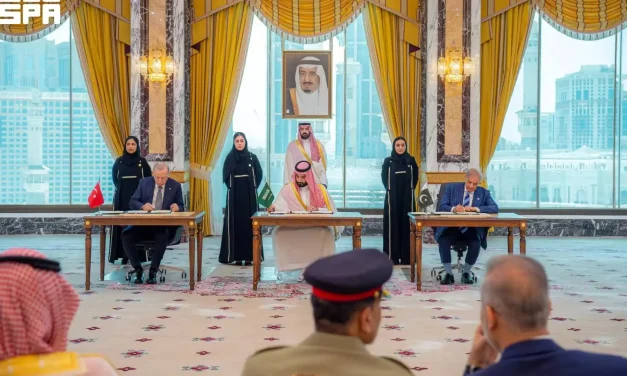
The Makkah Pact; Reasons for its Formation and Challenges Ahead

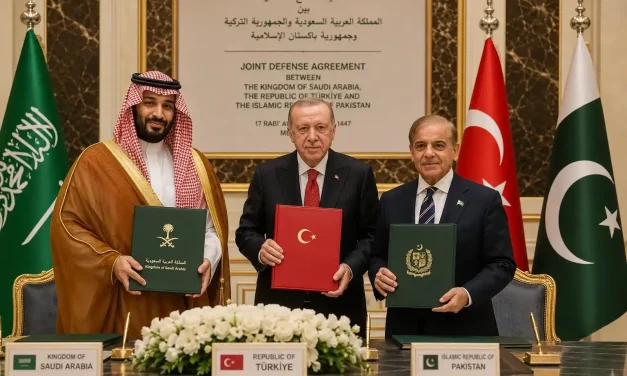
SCFR Online – Opinion: The Makkah Pact, signed between Saudi Arabia, Pakistan, and Turkey under the motto “an attack on one is an attack on all,” is viewed by some analysts less as a full-fledged military coalition and more as an attempt to reduce security dependence on an external power and to establish a regional security mechanism.

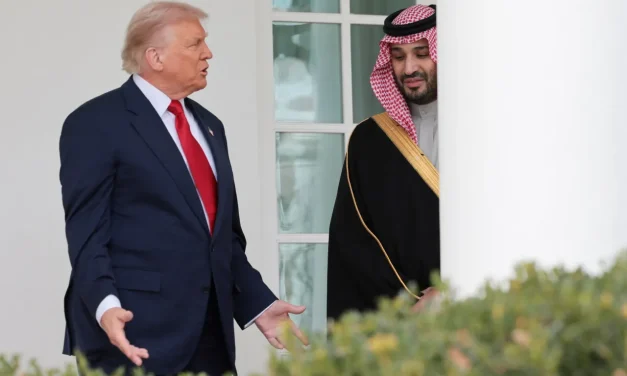
Implications of the US-Saudi Nuclear Agreement

SCFR Online – Opinion: The new US-Saudi nuclear agreement, despite legal and political ambiguities, could alter previous non-proliferation standards in West Asia and intensify nuclear competition, ushering it into a new phase.

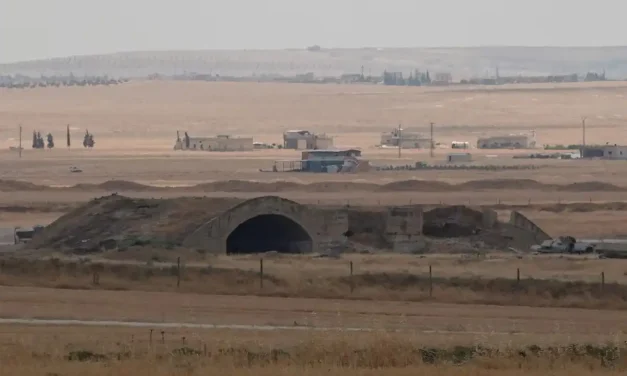
An Analysis of Recent Turkey-Israeli Regime Tensions

SCFR Online – Opinion: Recent developments in Syria indicate an intensification of strategic rivalry between Turkey and the Israeli regime, but mutual considerations and the role of the United States have limited the likelihood of direct war.

Increasing criticism of the extensive Zionist lobby network

SCFR Online – Opinion: An examination of the mechanisms of the Israeli regime’s influence in the United States depicts a complex picture of shared interests, strategic dependencies, and the limitations of this relationship.

Realities of the Tripartite Makkah Pact

SCFR Online – Interview: The signing of the Makkah agreement between Saudi Arabia, Pakistan, and Turkey has raised questions about the future of the region’s security structure and the position of these countries in West Asian equations. Can this agreement become a genuine collective defense mechanism, or does it have more of a political and deterrent function than creating new military capacity?

Strategic Implications of the Reduction of US Weapons Stockpiles

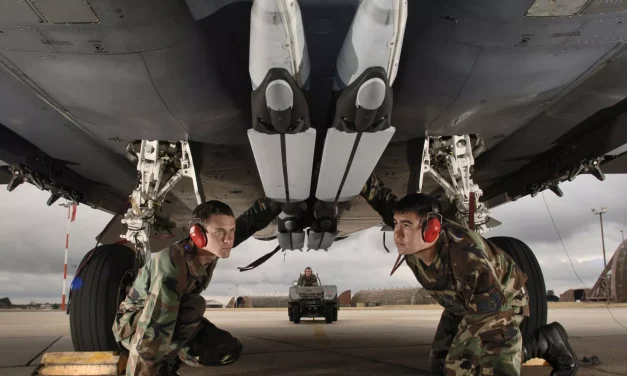
SCFR Online – Opinion: The continuation of the US war against Iran, in addition to increasing operational costs, has called into question the actual capacity of the American arsenal to simultaneously fulfill security commitments on multiple fronts; an issue that affects deterrence, defense production capacity, and Washington’s resource prioritization.

Loading

Top News

With the End of New START, How Will the Future of Nuclear Security Be Shaped?

With the End of New START, How Will the Future of Nuclear Security Be Shaped?

Strategic Council Online – Opinion: With the collapse of the last pillar of nuclear arms control between Washington and Moscow, the world stands on the threshold of a ruleless order that both carries the scent of unlimited competition and conceals within itself the possibility of new forms of bargaining.

The Strategic Consequences of U.S.-China Competition in the Field of Artificial Intelligence

The Strategic Consequences of U.S.-China Competition in the Field of Artificial Intelligence

Strategic Council Online – Opinion: The continuation of competition between the United States and China in the cyber and artificial intelligence domains without common frameworks, transparency, and normative constraints will not result in the victory of one over the other, but will instead lead to the erosion of global trust in the technology domain. A world where every platform is suspect, every algorithm is a potential weapon, and every piece of data can be considered a threat.

The Security Equation of Southern Lebanon for the Zionist Regime

The Security Equation of Southern Lebanon for the Zionist Regime

Strategic Council Online – Opinion: American-Zionist objectives in the region are not limited to weakening Hezbollah. Efforts to disarm Iraqi resistance groups such as Kata’ib Hezbollah and the Popular Mobilization Forces are also part of their subsequent plans.

أحدث الوظائف

The Makkah Pact; Reasons for its Formation and Challenges Ahead

SCFR Online – Opinion: The Makkah Pact, signed between Saudi Arabia, Pakistan, and Turkey under the motto “an attack on one is an attack on all,” is viewed by some analysts less as a full-fledged military coalition and more as an attempt to reduce security dependence on an external power and to establish a regional security mechanism.

Implications of the US-Saudi Nuclear Agreement

SCFR Online – Opinion: The new US-Saudi nuclear agreement, despite legal and political ambiguities, could alter previous non-proliferation standards in West Asia and intensify nuclear competition, ushering it into a new phase.

An Analysis of Recent Turkey-Israeli Regime Tensions

SCFR Online – Opinion: Recent developments in Syria indicate an intensification of strategic rivalry between Turkey and the Israeli regime, but mutual considerations and the role of the United States have limited the likelihood of direct war.

Increasing criticism of the extensive Zionist lobby network

SCFR Online – Opinion: An examination of the mechanisms of the Israeli regime’s influence in the United States depicts a complex picture of shared interests, strategic dependencies, and the limitations of this relationship.

Realities of the Tripartite Makkah Pact

SCFR Online – Interview: The signing of the Makkah agreement between Saudi Arabia, Pakistan, and Turkey has raised questions about the future of the region’s security structure and the position of these countries in West Asian equations. Can this agreement become a genuine collective defense mechanism, or does it have more of a political and deterrent function than creating new military capacity?

Strategic Implications of the Reduction of US Weapons Stockpiles

SCFR Online – Opinion: The continuation of the US war against Iran, in addition to increasing operational costs, has called into question the actual capacity of the American arsenal to simultaneously fulfill security commitments on multiple fronts; an issue that affects deterrence, defense production capacity, and Washington’s resource prioritization.

Loading

Top News

With the End of New START, How Will the Future of Nuclear Security Be Shaped?

With the End of New START, How Will the Future of Nuclear Security Be Shaped?

Strategic Council Online – Opinion: With the collapse of the last pillar of nuclear arms control between Washington and Moscow, the world stands on the threshold of a ruleless order that both carries the scent of unlimited competition and conceals within itself the possibility of new forms of bargaining.

The Strategic Consequences of U.S.-China Competition in the Field of Artificial Intelligence

The Strategic Consequences of U.S.-China Competition in the Field of Artificial Intelligence

Strategic Council Online – Opinion: The continuation of competition between the United States and China in the cyber and artificial intelligence domains without common frameworks, transparency, and normative constraints will not result in the victory of one over the other, but will instead lead to the erosion of global trust in the technology domain. A world where every platform is suspect, every algorithm is a potential weapon, and every piece of data can be considered a threat.

The Security Equation of Southern Lebanon for the Zionist Regime

The Security Equation of Southern Lebanon for the Zionist Regime

Strategic Council Online – Opinion: American-Zionist objectives in the region are not limited to weakening Hezbollah. Efforts to disarm Iraqi resistance groups such as Kata’ib Hezbollah and the Popular Mobilization Forces are also part of their subsequent plans.

Top News

With the End of New START, How Will the Future of Nuclear Security Be Shaped?

With the End of New START, How Will the Future of Nuclear Security Be Shaped?

Strategic Council Online – Opinion: With the collapse of the last pillar of nuclear arms control between Washington and Moscow, the world stands on the threshold of a ruleless order that both carries the scent of unlimited competition and conceals within itself the possibility of new forms of bargaining.

The Strategic Consequences of U.S.-China Competition in the Field of Artificial Intelligence

The Strategic Consequences of U.S.-China Competition in the Field of Artificial Intelligence

Strategic Council Online – Opinion: The continuation of competition between the United States and China in the cyber and artificial intelligence domains without common frameworks, transparency, and normative constraints will not result in the victory of one over the other, but will instead lead to the erosion of global trust in the technology domain. A world where every platform is suspect, every algorithm is a potential weapon, and every piece of data can be considered a threat.

The Security Equation of Southern Lebanon for the Zionist Regime

The Security Equation of Southern Lebanon for the Zionist Regime

Strategic Council Online – Opinion: American-Zionist objectives in the region are not limited to weakening Hezbollah. Efforts to disarm Iraqi resistance groups such as Kata’ib Hezbollah and the Popular Mobilization Forces are also part of their subsequent plans.

LATEST CONTENT

The Makkah Pact; Reasons for its Formation and Challenges Ahead

SCFR Online – Opinion: The Makkah Pact, signed between Saudi Arabia, Pakistan, and Turkey under the motto “an attack on one is an attack on all,” is viewed by some analysts less as a full-fledged military coalition and more as an attempt to reduce security dependence on an external power and to establish a regional security mechanism.

Implications of the US-Saudi Nuclear Agreement

SCFR Online – Opinion: The new US-Saudi nuclear agreement, despite legal and political ambiguities, could alter previous non-proliferation standards in West Asia and intensify nuclear competition, ushering it into a new phase.

An Analysis of Recent Turkey-Israeli Regime Tensions

SCFR Online – Opinion: Recent developments in Syria indicate an intensification of strategic rivalry between Turkey and the Israeli regime, but mutual considerations and the role of the United States have limited the likelihood of direct war.

Increasing criticism of the extensive Zionist lobby network

SCFR Online – Opinion: An examination of the mechanisms of the Israeli regime’s influence in the United States depicts a complex picture of shared interests, strategic dependencies, and the limitations of this relationship.

Realities of the Tripartite Makkah Pact

SCFR Online – Interview: The signing of the Makkah agreement between Saudi Arabia, Pakistan, and Turkey has raised questions about the future of the region’s security structure and the position of these countries in West Asian equations. Can this agreement become a genuine collective defense mechanism, or does it have more of a political and deterrent function than creating new military capacity?

Strategic Implications of the Reduction of US Weapons Stockpiles

SCFR Online – Opinion: The continuation of the US war against Iran, in addition to increasing operational costs, has called into question the actual capacity of the American arsenal to simultaneously fulfill security commitments on multiple fronts; an issue that affects deterrence, defense production capacity, and Washington’s resource prioritization.

Loading

Top News

With the End of New START, How Will the Future of Nuclear Security Be Shaped?

With the End of New START, How Will the Future of Nuclear Security Be Shaped?

Strategic Council Online – Opinion: With the collapse of the last pillar of nuclear arms control between Washington and Moscow, the world stands on the threshold of a ruleless order that both carries the scent of unlimited competition and conceals within itself the possibility of new forms of bargaining.

The Strategic Consequences of U.S.-China Competition in the Field of Artificial Intelligence

The Strategic Consequences of U.S.-China Competition in the Field of Artificial Intelligence

Strategic Council Online – Opinion: The continuation of competition between the United States and China in the cyber and artificial intelligence domains without common frameworks, transparency, and normative constraints will not result in the victory of one over the other, but will instead lead to the erosion of global trust in the technology domain. A world where every platform is suspect, every algorithm is a potential weapon, and every piece of data can be considered a threat.

The Security Equation of Southern Lebanon for the Zionist Regime

The Security Equation of Southern Lebanon for the Zionist Regime

Strategic Council Online – Opinion: American-Zionist objectives in the region are not limited to weakening Hezbollah. Efforts to disarm Iraqi resistance groups such as Kata’ib Hezbollah and the Popular Mobilization Forces are also part of their subsequent plans.

ÚLTIMAS PUBLICACIONES

The Makkah Pact; Reasons for its Formation and Challenges Ahead

SCFR Online – Opinion: The Makkah Pact, signed between Saudi Arabia, Pakistan, and Turkey under the motto “an attack on one is an attack on all,” is viewed by some analysts less as a full-fledged military coalition and more as an attempt to reduce security dependence on an external power and to establish a regional security mechanism.

Implications of the US-Saudi Nuclear Agreement

SCFR Online – Opinion: The new US-Saudi nuclear agreement, despite legal and political ambiguities, could alter previous non-proliferation standards in West Asia and intensify nuclear competition, ushering it into a new phase.

An Analysis of Recent Turkey-Israeli Regime Tensions

SCFR Online – Opinion: Recent developments in Syria indicate an intensification of strategic rivalry between Turkey and the Israeli regime, but mutual considerations and the role of the United States have limited the likelihood of direct war.

Increasing criticism of the extensive Zionist lobby network

SCFR Online – Opinion: An examination of the mechanisms of the Israeli regime’s influence in the United States depicts a complex picture of shared interests, strategic dependencies, and the limitations of this relationship.

Realities of the Tripartite Makkah Pact

SCFR Online – Interview: The signing of the Makkah agreement between Saudi Arabia, Pakistan, and Turkey has raised questions about the future of the region’s security structure and the position of these countries in West Asian equations. Can this agreement become a genuine collective defense mechanism, or does it have more of a political and deterrent function than creating new military capacity?

Strategic Implications of the Reduction of US Weapons Stockpiles

SCFR Online – Opinion: The continuation of the US war against Iran, in addition to increasing operational costs, has called into question the actual capacity of the American arsenal to simultaneously fulfill security commitments on multiple fronts; an issue that affects deterrence, defense production capacity, and Washington’s resource prioritization.

Loading

Top News

With the End of New START, How Will the Future of Nuclear Security Be Shaped?

With the End of New START, How Will the Future of Nuclear Security Be Shaped?

Strategic Council Online – Opinion: With the collapse of the last pillar of nuclear arms control between Washington and Moscow, the world stands on the threshold of a ruleless order that both carries the scent of unlimited competition and conceals within itself the possibility of new forms of bargaining.

The Strategic Consequences of U.S.-China Competition in the Field of Artificial Intelligence

The Strategic Consequences of U.S.-China Competition in the Field of Artificial Intelligence

Strategic Council Online – Opinion: The continuation of competition between the United States and China in the cyber and artificial intelligence domains without common frameworks, transparency, and normative constraints will not result in the victory of one over the other, but will instead lead to the erosion of global trust in the technology domain. A world where every platform is suspect, every algorithm is a potential weapon, and every piece of data can be considered a threat.

The Security Equation of Southern Lebanon for the Zionist Regime

The Security Equation of Southern Lebanon for the Zionist Regime

Strategic Council Online – Opinion: American-Zionist objectives in the region are not limited to weakening Hezbollah. Efforts to disarm Iraqi resistance groups such as Kata’ib Hezbollah and the Popular Mobilization Forces are also part of their subsequent plans.

ÚLTIMAS PUBLICACIONES

The Makkah Pact; Reasons for its Formation and Challenges Ahead

SCFR Online – Opinion: The Makkah Pact, signed between Saudi Arabia, Pakistan, and Turkey under the motto “an attack on one is an attack on all,” is viewed by some analysts less as a full-fledged military coalition and more as an attempt to reduce security dependence on an external power and to establish a regional security mechanism.

Implications of the US-Saudi Nuclear Agreement

SCFR Online – Opinion: The new US-Saudi nuclear agreement, despite legal and political ambiguities, could alter previous non-proliferation standards in West Asia and intensify nuclear competition, ushering it into a new phase.

An Analysis of Recent Turkey-Israeli Regime Tensions

SCFR Online – Opinion: Recent developments in Syria indicate an intensification of strategic rivalry between Turkey and the Israeli regime, but mutual considerations and the role of the United States have limited the likelihood of direct war.

Increasing criticism of the extensive Zionist lobby network

SCFR Online – Opinion: An examination of the mechanisms of the Israeli regime’s influence in the United States depicts a complex picture of shared interests, strategic dependencies, and the limitations of this relationship.

Realities of the Tripartite Makkah Pact

SCFR Online – Interview: The signing of the Makkah agreement between Saudi Arabia, Pakistan, and Turkey has raised questions about the future of the region’s security structure and the position of these countries in West Asian equations. Can this agreement become a genuine collective defense mechanism, or does it have more of a political and deterrent function than creating new military capacity?

Strategic Implications of the Reduction of US Weapons Stockpiles

SCFR Online – Opinion: The continuation of the US war against Iran, in addition to increasing operational costs, has called into question the actual capacity of the American arsenal to simultaneously fulfill security commitments on multiple fronts; an issue that affects deterrence, defense production capacity, and Washington’s resource prioritization.

Loading

Top News

With the End of New START, How Will the Future of Nuclear Security Be Shaped?

With the End of New START, How Will the Future of Nuclear Security Be Shaped?

Strategic Council Online – Opinion: With the collapse of the last pillar of nuclear arms control between Washington and Moscow, the world stands on the threshold of a ruleless order that both carries the scent of unlimited competition and conceals within itself the possibility of new forms of bargaining.

The Strategic Consequences of U.S.-China Competition in the Field of Artificial Intelligence

The Strategic Consequences of U.S.-China Competition in the Field of Artificial Intelligence

Strategic Council Online – Opinion: The continuation of competition between the United States and China in the cyber and artificial intelligence domains without common frameworks, transparency, and normative constraints will not result in the victory of one over the other, but will instead lead to the erosion of global trust in the technology domain. A world where every platform is suspect, every algorithm is a potential weapon, and every piece of data can be considered a threat.

The Security Equation of Southern Lebanon for the Zionist Regime

The Security Equation of Southern Lebanon for the Zionist Regime

Strategic Council Online – Opinion: American-Zionist objectives in the region are not limited to weakening Hezbollah. Efforts to disarm Iraqi resistance groups such as Kata’ib Hezbollah and the Popular Mobilization Forces are also part of their subsequent plans.

ÚLTIMAS PUBLICACIONES

The Makkah Pact; Reasons for its Formation and Challenges Ahead

SCFR Online – Opinion: The Makkah Pact, signed between Saudi Arabia, Pakistan, and Turkey under the motto “an attack on one is an attack on all,” is viewed by some analysts less as a full-fledged military coalition and more as an attempt to reduce security dependence on an external power and to establish a regional security mechanism.

Implications of the US-Saudi Nuclear Agreement

SCFR Online – Opinion: The new US-Saudi nuclear agreement, despite legal and political ambiguities, could alter previous non-proliferation standards in West Asia and intensify nuclear competition, ushering it into a new phase.

An Analysis of Recent Turkey-Israeli Regime Tensions

SCFR Online – Opinion: Recent developments in Syria indicate an intensification of strategic rivalry between Turkey and the Israeli regime, but mutual considerations and the role of the United States have limited the likelihood of direct war.

Increasing criticism of the extensive Zionist lobby network

SCFR Online – Opinion: An examination of the mechanisms of the Israeli regime’s influence in the United States depicts a complex picture of shared interests, strategic dependencies, and the limitations of this relationship.

Realities of the Tripartite Makkah Pact

SCFR Online – Interview: The signing of the Makkah agreement between Saudi Arabia, Pakistan, and Turkey has raised questions about the future of the region’s security structure and the position of these countries in West Asian equations. Can this agreement become a genuine collective defense mechanism, or does it have more of a political and deterrent function than creating new military capacity?

Strategic Implications of the Reduction of US Weapons Stockpiles

SCFR Online – Opinion: The continuation of the US war against Iran, in addition to increasing operational costs, has called into question the actual capacity of the American arsenal to simultaneously fulfill security commitments on multiple fronts; an issue that affects deterrence, defense production capacity, and Washington’s resource prioritization.

Loading

Top News

With the End of New START, How Will the Future of Nuclear Security Be Shaped?

With the End of New START, How Will the Future of Nuclear Security Be Shaped?

Strategic Council Online – Opinion: With the collapse of the last pillar of nuclear arms control between Washington and Moscow, the world stands on the threshold of a ruleless order that both carries the scent of unlimited competition and conceals within itself the possibility of new forms of bargaining.

The Strategic Consequences of U.S.-China Competition in the Field of Artificial Intelligence

The Strategic Consequences of U.S.-China Competition in the Field of Artificial Intelligence

Strategic Council Online – Opinion: The continuation of competition between the United States and China in the cyber and artificial intelligence domains without common frameworks, transparency, and normative constraints will not result in the victory of one over the other, but will instead lead to the erosion of global trust in the technology domain. A world where every platform is suspect, every algorithm is a potential weapon, and every piece of data can be considered a threat.

The Security Equation of Southern Lebanon for the Zionist Regime

The Security Equation of Southern Lebanon for the Zionist Regime

Strategic Council Online – Opinion: American-Zionist objectives in the region are not limited to weakening Hezbollah. Efforts to disarm Iraqi resistance groups such as Kata’ib Hezbollah and the Popular Mobilization Forces are also part of their subsequent plans.

ÚLTIMAS PUBLICACIONES

The Makkah Pact; Reasons for its Formation and Challenges Ahead

SCFR Online – Opinion: The Makkah Pact, signed between Saudi Arabia, Pakistan, and Turkey under the motto “an attack on one is an attack on all,” is viewed by some analysts less as a full-fledged military coalition and more as an attempt to reduce security dependence on an external power and to establish a regional security mechanism.

Implications of the US-Saudi Nuclear Agreement

SCFR Online – Opinion: The new US-Saudi nuclear agreement, despite legal and political ambiguities, could alter previous non-proliferation standards in West Asia and intensify nuclear competition, ushering it into a new phase.

An Analysis of Recent Turkey-Israeli Regime Tensions

SCFR Online – Opinion: Recent developments in Syria indicate an intensification of strategic rivalry between Turkey and the Israeli regime, but mutual considerations and the role of the United States have limited the likelihood of direct war.

Increasing criticism of the extensive Zionist lobby network

SCFR Online – Opinion: An examination of the mechanisms of the Israeli regime’s influence in the United States depicts a complex picture of shared interests, strategic dependencies, and the limitations of this relationship.

Realities of the Tripartite Makkah Pact

SCFR Online – Interview: The signing of the Makkah agreement between Saudi Arabia, Pakistan, and Turkey has raised questions about the future of the region’s security structure and the position of these countries in West Asian equations. Can this agreement become a genuine collective defense mechanism, or does it have more of a political and deterrent function than creating new military capacity?

Strategic Implications of the Reduction of US Weapons Stockpiles

SCFR Online – Opinion: The continuation of the US war against Iran, in addition to increasing operational costs, has called into question the actual capacity of the American arsenal to simultaneously fulfill security commitments on multiple fronts; an issue that affects deterrence, defense production capacity, and Washington’s resource prioritization.

Loading