جدیدترین مطالب

Implications of the US-Saudi Nuclear Agreement

SCFR Online – Opinion: The new US-Saudi nuclear agreement, despite legal and political ambiguities, could alter previous non-proliferation standards in West Asia and intensify nuclear competition, ushering it into a new phase.
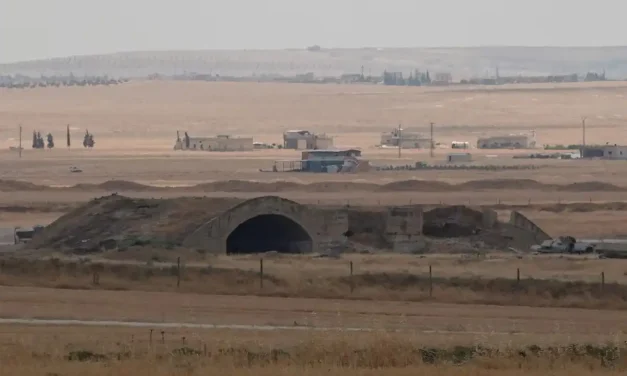
An Analysis of Recent Turkey-Israeli Regime Tensions

SCFR Online – Opinion: Recent developments in Syria indicate an intensification of strategic rivalry between Turkey and the Israeli regime, but mutual considerations and the role of the United States have limited the likelihood of direct war.

Increasing criticism of the extensive Zionist lobby network

SCFR Online – Opinion: An examination of the mechanisms of the Israeli regime’s influence in the United States depicts a complex picture of shared interests, strategic dependencies, and the limitations of this relationship.

Realities of the Tripartite Makkah Pact

SCFR Online – Interview: The signing of the Makkah agreement between Saudi Arabia, Pakistan, and Turkey has raised questions about the future of the region’s security structure and the position of these countries in West Asian equations. Can this agreement become a genuine collective defense mechanism, or does it have more of a political and deterrent function than creating new military capacity?

Strategic Implications of the Reduction of US Weapons Stockpiles

SCFR Online – Opinion: The continuation of the US war against Iran, in addition to increasing operational costs, has called into question the actual capacity of the American arsenal to simultaneously fulfill security commitments on multiple fronts; an issue that affects deterrence, defense production capacity, and Washington’s resource prioritization.

The Formation of a New Order in Relations Between Powers

SCFR Online – Opinion: The Russia-Ukraine war and the war of the United States and the Israeli regime against Iran have been formed with different objectives and actors, but field and political developments indicate that they are not entirely separate from one another.

An Analysis of the Makkah Defense Pact

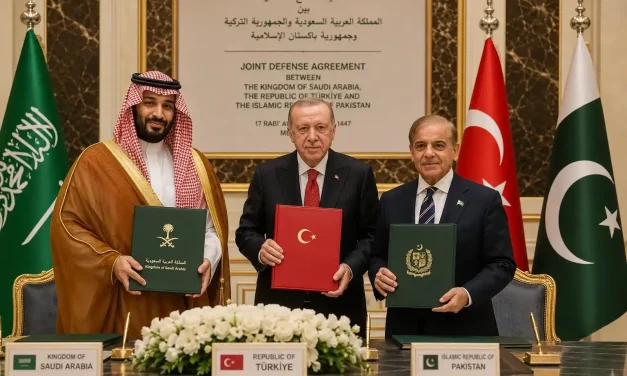
SCFR Online – Opinion: On Friday, August 7, the heads of state of three countries – Saudi Arabia, Turkey, and Pakistan – signed a text under the title “Makkah Joint Defense Agreement.”

Loading

Top News

The Outlook for Global Oil Demand in the Coming Decades

The Outlook for Global Oil Demand in the Coming Decades

Strategic Council Online – Interview: Amid a report by the International Energy Agency that the global oil market will face a significant surplus at the end of this decade, Iran’s former representative in OPEC said: The IEA report does not apply to all countries and regions, but only some countries, especially the Europeans.

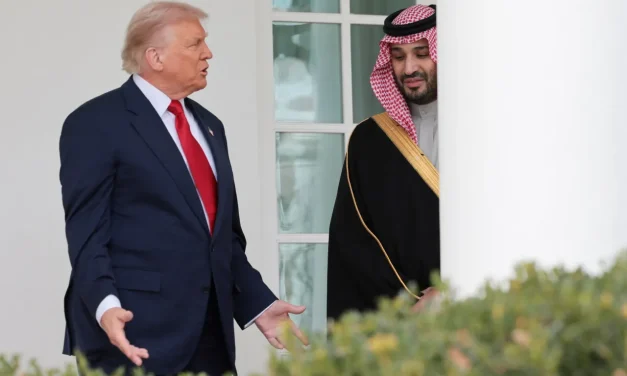
Costs & Strategic Threats of Signing the American Security Defense Treaty for Saudi Arabia

Costs & Strategic Threats of Signing the American Security Defense Treaty for Saudi Arabia

Strategic Council Online – Opinion: The reconciliation process between certain Arab governments and the Zionist regime is one of the important regional “initiatives” of the US Administration, which officially and seriously began in 2015 to transform the atmosphere of tension and conflict into cooperation and alignment with the Zionist regime.

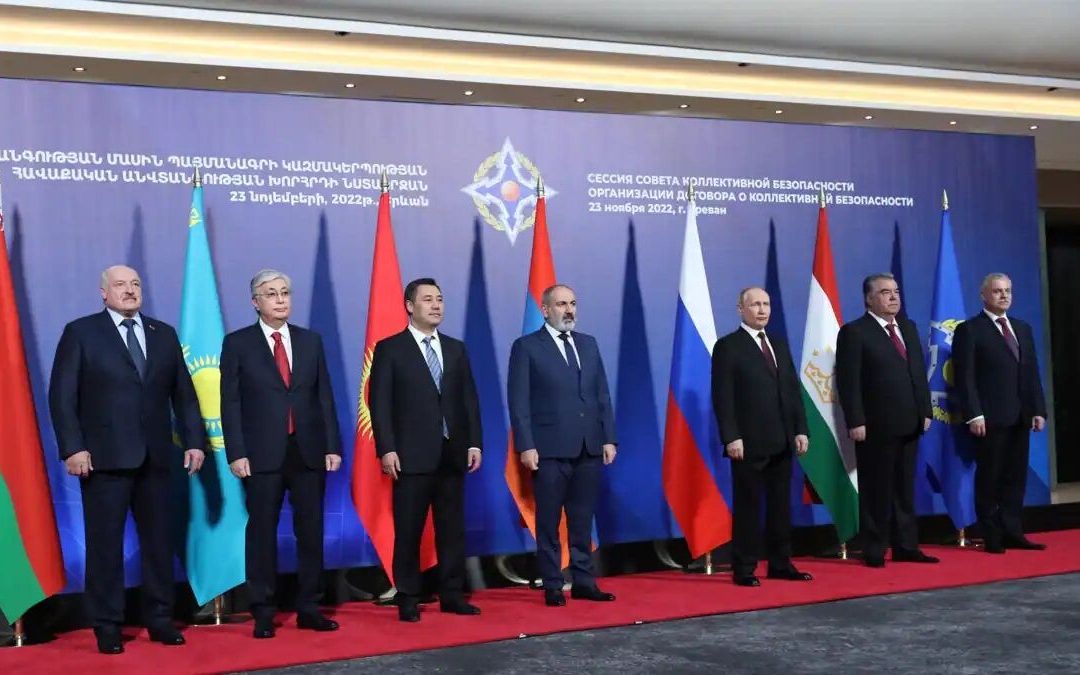
An Analysis on Possible Withdrawal of Armenia from the CSTO

An Analysis on Possible Withdrawal of Armenia from the CSTO

Strategic Council Online – Opinion: Last week, Armenian Prime Minister Nikol Pashinyan announced in a statement in the parliament his country’s intention to withdraw from the collective security pact consisting of several former Soviet states led by Russia. However, the exact time of this action has not yet been determined.

Hamas Approach to US Ceasefire Plan

Hamas Approach to US Ceasefire Plan

Strategic Council Online – Interview: An expert on Palestinian issues said: What is being discussed about the ceasefire plans is not necessarily the issue of stopping the war in Gaza and the exchange of prisoners, but the important issue of formulating the post-war status for each of the two sides.

An Analysis on the Adoption the IAEA Board of Governors’ Resolution Against Iran

An Analysis on the Adoption the IAEA Board of Governors’ Resolution Against Iran

Strategic Council Online – Interview: An international lawyer and senior expert on international affairs said: The abstention and negative votes to the resolution of the Board of Governors regarding Iran should not overshadow the importance of the resolution’s content. In the past, there had been resolutions that were adopted with a similar voting ratio but that, nevertheless, ultimately left a negative impact on the nuclear dossier by shifting the course towards an unfavorable direction.

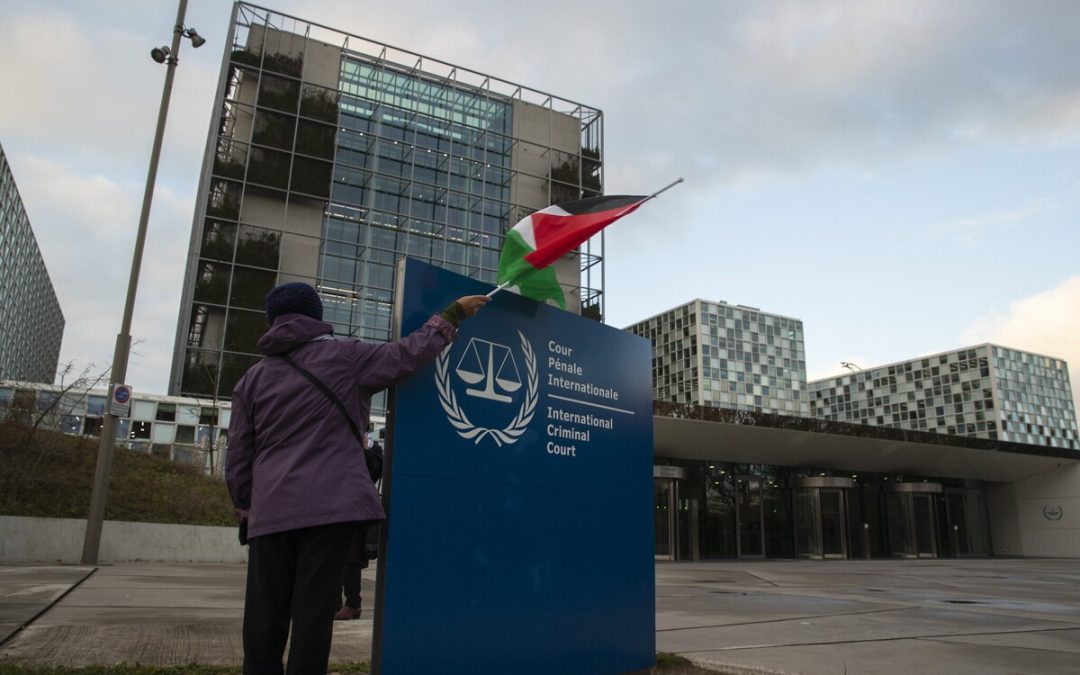
An Analysis of US House Vote to Sanction International Criminal Court

An Analysis of US House Vote to Sanction International Criminal Court

Strategic Council Online—Interview: A researcher of West Asian issues said: The US House of Representatives voted by a comfortable majority on June 4 to impose sanctions on the International Criminal Court (ICC) following its prosecutor’s decision to seek arrest warrants for Prime Minister Benjamin Netanyahu and Defense Minister Yoav Gallant. The move by the House was taken in full support of the Zionist regime.

Russia’s Strategy in Response to Western Sanctions

Russia’s Strategy in Response to Western Sanctions

Strategic Council Online – Opinion: Following the escalation of tensions between Russia and Western countries due to the war in Ukraine, Moscow is looking for solutions to deal with the extensive sanctions of the United States and its allies.
Hossein Sayyahi, researcher of international politics

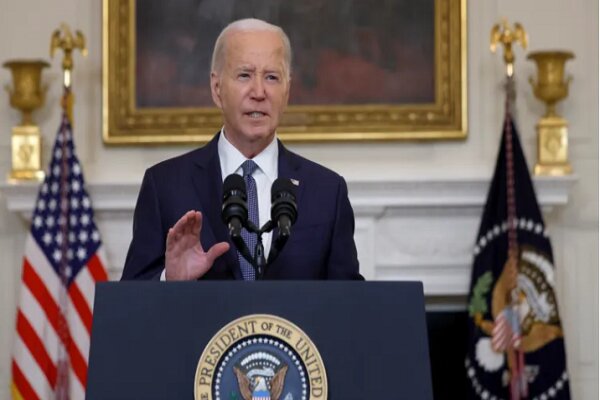
Ambiguities and Prospects of the New US Plan to End the Gaza War

Ambiguities and Prospects of the New US Plan to End the Gaza War

Strategic Council Online: – Opinion: US President Joe Biden recently presented a four-and-a-half-page plan to establish a ceasefire and end the Gaza war. After his speech at the White House, the American President announced that the Zionist regime proposed this plan.
Hamid Khoshayand, an expert on regional issues

An Analysis of the Proposed Peace Plans for Ceasefire in Gaza

An Analysis of the Proposed Peace Plans for Ceasefire in Gaza

Strategic Council Online – Interview: An expert on international issues said: The plans proposed by some Arab governments and the United States for a ceasefire in Gaza and the end of the war are not operational, and rather than looking at solving the crisis in Gaza and Rafah, these countries are after their own national interests.

أحدث الوظائف

Implications of the US-Saudi Nuclear Agreement

SCFR Online – Opinion: The new US-Saudi nuclear agreement, despite legal and political ambiguities, could alter previous non-proliferation standards in West Asia and intensify nuclear competition, ushering it into a new phase.

An Analysis of Recent Turkey-Israeli Regime Tensions

SCFR Online – Opinion: Recent developments in Syria indicate an intensification of strategic rivalry between Turkey and the Israeli regime, but mutual considerations and the role of the United States have limited the likelihood of direct war.

Increasing criticism of the extensive Zionist lobby network

SCFR Online – Opinion: An examination of the mechanisms of the Israeli regime’s influence in the United States depicts a complex picture of shared interests, strategic dependencies, and the limitations of this relationship.

Realities of the Tripartite Makkah Pact

SCFR Online – Interview: The signing of the Makkah agreement between Saudi Arabia, Pakistan, and Turkey has raised questions about the future of the region’s security structure and the position of these countries in West Asian equations. Can this agreement become a genuine collective defense mechanism, or does it have more of a political and deterrent function than creating new military capacity?

Strategic Implications of the Reduction of US Weapons Stockpiles

SCFR Online – Opinion: The continuation of the US war against Iran, in addition to increasing operational costs, has called into question the actual capacity of the American arsenal to simultaneously fulfill security commitments on multiple fronts; an issue that affects deterrence, defense production capacity, and Washington’s resource prioritization.

The Formation of a New Order in Relations Between Powers

SCFR Online – Opinion: The Russia-Ukraine war and the war of the United States and the Israeli regime against Iran have been formed with different objectives and actors, but field and political developments indicate that they are not entirely separate from one another.

An Analysis of the Makkah Defense Pact

SCFR Online – Opinion: On Friday, August 7, the heads of state of three countries – Saudi Arabia, Turkey, and Pakistan – signed a text under the title “Makkah Joint Defense Agreement.”

Loading

Top News

The Outlook for Global Oil Demand in the Coming Decades

The Outlook for Global Oil Demand in the Coming Decades

Strategic Council Online – Interview: Amid a report by the International Energy Agency that the global oil market will face a significant surplus at the end of this decade, Iran’s former representative in OPEC said: The IEA report does not apply to all countries and regions, but only some countries, especially the Europeans.

Costs & Strategic Threats of Signing the American Security Defense Treaty for Saudi Arabia

Costs & Strategic Threats of Signing the American Security Defense Treaty for Saudi Arabia

Strategic Council Online – Opinion: The reconciliation process between certain Arab governments and the Zionist regime is one of the important regional “initiatives” of the US Administration, which officially and seriously began in 2015 to transform the atmosphere of tension and conflict into cooperation and alignment with the Zionist regime.

An Analysis on Possible Withdrawal of Armenia from the CSTO

An Analysis on Possible Withdrawal of Armenia from the CSTO

Strategic Council Online – Opinion: Last week, Armenian Prime Minister Nikol Pashinyan announced in a statement in the parliament his country’s intention to withdraw from the collective security pact consisting of several former Soviet states led by Russia. However, the exact time of this action has not yet been determined.

Hamas Approach to US Ceasefire Plan

Hamas Approach to US Ceasefire Plan

Strategic Council Online – Interview: An expert on Palestinian issues said: What is being discussed about the ceasefire plans is not necessarily the issue of stopping the war in Gaza and the exchange of prisoners, but the important issue of formulating the post-war status for each of the two sides.

An Analysis on the Adoption the IAEA Board of Governors’ Resolution Against Iran

An Analysis on the Adoption the IAEA Board of Governors’ Resolution Against Iran

Strategic Council Online – Interview: An international lawyer and senior expert on international affairs said: The abstention and negative votes to the resolution of the Board of Governors regarding Iran should not overshadow the importance of the resolution’s content. In the past, there had been resolutions that were adopted with a similar voting ratio but that, nevertheless, ultimately left a negative impact on the nuclear dossier by shifting the course towards an unfavorable direction.

An Analysis of US House Vote to Sanction International Criminal Court

An Analysis of US House Vote to Sanction International Criminal Court

Strategic Council Online—Interview: A researcher of West Asian issues said: The US House of Representatives voted by a comfortable majority on June 4 to impose sanctions on the International Criminal Court (ICC) following its prosecutor’s decision to seek arrest warrants for Prime Minister Benjamin Netanyahu and Defense Minister Yoav Gallant. The move by the House was taken in full support of the Zionist regime.

Russia’s Strategy in Response to Western Sanctions

Russia’s Strategy in Response to Western Sanctions

Strategic Council Online – Opinion: Following the escalation of tensions between Russia and Western countries due to the war in Ukraine, Moscow is looking for solutions to deal with the extensive sanctions of the United States and its allies.
Hossein Sayyahi, researcher of international politics

Ambiguities and Prospects of the New US Plan to End the Gaza War

Ambiguities and Prospects of the New US Plan to End the Gaza War

Strategic Council Online: – Opinion: US President Joe Biden recently presented a four-and-a-half-page plan to establish a ceasefire and end the Gaza war. After his speech at the White House, the American President announced that the Zionist regime proposed this plan.
Hamid Khoshayand, an expert on regional issues

An Analysis of the Proposed Peace Plans for Ceasefire in Gaza

An Analysis of the Proposed Peace Plans for Ceasefire in Gaza

Strategic Council Online – Interview: An expert on international issues said: The plans proposed by some Arab governments and the United States for a ceasefire in Gaza and the end of the war are not operational, and rather than looking at solving the crisis in Gaza and Rafah, these countries are after their own national interests.

Top News

The Outlook for Global Oil Demand in the Coming Decades

The Outlook for Global Oil Demand in the Coming Decades

Strategic Council Online – Interview: Amid a report by the International Energy Agency that the global oil market will face a significant surplus at the end of this decade, Iran’s former representative in OPEC said: The IEA report does not apply to all countries and regions, but only some countries, especially the Europeans.

Costs & Strategic Threats of Signing the American Security Defense Treaty for Saudi Arabia

Costs & Strategic Threats of Signing the American Security Defense Treaty for Saudi Arabia

Strategic Council Online – Opinion: The reconciliation process between certain Arab governments and the Zionist regime is one of the important regional “initiatives” of the US Administration, which officially and seriously began in 2015 to transform the atmosphere of tension and conflict into cooperation and alignment with the Zionist regime.

An Analysis on Possible Withdrawal of Armenia from the CSTO

An Analysis on Possible Withdrawal of Armenia from the CSTO

Strategic Council Online – Opinion: Last week, Armenian Prime Minister Nikol Pashinyan announced in a statement in the parliament his country’s intention to withdraw from the collective security pact consisting of several former Soviet states led by Russia. However, the exact time of this action has not yet been determined.

Hamas Approach to US Ceasefire Plan

Hamas Approach to US Ceasefire Plan

Strategic Council Online – Interview: An expert on Palestinian issues said: What is being discussed about the ceasefire plans is not necessarily the issue of stopping the war in Gaza and the exchange of prisoners, but the important issue of formulating the post-war status for each of the two sides.

An Analysis on the Adoption the IAEA Board of Governors’ Resolution Against Iran

An Analysis on the Adoption the IAEA Board of Governors’ Resolution Against Iran

Strategic Council Online – Interview: An international lawyer and senior expert on international affairs said: The abstention and negative votes to the resolution of the Board of Governors regarding Iran should not overshadow the importance of the resolution’s content. In the past, there had been resolutions that were adopted with a similar voting ratio but that, nevertheless, ultimately left a negative impact on the nuclear dossier by shifting the course towards an unfavorable direction.

An Analysis of US House Vote to Sanction International Criminal Court

An Analysis of US House Vote to Sanction International Criminal Court

Strategic Council Online—Interview: A researcher of West Asian issues said: The US House of Representatives voted by a comfortable majority on June 4 to impose sanctions on the International Criminal Court (ICC) following its prosecutor’s decision to seek arrest warrants for Prime Minister Benjamin Netanyahu and Defense Minister Yoav Gallant. The move by the House was taken in full support of the Zionist regime.

Russia’s Strategy in Response to Western Sanctions

Russia’s Strategy in Response to Western Sanctions

Strategic Council Online – Opinion: Following the escalation of tensions between Russia and Western countries due to the war in Ukraine, Moscow is looking for solutions to deal with the extensive sanctions of the United States and its allies.
Hossein Sayyahi, researcher of international politics

Ambiguities and Prospects of the New US Plan to End the Gaza War

Ambiguities and Prospects of the New US Plan to End the Gaza War

Strategic Council Online: – Opinion: US President Joe Biden recently presented a four-and-a-half-page plan to establish a ceasefire and end the Gaza war. After his speech at the White House, the American President announced that the Zionist regime proposed this plan.
Hamid Khoshayand, an expert on regional issues

An Analysis of the Proposed Peace Plans for Ceasefire in Gaza

An Analysis of the Proposed Peace Plans for Ceasefire in Gaza

Strategic Council Online – Interview: An expert on international issues said: The plans proposed by some Arab governments and the United States for a ceasefire in Gaza and the end of the war are not operational, and rather than looking at solving the crisis in Gaza and Rafah, these countries are after their own national interests.

LATEST CONTENT

Implications of the US-Saudi Nuclear Agreement

SCFR Online – Opinion: The new US-Saudi nuclear agreement, despite legal and political ambiguities, could alter previous non-proliferation standards in West Asia and intensify nuclear competition, ushering it into a new phase.
An Analysis of Recent Turkey-Israeli Regime Tensions

SCFR Online – Opinion: Recent developments in Syria indicate an intensification of strategic rivalry between Turkey and the Israeli regime, but mutual considerations and the role of the United States have limited the likelihood of direct war.

Increasing criticism of the extensive Zionist lobby network

SCFR Online – Opinion: An examination of the mechanisms of the Israeli regime’s influence in the United States depicts a complex picture of shared interests, strategic dependencies, and the limitations of this relationship.

Realities of the Tripartite Makkah Pact

SCFR Online – Interview: The signing of the Makkah agreement between Saudi Arabia, Pakistan, and Turkey has raised questions about the future of the region’s security structure and the position of these countries in West Asian equations. Can this agreement become a genuine collective defense mechanism, or does it have more of a political and deterrent function than creating new military capacity?

Strategic Implications of the Reduction of US Weapons Stockpiles

SCFR Online – Opinion: The continuation of the US war against Iran, in addition to increasing operational costs, has called into question the actual capacity of the American arsenal to simultaneously fulfill security commitments on multiple fronts; an issue that affects deterrence, defense production capacity, and Washington’s resource prioritization.

The Formation of a New Order in Relations Between Powers

SCFR Online – Opinion: The Russia-Ukraine war and the war of the United States and the Israeli regime against Iran have been formed with different objectives and actors, but field and political developments indicate that they are not entirely separate from one another.

An Analysis of the Makkah Defense Pact

SCFR Online – Opinion: On Friday, August 7, the heads of state of three countries – Saudi Arabia, Turkey, and Pakistan – signed a text under the title “Makkah Joint Defense Agreement.”

Loading

Top News

The Outlook for Global Oil Demand in the Coming Decades

The Outlook for Global Oil Demand in the Coming Decades

Strategic Council Online – Interview: Amid a report by the International Energy Agency that the global oil market will face a significant surplus at the end of this decade, Iran’s former representative in OPEC said: The IEA report does not apply to all countries and regions, but only some countries, especially the Europeans.

Costs & Strategic Threats of Signing the American Security Defense Treaty for Saudi Arabia

Costs & Strategic Threats of Signing the American Security Defense Treaty for Saudi Arabia

Strategic Council Online – Opinion: The reconciliation process between certain Arab governments and the Zionist regime is one of the important regional “initiatives” of the US Administration, which officially and seriously began in 2015 to transform the atmosphere of tension and conflict into cooperation and alignment with the Zionist regime.

An Analysis on Possible Withdrawal of Armenia from the CSTO

An Analysis on Possible Withdrawal of Armenia from the CSTO

Strategic Council Online – Opinion: Last week, Armenian Prime Minister Nikol Pashinyan announced in a statement in the parliament his country’s intention to withdraw from the collective security pact consisting of several former Soviet states led by Russia. However, the exact time of this action has not yet been determined.

Hamas Approach to US Ceasefire Plan

Hamas Approach to US Ceasefire Plan

Strategic Council Online – Interview: An expert on Palestinian issues said: What is being discussed about the ceasefire plans is not necessarily the issue of stopping the war in Gaza and the exchange of prisoners, but the important issue of formulating the post-war status for each of the two sides.

An Analysis on the Adoption the IAEA Board of Governors’ Resolution Against Iran

An Analysis on the Adoption the IAEA Board of Governors’ Resolution Against Iran

Strategic Council Online – Interview: An international lawyer and senior expert on international affairs said: The abstention and negative votes to the resolution of the Board of Governors regarding Iran should not overshadow the importance of the resolution’s content. In the past, there had been resolutions that were adopted with a similar voting ratio but that, nevertheless, ultimately left a negative impact on the nuclear dossier by shifting the course towards an unfavorable direction.

An Analysis of US House Vote to Sanction International Criminal Court

An Analysis of US House Vote to Sanction International Criminal Court

Strategic Council Online—Interview: A researcher of West Asian issues said: The US House of Representatives voted by a comfortable majority on June 4 to impose sanctions on the International Criminal Court (ICC) following its prosecutor’s decision to seek arrest warrants for Prime Minister Benjamin Netanyahu and Defense Minister Yoav Gallant. The move by the House was taken in full support of the Zionist regime.

Russia’s Strategy in Response to Western Sanctions

Russia’s Strategy in Response to Western Sanctions

Strategic Council Online – Opinion: Following the escalation of tensions between Russia and Western countries due to the war in Ukraine, Moscow is looking for solutions to deal with the extensive sanctions of the United States and its allies.
Hossein Sayyahi, researcher of international politics

Ambiguities and Prospects of the New US Plan to End the Gaza War

Ambiguities and Prospects of the New US Plan to End the Gaza War

Strategic Council Online: – Opinion: US President Joe Biden recently presented a four-and-a-half-page plan to establish a ceasefire and end the Gaza war. After his speech at the White House, the American President announced that the Zionist regime proposed this plan.
Hamid Khoshayand, an expert on regional issues

An Analysis of the Proposed Peace Plans for Ceasefire in Gaza

An Analysis of the Proposed Peace Plans for Ceasefire in Gaza

Strategic Council Online – Interview: An expert on international issues said: The plans proposed by some Arab governments and the United States for a ceasefire in Gaza and the end of the war are not operational, and rather than looking at solving the crisis in Gaza and Rafah, these countries are after their own national interests.

ÚLTIMAS PUBLICACIONES

Implications of the US-Saudi Nuclear Agreement

SCFR Online – Opinion: The new US-Saudi nuclear agreement, despite legal and political ambiguities, could alter previous non-proliferation standards in West Asia and intensify nuclear competition, ushering it into a new phase.
An Analysis of Recent Turkey-Israeli Regime Tensions

SCFR Online – Opinion: Recent developments in Syria indicate an intensification of strategic rivalry between Turkey and the Israeli regime, but mutual considerations and the role of the United States have limited the likelihood of direct war.

Increasing criticism of the extensive Zionist lobby network

SCFR Online – Opinion: An examination of the mechanisms of the Israeli regime’s influence in the United States depicts a complex picture of shared interests, strategic dependencies, and the limitations of this relationship.

Realities of the Tripartite Makkah Pact

SCFR Online – Interview: The signing of the Makkah agreement between Saudi Arabia, Pakistan, and Turkey has raised questions about the future of the region’s security structure and the position of these countries in West Asian equations. Can this agreement become a genuine collective defense mechanism, or does it have more of a political and deterrent function than creating new military capacity?

Strategic Implications of the Reduction of US Weapons Stockpiles

SCFR Online – Opinion: The continuation of the US war against Iran, in addition to increasing operational costs, has called into question the actual capacity of the American arsenal to simultaneously fulfill security commitments on multiple fronts; an issue that affects deterrence, defense production capacity, and Washington’s resource prioritization.

The Formation of a New Order in Relations Between Powers

SCFR Online – Opinion: The Russia-Ukraine war and the war of the United States and the Israeli regime against Iran have been formed with different objectives and actors, but field and political developments indicate that they are not entirely separate from one another.

An Analysis of the Makkah Defense Pact

SCFR Online – Opinion: On Friday, August 7, the heads of state of three countries – Saudi Arabia, Turkey, and Pakistan – signed a text under the title “Makkah Joint Defense Agreement.”

Loading

Top News

The Outlook for Global Oil Demand in the Coming Decades

The Outlook for Global Oil Demand in the Coming Decades

Strategic Council Online – Interview: Amid a report by the International Energy Agency that the global oil market will face a significant surplus at the end of this decade, Iran’s former representative in OPEC said: The IEA report does not apply to all countries and regions, but only some countries, especially the Europeans.

Costs & Strategic Threats of Signing the American Security Defense Treaty for Saudi Arabia

Costs & Strategic Threats of Signing the American Security Defense Treaty for Saudi Arabia

Strategic Council Online – Opinion: The reconciliation process between certain Arab governments and the Zionist regime is one of the important regional “initiatives” of the US Administration, which officially and seriously began in 2015 to transform the atmosphere of tension and conflict into cooperation and alignment with the Zionist regime.

An Analysis on Possible Withdrawal of Armenia from the CSTO

An Analysis on Possible Withdrawal of Armenia from the CSTO

Strategic Council Online – Opinion: Last week, Armenian Prime Minister Nikol Pashinyan announced in a statement in the parliament his country’s intention to withdraw from the collective security pact consisting of several former Soviet states led by Russia. However, the exact time of this action has not yet been determined.

Hamas Approach to US Ceasefire Plan

Hamas Approach to US Ceasefire Plan

Strategic Council Online – Interview: An expert on Palestinian issues said: What is being discussed about the ceasefire plans is not necessarily the issue of stopping the war in Gaza and the exchange of prisoners, but the important issue of formulating the post-war status for each of the two sides.

An Analysis on the Adoption the IAEA Board of Governors’ Resolution Against Iran

An Analysis on the Adoption the IAEA Board of Governors’ Resolution Against Iran

Strategic Council Online – Interview: An international lawyer and senior expert on international affairs said: The abstention and negative votes to the resolution of the Board of Governors regarding Iran should not overshadow the importance of the resolution’s content. In the past, there had been resolutions that were adopted with a similar voting ratio but that, nevertheless, ultimately left a negative impact on the nuclear dossier by shifting the course towards an unfavorable direction.

An Analysis of US House Vote to Sanction International Criminal Court

An Analysis of US House Vote to Sanction International Criminal Court

Strategic Council Online—Interview: A researcher of West Asian issues said: The US House of Representatives voted by a comfortable majority on June 4 to impose sanctions on the International Criminal Court (ICC) following its prosecutor’s decision to seek arrest warrants for Prime Minister Benjamin Netanyahu and Defense Minister Yoav Gallant. The move by the House was taken in full support of the Zionist regime.

Russia’s Strategy in Response to Western Sanctions

Russia’s Strategy in Response to Western Sanctions

Strategic Council Online – Opinion: Following the escalation of tensions between Russia and Western countries due to the war in Ukraine, Moscow is looking for solutions to deal with the extensive sanctions of the United States and its allies.
Hossein Sayyahi, researcher of international politics

Ambiguities and Prospects of the New US Plan to End the Gaza War

Ambiguities and Prospects of the New US Plan to End the Gaza War

Strategic Council Online: – Opinion: US President Joe Biden recently presented a four-and-a-half-page plan to establish a ceasefire and end the Gaza war. After his speech at the White House, the American President announced that the Zionist regime proposed this plan.
Hamid Khoshayand, an expert on regional issues

An Analysis of the Proposed Peace Plans for Ceasefire in Gaza

An Analysis of the Proposed Peace Plans for Ceasefire in Gaza

Strategic Council Online – Interview: An expert on international issues said: The plans proposed by some Arab governments and the United States for a ceasefire in Gaza and the end of the war are not operational, and rather than looking at solving the crisis in Gaza and Rafah, these countries are after their own national interests.

ÚLTIMAS PUBLICACIONES

Implications of the US-Saudi Nuclear Agreement

SCFR Online – Opinion: The new US-Saudi nuclear agreement, despite legal and political ambiguities, could alter previous non-proliferation standards in West Asia and intensify nuclear competition, ushering it into a new phase.
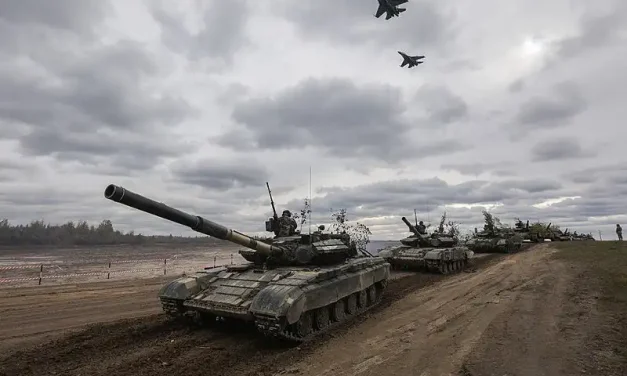
An Analysis of Recent Turkey-Israeli Regime Tensions

SCFR Online – Opinion: Recent developments in Syria indicate an intensification of strategic rivalry between Turkey and the Israeli regime, but mutual considerations and the role of the United States have limited the likelihood of direct war.

Increasing criticism of the extensive Zionist lobby network

SCFR Online – Opinion: An examination of the mechanisms of the Israeli regime’s influence in the United States depicts a complex picture of shared interests, strategic dependencies, and the limitations of this relationship.

Realities of the Tripartite Makkah Pact

SCFR Online – Interview: The signing of the Makkah agreement between Saudi Arabia, Pakistan, and Turkey has raised questions about the future of the region’s security structure and the position of these countries in West Asian equations. Can this agreement become a genuine collective defense mechanism, or does it have more of a political and deterrent function than creating new military capacity?

Strategic Implications of the Reduction of US Weapons Stockpiles

SCFR Online – Opinion: The continuation of the US war against Iran, in addition to increasing operational costs, has called into question the actual capacity of the American arsenal to simultaneously fulfill security commitments on multiple fronts; an issue that affects deterrence, defense production capacity, and Washington’s resource prioritization.

The Formation of a New Order in Relations Between Powers

SCFR Online – Opinion: The Russia-Ukraine war and the war of the United States and the Israeli regime against Iran have been formed with different objectives and actors, but field and political developments indicate that they are not entirely separate from one another.

An Analysis of the Makkah Defense Pact

SCFR Online – Opinion: On Friday, August 7, the heads of state of three countries – Saudi Arabia, Turkey, and Pakistan – signed a text under the title “Makkah Joint Defense Agreement.”

Loading

Top News

The Outlook for Global Oil Demand in the Coming Decades

The Outlook for Global Oil Demand in the Coming Decades

Strategic Council Online – Interview: Amid a report by the International Energy Agency that the global oil market will face a significant surplus at the end of this decade, Iran’s former representative in OPEC said: The IEA report does not apply to all countries and regions, but only some countries, especially the Europeans.

Costs & Strategic Threats of Signing the American Security Defense Treaty for Saudi Arabia

Costs & Strategic Threats of Signing the American Security Defense Treaty for Saudi Arabia

Strategic Council Online – Opinion: The reconciliation process between certain Arab governments and the Zionist regime is one of the important regional “initiatives” of the US Administration, which officially and seriously began in 2015 to transform the atmosphere of tension and conflict into cooperation and alignment with the Zionist regime.

An Analysis on Possible Withdrawal of Armenia from the CSTO

An Analysis on Possible Withdrawal of Armenia from the CSTO

Strategic Council Online – Opinion: Last week, Armenian Prime Minister Nikol Pashinyan announced in a statement in the parliament his country’s intention to withdraw from the collective security pact consisting of several former Soviet states led by Russia. However, the exact time of this action has not yet been determined.

Hamas Approach to US Ceasefire Plan

Hamas Approach to US Ceasefire Plan

Strategic Council Online – Interview: An expert on Palestinian issues said: What is being discussed about the ceasefire plans is not necessarily the issue of stopping the war in Gaza and the exchange of prisoners, but the important issue of formulating the post-war status for each of the two sides.

An Analysis on the Adoption the IAEA Board of Governors’ Resolution Against Iran

An Analysis on the Adoption the IAEA Board of Governors’ Resolution Against Iran

Strategic Council Online – Interview: An international lawyer and senior expert on international affairs said: The abstention and negative votes to the resolution of the Board of Governors regarding Iran should not overshadow the importance of the resolution’s content. In the past, there had been resolutions that were adopted with a similar voting ratio but that, nevertheless, ultimately left a negative impact on the nuclear dossier by shifting the course towards an unfavorable direction.

An Analysis of US House Vote to Sanction International Criminal Court

An Analysis of US House Vote to Sanction International Criminal Court

Strategic Council Online—Interview: A researcher of West Asian issues said: The US House of Representatives voted by a comfortable majority on June 4 to impose sanctions on the International Criminal Court (ICC) following its prosecutor’s decision to seek arrest warrants for Prime Minister Benjamin Netanyahu and Defense Minister Yoav Gallant. The move by the House was taken in full support of the Zionist regime.

Russia’s Strategy in Response to Western Sanctions

Russia’s Strategy in Response to Western Sanctions

Strategic Council Online – Opinion: Following the escalation of tensions between Russia and Western countries due to the war in Ukraine, Moscow is looking for solutions to deal with the extensive sanctions of the United States and its allies.
Hossein Sayyahi, researcher of international politics

Ambiguities and Prospects of the New US Plan to End the Gaza War

Ambiguities and Prospects of the New US Plan to End the Gaza War

Strategic Council Online: – Opinion: US President Joe Biden recently presented a four-and-a-half-page plan to establish a ceasefire and end the Gaza war. After his speech at the White House, the American President announced that the Zionist regime proposed this plan.
Hamid Khoshayand, an expert on regional issues

An Analysis of the Proposed Peace Plans for Ceasefire in Gaza

An Analysis of the Proposed Peace Plans for Ceasefire in Gaza

Strategic Council Online – Interview: An expert on international issues said: The plans proposed by some Arab governments and the United States for a ceasefire in Gaza and the end of the war are not operational, and rather than looking at solving the crisis in Gaza and Rafah, these countries are after their own national interests.

ÚLTIMAS PUBLICACIONES

Implications of the US-Saudi Nuclear Agreement

SCFR Online – Opinion: The new US-Saudi nuclear agreement, despite legal and political ambiguities, could alter previous non-proliferation standards in West Asia and intensify nuclear competition, ushering it into a new phase.

An Analysis of Recent Turkey-Israeli Regime Tensions

SCFR Online – Opinion: Recent developments in Syria indicate an intensification of strategic rivalry between Turkey and the Israeli regime, but mutual considerations and the role of the United States have limited the likelihood of direct war.

Increasing criticism of the extensive Zionist lobby network

SCFR Online – Opinion: An examination of the mechanisms of the Israeli regime’s influence in the United States depicts a complex picture of shared interests, strategic dependencies, and the limitations of this relationship.

Realities of the Tripartite Makkah Pact

SCFR Online – Interview: The signing of the Makkah agreement between Saudi Arabia, Pakistan, and Turkey has raised questions about the future of the region’s security structure and the position of these countries in West Asian equations. Can this agreement become a genuine collective defense mechanism, or does it have more of a political and deterrent function than creating new military capacity?

Strategic Implications of the Reduction of US Weapons Stockpiles

SCFR Online – Opinion: The continuation of the US war against Iran, in addition to increasing operational costs, has called into question the actual capacity of the American arsenal to simultaneously fulfill security commitments on multiple fronts; an issue that affects deterrence, defense production capacity, and Washington’s resource prioritization.

The Formation of a New Order in Relations Between Powers

SCFR Online – Opinion: The Russia-Ukraine war and the war of the United States and the Israeli regime against Iran have been formed with different objectives and actors, but field and political developments indicate that they are not entirely separate from one another.

An Analysis of the Makkah Defense Pact

SCFR Online – Opinion: On Friday, August 7, the heads of state of three countries – Saudi Arabia, Turkey, and Pakistan – signed a text under the title “Makkah Joint Defense Agreement.”

Loading

Top News

The Outlook for Global Oil Demand in the Coming Decades

The Outlook for Global Oil Demand in the Coming Decades

Strategic Council Online – Interview: Amid a report by the International Energy Agency that the global oil market will face a significant surplus at the end of this decade, Iran’s former representative in OPEC said: The IEA report does not apply to all countries and regions, but only some countries, especially the Europeans.

Costs & Strategic Threats of Signing the American Security Defense Treaty for Saudi Arabia

Costs & Strategic Threats of Signing the American Security Defense Treaty for Saudi Arabia

Strategic Council Online – Opinion: The reconciliation process between certain Arab governments and the Zionist regime is one of the important regional “initiatives” of the US Administration, which officially and seriously began in 2015 to transform the atmosphere of tension and conflict into cooperation and alignment with the Zionist regime.

An Analysis on Possible Withdrawal of Armenia from the CSTO

An Analysis on Possible Withdrawal of Armenia from the CSTO

Strategic Council Online – Opinion: Last week, Armenian Prime Minister Nikol Pashinyan announced in a statement in the parliament his country’s intention to withdraw from the collective security pact consisting of several former Soviet states led by Russia. However, the exact time of this action has not yet been determined.

Hamas Approach to US Ceasefire Plan

Hamas Approach to US Ceasefire Plan

Strategic Council Online – Interview: An expert on Palestinian issues said: What is being discussed about the ceasefire plans is not necessarily the issue of stopping the war in Gaza and the exchange of prisoners, but the important issue of formulating the post-war status for each of the two sides.

An Analysis on the Adoption the IAEA Board of Governors’ Resolution Against Iran

An Analysis on the Adoption the IAEA Board of Governors’ Resolution Against Iran

Strategic Council Online – Interview: An international lawyer and senior expert on international affairs said: The abstention and negative votes to the resolution of the Board of Governors regarding Iran should not overshadow the importance of the resolution’s content. In the past, there had been resolutions that were adopted with a similar voting ratio but that, nevertheless, ultimately left a negative impact on the nuclear dossier by shifting the course towards an unfavorable direction.

An Analysis of US House Vote to Sanction International Criminal Court

An Analysis of US House Vote to Sanction International Criminal Court

Strategic Council Online—Interview: A researcher of West Asian issues said: The US House of Representatives voted by a comfortable majority on June 4 to impose sanctions on the International Criminal Court (ICC) following its prosecutor’s decision to seek arrest warrants for Prime Minister Benjamin Netanyahu and Defense Minister Yoav Gallant. The move by the House was taken in full support of the Zionist regime.

Russia’s Strategy in Response to Western Sanctions

Russia’s Strategy in Response to Western Sanctions

Strategic Council Online – Opinion: Following the escalation of tensions between Russia and Western countries due to the war in Ukraine, Moscow is looking for solutions to deal with the extensive sanctions of the United States and its allies.
Hossein Sayyahi, researcher of international politics

Ambiguities and Prospects of the New US Plan to End the Gaza War

Ambiguities and Prospects of the New US Plan to End the Gaza War

Strategic Council Online: – Opinion: US President Joe Biden recently presented a four-and-a-half-page plan to establish a ceasefire and end the Gaza war. After his speech at the White House, the American President announced that the Zionist regime proposed this plan.
Hamid Khoshayand, an expert on regional issues

An Analysis of the Proposed Peace Plans for Ceasefire in Gaza

An Analysis of the Proposed Peace Plans for Ceasefire in Gaza

Strategic Council Online – Interview: An expert on international issues said: The plans proposed by some Arab governments and the United States for a ceasefire in Gaza and the end of the war are not operational, and rather than looking at solving the crisis in Gaza and Rafah, these countries are after their own national interests.

ÚLTIMAS PUBLICACIONES

Implications of the US-Saudi Nuclear Agreement

SCFR Online – Opinion: The new US-Saudi nuclear agreement, despite legal and political ambiguities, could alter previous non-proliferation standards in West Asia and intensify nuclear competition, ushering it into a new phase.

An Analysis of Recent Turkey-Israeli Regime Tensions

SCFR Online – Opinion: Recent developments in Syria indicate an intensification of strategic rivalry between Turkey and the Israeli regime, but mutual considerations and the role of the United States have limited the likelihood of direct war.

Increasing criticism of the extensive Zionist lobby network

SCFR Online – Opinion: An examination of the mechanisms of the Israeli regime’s influence in the United States depicts a complex picture of shared interests, strategic dependencies, and the limitations of this relationship.

Realities of the Tripartite Makkah Pact

SCFR Online – Interview: The signing of the Makkah agreement between Saudi Arabia, Pakistan, and Turkey has raised questions about the future of the region’s security structure and the position of these countries in West Asian equations. Can this agreement become a genuine collective defense mechanism, or does it have more of a political and deterrent function than creating new military capacity?

Strategic Implications of the Reduction of US Weapons Stockpiles

SCFR Online – Opinion: The continuation of the US war against Iran, in addition to increasing operational costs, has called into question the actual capacity of the American arsenal to simultaneously fulfill security commitments on multiple fronts; an issue that affects deterrence, defense production capacity, and Washington’s resource prioritization.

The Formation of a New Order in Relations Between Powers

SCFR Online – Opinion: The Russia-Ukraine war and the war of the United States and the Israeli regime against Iran have been formed with different objectives and actors, but field and political developments indicate that they are not entirely separate from one another.

An Analysis of the Makkah Defense Pact

SCFR Online – Opinion: On Friday, August 7, the heads of state of three countries – Saudi Arabia, Turkey, and Pakistan – signed a text under the title “Makkah Joint Defense Agreement.”

Loading