Turkey’s Goal in Applying for the Shanghai Organization Membership

2024/07/30 | interview, Politics, Top News

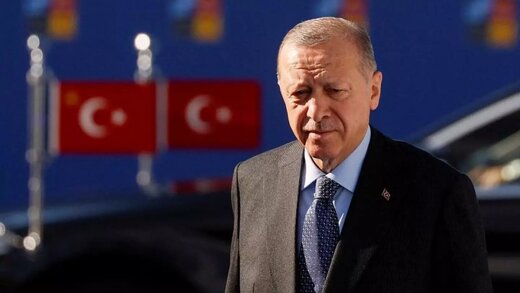
Strategic Council Online – Interview: Iran’s former diplomat, considering Turkey's request for membership in the Shanghai Organization, said: If at some point there is a dispute between the Shanghai Organization and NATO, Erdogan will not advocate Shanghai. Therefore, Turkey's membership in the Shanghai Organization is sensitive, considering its common policies and interests with the West and Europe.

Mohsen Pakain stated in an interview with the website of the Strategic Council on Foreign Relations: It may seem that Turkey’s inclination to become a member of the Shanghai Organization indicates that the country is dissociating itself from the West, NATO, and the European Union, but the reality is that due to Turkey’s affiliations with European standards and membership in the North Atlantic Treaty Organization, dissociating from NATO will definitely not be part of Erdogan’s goals.

Referring to the challenges and problems Turkey has with Europe and the West, he said: “Turkey has problems with its neighboring countries, including Cyprus and Greece, regarding security issues, and the European Union is pressuring to resolve the occupation of Northern Cyprus by Turkey and to settle the disputes between Europe and Turkey in the Mediterranean Sea. Therefore, due to its controversies with the West and Europe, Turkey is sometimes obligated to uphold their policies. With this state of affairs, it will not be easy for Turkey to support and agree with the interests of a group of countries in the Eastern region.

This expert on regional and international issues continued: It seems that all the disputes Turkey has with Europe and NATO have provoked Erdogan to become a member of the Shanghai Security Organization in order to secure his own benefits from this organization on account of stabilizing relations between the West and East or between NATO and Shanghai.

Emphasizing that Shanghai is not an organization with similar military goals as NATO, he stated that Shanghai is more of a security organization rather than a military one, and its goals are based on deterrence, not aggression against/ hostility towards other countries. Therefore, conversion and membership in these two institutions are essentially different. Consequently, Turkey’s approach to NATO’s membership is not necessarily the same as joining the Shanghai Organization, and perhaps political goals are involved.

This former diplomat of our country said about Erdogan’s goals for making such a request: Naturally, Erdogan wants to secure Turkey’s interests in the region and the world by becoming a member of the Shanghai Organization. One of the most important reasons for making this appeal, considering the issues between Turkey and Western countries and America, is that Erdogan is trying to pressure Western countries and NATO through Shanghai’s membership to reduce the pressure of NATO and the European Union against him.

Pakain stated about the tendency among the region’s countries, especially Turkey, to become a member of the Shanghai Organization: the countries in this region and worldwide are interested in becoming members of regional treaties and unions, and Turkey is pursuing the membership of Shanghai as a security institution in the context of cooperation with regional and neighboring countries. Particularly considering that supremacy will be shifted from the West to the East in upcoming years.

This expert on regional and international issues pointed out that Turkey wants to reinforce and uphold its position in the East by becoming a member of the Shanghai Organization and trying to benefit from its status and the advantages it brings as a country that has a good geographical, political, and economic position in both Asia and Europe.

Regarding the goals and approaches between Shanghai and NATO, or Turkey’s pursuit of Western countries’ goals and simultaneously, the goals of Shanghai’s member countries, he said: “It is unlikely for Erdogan to support Shanghai in case of any possible dispute between the Shanghai Organization and NATO.” In a case like this, Ankara, considering its approaches and interests in its relations with Europe and America, will try to go alongside Western countries and NATO.

Pakain considered Turkey’s admission into the Shanghai Organization a sensitive issue, the scopes and aspects of which will have to be investigated by this organization.


0 Comments

LATEST CONTENT

Consequences of Declining Trust in the Judiciary in Europe

SCFRonline – Opinion: The increase in public distrust of the French judicial system, which in recent surveys has reached approximately two-thirds of citizens, should be analyzed within a framework broader than temporary dissatisfaction or an emotional reaction to a particular criminal case.

Iran’s Potential Levers of Power

SCFRonline– Opinion: Iran’s geopolitical power is not limited solely to oil and the Strait of Hormuz; the unintended emergence of disruptions in the future global food and energy security chains can also demonstrate Iran’s strategic importance.

The Inseparability of the Lebanese Front from the Axis of Resistance

SCFR Online–Opinion: By providing an extensive network of social, healthcare, educational, and post-war reconstruction services, Hezbollah has established a strong social base for itself among Lebanon’s Shiites and Sunnis, and even beyond that, among other segments of Lebanese society, including Christians. Hezbollah has never been an external actor imposed upon Lebanon; rather, it is a phenomenon fundamentally born out of the occupation and crimes of the Zionist regime and itself influenced by popular resistance.

The Increasing Efforts of the Zionist Regime to Redefine Borders and the Regional Order and Its Consequences

SCFR Online– Opinion: Security and military developments in the region over recent months indicate that the ongoing crises and wars in Gaza, southern Lebanon, and parts of Syrian territory encompass broader dimensions of geopolitical and geostrategic transformations. In this context, the increased military presence and control of the Zionist regime over parts of the territories of these areas, along with proposals regarding the creation of buffer zones or even the expansion of security borders, have raised serious questions about the future of the regional order and its consequences for the countries of West Asia.

Loading

Últimas publicaciones

Consequences of Declining Trust in the Judiciary in Europe

SCFRonline – Opinion: The increase in public distrust of the French judicial system, which in recent surveys has reached approximately two-thirds of citizens, should be analyzed within a framework broader than temporary dissatisfaction or an emotional reaction to a particular criminal case.

Iran’s Potential Levers of Power

SCFRonline– Opinion: Iran’s geopolitical power is not limited solely to oil and the Strait of Hormuz; the unintended emergence of disruptions in the future global food and energy security chains can also demonstrate Iran’s strategic importance.

The Inseparability of the Lebanese Front from the Axis of Resistance

SCFR Online–Opinion: By providing an extensive network of social, healthcare, educational, and post-war reconstruction services, Hezbollah has established a strong social base for itself among Lebanon’s Shiites and Sunnis, and even beyond that, among other segments of Lebanese society, including Christians. Hezbollah has never been an external actor imposed upon Lebanon; rather, it is a phenomenon fundamentally born out of the occupation and crimes of the Zionist regime and itself influenced by popular resistance.

The Increasing Efforts of the Zionist Regime to Redefine Borders and the Regional Order and Its Consequences

SCFR Online– Opinion: Security and military developments in the region over recent months indicate that the ongoing crises and wars in Gaza, southern Lebanon, and parts of Syrian territory encompass broader dimensions of geopolitical and geostrategic transformations. In this context, the increased military presence and control of the Zionist regime over parts of the territories of these areas, along with proposals regarding the creation of buffer zones or even the expansion of security borders, have raised serious questions about the future of the regional order and its consequences for the countries of West Asia.

Loading

DERNIER CONTENU

Consequences of Declining Trust in the Judiciary in Europe

SCFRonline – Opinion: The increase in public distrust of the French judicial system, which in recent surveys has reached approximately two-thirds of citizens, should be analyzed within a framework broader than temporary dissatisfaction or an emotional reaction to a particular criminal case.

Iran’s Potential Levers of Power

SCFRonline– Opinion: Iran’s geopolitical power is not limited solely to oil and the Strait of Hormuz; the unintended emergence of disruptions in the future global food and energy security chains can also demonstrate Iran’s strategic importance.

The Inseparability of the Lebanese Front from the Axis of Resistance

SCFR Online–Opinion: By providing an extensive network of social, healthcare, educational, and post-war reconstruction services, Hezbollah has established a strong social base for itself among Lebanon’s Shiites and Sunnis, and even beyond that, among other segments of Lebanese society, including Christians. Hezbollah has never been an external actor imposed upon Lebanon; rather, it is a phenomenon fundamentally born out of the occupation and crimes of the Zionist regime and itself influenced by popular resistance.

The Increasing Efforts of the Zionist Regime to Redefine Borders and the Regional Order and Its Consequences

SCFR Online– Opinion: Security and military developments in the region over recent months indicate that the ongoing crises and wars in Gaza, southern Lebanon, and parts of Syrian territory encompass broader dimensions of geopolitical and geostrategic transformations. In this context, the increased military presence and control of the Zionist regime over parts of the territories of these areas, along with proposals regarding the creation of buffer zones or even the expansion of security borders, have raised serious questions about the future of the regional order and its consequences for the countries of West Asia.

Loading

DERNIER CONTENU

Consequences of Declining Trust in the Judiciary in Europe

SCFRonline – Opinion: The increase in public distrust of the French judicial system, which in recent surveys has reached approximately two-thirds of citizens, should be analyzed within a framework broader than temporary dissatisfaction or an emotional reaction to a particular criminal case.

Iran’s Potential Levers of Power

SCFRonline– Opinion: Iran’s geopolitical power is not limited solely to oil and the Strait of Hormuz; the unintended emergence of disruptions in the future global food and energy security chains can also demonstrate Iran’s strategic importance.

The Inseparability of the Lebanese Front from the Axis of Resistance

SCFR Online–Opinion: By providing an extensive network of social, healthcare, educational, and post-war reconstruction services, Hezbollah has established a strong social base for itself among Lebanon’s Shiites and Sunnis, and even beyond that, among other segments of Lebanese society, including Christians. Hezbollah has never been an external actor imposed upon Lebanon; rather, it is a phenomenon fundamentally born out of the occupation and crimes of the Zionist regime and itself influenced by popular resistance.

The Increasing Efforts of the Zionist Regime to Redefine Borders and the Regional Order and Its Consequences

SCFR Online– Opinion: Security and military developments in the region over recent months indicate that the ongoing crises and wars in Gaza, southern Lebanon, and parts of Syrian territory encompass broader dimensions of geopolitical and geostrategic transformations. In this context, the increased military presence and control of the Zionist regime over parts of the territories of these areas, along with proposals regarding the creation of buffer zones or even the expansion of security borders, have raised serious questions about the future of the regional order and its consequences for the countries of West Asia.

Loading

DERNIER CONTENU

Consequences of Declining Trust in the Judiciary in Europe

SCFRonline – Opinion: The increase in public distrust of the French judicial system, which in recent surveys has reached approximately two-thirds of citizens, should be analyzed within a framework broader than temporary dissatisfaction or an emotional reaction to a particular criminal case.

Iran’s Potential Levers of Power

SCFRonline– Opinion: Iran’s geopolitical power is not limited solely to oil and the Strait of Hormuz; the unintended emergence of disruptions in the future global food and energy security chains can also demonstrate Iran’s strategic importance.

The Inseparability of the Lebanese Front from the Axis of Resistance

SCFR Online–Opinion: By providing an extensive network of social, healthcare, educational, and post-war reconstruction services, Hezbollah has established a strong social base for itself among Lebanon’s Shiites and Sunnis, and even beyond that, among other segments of Lebanese society, including Christians. Hezbollah has never been an external actor imposed upon Lebanon; rather, it is a phenomenon fundamentally born out of the occupation and crimes of the Zionist regime and itself influenced by popular resistance.

The Increasing Efforts of the Zionist Regime to Redefine Borders and the Regional Order and Its Consequences

SCFR Online– Opinion: Security and military developments in the region over recent months indicate that the ongoing crises and wars in Gaza, southern Lebanon, and parts of Syrian territory encompass broader dimensions of geopolitical and geostrategic transformations. In this context, the increased military presence and control of the Zionist regime over parts of the territories of these areas, along with proposals regarding the creation of buffer zones or even the expansion of security borders, have raised serious questions about the future of the regional order and its consequences for the countries of West Asia.

Loading



