جدیدترین مطالب

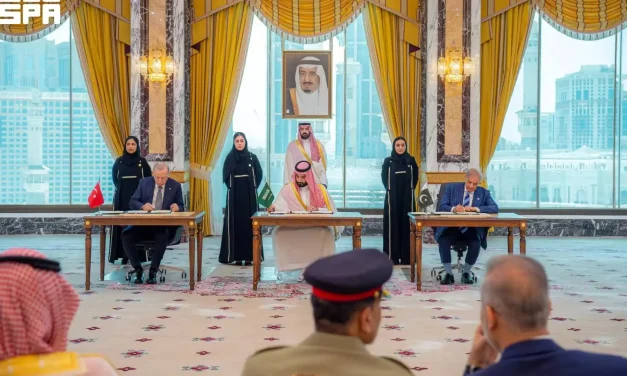
The Makkah Pact; Reasons for its Formation and Challenges Ahead

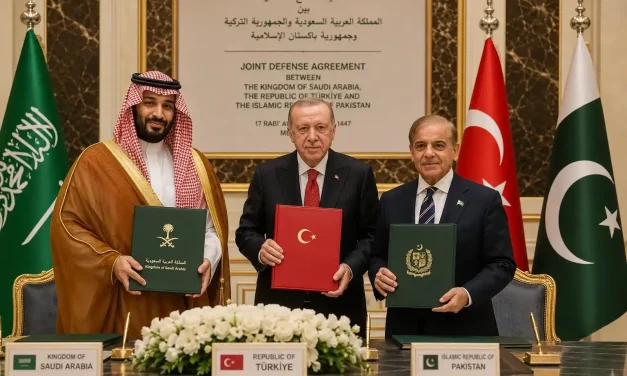
SCFR Online – Opinion: The Makkah Pact, signed between Saudi Arabia, Pakistan, and Turkey under the motto “an attack on one is an attack on all,” is viewed by some analysts less as a full-fledged military coalition and more as an attempt to reduce security dependence on an external power and to establish a regional security mechanism.
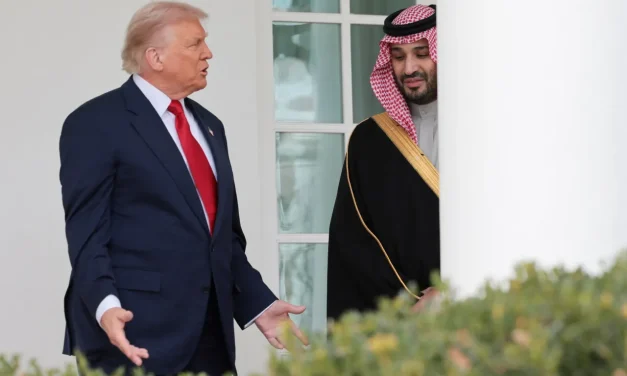
Implications of the US-Saudi Nuclear Agreement

SCFR Online – Opinion: The new US-Saudi nuclear agreement, despite legal and political ambiguities, could alter previous non-proliferation standards in West Asia and intensify nuclear competition, ushering it into a new phase.

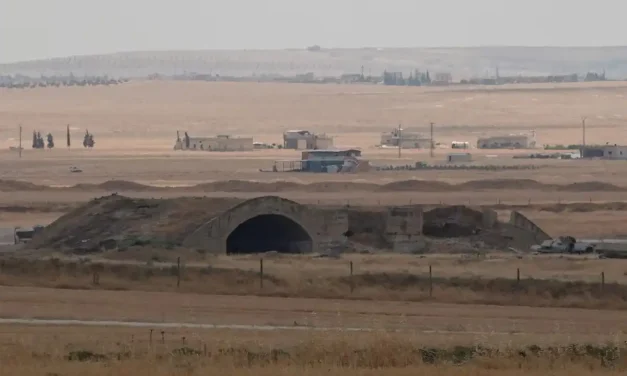
An Analysis of Recent Turkey-Israeli Regime Tensions

SCFR Online – Opinion: Recent developments in Syria indicate an intensification of strategic rivalry between Turkey and the Israeli regime, but mutual considerations and the role of the United States have limited the likelihood of direct war.

Increasing criticism of the extensive Zionist lobby network

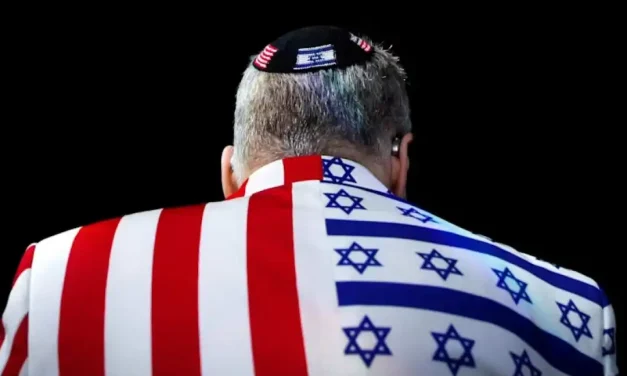
SCFR Online – Opinion: An examination of the mechanisms of the Israeli regime’s influence in the United States depicts a complex picture of shared interests, strategic dependencies, and the limitations of this relationship.

Realities of the Tripartite Makkah Pact

SCFR Online – Interview: The signing of the Makkah agreement between Saudi Arabia, Pakistan, and Turkey has raised questions about the future of the region’s security structure and the position of these countries in West Asian equations. Can this agreement become a genuine collective defense mechanism, or does it have more of a political and deterrent function than creating new military capacity?

Strategic Implications of the Reduction of US Weapons Stockpiles

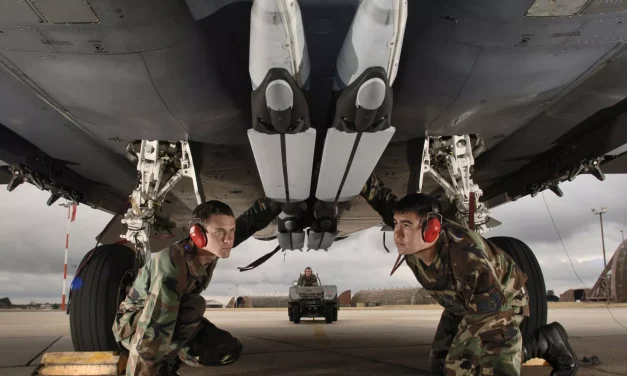
SCFR Online – Opinion: The continuation of the US war against Iran, in addition to increasing operational costs, has called into question the actual capacity of the American arsenal to simultaneously fulfill security commitments on multiple fronts; an issue that affects deterrence, defense production capacity, and Washington’s resource prioritization.

The Formation of a New Order in Relations Between Powers

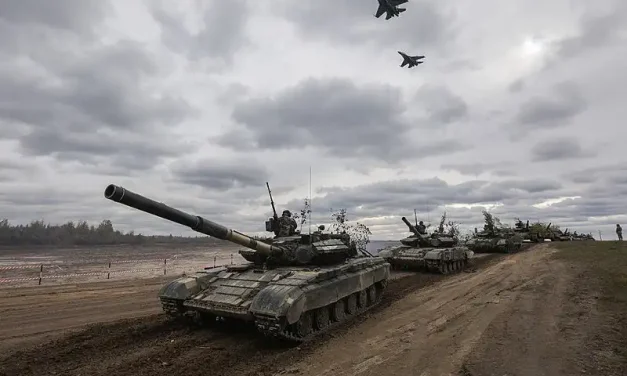
SCFR Online – Opinion: The Russia-Ukraine war and the war of the United States and the Israeli regime against Iran have been formed with different objectives and actors, but field and political developments indicate that they are not entirely separate from one another.

Loading

Top News

Britain’s Strategic Effort to Become World Center for AI

Britain’s Strategic Effort to Become World Center for AI

Strategic Council Online – Interview: An expert on international governance of cyberspace stated that at the height of Britain’s need to redefine its power and position in the international system, Rishi Sunak, considering artificial intelligence (AI) as a transformative technology, is making an opportunistic effort to create an achievement for himself, he added: Rather than being a pioneer in artificial intelligence, Britain is trying to be a pioneer in its regulation.

Intense competition between US and China without entering the cold war phase

Intense competition between US and China without entering the cold war phase

Strategic Council Online—Interview: An expert on international issues considered the economic entanglement of China and the United States as an obstacle to returning to an era similar to the Cold War and said that although the two sides are rivals, they do not want to confront each other. The US believes that its competition with China will be defined as cooperation, and in this frame, it will pursue the containment of the Chinese.

NATO’s Largest Air Exercise Aimed at Strengthening Deterrence

NATO’s Largest Air Exercise Aimed at Strengthening Deterrence

Strategic Council Online – Interview: Showing NATO’s unity in the face of aggression and strengthening deterrence was one of the most important targets of NATO’s most significant air exercise, said an expert on international affairs, adding: Europe may be able to stand against Russia in the short term, but in the end, the territorial connection between Europe and Russia and mutual needs, in the long run, make European countries unable to form a united front against Russia.

China’s Goals, Obstacles on the Path of Strengthening Peace in ME

China’s Goals, Obstacles on the Path of Strengthening Peace in ME

Strategic Council Online – Interview: Former director general of the Middle East and North Africa Department in the Ministry of Foreign Affairs believes that the Chinese have entered the Middle East equations more seriously and are trying to repeat their successful experience mediating between Saudi Arabia and Iran.

Three Simultaneous Blows to MKO; Albania’s Opportunity to Make Up for Mistakes against Iran

Three Simultaneous Blows to MKO; Albania’s Opportunity to Make Up for Mistakes against Iran

Strategic Council Online – Interview: The former Iranian ambassador to France says now, due to the clarification of the terrorist actions and plans of the MKO and their cyberattacks, the government of Albania is expected to cooperate with Iran in extraditing their leaders through the Interpol, and added: In recent years, Albania has been the main loser in hosting the Munafiqeen and it is regrettable that Tirana accepted hosting that terrorist group under the influence of the US pressure, enticement, and indoctrination; but it seems that the Albanian government as finally conclude that this decision was wrong and that it has lost good opportunities for cooperation with Iran due to the many problems that were created for that country by accepting the Munafiqeen after they were expelled from Iraq.

Requirements for Iran’s Positioning in New World Order

Requirements for Iran’s Positioning in New World Order

Requirements for Iran’s Positioning in New World Order
Strategic Council Online – Guest opinion: In recent years, the discussion of changes in the world order, the conditions and reasons for this, and its requirements for different countries has become one of the serious topics in the field of foreign policy studies and international relations. Such changes include political, economic, and cultural areas at the global level, which cause changes in the way countries interact with each other, as well as changes in the way international conflicts are resolved. But what are the signs of this change in the international political order? And how can one successfully get the right place in this new order?
Dr. Mohammad Mehdi Mazaheri – University professor

Ukraine War, the Era of Diplomatic Enlightenment in Europe

Ukraine War, the Era of Diplomatic Enlightenment in Europe

Strategic Council Online: In a joint op-ed for the Strategic Council on Foreign Relations website, Seyyed Abbas Araghchi, Secretary of the SCFR, and Nematollah Mozaffarpour, researcher of Political Thought and Diplomacy, reject the use of force in international relations and stress the need for safeguarding the territorial integrity of countries.

Russia’s Withdrawal from CFE Treaty; a Sign of Resumption of Cold War with the West

Russia’s Withdrawal from CFE Treaty; a Sign of Resumption of Cold War with the West

Strategic Council Online – Interview: An expert on international affairs stated that by withdrawing from the Treaty on Conventional Armed Forces in Europe and other military pacts, Russia is creating a kind of ambiguity in the scope of its military power, adding: Ambiguity in military power also occurred in the Cold War, and we are now witnessing a new Cold War between Russia and the West.

أحدث الوظائف

The Makkah Pact; Reasons for its Formation and Challenges Ahead

SCFR Online – Opinion: The Makkah Pact, signed between Saudi Arabia, Pakistan, and Turkey under the motto “an attack on one is an attack on all,” is viewed by some analysts less as a full-fledged military coalition and more as an attempt to reduce security dependence on an external power and to establish a regional security mechanism.
Implications of the US-Saudi Nuclear Agreement

SCFR Online – Opinion: The new US-Saudi nuclear agreement, despite legal and political ambiguities, could alter previous non-proliferation standards in West Asia and intensify nuclear competition, ushering it into a new phase.

An Analysis of Recent Turkey-Israeli Regime Tensions

SCFR Online – Opinion: Recent developments in Syria indicate an intensification of strategic rivalry between Turkey and the Israeli regime, but mutual considerations and the role of the United States have limited the likelihood of direct war.

Increasing criticism of the extensive Zionist lobby network

SCFR Online – Opinion: An examination of the mechanisms of the Israeli regime’s influence in the United States depicts a complex picture of shared interests, strategic dependencies, and the limitations of this relationship.

Realities of the Tripartite Makkah Pact

SCFR Online – Interview: The signing of the Makkah agreement between Saudi Arabia, Pakistan, and Turkey has raised questions about the future of the region’s security structure and the position of these countries in West Asian equations. Can this agreement become a genuine collective defense mechanism, or does it have more of a political and deterrent function than creating new military capacity?

Strategic Implications of the Reduction of US Weapons Stockpiles

SCFR Online – Opinion: The continuation of the US war against Iran, in addition to increasing operational costs, has called into question the actual capacity of the American arsenal to simultaneously fulfill security commitments on multiple fronts; an issue that affects deterrence, defense production capacity, and Washington’s resource prioritization.

The Formation of a New Order in Relations Between Powers

SCFR Online – Opinion: The Russia-Ukraine war and the war of the United States and the Israeli regime against Iran have been formed with different objectives and actors, but field and political developments indicate that they are not entirely separate from one another.

Loading

Top News

Britain’s Strategic Effort to Become World Center for AI

Britain’s Strategic Effort to Become World Center for AI

Strategic Council Online – Interview: An expert on international governance of cyberspace stated that at the height of Britain’s need to redefine its power and position in the international system, Rishi Sunak, considering artificial intelligence (AI) as a transformative technology, is making an opportunistic effort to create an achievement for himself, he added: Rather than being a pioneer in artificial intelligence, Britain is trying to be a pioneer in its regulation.

Intense competition between US and China without entering the cold war phase

Intense competition between US and China without entering the cold war phase

Strategic Council Online—Interview: An expert on international issues considered the economic entanglement of China and the United States as an obstacle to returning to an era similar to the Cold War and said that although the two sides are rivals, they do not want to confront each other. The US believes that its competition with China will be defined as cooperation, and in this frame, it will pursue the containment of the Chinese.

NATO’s Largest Air Exercise Aimed at Strengthening Deterrence

NATO’s Largest Air Exercise Aimed at Strengthening Deterrence

Strategic Council Online – Interview: Showing NATO’s unity in the face of aggression and strengthening deterrence was one of the most important targets of NATO’s most significant air exercise, said an expert on international affairs, adding: Europe may be able to stand against Russia in the short term, but in the end, the territorial connection between Europe and Russia and mutual needs, in the long run, make European countries unable to form a united front against Russia.

China’s Goals, Obstacles on the Path of Strengthening Peace in ME

China’s Goals, Obstacles on the Path of Strengthening Peace in ME

Strategic Council Online – Interview: Former director general of the Middle East and North Africa Department in the Ministry of Foreign Affairs believes that the Chinese have entered the Middle East equations more seriously and are trying to repeat their successful experience mediating between Saudi Arabia and Iran.

Three Simultaneous Blows to MKO; Albania’s Opportunity to Make Up for Mistakes against Iran

Three Simultaneous Blows to MKO; Albania’s Opportunity to Make Up for Mistakes against Iran

Strategic Council Online – Interview: The former Iranian ambassador to France says now, due to the clarification of the terrorist actions and plans of the MKO and their cyberattacks, the government of Albania is expected to cooperate with Iran in extraditing their leaders through the Interpol, and added: In recent years, Albania has been the main loser in hosting the Munafiqeen and it is regrettable that Tirana accepted hosting that terrorist group under the influence of the US pressure, enticement, and indoctrination; but it seems that the Albanian government as finally conclude that this decision was wrong and that it has lost good opportunities for cooperation with Iran due to the many problems that were created for that country by accepting the Munafiqeen after they were expelled from Iraq.

Requirements for Iran’s Positioning in New World Order

Requirements for Iran’s Positioning in New World Order

Requirements for Iran’s Positioning in New World Order
Strategic Council Online – Guest opinion: In recent years, the discussion of changes in the world order, the conditions and reasons for this, and its requirements for different countries has become one of the serious topics in the field of foreign policy studies and international relations. Such changes include political, economic, and cultural areas at the global level, which cause changes in the way countries interact with each other, as well as changes in the way international conflicts are resolved. But what are the signs of this change in the international political order? And how can one successfully get the right place in this new order?
Dr. Mohammad Mehdi Mazaheri – University professor

Ukraine War, the Era of Diplomatic Enlightenment in Europe

Ukraine War, the Era of Diplomatic Enlightenment in Europe

Strategic Council Online: In a joint op-ed for the Strategic Council on Foreign Relations website, Seyyed Abbas Araghchi, Secretary of the SCFR, and Nematollah Mozaffarpour, researcher of Political Thought and Diplomacy, reject the use of force in international relations and stress the need for safeguarding the territorial integrity of countries.

Russia’s Withdrawal from CFE Treaty; a Sign of Resumption of Cold War with the West

Russia’s Withdrawal from CFE Treaty; a Sign of Resumption of Cold War with the West

Strategic Council Online – Interview: An expert on international affairs stated that by withdrawing from the Treaty on Conventional Armed Forces in Europe and other military pacts, Russia is creating a kind of ambiguity in the scope of its military power, adding: Ambiguity in military power also occurred in the Cold War, and we are now witnessing a new Cold War between Russia and the West.

Top News

Britain’s Strategic Effort to Become World Center for AI

Britain’s Strategic Effort to Become World Center for AI

Strategic Council Online – Interview: An expert on international governance of cyberspace stated that at the height of Britain’s need to redefine its power and position in the international system, Rishi Sunak, considering artificial intelligence (AI) as a transformative technology, is making an opportunistic effort to create an achievement for himself, he added: Rather than being a pioneer in artificial intelligence, Britain is trying to be a pioneer in its regulation.

Intense competition between US and China without entering the cold war phase

Intense competition between US and China without entering the cold war phase

Strategic Council Online—Interview: An expert on international issues considered the economic entanglement of China and the United States as an obstacle to returning to an era similar to the Cold War and said that although the two sides are rivals, they do not want to confront each other. The US believes that its competition with China will be defined as cooperation, and in this frame, it will pursue the containment of the Chinese.

NATO’s Largest Air Exercise Aimed at Strengthening Deterrence

NATO’s Largest Air Exercise Aimed at Strengthening Deterrence

Strategic Council Online – Interview: Showing NATO’s unity in the face of aggression and strengthening deterrence was one of the most important targets of NATO’s most significant air exercise, said an expert on international affairs, adding: Europe may be able to stand against Russia in the short term, but in the end, the territorial connection between Europe and Russia and mutual needs, in the long run, make European countries unable to form a united front against Russia.

China’s Goals, Obstacles on the Path of Strengthening Peace in ME

China’s Goals, Obstacles on the Path of Strengthening Peace in ME

Strategic Council Online – Interview: Former director general of the Middle East and North Africa Department in the Ministry of Foreign Affairs believes that the Chinese have entered the Middle East equations more seriously and are trying to repeat their successful experience mediating between Saudi Arabia and Iran.

Three Simultaneous Blows to MKO; Albania’s Opportunity to Make Up for Mistakes against Iran

Three Simultaneous Blows to MKO; Albania’s Opportunity to Make Up for Mistakes against Iran

Strategic Council Online – Interview: The former Iranian ambassador to France says now, due to the clarification of the terrorist actions and plans of the MKO and their cyberattacks, the government of Albania is expected to cooperate with Iran in extraditing their leaders through the Interpol, and added: In recent years, Albania has been the main loser in hosting the Munafiqeen and it is regrettable that Tirana accepted hosting that terrorist group under the influence of the US pressure, enticement, and indoctrination; but it seems that the Albanian government as finally conclude that this decision was wrong and that it has lost good opportunities for cooperation with Iran due to the many problems that were created for that country by accepting the Munafiqeen after they were expelled from Iraq.

Requirements for Iran’s Positioning in New World Order

Requirements for Iran’s Positioning in New World Order

Requirements for Iran’s Positioning in New World Order
Strategic Council Online – Guest opinion: In recent years, the discussion of changes in the world order, the conditions and reasons for this, and its requirements for different countries has become one of the serious topics in the field of foreign policy studies and international relations. Such changes include political, economic, and cultural areas at the global level, which cause changes in the way countries interact with each other, as well as changes in the way international conflicts are resolved. But what are the signs of this change in the international political order? And how can one successfully get the right place in this new order?
Dr. Mohammad Mehdi Mazaheri – University professor

Ukraine War, the Era of Diplomatic Enlightenment in Europe

Ukraine War, the Era of Diplomatic Enlightenment in Europe

Strategic Council Online: In a joint op-ed for the Strategic Council on Foreign Relations website, Seyyed Abbas Araghchi, Secretary of the SCFR, and Nematollah Mozaffarpour, researcher of Political Thought and Diplomacy, reject the use of force in international relations and stress the need for safeguarding the territorial integrity of countries.

Russia’s Withdrawal from CFE Treaty; a Sign of Resumption of Cold War with the West

Russia’s Withdrawal from CFE Treaty; a Sign of Resumption of Cold War with the West

Strategic Council Online – Interview: An expert on international affairs stated that by withdrawing from the Treaty on Conventional Armed Forces in Europe and other military pacts, Russia is creating a kind of ambiguity in the scope of its military power, adding: Ambiguity in military power also occurred in the Cold War, and we are now witnessing a new Cold War between Russia and the West.

LATEST CONTENT

The Makkah Pact; Reasons for its Formation and Challenges Ahead

SCFR Online – Opinion: The Makkah Pact, signed between Saudi Arabia, Pakistan, and Turkey under the motto “an attack on one is an attack on all,” is viewed by some analysts less as a full-fledged military coalition and more as an attempt to reduce security dependence on an external power and to establish a regional security mechanism.
Implications of the US-Saudi Nuclear Agreement

SCFR Online – Opinion: The new US-Saudi nuclear agreement, despite legal and political ambiguities, could alter previous non-proliferation standards in West Asia and intensify nuclear competition, ushering it into a new phase.

An Analysis of Recent Turkey-Israeli Regime Tensions

SCFR Online – Opinion: Recent developments in Syria indicate an intensification of strategic rivalry between Turkey and the Israeli regime, but mutual considerations and the role of the United States have limited the likelihood of direct war.

Increasing criticism of the extensive Zionist lobby network

SCFR Online – Opinion: An examination of the mechanisms of the Israeli regime’s influence in the United States depicts a complex picture of shared interests, strategic dependencies, and the limitations of this relationship.

Realities of the Tripartite Makkah Pact

SCFR Online – Interview: The signing of the Makkah agreement between Saudi Arabia, Pakistan, and Turkey has raised questions about the future of the region’s security structure and the position of these countries in West Asian equations. Can this agreement become a genuine collective defense mechanism, or does it have more of a political and deterrent function than creating new military capacity?

Strategic Implications of the Reduction of US Weapons Stockpiles

SCFR Online – Opinion: The continuation of the US war against Iran, in addition to increasing operational costs, has called into question the actual capacity of the American arsenal to simultaneously fulfill security commitments on multiple fronts; an issue that affects deterrence, defense production capacity, and Washington’s resource prioritization.

The Formation of a New Order in Relations Between Powers

SCFR Online – Opinion: The Russia-Ukraine war and the war of the United States and the Israeli regime against Iran have been formed with different objectives and actors, but field and political developments indicate that they are not entirely separate from one another.

Loading

Top News

Britain’s Strategic Effort to Become World Center for AI

Britain’s Strategic Effort to Become World Center for AI

Strategic Council Online – Interview: An expert on international governance of cyberspace stated that at the height of Britain’s need to redefine its power and position in the international system, Rishi Sunak, considering artificial intelligence (AI) as a transformative technology, is making an opportunistic effort to create an achievement for himself, he added: Rather than being a pioneer in artificial intelligence, Britain is trying to be a pioneer in its regulation.

Intense competition between US and China without entering the cold war phase

Intense competition between US and China without entering the cold war phase

Strategic Council Online—Interview: An expert on international issues considered the economic entanglement of China and the United States as an obstacle to returning to an era similar to the Cold War and said that although the two sides are rivals, they do not want to confront each other. The US believes that its competition with China will be defined as cooperation, and in this frame, it will pursue the containment of the Chinese.

NATO’s Largest Air Exercise Aimed at Strengthening Deterrence

NATO’s Largest Air Exercise Aimed at Strengthening Deterrence

Strategic Council Online – Interview: Showing NATO’s unity in the face of aggression and strengthening deterrence was one of the most important targets of NATO’s most significant air exercise, said an expert on international affairs, adding: Europe may be able to stand against Russia in the short term, but in the end, the territorial connection between Europe and Russia and mutual needs, in the long run, make European countries unable to form a united front against Russia.

China’s Goals, Obstacles on the Path of Strengthening Peace in ME

China’s Goals, Obstacles on the Path of Strengthening Peace in ME

Strategic Council Online – Interview: Former director general of the Middle East and North Africa Department in the Ministry of Foreign Affairs believes that the Chinese have entered the Middle East equations more seriously and are trying to repeat their successful experience mediating between Saudi Arabia and Iran.

Three Simultaneous Blows to MKO; Albania’s Opportunity to Make Up for Mistakes against Iran

Three Simultaneous Blows to MKO; Albania’s Opportunity to Make Up for Mistakes against Iran

Strategic Council Online – Interview: The former Iranian ambassador to France says now, due to the clarification of the terrorist actions and plans of the MKO and their cyberattacks, the government of Albania is expected to cooperate with Iran in extraditing their leaders through the Interpol, and added: In recent years, Albania has been the main loser in hosting the Munafiqeen and it is regrettable that Tirana accepted hosting that terrorist group under the influence of the US pressure, enticement, and indoctrination; but it seems that the Albanian government as finally conclude that this decision was wrong and that it has lost good opportunities for cooperation with Iran due to the many problems that were created for that country by accepting the Munafiqeen after they were expelled from Iraq.

Requirements for Iran’s Positioning in New World Order

Requirements for Iran’s Positioning in New World Order

Requirements for Iran’s Positioning in New World Order
Strategic Council Online – Guest opinion: In recent years, the discussion of changes in the world order, the conditions and reasons for this, and its requirements for different countries has become one of the serious topics in the field of foreign policy studies and international relations. Such changes include political, economic, and cultural areas at the global level, which cause changes in the way countries interact with each other, as well as changes in the way international conflicts are resolved. But what are the signs of this change in the international political order? And how can one successfully get the right place in this new order?
Dr. Mohammad Mehdi Mazaheri – University professor

Ukraine War, the Era of Diplomatic Enlightenment in Europe

Ukraine War, the Era of Diplomatic Enlightenment in Europe

Strategic Council Online: In a joint op-ed for the Strategic Council on Foreign Relations website, Seyyed Abbas Araghchi, Secretary of the SCFR, and Nematollah Mozaffarpour, researcher of Political Thought and Diplomacy, reject the use of force in international relations and stress the need for safeguarding the territorial integrity of countries.

Russia’s Withdrawal from CFE Treaty; a Sign of Resumption of Cold War with the West

Russia’s Withdrawal from CFE Treaty; a Sign of Resumption of Cold War with the West

Strategic Council Online – Interview: An expert on international affairs stated that by withdrawing from the Treaty on Conventional Armed Forces in Europe and other military pacts, Russia is creating a kind of ambiguity in the scope of its military power, adding: Ambiguity in military power also occurred in the Cold War, and we are now witnessing a new Cold War between Russia and the West.

ÚLTIMAS PUBLICACIONES

The Makkah Pact; Reasons for its Formation and Challenges Ahead

SCFR Online – Opinion: The Makkah Pact, signed between Saudi Arabia, Pakistan, and Turkey under the motto “an attack on one is an attack on all,” is viewed by some analysts less as a full-fledged military coalition and more as an attempt to reduce security dependence on an external power and to establish a regional security mechanism.
Implications of the US-Saudi Nuclear Agreement

SCFR Online – Opinion: The new US-Saudi nuclear agreement, despite legal and political ambiguities, could alter previous non-proliferation standards in West Asia and intensify nuclear competition, ushering it into a new phase.

An Analysis of Recent Turkey-Israeli Regime Tensions

SCFR Online – Opinion: Recent developments in Syria indicate an intensification of strategic rivalry between Turkey and the Israeli regime, but mutual considerations and the role of the United States have limited the likelihood of direct war.

Increasing criticism of the extensive Zionist lobby network

SCFR Online – Opinion: An examination of the mechanisms of the Israeli regime’s influence in the United States depicts a complex picture of shared interests, strategic dependencies, and the limitations of this relationship.

Realities of the Tripartite Makkah Pact

SCFR Online – Interview: The signing of the Makkah agreement between Saudi Arabia, Pakistan, and Turkey has raised questions about the future of the region’s security structure and the position of these countries in West Asian equations. Can this agreement become a genuine collective defense mechanism, or does it have more of a political and deterrent function than creating new military capacity?

Strategic Implications of the Reduction of US Weapons Stockpiles

SCFR Online – Opinion: The continuation of the US war against Iran, in addition to increasing operational costs, has called into question the actual capacity of the American arsenal to simultaneously fulfill security commitments on multiple fronts; an issue that affects deterrence, defense production capacity, and Washington’s resource prioritization.

The Formation of a New Order in Relations Between Powers

SCFR Online – Opinion: The Russia-Ukraine war and the war of the United States and the Israeli regime against Iran have been formed with different objectives and actors, but field and political developments indicate that they are not entirely separate from one another.

Loading

Top News

Britain’s Strategic Effort to Become World Center for AI

Britain’s Strategic Effort to Become World Center for AI

Strategic Council Online – Interview: An expert on international governance of cyberspace stated that at the height of Britain’s need to redefine its power and position in the international system, Rishi Sunak, considering artificial intelligence (AI) as a transformative technology, is making an opportunistic effort to create an achievement for himself, he added: Rather than being a pioneer in artificial intelligence, Britain is trying to be a pioneer in its regulation.

Intense competition between US and China without entering the cold war phase

Intense competition between US and China without entering the cold war phase

Strategic Council Online—Interview: An expert on international issues considered the economic entanglement of China and the United States as an obstacle to returning to an era similar to the Cold War and said that although the two sides are rivals, they do not want to confront each other. The US believes that its competition with China will be defined as cooperation, and in this frame, it will pursue the containment of the Chinese.

NATO’s Largest Air Exercise Aimed at Strengthening Deterrence

NATO’s Largest Air Exercise Aimed at Strengthening Deterrence

Strategic Council Online – Interview: Showing NATO’s unity in the face of aggression and strengthening deterrence was one of the most important targets of NATO’s most significant air exercise, said an expert on international affairs, adding: Europe may be able to stand against Russia in the short term, but in the end, the territorial connection between Europe and Russia and mutual needs, in the long run, make European countries unable to form a united front against Russia.

China’s Goals, Obstacles on the Path of Strengthening Peace in ME

China’s Goals, Obstacles on the Path of Strengthening Peace in ME

Strategic Council Online – Interview: Former director general of the Middle East and North Africa Department in the Ministry of Foreign Affairs believes that the Chinese have entered the Middle East equations more seriously and are trying to repeat their successful experience mediating between Saudi Arabia and Iran.

Three Simultaneous Blows to MKO; Albania’s Opportunity to Make Up for Mistakes against Iran

Three Simultaneous Blows to MKO; Albania’s Opportunity to Make Up for Mistakes against Iran

Strategic Council Online – Interview: The former Iranian ambassador to France says now, due to the clarification of the terrorist actions and plans of the MKO and their cyberattacks, the government of Albania is expected to cooperate with Iran in extraditing their leaders through the Interpol, and added: In recent years, Albania has been the main loser in hosting the Munafiqeen and it is regrettable that Tirana accepted hosting that terrorist group under the influence of the US pressure, enticement, and indoctrination; but it seems that the Albanian government as finally conclude that this decision was wrong and that it has lost good opportunities for cooperation with Iran due to the many problems that were created for that country by accepting the Munafiqeen after they were expelled from Iraq.

Requirements for Iran’s Positioning in New World Order

Requirements for Iran’s Positioning in New World Order

Requirements for Iran’s Positioning in New World Order
Strategic Council Online – Guest opinion: In recent years, the discussion of changes in the world order, the conditions and reasons for this, and its requirements for different countries has become one of the serious topics in the field of foreign policy studies and international relations. Such changes include political, economic, and cultural areas at the global level, which cause changes in the way countries interact with each other, as well as changes in the way international conflicts are resolved. But what are the signs of this change in the international political order? And how can one successfully get the right place in this new order?
Dr. Mohammad Mehdi Mazaheri – University professor

Ukraine War, the Era of Diplomatic Enlightenment in Europe

Ukraine War, the Era of Diplomatic Enlightenment in Europe

Strategic Council Online: In a joint op-ed for the Strategic Council on Foreign Relations website, Seyyed Abbas Araghchi, Secretary of the SCFR, and Nematollah Mozaffarpour, researcher of Political Thought and Diplomacy, reject the use of force in international relations and stress the need for safeguarding the territorial integrity of countries.

Russia’s Withdrawal from CFE Treaty; a Sign of Resumption of Cold War with the West

Russia’s Withdrawal from CFE Treaty; a Sign of Resumption of Cold War with the West

Strategic Council Online – Interview: An expert on international affairs stated that by withdrawing from the Treaty on Conventional Armed Forces in Europe and other military pacts, Russia is creating a kind of ambiguity in the scope of its military power, adding: Ambiguity in military power also occurred in the Cold War, and we are now witnessing a new Cold War between Russia and the West.

ÚLTIMAS PUBLICACIONES

The Makkah Pact; Reasons for its Formation and Challenges Ahead

SCFR Online – Opinion: The Makkah Pact, signed between Saudi Arabia, Pakistan, and Turkey under the motto “an attack on one is an attack on all,” is viewed by some analysts less as a full-fledged military coalition and more as an attempt to reduce security dependence on an external power and to establish a regional security mechanism.
Implications of the US-Saudi Nuclear Agreement

SCFR Online – Opinion: The new US-Saudi nuclear agreement, despite legal and political ambiguities, could alter previous non-proliferation standards in West Asia and intensify nuclear competition, ushering it into a new phase.

An Analysis of Recent Turkey-Israeli Regime Tensions

SCFR Online – Opinion: Recent developments in Syria indicate an intensification of strategic rivalry between Turkey and the Israeli regime, but mutual considerations and the role of the United States have limited the likelihood of direct war.

Increasing criticism of the extensive Zionist lobby network

SCFR Online – Opinion: An examination of the mechanisms of the Israeli regime’s influence in the United States depicts a complex picture of shared interests, strategic dependencies, and the limitations of this relationship.

Realities of the Tripartite Makkah Pact

SCFR Online – Interview: The signing of the Makkah agreement between Saudi Arabia, Pakistan, and Turkey has raised questions about the future of the region’s security structure and the position of these countries in West Asian equations. Can this agreement become a genuine collective defense mechanism, or does it have more of a political and deterrent function than creating new military capacity?

Strategic Implications of the Reduction of US Weapons Stockpiles

SCFR Online – Opinion: The continuation of the US war against Iran, in addition to increasing operational costs, has called into question the actual capacity of the American arsenal to simultaneously fulfill security commitments on multiple fronts; an issue that affects deterrence, defense production capacity, and Washington’s resource prioritization.

The Formation of a New Order in Relations Between Powers

SCFR Online – Opinion: The Russia-Ukraine war and the war of the United States and the Israeli regime against Iran have been formed with different objectives and actors, but field and political developments indicate that they are not entirely separate from one another.

Loading

Top News

Britain’s Strategic Effort to Become World Center for AI

Britain’s Strategic Effort to Become World Center for AI

Strategic Council Online – Interview: An expert on international governance of cyberspace stated that at the height of Britain’s need to redefine its power and position in the international system, Rishi Sunak, considering artificial intelligence (AI) as a transformative technology, is making an opportunistic effort to create an achievement for himself, he added: Rather than being a pioneer in artificial intelligence, Britain is trying to be a pioneer in its regulation.

Intense competition between US and China without entering the cold war phase

Intense competition between US and China without entering the cold war phase

Strategic Council Online—Interview: An expert on international issues considered the economic entanglement of China and the United States as an obstacle to returning to an era similar to the Cold War and said that although the two sides are rivals, they do not want to confront each other. The US believes that its competition with China will be defined as cooperation, and in this frame, it will pursue the containment of the Chinese.

NATO’s Largest Air Exercise Aimed at Strengthening Deterrence

NATO’s Largest Air Exercise Aimed at Strengthening Deterrence

Strategic Council Online – Interview: Showing NATO’s unity in the face of aggression and strengthening deterrence was one of the most important targets of NATO’s most significant air exercise, said an expert on international affairs, adding: Europe may be able to stand against Russia in the short term, but in the end, the territorial connection between Europe and Russia and mutual needs, in the long run, make European countries unable to form a united front against Russia.

China’s Goals, Obstacles on the Path of Strengthening Peace in ME

China’s Goals, Obstacles on the Path of Strengthening Peace in ME

Strategic Council Online – Interview: Former director general of the Middle East and North Africa Department in the Ministry of Foreign Affairs believes that the Chinese have entered the Middle East equations more seriously and are trying to repeat their successful experience mediating between Saudi Arabia and Iran.

Three Simultaneous Blows to MKO; Albania’s Opportunity to Make Up for Mistakes against Iran

Three Simultaneous Blows to MKO; Albania’s Opportunity to Make Up for Mistakes against Iran

Strategic Council Online – Interview: The former Iranian ambassador to France says now, due to the clarification of the terrorist actions and plans of the MKO and their cyberattacks, the government of Albania is expected to cooperate with Iran in extraditing their leaders through the Interpol, and added: In recent years, Albania has been the main loser in hosting the Munafiqeen and it is regrettable that Tirana accepted hosting that terrorist group under the influence of the US pressure, enticement, and indoctrination; but it seems that the Albanian government as finally conclude that this decision was wrong and that it has lost good opportunities for cooperation with Iran due to the many problems that were created for that country by accepting the Munafiqeen after they were expelled from Iraq.

Requirements for Iran’s Positioning in New World Order

Requirements for Iran’s Positioning in New World Order

Requirements for Iran’s Positioning in New World Order
Strategic Council Online – Guest opinion: In recent years, the discussion of changes in the world order, the conditions and reasons for this, and its requirements for different countries has become one of the serious topics in the field of foreign policy studies and international relations. Such changes include political, economic, and cultural areas at the global level, which cause changes in the way countries interact with each other, as well as changes in the way international conflicts are resolved. But what are the signs of this change in the international political order? And how can one successfully get the right place in this new order?
Dr. Mohammad Mehdi Mazaheri – University professor

Ukraine War, the Era of Diplomatic Enlightenment in Europe

Ukraine War, the Era of Diplomatic Enlightenment in Europe

Strategic Council Online: In a joint op-ed for the Strategic Council on Foreign Relations website, Seyyed Abbas Araghchi, Secretary of the SCFR, and Nematollah Mozaffarpour, researcher of Political Thought and Diplomacy, reject the use of force in international relations and stress the need for safeguarding the territorial integrity of countries.

Russia’s Withdrawal from CFE Treaty; a Sign of Resumption of Cold War with the West

Russia’s Withdrawal from CFE Treaty; a Sign of Resumption of Cold War with the West

Strategic Council Online – Interview: An expert on international affairs stated that by withdrawing from the Treaty on Conventional Armed Forces in Europe and other military pacts, Russia is creating a kind of ambiguity in the scope of its military power, adding: Ambiguity in military power also occurred in the Cold War, and we are now witnessing a new Cold War between Russia and the West.

ÚLTIMAS PUBLICACIONES

The Makkah Pact; Reasons for its Formation and Challenges Ahead

SCFR Online – Opinion: The Makkah Pact, signed between Saudi Arabia, Pakistan, and Turkey under the motto “an attack on one is an attack on all,” is viewed by some analysts less as a full-fledged military coalition and more as an attempt to reduce security dependence on an external power and to establish a regional security mechanism.
Implications of the US-Saudi Nuclear Agreement

SCFR Online – Opinion: The new US-Saudi nuclear agreement, despite legal and political ambiguities, could alter previous non-proliferation standards in West Asia and intensify nuclear competition, ushering it into a new phase.

An Analysis of Recent Turkey-Israeli Regime Tensions

SCFR Online – Opinion: Recent developments in Syria indicate an intensification of strategic rivalry between Turkey and the Israeli regime, but mutual considerations and the role of the United States have limited the likelihood of direct war.

Increasing criticism of the extensive Zionist lobby network

SCFR Online – Opinion: An examination of the mechanisms of the Israeli regime’s influence in the United States depicts a complex picture of shared interests, strategic dependencies, and the limitations of this relationship.

Realities of the Tripartite Makkah Pact

SCFR Online – Interview: The signing of the Makkah agreement between Saudi Arabia, Pakistan, and Turkey has raised questions about the future of the region’s security structure and the position of these countries in West Asian equations. Can this agreement become a genuine collective defense mechanism, or does it have more of a political and deterrent function than creating new military capacity?

Strategic Implications of the Reduction of US Weapons Stockpiles

SCFR Online – Opinion: The continuation of the US war against Iran, in addition to increasing operational costs, has called into question the actual capacity of the American arsenal to simultaneously fulfill security commitments on multiple fronts; an issue that affects deterrence, defense production capacity, and Washington’s resource prioritization.

The Formation of a New Order in Relations Between Powers

SCFR Online – Opinion: The Russia-Ukraine war and the war of the United States and the Israeli regime against Iran have been formed with different objectives and actors, but field and political developments indicate that they are not entirely separate from one another.

Loading

Top News

Britain’s Strategic Effort to Become World Center for AI

Britain’s Strategic Effort to Become World Center for AI

Strategic Council Online – Interview: An expert on international governance of cyberspace stated that at the height of Britain’s need to redefine its power and position in the international system, Rishi Sunak, considering artificial intelligence (AI) as a transformative technology, is making an opportunistic effort to create an achievement for himself, he added: Rather than being a pioneer in artificial intelligence, Britain is trying to be a pioneer in its regulation.

Intense competition between US and China without entering the cold war phase

Intense competition between US and China without entering the cold war phase

Strategic Council Online—Interview: An expert on international issues considered the economic entanglement of China and the United States as an obstacle to returning to an era similar to the Cold War and said that although the two sides are rivals, they do not want to confront each other. The US believes that its competition with China will be defined as cooperation, and in this frame, it will pursue the containment of the Chinese.

NATO’s Largest Air Exercise Aimed at Strengthening Deterrence

NATO’s Largest Air Exercise Aimed at Strengthening Deterrence

Strategic Council Online – Interview: Showing NATO’s unity in the face of aggression and strengthening deterrence was one of the most important targets of NATO’s most significant air exercise, said an expert on international affairs, adding: Europe may be able to stand against Russia in the short term, but in the end, the territorial connection between Europe and Russia and mutual needs, in the long run, make European countries unable to form a united front against Russia.

China’s Goals, Obstacles on the Path of Strengthening Peace in ME

China’s Goals, Obstacles on the Path of Strengthening Peace in ME

Strategic Council Online – Interview: Former director general of the Middle East and North Africa Department in the Ministry of Foreign Affairs believes that the Chinese have entered the Middle East equations more seriously and are trying to repeat their successful experience mediating between Saudi Arabia and Iran.

Three Simultaneous Blows to MKO; Albania’s Opportunity to Make Up for Mistakes against Iran

Three Simultaneous Blows to MKO; Albania’s Opportunity to Make Up for Mistakes against Iran

Strategic Council Online – Interview: The former Iranian ambassador to France says now, due to the clarification of the terrorist actions and plans of the MKO and their cyberattacks, the government of Albania is expected to cooperate with Iran in extraditing their leaders through the Interpol, and added: In recent years, Albania has been the main loser in hosting the Munafiqeen and it is regrettable that Tirana accepted hosting that terrorist group under the influence of the US pressure, enticement, and indoctrination; but it seems that the Albanian government as finally conclude that this decision was wrong and that it has lost good opportunities for cooperation with Iran due to the many problems that were created for that country by accepting the Munafiqeen after they were expelled from Iraq.

Requirements for Iran’s Positioning in New World Order

Requirements for Iran’s Positioning in New World Order

Requirements for Iran’s Positioning in New World Order
Strategic Council Online – Guest opinion: In recent years, the discussion of changes in the world order, the conditions and reasons for this, and its requirements for different countries has become one of the serious topics in the field of foreign policy studies and international relations. Such changes include political, economic, and cultural areas at the global level, which cause changes in the way countries interact with each other, as well as changes in the way international conflicts are resolved. But what are the signs of this change in the international political order? And how can one successfully get the right place in this new order?
Dr. Mohammad Mehdi Mazaheri – University professor

Ukraine War, the Era of Diplomatic Enlightenment in Europe

Ukraine War, the Era of Diplomatic Enlightenment in Europe

Strategic Council Online: In a joint op-ed for the Strategic Council on Foreign Relations website, Seyyed Abbas Araghchi, Secretary of the SCFR, and Nematollah Mozaffarpour, researcher of Political Thought and Diplomacy, reject the use of force in international relations and stress the need for safeguarding the territorial integrity of countries.

Russia’s Withdrawal from CFE Treaty; a Sign of Resumption of Cold War with the West

Russia’s Withdrawal from CFE Treaty; a Sign of Resumption of Cold War with the West

Strategic Council Online – Interview: An expert on international affairs stated that by withdrawing from the Treaty on Conventional Armed Forces in Europe and other military pacts, Russia is creating a kind of ambiguity in the scope of its military power, adding: Ambiguity in military power also occurred in the Cold War, and we are now witnessing a new Cold War between Russia and the West.

ÚLTIMAS PUBLICACIONES

The Makkah Pact; Reasons for its Formation and Challenges Ahead

SCFR Online – Opinion: The Makkah Pact, signed between Saudi Arabia, Pakistan, and Turkey under the motto “an attack on one is an attack on all,” is viewed by some analysts less as a full-fledged military coalition and more as an attempt to reduce security dependence on an external power and to establish a regional security mechanism.

Implications of the US-Saudi Nuclear Agreement

SCFR Online – Opinion: The new US-Saudi nuclear agreement, despite legal and political ambiguities, could alter previous non-proliferation standards in West Asia and intensify nuclear competition, ushering it into a new phase.

An Analysis of Recent Turkey-Israeli Regime Tensions

SCFR Online – Opinion: Recent developments in Syria indicate an intensification of strategic rivalry between Turkey and the Israeli regime, but mutual considerations and the role of the United States have limited the likelihood of direct war.

Increasing criticism of the extensive Zionist lobby network

SCFR Online – Opinion: An examination of the mechanisms of the Israeli regime’s influence in the United States depicts a complex picture of shared interests, strategic dependencies, and the limitations of this relationship.

Realities of the Tripartite Makkah Pact

SCFR Online – Interview: The signing of the Makkah agreement between Saudi Arabia, Pakistan, and Turkey has raised questions about the future of the region’s security structure and the position of these countries in West Asian equations. Can this agreement become a genuine collective defense mechanism, or does it have more of a political and deterrent function than creating new military capacity?

Strategic Implications of the Reduction of US Weapons Stockpiles

SCFR Online – Opinion: The continuation of the US war against Iran, in addition to increasing operational costs, has called into question the actual capacity of the American arsenal to simultaneously fulfill security commitments on multiple fronts; an issue that affects deterrence, defense production capacity, and Washington’s resource prioritization.

The Formation of a New Order in Relations Between Powers

SCFR Online – Opinion: The Russia-Ukraine war and the war of the United States and the Israeli regime against Iran have been formed with different objectives and actors, but field and political developments indicate that they are not entirely separate from one another.

Loading