Analysis of Ankara’s Policy towards Damascus, Importance of Turkey’s Military Withdrawal from Syria

Strategic Council Online - Interview: An expert on Syria affairs, stating that Turkey’s approach to northern Syria can still make Syria face many security challenges and will have wide-ranging consequences in Syria and the region, noted: It seems that after Bashar Assad’s opposition and announcement of his conditions and with the end of the Turkish presidential elections, Ankara’s position against Syria has become more inflexible.

In an interview with the website of the Strategic Council on Foreign Relations, Mostafa Najafi, referring to the statements of Recep Tayyip Erdogan regarding the fact that Turkey wants to meet with Bashar Assad but will not withdraw its military forces from northern Syria, clarified: Before the Turkish presidential elections the Turks and Mr. Erdogan personally tried hard to restore relations with Syria at every level to cover up the negative consequences of Ankara’s strategy towards the developments in Syria, as well as the implications of the widespread presence of Syrian immigrants in Turkey, to use this step in the presidential campaign of Mr. Erdogan.

Recalling that Bashar Assad opposed the meeting with Erdogan for various reasons, including being informed of Erdogan’s personal exploitation of the situation, Turkey’s tactical view on the restoration of relations and the meeting of the presidents of the two countries, as well as non-acceptance of the Syrian government’s conditions by Ankara, he said: It seems that after Bashar Assad’s opposition and the announcement of his conditions, and with the end of the Turkish presidential elections, Ankara’s position has become more inflexible. The recent statements of Mr. Erdogan, in which he emphasized that Turkey will not withdraw from northern Syria, are also evaluated in line with the toughening of Turkey’s positions.

The analyst of Syria affairs continued: Although Syria has a strategic and urgent need to restore relations with all countries, especially its neighbors and Turkey, the main condition of Syria is that any restoration of ties depends on the withdrawal of Turkish occupying forces from the northern regions of Syria. But unfortunately, the Turkish government and Mr. Erdogan personally have not accepted such a condition so far, and it seems unlikely that Bashar Assad wants to solve the problems of his government or get out of isolation in a way that would endanger the territorial integrity of Syria.

Najafi stressed: If Syria wants to restore relations with Turkey by taking this privilege from Turkey and the Turks do not withdraw their forces from northern Syria, it means recognizing Turkey’s military presence in northern Syria.

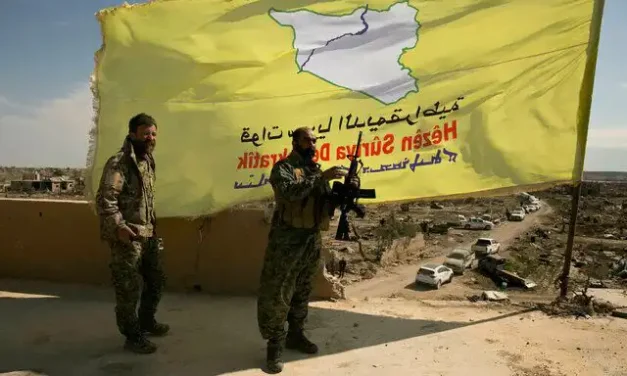
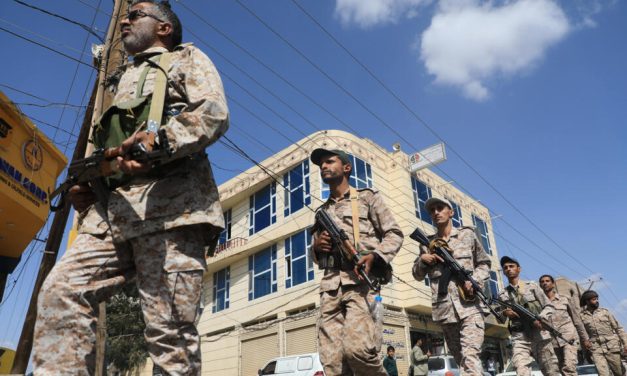
While explaining the consequences of Turkey’s continued military presence in northern Syria, he said: Turkey has established more than a hundred military bases in the north and dominates important crossings in that region. They are unwilling to stop supporting the terrorist groups in those areas or retreat. This military occupation has had many security-political consequences for the Syrian government. Now, Idlib is the only area in northern Syria that remains in the hands of the opposition and terrorist groups. Turkey supports those groups, and their presence has continued and intensified instability.

The analyst of Syria affairs emphasized that Turkey’s approach towards northern Syria is destabilizing and can continue to cause Syria many security challenges. In the current situation, such challenges and the continuation of the military presence will have wide consequences in Syria and the region. The Syrian government and army have managed to regain control over Syria’s entire security and field environment. Still, in the Idlib region, this control has not been possible due to Turkey’s intervention. In addition, the issue of Syrian refugees is also an essential point for the region. Syria must be able to create a basis for the return of refugees, rebuild infrastructure, and sustainably provide education, health, and water for its people.

Najafi stated: It does not seem that Assad will meet with Erdogan before the departure of Turkish military forces. The political negotiations between the two countries may continue, but restoring relations and returning to the relations before 2011 will not be realized.

The expert on Syria affairs, emphasizing that Turkey’s military presence in northern Syria is a playing card in the hands of the Turkish government, which goes beyond Ankara’s relations with Damascus, explained: Turkey has many benefits from its presence in northern Syria, and in these years, it has played several games against Russia and the US with this regional card. Even now, the Russians cannot put much pressure on Ankara to withdraw their military forces due to their considerations in relations with Turkey in the post-war situation of Ukraine. The Syrian government alone cannot provide the necessary leverage for Turkey’s withdrawal from northern Syria.

Najafi pointed to the efforts of Iran and Russia to hold the second quadrilateral meeting with the presence of Turkey and Syria in the coming days and said: Such meetings are primarily aimed at reducing or managing tensions and conflicts in northern Syria, and so far, the meetings in Astana and Sochi are mostly held in cases which have created tension or intensified it. The Turkish Foreign Minister stated that a road map and a set of measures were agreed upon at the Moscow meeting, and based on them, Turkey is looking at the conditions put forward by the Assad government.

While referring to Turkey’s expectations of receiving concessions from Russia and Syria, he stated: On the eve of Moscow’s quadrilateral meeting on Syria, Turkey sent a large military convoy, including military, support and armored equipment, tanks, and rocket launchers, to its bases in the past days in the Jabal al-Zawiyah area, in the south of Idlib and the contact lines with the Syrian army. In this situation, the Syrian government will try to put the necessary pressure on the Turkish government by using the opportunity to restore relations with the Arab League and Arab governments. We are witnessing Jordan’s efforts to advance the “step by step” strategy.

The analyst of international affairs explained the reasons for the importance of Turkey’s relations with Arab countries in the economic and political fields, as well as the necessity of the withdrawal of Turkish military forces from Syria in this regard, and reminded: Communication highways between the Arab countries and Turkey play an essential role for both sides. The opening of the M-5 highway, which connects Syria to Jordan, depends on its total control by the Syrian government and its connection to the Turkish border. The opening of this highway along with the M-4 highway, which connected Turkey to the Persian Gulf countries before the Syrian crisis, is considered part of the gradual process of Turkey’s withdrawal from Syria and is also of great advantage for Jordan.
0 Comments

LATEST CONTENT

Europe’s Enduring Dependence on Persian Gulf Energy

SCFR Online – Opinion: The dominant discourse in the field of European energy security over the past two decades has revolved around diversification of supply sources and the gradual reduction of dependence on fossil fuels. This narrative, which gained particular momentum after the Ukraine gas crisis in 2006 and its intensification in 2014 and 2022, was based on the assumption that Europe could free itself from the geopolitical vulnerabilities arising from dependence on specific suppliers through investment in renewable energy, imports of liquefied natural gas from diversified sources, and the establishment of new infrastructure. However, a closer analysis of energy trade data and the structure of the global oil and gas supply chain presents a different picture. Europe has not only failed to meaningfully reduce its dependence on the Persian Gulf, but in some sectors — particularly in liquefied natural gas imports — this dependence has deepened. This reality, which is often overlooked in public discourse, raises fundamental questions about the sustainability of Europe’s energy security strategies and their impact on regional power equations.

The Challenge of Hezbollah’s Low-Cost “FPV” Drones for the Zionist Regime

SCFR Online – Opinion: In modern warfare, it has always been assumed that the more expensive, and advanced the weapon—particularly from well-known companies—the more certain the victory will be. However, developments on the northern front of occupied Palestine in recent months have challenged this long-held belief. Here, the Zionist regime’s military, despite possessing the most advanced defense systems such as Iron Dome, David’s Sling, and Arrow, as well as fifth-generation F-35 fighter jets, Merkava tanks, and other modern equipment found in few countries worldwide, has effectively been rendered helpless against Hezbollah Lebanon’s few-hundred-dollar drones. Benjamin Netanyahu’s bitter admission regarding the inability to counter this threat, and his order to allocate an unlimited budget to find a solution, underscores the reality that the era of pure superiority through expensive technologies has come to an end.

The Impact of West Asian Developments on the Ukraine War

SCFR Online – Note: Vladimir Putin, President of Russia, recently announced—more than four years after the commencement of military aggression against Ukraine—that he believes the conflict between Russia and Ukraine is drawing to a close.

Temporary China–U.S. Trade Truce in the Shadow of Fundamental Distrust

SCFR Online – Opinion: The recent visit of the President of the United States to China is significant from various aspects; because China is recognized as the world’s second-largest economic power and a growing economy. The Chinese are also advancing in various fields, including the space sector, artificial intelligence, and military industries; to the extent that in the military sector, whereas they previously lacked an aircraft carrier, they now possess their third aircraft carrier. On the other hand, the United States, as a superpower, has always regarded China as its rival and continues to view it as such today.

Loading

Últimas publicaciones

Europe’s Enduring Dependence on Persian Gulf Energy

SCFR Online – Opinion: The dominant discourse in the field of European energy security over the past two decades has revolved around diversification of supply sources and the gradual reduction of dependence on fossil fuels. This narrative, which gained particular momentum after the Ukraine gas crisis in 2006 and its intensification in 2014 and 2022, was based on the assumption that Europe could free itself from the geopolitical vulnerabilities arising from dependence on specific suppliers through investment in renewable energy, imports of liquefied natural gas from diversified sources, and the establishment of new infrastructure. However, a closer analysis of energy trade data and the structure of the global oil and gas supply chain presents a different picture. Europe has not only failed to meaningfully reduce its dependence on the Persian Gulf, but in some sectors — particularly in liquefied natural gas imports — this dependence has deepened. This reality, which is often overlooked in public discourse, raises fundamental questions about the sustainability of Europe’s energy security strategies and their impact on regional power equations.

The Challenge of Hezbollah’s Low-Cost “FPV” Drones for the Zionist Regime

SCFR Online – Opinion: In modern warfare, it has always been assumed that the more expensive, and advanced the weapon—particularly from well-known companies—the more certain the victory will be. However, developments on the northern front of occupied Palestine in recent months have challenged this long-held belief. Here, the Zionist regime’s military, despite possessing the most advanced defense systems such as Iron Dome, David’s Sling, and Arrow, as well as fifth-generation F-35 fighter jets, Merkava tanks, and other modern equipment found in few countries worldwide, has effectively been rendered helpless against Hezbollah Lebanon’s few-hundred-dollar drones. Benjamin Netanyahu’s bitter admission regarding the inability to counter this threat, and his order to allocate an unlimited budget to find a solution, underscores the reality that the era of pure superiority through expensive technologies has come to an end.

The Impact of West Asian Developments on the Ukraine War

SCFR Online – Note: Vladimir Putin, President of Russia, recently announced—more than four years after the commencement of military aggression against Ukraine—that he believes the conflict between Russia and Ukraine is drawing to a close.

Temporary China–U.S. Trade Truce in the Shadow of Fundamental Distrust

SCFR Online – Opinion: The recent visit of the President of the United States to China is significant from various aspects; because China is recognized as the world’s second-largest economic power and a growing economy. The Chinese are also advancing in various fields, including the space sector, artificial intelligence, and military industries; to the extent that in the military sector, whereas they previously lacked an aircraft carrier, they now possess their third aircraft carrier. On the other hand, the United States, as a superpower, has always regarded China as its rival and continues to view it as such today.

Loading

DERNIER CONTENU

Europe’s Enduring Dependence on Persian Gulf Energy

SCFR Online – Opinion: The dominant discourse in the field of European energy security over the past two decades has revolved around diversification of supply sources and the gradual reduction of dependence on fossil fuels. This narrative, which gained particular momentum after the Ukraine gas crisis in 2006 and its intensification in 2014 and 2022, was based on the assumption that Europe could free itself from the geopolitical vulnerabilities arising from dependence on specific suppliers through investment in renewable energy, imports of liquefied natural gas from diversified sources, and the establishment of new infrastructure. However, a closer analysis of energy trade data and the structure of the global oil and gas supply chain presents a different picture. Europe has not only failed to meaningfully reduce its dependence on the Persian Gulf, but in some sectors — particularly in liquefied natural gas imports — this dependence has deepened. This reality, which is often overlooked in public discourse, raises fundamental questions about the sustainability of Europe’s energy security strategies and their impact on regional power equations.

The Challenge of Hezbollah’s Low-Cost “FPV” Drones for the Zionist Regime

SCFR Online – Opinion: In modern warfare, it has always been assumed that the more expensive, and advanced the weapon—particularly from well-known companies—the more certain the victory will be. However, developments on the northern front of occupied Palestine in recent months have challenged this long-held belief. Here, the Zionist regime’s military, despite possessing the most advanced defense systems such as Iron Dome, David’s Sling, and Arrow, as well as fifth-generation F-35 fighter jets, Merkava tanks, and other modern equipment found in few countries worldwide, has effectively been rendered helpless against Hezbollah Lebanon’s few-hundred-dollar drones. Benjamin Netanyahu’s bitter admission regarding the inability to counter this threat, and his order to allocate an unlimited budget to find a solution, underscores the reality that the era of pure superiority through expensive technologies has come to an end.

The Impact of West Asian Developments on the Ukraine War

SCFR Online – Note: Vladimir Putin, President of Russia, recently announced—more than four years after the commencement of military aggression against Ukraine—that he believes the conflict between Russia and Ukraine is drawing to a close.

Temporary China–U.S. Trade Truce in the Shadow of Fundamental Distrust

SCFR Online – Opinion: The recent visit of the President of the United States to China is significant from various aspects; because China is recognized as the world’s second-largest economic power and a growing economy. The Chinese are also advancing in various fields, including the space sector, artificial intelligence, and military industries; to the extent that in the military sector, whereas they previously lacked an aircraft carrier, they now possess their third aircraft carrier. On the other hand, the United States, as a superpower, has always regarded China as its rival and continues to view it as such today.

Loading

DERNIER CONTENU

Europe’s Enduring Dependence on Persian Gulf Energy

SCFR Online – Opinion: The dominant discourse in the field of European energy security over the past two decades has revolved around diversification of supply sources and the gradual reduction of dependence on fossil fuels. This narrative, which gained particular momentum after the Ukraine gas crisis in 2006 and its intensification in 2014 and 2022, was based on the assumption that Europe could free itself from the geopolitical vulnerabilities arising from dependence on specific suppliers through investment in renewable energy, imports of liquefied natural gas from diversified sources, and the establishment of new infrastructure. However, a closer analysis of energy trade data and the structure of the global oil and gas supply chain presents a different picture. Europe has not only failed to meaningfully reduce its dependence on the Persian Gulf, but in some sectors — particularly in liquefied natural gas imports — this dependence has deepened. This reality, which is often overlooked in public discourse, raises fundamental questions about the sustainability of Europe’s energy security strategies and their impact on regional power equations.

The Challenge of Hezbollah’s Low-Cost “FPV” Drones for the Zionist Regime

SCFR Online – Opinion: In modern warfare, it has always been assumed that the more expensive, and advanced the weapon—particularly from well-known companies—the more certain the victory will be. However, developments on the northern front of occupied Palestine in recent months have challenged this long-held belief. Here, the Zionist regime’s military, despite possessing the most advanced defense systems such as Iron Dome, David’s Sling, and Arrow, as well as fifth-generation F-35 fighter jets, Merkava tanks, and other modern equipment found in few countries worldwide, has effectively been rendered helpless against Hezbollah Lebanon’s few-hundred-dollar drones. Benjamin Netanyahu’s bitter admission regarding the inability to counter this threat, and his order to allocate an unlimited budget to find a solution, underscores the reality that the era of pure superiority through expensive technologies has come to an end.

The Impact of West Asian Developments on the Ukraine War

SCFR Online – Note: Vladimir Putin, President of Russia, recently announced—more than four years after the commencement of military aggression against Ukraine—that he believes the conflict between Russia and Ukraine is drawing to a close.

Temporary China–U.S. Trade Truce in the Shadow of Fundamental Distrust

SCFR Online – Opinion: The recent visit of the President of the United States to China is significant from various aspects; because China is recognized as the world’s second-largest economic power and a growing economy. The Chinese are also advancing in various fields, including the space sector, artificial intelligence, and military industries; to the extent that in the military sector, whereas they previously lacked an aircraft carrier, they now possess their third aircraft carrier. On the other hand, the United States, as a superpower, has always regarded China as its rival and continues to view it as such today.

Loading

DERNIER CONTENU

Europe’s Enduring Dependence on Persian Gulf Energy

SCFR Online – Opinion: The dominant discourse in the field of European energy security over the past two decades has revolved around diversification of supply sources and the gradual reduction of dependence on fossil fuels. This narrative, which gained particular momentum after the Ukraine gas crisis in 2006 and its intensification in 2014 and 2022, was based on the assumption that Europe could free itself from the geopolitical vulnerabilities arising from dependence on specific suppliers through investment in renewable energy, imports of liquefied natural gas from diversified sources, and the establishment of new infrastructure. However, a closer analysis of energy trade data and the structure of the global oil and gas supply chain presents a different picture. Europe has not only failed to meaningfully reduce its dependence on the Persian Gulf, but in some sectors — particularly in liquefied natural gas imports — this dependence has deepened. This reality, which is often overlooked in public discourse, raises fundamental questions about the sustainability of Europe’s energy security strategies and their impact on regional power equations.

The Challenge of Hezbollah’s Low-Cost “FPV” Drones for the Zionist Regime

SCFR Online – Opinion: In modern warfare, it has always been assumed that the more expensive, and advanced the weapon—particularly from well-known companies—the more certain the victory will be. However, developments on the northern front of occupied Palestine in recent months have challenged this long-held belief. Here, the Zionist regime’s military, despite possessing the most advanced defense systems such as Iron Dome, David’s Sling, and Arrow, as well as fifth-generation F-35 fighter jets, Merkava tanks, and other modern equipment found in few countries worldwide, has effectively been rendered helpless against Hezbollah Lebanon’s few-hundred-dollar drones. Benjamin Netanyahu’s bitter admission regarding the inability to counter this threat, and his order to allocate an unlimited budget to find a solution, underscores the reality that the era of pure superiority through expensive technologies has come to an end.

The Impact of West Asian Developments on the Ukraine War

SCFR Online – Note: Vladimir Putin, President of Russia, recently announced—more than four years after the commencement of military aggression against Ukraine—that he believes the conflict between Russia and Ukraine is drawing to a close.

Temporary China–U.S. Trade Truce in the Shadow of Fundamental Distrust

SCFR Online – Opinion: The recent visit of the President of the United States to China is significant from various aspects; because China is recognized as the world’s second-largest economic power and a growing economy. The Chinese are also advancing in various fields, including the space sector, artificial intelligence, and military industries; to the extent that in the military sector, whereas they previously lacked an aircraft carrier, they now possess their third aircraft carrier. On the other hand, the United States, as a superpower, has always regarded China as its rival and continues to view it as such today.

Loading