جدیدترین مطالب

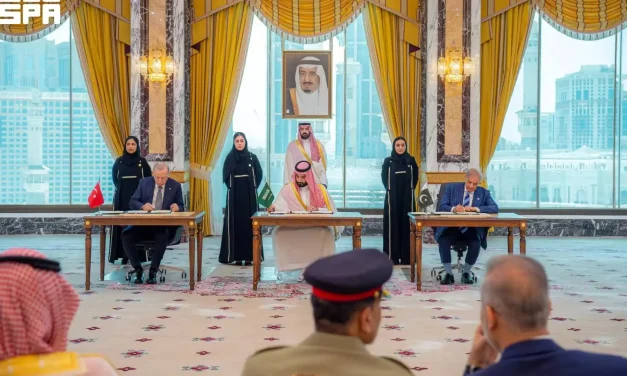
The Makkah Pact; Reasons for its Formation and Challenges Ahead

SCFR Online – Opinion: The Makkah Pact, signed between Saudi Arabia, Pakistan, and Turkey under the motto “an attack on one is an attack on all,” is viewed by some analysts less as a full-fledged military coalition and more as an attempt to reduce security dependence on an external power and to establish a regional security mechanism.
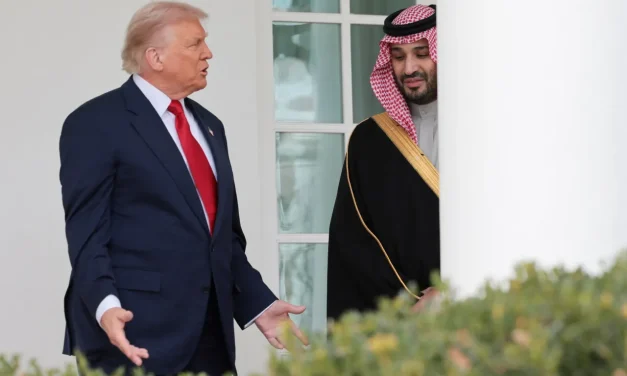
Implications of the US-Saudi Nuclear Agreement

SCFR Online – Opinion: The new US-Saudi nuclear agreement, despite legal and political ambiguities, could alter previous non-proliferation standards in West Asia and intensify nuclear competition, ushering it into a new phase.

An Analysis of Recent Turkey-Israeli Regime Tensions

SCFR Online – Opinion: Recent developments in Syria indicate an intensification of strategic rivalry between Turkey and the Israeli regime, but mutual considerations and the role of the United States have limited the likelihood of direct war.

Increasing criticism of the extensive Zionist lobby network

SCFR Online – Opinion: An examination of the mechanisms of the Israeli regime’s influence in the United States depicts a complex picture of shared interests, strategic dependencies, and the limitations of this relationship.

Realities of the Tripartite Makkah Pact

SCFR Online – Interview: The signing of the Makkah agreement between Saudi Arabia, Pakistan, and Turkey has raised questions about the future of the region’s security structure and the position of these countries in West Asian equations. Can this agreement become a genuine collective defense mechanism, or does it have more of a political and deterrent function than creating new military capacity?

Strategic Implications of the Reduction of US Weapons Stockpiles

SCFR Online – Opinion: The continuation of the US war against Iran, in addition to increasing operational costs, has called into question the actual capacity of the American arsenal to simultaneously fulfill security commitments on multiple fronts; an issue that affects deterrence, defense production capacity, and Washington’s resource prioritization.

The Formation of a New Order in Relations Between Powers

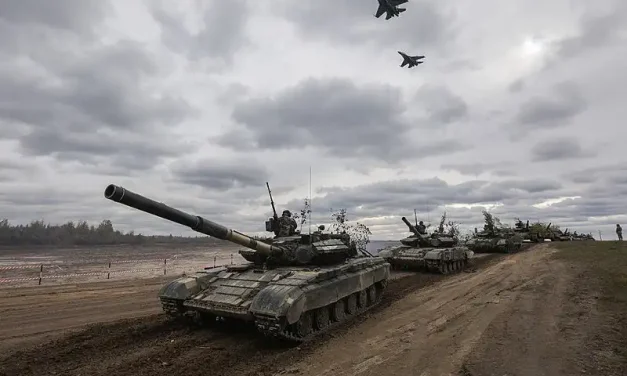
SCFR Online – Opinion: The Russia-Ukraine war and the war of the United States and the Israeli regime against Iran have been formed with different objectives and actors, but field and political developments indicate that they are not entirely separate from one another.

Loading

Top News

Analysis of Iraq – Germany Energy Agreements

Analysis of Iraq – Germany Energy Agreements

Strategic Council Online – Opinion: While preliminary agreements have been made regarding the export of oil and gas to Germany and Europe, Baghdad will face great challenges in realizing its ambitious goals.
Pouria Nabipour – PhD in political science and international relations

An analysis of the ineffectiveness of the international law system

An analysis of the ineffectiveness of the international law system

Strategic Council Online—Opinion: On March 17, 2023, the International Criminal Court issued an arrest warrant for Vladimir Putin, the President of Russia, and for the first time in the history of the United Nations after the Second World War, the president of a country that has a permanent membership in the Security Council and the right to veto it, is facing a sentence and criminal detention in the international criminal system; This indicates a structural change in the international law system.
Seyyed Nasrollah Ebrahimi—Associate Professor, College of Law and Political Sciences, University of Tehran

Dr. Kharazi’s met Najib Miqati

Dr. Kharazi’s met Najib Miqati

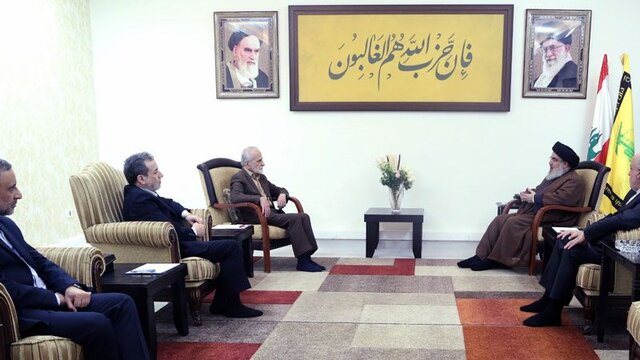
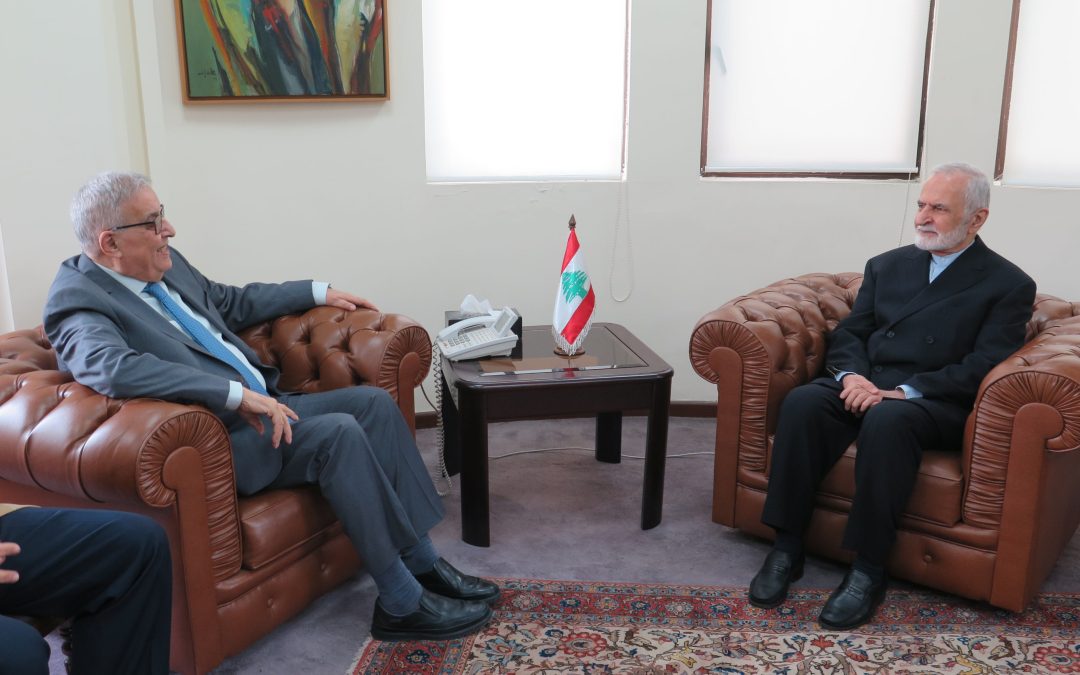
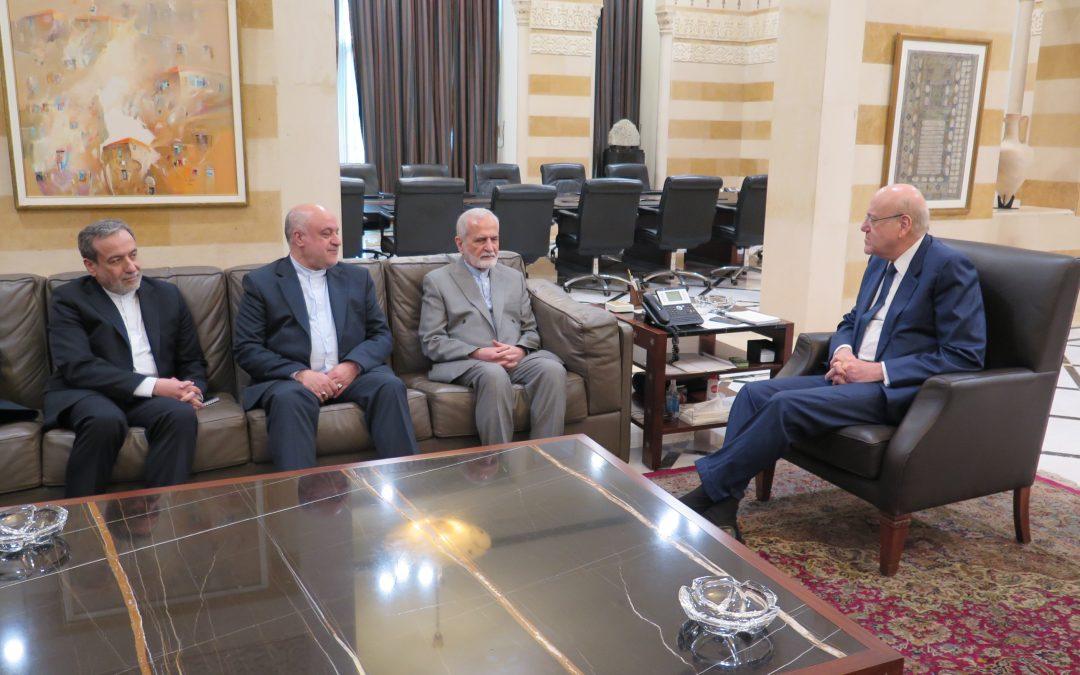
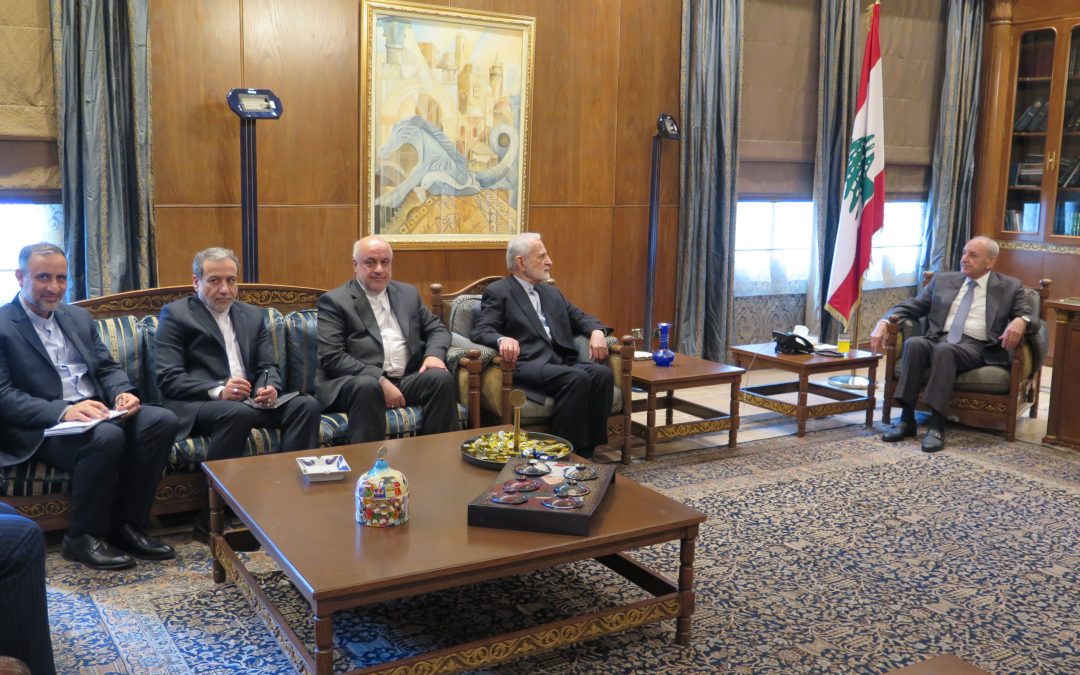
Strategic Council Online: Dr. Seyed Kamal Kharazi, the president of the Strategic Council on Foreign Relations, on the last day of his stay in Beirut, met with Mr. Najib Mikati, Acting Prime Minister of Lebanon.

A Glance at Klichdaroglu’s Rivalry with Erdogan in Turkish Elections

A Glance at Klichdaroglu’s Rivalry with Erdogan in Turkish Elections

Strategic Council Online – Opinion: After long speculations and consultations among Turkish parties known as the “Table of Six,” the leader of the People’s Republic Party, Kemal Klichdaroglu, was nominated as the presidential candidate of the six opposition parties after resolving the crisis with the “Good Party.” It is expected that 60 million people will participate in Turkey’s May 14 elections. Mahmoud Fazeli – International affairs analyst

Analysis of China’s Peace Proposal Regarding the Ukraine War

Analysis of China’s Peace Proposal Regarding the Ukraine War

Strategic Council Online – Opinion: The Ukraine war put China in a complicated situation. This means it was difficult for Beijing to adopt a position that would not alienate Russia and, at the same time, lead to the management of relations with the West. Accordingly, over the past year, Beijing has not criticized Russia seriously. Still, at the same time, it has refused to provide support to Russia that would be a game-changer, including the transfer of weapons. In return, it has criticized the West, including on the issue of NATO expansion.
Mohammad Javad Ghahremani – Researcher of China affairs

Strategic Implications of Saudi-UAE Tension in Yemen

Strategic Implications of Saudi-UAE Tension in Yemen

Strategic Council Online – Opinion: Since the beginning of Saudi Arabia’s military attack on Yemen, political, military, and security relations between Riyadh and Abu Dhabi have gone through four different stages. Based on “unity and convergence” at the beginning of the war, bilateral ties have become “rivalries” after a while. This competition led to many “disagreements,s,” With its continuation, the two countries have passed the stage of disagreement and have “tension” with each other.
Hamid Khoshayand – Expert on regional affairs

أحدث الوظائف

The Makkah Pact; Reasons for its Formation and Challenges Ahead

SCFR Online – Opinion: The Makkah Pact, signed between Saudi Arabia, Pakistan, and Turkey under the motto “an attack on one is an attack on all,” is viewed by some analysts less as a full-fledged military coalition and more as an attempt to reduce security dependence on an external power and to establish a regional security mechanism.
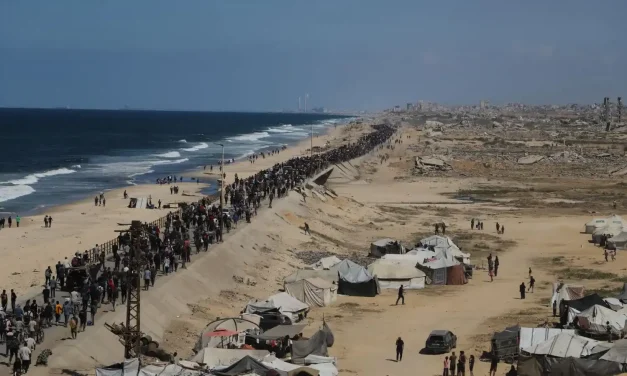
Implications of the US-Saudi Nuclear Agreement

SCFR Online – Opinion: The new US-Saudi nuclear agreement, despite legal and political ambiguities, could alter previous non-proliferation standards in West Asia and intensify nuclear competition, ushering it into a new phase.

An Analysis of Recent Turkey-Israeli Regime Tensions

SCFR Online – Opinion: Recent developments in Syria indicate an intensification of strategic rivalry between Turkey and the Israeli regime, but mutual considerations and the role of the United States have limited the likelihood of direct war.

Increasing criticism of the extensive Zionist lobby network

SCFR Online – Opinion: An examination of the mechanisms of the Israeli regime’s influence in the United States depicts a complex picture of shared interests, strategic dependencies, and the limitations of this relationship.

Realities of the Tripartite Makkah Pact

SCFR Online – Interview: The signing of the Makkah agreement between Saudi Arabia, Pakistan, and Turkey has raised questions about the future of the region’s security structure and the position of these countries in West Asian equations. Can this agreement become a genuine collective defense mechanism, or does it have more of a political and deterrent function than creating new military capacity?

Strategic Implications of the Reduction of US Weapons Stockpiles

SCFR Online – Opinion: The continuation of the US war against Iran, in addition to increasing operational costs, has called into question the actual capacity of the American arsenal to simultaneously fulfill security commitments on multiple fronts; an issue that affects deterrence, defense production capacity, and Washington’s resource prioritization.

The Formation of a New Order in Relations Between Powers

SCFR Online – Opinion: The Russia-Ukraine war and the war of the United States and the Israeli regime against Iran have been formed with different objectives and actors, but field and political developments indicate that they are not entirely separate from one another.

Loading

Top News

Analysis of Iraq – Germany Energy Agreements

Analysis of Iraq – Germany Energy Agreements

Strategic Council Online – Opinion: While preliminary agreements have been made regarding the export of oil and gas to Germany and Europe, Baghdad will face great challenges in realizing its ambitious goals.
Pouria Nabipour – PhD in political science and international relations

An analysis of the ineffectiveness of the international law system

An analysis of the ineffectiveness of the international law system

Strategic Council Online—Opinion: On March 17, 2023, the International Criminal Court issued an arrest warrant for Vladimir Putin, the President of Russia, and for the first time in the history of the United Nations after the Second World War, the president of a country that has a permanent membership in the Security Council and the right to veto it, is facing a sentence and criminal detention in the international criminal system; This indicates a structural change in the international law system.
Seyyed Nasrollah Ebrahimi—Associate Professor, College of Law and Political Sciences, University of Tehran

Dr. Kharazi’s met Najib Miqati

Dr. Kharazi’s met Najib Miqati

Strategic Council Online: Dr. Seyed Kamal Kharazi, the president of the Strategic Council on Foreign Relations, on the last day of his stay in Beirut, met with Mr. Najib Mikati, Acting Prime Minister of Lebanon.

A Glance at Klichdaroglu’s Rivalry with Erdogan in Turkish Elections

A Glance at Klichdaroglu’s Rivalry with Erdogan in Turkish Elections

Strategic Council Online – Opinion: After long speculations and consultations among Turkish parties known as the “Table of Six,” the leader of the People’s Republic Party, Kemal Klichdaroglu, was nominated as the presidential candidate of the six opposition parties after resolving the crisis with the “Good Party.” It is expected that 60 million people will participate in Turkey’s May 14 elections. Mahmoud Fazeli – International affairs analyst

Analysis of China’s Peace Proposal Regarding the Ukraine War

Analysis of China’s Peace Proposal Regarding the Ukraine War

Strategic Council Online – Opinion: The Ukraine war put China in a complicated situation. This means it was difficult for Beijing to adopt a position that would not alienate Russia and, at the same time, lead to the management of relations with the West. Accordingly, over the past year, Beijing has not criticized Russia seriously. Still, at the same time, it has refused to provide support to Russia that would be a game-changer, including the transfer of weapons. In return, it has criticized the West, including on the issue of NATO expansion.
Mohammad Javad Ghahremani – Researcher of China affairs

Strategic Implications of Saudi-UAE Tension in Yemen

Strategic Implications of Saudi-UAE Tension in Yemen

Strategic Council Online – Opinion: Since the beginning of Saudi Arabia’s military attack on Yemen, political, military, and security relations between Riyadh and Abu Dhabi have gone through four different stages. Based on “unity and convergence” at the beginning of the war, bilateral ties have become “rivalries” after a while. This competition led to many “disagreements,s,” With its continuation, the two countries have passed the stage of disagreement and have “tension” with each other.
Hamid Khoshayand – Expert on regional affairs

Top News

Analysis of Iraq – Germany Energy Agreements

Analysis of Iraq – Germany Energy Agreements

Strategic Council Online – Opinion: While preliminary agreements have been made regarding the export of oil and gas to Germany and Europe, Baghdad will face great challenges in realizing its ambitious goals.
Pouria Nabipour – PhD in political science and international relations

An analysis of the ineffectiveness of the international law system

An analysis of the ineffectiveness of the international law system

Strategic Council Online—Opinion: On March 17, 2023, the International Criminal Court issued an arrest warrant for Vladimir Putin, the President of Russia, and for the first time in the history of the United Nations after the Second World War, the president of a country that has a permanent membership in the Security Council and the right to veto it, is facing a sentence and criminal detention in the international criminal system; This indicates a structural change in the international law system.
Seyyed Nasrollah Ebrahimi—Associate Professor, College of Law and Political Sciences, University of Tehran

Dr. Kharazi’s met Najib Miqati

Dr. Kharazi’s met Najib Miqati

Strategic Council Online: Dr. Seyed Kamal Kharazi, the president of the Strategic Council on Foreign Relations, on the last day of his stay in Beirut, met with Mr. Najib Mikati, Acting Prime Minister of Lebanon.

A Glance at Klichdaroglu’s Rivalry with Erdogan in Turkish Elections

A Glance at Klichdaroglu’s Rivalry with Erdogan in Turkish Elections

Strategic Council Online – Opinion: After long speculations and consultations among Turkish parties known as the “Table of Six,” the leader of the People’s Republic Party, Kemal Klichdaroglu, was nominated as the presidential candidate of the six opposition parties after resolving the crisis with the “Good Party.” It is expected that 60 million people will participate in Turkey’s May 14 elections. Mahmoud Fazeli – International affairs analyst

Analysis of China’s Peace Proposal Regarding the Ukraine War

Analysis of China’s Peace Proposal Regarding the Ukraine War

Strategic Council Online – Opinion: The Ukraine war put China in a complicated situation. This means it was difficult for Beijing to adopt a position that would not alienate Russia and, at the same time, lead to the management of relations with the West. Accordingly, over the past year, Beijing has not criticized Russia seriously. Still, at the same time, it has refused to provide support to Russia that would be a game-changer, including the transfer of weapons. In return, it has criticized the West, including on the issue of NATO expansion.
Mohammad Javad Ghahremani – Researcher of China affairs

Strategic Implications of Saudi-UAE Tension in Yemen

Strategic Implications of Saudi-UAE Tension in Yemen

Strategic Council Online – Opinion: Since the beginning of Saudi Arabia’s military attack on Yemen, political, military, and security relations between Riyadh and Abu Dhabi have gone through four different stages. Based on “unity and convergence” at the beginning of the war, bilateral ties have become “rivalries” after a while. This competition led to many “disagreements,s,” With its continuation, the two countries have passed the stage of disagreement and have “tension” with each other.
Hamid Khoshayand – Expert on regional affairs

LATEST CONTENT

The Makkah Pact; Reasons for its Formation and Challenges Ahead

SCFR Online – Opinion: The Makkah Pact, signed between Saudi Arabia, Pakistan, and Turkey under the motto “an attack on one is an attack on all,” is viewed by some analysts less as a full-fledged military coalition and more as an attempt to reduce security dependence on an external power and to establish a regional security mechanism.
Implications of the US-Saudi Nuclear Agreement

SCFR Online – Opinion: The new US-Saudi nuclear agreement, despite legal and political ambiguities, could alter previous non-proliferation standards in West Asia and intensify nuclear competition, ushering it into a new phase.

An Analysis of Recent Turkey-Israeli Regime Tensions

SCFR Online – Opinion: Recent developments in Syria indicate an intensification of strategic rivalry between Turkey and the Israeli regime, but mutual considerations and the role of the United States have limited the likelihood of direct war.

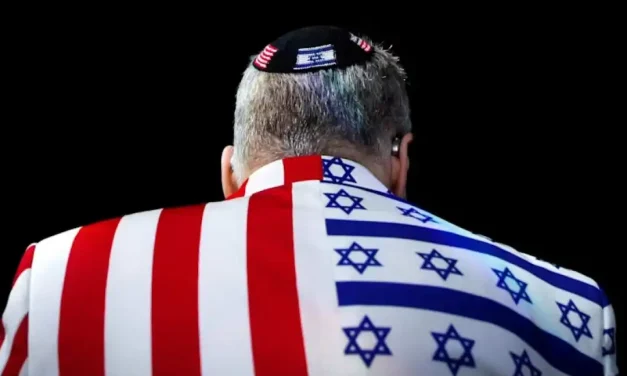
Increasing criticism of the extensive Zionist lobby network

SCFR Online – Opinion: An examination of the mechanisms of the Israeli regime’s influence in the United States depicts a complex picture of shared interests, strategic dependencies, and the limitations of this relationship.

Realities of the Tripartite Makkah Pact

SCFR Online – Interview: The signing of the Makkah agreement between Saudi Arabia, Pakistan, and Turkey has raised questions about the future of the region’s security structure and the position of these countries in West Asian equations. Can this agreement become a genuine collective defense mechanism, or does it have more of a political and deterrent function than creating new military capacity?

Strategic Implications of the Reduction of US Weapons Stockpiles

SCFR Online – Opinion: The continuation of the US war against Iran, in addition to increasing operational costs, has called into question the actual capacity of the American arsenal to simultaneously fulfill security commitments on multiple fronts; an issue that affects deterrence, defense production capacity, and Washington’s resource prioritization.

The Formation of a New Order in Relations Between Powers

SCFR Online – Opinion: The Russia-Ukraine war and the war of the United States and the Israeli regime against Iran have been formed with different objectives and actors, but field and political developments indicate that they are not entirely separate from one another.

Loading

Top News

Analysis of Iraq – Germany Energy Agreements

Analysis of Iraq – Germany Energy Agreements

Strategic Council Online – Opinion: While preliminary agreements have been made regarding the export of oil and gas to Germany and Europe, Baghdad will face great challenges in realizing its ambitious goals.
Pouria Nabipour – PhD in political science and international relations

An analysis of the ineffectiveness of the international law system

An analysis of the ineffectiveness of the international law system

Strategic Council Online—Opinion: On March 17, 2023, the International Criminal Court issued an arrest warrant for Vladimir Putin, the President of Russia, and for the first time in the history of the United Nations after the Second World War, the president of a country that has a permanent membership in the Security Council and the right to veto it, is facing a sentence and criminal detention in the international criminal system; This indicates a structural change in the international law system.
Seyyed Nasrollah Ebrahimi—Associate Professor, College of Law and Political Sciences, University of Tehran

Dr. Kharazi’s met Najib Miqati

Dr. Kharazi’s met Najib Miqati

Strategic Council Online: Dr. Seyed Kamal Kharazi, the president of the Strategic Council on Foreign Relations, on the last day of his stay in Beirut, met with Mr. Najib Mikati, Acting Prime Minister of Lebanon.

A Glance at Klichdaroglu’s Rivalry with Erdogan in Turkish Elections

A Glance at Klichdaroglu’s Rivalry with Erdogan in Turkish Elections

Strategic Council Online – Opinion: After long speculations and consultations among Turkish parties known as the “Table of Six,” the leader of the People’s Republic Party, Kemal Klichdaroglu, was nominated as the presidential candidate of the six opposition parties after resolving the crisis with the “Good Party.” It is expected that 60 million people will participate in Turkey’s May 14 elections. Mahmoud Fazeli – International affairs analyst

Analysis of China’s Peace Proposal Regarding the Ukraine War

Analysis of China’s Peace Proposal Regarding the Ukraine War

Strategic Council Online – Opinion: The Ukraine war put China in a complicated situation. This means it was difficult for Beijing to adopt a position that would not alienate Russia and, at the same time, lead to the management of relations with the West. Accordingly, over the past year, Beijing has not criticized Russia seriously. Still, at the same time, it has refused to provide support to Russia that would be a game-changer, including the transfer of weapons. In return, it has criticized the West, including on the issue of NATO expansion.
Mohammad Javad Ghahremani – Researcher of China affairs

Strategic Implications of Saudi-UAE Tension in Yemen

Strategic Implications of Saudi-UAE Tension in Yemen

Strategic Council Online – Opinion: Since the beginning of Saudi Arabia’s military attack on Yemen, political, military, and security relations between Riyadh and Abu Dhabi have gone through four different stages. Based on “unity and convergence” at the beginning of the war, bilateral ties have become “rivalries” after a while. This competition led to many “disagreements,s,” With its continuation, the two countries have passed the stage of disagreement and have “tension” with each other.
Hamid Khoshayand – Expert on regional affairs

ÚLTIMAS PUBLICACIONES

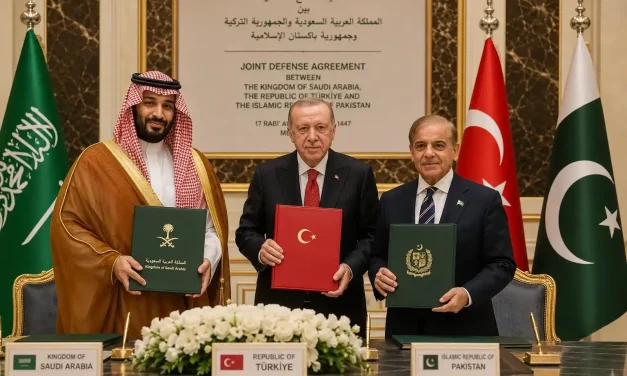
The Makkah Pact; Reasons for its Formation and Challenges Ahead

SCFR Online – Opinion: The Makkah Pact, signed between Saudi Arabia, Pakistan, and Turkey under the motto “an attack on one is an attack on all,” is viewed by some analysts less as a full-fledged military coalition and more as an attempt to reduce security dependence on an external power and to establish a regional security mechanism.
Implications of the US-Saudi Nuclear Agreement

SCFR Online – Opinion: The new US-Saudi nuclear agreement, despite legal and political ambiguities, could alter previous non-proliferation standards in West Asia and intensify nuclear competition, ushering it into a new phase.

An Analysis of Recent Turkey-Israeli Regime Tensions

SCFR Online – Opinion: Recent developments in Syria indicate an intensification of strategic rivalry between Turkey and the Israeli regime, but mutual considerations and the role of the United States have limited the likelihood of direct war.

Increasing criticism of the extensive Zionist lobby network

SCFR Online – Opinion: An examination of the mechanisms of the Israeli regime’s influence in the United States depicts a complex picture of shared interests, strategic dependencies, and the limitations of this relationship.

Realities of the Tripartite Makkah Pact

SCFR Online – Interview: The signing of the Makkah agreement between Saudi Arabia, Pakistan, and Turkey has raised questions about the future of the region’s security structure and the position of these countries in West Asian equations. Can this agreement become a genuine collective defense mechanism, or does it have more of a political and deterrent function than creating new military capacity?

Strategic Implications of the Reduction of US Weapons Stockpiles

SCFR Online – Opinion: The continuation of the US war against Iran, in addition to increasing operational costs, has called into question the actual capacity of the American arsenal to simultaneously fulfill security commitments on multiple fronts; an issue that affects deterrence, defense production capacity, and Washington’s resource prioritization.

The Formation of a New Order in Relations Between Powers

SCFR Online – Opinion: The Russia-Ukraine war and the war of the United States and the Israeli regime against Iran have been formed with different objectives and actors, but field and political developments indicate that they are not entirely separate from one another.

Loading

Top News

Analysis of Iraq – Germany Energy Agreements

Analysis of Iraq – Germany Energy Agreements

Strategic Council Online – Opinion: While preliminary agreements have been made regarding the export of oil and gas to Germany and Europe, Baghdad will face great challenges in realizing its ambitious goals.
Pouria Nabipour – PhD in political science and international relations

An analysis of the ineffectiveness of the international law system

An analysis of the ineffectiveness of the international law system

Strategic Council Online—Opinion: On March 17, 2023, the International Criminal Court issued an arrest warrant for Vladimir Putin, the President of Russia, and for the first time in the history of the United Nations after the Second World War, the president of a country that has a permanent membership in the Security Council and the right to veto it, is facing a sentence and criminal detention in the international criminal system; This indicates a structural change in the international law system.
Seyyed Nasrollah Ebrahimi—Associate Professor, College of Law and Political Sciences, University of Tehran

Dr. Kharazi’s met Najib Miqati

Dr. Kharazi’s met Najib Miqati

Strategic Council Online: Dr. Seyed Kamal Kharazi, the president of the Strategic Council on Foreign Relations, on the last day of his stay in Beirut, met with Mr. Najib Mikati, Acting Prime Minister of Lebanon.

A Glance at Klichdaroglu’s Rivalry with Erdogan in Turkish Elections

A Glance at Klichdaroglu’s Rivalry with Erdogan in Turkish Elections

Strategic Council Online – Opinion: After long speculations and consultations among Turkish parties known as the “Table of Six,” the leader of the People’s Republic Party, Kemal Klichdaroglu, was nominated as the presidential candidate of the six opposition parties after resolving the crisis with the “Good Party.” It is expected that 60 million people will participate in Turkey’s May 14 elections. Mahmoud Fazeli – International affairs analyst

Analysis of China’s Peace Proposal Regarding the Ukraine War

Analysis of China’s Peace Proposal Regarding the Ukraine War

Strategic Council Online – Opinion: The Ukraine war put China in a complicated situation. This means it was difficult for Beijing to adopt a position that would not alienate Russia and, at the same time, lead to the management of relations with the West. Accordingly, over the past year, Beijing has not criticized Russia seriously. Still, at the same time, it has refused to provide support to Russia that would be a game-changer, including the transfer of weapons. In return, it has criticized the West, including on the issue of NATO expansion.
Mohammad Javad Ghahremani – Researcher of China affairs

Strategic Implications of Saudi-UAE Tension in Yemen

Strategic Implications of Saudi-UAE Tension in Yemen

Strategic Council Online – Opinion: Since the beginning of Saudi Arabia’s military attack on Yemen, political, military, and security relations between Riyadh and Abu Dhabi have gone through four different stages. Based on “unity and convergence” at the beginning of the war, bilateral ties have become “rivalries” after a while. This competition led to many “disagreements,s,” With its continuation, the two countries have passed the stage of disagreement and have “tension” with each other.
Hamid Khoshayand – Expert on regional affairs

ÚLTIMAS PUBLICACIONES

The Makkah Pact; Reasons for its Formation and Challenges Ahead

SCFR Online – Opinion: The Makkah Pact, signed between Saudi Arabia, Pakistan, and Turkey under the motto “an attack on one is an attack on all,” is viewed by some analysts less as a full-fledged military coalition and more as an attempt to reduce security dependence on an external power and to establish a regional security mechanism.
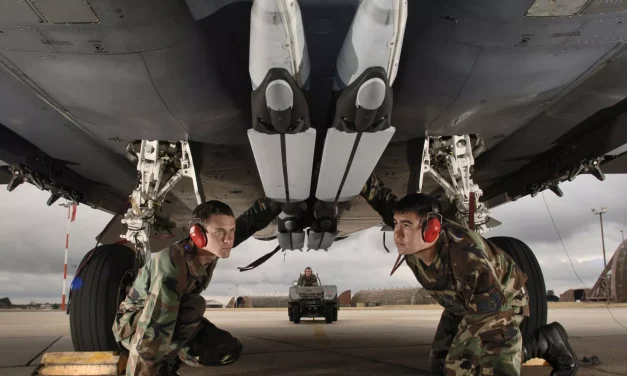
Implications of the US-Saudi Nuclear Agreement

SCFR Online – Opinion: The new US-Saudi nuclear agreement, despite legal and political ambiguities, could alter previous non-proliferation standards in West Asia and intensify nuclear competition, ushering it into a new phase.

An Analysis of Recent Turkey-Israeli Regime Tensions

SCFR Online – Opinion: Recent developments in Syria indicate an intensification of strategic rivalry between Turkey and the Israeli regime, but mutual considerations and the role of the United States have limited the likelihood of direct war.

Increasing criticism of the extensive Zionist lobby network

SCFR Online – Opinion: An examination of the mechanisms of the Israeli regime’s influence in the United States depicts a complex picture of shared interests, strategic dependencies, and the limitations of this relationship.

Realities of the Tripartite Makkah Pact

SCFR Online – Interview: The signing of the Makkah agreement between Saudi Arabia, Pakistan, and Turkey has raised questions about the future of the region’s security structure and the position of these countries in West Asian equations. Can this agreement become a genuine collective defense mechanism, or does it have more of a political and deterrent function than creating new military capacity?

Strategic Implications of the Reduction of US Weapons Stockpiles

SCFR Online – Opinion: The continuation of the US war against Iran, in addition to increasing operational costs, has called into question the actual capacity of the American arsenal to simultaneously fulfill security commitments on multiple fronts; an issue that affects deterrence, defense production capacity, and Washington’s resource prioritization.

The Formation of a New Order in Relations Between Powers

SCFR Online – Opinion: The Russia-Ukraine war and the war of the United States and the Israeli regime against Iran have been formed with different objectives and actors, but field and political developments indicate that they are not entirely separate from one another.

Loading

Top News

Analysis of Iraq – Germany Energy Agreements

Analysis of Iraq – Germany Energy Agreements

Strategic Council Online – Opinion: While preliminary agreements have been made regarding the export of oil and gas to Germany and Europe, Baghdad will face great challenges in realizing its ambitious goals.
Pouria Nabipour – PhD in political science and international relations

An analysis of the ineffectiveness of the international law system

An analysis of the ineffectiveness of the international law system

Strategic Council Online—Opinion: On March 17, 2023, the International Criminal Court issued an arrest warrant for Vladimir Putin, the President of Russia, and for the first time in the history of the United Nations after the Second World War, the president of a country that has a permanent membership in the Security Council and the right to veto it, is facing a sentence and criminal detention in the international criminal system; This indicates a structural change in the international law system.
Seyyed Nasrollah Ebrahimi—Associate Professor, College of Law and Political Sciences, University of Tehran

Dr. Kharazi’s met Najib Miqati

Dr. Kharazi’s met Najib Miqati

Strategic Council Online: Dr. Seyed Kamal Kharazi, the president of the Strategic Council on Foreign Relations, on the last day of his stay in Beirut, met with Mr. Najib Mikati, Acting Prime Minister of Lebanon.

A Glance at Klichdaroglu’s Rivalry with Erdogan in Turkish Elections

A Glance at Klichdaroglu’s Rivalry with Erdogan in Turkish Elections

Strategic Council Online – Opinion: After long speculations and consultations among Turkish parties known as the “Table of Six,” the leader of the People’s Republic Party, Kemal Klichdaroglu, was nominated as the presidential candidate of the six opposition parties after resolving the crisis with the “Good Party.” It is expected that 60 million people will participate in Turkey’s May 14 elections. Mahmoud Fazeli – International affairs analyst

Analysis of China’s Peace Proposal Regarding the Ukraine War

Analysis of China’s Peace Proposal Regarding the Ukraine War

Strategic Council Online – Opinion: The Ukraine war put China in a complicated situation. This means it was difficult for Beijing to adopt a position that would not alienate Russia and, at the same time, lead to the management of relations with the West. Accordingly, over the past year, Beijing has not criticized Russia seriously. Still, at the same time, it has refused to provide support to Russia that would be a game-changer, including the transfer of weapons. In return, it has criticized the West, including on the issue of NATO expansion.
Mohammad Javad Ghahremani – Researcher of China affairs

Strategic Implications of Saudi-UAE Tension in Yemen

Strategic Implications of Saudi-UAE Tension in Yemen

Strategic Council Online – Opinion: Since the beginning of Saudi Arabia’s military attack on Yemen, political, military, and security relations between Riyadh and Abu Dhabi have gone through four different stages. Based on “unity and convergence” at the beginning of the war, bilateral ties have become “rivalries” after a while. This competition led to many “disagreements,s,” With its continuation, the two countries have passed the stage of disagreement and have “tension” with each other.
Hamid Khoshayand – Expert on regional affairs

ÚLTIMAS PUBLICACIONES

The Makkah Pact; Reasons for its Formation and Challenges Ahead

SCFR Online – Opinion: The Makkah Pact, signed between Saudi Arabia, Pakistan, and Turkey under the motto “an attack on one is an attack on all,” is viewed by some analysts less as a full-fledged military coalition and more as an attempt to reduce security dependence on an external power and to establish a regional security mechanism.
Implications of the US-Saudi Nuclear Agreement

SCFR Online – Opinion: The new US-Saudi nuclear agreement, despite legal and political ambiguities, could alter previous non-proliferation standards in West Asia and intensify nuclear competition, ushering it into a new phase.

An Analysis of Recent Turkey-Israeli Regime Tensions

SCFR Online – Opinion: Recent developments in Syria indicate an intensification of strategic rivalry between Turkey and the Israeli regime, but mutual considerations and the role of the United States have limited the likelihood of direct war.

Increasing criticism of the extensive Zionist lobby network

SCFR Online – Opinion: An examination of the mechanisms of the Israeli regime’s influence in the United States depicts a complex picture of shared interests, strategic dependencies, and the limitations of this relationship.

Realities of the Tripartite Makkah Pact

SCFR Online – Interview: The signing of the Makkah agreement between Saudi Arabia, Pakistan, and Turkey has raised questions about the future of the region’s security structure and the position of these countries in West Asian equations. Can this agreement become a genuine collective defense mechanism, or does it have more of a political and deterrent function than creating new military capacity?

Strategic Implications of the Reduction of US Weapons Stockpiles

SCFR Online – Opinion: The continuation of the US war against Iran, in addition to increasing operational costs, has called into question the actual capacity of the American arsenal to simultaneously fulfill security commitments on multiple fronts; an issue that affects deterrence, defense production capacity, and Washington’s resource prioritization.

The Formation of a New Order in Relations Between Powers

SCFR Online – Opinion: The Russia-Ukraine war and the war of the United States and the Israeli regime against Iran have been formed with different objectives and actors, but field and political developments indicate that they are not entirely separate from one another.

Loading

Top News

Analysis of Iraq – Germany Energy Agreements

Analysis of Iraq – Germany Energy Agreements

Strategic Council Online – Opinion: While preliminary agreements have been made regarding the export of oil and gas to Germany and Europe, Baghdad will face great challenges in realizing its ambitious goals.
Pouria Nabipour – PhD in political science and international relations

An analysis of the ineffectiveness of the international law system

An analysis of the ineffectiveness of the international law system

Strategic Council Online—Opinion: On March 17, 2023, the International Criminal Court issued an arrest warrant for Vladimir Putin, the President of Russia, and for the first time in the history of the United Nations after the Second World War, the president of a country that has a permanent membership in the Security Council and the right to veto it, is facing a sentence and criminal detention in the international criminal system; This indicates a structural change in the international law system.
Seyyed Nasrollah Ebrahimi—Associate Professor, College of Law and Political Sciences, University of Tehran

Dr. Kharazi’s met Najib Miqati

Dr. Kharazi’s met Najib Miqati

Strategic Council Online: Dr. Seyed Kamal Kharazi, the president of the Strategic Council on Foreign Relations, on the last day of his stay in Beirut, met with Mr. Najib Mikati, Acting Prime Minister of Lebanon.

A Glance at Klichdaroglu’s Rivalry with Erdogan in Turkish Elections

A Glance at Klichdaroglu’s Rivalry with Erdogan in Turkish Elections

Strategic Council Online – Opinion: After long speculations and consultations among Turkish parties known as the “Table of Six,” the leader of the People’s Republic Party, Kemal Klichdaroglu, was nominated as the presidential candidate of the six opposition parties after resolving the crisis with the “Good Party.” It is expected that 60 million people will participate in Turkey’s May 14 elections. Mahmoud Fazeli – International affairs analyst

Analysis of China’s Peace Proposal Regarding the Ukraine War

Analysis of China’s Peace Proposal Regarding the Ukraine War

Strategic Council Online – Opinion: The Ukraine war put China in a complicated situation. This means it was difficult for Beijing to adopt a position that would not alienate Russia and, at the same time, lead to the management of relations with the West. Accordingly, over the past year, Beijing has not criticized Russia seriously. Still, at the same time, it has refused to provide support to Russia that would be a game-changer, including the transfer of weapons. In return, it has criticized the West, including on the issue of NATO expansion.
Mohammad Javad Ghahremani – Researcher of China affairs

Strategic Implications of Saudi-UAE Tension in Yemen

Strategic Implications of Saudi-UAE Tension in Yemen

Strategic Council Online – Opinion: Since the beginning of Saudi Arabia’s military attack on Yemen, political, military, and security relations between Riyadh and Abu Dhabi have gone through four different stages. Based on “unity and convergence” at the beginning of the war, bilateral ties have become “rivalries” after a while. This competition led to many “disagreements,s,” With its continuation, the two countries have passed the stage of disagreement and have “tension” with each other.
Hamid Khoshayand – Expert on regional affairs

ÚLTIMAS PUBLICACIONES

The Makkah Pact; Reasons for its Formation and Challenges Ahead

SCFR Online – Opinion: The Makkah Pact, signed between Saudi Arabia, Pakistan, and Turkey under the motto “an attack on one is an attack on all,” is viewed by some analysts less as a full-fledged military coalition and more as an attempt to reduce security dependence on an external power and to establish a regional security mechanism.

Implications of the US-Saudi Nuclear Agreement

SCFR Online – Opinion: The new US-Saudi nuclear agreement, despite legal and political ambiguities, could alter previous non-proliferation standards in West Asia and intensify nuclear competition, ushering it into a new phase.

An Analysis of Recent Turkey-Israeli Regime Tensions

SCFR Online – Opinion: Recent developments in Syria indicate an intensification of strategic rivalry between Turkey and the Israeli regime, but mutual considerations and the role of the United States have limited the likelihood of direct war.

Increasing criticism of the extensive Zionist lobby network

SCFR Online – Opinion: An examination of the mechanisms of the Israeli regime’s influence in the United States depicts a complex picture of shared interests, strategic dependencies, and the limitations of this relationship.

Realities of the Tripartite Makkah Pact

SCFR Online – Interview: The signing of the Makkah agreement between Saudi Arabia, Pakistan, and Turkey has raised questions about the future of the region’s security structure and the position of these countries in West Asian equations. Can this agreement become a genuine collective defense mechanism, or does it have more of a political and deterrent function than creating new military capacity?

Strategic Implications of the Reduction of US Weapons Stockpiles

SCFR Online – Opinion: The continuation of the US war against Iran, in addition to increasing operational costs, has called into question the actual capacity of the American arsenal to simultaneously fulfill security commitments on multiple fronts; an issue that affects deterrence, defense production capacity, and Washington’s resource prioritization.

The Formation of a New Order in Relations Between Powers

SCFR Online – Opinion: The Russia-Ukraine war and the war of the United States and the Israeli regime against Iran have been formed with different objectives and actors, but field and political developments indicate that they are not entirely separate from one another.

Loading