جدیدترین مطالب

Balancing in the chain of chokepoints; from sea-based deterrence to pluralistic diplomacy

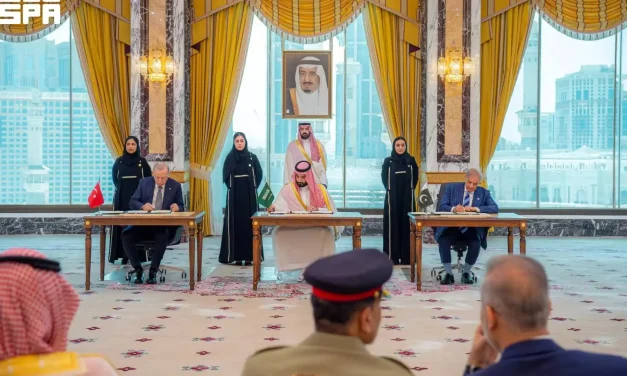
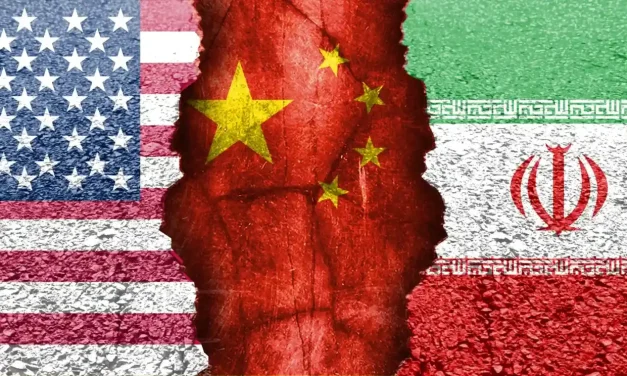
Strategic Council Online – Note: Recent developments in the political geography of West Asia, from rising tensions in the Persian Gulf to missile and drone activities in the Red Sea and the recent warning by Kaja Kallas, the European Union’s foreign policy chief, regarding the threat to freedom of navigation, indicate a key pattern shift; the US-Iran war has moved beyond the scope of a regional and local confrontation and has linked two vital passageways for the global economy: the Strait of Hormuz and the Bab el-Mandeb Strait.

Indicators for Choosing Between War and Diplomacy

SCFR Online – Opinion: Foreign policy analysis is valid when it evaluates decisions based on the information and circumstances prevailing at the time they were made, not on the basis of outcomes that only become apparent after the crisis has ended.

Loading

Economy

America’s Aggressive Commercial Strategy and Imposing a Trade Agreement on the EU

America’s Aggressive Commercial Strategy and Imposing a Trade Agreement on the EU

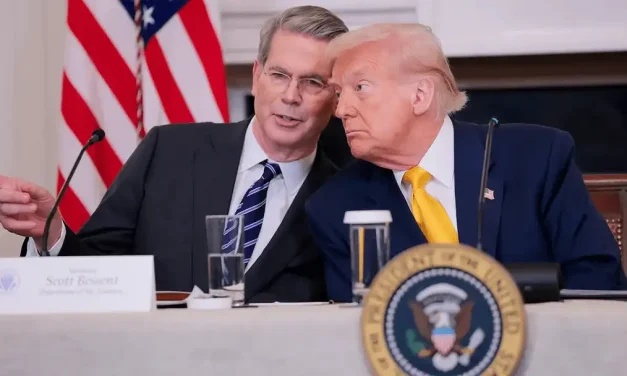
Strategic Council Online – Interview: An international affairs analyst stated that the recent trade agreement between the United States and the European Union, signed on July 28, 2025, in Scotland, appears to have averted a full-scale tariff war. However, this agreement, shaped by Donald Trump’s pressures and threats to raise tariffs by up to 30%, reflects U.S. economic dominance over Europe more than it signifies mutual cooperation. The European Union’s commitment to purchasing $750 billion worth of energy and investing $600 billion in the U.S., along with accepting a 15% tariff on most European exports, raises serious questions about Europe’s economic independence and its implications for the global economy. Does this agreement mean stability for European trade, or does it represent a strategic surrender to the United States that will deepen existing rifts in the global order?

An Analysis of the Gas Tension in the Eastern Mediterranean to Lebanon’s Detriment

An Analysis of the Gas Tension in the Eastern Mediterranean to Lebanon’s Detriment

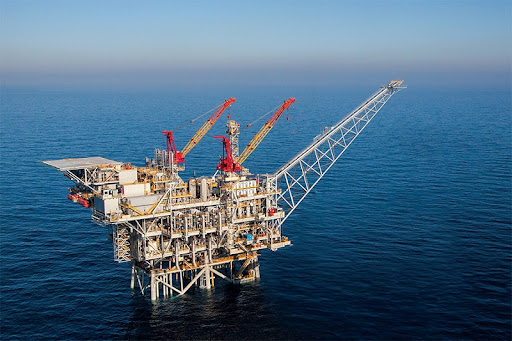
Strategic Council Online – Interview: A researcher on Lebanese affairs stated: Under intense US pressure, Lebanon’s current government is hastily finalizing the gas dossier in the Eastern Mediterranean; an action that benefits the US, the Israeli regime, and their allies, and may result in Lebanon losing approximately five thousand square kilometers of area containing its gas and oil wealth. In this regard, the Al-Akhbar newspaper wrote: What is happening today is not merely a maritime negotiation, but a battle over sovereignty and survival that is feared will end unilaterally at a bargaining table where there is no room for national interests.

The Strategic Significance of Syria-Turkey-Azerbaijan Gas Project

The Strategic Significance of Syria-Turkey-Azerbaijan Gas Project

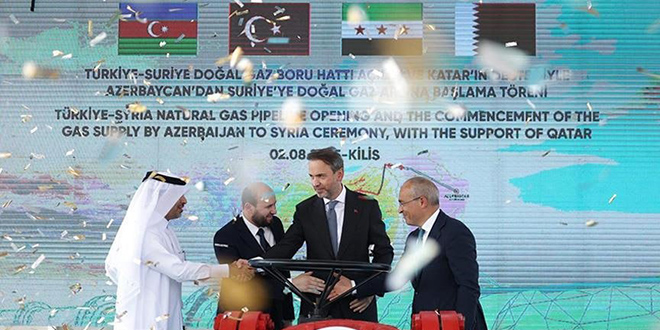
Strategic Council Online – Interview: A West Asia affairs analyst stated: The Syria-Turkey-Azerbaijan gas project goes beyond simple energy cooperation and must be evaluated within the context of regional power competition, efforts to redefine the political order in Syria, and the strengthening of the Turkish-Qatari-Azerbaijani axis in West Asia. An order whose future will largely depend on the stability of the Damascus government and Turkey’s ability to manage security, economic, and geopolitical crises simultaneously.
At a time when Syria is still grappling with extensive infrastructure problems and an energy crisis, the inauguration of the gas pipeline from Azerbaijan to Syria via Turkey, with Qatar’s financial support, has drawn the attention of regional analysts. This project, which in its first phase will transfer 3.4 million cubic meters of gas per day and will eventually reach a capacity of 6 million cubic meters per day, could add approximately 750 megawatts to Syria’s electricity generation capacity.

Features of Cryptocurrencies and the Consequences of Their Use Under Sanction Conditions

Features of Cryptocurrencies and the Consequences of Their Use Under Sanction Conditions

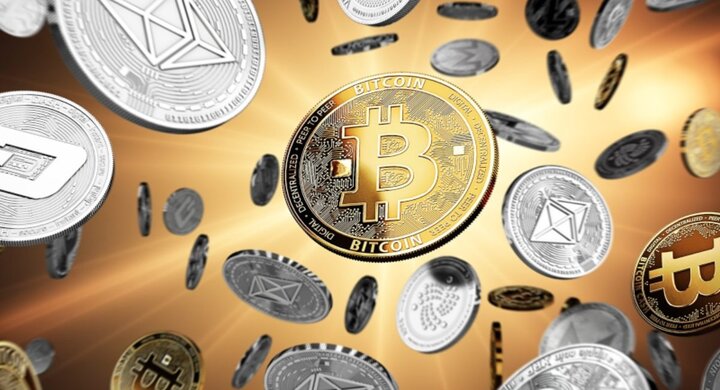
Strategic Council Online – Opinion: In recent years, with the expansion of international sanctions and the intensification of economic pressures on specific countries, many have turned their attention to new financial technologies. Among these technologies, cryptocurrencies have garnered more attention than others. Media, economic actors, and even some politicians have referred to cryptocurrency as a potential tool for bypassing sanctions, as if these cryptocurrencies are the very keyword that unlocks the closed doors of the global banking system.

Feedback on Trump’s Economic Policies in America

Feedback on Trump’s Economic Policies in America

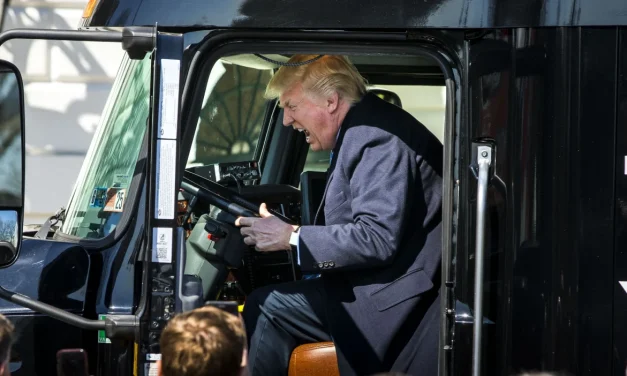
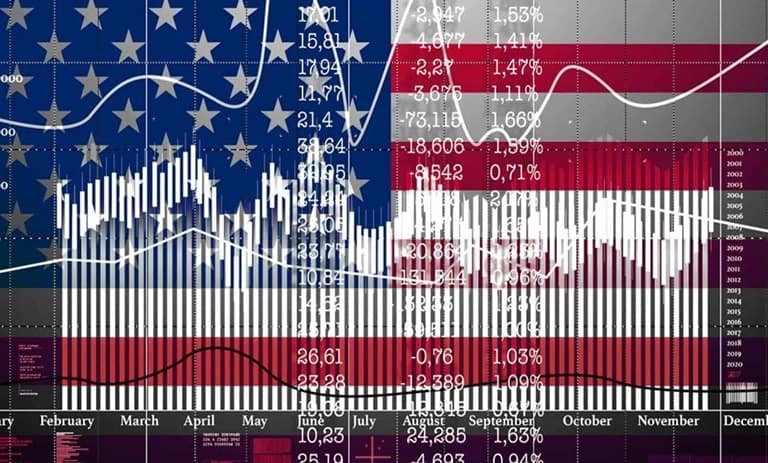
Strategic Council Online – Interview: An American affairs analyst stated: Although only seven months have passed since the beginning of Donald Trump’s second term in the White House, the administration’s official narrative of economic performance has again become a contentious subject in American academic, media, and expert circles. Statistics recently released by the Trump administration on economic indicators appear to suggest economic revival, reduced inflation, and a strengthened labor market. However, when these statistics are juxtaposed with independent data and credible surveys, a different and concerning picture of the U.S. economy’s real condition emerges. Rising unemployment rates, declining employment growth, falling labor force participation, consumer inflation exceeding optimal levels, and widespread public dissatisfaction with living costs are the most significant indicators challenging the Trump administration’s narrative. This comes as Trump, repeating his “Make America Great Again” slogan, had promised that protective trade policies and heavy tariffs would increase domestic employment and enhance the competitiveness of U.S. industries. Yet according to many economists and market observers, these policies have not only failed to revive the economy but have instead increased production costs, burdened domestic consumers, and disrupted global supply chains.

The Necessity of Strengthening Environmental Diplomacy to Counter the Consequences of the Trump Administration’s Deregulation

The Necessity of Strengthening Environmental Diplomacy to Counter the Consequences of the Trump Administration’s Deregulation

Strategic Council Online – Interview: A senior international security analyst stated: The Trump administration’s environmental deregulation policies will inflict serious and long-term damage on international security. The Donald Trump administration has adopted a controversial approach through extensive environmental deregulation policies, including revoking the 2009 scientific finding that identified greenhouse gases as a threat to public health. This decision, described by Lee Zeldin, head of the U.S. Environmental Protection Agency (EPA), as “the largest deregulation in American history,” not only weakens global efforts to combat global warming but will also have more destructive repercussions in the realm of international security.

BRICS Initiatives to Reduce Countries’ Dependence on the Dollar and Their Challenges

BRICS Initiatives to Reduce Countries’ Dependence on the Dollar and Their Challenges

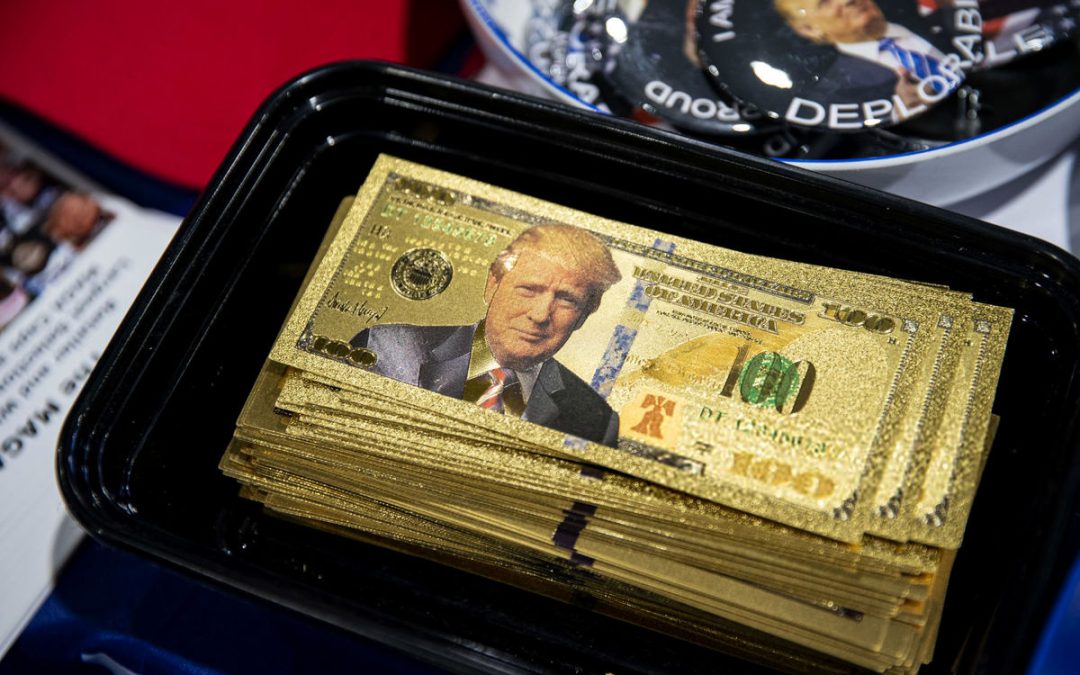
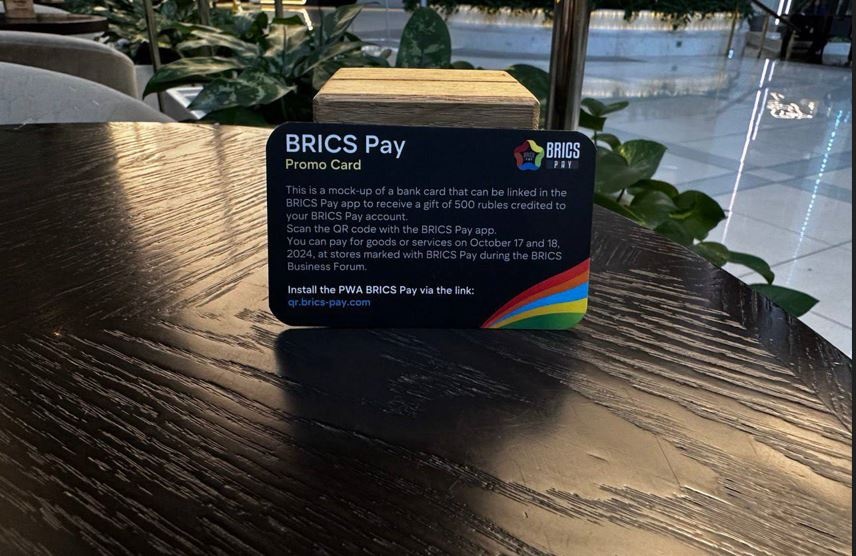
Strategic Council Online – Opinion: The expansion of the BRICS group, particularly with the addition of influential powers such as Iran, Saudi Arabia, the UAE, and Egypt, has sparked a wave of concern in American policymaking circles, especially among conservative factions symbolized by Donald Trump. This fear does not stem merely from the increase in membership. Still, it is rooted in the coalition’s potential to challenge the Western-led economic and political order—particularly the dollar’s exclusive status as the global reserve and exchange currency.

The Impact of the 12-Day War on the Economy of the Israeli Regime

The Impact of the 12-Day War on the Economy of the Israeli Regime

Strategic Council Online – Interview: A senior international affairs analyst stated that the Israeli regime’s 12-day war against Iran in June 2025 has pushed its economy to a fragile point. A 16.2% decline in exports to $3.6 billion is just the tip of the iceberg of the crisis. Simultaneously, global isolation and the continued widening of crimes in Gaza have placed an additional burden on its economy. The weakening of the shekel against the dollar and the destruction of key infrastructure have plunged the Israeli regime’s economy into a whirlpool of a 20.6% trade deficit and a 3.4% drop in six-month exports to $26.97 billion. A 5% increase in imports has further exacerbated the pressure. This crisis, rooted in the Israeli regime’s military adventurism and global isolation, has driven it toward dependence on foreign aid and social collapse.

The Global Consequences of Trump’s Tariff War

The Global Consequences of Trump’s Tariff War

Strategic Council Online – Interview: A senior U.S. affairs analyst stated that the tariff policies of U.S. President Donald Trump have once again exposed the world to the prospect of a full-scale trade war. Trump’s threat to impose a 50% tariff on Brazilian goods and extensive tariffs against over 150 countries, including close U.S. allies like Japan and South Korea, reflects the White House’s aggressive approach to global trade.

An Analysis of South Korea’s Response to Trump’s Tariff Policy

An Analysis of South Korea’s Response to Trump’s Tariff Policy

Strategic Council Online – Opinion: With Donald Trump’s return to the U.S. presidency, a new wave of economic protectionism in the form of tariff policies has impacted global trade. One of the first countries targeted by these tariffs was South Korea—a nation whose economy heavily relies on exports, particularly to the American market.

أحدث الوظائف

Balancing in the chain of chokepoints; from sea-based deterrence to pluralistic diplomacy

Strategic Council Online – Note: Recent developments in the political geography of West Asia, from rising tensions in the Persian Gulf to missile and drone activities in the Red Sea and the recent warning by Kaja Kallas, the European Union’s foreign policy chief, regarding the threat to freedom of navigation, indicate a key pattern shift; the US-Iran war has moved beyond the scope of a regional and local confrontation and has linked two vital passageways for the global economy: the Strait of Hormuz and the Bab el-Mandeb Strait.

Indicators for Choosing Between War and Diplomacy

SCFR Online – Opinion: Foreign policy analysis is valid when it evaluates decisions based on the information and circumstances prevailing at the time they were made, not on the basis of outcomes that only become apparent after the crisis has ended.

Loading

Economy

America’s Aggressive Commercial Strategy and Imposing a Trade Agreement on the EU

America’s Aggressive Commercial Strategy and Imposing a Trade Agreement on the EU

Strategic Council Online – Interview: An international affairs analyst stated that the recent trade agreement between the United States and the European Union, signed on July 28, 2025, in Scotland, appears to have averted a full-scale tariff war. However, this agreement, shaped by Donald Trump’s pressures and threats to raise tariffs by up to 30%, reflects U.S. economic dominance over Europe more than it signifies mutual cooperation. The European Union’s commitment to purchasing $750 billion worth of energy and investing $600 billion in the U.S., along with accepting a 15% tariff on most European exports, raises serious questions about Europe’s economic independence and its implications for the global economy. Does this agreement mean stability for European trade, or does it represent a strategic surrender to the United States that will deepen existing rifts in the global order?

An Analysis of the Gas Tension in the Eastern Mediterranean to Lebanon’s Detriment

An Analysis of the Gas Tension in the Eastern Mediterranean to Lebanon’s Detriment

Strategic Council Online – Interview: A researcher on Lebanese affairs stated: Under intense US pressure, Lebanon’s current government is hastily finalizing the gas dossier in the Eastern Mediterranean; an action that benefits the US, the Israeli regime, and their allies, and may result in Lebanon losing approximately five thousand square kilometers of area containing its gas and oil wealth. In this regard, the Al-Akhbar newspaper wrote: What is happening today is not merely a maritime negotiation, but a battle over sovereignty and survival that is feared will end unilaterally at a bargaining table where there is no room for national interests.

The Strategic Significance of Syria-Turkey-Azerbaijan Gas Project

The Strategic Significance of Syria-Turkey-Azerbaijan Gas Project

Strategic Council Online – Interview: A West Asia affairs analyst stated: The Syria-Turkey-Azerbaijan gas project goes beyond simple energy cooperation and must be evaluated within the context of regional power competition, efforts to redefine the political order in Syria, and the strengthening of the Turkish-Qatari-Azerbaijani axis in West Asia. An order whose future will largely depend on the stability of the Damascus government and Turkey’s ability to manage security, economic, and geopolitical crises simultaneously.
At a time when Syria is still grappling with extensive infrastructure problems and an energy crisis, the inauguration of the gas pipeline from Azerbaijan to Syria via Turkey, with Qatar’s financial support, has drawn the attention of regional analysts. This project, which in its first phase will transfer 3.4 million cubic meters of gas per day and will eventually reach a capacity of 6 million cubic meters per day, could add approximately 750 megawatts to Syria’s electricity generation capacity.

Features of Cryptocurrencies and the Consequences of Their Use Under Sanction Conditions

Features of Cryptocurrencies and the Consequences of Their Use Under Sanction Conditions

Strategic Council Online – Opinion: In recent years, with the expansion of international sanctions and the intensification of economic pressures on specific countries, many have turned their attention to new financial technologies. Among these technologies, cryptocurrencies have garnered more attention than others. Media, economic actors, and even some politicians have referred to cryptocurrency as a potential tool for bypassing sanctions, as if these cryptocurrencies are the very keyword that unlocks the closed doors of the global banking system.

Feedback on Trump’s Economic Policies in America

Feedback on Trump’s Economic Policies in America

Strategic Council Online – Interview: An American affairs analyst stated: Although only seven months have passed since the beginning of Donald Trump’s second term in the White House, the administration’s official narrative of economic performance has again become a contentious subject in American academic, media, and expert circles. Statistics recently released by the Trump administration on economic indicators appear to suggest economic revival, reduced inflation, and a strengthened labor market. However, when these statistics are juxtaposed with independent data and credible surveys, a different and concerning picture of the U.S. economy’s real condition emerges. Rising unemployment rates, declining employment growth, falling labor force participation, consumer inflation exceeding optimal levels, and widespread public dissatisfaction with living costs are the most significant indicators challenging the Trump administration’s narrative. This comes as Trump, repeating his “Make America Great Again” slogan, had promised that protective trade policies and heavy tariffs would increase domestic employment and enhance the competitiveness of U.S. industries. Yet according to many economists and market observers, these policies have not only failed to revive the economy but have instead increased production costs, burdened domestic consumers, and disrupted global supply chains.

The Necessity of Strengthening Environmental Diplomacy to Counter the Consequences of the Trump Administration’s Deregulation

The Necessity of Strengthening Environmental Diplomacy to Counter the Consequences of the Trump Administration’s Deregulation

Strategic Council Online – Interview: A senior international security analyst stated: The Trump administration’s environmental deregulation policies will inflict serious and long-term damage on international security. The Donald Trump administration has adopted a controversial approach through extensive environmental deregulation policies, including revoking the 2009 scientific finding that identified greenhouse gases as a threat to public health. This decision, described by Lee Zeldin, head of the U.S. Environmental Protection Agency (EPA), as “the largest deregulation in American history,” not only weakens global efforts to combat global warming but will also have more destructive repercussions in the realm of international security.

BRICS Initiatives to Reduce Countries’ Dependence on the Dollar and Their Challenges

BRICS Initiatives to Reduce Countries’ Dependence on the Dollar and Their Challenges

Strategic Council Online – Opinion: The expansion of the BRICS group, particularly with the addition of influential powers such as Iran, Saudi Arabia, the UAE, and Egypt, has sparked a wave of concern in American policymaking circles, especially among conservative factions symbolized by Donald Trump. This fear does not stem merely from the increase in membership. Still, it is rooted in the coalition’s potential to challenge the Western-led economic and political order—particularly the dollar’s exclusive status as the global reserve and exchange currency.

The Impact of the 12-Day War on the Economy of the Israeli Regime

The Impact of the 12-Day War on the Economy of the Israeli Regime

Strategic Council Online – Interview: A senior international affairs analyst stated that the Israeli regime’s 12-day war against Iran in June 2025 has pushed its economy to a fragile point. A 16.2% decline in exports to $3.6 billion is just the tip of the iceberg of the crisis. Simultaneously, global isolation and the continued widening of crimes in Gaza have placed an additional burden on its economy. The weakening of the shekel against the dollar and the destruction of key infrastructure have plunged the Israeli regime’s economy into a whirlpool of a 20.6% trade deficit and a 3.4% drop in six-month exports to $26.97 billion. A 5% increase in imports has further exacerbated the pressure. This crisis, rooted in the Israeli regime’s military adventurism and global isolation, has driven it toward dependence on foreign aid and social collapse.

The Global Consequences of Trump’s Tariff War

The Global Consequences of Trump’s Tariff War

Strategic Council Online – Interview: A senior U.S. affairs analyst stated that the tariff policies of U.S. President Donald Trump have once again exposed the world to the prospect of a full-scale trade war. Trump’s threat to impose a 50% tariff on Brazilian goods and extensive tariffs against over 150 countries, including close U.S. allies like Japan and South Korea, reflects the White House’s aggressive approach to global trade.

An Analysis of South Korea’s Response to Trump’s Tariff Policy

An Analysis of South Korea’s Response to Trump’s Tariff Policy

Strategic Council Online – Opinion: With Donald Trump’s return to the U.S. presidency, a new wave of economic protectionism in the form of tariff policies has impacted global trade. One of the first countries targeted by these tariffs was South Korea—a nation whose economy heavily relies on exports, particularly to the American market.

Economy

America’s Aggressive Commercial Strategy and Imposing a Trade Agreement on the EU

America’s Aggressive Commercial Strategy and Imposing a Trade Agreement on the EU

Strategic Council Online – Interview: An international affairs analyst stated that the recent trade agreement between the United States and the European Union, signed on July 28, 2025, in Scotland, appears to have averted a full-scale tariff war. However, this agreement, shaped by Donald Trump’s pressures and threats to raise tariffs by up to 30%, reflects U.S. economic dominance over Europe more than it signifies mutual cooperation. The European Union’s commitment to purchasing $750 billion worth of energy and investing $600 billion in the U.S., along with accepting a 15% tariff on most European exports, raises serious questions about Europe’s economic independence and its implications for the global economy. Does this agreement mean stability for European trade, or does it represent a strategic surrender to the United States that will deepen existing rifts in the global order?

An Analysis of the Gas Tension in the Eastern Mediterranean to Lebanon’s Detriment

An Analysis of the Gas Tension in the Eastern Mediterranean to Lebanon’s Detriment

Strategic Council Online – Interview: A researcher on Lebanese affairs stated: Under intense US pressure, Lebanon’s current government is hastily finalizing the gas dossier in the Eastern Mediterranean; an action that benefits the US, the Israeli regime, and their allies, and may result in Lebanon losing approximately five thousand square kilometers of area containing its gas and oil wealth. In this regard, the Al-Akhbar newspaper wrote: What is happening today is not merely a maritime negotiation, but a battle over sovereignty and survival that is feared will end unilaterally at a bargaining table where there is no room for national interests.

The Strategic Significance of Syria-Turkey-Azerbaijan Gas Project

The Strategic Significance of Syria-Turkey-Azerbaijan Gas Project

Strategic Council Online – Interview: A West Asia affairs analyst stated: The Syria-Turkey-Azerbaijan gas project goes beyond simple energy cooperation and must be evaluated within the context of regional power competition, efforts to redefine the political order in Syria, and the strengthening of the Turkish-Qatari-Azerbaijani axis in West Asia. An order whose future will largely depend on the stability of the Damascus government and Turkey’s ability to manage security, economic, and geopolitical crises simultaneously.
At a time when Syria is still grappling with extensive infrastructure problems and an energy crisis, the inauguration of the gas pipeline from Azerbaijan to Syria via Turkey, with Qatar’s financial support, has drawn the attention of regional analysts. This project, which in its first phase will transfer 3.4 million cubic meters of gas per day and will eventually reach a capacity of 6 million cubic meters per day, could add approximately 750 megawatts to Syria’s electricity generation capacity.

Features of Cryptocurrencies and the Consequences of Their Use Under Sanction Conditions

Features of Cryptocurrencies and the Consequences of Their Use Under Sanction Conditions

Strategic Council Online – Opinion: In recent years, with the expansion of international sanctions and the intensification of economic pressures on specific countries, many have turned their attention to new financial technologies. Among these technologies, cryptocurrencies have garnered more attention than others. Media, economic actors, and even some politicians have referred to cryptocurrency as a potential tool for bypassing sanctions, as if these cryptocurrencies are the very keyword that unlocks the closed doors of the global banking system.

Feedback on Trump’s Economic Policies in America

Feedback on Trump’s Economic Policies in America

Strategic Council Online – Interview: An American affairs analyst stated: Although only seven months have passed since the beginning of Donald Trump’s second term in the White House, the administration’s official narrative of economic performance has again become a contentious subject in American academic, media, and expert circles. Statistics recently released by the Trump administration on economic indicators appear to suggest economic revival, reduced inflation, and a strengthened labor market. However, when these statistics are juxtaposed with independent data and credible surveys, a different and concerning picture of the U.S. economy’s real condition emerges. Rising unemployment rates, declining employment growth, falling labor force participation, consumer inflation exceeding optimal levels, and widespread public dissatisfaction with living costs are the most significant indicators challenging the Trump administration’s narrative. This comes as Trump, repeating his “Make America Great Again” slogan, had promised that protective trade policies and heavy tariffs would increase domestic employment and enhance the competitiveness of U.S. industries. Yet according to many economists and market observers, these policies have not only failed to revive the economy but have instead increased production costs, burdened domestic consumers, and disrupted global supply chains.

The Necessity of Strengthening Environmental Diplomacy to Counter the Consequences of the Trump Administration’s Deregulation

The Necessity of Strengthening Environmental Diplomacy to Counter the Consequences of the Trump Administration’s Deregulation

Strategic Council Online – Interview: A senior international security analyst stated: The Trump administration’s environmental deregulation policies will inflict serious and long-term damage on international security. The Donald Trump administration has adopted a controversial approach through extensive environmental deregulation policies, including revoking the 2009 scientific finding that identified greenhouse gases as a threat to public health. This decision, described by Lee Zeldin, head of the U.S. Environmental Protection Agency (EPA), as “the largest deregulation in American history,” not only weakens global efforts to combat global warming but will also have more destructive repercussions in the realm of international security.

BRICS Initiatives to Reduce Countries’ Dependence on the Dollar and Their Challenges

BRICS Initiatives to Reduce Countries’ Dependence on the Dollar and Their Challenges

Strategic Council Online – Opinion: The expansion of the BRICS group, particularly with the addition of influential powers such as Iran, Saudi Arabia, the UAE, and Egypt, has sparked a wave of concern in American policymaking circles, especially among conservative factions symbolized by Donald Trump. This fear does not stem merely from the increase in membership. Still, it is rooted in the coalition’s potential to challenge the Western-led economic and political order—particularly the dollar’s exclusive status as the global reserve and exchange currency.

The Impact of the 12-Day War on the Economy of the Israeli Regime

The Impact of the 12-Day War on the Economy of the Israeli Regime

Strategic Council Online – Interview: A senior international affairs analyst stated that the Israeli regime’s 12-day war against Iran in June 2025 has pushed its economy to a fragile point. A 16.2% decline in exports to $3.6 billion is just the tip of the iceberg of the crisis. Simultaneously, global isolation and the continued widening of crimes in Gaza have placed an additional burden on its economy. The weakening of the shekel against the dollar and the destruction of key infrastructure have plunged the Israeli regime’s economy into a whirlpool of a 20.6% trade deficit and a 3.4% drop in six-month exports to $26.97 billion. A 5% increase in imports has further exacerbated the pressure. This crisis, rooted in the Israeli regime’s military adventurism and global isolation, has driven it toward dependence on foreign aid and social collapse.

The Global Consequences of Trump’s Tariff War

The Global Consequences of Trump’s Tariff War

Strategic Council Online – Interview: A senior U.S. affairs analyst stated that the tariff policies of U.S. President Donald Trump have once again exposed the world to the prospect of a full-scale trade war. Trump’s threat to impose a 50% tariff on Brazilian goods and extensive tariffs against over 150 countries, including close U.S. allies like Japan and South Korea, reflects the White House’s aggressive approach to global trade.

An Analysis of South Korea’s Response to Trump’s Tariff Policy

An Analysis of South Korea’s Response to Trump’s Tariff Policy

Strategic Council Online – Opinion: With Donald Trump’s return to the U.S. presidency, a new wave of economic protectionism in the form of tariff policies has impacted global trade. One of the first countries targeted by these tariffs was South Korea—a nation whose economy heavily relies on exports, particularly to the American market.

LATEST CONTENT

Balancing in the chain of chokepoints; from sea-based deterrence to pluralistic diplomacy

Strategic Council Online – Note: Recent developments in the political geography of West Asia, from rising tensions in the Persian Gulf to missile and drone activities in the Red Sea and the recent warning by Kaja Kallas, the European Union’s foreign policy chief, regarding the threat to freedom of navigation, indicate a key pattern shift; the US-Iran war has moved beyond the scope of a regional and local confrontation and has linked two vital passageways for the global economy: the Strait of Hormuz and the Bab el-Mandeb Strait.

Indicators for Choosing Between War and Diplomacy

SCFR Online – Opinion: Foreign policy analysis is valid when it evaluates decisions based on the information and circumstances prevailing at the time they were made, not on the basis of outcomes that only become apparent after the crisis has ended.

Loading

Economy

America’s Aggressive Commercial Strategy and Imposing a Trade Agreement on the EU

America’s Aggressive Commercial Strategy and Imposing a Trade Agreement on the EU

Strategic Council Online – Interview: An international affairs analyst stated that the recent trade agreement between the United States and the European Union, signed on July 28, 2025, in Scotland, appears to have averted a full-scale tariff war. However, this agreement, shaped by Donald Trump’s pressures and threats to raise tariffs by up to 30%, reflects U.S. economic dominance over Europe more than it signifies mutual cooperation. The European Union’s commitment to purchasing $750 billion worth of energy and investing $600 billion in the U.S., along with accepting a 15% tariff on most European exports, raises serious questions about Europe’s economic independence and its implications for the global economy. Does this agreement mean stability for European trade, or does it represent a strategic surrender to the United States that will deepen existing rifts in the global order?

An Analysis of the Gas Tension in the Eastern Mediterranean to Lebanon’s Detriment

An Analysis of the Gas Tension in the Eastern Mediterranean to Lebanon’s Detriment

Strategic Council Online – Interview: A researcher on Lebanese affairs stated: Under intense US pressure, Lebanon’s current government is hastily finalizing the gas dossier in the Eastern Mediterranean; an action that benefits the US, the Israeli regime, and their allies, and may result in Lebanon losing approximately five thousand square kilometers of area containing its gas and oil wealth. In this regard, the Al-Akhbar newspaper wrote: What is happening today is not merely a maritime negotiation, but a battle over sovereignty and survival that is feared will end unilaterally at a bargaining table where there is no room for national interests.

The Strategic Significance of Syria-Turkey-Azerbaijan Gas Project

The Strategic Significance of Syria-Turkey-Azerbaijan Gas Project

Strategic Council Online – Interview: A West Asia affairs analyst stated: The Syria-Turkey-Azerbaijan gas project goes beyond simple energy cooperation and must be evaluated within the context of regional power competition, efforts to redefine the political order in Syria, and the strengthening of the Turkish-Qatari-Azerbaijani axis in West Asia. An order whose future will largely depend on the stability of the Damascus government and Turkey’s ability to manage security, economic, and geopolitical crises simultaneously.
At a time when Syria is still grappling with extensive infrastructure problems and an energy crisis, the inauguration of the gas pipeline from Azerbaijan to Syria via Turkey, with Qatar’s financial support, has drawn the attention of regional analysts. This project, which in its first phase will transfer 3.4 million cubic meters of gas per day and will eventually reach a capacity of 6 million cubic meters per day, could add approximately 750 megawatts to Syria’s electricity generation capacity.

Features of Cryptocurrencies and the Consequences of Their Use Under Sanction Conditions

Features of Cryptocurrencies and the Consequences of Their Use Under Sanction Conditions

Strategic Council Online – Opinion: In recent years, with the expansion of international sanctions and the intensification of economic pressures on specific countries, many have turned their attention to new financial technologies. Among these technologies, cryptocurrencies have garnered more attention than others. Media, economic actors, and even some politicians have referred to cryptocurrency as a potential tool for bypassing sanctions, as if these cryptocurrencies are the very keyword that unlocks the closed doors of the global banking system.

Feedback on Trump’s Economic Policies in America

Feedback on Trump’s Economic Policies in America

Strategic Council Online – Interview: An American affairs analyst stated: Although only seven months have passed since the beginning of Donald Trump’s second term in the White House, the administration’s official narrative of economic performance has again become a contentious subject in American academic, media, and expert circles. Statistics recently released by the Trump administration on economic indicators appear to suggest economic revival, reduced inflation, and a strengthened labor market. However, when these statistics are juxtaposed with independent data and credible surveys, a different and concerning picture of the U.S. economy’s real condition emerges. Rising unemployment rates, declining employment growth, falling labor force participation, consumer inflation exceeding optimal levels, and widespread public dissatisfaction with living costs are the most significant indicators challenging the Trump administration’s narrative. This comes as Trump, repeating his “Make America Great Again” slogan, had promised that protective trade policies and heavy tariffs would increase domestic employment and enhance the competitiveness of U.S. industries. Yet according to many economists and market observers, these policies have not only failed to revive the economy but have instead increased production costs, burdened domestic consumers, and disrupted global supply chains.

The Necessity of Strengthening Environmental Diplomacy to Counter the Consequences of the Trump Administration’s Deregulation

The Necessity of Strengthening Environmental Diplomacy to Counter the Consequences of the Trump Administration’s Deregulation

Strategic Council Online – Interview: A senior international security analyst stated: The Trump administration’s environmental deregulation policies will inflict serious and long-term damage on international security. The Donald Trump administration has adopted a controversial approach through extensive environmental deregulation policies, including revoking the 2009 scientific finding that identified greenhouse gases as a threat to public health. This decision, described by Lee Zeldin, head of the U.S. Environmental Protection Agency (EPA), as “the largest deregulation in American history,” not only weakens global efforts to combat global warming but will also have more destructive repercussions in the realm of international security.

BRICS Initiatives to Reduce Countries’ Dependence on the Dollar and Their Challenges

BRICS Initiatives to Reduce Countries’ Dependence on the Dollar and Their Challenges

Strategic Council Online – Opinion: The expansion of the BRICS group, particularly with the addition of influential powers such as Iran, Saudi Arabia, the UAE, and Egypt, has sparked a wave of concern in American policymaking circles, especially among conservative factions symbolized by Donald Trump. This fear does not stem merely from the increase in membership. Still, it is rooted in the coalition’s potential to challenge the Western-led economic and political order—particularly the dollar’s exclusive status as the global reserve and exchange currency.

The Impact of the 12-Day War on the Economy of the Israeli Regime

The Impact of the 12-Day War on the Economy of the Israeli Regime

Strategic Council Online – Interview: A senior international affairs analyst stated that the Israeli regime’s 12-day war against Iran in June 2025 has pushed its economy to a fragile point. A 16.2% decline in exports to $3.6 billion is just the tip of the iceberg of the crisis. Simultaneously, global isolation and the continued widening of crimes in Gaza have placed an additional burden on its economy. The weakening of the shekel against the dollar and the destruction of key infrastructure have plunged the Israeli regime’s economy into a whirlpool of a 20.6% trade deficit and a 3.4% drop in six-month exports to $26.97 billion. A 5% increase in imports has further exacerbated the pressure. This crisis, rooted in the Israeli regime’s military adventurism and global isolation, has driven it toward dependence on foreign aid and social collapse.

The Global Consequences of Trump’s Tariff War

The Global Consequences of Trump’s Tariff War

Strategic Council Online – Interview: A senior U.S. affairs analyst stated that the tariff policies of U.S. President Donald Trump have once again exposed the world to the prospect of a full-scale trade war. Trump’s threat to impose a 50% tariff on Brazilian goods and extensive tariffs against over 150 countries, including close U.S. allies like Japan and South Korea, reflects the White House’s aggressive approach to global trade.

An Analysis of South Korea’s Response to Trump’s Tariff Policy

An Analysis of South Korea’s Response to Trump’s Tariff Policy

Strategic Council Online – Opinion: With Donald Trump’s return to the U.S. presidency, a new wave of economic protectionism in the form of tariff policies has impacted global trade. One of the first countries targeted by these tariffs was South Korea—a nation whose economy heavily relies on exports, particularly to the American market.

ÚLTIMAS PUBLICACIONES

Balancing in the chain of chokepoints; from sea-based deterrence to pluralistic diplomacy

Strategic Council Online – Note: Recent developments in the political geography of West Asia, from rising tensions in the Persian Gulf to missile and drone activities in the Red Sea and the recent warning by Kaja Kallas, the European Union’s foreign policy chief, regarding the threat to freedom of navigation, indicate a key pattern shift; the US-Iran war has moved beyond the scope of a regional and local confrontation and has linked two vital passageways for the global economy: the Strait of Hormuz and the Bab el-Mandeb Strait.

Indicators for Choosing Between War and Diplomacy

SCFR Online – Opinion: Foreign policy analysis is valid when it evaluates decisions based on the information and circumstances prevailing at the time they were made, not on the basis of outcomes that only become apparent after the crisis has ended.

Loading

Economy

America’s Aggressive Commercial Strategy and Imposing a Trade Agreement on the EU

America’s Aggressive Commercial Strategy and Imposing a Trade Agreement on the EU

Strategic Council Online – Interview: An international affairs analyst stated that the recent trade agreement between the United States and the European Union, signed on July 28, 2025, in Scotland, appears to have averted a full-scale tariff war. However, this agreement, shaped by Donald Trump’s pressures and threats to raise tariffs by up to 30%, reflects U.S. economic dominance over Europe more than it signifies mutual cooperation. The European Union’s commitment to purchasing $750 billion worth of energy and investing $600 billion in the U.S., along with accepting a 15% tariff on most European exports, raises serious questions about Europe’s economic independence and its implications for the global economy. Does this agreement mean stability for European trade, or does it represent a strategic surrender to the United States that will deepen existing rifts in the global order?

An Analysis of the Gas Tension in the Eastern Mediterranean to Lebanon’s Detriment

An Analysis of the Gas Tension in the Eastern Mediterranean to Lebanon’s Detriment

Strategic Council Online – Interview: A researcher on Lebanese affairs stated: Under intense US pressure, Lebanon’s current government is hastily finalizing the gas dossier in the Eastern Mediterranean; an action that benefits the US, the Israeli regime, and their allies, and may result in Lebanon losing approximately five thousand square kilometers of area containing its gas and oil wealth. In this regard, the Al-Akhbar newspaper wrote: What is happening today is not merely a maritime negotiation, but a battle over sovereignty and survival that is feared will end unilaterally at a bargaining table where there is no room for national interests.

The Strategic Significance of Syria-Turkey-Azerbaijan Gas Project

The Strategic Significance of Syria-Turkey-Azerbaijan Gas Project

Strategic Council Online – Interview: A West Asia affairs analyst stated: The Syria-Turkey-Azerbaijan gas project goes beyond simple energy cooperation and must be evaluated within the context of regional power competition, efforts to redefine the political order in Syria, and the strengthening of the Turkish-Qatari-Azerbaijani axis in West Asia. An order whose future will largely depend on the stability of the Damascus government and Turkey’s ability to manage security, economic, and geopolitical crises simultaneously.
At a time when Syria is still grappling with extensive infrastructure problems and an energy crisis, the inauguration of the gas pipeline from Azerbaijan to Syria via Turkey, with Qatar’s financial support, has drawn the attention of regional analysts. This project, which in its first phase will transfer 3.4 million cubic meters of gas per day and will eventually reach a capacity of 6 million cubic meters per day, could add approximately 750 megawatts to Syria’s electricity generation capacity.

Features of Cryptocurrencies and the Consequences of Their Use Under Sanction Conditions

Features of Cryptocurrencies and the Consequences of Their Use Under Sanction Conditions

Strategic Council Online – Opinion: In recent years, with the expansion of international sanctions and the intensification of economic pressures on specific countries, many have turned their attention to new financial technologies. Among these technologies, cryptocurrencies have garnered more attention than others. Media, economic actors, and even some politicians have referred to cryptocurrency as a potential tool for bypassing sanctions, as if these cryptocurrencies are the very keyword that unlocks the closed doors of the global banking system.

Feedback on Trump’s Economic Policies in America

Feedback on Trump’s Economic Policies in America

Strategic Council Online – Interview: An American affairs analyst stated: Although only seven months have passed since the beginning of Donald Trump’s second term in the White House, the administration’s official narrative of economic performance has again become a contentious subject in American academic, media, and expert circles. Statistics recently released by the Trump administration on economic indicators appear to suggest economic revival, reduced inflation, and a strengthened labor market. However, when these statistics are juxtaposed with independent data and credible surveys, a different and concerning picture of the U.S. economy’s real condition emerges. Rising unemployment rates, declining employment growth, falling labor force participation, consumer inflation exceeding optimal levels, and widespread public dissatisfaction with living costs are the most significant indicators challenging the Trump administration’s narrative. This comes as Trump, repeating his “Make America Great Again” slogan, had promised that protective trade policies and heavy tariffs would increase domestic employment and enhance the competitiveness of U.S. industries. Yet according to many economists and market observers, these policies have not only failed to revive the economy but have instead increased production costs, burdened domestic consumers, and disrupted global supply chains.

The Necessity of Strengthening Environmental Diplomacy to Counter the Consequences of the Trump Administration’s Deregulation

The Necessity of Strengthening Environmental Diplomacy to Counter the Consequences of the Trump Administration’s Deregulation

Strategic Council Online – Interview: A senior international security analyst stated: The Trump administration’s environmental deregulation policies will inflict serious and long-term damage on international security. The Donald Trump administration has adopted a controversial approach through extensive environmental deregulation policies, including revoking the 2009 scientific finding that identified greenhouse gases as a threat to public health. This decision, described by Lee Zeldin, head of the U.S. Environmental Protection Agency (EPA), as “the largest deregulation in American history,” not only weakens global efforts to combat global warming but will also have more destructive repercussions in the realm of international security.

BRICS Initiatives to Reduce Countries’ Dependence on the Dollar and Their Challenges

BRICS Initiatives to Reduce Countries’ Dependence on the Dollar and Their Challenges

Strategic Council Online – Opinion: The expansion of the BRICS group, particularly with the addition of influential powers such as Iran, Saudi Arabia, the UAE, and Egypt, has sparked a wave of concern in American policymaking circles, especially among conservative factions symbolized by Donald Trump. This fear does not stem merely from the increase in membership. Still, it is rooted in the coalition’s potential to challenge the Western-led economic and political order—particularly the dollar’s exclusive status as the global reserve and exchange currency.

The Impact of the 12-Day War on the Economy of the Israeli Regime

The Impact of the 12-Day War on the Economy of the Israeli Regime

Strategic Council Online – Interview: A senior international affairs analyst stated that the Israeli regime’s 12-day war against Iran in June 2025 has pushed its economy to a fragile point. A 16.2% decline in exports to $3.6 billion is just the tip of the iceberg of the crisis. Simultaneously, global isolation and the continued widening of crimes in Gaza have placed an additional burden on its economy. The weakening of the shekel against the dollar and the destruction of key infrastructure have plunged the Israeli regime’s economy into a whirlpool of a 20.6% trade deficit and a 3.4% drop in six-month exports to $26.97 billion. A 5% increase in imports has further exacerbated the pressure. This crisis, rooted in the Israeli regime’s military adventurism and global isolation, has driven it toward dependence on foreign aid and social collapse.

The Global Consequences of Trump’s Tariff War

The Global Consequences of Trump’s Tariff War

Strategic Council Online – Interview: A senior U.S. affairs analyst stated that the tariff policies of U.S. President Donald Trump have once again exposed the world to the prospect of a full-scale trade war. Trump’s threat to impose a 50% tariff on Brazilian goods and extensive tariffs against over 150 countries, including close U.S. allies like Japan and South Korea, reflects the White House’s aggressive approach to global trade.

An Analysis of South Korea’s Response to Trump’s Tariff Policy

An Analysis of South Korea’s Response to Trump’s Tariff Policy

Strategic Council Online – Opinion: With Donald Trump’s return to the U.S. presidency, a new wave of economic protectionism in the form of tariff policies has impacted global trade. One of the first countries targeted by these tariffs was South Korea—a nation whose economy heavily relies on exports, particularly to the American market.

ÚLTIMAS PUBLICACIONES

Balancing in the chain of chokepoints; from sea-based deterrence to pluralistic diplomacy

Strategic Council Online – Note: Recent developments in the political geography of West Asia, from rising tensions in the Persian Gulf to missile and drone activities in the Red Sea and the recent warning by Kaja Kallas, the European Union’s foreign policy chief, regarding the threat to freedom of navigation, indicate a key pattern shift; the US-Iran war has moved beyond the scope of a regional and local confrontation and has linked two vital passageways for the global economy: the Strait of Hormuz and the Bab el-Mandeb Strait.

Indicators for Choosing Between War and Diplomacy

SCFR Online – Opinion: Foreign policy analysis is valid when it evaluates decisions based on the information and circumstances prevailing at the time they were made, not on the basis of outcomes that only become apparent after the crisis has ended.

Loading

Economy

America’s Aggressive Commercial Strategy and Imposing a Trade Agreement on the EU

America’s Aggressive Commercial Strategy and Imposing a Trade Agreement on the EU

Strategic Council Online – Interview: An international affairs analyst stated that the recent trade agreement between the United States and the European Union, signed on July 28, 2025, in Scotland, appears to have averted a full-scale tariff war. However, this agreement, shaped by Donald Trump’s pressures and threats to raise tariffs by up to 30%, reflects U.S. economic dominance over Europe more than it signifies mutual cooperation. The European Union’s commitment to purchasing $750 billion worth of energy and investing $600 billion in the U.S., along with accepting a 15% tariff on most European exports, raises serious questions about Europe’s economic independence and its implications for the global economy. Does this agreement mean stability for European trade, or does it represent a strategic surrender to the United States that will deepen existing rifts in the global order?

An Analysis of the Gas Tension in the Eastern Mediterranean to Lebanon’s Detriment

An Analysis of the Gas Tension in the Eastern Mediterranean to Lebanon’s Detriment

Strategic Council Online – Interview: A researcher on Lebanese affairs stated: Under intense US pressure, Lebanon’s current government is hastily finalizing the gas dossier in the Eastern Mediterranean; an action that benefits the US, the Israeli regime, and their allies, and may result in Lebanon losing approximately five thousand square kilometers of area containing its gas and oil wealth. In this regard, the Al-Akhbar newspaper wrote: What is happening today is not merely a maritime negotiation, but a battle over sovereignty and survival that is feared will end unilaterally at a bargaining table where there is no room for national interests.

The Strategic Significance of Syria-Turkey-Azerbaijan Gas Project

The Strategic Significance of Syria-Turkey-Azerbaijan Gas Project

Strategic Council Online – Interview: A West Asia affairs analyst stated: The Syria-Turkey-Azerbaijan gas project goes beyond simple energy cooperation and must be evaluated within the context of regional power competition, efforts to redefine the political order in Syria, and the strengthening of the Turkish-Qatari-Azerbaijani axis in West Asia. An order whose future will largely depend on the stability of the Damascus government and Turkey’s ability to manage security, economic, and geopolitical crises simultaneously.
At a time when Syria is still grappling with extensive infrastructure problems and an energy crisis, the inauguration of the gas pipeline from Azerbaijan to Syria via Turkey, with Qatar’s financial support, has drawn the attention of regional analysts. This project, which in its first phase will transfer 3.4 million cubic meters of gas per day and will eventually reach a capacity of 6 million cubic meters per day, could add approximately 750 megawatts to Syria’s electricity generation capacity.

Features of Cryptocurrencies and the Consequences of Their Use Under Sanction Conditions

Features of Cryptocurrencies and the Consequences of Their Use Under Sanction Conditions

Strategic Council Online – Opinion: In recent years, with the expansion of international sanctions and the intensification of economic pressures on specific countries, many have turned their attention to new financial technologies. Among these technologies, cryptocurrencies have garnered more attention than others. Media, economic actors, and even some politicians have referred to cryptocurrency as a potential tool for bypassing sanctions, as if these cryptocurrencies are the very keyword that unlocks the closed doors of the global banking system.

Feedback on Trump’s Economic Policies in America

Feedback on Trump’s Economic Policies in America

Strategic Council Online – Interview: An American affairs analyst stated: Although only seven months have passed since the beginning of Donald Trump’s second term in the White House, the administration’s official narrative of economic performance has again become a contentious subject in American academic, media, and expert circles. Statistics recently released by the Trump administration on economic indicators appear to suggest economic revival, reduced inflation, and a strengthened labor market. However, when these statistics are juxtaposed with independent data and credible surveys, a different and concerning picture of the U.S. economy’s real condition emerges. Rising unemployment rates, declining employment growth, falling labor force participation, consumer inflation exceeding optimal levels, and widespread public dissatisfaction with living costs are the most significant indicators challenging the Trump administration’s narrative. This comes as Trump, repeating his “Make America Great Again” slogan, had promised that protective trade policies and heavy tariffs would increase domestic employment and enhance the competitiveness of U.S. industries. Yet according to many economists and market observers, these policies have not only failed to revive the economy but have instead increased production costs, burdened domestic consumers, and disrupted global supply chains.

The Necessity of Strengthening Environmental Diplomacy to Counter the Consequences of the Trump Administration’s Deregulation

The Necessity of Strengthening Environmental Diplomacy to Counter the Consequences of the Trump Administration’s Deregulation

Strategic Council Online – Interview: A senior international security analyst stated: The Trump administration’s environmental deregulation policies will inflict serious and long-term damage on international security. The Donald Trump administration has adopted a controversial approach through extensive environmental deregulation policies, including revoking the 2009 scientific finding that identified greenhouse gases as a threat to public health. This decision, described by Lee Zeldin, head of the U.S. Environmental Protection Agency (EPA), as “the largest deregulation in American history,” not only weakens global efforts to combat global warming but will also have more destructive repercussions in the realm of international security.

BRICS Initiatives to Reduce Countries’ Dependence on the Dollar and Their Challenges

BRICS Initiatives to Reduce Countries’ Dependence on the Dollar and Their Challenges

Strategic Council Online – Opinion: The expansion of the BRICS group, particularly with the addition of influential powers such as Iran, Saudi Arabia, the UAE, and Egypt, has sparked a wave of concern in American policymaking circles, especially among conservative factions symbolized by Donald Trump. This fear does not stem merely from the increase in membership. Still, it is rooted in the coalition’s potential to challenge the Western-led economic and political order—particularly the dollar’s exclusive status as the global reserve and exchange currency.

The Impact of the 12-Day War on the Economy of the Israeli Regime

The Impact of the 12-Day War on the Economy of the Israeli Regime

Strategic Council Online – Interview: A senior international affairs analyst stated that the Israeli regime’s 12-day war against Iran in June 2025 has pushed its economy to a fragile point. A 16.2% decline in exports to $3.6 billion is just the tip of the iceberg of the crisis. Simultaneously, global isolation and the continued widening of crimes in Gaza have placed an additional burden on its economy. The weakening of the shekel against the dollar and the destruction of key infrastructure have plunged the Israeli regime’s economy into a whirlpool of a 20.6% trade deficit and a 3.4% drop in six-month exports to $26.97 billion. A 5% increase in imports has further exacerbated the pressure. This crisis, rooted in the Israeli regime’s military adventurism and global isolation, has driven it toward dependence on foreign aid and social collapse.

The Global Consequences of Trump’s Tariff War

The Global Consequences of Trump’s Tariff War

Strategic Council Online – Interview: A senior U.S. affairs analyst stated that the tariff policies of U.S. President Donald Trump have once again exposed the world to the prospect of a full-scale trade war. Trump’s threat to impose a 50% tariff on Brazilian goods and extensive tariffs against over 150 countries, including close U.S. allies like Japan and South Korea, reflects the White House’s aggressive approach to global trade.

An Analysis of South Korea’s Response to Trump’s Tariff Policy

An Analysis of South Korea’s Response to Trump’s Tariff Policy

Strategic Council Online – Opinion: With Donald Trump’s return to the U.S. presidency, a new wave of economic protectionism in the form of tariff policies has impacted global trade. One of the first countries targeted by these tariffs was South Korea—a nation whose economy heavily relies on exports, particularly to the American market.

ÚLTIMAS PUBLICACIONES

Balancing in the chain of chokepoints; from sea-based deterrence to pluralistic diplomacy

Strategic Council Online – Note: Recent developments in the political geography of West Asia, from rising tensions in the Persian Gulf to missile and drone activities in the Red Sea and the recent warning by Kaja Kallas, the European Union’s foreign policy chief, regarding the threat to freedom of navigation, indicate a key pattern shift; the US-Iran war has moved beyond the scope of a regional and local confrontation and has linked two vital passageways for the global economy: the Strait of Hormuz and the Bab el-Mandeb Strait.

Indicators for Choosing Between War and Diplomacy

SCFR Online – Opinion: Foreign policy analysis is valid when it evaluates decisions based on the information and circumstances prevailing at the time they were made, not on the basis of outcomes that only become apparent after the crisis has ended.

Loading

Economy

America’s Aggressive Commercial Strategy and Imposing a Trade Agreement on the EU

America’s Aggressive Commercial Strategy and Imposing a Trade Agreement on the EU

Strategic Council Online – Interview: An international affairs analyst stated that the recent trade agreement between the United States and the European Union, signed on July 28, 2025, in Scotland, appears to have averted a full-scale tariff war. However, this agreement, shaped by Donald Trump’s pressures and threats to raise tariffs by up to 30%, reflects U.S. economic dominance over Europe more than it signifies mutual cooperation. The European Union’s commitment to purchasing $750 billion worth of energy and investing $600 billion in the U.S., along with accepting a 15% tariff on most European exports, raises serious questions about Europe’s economic independence and its implications for the global economy. Does this agreement mean stability for European trade, or does it represent a strategic surrender to the United States that will deepen existing rifts in the global order?

An Analysis of the Gas Tension in the Eastern Mediterranean to Lebanon’s Detriment

An Analysis of the Gas Tension in the Eastern Mediterranean to Lebanon’s Detriment

Strategic Council Online – Interview: A researcher on Lebanese affairs stated: Under intense US pressure, Lebanon’s current government is hastily finalizing the gas dossier in the Eastern Mediterranean; an action that benefits the US, the Israeli regime, and their allies, and may result in Lebanon losing approximately five thousand square kilometers of area containing its gas and oil wealth. In this regard, the Al-Akhbar newspaper wrote: What is happening today is not merely a maritime negotiation, but a battle over sovereignty and survival that is feared will end unilaterally at a bargaining table where there is no room for national interests.

The Strategic Significance of Syria-Turkey-Azerbaijan Gas Project

The Strategic Significance of Syria-Turkey-Azerbaijan Gas Project

Strategic Council Online – Interview: A West Asia affairs analyst stated: The Syria-Turkey-Azerbaijan gas project goes beyond simple energy cooperation and must be evaluated within the context of regional power competition, efforts to redefine the political order in Syria, and the strengthening of the Turkish-Qatari-Azerbaijani axis in West Asia. An order whose future will largely depend on the stability of the Damascus government and Turkey’s ability to manage security, economic, and geopolitical crises simultaneously.
At a time when Syria is still grappling with extensive infrastructure problems and an energy crisis, the inauguration of the gas pipeline from Azerbaijan to Syria via Turkey, with Qatar’s financial support, has drawn the attention of regional analysts. This project, which in its first phase will transfer 3.4 million cubic meters of gas per day and will eventually reach a capacity of 6 million cubic meters per day, could add approximately 750 megawatts to Syria’s electricity generation capacity.

Features of Cryptocurrencies and the Consequences of Their Use Under Sanction Conditions

Features of Cryptocurrencies and the Consequences of Their Use Under Sanction Conditions

Strategic Council Online – Opinion: In recent years, with the expansion of international sanctions and the intensification of economic pressures on specific countries, many have turned their attention to new financial technologies. Among these technologies, cryptocurrencies have garnered more attention than others. Media, economic actors, and even some politicians have referred to cryptocurrency as a potential tool for bypassing sanctions, as if these cryptocurrencies are the very keyword that unlocks the closed doors of the global banking system.

Feedback on Trump’s Economic Policies in America

Feedback on Trump’s Economic Policies in America

Strategic Council Online – Interview: An American affairs analyst stated: Although only seven months have passed since the beginning of Donald Trump’s second term in the White House, the administration’s official narrative of economic performance has again become a contentious subject in American academic, media, and expert circles. Statistics recently released by the Trump administration on economic indicators appear to suggest economic revival, reduced inflation, and a strengthened labor market. However, when these statistics are juxtaposed with independent data and credible surveys, a different and concerning picture of the U.S. economy’s real condition emerges. Rising unemployment rates, declining employment growth, falling labor force participation, consumer inflation exceeding optimal levels, and widespread public dissatisfaction with living costs are the most significant indicators challenging the Trump administration’s narrative. This comes as Trump, repeating his “Make America Great Again” slogan, had promised that protective trade policies and heavy tariffs would increase domestic employment and enhance the competitiveness of U.S. industries. Yet according to many economists and market observers, these policies have not only failed to revive the economy but have instead increased production costs, burdened domestic consumers, and disrupted global supply chains.

The Necessity of Strengthening Environmental Diplomacy to Counter the Consequences of the Trump Administration’s Deregulation

The Necessity of Strengthening Environmental Diplomacy to Counter the Consequences of the Trump Administration’s Deregulation

Strategic Council Online – Interview: A senior international security analyst stated: The Trump administration’s environmental deregulation policies will inflict serious and long-term damage on international security. The Donald Trump administration has adopted a controversial approach through extensive environmental deregulation policies, including revoking the 2009 scientific finding that identified greenhouse gases as a threat to public health. This decision, described by Lee Zeldin, head of the U.S. Environmental Protection Agency (EPA), as “the largest deregulation in American history,” not only weakens global efforts to combat global warming but will also have more destructive repercussions in the realm of international security.

BRICS Initiatives to Reduce Countries’ Dependence on the Dollar and Their Challenges

BRICS Initiatives to Reduce Countries’ Dependence on the Dollar and Their Challenges

Strategic Council Online – Opinion: The expansion of the BRICS group, particularly with the addition of influential powers such as Iran, Saudi Arabia, the UAE, and Egypt, has sparked a wave of concern in American policymaking circles, especially among conservative factions symbolized by Donald Trump. This fear does not stem merely from the increase in membership. Still, it is rooted in the coalition’s potential to challenge the Western-led economic and political order—particularly the dollar’s exclusive status as the global reserve and exchange currency.

The Impact of the 12-Day War on the Economy of the Israeli Regime

The Impact of the 12-Day War on the Economy of the Israeli Regime

Strategic Council Online – Interview: A senior international affairs analyst stated that the Israeli regime’s 12-day war against Iran in June 2025 has pushed its economy to a fragile point. A 16.2% decline in exports to $3.6 billion is just the tip of the iceberg of the crisis. Simultaneously, global isolation and the continued widening of crimes in Gaza have placed an additional burden on its economy. The weakening of the shekel against the dollar and the destruction of key infrastructure have plunged the Israeli regime’s economy into a whirlpool of a 20.6% trade deficit and a 3.4% drop in six-month exports to $26.97 billion. A 5% increase in imports has further exacerbated the pressure. This crisis, rooted in the Israeli regime’s military adventurism and global isolation, has driven it toward dependence on foreign aid and social collapse.

The Global Consequences of Trump’s Tariff War

The Global Consequences of Trump’s Tariff War

Strategic Council Online – Interview: A senior U.S. affairs analyst stated that the tariff policies of U.S. President Donald Trump have once again exposed the world to the prospect of a full-scale trade war. Trump’s threat to impose a 50% tariff on Brazilian goods and extensive tariffs against over 150 countries, including close U.S. allies like Japan and South Korea, reflects the White House’s aggressive approach to global trade.

An Analysis of South Korea’s Response to Trump’s Tariff Policy

An Analysis of South Korea’s Response to Trump’s Tariff Policy

Strategic Council Online – Opinion: With Donald Trump’s return to the U.S. presidency, a new wave of economic protectionism in the form of tariff policies has impacted global trade. One of the first countries targeted by these tariffs was South Korea—a nation whose economy heavily relies on exports, particularly to the American market.

ÚLTIMAS PUBLICACIONES

Balancing in the chain of chokepoints; from sea-based deterrence to pluralistic diplomacy

Strategic Council Online – Note: Recent developments in the political geography of West Asia, from rising tensions in the Persian Gulf to missile and drone activities in the Red Sea and the recent warning by Kaja Kallas, the European Union’s foreign policy chief, regarding the threat to freedom of navigation, indicate a key pattern shift; the US-Iran war has moved beyond the scope of a regional and local confrontation and has linked two vital passageways for the global economy: the Strait of Hormuz and the Bab el-Mandeb Strait.

Indicators for Choosing Between War and Diplomacy

SCFR Online – Opinion: Foreign policy analysis is valid when it evaluates decisions based on the information and circumstances prevailing at the time they were made, not on the basis of outcomes that only become apparent after the crisis has ended.

Loading