جدیدترین مطالب

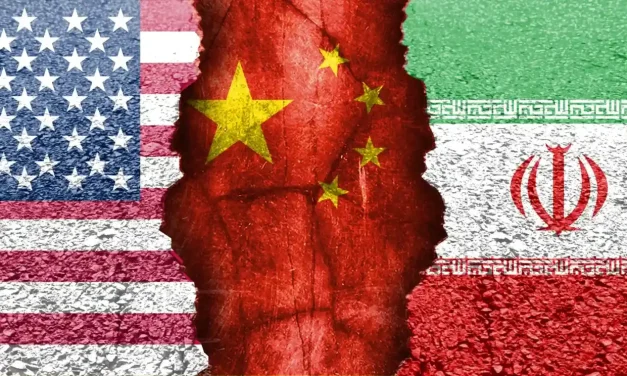
China’s Rejection of US Sanctions; Strengthening Iran’s Geopolitical Leverage

SCFR Online – Opinion: Concurrent with the official commencement of the United States’ economic war against our country, focusing on sanctions instruments, isolation, and economic pressure, what has now become increasingly important is the lack of alignment of other major global powers, especially China, with this policy.
The Makkah Pact; Reasons for its Formation and Challenges Ahead

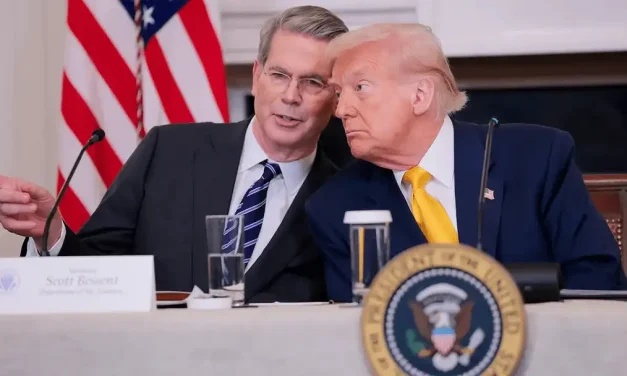
SCFR Online – Opinion: The Makkah Pact, signed between Saudi Arabia, Pakistan, and Turkey under the motto “an attack on one is an attack on all,” is viewed by some analysts less as a full-fledged military coalition and more as an attempt to reduce security dependence on an external power and to establish a regional security mechanism.

Implications of the US-Saudi Nuclear Agreement

SCFR Online – Opinion: The new US-Saudi nuclear agreement, despite legal and political ambiguities, could alter previous non-proliferation standards in West Asia and intensify nuclear competition, ushering it into a new phase.

An Analysis of Recent Turkey-Israeli Regime Tensions

SCFR Online – Opinion: Recent developments in Syria indicate an intensification of strategic rivalry between Turkey and the Israeli regime, but mutual considerations and the role of the United States have limited the likelihood of direct war.

Loading

Economy

Saudi Oil Step in the Corridor of De-Dollarization

Saudi Oil Step in the Corridor of De-Dollarization

Strategic Council Online – Opinion: On June 9, Saudi Arabia’s oil agreement with the United States expired. Saudi Crown Prince Mohammed bin Salman announced that Riyadh would not renew the 75-year-old contract that helped maintain the hegemony of the US dollar in international trade. This action allows Riyadh to sell oil in different currencies, including yuan, euro, yen, etc., instead of the US dollar.

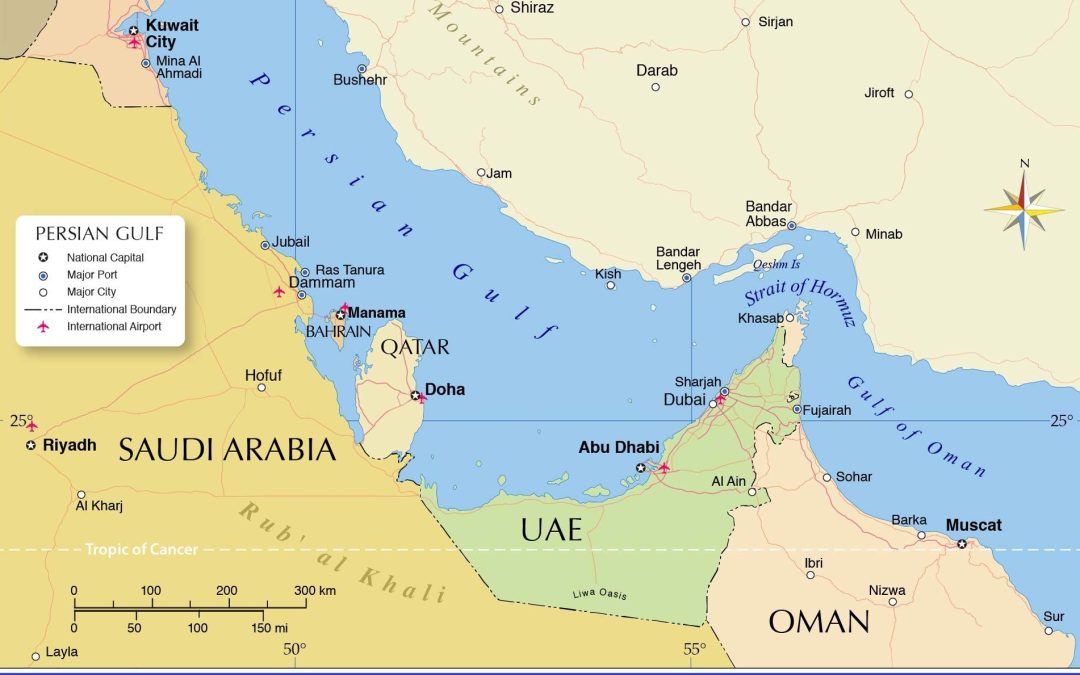
Economy & Security: Connecting Links between Turkey and Persian Gulf States

Economy & Security: Connecting Links between Turkey and Persian Gulf States

Strategic Council Online – Opinion: Since 2000, Turkey has gradually shifted its foreign policy from the “Looking East” approach to the more traditional “Looking West” foreign policy. The most important reasons for this change in the structure of Turkey’s foreign policy were the developments in Iraq, the Syrian crisis, and Ankara’s failure to become a member state of the European Union. In addition to the above, the influence of people like President Erdogan and Davutoglu (former PM) on the change in Turkey’s foreign policy has been undeniable.

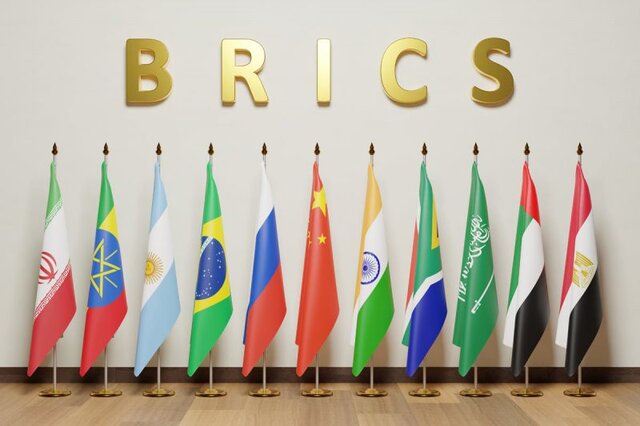
BRICS: Capacities & Opportunities

BRICS: Capacities & Opportunities

Strategic Council Online—Opinion: Recently, Russian Foreign Minister Sergei Lavrov said that BRICS is currently reviewing about 30 requests from different countries proposing various forms of cooperation. The increase in the number of countries applying for membership in the BRICS group indicates the growing importance of this group in the political and economic relations of the international system.

The Outlook for Global Oil Demand in the Coming Decades

The Outlook for Global Oil Demand in the Coming Decades

Strategic Council Online – Interview: Amid a report by the International Energy Agency that the global oil market will face a significant surplus at the end of this decade, Iran’s former representative in OPEC said: The IEA report does not apply to all countries and regions, but only some countries, especially the Europeans.

Russia’s Strategy in Response to Western Sanctions

Russia’s Strategy in Response to Western Sanctions

Strategic Council Online – Opinion: Following the escalation of tensions between Russia and Western countries due to the war in Ukraine, Moscow is looking for solutions to deal with the extensive sanctions of the United States and its allies.
Hossein Sayyahi, researcher of international politics

An Analysis of the Unified Visa Plan of Persian Gulf Cooperation Council Countries

An Analysis of the Unified Visa Plan of Persian Gulf Cooperation Council Countries

Strategic Council Online – Interview: An expert on West Asian issues said: Special sources recently told the “Al-Arabiya” network that a unified Persian Gulf visa plan, which allows its holders to enter all member countries of the Persian Gulf Cooperation Council from early next year, 2025, will be implemented. But, in fact, how feasible is this plan? Is it a showoff, or is it going to be followed purposefully?

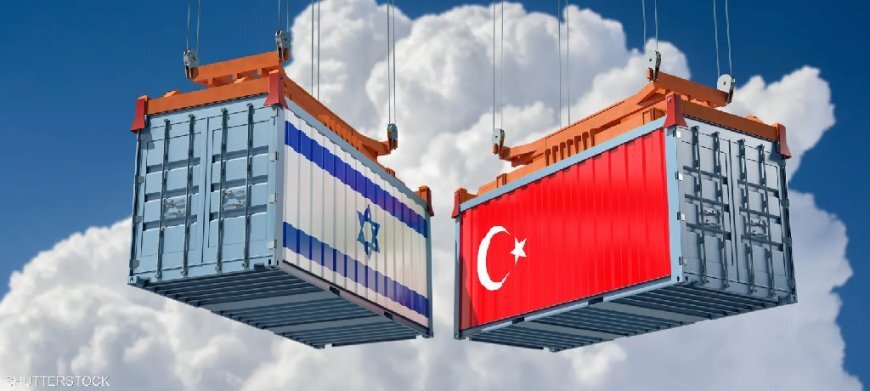
Reflection on the Reduction of Turkey’s Economic Relations with the Zionist Regime

Reflection on the Reduction of Turkey’s Economic Relations with the Zionist Regime

Strategic Council Online – Opinion: According to Turkish officials, this country has suspended its trade relations with the Zionist regime due to its military actions in Gaza and the deterioration of the humanitarian disaster and has made a commitment until Tel Aviv allows humanitarian aid to be sent to Gaza. If not, it will continue to cut off its business relations.
Hamid Khoshayand – expert on regional issues

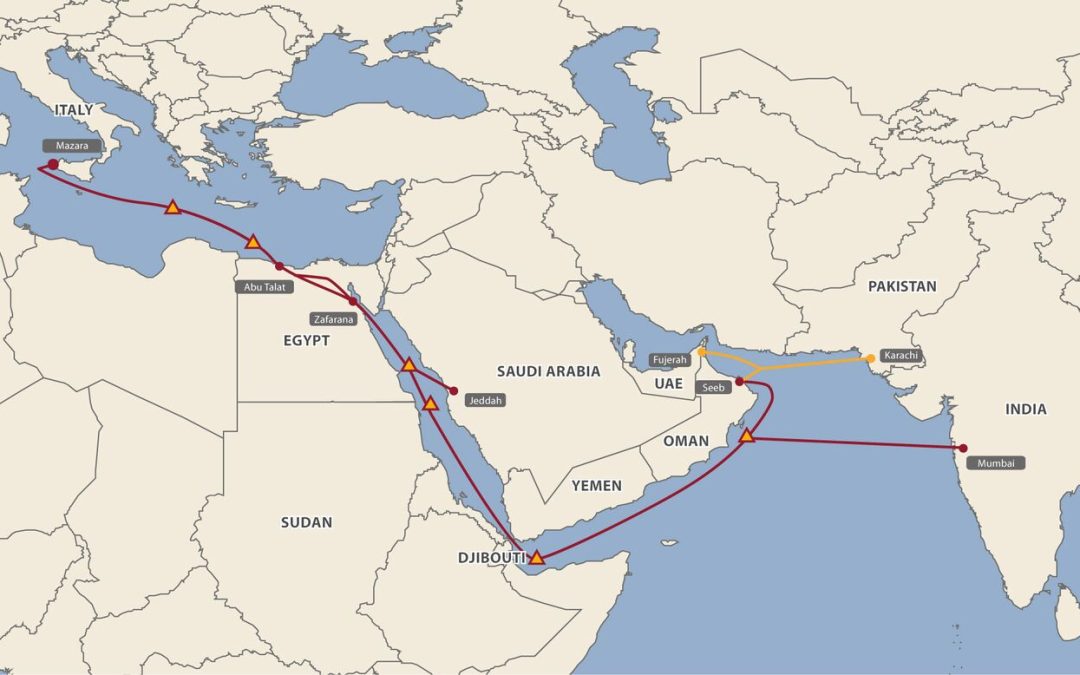
Strategic Importance of India-Middle East-Europe Economic Corridor

Strategic Importance of India-Middle East-Europe Economic Corridor

Strategic Council Online – Interview: An expert on subcontinental issues said that India and the United Arab Emirates are working on the first phase of the creation of the India-Middle East-Europe Economic Corridor, known as the IMEC Corridor (ArabMed), which is an alternative route to the Strait of Hormuz and China’s Silk Road plan. Although there are some speculations that with the continuation of the war in Gaza and the unrest in the Middle East, work on this corridor may be sidelined.

Can the Middle Corridor Replace the Red Sea Route?

Can the Middle Corridor Replace the Red Sea Route?

Strategic Council Online: The tensions in the Red Sea have made the plan to transfer goods transportation route from the Red Sea and Bab al-Mandab Strait to the “Middle Corridor” in the Caucasus the talk of the town.

Solution to Get Out of FATF Blacklist and Get Rid of Its Heavy Costs?

Solution to Get Out of FATF Blacklist and Get Rid of Its Heavy Costs?

Strategic Council Online – Opinion: The Financial Action Task Force, FATF, announced on Friday, February 23, that the name of the Islamic Republic of Iran remains on the “blacklist” of this international organization. A decision that was not unexpected for the authorities of our country. According to the Governor of the Central Bank of Iran, one day before the release of the FATF statement, due to the current sanctions, Iran is looking for its own FATF, as it uses other tools instead of SWIFT (Society for Worldwide Interbank Financial Telecommunications). On this basis, it seems that while the United Arab Emirates and Lebanon were removed from the “Grey List” of FATF in the previous reviews in June 2024, the Islamic Republic of Iran is not trying to be exempted from the blacklist. But what kind of organization is FATF, and why are some in Iran against joining it? And what is the way out of this situation?

أحدث الوظائف

China’s Rejection of US Sanctions; Strengthening Iran’s Geopolitical Leverage

SCFR Online – Opinion: Concurrent with the official commencement of the United States’ economic war against our country, focusing on sanctions instruments, isolation, and economic pressure, what has now become increasingly important is the lack of alignment of other major global powers, especially China, with this policy.
The Makkah Pact; Reasons for its Formation and Challenges Ahead

SCFR Online – Opinion: The Makkah Pact, signed between Saudi Arabia, Pakistan, and Turkey under the motto “an attack on one is an attack on all,” is viewed by some analysts less as a full-fledged military coalition and more as an attempt to reduce security dependence on an external power and to establish a regional security mechanism.

Implications of the US-Saudi Nuclear Agreement

SCFR Online – Opinion: The new US-Saudi nuclear agreement, despite legal and political ambiguities, could alter previous non-proliferation standards in West Asia and intensify nuclear competition, ushering it into a new phase.

An Analysis of Recent Turkey-Israeli Regime Tensions

SCFR Online – Opinion: Recent developments in Syria indicate an intensification of strategic rivalry between Turkey and the Israeli regime, but mutual considerations and the role of the United States have limited the likelihood of direct war.

Loading

Economy

Saudi Oil Step in the Corridor of De-Dollarization

Saudi Oil Step in the Corridor of De-Dollarization

Strategic Council Online – Opinion: On June 9, Saudi Arabia’s oil agreement with the United States expired. Saudi Crown Prince Mohammed bin Salman announced that Riyadh would not renew the 75-year-old contract that helped maintain the hegemony of the US dollar in international trade. This action allows Riyadh to sell oil in different currencies, including yuan, euro, yen, etc., instead of the US dollar.

Economy & Security: Connecting Links between Turkey and Persian Gulf States

Economy & Security: Connecting Links between Turkey and Persian Gulf States

Strategic Council Online – Opinion: Since 2000, Turkey has gradually shifted its foreign policy from the “Looking East” approach to the more traditional “Looking West” foreign policy. The most important reasons for this change in the structure of Turkey’s foreign policy were the developments in Iraq, the Syrian crisis, and Ankara’s failure to become a member state of the European Union. In addition to the above, the influence of people like President Erdogan and Davutoglu (former PM) on the change in Turkey’s foreign policy has been undeniable.

BRICS: Capacities & Opportunities

BRICS: Capacities & Opportunities

Strategic Council Online—Opinion: Recently, Russian Foreign Minister Sergei Lavrov said that BRICS is currently reviewing about 30 requests from different countries proposing various forms of cooperation. The increase in the number of countries applying for membership in the BRICS group indicates the growing importance of this group in the political and economic relations of the international system.

The Outlook for Global Oil Demand in the Coming Decades

The Outlook for Global Oil Demand in the Coming Decades

Strategic Council Online – Interview: Amid a report by the International Energy Agency that the global oil market will face a significant surplus at the end of this decade, Iran’s former representative in OPEC said: The IEA report does not apply to all countries and regions, but only some countries, especially the Europeans.

Russia’s Strategy in Response to Western Sanctions

Russia’s Strategy in Response to Western Sanctions

Strategic Council Online – Opinion: Following the escalation of tensions between Russia and Western countries due to the war in Ukraine, Moscow is looking for solutions to deal with the extensive sanctions of the United States and its allies.
Hossein Sayyahi, researcher of international politics

An Analysis of the Unified Visa Plan of Persian Gulf Cooperation Council Countries

An Analysis of the Unified Visa Plan of Persian Gulf Cooperation Council Countries

Strategic Council Online – Interview: An expert on West Asian issues said: Special sources recently told the “Al-Arabiya” network that a unified Persian Gulf visa plan, which allows its holders to enter all member countries of the Persian Gulf Cooperation Council from early next year, 2025, will be implemented. But, in fact, how feasible is this plan? Is it a showoff, or is it going to be followed purposefully?

Reflection on the Reduction of Turkey’s Economic Relations with the Zionist Regime

Reflection on the Reduction of Turkey’s Economic Relations with the Zionist Regime

Strategic Council Online – Opinion: According to Turkish officials, this country has suspended its trade relations with the Zionist regime due to its military actions in Gaza and the deterioration of the humanitarian disaster and has made a commitment until Tel Aviv allows humanitarian aid to be sent to Gaza. If not, it will continue to cut off its business relations.
Hamid Khoshayand – expert on regional issues

Strategic Importance of India-Middle East-Europe Economic Corridor

Strategic Importance of India-Middle East-Europe Economic Corridor

Strategic Council Online – Interview: An expert on subcontinental issues said that India and the United Arab Emirates are working on the first phase of the creation of the India-Middle East-Europe Economic Corridor, known as the IMEC Corridor (ArabMed), which is an alternative route to the Strait of Hormuz and China’s Silk Road plan. Although there are some speculations that with the continuation of the war in Gaza and the unrest in the Middle East, work on this corridor may be sidelined.

Can the Middle Corridor Replace the Red Sea Route?

Can the Middle Corridor Replace the Red Sea Route?

Strategic Council Online: The tensions in the Red Sea have made the plan to transfer goods transportation route from the Red Sea and Bab al-Mandab Strait to the “Middle Corridor” in the Caucasus the talk of the town.

Solution to Get Out of FATF Blacklist and Get Rid of Its Heavy Costs?

Solution to Get Out of FATF Blacklist and Get Rid of Its Heavy Costs?

Strategic Council Online – Opinion: The Financial Action Task Force, FATF, announced on Friday, February 23, that the name of the Islamic Republic of Iran remains on the “blacklist” of this international organization. A decision that was not unexpected for the authorities of our country. According to the Governor of the Central Bank of Iran, one day before the release of the FATF statement, due to the current sanctions, Iran is looking for its own FATF, as it uses other tools instead of SWIFT (Society for Worldwide Interbank Financial Telecommunications). On this basis, it seems that while the United Arab Emirates and Lebanon were removed from the “Grey List” of FATF in the previous reviews in June 2024, the Islamic Republic of Iran is not trying to be exempted from the blacklist. But what kind of organization is FATF, and why are some in Iran against joining it? And what is the way out of this situation?

Economy

Saudi Oil Step in the Corridor of De-Dollarization

Saudi Oil Step in the Corridor of De-Dollarization

Strategic Council Online – Opinion: On June 9, Saudi Arabia’s oil agreement with the United States expired. Saudi Crown Prince Mohammed bin Salman announced that Riyadh would not renew the 75-year-old contract that helped maintain the hegemony of the US dollar in international trade. This action allows Riyadh to sell oil in different currencies, including yuan, euro, yen, etc., instead of the US dollar.

Economy & Security: Connecting Links between Turkey and Persian Gulf States

Economy & Security: Connecting Links between Turkey and Persian Gulf States

Strategic Council Online – Opinion: Since 2000, Turkey has gradually shifted its foreign policy from the “Looking East” approach to the more traditional “Looking West” foreign policy. The most important reasons for this change in the structure of Turkey’s foreign policy were the developments in Iraq, the Syrian crisis, and Ankara’s failure to become a member state of the European Union. In addition to the above, the influence of people like President Erdogan and Davutoglu (former PM) on the change in Turkey’s foreign policy has been undeniable.

BRICS: Capacities & Opportunities

BRICS: Capacities & Opportunities

Strategic Council Online—Opinion: Recently, Russian Foreign Minister Sergei Lavrov said that BRICS is currently reviewing about 30 requests from different countries proposing various forms of cooperation. The increase in the number of countries applying for membership in the BRICS group indicates the growing importance of this group in the political and economic relations of the international system.

The Outlook for Global Oil Demand in the Coming Decades

The Outlook for Global Oil Demand in the Coming Decades

Strategic Council Online – Interview: Amid a report by the International Energy Agency that the global oil market will face a significant surplus at the end of this decade, Iran’s former representative in OPEC said: The IEA report does not apply to all countries and regions, but only some countries, especially the Europeans.

Russia’s Strategy in Response to Western Sanctions

Russia’s Strategy in Response to Western Sanctions

Strategic Council Online – Opinion: Following the escalation of tensions between Russia and Western countries due to the war in Ukraine, Moscow is looking for solutions to deal with the extensive sanctions of the United States and its allies.
Hossein Sayyahi, researcher of international politics

An Analysis of the Unified Visa Plan of Persian Gulf Cooperation Council Countries

An Analysis of the Unified Visa Plan of Persian Gulf Cooperation Council Countries

Strategic Council Online – Interview: An expert on West Asian issues said: Special sources recently told the “Al-Arabiya” network that a unified Persian Gulf visa plan, which allows its holders to enter all member countries of the Persian Gulf Cooperation Council from early next year, 2025, will be implemented. But, in fact, how feasible is this plan? Is it a showoff, or is it going to be followed purposefully?

Reflection on the Reduction of Turkey’s Economic Relations with the Zionist Regime

Reflection on the Reduction of Turkey’s Economic Relations with the Zionist Regime

Strategic Council Online – Opinion: According to Turkish officials, this country has suspended its trade relations with the Zionist regime due to its military actions in Gaza and the deterioration of the humanitarian disaster and has made a commitment until Tel Aviv allows humanitarian aid to be sent to Gaza. If not, it will continue to cut off its business relations.
Hamid Khoshayand – expert on regional issues

Strategic Importance of India-Middle East-Europe Economic Corridor

Strategic Importance of India-Middle East-Europe Economic Corridor

Strategic Council Online – Interview: An expert on subcontinental issues said that India and the United Arab Emirates are working on the first phase of the creation of the India-Middle East-Europe Economic Corridor, known as the IMEC Corridor (ArabMed), which is an alternative route to the Strait of Hormuz and China’s Silk Road plan. Although there are some speculations that with the continuation of the war in Gaza and the unrest in the Middle East, work on this corridor may be sidelined.

Can the Middle Corridor Replace the Red Sea Route?

Can the Middle Corridor Replace the Red Sea Route?

Strategic Council Online: The tensions in the Red Sea have made the plan to transfer goods transportation route from the Red Sea and Bab al-Mandab Strait to the “Middle Corridor” in the Caucasus the talk of the town.

Solution to Get Out of FATF Blacklist and Get Rid of Its Heavy Costs?

Solution to Get Out of FATF Blacklist and Get Rid of Its Heavy Costs?

Strategic Council Online – Opinion: The Financial Action Task Force, FATF, announced on Friday, February 23, that the name of the Islamic Republic of Iran remains on the “blacklist” of this international organization. A decision that was not unexpected for the authorities of our country. According to the Governor of the Central Bank of Iran, one day before the release of the FATF statement, due to the current sanctions, Iran is looking for its own FATF, as it uses other tools instead of SWIFT (Society for Worldwide Interbank Financial Telecommunications). On this basis, it seems that while the United Arab Emirates and Lebanon were removed from the “Grey List” of FATF in the previous reviews in June 2024, the Islamic Republic of Iran is not trying to be exempted from the blacklist. But what kind of organization is FATF, and why are some in Iran against joining it? And what is the way out of this situation?

LATEST CONTENT

China’s Rejection of US Sanctions; Strengthening Iran’s Geopolitical Leverage

SCFR Online – Opinion: Concurrent with the official commencement of the United States’ economic war against our country, focusing on sanctions instruments, isolation, and economic pressure, what has now become increasingly important is the lack of alignment of other major global powers, especially China, with this policy.
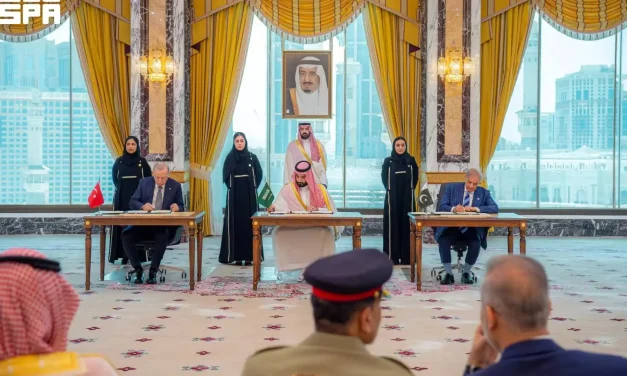
The Makkah Pact; Reasons for its Formation and Challenges Ahead

SCFR Online – Opinion: The Makkah Pact, signed between Saudi Arabia, Pakistan, and Turkey under the motto “an attack on one is an attack on all,” is viewed by some analysts less as a full-fledged military coalition and more as an attempt to reduce security dependence on an external power and to establish a regional security mechanism.

Implications of the US-Saudi Nuclear Agreement

SCFR Online – Opinion: The new US-Saudi nuclear agreement, despite legal and political ambiguities, could alter previous non-proliferation standards in West Asia and intensify nuclear competition, ushering it into a new phase.

An Analysis of Recent Turkey-Israeli Regime Tensions

SCFR Online – Opinion: Recent developments in Syria indicate an intensification of strategic rivalry between Turkey and the Israeli regime, but mutual considerations and the role of the United States have limited the likelihood of direct war.

Loading

Economy

Saudi Oil Step in the Corridor of De-Dollarization

Saudi Oil Step in the Corridor of De-Dollarization

Strategic Council Online – Opinion: On June 9, Saudi Arabia’s oil agreement with the United States expired. Saudi Crown Prince Mohammed bin Salman announced that Riyadh would not renew the 75-year-old contract that helped maintain the hegemony of the US dollar in international trade. This action allows Riyadh to sell oil in different currencies, including yuan, euro, yen, etc., instead of the US dollar.

Economy & Security: Connecting Links between Turkey and Persian Gulf States

Economy & Security: Connecting Links between Turkey and Persian Gulf States

Strategic Council Online – Opinion: Since 2000, Turkey has gradually shifted its foreign policy from the “Looking East” approach to the more traditional “Looking West” foreign policy. The most important reasons for this change in the structure of Turkey’s foreign policy were the developments in Iraq, the Syrian crisis, and Ankara’s failure to become a member state of the European Union. In addition to the above, the influence of people like President Erdogan and Davutoglu (former PM) on the change in Turkey’s foreign policy has been undeniable.

BRICS: Capacities & Opportunities

BRICS: Capacities & Opportunities

Strategic Council Online—Opinion: Recently, Russian Foreign Minister Sergei Lavrov said that BRICS is currently reviewing about 30 requests from different countries proposing various forms of cooperation. The increase in the number of countries applying for membership in the BRICS group indicates the growing importance of this group in the political and economic relations of the international system.

The Outlook for Global Oil Demand in the Coming Decades

The Outlook for Global Oil Demand in the Coming Decades

Strategic Council Online – Interview: Amid a report by the International Energy Agency that the global oil market will face a significant surplus at the end of this decade, Iran’s former representative in OPEC said: The IEA report does not apply to all countries and regions, but only some countries, especially the Europeans.

Russia’s Strategy in Response to Western Sanctions

Russia’s Strategy in Response to Western Sanctions

Strategic Council Online – Opinion: Following the escalation of tensions between Russia and Western countries due to the war in Ukraine, Moscow is looking for solutions to deal with the extensive sanctions of the United States and its allies.
Hossein Sayyahi, researcher of international politics

An Analysis of the Unified Visa Plan of Persian Gulf Cooperation Council Countries

An Analysis of the Unified Visa Plan of Persian Gulf Cooperation Council Countries

Strategic Council Online – Interview: An expert on West Asian issues said: Special sources recently told the “Al-Arabiya” network that a unified Persian Gulf visa plan, which allows its holders to enter all member countries of the Persian Gulf Cooperation Council from early next year, 2025, will be implemented. But, in fact, how feasible is this plan? Is it a showoff, or is it going to be followed purposefully?

Reflection on the Reduction of Turkey’s Economic Relations with the Zionist Regime

Reflection on the Reduction of Turkey’s Economic Relations with the Zionist Regime

Strategic Council Online – Opinion: According to Turkish officials, this country has suspended its trade relations with the Zionist regime due to its military actions in Gaza and the deterioration of the humanitarian disaster and has made a commitment until Tel Aviv allows humanitarian aid to be sent to Gaza. If not, it will continue to cut off its business relations.
Hamid Khoshayand – expert on regional issues

Strategic Importance of India-Middle East-Europe Economic Corridor

Strategic Importance of India-Middle East-Europe Economic Corridor

Strategic Council Online – Interview: An expert on subcontinental issues said that India and the United Arab Emirates are working on the first phase of the creation of the India-Middle East-Europe Economic Corridor, known as the IMEC Corridor (ArabMed), which is an alternative route to the Strait of Hormuz and China’s Silk Road plan. Although there are some speculations that with the continuation of the war in Gaza and the unrest in the Middle East, work on this corridor may be sidelined.

Can the Middle Corridor Replace the Red Sea Route?

Can the Middle Corridor Replace the Red Sea Route?

Strategic Council Online: The tensions in the Red Sea have made the plan to transfer goods transportation route from the Red Sea and Bab al-Mandab Strait to the “Middle Corridor” in the Caucasus the talk of the town.

Solution to Get Out of FATF Blacklist and Get Rid of Its Heavy Costs?

Solution to Get Out of FATF Blacklist and Get Rid of Its Heavy Costs?

Strategic Council Online – Opinion: The Financial Action Task Force, FATF, announced on Friday, February 23, that the name of the Islamic Republic of Iran remains on the “blacklist” of this international organization. A decision that was not unexpected for the authorities of our country. According to the Governor of the Central Bank of Iran, one day before the release of the FATF statement, due to the current sanctions, Iran is looking for its own FATF, as it uses other tools instead of SWIFT (Society for Worldwide Interbank Financial Telecommunications). On this basis, it seems that while the United Arab Emirates and Lebanon were removed from the “Grey List” of FATF in the previous reviews in June 2024, the Islamic Republic of Iran is not trying to be exempted from the blacklist. But what kind of organization is FATF, and why are some in Iran against joining it? And what is the way out of this situation?

ÚLTIMAS PUBLICACIONES

China’s Rejection of US Sanctions; Strengthening Iran’s Geopolitical Leverage

SCFR Online – Opinion: Concurrent with the official commencement of the United States’ economic war against our country, focusing on sanctions instruments, isolation, and economic pressure, what has now become increasingly important is the lack of alignment of other major global powers, especially China, with this policy.
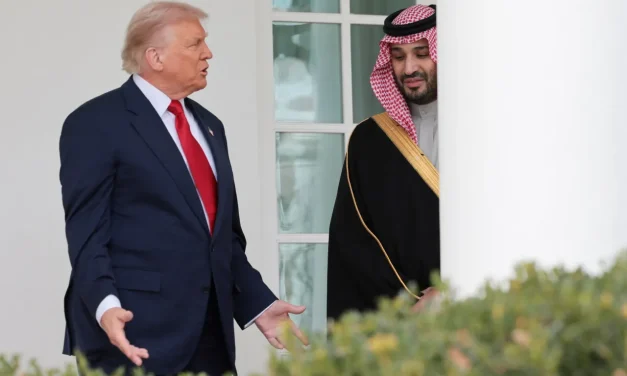
The Makkah Pact; Reasons for its Formation and Challenges Ahead

SCFR Online – Opinion: The Makkah Pact, signed between Saudi Arabia, Pakistan, and Turkey under the motto “an attack on one is an attack on all,” is viewed by some analysts less as a full-fledged military coalition and more as an attempt to reduce security dependence on an external power and to establish a regional security mechanism.

Implications of the US-Saudi Nuclear Agreement

SCFR Online – Opinion: The new US-Saudi nuclear agreement, despite legal and political ambiguities, could alter previous non-proliferation standards in West Asia and intensify nuclear competition, ushering it into a new phase.

An Analysis of Recent Turkey-Israeli Regime Tensions

SCFR Online – Opinion: Recent developments in Syria indicate an intensification of strategic rivalry between Turkey and the Israeli regime, but mutual considerations and the role of the United States have limited the likelihood of direct war.

Loading

Economy

Saudi Oil Step in the Corridor of De-Dollarization

Saudi Oil Step in the Corridor of De-Dollarization

Strategic Council Online – Opinion: On June 9, Saudi Arabia’s oil agreement with the United States expired. Saudi Crown Prince Mohammed bin Salman announced that Riyadh would not renew the 75-year-old contract that helped maintain the hegemony of the US dollar in international trade. This action allows Riyadh to sell oil in different currencies, including yuan, euro, yen, etc., instead of the US dollar.

Economy & Security: Connecting Links between Turkey and Persian Gulf States

Economy & Security: Connecting Links between Turkey and Persian Gulf States

Strategic Council Online – Opinion: Since 2000, Turkey has gradually shifted its foreign policy from the “Looking East” approach to the more traditional “Looking West” foreign policy. The most important reasons for this change in the structure of Turkey’s foreign policy were the developments in Iraq, the Syrian crisis, and Ankara’s failure to become a member state of the European Union. In addition to the above, the influence of people like President Erdogan and Davutoglu (former PM) on the change in Turkey’s foreign policy has been undeniable.

BRICS: Capacities & Opportunities

BRICS: Capacities & Opportunities

Strategic Council Online—Opinion: Recently, Russian Foreign Minister Sergei Lavrov said that BRICS is currently reviewing about 30 requests from different countries proposing various forms of cooperation. The increase in the number of countries applying for membership in the BRICS group indicates the growing importance of this group in the political and economic relations of the international system.

The Outlook for Global Oil Demand in the Coming Decades

The Outlook for Global Oil Demand in the Coming Decades

Strategic Council Online – Interview: Amid a report by the International Energy Agency that the global oil market will face a significant surplus at the end of this decade, Iran’s former representative in OPEC said: The IEA report does not apply to all countries and regions, but only some countries, especially the Europeans.

Russia’s Strategy in Response to Western Sanctions

Russia’s Strategy in Response to Western Sanctions

Strategic Council Online – Opinion: Following the escalation of tensions between Russia and Western countries due to the war in Ukraine, Moscow is looking for solutions to deal with the extensive sanctions of the United States and its allies.
Hossein Sayyahi, researcher of international politics

An Analysis of the Unified Visa Plan of Persian Gulf Cooperation Council Countries

An Analysis of the Unified Visa Plan of Persian Gulf Cooperation Council Countries

Strategic Council Online – Interview: An expert on West Asian issues said: Special sources recently told the “Al-Arabiya” network that a unified Persian Gulf visa plan, which allows its holders to enter all member countries of the Persian Gulf Cooperation Council from early next year, 2025, will be implemented. But, in fact, how feasible is this plan? Is it a showoff, or is it going to be followed purposefully?

Reflection on the Reduction of Turkey’s Economic Relations with the Zionist Regime

Reflection on the Reduction of Turkey’s Economic Relations with the Zionist Regime

Strategic Council Online – Opinion: According to Turkish officials, this country has suspended its trade relations with the Zionist regime due to its military actions in Gaza and the deterioration of the humanitarian disaster and has made a commitment until Tel Aviv allows humanitarian aid to be sent to Gaza. If not, it will continue to cut off its business relations.
Hamid Khoshayand – expert on regional issues

Strategic Importance of India-Middle East-Europe Economic Corridor

Strategic Importance of India-Middle East-Europe Economic Corridor

Strategic Council Online – Interview: An expert on subcontinental issues said that India and the United Arab Emirates are working on the first phase of the creation of the India-Middle East-Europe Economic Corridor, known as the IMEC Corridor (ArabMed), which is an alternative route to the Strait of Hormuz and China’s Silk Road plan. Although there are some speculations that with the continuation of the war in Gaza and the unrest in the Middle East, work on this corridor may be sidelined.

Can the Middle Corridor Replace the Red Sea Route?

Can the Middle Corridor Replace the Red Sea Route?

Strategic Council Online: The tensions in the Red Sea have made the plan to transfer goods transportation route from the Red Sea and Bab al-Mandab Strait to the “Middle Corridor” in the Caucasus the talk of the town.

Solution to Get Out of FATF Blacklist and Get Rid of Its Heavy Costs?

Solution to Get Out of FATF Blacklist and Get Rid of Its Heavy Costs?

Strategic Council Online – Opinion: The Financial Action Task Force, FATF, announced on Friday, February 23, that the name of the Islamic Republic of Iran remains on the “blacklist” of this international organization. A decision that was not unexpected for the authorities of our country. According to the Governor of the Central Bank of Iran, one day before the release of the FATF statement, due to the current sanctions, Iran is looking for its own FATF, as it uses other tools instead of SWIFT (Society for Worldwide Interbank Financial Telecommunications). On this basis, it seems that while the United Arab Emirates and Lebanon were removed from the “Grey List” of FATF in the previous reviews in June 2024, the Islamic Republic of Iran is not trying to be exempted from the blacklist. But what kind of organization is FATF, and why are some in Iran against joining it? And what is the way out of this situation?

ÚLTIMAS PUBLICACIONES

China’s Rejection of US Sanctions; Strengthening Iran’s Geopolitical Leverage

SCFR Online – Opinion: Concurrent with the official commencement of the United States’ economic war against our country, focusing on sanctions instruments, isolation, and economic pressure, what has now become increasingly important is the lack of alignment of other major global powers, especially China, with this policy.
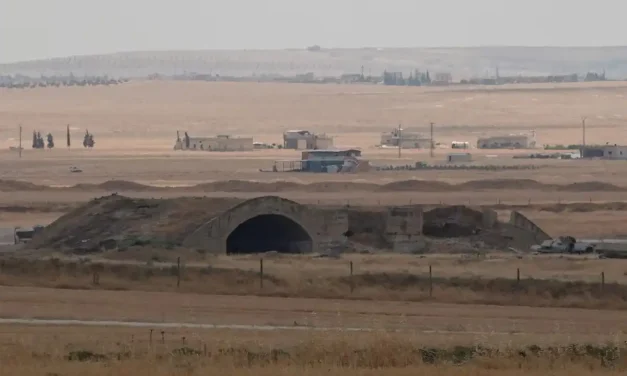
The Makkah Pact; Reasons for its Formation and Challenges Ahead

SCFR Online – Opinion: The Makkah Pact, signed between Saudi Arabia, Pakistan, and Turkey under the motto “an attack on one is an attack on all,” is viewed by some analysts less as a full-fledged military coalition and more as an attempt to reduce security dependence on an external power and to establish a regional security mechanism.

Implications of the US-Saudi Nuclear Agreement

SCFR Online – Opinion: The new US-Saudi nuclear agreement, despite legal and political ambiguities, could alter previous non-proliferation standards in West Asia and intensify nuclear competition, ushering it into a new phase.

An Analysis of Recent Turkey-Israeli Regime Tensions

SCFR Online – Opinion: Recent developments in Syria indicate an intensification of strategic rivalry between Turkey and the Israeli regime, but mutual considerations and the role of the United States have limited the likelihood of direct war.

Loading

Economy

Saudi Oil Step in the Corridor of De-Dollarization

Saudi Oil Step in the Corridor of De-Dollarization

Strategic Council Online – Opinion: On June 9, Saudi Arabia’s oil agreement with the United States expired. Saudi Crown Prince Mohammed bin Salman announced that Riyadh would not renew the 75-year-old contract that helped maintain the hegemony of the US dollar in international trade. This action allows Riyadh to sell oil in different currencies, including yuan, euro, yen, etc., instead of the US dollar.

Economy & Security: Connecting Links between Turkey and Persian Gulf States

Economy & Security: Connecting Links between Turkey and Persian Gulf States

Strategic Council Online – Opinion: Since 2000, Turkey has gradually shifted its foreign policy from the “Looking East” approach to the more traditional “Looking West” foreign policy. The most important reasons for this change in the structure of Turkey’s foreign policy were the developments in Iraq, the Syrian crisis, and Ankara’s failure to become a member state of the European Union. In addition to the above, the influence of people like President Erdogan and Davutoglu (former PM) on the change in Turkey’s foreign policy has been undeniable.

BRICS: Capacities & Opportunities

BRICS: Capacities & Opportunities

Strategic Council Online—Opinion: Recently, Russian Foreign Minister Sergei Lavrov said that BRICS is currently reviewing about 30 requests from different countries proposing various forms of cooperation. The increase in the number of countries applying for membership in the BRICS group indicates the growing importance of this group in the political and economic relations of the international system.

The Outlook for Global Oil Demand in the Coming Decades

The Outlook for Global Oil Demand in the Coming Decades

Strategic Council Online – Interview: Amid a report by the International Energy Agency that the global oil market will face a significant surplus at the end of this decade, Iran’s former representative in OPEC said: The IEA report does not apply to all countries and regions, but only some countries, especially the Europeans.

Russia’s Strategy in Response to Western Sanctions

Russia’s Strategy in Response to Western Sanctions

Strategic Council Online – Opinion: Following the escalation of tensions between Russia and Western countries due to the war in Ukraine, Moscow is looking for solutions to deal with the extensive sanctions of the United States and its allies.
Hossein Sayyahi, researcher of international politics

An Analysis of the Unified Visa Plan of Persian Gulf Cooperation Council Countries

An Analysis of the Unified Visa Plan of Persian Gulf Cooperation Council Countries

Strategic Council Online – Interview: An expert on West Asian issues said: Special sources recently told the “Al-Arabiya” network that a unified Persian Gulf visa plan, which allows its holders to enter all member countries of the Persian Gulf Cooperation Council from early next year, 2025, will be implemented. But, in fact, how feasible is this plan? Is it a showoff, or is it going to be followed purposefully?

Reflection on the Reduction of Turkey’s Economic Relations with the Zionist Regime

Reflection on the Reduction of Turkey’s Economic Relations with the Zionist Regime

Strategic Council Online – Opinion: According to Turkish officials, this country has suspended its trade relations with the Zionist regime due to its military actions in Gaza and the deterioration of the humanitarian disaster and has made a commitment until Tel Aviv allows humanitarian aid to be sent to Gaza. If not, it will continue to cut off its business relations.
Hamid Khoshayand – expert on regional issues

Strategic Importance of India-Middle East-Europe Economic Corridor

Strategic Importance of India-Middle East-Europe Economic Corridor

Strategic Council Online – Interview: An expert on subcontinental issues said that India and the United Arab Emirates are working on the first phase of the creation of the India-Middle East-Europe Economic Corridor, known as the IMEC Corridor (ArabMed), which is an alternative route to the Strait of Hormuz and China’s Silk Road plan. Although there are some speculations that with the continuation of the war in Gaza and the unrest in the Middle East, work on this corridor may be sidelined.

Can the Middle Corridor Replace the Red Sea Route?

Can the Middle Corridor Replace the Red Sea Route?

Strategic Council Online: The tensions in the Red Sea have made the plan to transfer goods transportation route from the Red Sea and Bab al-Mandab Strait to the “Middle Corridor” in the Caucasus the talk of the town.

Solution to Get Out of FATF Blacklist and Get Rid of Its Heavy Costs?

Solution to Get Out of FATF Blacklist and Get Rid of Its Heavy Costs?

Strategic Council Online – Opinion: The Financial Action Task Force, FATF, announced on Friday, February 23, that the name of the Islamic Republic of Iran remains on the “blacklist” of this international organization. A decision that was not unexpected for the authorities of our country. According to the Governor of the Central Bank of Iran, one day before the release of the FATF statement, due to the current sanctions, Iran is looking for its own FATF, as it uses other tools instead of SWIFT (Society for Worldwide Interbank Financial Telecommunications). On this basis, it seems that while the United Arab Emirates and Lebanon were removed from the “Grey List” of FATF in the previous reviews in June 2024, the Islamic Republic of Iran is not trying to be exempted from the blacklist. But what kind of organization is FATF, and why are some in Iran against joining it? And what is the way out of this situation?

ÚLTIMAS PUBLICACIONES

China’s Rejection of US Sanctions; Strengthening Iran’s Geopolitical Leverage

SCFR Online – Opinion: Concurrent with the official commencement of the United States’ economic war against our country, focusing on sanctions instruments, isolation, and economic pressure, what has now become increasingly important is the lack of alignment of other major global powers, especially China, with this policy.
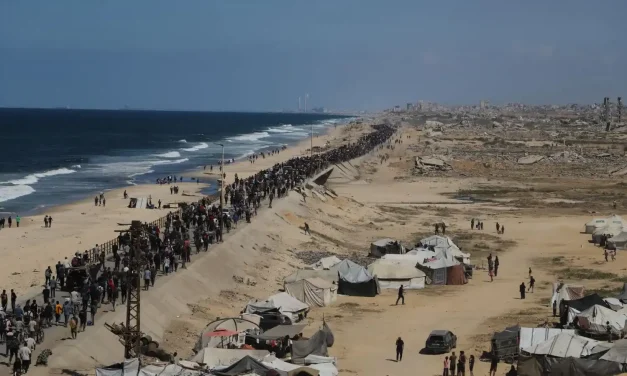
The Makkah Pact; Reasons for its Formation and Challenges Ahead

SCFR Online – Opinion: The Makkah Pact, signed between Saudi Arabia, Pakistan, and Turkey under the motto “an attack on one is an attack on all,” is viewed by some analysts less as a full-fledged military coalition and more as an attempt to reduce security dependence on an external power and to establish a regional security mechanism.

Implications of the US-Saudi Nuclear Agreement

SCFR Online – Opinion: The new US-Saudi nuclear agreement, despite legal and political ambiguities, could alter previous non-proliferation standards in West Asia and intensify nuclear competition, ushering it into a new phase.

An Analysis of Recent Turkey-Israeli Regime Tensions

SCFR Online – Opinion: Recent developments in Syria indicate an intensification of strategic rivalry between Turkey and the Israeli regime, but mutual considerations and the role of the United States have limited the likelihood of direct war.

Loading

Economy

Saudi Oil Step in the Corridor of De-Dollarization

Saudi Oil Step in the Corridor of De-Dollarization

Strategic Council Online – Opinion: On June 9, Saudi Arabia’s oil agreement with the United States expired. Saudi Crown Prince Mohammed bin Salman announced that Riyadh would not renew the 75-year-old contract that helped maintain the hegemony of the US dollar in international trade. This action allows Riyadh to sell oil in different currencies, including yuan, euro, yen, etc., instead of the US dollar.

Economy & Security: Connecting Links between Turkey and Persian Gulf States

Economy & Security: Connecting Links between Turkey and Persian Gulf States

Strategic Council Online – Opinion: Since 2000, Turkey has gradually shifted its foreign policy from the “Looking East” approach to the more traditional “Looking West” foreign policy. The most important reasons for this change in the structure of Turkey’s foreign policy were the developments in Iraq, the Syrian crisis, and Ankara’s failure to become a member state of the European Union. In addition to the above, the influence of people like President Erdogan and Davutoglu (former PM) on the change in Turkey’s foreign policy has been undeniable.

BRICS: Capacities & Opportunities

BRICS: Capacities & Opportunities

Strategic Council Online—Opinion: Recently, Russian Foreign Minister Sergei Lavrov said that BRICS is currently reviewing about 30 requests from different countries proposing various forms of cooperation. The increase in the number of countries applying for membership in the BRICS group indicates the growing importance of this group in the political and economic relations of the international system.

The Outlook for Global Oil Demand in the Coming Decades

The Outlook for Global Oil Demand in the Coming Decades

Strategic Council Online – Interview: Amid a report by the International Energy Agency that the global oil market will face a significant surplus at the end of this decade, Iran’s former representative in OPEC said: The IEA report does not apply to all countries and regions, but only some countries, especially the Europeans.

Russia’s Strategy in Response to Western Sanctions

Russia’s Strategy in Response to Western Sanctions

Strategic Council Online – Opinion: Following the escalation of tensions between Russia and Western countries due to the war in Ukraine, Moscow is looking for solutions to deal with the extensive sanctions of the United States and its allies.
Hossein Sayyahi, researcher of international politics

An Analysis of the Unified Visa Plan of Persian Gulf Cooperation Council Countries

An Analysis of the Unified Visa Plan of Persian Gulf Cooperation Council Countries

Strategic Council Online – Interview: An expert on West Asian issues said: Special sources recently told the “Al-Arabiya” network that a unified Persian Gulf visa plan, which allows its holders to enter all member countries of the Persian Gulf Cooperation Council from early next year, 2025, will be implemented. But, in fact, how feasible is this plan? Is it a showoff, or is it going to be followed purposefully?

Reflection on the Reduction of Turkey’s Economic Relations with the Zionist Regime

Reflection on the Reduction of Turkey’s Economic Relations with the Zionist Regime

Strategic Council Online – Opinion: According to Turkish officials, this country has suspended its trade relations with the Zionist regime due to its military actions in Gaza and the deterioration of the humanitarian disaster and has made a commitment until Tel Aviv allows humanitarian aid to be sent to Gaza. If not, it will continue to cut off its business relations.
Hamid Khoshayand – expert on regional issues

Strategic Importance of India-Middle East-Europe Economic Corridor

Strategic Importance of India-Middle East-Europe Economic Corridor

Strategic Council Online – Interview: An expert on subcontinental issues said that India and the United Arab Emirates are working on the first phase of the creation of the India-Middle East-Europe Economic Corridor, known as the IMEC Corridor (ArabMed), which is an alternative route to the Strait of Hormuz and China’s Silk Road plan. Although there are some speculations that with the continuation of the war in Gaza and the unrest in the Middle East, work on this corridor may be sidelined.

Can the Middle Corridor Replace the Red Sea Route?

Can the Middle Corridor Replace the Red Sea Route?

Strategic Council Online: The tensions in the Red Sea have made the plan to transfer goods transportation route from the Red Sea and Bab al-Mandab Strait to the “Middle Corridor” in the Caucasus the talk of the town.

Solution to Get Out of FATF Blacklist and Get Rid of Its Heavy Costs?

Solution to Get Out of FATF Blacklist and Get Rid of Its Heavy Costs?

Strategic Council Online – Opinion: The Financial Action Task Force, FATF, announced on Friday, February 23, that the name of the Islamic Republic of Iran remains on the “blacklist” of this international organization. A decision that was not unexpected for the authorities of our country. According to the Governor of the Central Bank of Iran, one day before the release of the FATF statement, due to the current sanctions, Iran is looking for its own FATF, as it uses other tools instead of SWIFT (Society for Worldwide Interbank Financial Telecommunications). On this basis, it seems that while the United Arab Emirates and Lebanon were removed from the “Grey List” of FATF in the previous reviews in June 2024, the Islamic Republic of Iran is not trying to be exempted from the blacklist. But what kind of organization is FATF, and why are some in Iran against joining it? And what is the way out of this situation?

ÚLTIMAS PUBLICACIONES

China’s Rejection of US Sanctions; Strengthening Iran’s Geopolitical Leverage

SCFR Online – Opinion: Concurrent with the official commencement of the United States’ economic war against our country, focusing on sanctions instruments, isolation, and economic pressure, what has now become increasingly important is the lack of alignment of other major global powers, especially China, with this policy.

The Makkah Pact; Reasons for its Formation and Challenges Ahead

SCFR Online – Opinion: The Makkah Pact, signed between Saudi Arabia, Pakistan, and Turkey under the motto “an attack on one is an attack on all,” is viewed by some analysts less as a full-fledged military coalition and more as an attempt to reduce security dependence on an external power and to establish a regional security mechanism.

Implications of the US-Saudi Nuclear Agreement

SCFR Online – Opinion: The new US-Saudi nuclear agreement, despite legal and political ambiguities, could alter previous non-proliferation standards in West Asia and intensify nuclear competition, ushering it into a new phase.

An Analysis of Recent Turkey-Israeli Regime Tensions

SCFR Online – Opinion: Recent developments in Syria indicate an intensification of strategic rivalry between Turkey and the Israeli regime, but mutual considerations and the role of the United States have limited the likelihood of direct war.

Loading