جدیدترین مطالب

The Makkah Pact; Reasons for its Formation and Challenges Ahead

SCFR Online – Opinion: The Makkah Pact, signed between Saudi Arabia, Pakistan, and Turkey under the motto “an attack on one is an attack on all,” is viewed by some analysts less as a full-fledged military coalition and more as an attempt to reduce security dependence on an external power and to establish a regional security mechanism.

Implications of the US-Saudi Nuclear Agreement

SCFR Online – Opinion: The new US-Saudi nuclear agreement, despite legal and political ambiguities, could alter previous non-proliferation standards in West Asia and intensify nuclear competition, ushering it into a new phase.

An Analysis of Recent Turkey-Israeli Regime Tensions

SCFR Online – Opinion: Recent developments in Syria indicate an intensification of strategic rivalry between Turkey and the Israeli regime, but mutual considerations and the role of the United States have limited the likelihood of direct war.

Increasing criticism of the extensive Zionist lobby network

SCFR Online – Opinion: An examination of the mechanisms of the Israeli regime’s influence in the United States depicts a complex picture of shared interests, strategic dependencies, and the limitations of this relationship.

Realities of the Tripartite Makkah Pact

SCFR Online – Interview: The signing of the Makkah agreement between Saudi Arabia, Pakistan, and Turkey has raised questions about the future of the region’s security structure and the position of these countries in West Asian equations. Can this agreement become a genuine collective defense mechanism, or does it have more of a political and deterrent function than creating new military capacity?

Strategic Implications of the Reduction of US Weapons Stockpiles

SCFR Online – Opinion: The continuation of the US war against Iran, in addition to increasing operational costs, has called into question the actual capacity of the American arsenal to simultaneously fulfill security commitments on multiple fronts; an issue that affects deterrence, defense production capacity, and Washington’s resource prioritization.

The Formation of a New Order in Relations Between Powers

SCFR Online – Opinion: The Russia-Ukraine war and the war of the United States and the Israeli regime against Iran have been formed with different objectives and actors, but field and political developments indicate that they are not entirely separate from one another.

Loading

Politics

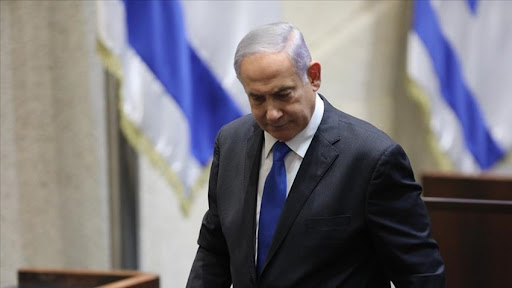
A Look at Netanyahu’s Domestic and Foreign Challenges

A Look at Netanyahu’s Domestic and Foreign Challenges

Strategic Council Online – Interview: An expert on regional issues said: The members of the far-right coalition in the Zionist regime are seeking the destruction of Hamas, and Netanyahu continues the war to keep them satisfied.

A New Chapter Awaits Tehran-Riyadh Relations

A New Chapter Awaits Tehran-Riyadh Relations

Strategic Council Online – Opinion: The visit of Saudi Defense Minister Khalid bin Salman to Iran, the presentation of the message of the Saudi King to the Supreme Leader of the Revolution, and the meeting with high-ranking officials of the Islamic Republic of Iran, in addition to playing an effective role in strengthening and consolidating bilateral relations, can be effective in providing the necessary platforms and conditions for advancing collective cooperation in the region.

New Regional Order and the Requirement of Pathology of Iran’s Strategy

New Regional Order and the Requirement of Pathology of Iran’s Strategy

Strategic Council Online – Guest Note: After the developments in Syria and the challenges that the Axis of Resistance has faced, policymakers and analysts have decided to present a new representation of the Middle East regional order and consider new dimensions in their decision-making. The change and new combination of cooperation and alliances indicate an understanding of changes in the regional order. As a result, we are witnessing a change in strategies, which also requires changing their type of action and approach.

Analysis: Egypt’s Approach to the Gaza Crisis

Analysis: Egypt’s Approach to the Gaza Crisis

Strategic Council Online Opinion: Egypt’s foreign policy towards West Asia, especially in matters related to Gaza, is influenced by complex strategic factors that include national security, relations with global powers, and the country’s role in regional developments.

Analysis of China’s Initiative to Advance Nuclear Talks

Analysis of China’s Initiative to Advance Nuclear Talks

Strategic Council Online – Dialogue: An expert on China said that if Iran gains a clear understanding of China’s global initiatives in the area of security, it can enter into good interactions with Beijing to resolve the nuclear issue. This is because China is interested in creating a new initiative in the Iranian nuclear issue that, although based on the JCPOA, creates a new framework for cooperation and interaction between the parties to the Joint Comprehensive Plan of Action.

West’s Selective and Self-serving Approach to the Killing of Alawites in Syria

West’s Selective and Self-serving Approach to the Killing of Alawites in Syria

Strategic Council Online – Interview: A researcher of West Asian issues said about the approach of Europe and the West to the killing of Alawites in Syria by armed forces affiliated with Golani: The interests of the Europeans and basically the security approach of the West determine the behavior and actions of the Europeans towards the developments in Syria.

Analysis of Egypt’s Plan for Reconstruction of Gaza

Analysis of Egypt’s Plan for Reconstruction of Gaza

Strategic Council Online – Opinion: Egypt’s comprehensive plan for the reconstruction of Gaza, which was “unveiled” at the recent Arab League summit in Cairo, is the most important plan of the Arab countries in rebuilding Gaza that was approved at this meeting. To implement the proposed plan by Egypt, $53 billion in financial resources have been allocated, almost equal to the cost of rebuilding Gaza.

An Analysis on PKK Disarmament

An Analysis on PKK Disarmament

Strategic Council Online – Interview: A researcher in the field of strategy and geopolitical affairs considered the PKK disarmament to be due to their feeling of weakness after the collapse of Bashar al-Assad’s government and the rise of Turkey, as well as the increase in international pressure with the coming to power of Donald Trump, and said: At the current stage, both the PKK and the Turkish government welcome this agreement, but it is unlikely that this agreement will last long.

أحدث الوظائف

The Makkah Pact; Reasons for its Formation and Challenges Ahead

SCFR Online – Opinion: The Makkah Pact, signed between Saudi Arabia, Pakistan, and Turkey under the motto “an attack on one is an attack on all,” is viewed by some analysts less as a full-fledged military coalition and more as an attempt to reduce security dependence on an external power and to establish a regional security mechanism.

Implications of the US-Saudi Nuclear Agreement

SCFR Online – Opinion: The new US-Saudi nuclear agreement, despite legal and political ambiguities, could alter previous non-proliferation standards in West Asia and intensify nuclear competition, ushering it into a new phase.

An Analysis of Recent Turkey-Israeli Regime Tensions

SCFR Online – Opinion: Recent developments in Syria indicate an intensification of strategic rivalry between Turkey and the Israeli regime, but mutual considerations and the role of the United States have limited the likelihood of direct war.

Increasing criticism of the extensive Zionist lobby network

SCFR Online – Opinion: An examination of the mechanisms of the Israeli regime’s influence in the United States depicts a complex picture of shared interests, strategic dependencies, and the limitations of this relationship.

Realities of the Tripartite Makkah Pact

SCFR Online – Interview: The signing of the Makkah agreement between Saudi Arabia, Pakistan, and Turkey has raised questions about the future of the region’s security structure and the position of these countries in West Asian equations. Can this agreement become a genuine collective defense mechanism, or does it have more of a political and deterrent function than creating new military capacity?

Strategic Implications of the Reduction of US Weapons Stockpiles

SCFR Online – Opinion: The continuation of the US war against Iran, in addition to increasing operational costs, has called into question the actual capacity of the American arsenal to simultaneously fulfill security commitments on multiple fronts; an issue that affects deterrence, defense production capacity, and Washington’s resource prioritization.

The Formation of a New Order in Relations Between Powers

SCFR Online – Opinion: The Russia-Ukraine war and the war of the United States and the Israeli regime against Iran have been formed with different objectives and actors, but field and political developments indicate that they are not entirely separate from one another.

Loading

Politics

A Look at Netanyahu’s Domestic and Foreign Challenges

A Look at Netanyahu’s Domestic and Foreign Challenges

Strategic Council Online – Interview: An expert on regional issues said: The members of the far-right coalition in the Zionist regime are seeking the destruction of Hamas, and Netanyahu continues the war to keep them satisfied.

A New Chapter Awaits Tehran-Riyadh Relations

A New Chapter Awaits Tehran-Riyadh Relations

Strategic Council Online – Opinion: The visit of Saudi Defense Minister Khalid bin Salman to Iran, the presentation of the message of the Saudi King to the Supreme Leader of the Revolution, and the meeting with high-ranking officials of the Islamic Republic of Iran, in addition to playing an effective role in strengthening and consolidating bilateral relations, can be effective in providing the necessary platforms and conditions for advancing collective cooperation in the region.

New Regional Order and the Requirement of Pathology of Iran’s Strategy

New Regional Order and the Requirement of Pathology of Iran’s Strategy

Strategic Council Online – Guest Note: After the developments in Syria and the challenges that the Axis of Resistance has faced, policymakers and analysts have decided to present a new representation of the Middle East regional order and consider new dimensions in their decision-making. The change and new combination of cooperation and alliances indicate an understanding of changes in the regional order. As a result, we are witnessing a change in strategies, which also requires changing their type of action and approach.

Analysis: Egypt’s Approach to the Gaza Crisis

Analysis: Egypt’s Approach to the Gaza Crisis

Strategic Council Online Opinion: Egypt’s foreign policy towards West Asia, especially in matters related to Gaza, is influenced by complex strategic factors that include national security, relations with global powers, and the country’s role in regional developments.

Analysis of China’s Initiative to Advance Nuclear Talks

Analysis of China’s Initiative to Advance Nuclear Talks

Strategic Council Online – Dialogue: An expert on China said that if Iran gains a clear understanding of China’s global initiatives in the area of security, it can enter into good interactions with Beijing to resolve the nuclear issue. This is because China is interested in creating a new initiative in the Iranian nuclear issue that, although based on the JCPOA, creates a new framework for cooperation and interaction between the parties to the Joint Comprehensive Plan of Action.

West’s Selective and Self-serving Approach to the Killing of Alawites in Syria

West’s Selective and Self-serving Approach to the Killing of Alawites in Syria

Strategic Council Online – Interview: A researcher of West Asian issues said about the approach of Europe and the West to the killing of Alawites in Syria by armed forces affiliated with Golani: The interests of the Europeans and basically the security approach of the West determine the behavior and actions of the Europeans towards the developments in Syria.

Analysis of Egypt’s Plan for Reconstruction of Gaza

Analysis of Egypt’s Plan for Reconstruction of Gaza

Strategic Council Online – Opinion: Egypt’s comprehensive plan for the reconstruction of Gaza, which was “unveiled” at the recent Arab League summit in Cairo, is the most important plan of the Arab countries in rebuilding Gaza that was approved at this meeting. To implement the proposed plan by Egypt, $53 billion in financial resources have been allocated, almost equal to the cost of rebuilding Gaza.

An Analysis on PKK Disarmament

An Analysis on PKK Disarmament

Strategic Council Online – Interview: A researcher in the field of strategy and geopolitical affairs considered the PKK disarmament to be due to their feeling of weakness after the collapse of Bashar al-Assad’s government and the rise of Turkey, as well as the increase in international pressure with the coming to power of Donald Trump, and said: At the current stage, both the PKK and the Turkish government welcome this agreement, but it is unlikely that this agreement will last long.

Politics

A Look at Netanyahu’s Domestic and Foreign Challenges

A Look at Netanyahu’s Domestic and Foreign Challenges

Strategic Council Online – Interview: An expert on regional issues said: The members of the far-right coalition in the Zionist regime are seeking the destruction of Hamas, and Netanyahu continues the war to keep them satisfied.

A New Chapter Awaits Tehran-Riyadh Relations

A New Chapter Awaits Tehran-Riyadh Relations

Strategic Council Online – Opinion: The visit of Saudi Defense Minister Khalid bin Salman to Iran, the presentation of the message of the Saudi King to the Supreme Leader of the Revolution, and the meeting with high-ranking officials of the Islamic Republic of Iran, in addition to playing an effective role in strengthening and consolidating bilateral relations, can be effective in providing the necessary platforms and conditions for advancing collective cooperation in the region.

New Regional Order and the Requirement of Pathology of Iran’s Strategy

New Regional Order and the Requirement of Pathology of Iran’s Strategy

Strategic Council Online – Guest Note: After the developments in Syria and the challenges that the Axis of Resistance has faced, policymakers and analysts have decided to present a new representation of the Middle East regional order and consider new dimensions in their decision-making. The change and new combination of cooperation and alliances indicate an understanding of changes in the regional order. As a result, we are witnessing a change in strategies, which also requires changing their type of action and approach.

Analysis: Egypt’s Approach to the Gaza Crisis

Analysis: Egypt’s Approach to the Gaza Crisis

Strategic Council Online Opinion: Egypt’s foreign policy towards West Asia, especially in matters related to Gaza, is influenced by complex strategic factors that include national security, relations with global powers, and the country’s role in regional developments.

Analysis of China’s Initiative to Advance Nuclear Talks

Analysis of China’s Initiative to Advance Nuclear Talks

Strategic Council Online – Dialogue: An expert on China said that if Iran gains a clear understanding of China’s global initiatives in the area of security, it can enter into good interactions with Beijing to resolve the nuclear issue. This is because China is interested in creating a new initiative in the Iranian nuclear issue that, although based on the JCPOA, creates a new framework for cooperation and interaction between the parties to the Joint Comprehensive Plan of Action.

West’s Selective and Self-serving Approach to the Killing of Alawites in Syria

West’s Selective and Self-serving Approach to the Killing of Alawites in Syria

Strategic Council Online – Interview: A researcher of West Asian issues said about the approach of Europe and the West to the killing of Alawites in Syria by armed forces affiliated with Golani: The interests of the Europeans and basically the security approach of the West determine the behavior and actions of the Europeans towards the developments in Syria.

Analysis of Egypt’s Plan for Reconstruction of Gaza

Analysis of Egypt’s Plan for Reconstruction of Gaza

Strategic Council Online – Opinion: Egypt’s comprehensive plan for the reconstruction of Gaza, which was “unveiled” at the recent Arab League summit in Cairo, is the most important plan of the Arab countries in rebuilding Gaza that was approved at this meeting. To implement the proposed plan by Egypt, $53 billion in financial resources have been allocated, almost equal to the cost of rebuilding Gaza.

An Analysis on PKK Disarmament

An Analysis on PKK Disarmament

Strategic Council Online – Interview: A researcher in the field of strategy and geopolitical affairs considered the PKK disarmament to be due to their feeling of weakness after the collapse of Bashar al-Assad’s government and the rise of Turkey, as well as the increase in international pressure with the coming to power of Donald Trump, and said: At the current stage, both the PKK and the Turkish government welcome this agreement, but it is unlikely that this agreement will last long.

LATEST CONTENT

The Makkah Pact; Reasons for its Formation and Challenges Ahead

SCFR Online – Opinion: The Makkah Pact, signed between Saudi Arabia, Pakistan, and Turkey under the motto “an attack on one is an attack on all,” is viewed by some analysts less as a full-fledged military coalition and more as an attempt to reduce security dependence on an external power and to establish a regional security mechanism.

Implications of the US-Saudi Nuclear Agreement

SCFR Online – Opinion: The new US-Saudi nuclear agreement, despite legal and political ambiguities, could alter previous non-proliferation standards in West Asia and intensify nuclear competition, ushering it into a new phase.

An Analysis of Recent Turkey-Israeli Regime Tensions

SCFR Online – Opinion: Recent developments in Syria indicate an intensification of strategic rivalry between Turkey and the Israeli regime, but mutual considerations and the role of the United States have limited the likelihood of direct war.

Increasing criticism of the extensive Zionist lobby network

SCFR Online – Opinion: An examination of the mechanisms of the Israeli regime’s influence in the United States depicts a complex picture of shared interests, strategic dependencies, and the limitations of this relationship.

Realities of the Tripartite Makkah Pact

SCFR Online – Interview: The signing of the Makkah agreement between Saudi Arabia, Pakistan, and Turkey has raised questions about the future of the region’s security structure and the position of these countries in West Asian equations. Can this agreement become a genuine collective defense mechanism, or does it have more of a political and deterrent function than creating new military capacity?

Strategic Implications of the Reduction of US Weapons Stockpiles

SCFR Online – Opinion: The continuation of the US war against Iran, in addition to increasing operational costs, has called into question the actual capacity of the American arsenal to simultaneously fulfill security commitments on multiple fronts; an issue that affects deterrence, defense production capacity, and Washington’s resource prioritization.

The Formation of a New Order in Relations Between Powers

SCFR Online – Opinion: The Russia-Ukraine war and the war of the United States and the Israeli regime against Iran have been formed with different objectives and actors, but field and political developments indicate that they are not entirely separate from one another.

Loading

Politics

A Look at Netanyahu’s Domestic and Foreign Challenges

A Look at Netanyahu’s Domestic and Foreign Challenges

Strategic Council Online – Interview: An expert on regional issues said: The members of the far-right coalition in the Zionist regime are seeking the destruction of Hamas, and Netanyahu continues the war to keep them satisfied.

A New Chapter Awaits Tehran-Riyadh Relations

A New Chapter Awaits Tehran-Riyadh Relations

Strategic Council Online – Opinion: The visit of Saudi Defense Minister Khalid bin Salman to Iran, the presentation of the message of the Saudi King to the Supreme Leader of the Revolution, and the meeting with high-ranking officials of the Islamic Republic of Iran, in addition to playing an effective role in strengthening and consolidating bilateral relations, can be effective in providing the necessary platforms and conditions for advancing collective cooperation in the region.

New Regional Order and the Requirement of Pathology of Iran’s Strategy

New Regional Order and the Requirement of Pathology of Iran’s Strategy

Strategic Council Online – Guest Note: After the developments in Syria and the challenges that the Axis of Resistance has faced, policymakers and analysts have decided to present a new representation of the Middle East regional order and consider new dimensions in their decision-making. The change and new combination of cooperation and alliances indicate an understanding of changes in the regional order. As a result, we are witnessing a change in strategies, which also requires changing their type of action and approach.

Analysis: Egypt’s Approach to the Gaza Crisis

Analysis: Egypt’s Approach to the Gaza Crisis

Strategic Council Online Opinion: Egypt’s foreign policy towards West Asia, especially in matters related to Gaza, is influenced by complex strategic factors that include national security, relations with global powers, and the country’s role in regional developments.

Analysis of China’s Initiative to Advance Nuclear Talks

Analysis of China’s Initiative to Advance Nuclear Talks

Strategic Council Online – Dialogue: An expert on China said that if Iran gains a clear understanding of China’s global initiatives in the area of security, it can enter into good interactions with Beijing to resolve the nuclear issue. This is because China is interested in creating a new initiative in the Iranian nuclear issue that, although based on the JCPOA, creates a new framework for cooperation and interaction between the parties to the Joint Comprehensive Plan of Action.

West’s Selective and Self-serving Approach to the Killing of Alawites in Syria

West’s Selective and Self-serving Approach to the Killing of Alawites in Syria

Strategic Council Online – Interview: A researcher of West Asian issues said about the approach of Europe and the West to the killing of Alawites in Syria by armed forces affiliated with Golani: The interests of the Europeans and basically the security approach of the West determine the behavior and actions of the Europeans towards the developments in Syria.

Analysis of Egypt’s Plan for Reconstruction of Gaza

Analysis of Egypt’s Plan for Reconstruction of Gaza

Strategic Council Online – Opinion: Egypt’s comprehensive plan for the reconstruction of Gaza, which was “unveiled” at the recent Arab League summit in Cairo, is the most important plan of the Arab countries in rebuilding Gaza that was approved at this meeting. To implement the proposed plan by Egypt, $53 billion in financial resources have been allocated, almost equal to the cost of rebuilding Gaza.

An Analysis on PKK Disarmament

An Analysis on PKK Disarmament

Strategic Council Online – Interview: A researcher in the field of strategy and geopolitical affairs considered the PKK disarmament to be due to their feeling of weakness after the collapse of Bashar al-Assad’s government and the rise of Turkey, as well as the increase in international pressure with the coming to power of Donald Trump, and said: At the current stage, both the PKK and the Turkish government welcome this agreement, but it is unlikely that this agreement will last long.

ÚLTIMAS PUBLICACIONES

The Makkah Pact; Reasons for its Formation and Challenges Ahead

SCFR Online – Opinion: The Makkah Pact, signed between Saudi Arabia, Pakistan, and Turkey under the motto “an attack on one is an attack on all,” is viewed by some analysts less as a full-fledged military coalition and more as an attempt to reduce security dependence on an external power and to establish a regional security mechanism.

Implications of the US-Saudi Nuclear Agreement

SCFR Online – Opinion: The new US-Saudi nuclear agreement, despite legal and political ambiguities, could alter previous non-proliferation standards in West Asia and intensify nuclear competition, ushering it into a new phase.

An Analysis of Recent Turkey-Israeli Regime Tensions

SCFR Online – Opinion: Recent developments in Syria indicate an intensification of strategic rivalry between Turkey and the Israeli regime, but mutual considerations and the role of the United States have limited the likelihood of direct war.

Increasing criticism of the extensive Zionist lobby network

SCFR Online – Opinion: An examination of the mechanisms of the Israeli regime’s influence in the United States depicts a complex picture of shared interests, strategic dependencies, and the limitations of this relationship.

Realities of the Tripartite Makkah Pact

SCFR Online – Interview: The signing of the Makkah agreement between Saudi Arabia, Pakistan, and Turkey has raised questions about the future of the region’s security structure and the position of these countries in West Asian equations. Can this agreement become a genuine collective defense mechanism, or does it have more of a political and deterrent function than creating new military capacity?

Strategic Implications of the Reduction of US Weapons Stockpiles

SCFR Online – Opinion: The continuation of the US war against Iran, in addition to increasing operational costs, has called into question the actual capacity of the American arsenal to simultaneously fulfill security commitments on multiple fronts; an issue that affects deterrence, defense production capacity, and Washington’s resource prioritization.

The Formation of a New Order in Relations Between Powers

SCFR Online – Opinion: The Russia-Ukraine war and the war of the United States and the Israeli regime against Iran have been formed with different objectives and actors, but field and political developments indicate that they are not entirely separate from one another.

Loading

Politics

A Look at Netanyahu’s Domestic and Foreign Challenges

A Look at Netanyahu’s Domestic and Foreign Challenges

Strategic Council Online – Interview: An expert on regional issues said: The members of the far-right coalition in the Zionist regime are seeking the destruction of Hamas, and Netanyahu continues the war to keep them satisfied.

A New Chapter Awaits Tehran-Riyadh Relations

A New Chapter Awaits Tehran-Riyadh Relations

Strategic Council Online – Opinion: The visit of Saudi Defense Minister Khalid bin Salman to Iran, the presentation of the message of the Saudi King to the Supreme Leader of the Revolution, and the meeting with high-ranking officials of the Islamic Republic of Iran, in addition to playing an effective role in strengthening and consolidating bilateral relations, can be effective in providing the necessary platforms and conditions for advancing collective cooperation in the region.

New Regional Order and the Requirement of Pathology of Iran’s Strategy

New Regional Order and the Requirement of Pathology of Iran’s Strategy

Strategic Council Online – Guest Note: After the developments in Syria and the challenges that the Axis of Resistance has faced, policymakers and analysts have decided to present a new representation of the Middle East regional order and consider new dimensions in their decision-making. The change and new combination of cooperation and alliances indicate an understanding of changes in the regional order. As a result, we are witnessing a change in strategies, which also requires changing their type of action and approach.

Analysis: Egypt’s Approach to the Gaza Crisis

Analysis: Egypt’s Approach to the Gaza Crisis

Strategic Council Online Opinion: Egypt’s foreign policy towards West Asia, especially in matters related to Gaza, is influenced by complex strategic factors that include national security, relations with global powers, and the country’s role in regional developments.

Analysis of China’s Initiative to Advance Nuclear Talks

Analysis of China’s Initiative to Advance Nuclear Talks

Strategic Council Online – Dialogue: An expert on China said that if Iran gains a clear understanding of China’s global initiatives in the area of security, it can enter into good interactions with Beijing to resolve the nuclear issue. This is because China is interested in creating a new initiative in the Iranian nuclear issue that, although based on the JCPOA, creates a new framework for cooperation and interaction between the parties to the Joint Comprehensive Plan of Action.

West’s Selective and Self-serving Approach to the Killing of Alawites in Syria

West’s Selective and Self-serving Approach to the Killing of Alawites in Syria

Strategic Council Online – Interview: A researcher of West Asian issues said about the approach of Europe and the West to the killing of Alawites in Syria by armed forces affiliated with Golani: The interests of the Europeans and basically the security approach of the West determine the behavior and actions of the Europeans towards the developments in Syria.

Analysis of Egypt’s Plan for Reconstruction of Gaza

Analysis of Egypt’s Plan for Reconstruction of Gaza

Strategic Council Online – Opinion: Egypt’s comprehensive plan for the reconstruction of Gaza, which was “unveiled” at the recent Arab League summit in Cairo, is the most important plan of the Arab countries in rebuilding Gaza that was approved at this meeting. To implement the proposed plan by Egypt, $53 billion in financial resources have been allocated, almost equal to the cost of rebuilding Gaza.

An Analysis on PKK Disarmament

An Analysis on PKK Disarmament

Strategic Council Online – Interview: A researcher in the field of strategy and geopolitical affairs considered the PKK disarmament to be due to their feeling of weakness after the collapse of Bashar al-Assad’s government and the rise of Turkey, as well as the increase in international pressure with the coming to power of Donald Trump, and said: At the current stage, both the PKK and the Turkish government welcome this agreement, but it is unlikely that this agreement will last long.

ÚLTIMAS PUBLICACIONES

The Makkah Pact; Reasons for its Formation and Challenges Ahead

SCFR Online – Opinion: The Makkah Pact, signed between Saudi Arabia, Pakistan, and Turkey under the motto “an attack on one is an attack on all,” is viewed by some analysts less as a full-fledged military coalition and more as an attempt to reduce security dependence on an external power and to establish a regional security mechanism.

Implications of the US-Saudi Nuclear Agreement

SCFR Online – Opinion: The new US-Saudi nuclear agreement, despite legal and political ambiguities, could alter previous non-proliferation standards in West Asia and intensify nuclear competition, ushering it into a new phase.

An Analysis of Recent Turkey-Israeli Regime Tensions

SCFR Online – Opinion: Recent developments in Syria indicate an intensification of strategic rivalry between Turkey and the Israeli regime, but mutual considerations and the role of the United States have limited the likelihood of direct war.

Increasing criticism of the extensive Zionist lobby network

SCFR Online – Opinion: An examination of the mechanisms of the Israeli regime’s influence in the United States depicts a complex picture of shared interests, strategic dependencies, and the limitations of this relationship.

Realities of the Tripartite Makkah Pact

SCFR Online – Interview: The signing of the Makkah agreement between Saudi Arabia, Pakistan, and Turkey has raised questions about the future of the region’s security structure and the position of these countries in West Asian equations. Can this agreement become a genuine collective defense mechanism, or does it have more of a political and deterrent function than creating new military capacity?

Strategic Implications of the Reduction of US Weapons Stockpiles

SCFR Online – Opinion: The continuation of the US war against Iran, in addition to increasing operational costs, has called into question the actual capacity of the American arsenal to simultaneously fulfill security commitments on multiple fronts; an issue that affects deterrence, defense production capacity, and Washington’s resource prioritization.

The Formation of a New Order in Relations Between Powers

SCFR Online – Opinion: The Russia-Ukraine war and the war of the United States and the Israeli regime against Iran have been formed with different objectives and actors, but field and political developments indicate that they are not entirely separate from one another.

Loading

Politics

A Look at Netanyahu’s Domestic and Foreign Challenges

A Look at Netanyahu’s Domestic and Foreign Challenges

Strategic Council Online – Interview: An expert on regional issues said: The members of the far-right coalition in the Zionist regime are seeking the destruction of Hamas, and Netanyahu continues the war to keep them satisfied.

A New Chapter Awaits Tehran-Riyadh Relations

A New Chapter Awaits Tehran-Riyadh Relations

Strategic Council Online – Opinion: The visit of Saudi Defense Minister Khalid bin Salman to Iran, the presentation of the message of the Saudi King to the Supreme Leader of the Revolution, and the meeting with high-ranking officials of the Islamic Republic of Iran, in addition to playing an effective role in strengthening and consolidating bilateral relations, can be effective in providing the necessary platforms and conditions for advancing collective cooperation in the region.

New Regional Order and the Requirement of Pathology of Iran’s Strategy

New Regional Order and the Requirement of Pathology of Iran’s Strategy

Strategic Council Online – Guest Note: After the developments in Syria and the challenges that the Axis of Resistance has faced, policymakers and analysts have decided to present a new representation of the Middle East regional order and consider new dimensions in their decision-making. The change and new combination of cooperation and alliances indicate an understanding of changes in the regional order. As a result, we are witnessing a change in strategies, which also requires changing their type of action and approach.

Analysis: Egypt’s Approach to the Gaza Crisis

Analysis: Egypt’s Approach to the Gaza Crisis

Strategic Council Online Opinion: Egypt’s foreign policy towards West Asia, especially in matters related to Gaza, is influenced by complex strategic factors that include national security, relations with global powers, and the country’s role in regional developments.

Analysis of China’s Initiative to Advance Nuclear Talks

Analysis of China’s Initiative to Advance Nuclear Talks

Strategic Council Online – Dialogue: An expert on China said that if Iran gains a clear understanding of China’s global initiatives in the area of security, it can enter into good interactions with Beijing to resolve the nuclear issue. This is because China is interested in creating a new initiative in the Iranian nuclear issue that, although based on the JCPOA, creates a new framework for cooperation and interaction between the parties to the Joint Comprehensive Plan of Action.

West’s Selective and Self-serving Approach to the Killing of Alawites in Syria

West’s Selective and Self-serving Approach to the Killing of Alawites in Syria

Strategic Council Online – Interview: A researcher of West Asian issues said about the approach of Europe and the West to the killing of Alawites in Syria by armed forces affiliated with Golani: The interests of the Europeans and basically the security approach of the West determine the behavior and actions of the Europeans towards the developments in Syria.

Analysis of Egypt’s Plan for Reconstruction of Gaza

Analysis of Egypt’s Plan for Reconstruction of Gaza

Strategic Council Online – Opinion: Egypt’s comprehensive plan for the reconstruction of Gaza, which was “unveiled” at the recent Arab League summit in Cairo, is the most important plan of the Arab countries in rebuilding Gaza that was approved at this meeting. To implement the proposed plan by Egypt, $53 billion in financial resources have been allocated, almost equal to the cost of rebuilding Gaza.

An Analysis on PKK Disarmament

An Analysis on PKK Disarmament

Strategic Council Online – Interview: A researcher in the field of strategy and geopolitical affairs considered the PKK disarmament to be due to their feeling of weakness after the collapse of Bashar al-Assad’s government and the rise of Turkey, as well as the increase in international pressure with the coming to power of Donald Trump, and said: At the current stage, both the PKK and the Turkish government welcome this agreement, but it is unlikely that this agreement will last long.

ÚLTIMAS PUBLICACIONES

The Makkah Pact; Reasons for its Formation and Challenges Ahead

SCFR Online – Opinion: The Makkah Pact, signed between Saudi Arabia, Pakistan, and Turkey under the motto “an attack on one is an attack on all,” is viewed by some analysts less as a full-fledged military coalition and more as an attempt to reduce security dependence on an external power and to establish a regional security mechanism.

Implications of the US-Saudi Nuclear Agreement

SCFR Online – Opinion: The new US-Saudi nuclear agreement, despite legal and political ambiguities, could alter previous non-proliferation standards in West Asia and intensify nuclear competition, ushering it into a new phase.

An Analysis of Recent Turkey-Israeli Regime Tensions

SCFR Online – Opinion: Recent developments in Syria indicate an intensification of strategic rivalry between Turkey and the Israeli regime, but mutual considerations and the role of the United States have limited the likelihood of direct war.

Increasing criticism of the extensive Zionist lobby network

SCFR Online – Opinion: An examination of the mechanisms of the Israeli regime’s influence in the United States depicts a complex picture of shared interests, strategic dependencies, and the limitations of this relationship.

Realities of the Tripartite Makkah Pact

SCFR Online – Interview: The signing of the Makkah agreement between Saudi Arabia, Pakistan, and Turkey has raised questions about the future of the region’s security structure and the position of these countries in West Asian equations. Can this agreement become a genuine collective defense mechanism, or does it have more of a political and deterrent function than creating new military capacity?

Strategic Implications of the Reduction of US Weapons Stockpiles

SCFR Online – Opinion: The continuation of the US war against Iran, in addition to increasing operational costs, has called into question the actual capacity of the American arsenal to simultaneously fulfill security commitments on multiple fronts; an issue that affects deterrence, defense production capacity, and Washington’s resource prioritization.

The Formation of a New Order in Relations Between Powers

SCFR Online – Opinion: The Russia-Ukraine war and the war of the United States and the Israeli regime against Iran have been formed with different objectives and actors, but field and political developments indicate that they are not entirely separate from one another.

Loading

Politics

A Look at Netanyahu’s Domestic and Foreign Challenges

A Look at Netanyahu’s Domestic and Foreign Challenges

Strategic Council Online – Interview: An expert on regional issues said: The members of the far-right coalition in the Zionist regime are seeking the destruction of Hamas, and Netanyahu continues the war to keep them satisfied.

A New Chapter Awaits Tehran-Riyadh Relations

A New Chapter Awaits Tehran-Riyadh Relations

Strategic Council Online – Opinion: The visit of Saudi Defense Minister Khalid bin Salman to Iran, the presentation of the message of the Saudi King to the Supreme Leader of the Revolution, and the meeting with high-ranking officials of the Islamic Republic of Iran, in addition to playing an effective role in strengthening and consolidating bilateral relations, can be effective in providing the necessary platforms and conditions for advancing collective cooperation in the region.

New Regional Order and the Requirement of Pathology of Iran’s Strategy

New Regional Order and the Requirement of Pathology of Iran’s Strategy

Strategic Council Online – Guest Note: After the developments in Syria and the challenges that the Axis of Resistance has faced, policymakers and analysts have decided to present a new representation of the Middle East regional order and consider new dimensions in their decision-making. The change and new combination of cooperation and alliances indicate an understanding of changes in the regional order. As a result, we are witnessing a change in strategies, which also requires changing their type of action and approach.

Analysis: Egypt’s Approach to the Gaza Crisis

Analysis: Egypt’s Approach to the Gaza Crisis

Strategic Council Online Opinion: Egypt’s foreign policy towards West Asia, especially in matters related to Gaza, is influenced by complex strategic factors that include national security, relations with global powers, and the country’s role in regional developments.

Analysis of China’s Initiative to Advance Nuclear Talks

Analysis of China’s Initiative to Advance Nuclear Talks

Strategic Council Online – Dialogue: An expert on China said that if Iran gains a clear understanding of China’s global initiatives in the area of security, it can enter into good interactions with Beijing to resolve the nuclear issue. This is because China is interested in creating a new initiative in the Iranian nuclear issue that, although based on the JCPOA, creates a new framework for cooperation and interaction between the parties to the Joint Comprehensive Plan of Action.

West’s Selective and Self-serving Approach to the Killing of Alawites in Syria

West’s Selective and Self-serving Approach to the Killing of Alawites in Syria

Strategic Council Online – Interview: A researcher of West Asian issues said about the approach of Europe and the West to the killing of Alawites in Syria by armed forces affiliated with Golani: The interests of the Europeans and basically the security approach of the West determine the behavior and actions of the Europeans towards the developments in Syria.

Analysis of Egypt’s Plan for Reconstruction of Gaza

Analysis of Egypt’s Plan for Reconstruction of Gaza

Strategic Council Online – Opinion: Egypt’s comprehensive plan for the reconstruction of Gaza, which was “unveiled” at the recent Arab League summit in Cairo, is the most important plan of the Arab countries in rebuilding Gaza that was approved at this meeting. To implement the proposed plan by Egypt, $53 billion in financial resources have been allocated, almost equal to the cost of rebuilding Gaza.

An Analysis on PKK Disarmament

An Analysis on PKK Disarmament

Strategic Council Online – Interview: A researcher in the field of strategy and geopolitical affairs considered the PKK disarmament to be due to their feeling of weakness after the collapse of Bashar al-Assad’s government and the rise of Turkey, as well as the increase in international pressure with the coming to power of Donald Trump, and said: At the current stage, both the PKK and the Turkish government welcome this agreement, but it is unlikely that this agreement will last long.

ÚLTIMAS PUBLICACIONES

The Makkah Pact; Reasons for its Formation and Challenges Ahead

SCFR Online – Opinion: The Makkah Pact, signed between Saudi Arabia, Pakistan, and Turkey under the motto “an attack on one is an attack on all,” is viewed by some analysts less as a full-fledged military coalition and more as an attempt to reduce security dependence on an external power and to establish a regional security mechanism.

Implications of the US-Saudi Nuclear Agreement

SCFR Online – Opinion: The new US-Saudi nuclear agreement, despite legal and political ambiguities, could alter previous non-proliferation standards in West Asia and intensify nuclear competition, ushering it into a new phase.

An Analysis of Recent Turkey-Israeli Regime Tensions

SCFR Online – Opinion: Recent developments in Syria indicate an intensification of strategic rivalry between Turkey and the Israeli regime, but mutual considerations and the role of the United States have limited the likelihood of direct war.

Increasing criticism of the extensive Zionist lobby network

SCFR Online – Opinion: An examination of the mechanisms of the Israeli regime’s influence in the United States depicts a complex picture of shared interests, strategic dependencies, and the limitations of this relationship.

Realities of the Tripartite Makkah Pact

SCFR Online – Interview: The signing of the Makkah agreement between Saudi Arabia, Pakistan, and Turkey has raised questions about the future of the region’s security structure and the position of these countries in West Asian equations. Can this agreement become a genuine collective defense mechanism, or does it have more of a political and deterrent function than creating new military capacity?

Strategic Implications of the Reduction of US Weapons Stockpiles

SCFR Online – Opinion: The continuation of the US war against Iran, in addition to increasing operational costs, has called into question the actual capacity of the American arsenal to simultaneously fulfill security commitments on multiple fronts; an issue that affects deterrence, defense production capacity, and Washington’s resource prioritization.

The Formation of a New Order in Relations Between Powers

SCFR Online – Opinion: The Russia-Ukraine war and the war of the United States and the Israeli regime against Iran have been formed with different objectives and actors, but field and political developments indicate that they are not entirely separate from one another.

Loading