An Analysis of the Makkah Defense Pact
SCFR Online – Opinion: On Friday, August 7, the heads of state of three countries – Saudi Arabia, Turkey, and Pakistan – signed a text under the title “Makkah Joint Defense Agreement.”

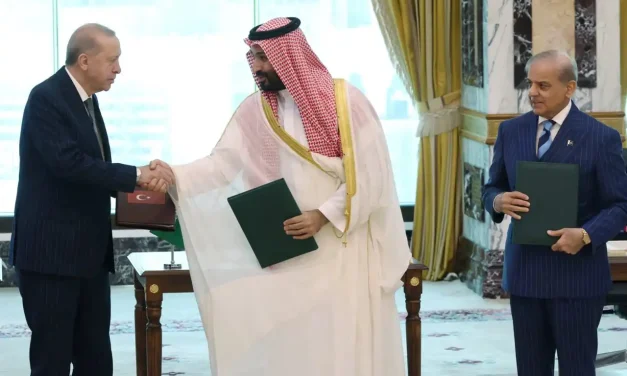
SCFR Online – Opinion: On Friday, August 7, the heads of state of three countries – Saudi Arabia, Turkey, and Pakistan – signed a text under the title “Makkah Joint Defense Agreement.”
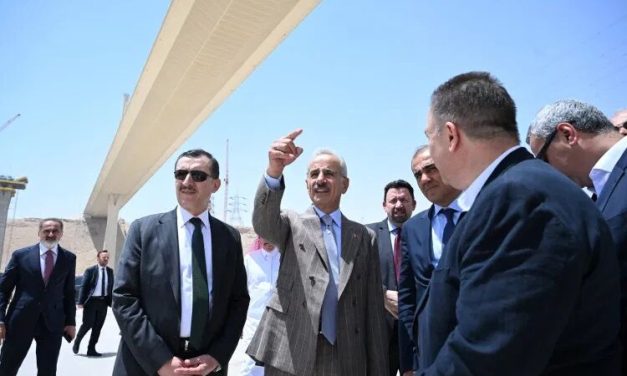
Strategic Council Online – Note: The initiative to revive the Hejaz Railway, beyond being a transportation project, constitutes an attempt to redefine geopolitics, the economy, and Turkey’s regional position; however, its realization appears to face significant financial, security, and institutional challenges.

SCFR Online – Opinion: The Strait of Hormuz crisis is no longer merely the consequence of a military confrontation, but rather a sign of the transition from the US-centered maritime order to a new energy security structure involving the participation of emerging and influential powers.

SCFR Online – Opinion: Iran’s active deterrence strategy, while increasing the costs of US intervention, has increasingly exposed the hidden rifts between Washington’s interests and those of the Israeli regime.
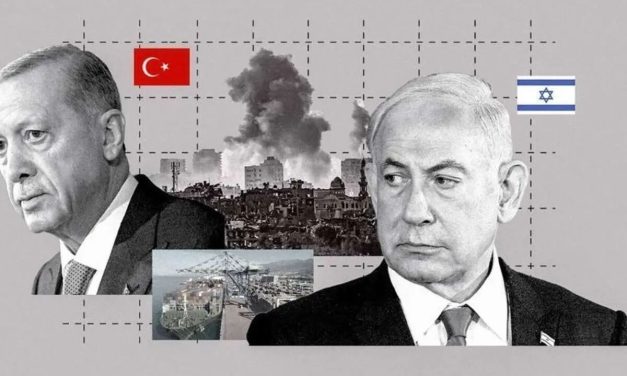
SCFR Online – Opinion: The escalation of verbal and strategic tensions between Turkey and the Israeli regime, although not increasing the likelihood of direct war, indicates the formation of a new order in West Asian geopolitical rivalries.
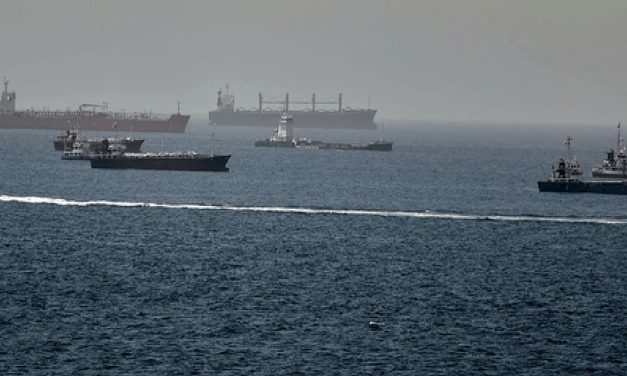
Strategic Council Online – Note: Recent developments in the political geography of West Asia, from rising tensions in the Persian Gulf to missile and drone activities in the Red Sea and the recent warning by Kaja Kallas, the European Union’s foreign policy chief, regarding the threat to freedom of navigation, indicate a key pattern shift; the US-Iran war has moved beyond the scope of a regional and local confrontation and has linked two vital passageways for the global economy: the Strait of Hormuz and the Bab el-Mandeb Strait.

SCFR Online – Opinion: The Ukraine war was not merely a European crisis, but rather the starting point for the rearrangement of the global balance of power and a shift in the strategic behavior of great powers.

SCFR Online – Opinion: Great power competition is now pursued more in trade, currency, technology, and global supply chains than on the battlefields of military confrontation.


Strategic Council Online: The outlook of the two main parties in the United States is to maintain the country’s leadership and America’s global status; but one view holds that organizations and institutions will prevent this from happening, and the other view is that compliance with international organizations will help maintain and boost America’s standing and its legitimacy.
Tahmoures Gholami – American Affairs Expert

Strategic Council Online: White House leaders have shown that US support for Saudi Arabia will continue as long as Saudi petrodollars flow into the pockets of US arms dealers.
Hamideh Safamanesh – International Relations Researcher

Strategic Council Online: The Trump administration is trying to resurrect the US Space Command and keep up in space the competition it has with Russia and China on the ground.
Shoaib Bahman – Expert on International Affairs

Strategic Council Online: The United States has shown in different terms, especially under Donald Trump that it does not regard Europe a close ally; withdrawal from the Paris Climate Agreement, pulling out of many trade treaties, and leaving the Joint Comprehensive Plan of Action (JCPOA) contrary to the wishes of European governments indicates that the political and historical bonds between the two sides of the Atlantic are fading, because their common interests have diminished.
Morteza Makki – European Affairs Expert

Strategic Council Online: Any insecurity on the international waterways will not only disrupt the security and infrastructure of the regional countries, but will also increase the insecurity of international politics and economics due to the link between world economy and politics and the region.
Nozar Shafiei – Expert on Foreign Policy Issues

Strategic Council Online: US discontent with Adel Abdul Mahdi’s foreign policy shift toward China and Russia and the issue of the Resistance are among the factors fueling the recent protests in Iraq.
Hadi Alami Fariman – Foreign Policy Expert
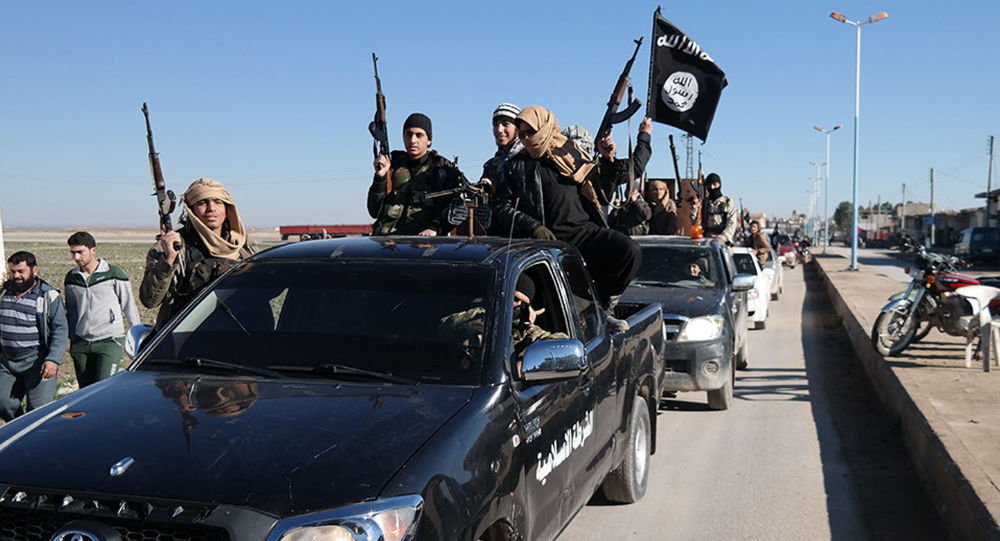
Strategic Council Online: The more disorder and insecurity in Afghanistan, the more ISIS can recover and develop.
Abdolreza Farajirad – University Professor and Expert on Geopolitics

Strategic Council Online: At present, given the unrest in the region, some of the protests in Iraq and the foreign intervention in the Middle East and Muslim affairs, the Arbaeen ceremony can serve as a model for the solidarity, unity and security of Muslim nations.
Sadallah Zarei – Middle East Affairs Expert

Strategic Council Online: Zionist regime officials’ outlook about Iraq stems from their positions vis-à-vis the countries of the Resistance. Therefore, in order to undermine the countries of the Resistance they seek to take actions at various political, military and economic levels against Iraq.
Jafar Ghanadbashi – Middle East Affairs Expert

Strategic Council Online: Most of the OPEC member states are Saudi allies who have taken anti-Iranian positions on various occasions, and more than OPEC they have sought to strengthen the Persian Gulf Cooperation Council.
Reza Majidzadeh – Researcher in Political Economy of Development
SCFR Online – Opinion: On Friday, August 7, the heads of state of three countries – Saudi Arabia, Turkey, and Pakistan – signed a text under the title “Makkah Joint Defense Agreement.”
Strategic Council Online – Note: The initiative to revive the Hejaz Railway, beyond being a transportation project, constitutes an attempt to redefine geopolitics, the economy, and Turkey’s regional position; however, its realization appears to face significant financial, security, and institutional challenges.
SCFR Online – Opinion: The Strait of Hormuz crisis is no longer merely the consequence of a military confrontation, but rather a sign of the transition from the US-centered maritime order to a new energy security structure involving the participation of emerging and influential powers.
SCFR Online – Opinion: Iran’s active deterrence strategy, while increasing the costs of US intervention, has increasingly exposed the hidden rifts between Washington’s interests and those of the Israeli regime.
SCFR Online – Opinion: The escalation of verbal and strategic tensions between Turkey and the Israeli regime, although not increasing the likelihood of direct war, indicates the formation of a new order in West Asian geopolitical rivalries.
Strategic Council Online – Note: Recent developments in the political geography of West Asia, from rising tensions in the Persian Gulf to missile and drone activities in the Red Sea and the recent warning by Kaja Kallas, the European Union’s foreign policy chief, regarding the threat to freedom of navigation, indicate a key pattern shift; the US-Iran war has moved beyond the scope of a regional and local confrontation and has linked two vital passageways for the global economy: the Strait of Hormuz and the Bab el-Mandeb Strait.
SCFR Online – Opinion: The Ukraine war was not merely a European crisis, but rather the starting point for the rearrangement of the global balance of power and a shift in the strategic behavior of great powers.
SCFR Online – Opinion: Great power competition is now pursued more in trade, currency, technology, and global supply chains than on the battlefields of military confrontation.
Strategic Council Online: The outlook of the two main parties in the United States is to maintain the country’s leadership and America’s global status; but one view holds that organizations and institutions will prevent this from happening, and the other view is that compliance with international organizations will help maintain and boost America’s standing and its legitimacy.
Tahmoures Gholami – American Affairs Expert
Strategic Council Online: White House leaders have shown that US support for Saudi Arabia will continue as long as Saudi petrodollars flow into the pockets of US arms dealers.
Hamideh Safamanesh – International Relations Researcher
Strategic Council Online: The Trump administration is trying to resurrect the US Space Command and keep up in space the competition it has with Russia and China on the ground.
Shoaib Bahman – Expert on International Affairs
Strategic Council Online: The United States has shown in different terms, especially under Donald Trump that it does not regard Europe a close ally; withdrawal from the Paris Climate Agreement, pulling out of many trade treaties, and leaving the Joint Comprehensive Plan of Action (JCPOA) contrary to the wishes of European governments indicates that the political and historical bonds between the two sides of the Atlantic are fading, because their common interests have diminished.
Morteza Makki – European Affairs Expert
Strategic Council Online: Any insecurity on the international waterways will not only disrupt the security and infrastructure of the regional countries, but will also increase the insecurity of international politics and economics due to the link between world economy and politics and the region.
Nozar Shafiei – Expert on Foreign Policy Issues
Strategic Council Online: US discontent with Adel Abdul Mahdi’s foreign policy shift toward China and Russia and the issue of the Resistance are among the factors fueling the recent protests in Iraq.
Hadi Alami Fariman – Foreign Policy Expert
Strategic Council Online: The more disorder and insecurity in Afghanistan, the more ISIS can recover and develop.
Abdolreza Farajirad – University Professor and Expert on Geopolitics
Strategic Council Online: At present, given the unrest in the region, some of the protests in Iraq and the foreign intervention in the Middle East and Muslim affairs, the Arbaeen ceremony can serve as a model for the solidarity, unity and security of Muslim nations.
Sadallah Zarei – Middle East Affairs Expert
Strategic Council Online: Zionist regime officials’ outlook about Iraq stems from their positions vis-à-vis the countries of the Resistance. Therefore, in order to undermine the countries of the Resistance they seek to take actions at various political, military and economic levels against Iraq.
Jafar Ghanadbashi – Middle East Affairs Expert
Strategic Council Online: Most of the OPEC member states are Saudi allies who have taken anti-Iranian positions on various occasions, and more than OPEC they have sought to strengthen the Persian Gulf Cooperation Council.
Reza Majidzadeh – Researcher in Political Economy of Development
Strategic Council Online: The outlook of the two main parties in the United States is to maintain the country’s leadership and America’s global status; but one view holds that organizations and institutions will prevent this from happening, and the other view is that compliance with international organizations will help maintain and boost America’s standing and its legitimacy.
Tahmoures Gholami – American Affairs Expert
Strategic Council Online: White House leaders have shown that US support for Saudi Arabia will continue as long as Saudi petrodollars flow into the pockets of US arms dealers.
Hamideh Safamanesh – International Relations Researcher
Strategic Council Online: The Trump administration is trying to resurrect the US Space Command and keep up in space the competition it has with Russia and China on the ground.
Shoaib Bahman – Expert on International Affairs
Strategic Council Online: The United States has shown in different terms, especially under Donald Trump that it does not regard Europe a close ally; withdrawal from the Paris Climate Agreement, pulling out of many trade treaties, and leaving the Joint Comprehensive Plan of Action (JCPOA) contrary to the wishes of European governments indicates that the political and historical bonds between the two sides of the Atlantic are fading, because their common interests have diminished.
Morteza Makki – European Affairs Expert
Strategic Council Online: Any insecurity on the international waterways will not only disrupt the security and infrastructure of the regional countries, but will also increase the insecurity of international politics and economics due to the link between world economy and politics and the region.
Nozar Shafiei – Expert on Foreign Policy Issues
Strategic Council Online: US discontent with Adel Abdul Mahdi’s foreign policy shift toward China and Russia and the issue of the Resistance are among the factors fueling the recent protests in Iraq.
Hadi Alami Fariman – Foreign Policy Expert
Strategic Council Online: The more disorder and insecurity in Afghanistan, the more ISIS can recover and develop.
Abdolreza Farajirad – University Professor and Expert on Geopolitics
Strategic Council Online: At present, given the unrest in the region, some of the protests in Iraq and the foreign intervention in the Middle East and Muslim affairs, the Arbaeen ceremony can serve as a model for the solidarity, unity and security of Muslim nations.
Sadallah Zarei – Middle East Affairs Expert
Strategic Council Online: Zionist regime officials’ outlook about Iraq stems from their positions vis-à-vis the countries of the Resistance. Therefore, in order to undermine the countries of the Resistance they seek to take actions at various political, military and economic levels against Iraq.
Jafar Ghanadbashi – Middle East Affairs Expert
Strategic Council Online: Most of the OPEC member states are Saudi allies who have taken anti-Iranian positions on various occasions, and more than OPEC they have sought to strengthen the Persian Gulf Cooperation Council.
Reza Majidzadeh – Researcher in Political Economy of Development
SCFR Online – Opinion: On Friday, August 7, the heads of state of three countries – Saudi Arabia, Turkey, and Pakistan – signed a text under the title “Makkah Joint Defense Agreement.”
Strategic Council Online – Note: The initiative to revive the Hejaz Railway, beyond being a transportation project, constitutes an attempt to redefine geopolitics, the economy, and Turkey’s regional position; however, its realization appears to face significant financial, security, and institutional challenges.
SCFR Online – Opinion: The Strait of Hormuz crisis is no longer merely the consequence of a military confrontation, but rather a sign of the transition from the US-centered maritime order to a new energy security structure involving the participation of emerging and influential powers.
SCFR Online – Opinion: Iran’s active deterrence strategy, while increasing the costs of US intervention, has increasingly exposed the hidden rifts between Washington’s interests and those of the Israeli regime.
SCFR Online – Opinion: The escalation of verbal and strategic tensions between Turkey and the Israeli regime, although not increasing the likelihood of direct war, indicates the formation of a new order in West Asian geopolitical rivalries.
Strategic Council Online – Note: Recent developments in the political geography of West Asia, from rising tensions in the Persian Gulf to missile and drone activities in the Red Sea and the recent warning by Kaja Kallas, the European Union’s foreign policy chief, regarding the threat to freedom of navigation, indicate a key pattern shift; the US-Iran war has moved beyond the scope of a regional and local confrontation and has linked two vital passageways for the global economy: the Strait of Hormuz and the Bab el-Mandeb Strait.
SCFR Online – Opinion: The Ukraine war was not merely a European crisis, but rather the starting point for the rearrangement of the global balance of power and a shift in the strategic behavior of great powers.
SCFR Online – Opinion: Great power competition is now pursued more in trade, currency, technology, and global supply chains than on the battlefields of military confrontation.
Strategic Council Online: The outlook of the two main parties in the United States is to maintain the country’s leadership and America’s global status; but one view holds that organizations and institutions will prevent this from happening, and the other view is that compliance with international organizations will help maintain and boost America’s standing and its legitimacy.
Tahmoures Gholami – American Affairs Expert
Strategic Council Online: White House leaders have shown that US support for Saudi Arabia will continue as long as Saudi petrodollars flow into the pockets of US arms dealers.
Hamideh Safamanesh – International Relations Researcher
Strategic Council Online: The Trump administration is trying to resurrect the US Space Command and keep up in space the competition it has with Russia and China on the ground.
Shoaib Bahman – Expert on International Affairs
Strategic Council Online: The United States has shown in different terms, especially under Donald Trump that it does not regard Europe a close ally; withdrawal from the Paris Climate Agreement, pulling out of many trade treaties, and leaving the Joint Comprehensive Plan of Action (JCPOA) contrary to the wishes of European governments indicates that the political and historical bonds between the two sides of the Atlantic are fading, because their common interests have diminished.
Morteza Makki – European Affairs Expert
Strategic Council Online: Any insecurity on the international waterways will not only disrupt the security and infrastructure of the regional countries, but will also increase the insecurity of international politics and economics due to the link between world economy and politics and the region.
Nozar Shafiei – Expert on Foreign Policy Issues
Strategic Council Online: US discontent with Adel Abdul Mahdi’s foreign policy shift toward China and Russia and the issue of the Resistance are among the factors fueling the recent protests in Iraq.
Hadi Alami Fariman – Foreign Policy Expert
Strategic Council Online: The more disorder and insecurity in Afghanistan, the more ISIS can recover and develop.
Abdolreza Farajirad – University Professor and Expert on Geopolitics
Strategic Council Online: At present, given the unrest in the region, some of the protests in Iraq and the foreign intervention in the Middle East and Muslim affairs, the Arbaeen ceremony can serve as a model for the solidarity, unity and security of Muslim nations.
Sadallah Zarei – Middle East Affairs Expert
Strategic Council Online: Zionist regime officials’ outlook about Iraq stems from their positions vis-à-vis the countries of the Resistance. Therefore, in order to undermine the countries of the Resistance they seek to take actions at various political, military and economic levels against Iraq.
Jafar Ghanadbashi – Middle East Affairs Expert
Strategic Council Online: Most of the OPEC member states are Saudi allies who have taken anti-Iranian positions on various occasions, and more than OPEC they have sought to strengthen the Persian Gulf Cooperation Council.
Reza Majidzadeh – Researcher in Political Economy of Development
SCFR Online – Opinion: On Friday, August 7, the heads of state of three countries – Saudi Arabia, Turkey, and Pakistan – signed a text under the title “Makkah Joint Defense Agreement.”
Strategic Council Online – Note: The initiative to revive the Hejaz Railway, beyond being a transportation project, constitutes an attempt to redefine geopolitics, the economy, and Turkey’s regional position; however, its realization appears to face significant financial, security, and institutional challenges.
SCFR Online – Opinion: The Strait of Hormuz crisis is no longer merely the consequence of a military confrontation, but rather a sign of the transition from the US-centered maritime order to a new energy security structure involving the participation of emerging and influential powers.
SCFR Online – Opinion: Iran’s active deterrence strategy, while increasing the costs of US intervention, has increasingly exposed the hidden rifts between Washington’s interests and those of the Israeli regime.
SCFR Online – Opinion: The escalation of verbal and strategic tensions between Turkey and the Israeli regime, although not increasing the likelihood of direct war, indicates the formation of a new order in West Asian geopolitical rivalries.
Strategic Council Online – Note: Recent developments in the political geography of West Asia, from rising tensions in the Persian Gulf to missile and drone activities in the Red Sea and the recent warning by Kaja Kallas, the European Union’s foreign policy chief, regarding the threat to freedom of navigation, indicate a key pattern shift; the US-Iran war has moved beyond the scope of a regional and local confrontation and has linked two vital passageways for the global economy: the Strait of Hormuz and the Bab el-Mandeb Strait.
SCFR Online – Opinion: The Ukraine war was not merely a European crisis, but rather the starting point for the rearrangement of the global balance of power and a shift in the strategic behavior of great powers.
SCFR Online – Opinion: Great power competition is now pursued more in trade, currency, technology, and global supply chains than on the battlefields of military confrontation.
Strategic Council Online: The outlook of the two main parties in the United States is to maintain the country’s leadership and America’s global status; but one view holds that organizations and institutions will prevent this from happening, and the other view is that compliance with international organizations will help maintain and boost America’s standing and its legitimacy.
Tahmoures Gholami – American Affairs Expert
Strategic Council Online: White House leaders have shown that US support for Saudi Arabia will continue as long as Saudi petrodollars flow into the pockets of US arms dealers.
Hamideh Safamanesh – International Relations Researcher
Strategic Council Online: The Trump administration is trying to resurrect the US Space Command and keep up in space the competition it has with Russia and China on the ground.
Shoaib Bahman – Expert on International Affairs
Strategic Council Online: The United States has shown in different terms, especially under Donald Trump that it does not regard Europe a close ally; withdrawal from the Paris Climate Agreement, pulling out of many trade treaties, and leaving the Joint Comprehensive Plan of Action (JCPOA) contrary to the wishes of European governments indicates that the political and historical bonds between the two sides of the Atlantic are fading, because their common interests have diminished.
Morteza Makki – European Affairs Expert
Strategic Council Online: Any insecurity on the international waterways will not only disrupt the security and infrastructure of the regional countries, but will also increase the insecurity of international politics and economics due to the link between world economy and politics and the region.
Nozar Shafiei – Expert on Foreign Policy Issues
Strategic Council Online: US discontent with Adel Abdul Mahdi’s foreign policy shift toward China and Russia and the issue of the Resistance are among the factors fueling the recent protests in Iraq.
Hadi Alami Fariman – Foreign Policy Expert
Strategic Council Online: The more disorder and insecurity in Afghanistan, the more ISIS can recover and develop.
Abdolreza Farajirad – University Professor and Expert on Geopolitics
Strategic Council Online: At present, given the unrest in the region, some of the protests in Iraq and the foreign intervention in the Middle East and Muslim affairs, the Arbaeen ceremony can serve as a model for the solidarity, unity and security of Muslim nations.
Sadallah Zarei – Middle East Affairs Expert
Strategic Council Online: Zionist regime officials’ outlook about Iraq stems from their positions vis-à-vis the countries of the Resistance. Therefore, in order to undermine the countries of the Resistance they seek to take actions at various political, military and economic levels against Iraq.
Jafar Ghanadbashi – Middle East Affairs Expert
Strategic Council Online: Most of the OPEC member states are Saudi allies who have taken anti-Iranian positions on various occasions, and more than OPEC they have sought to strengthen the Persian Gulf Cooperation Council.
Reza Majidzadeh – Researcher in Political Economy of Development
SCFR Online – Opinion: On Friday, August 7, the heads of state of three countries – Saudi Arabia, Turkey, and Pakistan – signed a text under the title “Makkah Joint Defense Agreement.”
Strategic Council Online – Note: The initiative to revive the Hejaz Railway, beyond being a transportation project, constitutes an attempt to redefine geopolitics, the economy, and Turkey’s regional position; however, its realization appears to face significant financial, security, and institutional challenges.
SCFR Online – Opinion: The Strait of Hormuz crisis is no longer merely the consequence of a military confrontation, but rather a sign of the transition from the US-centered maritime order to a new energy security structure involving the participation of emerging and influential powers.
SCFR Online – Opinion: Iran’s active deterrence strategy, while increasing the costs of US intervention, has increasingly exposed the hidden rifts between Washington’s interests and those of the Israeli regime.
SCFR Online – Opinion: The escalation of verbal and strategic tensions between Turkey and the Israeli regime, although not increasing the likelihood of direct war, indicates the formation of a new order in West Asian geopolitical rivalries.
Strategic Council Online – Note: Recent developments in the political geography of West Asia, from rising tensions in the Persian Gulf to missile and drone activities in the Red Sea and the recent warning by Kaja Kallas, the European Union’s foreign policy chief, regarding the threat to freedom of navigation, indicate a key pattern shift; the US-Iran war has moved beyond the scope of a regional and local confrontation and has linked two vital passageways for the global economy: the Strait of Hormuz and the Bab el-Mandeb Strait.
SCFR Online – Opinion: The Ukraine war was not merely a European crisis, but rather the starting point for the rearrangement of the global balance of power and a shift in the strategic behavior of great powers.
SCFR Online – Opinion: Great power competition is now pursued more in trade, currency, technology, and global supply chains than on the battlefields of military confrontation.
Strategic Council Online: The outlook of the two main parties in the United States is to maintain the country’s leadership and America’s global status; but one view holds that organizations and institutions will prevent this from happening, and the other view is that compliance with international organizations will help maintain and boost America’s standing and its legitimacy.
Tahmoures Gholami – American Affairs Expert
Strategic Council Online: White House leaders have shown that US support for Saudi Arabia will continue as long as Saudi petrodollars flow into the pockets of US arms dealers.
Hamideh Safamanesh – International Relations Researcher
Strategic Council Online: The Trump administration is trying to resurrect the US Space Command and keep up in space the competition it has with Russia and China on the ground.
Shoaib Bahman – Expert on International Affairs
Strategic Council Online: The United States has shown in different terms, especially under Donald Trump that it does not regard Europe a close ally; withdrawal from the Paris Climate Agreement, pulling out of many trade treaties, and leaving the Joint Comprehensive Plan of Action (JCPOA) contrary to the wishes of European governments indicates that the political and historical bonds between the two sides of the Atlantic are fading, because their common interests have diminished.
Morteza Makki – European Affairs Expert
Strategic Council Online: Any insecurity on the international waterways will not only disrupt the security and infrastructure of the regional countries, but will also increase the insecurity of international politics and economics due to the link between world economy and politics and the region.
Nozar Shafiei – Expert on Foreign Policy Issues
Strategic Council Online: US discontent with Adel Abdul Mahdi’s foreign policy shift toward China and Russia and the issue of the Resistance are among the factors fueling the recent protests in Iraq.
Hadi Alami Fariman – Foreign Policy Expert
Strategic Council Online: The more disorder and insecurity in Afghanistan, the more ISIS can recover and develop.
Abdolreza Farajirad – University Professor and Expert on Geopolitics
Strategic Council Online: At present, given the unrest in the region, some of the protests in Iraq and the foreign intervention in the Middle East and Muslim affairs, the Arbaeen ceremony can serve as a model for the solidarity, unity and security of Muslim nations.
Sadallah Zarei – Middle East Affairs Expert
Strategic Council Online: Zionist regime officials’ outlook about Iraq stems from their positions vis-à-vis the countries of the Resistance. Therefore, in order to undermine the countries of the Resistance they seek to take actions at various political, military and economic levels against Iraq.
Jafar Ghanadbashi – Middle East Affairs Expert
Strategic Council Online: Most of the OPEC member states are Saudi allies who have taken anti-Iranian positions on various occasions, and more than OPEC they have sought to strengthen the Persian Gulf Cooperation Council.
Reza Majidzadeh – Researcher in Political Economy of Development
SCFR Online – Opinion: On Friday, August 7, the heads of state of three countries – Saudi Arabia, Turkey, and Pakistan – signed a text under the title “Makkah Joint Defense Agreement.”
Strategic Council Online – Note: The initiative to revive the Hejaz Railway, beyond being a transportation project, constitutes an attempt to redefine geopolitics, the economy, and Turkey’s regional position; however, its realization appears to face significant financial, security, and institutional challenges.
SCFR Online – Opinion: The Strait of Hormuz crisis is no longer merely the consequence of a military confrontation, but rather a sign of the transition from the US-centered maritime order to a new energy security structure involving the participation of emerging and influential powers.
SCFR Online – Opinion: Iran’s active deterrence strategy, while increasing the costs of US intervention, has increasingly exposed the hidden rifts between Washington’s interests and those of the Israeli regime.
SCFR Online – Opinion: The escalation of verbal and strategic tensions between Turkey and the Israeli regime, although not increasing the likelihood of direct war, indicates the formation of a new order in West Asian geopolitical rivalries.
Strategic Council Online – Note: Recent developments in the political geography of West Asia, from rising tensions in the Persian Gulf to missile and drone activities in the Red Sea and the recent warning by Kaja Kallas, the European Union’s foreign policy chief, regarding the threat to freedom of navigation, indicate a key pattern shift; the US-Iran war has moved beyond the scope of a regional and local confrontation and has linked two vital passageways for the global economy: the Strait of Hormuz and the Bab el-Mandeb Strait.
SCFR Online – Opinion: The Ukraine war was not merely a European crisis, but rather the starting point for the rearrangement of the global balance of power and a shift in the strategic behavior of great powers.
SCFR Online – Opinion: Great power competition is now pursued more in trade, currency, technology, and global supply chains than on the battlefields of military confrontation.
Strategic Council Online: The outlook of the two main parties in the United States is to maintain the country’s leadership and America’s global status; but one view holds that organizations and institutions will prevent this from happening, and the other view is that compliance with international organizations will help maintain and boost America’s standing and its legitimacy.
Tahmoures Gholami – American Affairs Expert
Strategic Council Online: White House leaders have shown that US support for Saudi Arabia will continue as long as Saudi petrodollars flow into the pockets of US arms dealers.
Hamideh Safamanesh – International Relations Researcher
Strategic Council Online: The Trump administration is trying to resurrect the US Space Command and keep up in space the competition it has with Russia and China on the ground.
Shoaib Bahman – Expert on International Affairs
Strategic Council Online: The United States has shown in different terms, especially under Donald Trump that it does not regard Europe a close ally; withdrawal from the Paris Climate Agreement, pulling out of many trade treaties, and leaving the Joint Comprehensive Plan of Action (JCPOA) contrary to the wishes of European governments indicates that the political and historical bonds between the two sides of the Atlantic are fading, because their common interests have diminished.
Morteza Makki – European Affairs Expert
Strategic Council Online: Any insecurity on the international waterways will not only disrupt the security and infrastructure of the regional countries, but will also increase the insecurity of international politics and economics due to the link between world economy and politics and the region.
Nozar Shafiei – Expert on Foreign Policy Issues
Strategic Council Online: US discontent with Adel Abdul Mahdi’s foreign policy shift toward China and Russia and the issue of the Resistance are among the factors fueling the recent protests in Iraq.
Hadi Alami Fariman – Foreign Policy Expert
Strategic Council Online: The more disorder and insecurity in Afghanistan, the more ISIS can recover and develop.
Abdolreza Farajirad – University Professor and Expert on Geopolitics
Strategic Council Online: At present, given the unrest in the region, some of the protests in Iraq and the foreign intervention in the Middle East and Muslim affairs, the Arbaeen ceremony can serve as a model for the solidarity, unity and security of Muslim nations.
Sadallah Zarei – Middle East Affairs Expert
Strategic Council Online: Zionist regime officials’ outlook about Iraq stems from their positions vis-à-vis the countries of the Resistance. Therefore, in order to undermine the countries of the Resistance they seek to take actions at various political, military and economic levels against Iraq.
Jafar Ghanadbashi – Middle East Affairs Expert
Strategic Council Online: Most of the OPEC member states are Saudi allies who have taken anti-Iranian positions on various occasions, and more than OPEC they have sought to strengthen the Persian Gulf Cooperation Council.
Reza Majidzadeh – Researcher in Political Economy of Development
SCFR Online – Opinion: On Friday, August 7, the heads of state of three countries – Saudi Arabia, Turkey, and Pakistan – signed a text under the title “Makkah Joint Defense Agreement.”
Strategic Council Online – Note: The initiative to revive the Hejaz Railway, beyond being a transportation project, constitutes an attempt to redefine geopolitics, the economy, and Turkey’s regional position; however, its realization appears to face significant financial, security, and institutional challenges.
SCFR Online – Opinion: The Strait of Hormuz crisis is no longer merely the consequence of a military confrontation, but rather a sign of the transition from the US-centered maritime order to a new energy security structure involving the participation of emerging and influential powers.
SCFR Online – Opinion: Iran’s active deterrence strategy, while increasing the costs of US intervention, has increasingly exposed the hidden rifts between Washington’s interests and those of the Israeli regime.
SCFR Online – Opinion: The escalation of verbal and strategic tensions between Turkey and the Israeli regime, although not increasing the likelihood of direct war, indicates the formation of a new order in West Asian geopolitical rivalries.
Strategic Council Online – Note: Recent developments in the political geography of West Asia, from rising tensions in the Persian Gulf to missile and drone activities in the Red Sea and the recent warning by Kaja Kallas, the European Union’s foreign policy chief, regarding the threat to freedom of navigation, indicate a key pattern shift; the US-Iran war has moved beyond the scope of a regional and local confrontation and has linked two vital passageways for the global economy: the Strait of Hormuz and the Bab el-Mandeb Strait.
SCFR Online – Opinion: The Ukraine war was not merely a European crisis, but rather the starting point for the rearrangement of the global balance of power and a shift in the strategic behavior of great powers.
SCFR Online – Opinion: Great power competition is now pursued more in trade, currency, technology, and global supply chains than on the battlefields of military confrontation.