جدیدترین مطالب

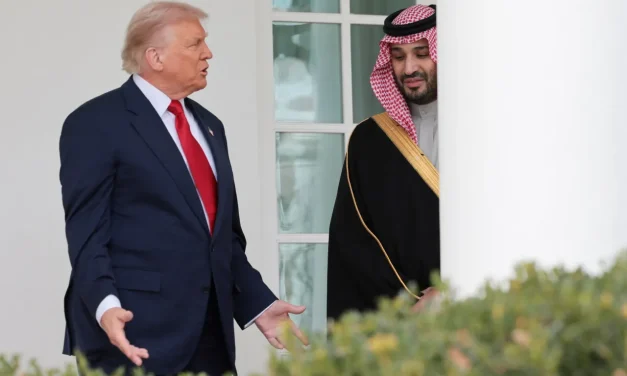
Implications of the US-Saudi Nuclear Agreement

SCFR Online – Opinion: The new US-Saudi nuclear agreement, despite legal and political ambiguities, could alter previous non-proliferation standards in West Asia and intensify nuclear competition, ushering it into a new phase.
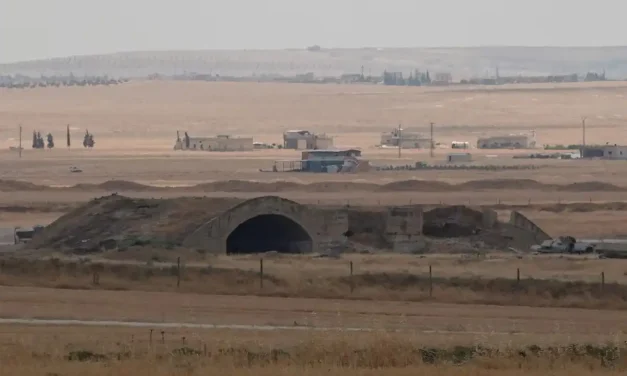
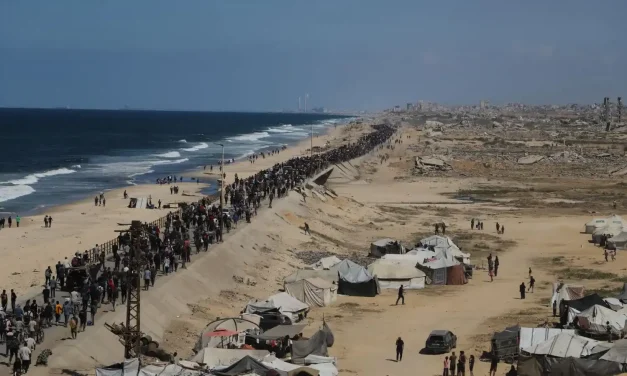
An Analysis of Recent Turkey-Israeli Regime Tensions

SCFR Online – Opinion: Recent developments in Syria indicate an intensification of strategic rivalry between Turkey and the Israeli regime, but mutual considerations and the role of the United States have limited the likelihood of direct war.

Increasing criticism of the extensive Zionist lobby network

SCFR Online – Opinion: An examination of the mechanisms of the Israeli regime’s influence in the United States depicts a complex picture of shared interests, strategic dependencies, and the limitations of this relationship.

Realities of the Tripartite Makkah Pact

SCFR Online – Interview: The signing of the Makkah agreement between Saudi Arabia, Pakistan, and Turkey has raised questions about the future of the region’s security structure and the position of these countries in West Asian equations. Can this agreement become a genuine collective defense mechanism, or does it have more of a political and deterrent function than creating new military capacity?

Strategic Implications of the Reduction of US Weapons Stockpiles

SCFR Online – Opinion: The continuation of the US war against Iran, in addition to increasing operational costs, has called into question the actual capacity of the American arsenal to simultaneously fulfill security commitments on multiple fronts; an issue that affects deterrence, defense production capacity, and Washington’s resource prioritization.

The Formation of a New Order in Relations Between Powers

SCFR Online – Opinion: The Russia-Ukraine war and the war of the United States and the Israeli regime against Iran have been formed with different objectives and actors, but field and political developments indicate that they are not entirely separate from one another.

An Analysis of the Makkah Defense Pact

SCFR Online – Opinion: On Friday, August 7, the heads of state of three countries – Saudi Arabia, Turkey, and Pakistan – signed a text under the title “Makkah Joint Defense Agreement.”

Loading

Strategic Perspective

Inevitable Collapse of Zionist Regime despite Efforts for Projection

Inevitable Collapse of Zionist Regime despite Efforts for Projection

Strategic Council Online – Interview: An expert on West Asia affairs said that the Zionist regime is confined within internal economic challenges, social behaviors based on anonymity, lack of history, culture and social confusion, adding: The real data about the Zionist regime show that the arguments about the collapse of the regime are not based solely on analysis, but on a fact that is revealed by real statistics and numbers.

Taliban Facing Difficult Test of State-Building

Taliban Facing Difficult Test of State-Building

Strategic Council Online – Interview: An analyst of Afghanistan affairs, stating that the state-building in Afghanistan has many complexities, said: The Taliban are fighters and have been able to change equations through wars, but to run the country, they will need technocrats coming from different ethnic groups.

Inefficiency & Surrender Reasons of Afghanistan Army against Taliban

Inefficiency & Surrender Reasons of Afghanistan Army against Taliban

Strategic Council Online- Interview: Former Director of Afghanistan Headquarter at the Ministry of Foreign Affairs stated that relations between Iran and Afghanistan during Ashraf Ghani were not good because he followed the US policies, and like-minded groups with Iran were isolated. He said Ashraf Ghani Administration was not only unable to establish good relations with Iran, but also his relations with Russia, China and other countries opposing the US, were not cozy either.

Strategic dimensions of the recent tension in relations between Armenia and Azerbaijan

Strategic dimensions of the recent tension in relations between Armenia and Azerbaijan

Strategic Council Online—Interview: An analyst of the Caucasus issues says the recent border tension between Armenia and Azerbaijan took place in line with imposing pressure upon Armenia with the goal of accepting to establish the Zangezur corridor, emphasizing that this corridor is not compatible with any of the present geopolitical and historical realities of the region and cannot be established and these pressures cannot force Armenia to accept it.

An Analysis of UNSC Sessions on Afghanistan

An Analysis of UNSC Sessions on Afghanistan

Strategic Council Online – Interview: An analyst of Asia affairs said the recent UN Security Council statements on Afghanistan are indicative of the acceptance of the Taliban’s complete domination over the country and the defeat of the Kabul government in the arena of political power of that country.

Managed Challenges in Washington-Beijing relations

Managed Challenges in Washington-Beijing relations

Strategic Council Online—Note: China and the United States are trying to reduce the probable damage in their economy through appropriate measures in order to prevent their tension exceeding the conventional limit.
Ali Khansari—International issues analyst

Russia’s Strategy towards Afghanistan

Russia’s Strategy towards Afghanistan

Strategic Council Online – Note: The policy that Russia is currently pursuing in Afghanistan is an effort to fill the vacuum created by the US withdrawal from the country by strengthening its presence and influence through political mechanisms and security processes, unlike China, which uses mechanisms of economic, development, and investment programs in Afghanistan’s infrastructure in an effort to fill in the said gap.
Hamid Khoshayand – Analyst of International Affairs

Consequences and objectives of the joint military drills of China and Russia

Consequences and objectives of the joint military drills of China and Russia

Strategic Council Online—Editorial: Numerous joint military drilles between China and Russia in recent years could be considered as one of the clear manifestations of the expansion and consolidation of cooperation between the two countries especially in the military front.
Mohammad Javad Qahremani—PhD in International Relations

Strategic Targets behind Transferring US Military Bases from Qatar to Jordan

Strategic Targets behind Transferring US Military Bases from Qatar to Jordan

Strategic Council Online – An expert on the Middle East affairs, referring to the transfer of US military bases from Qatar to Jordan, said: With regard to some of Jordan’s geopolitical characteristics, the country can implement the type of the order considered by the US in the region, while given Jordan’s political approach and geopolitical position, the country will be of particular importance in that new White House strategy.

Zionist Regime Strategy for Making Allies & Dragging NATO to Confront with Iran

Zionist Regime Strategy for Making Allies & Dragging NATO to Confront with Iran

Strategic Council Online- Interview: An analyst of the Zionist Regime affairs having stated that the regime is going to internationalize her confrontation with Iran and said:” It seems that NATO considers the consequences of such dangerous measure, and thus is unwilling to involve in and does not want to engage herself directly in the plight.

أحدث الوظائف

Implications of the US-Saudi Nuclear Agreement

SCFR Online – Opinion: The new US-Saudi nuclear agreement, despite legal and political ambiguities, could alter previous non-proliferation standards in West Asia and intensify nuclear competition, ushering it into a new phase.

An Analysis of Recent Turkey-Israeli Regime Tensions

SCFR Online – Opinion: Recent developments in Syria indicate an intensification of strategic rivalry between Turkey and the Israeli regime, but mutual considerations and the role of the United States have limited the likelihood of direct war.

Increasing criticism of the extensive Zionist lobby network

SCFR Online – Opinion: An examination of the mechanisms of the Israeli regime’s influence in the United States depicts a complex picture of shared interests, strategic dependencies, and the limitations of this relationship.

Realities of the Tripartite Makkah Pact

SCFR Online – Interview: The signing of the Makkah agreement between Saudi Arabia, Pakistan, and Turkey has raised questions about the future of the region’s security structure and the position of these countries in West Asian equations. Can this agreement become a genuine collective defense mechanism, or does it have more of a political and deterrent function than creating new military capacity?

Strategic Implications of the Reduction of US Weapons Stockpiles

SCFR Online – Opinion: The continuation of the US war against Iran, in addition to increasing operational costs, has called into question the actual capacity of the American arsenal to simultaneously fulfill security commitments on multiple fronts; an issue that affects deterrence, defense production capacity, and Washington’s resource prioritization.

The Formation of a New Order in Relations Between Powers

SCFR Online – Opinion: The Russia-Ukraine war and the war of the United States and the Israeli regime against Iran have been formed with different objectives and actors, but field and political developments indicate that they are not entirely separate from one another.

An Analysis of the Makkah Defense Pact

SCFR Online – Opinion: On Friday, August 7, the heads of state of three countries – Saudi Arabia, Turkey, and Pakistan – signed a text under the title “Makkah Joint Defense Agreement.”

Loading

Strategic Perspective

Inevitable Collapse of Zionist Regime despite Efforts for Projection

Inevitable Collapse of Zionist Regime despite Efforts for Projection

Strategic Council Online – Interview: An expert on West Asia affairs said that the Zionist regime is confined within internal economic challenges, social behaviors based on anonymity, lack of history, culture and social confusion, adding: The real data about the Zionist regime show that the arguments about the collapse of the regime are not based solely on analysis, but on a fact that is revealed by real statistics and numbers.

Taliban Facing Difficult Test of State-Building

Taliban Facing Difficult Test of State-Building

Strategic Council Online – Interview: An analyst of Afghanistan affairs, stating that the state-building in Afghanistan has many complexities, said: The Taliban are fighters and have been able to change equations through wars, but to run the country, they will need technocrats coming from different ethnic groups.

Inefficiency & Surrender Reasons of Afghanistan Army against Taliban

Inefficiency & Surrender Reasons of Afghanistan Army against Taliban

Strategic Council Online- Interview: Former Director of Afghanistan Headquarter at the Ministry of Foreign Affairs stated that relations between Iran and Afghanistan during Ashraf Ghani were not good because he followed the US policies, and like-minded groups with Iran were isolated. He said Ashraf Ghani Administration was not only unable to establish good relations with Iran, but also his relations with Russia, China and other countries opposing the US, were not cozy either.

Strategic dimensions of the recent tension in relations between Armenia and Azerbaijan

Strategic dimensions of the recent tension in relations between Armenia and Azerbaijan

Strategic Council Online—Interview: An analyst of the Caucasus issues says the recent border tension between Armenia and Azerbaijan took place in line with imposing pressure upon Armenia with the goal of accepting to establish the Zangezur corridor, emphasizing that this corridor is not compatible with any of the present geopolitical and historical realities of the region and cannot be established and these pressures cannot force Armenia to accept it.

An Analysis of UNSC Sessions on Afghanistan

An Analysis of UNSC Sessions on Afghanistan

Strategic Council Online – Interview: An analyst of Asia affairs said the recent UN Security Council statements on Afghanistan are indicative of the acceptance of the Taliban’s complete domination over the country and the defeat of the Kabul government in the arena of political power of that country.

Managed Challenges in Washington-Beijing relations

Managed Challenges in Washington-Beijing relations

Strategic Council Online—Note: China and the United States are trying to reduce the probable damage in their economy through appropriate measures in order to prevent their tension exceeding the conventional limit.
Ali Khansari—International issues analyst

Russia’s Strategy towards Afghanistan

Russia’s Strategy towards Afghanistan

Strategic Council Online – Note: The policy that Russia is currently pursuing in Afghanistan is an effort to fill the vacuum created by the US withdrawal from the country by strengthening its presence and influence through political mechanisms and security processes, unlike China, which uses mechanisms of economic, development, and investment programs in Afghanistan’s infrastructure in an effort to fill in the said gap.
Hamid Khoshayand – Analyst of International Affairs

Consequences and objectives of the joint military drills of China and Russia

Consequences and objectives of the joint military drills of China and Russia

Strategic Council Online—Editorial: Numerous joint military drilles between China and Russia in recent years could be considered as one of the clear manifestations of the expansion and consolidation of cooperation between the two countries especially in the military front.
Mohammad Javad Qahremani—PhD in International Relations

Strategic Targets behind Transferring US Military Bases from Qatar to Jordan

Strategic Targets behind Transferring US Military Bases from Qatar to Jordan

Strategic Council Online – An expert on the Middle East affairs, referring to the transfer of US military bases from Qatar to Jordan, said: With regard to some of Jordan’s geopolitical characteristics, the country can implement the type of the order considered by the US in the region, while given Jordan’s political approach and geopolitical position, the country will be of particular importance in that new White House strategy.

Zionist Regime Strategy for Making Allies & Dragging NATO to Confront with Iran

Zionist Regime Strategy for Making Allies & Dragging NATO to Confront with Iran

Strategic Council Online- Interview: An analyst of the Zionist Regime affairs having stated that the regime is going to internationalize her confrontation with Iran and said:” It seems that NATO considers the consequences of such dangerous measure, and thus is unwilling to involve in and does not want to engage herself directly in the plight.

Strategic Perspective

Inevitable Collapse of Zionist Regime despite Efforts for Projection

Inevitable Collapse of Zionist Regime despite Efforts for Projection

Strategic Council Online – Interview: An expert on West Asia affairs said that the Zionist regime is confined within internal economic challenges, social behaviors based on anonymity, lack of history, culture and social confusion, adding: The real data about the Zionist regime show that the arguments about the collapse of the regime are not based solely on analysis, but on a fact that is revealed by real statistics and numbers.

Taliban Facing Difficult Test of State-Building

Taliban Facing Difficult Test of State-Building

Strategic Council Online – Interview: An analyst of Afghanistan affairs, stating that the state-building in Afghanistan has many complexities, said: The Taliban are fighters and have been able to change equations through wars, but to run the country, they will need technocrats coming from different ethnic groups.

Inefficiency & Surrender Reasons of Afghanistan Army against Taliban

Inefficiency & Surrender Reasons of Afghanistan Army against Taliban

Strategic Council Online- Interview: Former Director of Afghanistan Headquarter at the Ministry of Foreign Affairs stated that relations between Iran and Afghanistan during Ashraf Ghani were not good because he followed the US policies, and like-minded groups with Iran were isolated. He said Ashraf Ghani Administration was not only unable to establish good relations with Iran, but also his relations with Russia, China and other countries opposing the US, were not cozy either.

Strategic dimensions of the recent tension in relations between Armenia and Azerbaijan

Strategic dimensions of the recent tension in relations between Armenia and Azerbaijan

Strategic Council Online—Interview: An analyst of the Caucasus issues says the recent border tension between Armenia and Azerbaijan took place in line with imposing pressure upon Armenia with the goal of accepting to establish the Zangezur corridor, emphasizing that this corridor is not compatible with any of the present geopolitical and historical realities of the region and cannot be established and these pressures cannot force Armenia to accept it.

An Analysis of UNSC Sessions on Afghanistan

An Analysis of UNSC Sessions on Afghanistan

Strategic Council Online – Interview: An analyst of Asia affairs said the recent UN Security Council statements on Afghanistan are indicative of the acceptance of the Taliban’s complete domination over the country and the defeat of the Kabul government in the arena of political power of that country.

Managed Challenges in Washington-Beijing relations

Managed Challenges in Washington-Beijing relations

Strategic Council Online—Note: China and the United States are trying to reduce the probable damage in their economy through appropriate measures in order to prevent their tension exceeding the conventional limit.
Ali Khansari—International issues analyst

Russia’s Strategy towards Afghanistan

Russia’s Strategy towards Afghanistan

Strategic Council Online – Note: The policy that Russia is currently pursuing in Afghanistan is an effort to fill the vacuum created by the US withdrawal from the country by strengthening its presence and influence through political mechanisms and security processes, unlike China, which uses mechanisms of economic, development, and investment programs in Afghanistan’s infrastructure in an effort to fill in the said gap.
Hamid Khoshayand – Analyst of International Affairs

Consequences and objectives of the joint military drills of China and Russia

Consequences and objectives of the joint military drills of China and Russia

Strategic Council Online—Editorial: Numerous joint military drilles between China and Russia in recent years could be considered as one of the clear manifestations of the expansion and consolidation of cooperation between the two countries especially in the military front.
Mohammad Javad Qahremani—PhD in International Relations

Strategic Targets behind Transferring US Military Bases from Qatar to Jordan

Strategic Targets behind Transferring US Military Bases from Qatar to Jordan

Strategic Council Online – An expert on the Middle East affairs, referring to the transfer of US military bases from Qatar to Jordan, said: With regard to some of Jordan’s geopolitical characteristics, the country can implement the type of the order considered by the US in the region, while given Jordan’s political approach and geopolitical position, the country will be of particular importance in that new White House strategy.

Zionist Regime Strategy for Making Allies & Dragging NATO to Confront with Iran

Zionist Regime Strategy for Making Allies & Dragging NATO to Confront with Iran

Strategic Council Online- Interview: An analyst of the Zionist Regime affairs having stated that the regime is going to internationalize her confrontation with Iran and said:” It seems that NATO considers the consequences of such dangerous measure, and thus is unwilling to involve in and does not want to engage herself directly in the plight.

LATEST CONTENT

Implications of the US-Saudi Nuclear Agreement

SCFR Online – Opinion: The new US-Saudi nuclear agreement, despite legal and political ambiguities, could alter previous non-proliferation standards in West Asia and intensify nuclear competition, ushering it into a new phase.
An Analysis of Recent Turkey-Israeli Regime Tensions

SCFR Online – Opinion: Recent developments in Syria indicate an intensification of strategic rivalry between Turkey and the Israeli regime, but mutual considerations and the role of the United States have limited the likelihood of direct war.

Increasing criticism of the extensive Zionist lobby network

SCFR Online – Opinion: An examination of the mechanisms of the Israeli regime’s influence in the United States depicts a complex picture of shared interests, strategic dependencies, and the limitations of this relationship.

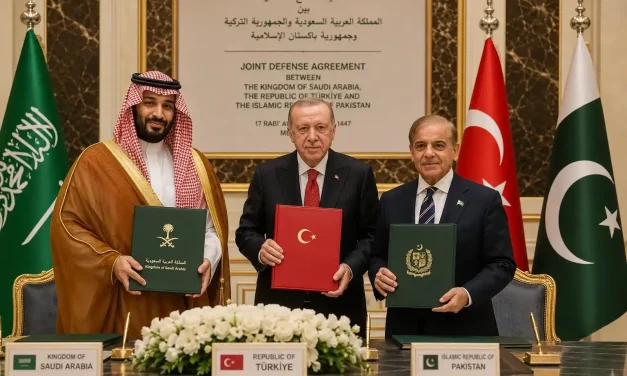
Realities of the Tripartite Makkah Pact

SCFR Online – Interview: The signing of the Makkah agreement between Saudi Arabia, Pakistan, and Turkey has raised questions about the future of the region’s security structure and the position of these countries in West Asian equations. Can this agreement become a genuine collective defense mechanism, or does it have more of a political and deterrent function than creating new military capacity?

Strategic Implications of the Reduction of US Weapons Stockpiles

SCFR Online – Opinion: The continuation of the US war against Iran, in addition to increasing operational costs, has called into question the actual capacity of the American arsenal to simultaneously fulfill security commitments on multiple fronts; an issue that affects deterrence, defense production capacity, and Washington’s resource prioritization.

The Formation of a New Order in Relations Between Powers

SCFR Online – Opinion: The Russia-Ukraine war and the war of the United States and the Israeli regime against Iran have been formed with different objectives and actors, but field and political developments indicate that they are not entirely separate from one another.

An Analysis of the Makkah Defense Pact

SCFR Online – Opinion: On Friday, August 7, the heads of state of three countries – Saudi Arabia, Turkey, and Pakistan – signed a text under the title “Makkah Joint Defense Agreement.”

Loading

Strategic Perspective

Inevitable Collapse of Zionist Regime despite Efforts for Projection

Inevitable Collapse of Zionist Regime despite Efforts for Projection

Strategic Council Online – Interview: An expert on West Asia affairs said that the Zionist regime is confined within internal economic challenges, social behaviors based on anonymity, lack of history, culture and social confusion, adding: The real data about the Zionist regime show that the arguments about the collapse of the regime are not based solely on analysis, but on a fact that is revealed by real statistics and numbers.

Taliban Facing Difficult Test of State-Building

Taliban Facing Difficult Test of State-Building

Strategic Council Online – Interview: An analyst of Afghanistan affairs, stating that the state-building in Afghanistan has many complexities, said: The Taliban are fighters and have been able to change equations through wars, but to run the country, they will need technocrats coming from different ethnic groups.

Inefficiency & Surrender Reasons of Afghanistan Army against Taliban

Inefficiency & Surrender Reasons of Afghanistan Army against Taliban

Strategic Council Online- Interview: Former Director of Afghanistan Headquarter at the Ministry of Foreign Affairs stated that relations between Iran and Afghanistan during Ashraf Ghani were not good because he followed the US policies, and like-minded groups with Iran were isolated. He said Ashraf Ghani Administration was not only unable to establish good relations with Iran, but also his relations with Russia, China and other countries opposing the US, were not cozy either.

Strategic dimensions of the recent tension in relations between Armenia and Azerbaijan

Strategic dimensions of the recent tension in relations between Armenia and Azerbaijan

Strategic Council Online—Interview: An analyst of the Caucasus issues says the recent border tension between Armenia and Azerbaijan took place in line with imposing pressure upon Armenia with the goal of accepting to establish the Zangezur corridor, emphasizing that this corridor is not compatible with any of the present geopolitical and historical realities of the region and cannot be established and these pressures cannot force Armenia to accept it.

An Analysis of UNSC Sessions on Afghanistan

An Analysis of UNSC Sessions on Afghanistan

Strategic Council Online – Interview: An analyst of Asia affairs said the recent UN Security Council statements on Afghanistan are indicative of the acceptance of the Taliban’s complete domination over the country and the defeat of the Kabul government in the arena of political power of that country.

Managed Challenges in Washington-Beijing relations

Managed Challenges in Washington-Beijing relations

Strategic Council Online—Note: China and the United States are trying to reduce the probable damage in their economy through appropriate measures in order to prevent their tension exceeding the conventional limit.
Ali Khansari—International issues analyst

Russia’s Strategy towards Afghanistan

Russia’s Strategy towards Afghanistan

Strategic Council Online – Note: The policy that Russia is currently pursuing in Afghanistan is an effort to fill the vacuum created by the US withdrawal from the country by strengthening its presence and influence through political mechanisms and security processes, unlike China, which uses mechanisms of economic, development, and investment programs in Afghanistan’s infrastructure in an effort to fill in the said gap.
Hamid Khoshayand – Analyst of International Affairs

Consequences and objectives of the joint military drills of China and Russia

Consequences and objectives of the joint military drills of China and Russia

Strategic Council Online—Editorial: Numerous joint military drilles between China and Russia in recent years could be considered as one of the clear manifestations of the expansion and consolidation of cooperation between the two countries especially in the military front.
Mohammad Javad Qahremani—PhD in International Relations

Strategic Targets behind Transferring US Military Bases from Qatar to Jordan

Strategic Targets behind Transferring US Military Bases from Qatar to Jordan

Strategic Council Online – An expert on the Middle East affairs, referring to the transfer of US military bases from Qatar to Jordan, said: With regard to some of Jordan’s geopolitical characteristics, the country can implement the type of the order considered by the US in the region, while given Jordan’s political approach and geopolitical position, the country will be of particular importance in that new White House strategy.

Zionist Regime Strategy for Making Allies & Dragging NATO to Confront with Iran

Zionist Regime Strategy for Making Allies & Dragging NATO to Confront with Iran

Strategic Council Online- Interview: An analyst of the Zionist Regime affairs having stated that the regime is going to internationalize her confrontation with Iran and said:” It seems that NATO considers the consequences of such dangerous measure, and thus is unwilling to involve in and does not want to engage herself directly in the plight.

ÚLTIMAS PUBLICACIONES

Implications of the US-Saudi Nuclear Agreement

SCFR Online – Opinion: The new US-Saudi nuclear agreement, despite legal and political ambiguities, could alter previous non-proliferation standards in West Asia and intensify nuclear competition, ushering it into a new phase.
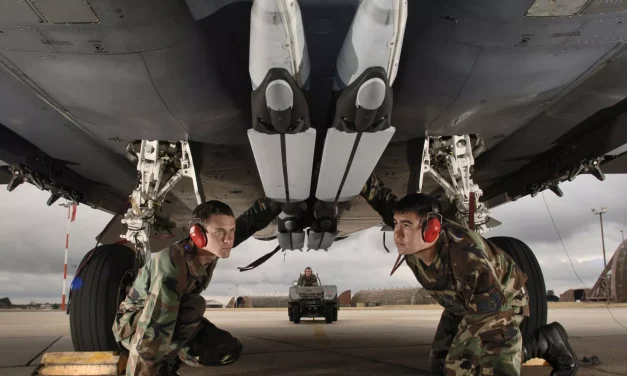
An Analysis of Recent Turkey-Israeli Regime Tensions

SCFR Online – Opinion: Recent developments in Syria indicate an intensification of strategic rivalry between Turkey and the Israeli regime, but mutual considerations and the role of the United States have limited the likelihood of direct war.

Increasing criticism of the extensive Zionist lobby network

SCFR Online – Opinion: An examination of the mechanisms of the Israeli regime’s influence in the United States depicts a complex picture of shared interests, strategic dependencies, and the limitations of this relationship.

Realities of the Tripartite Makkah Pact

SCFR Online – Interview: The signing of the Makkah agreement between Saudi Arabia, Pakistan, and Turkey has raised questions about the future of the region’s security structure and the position of these countries in West Asian equations. Can this agreement become a genuine collective defense mechanism, or does it have more of a political and deterrent function than creating new military capacity?

Strategic Implications of the Reduction of US Weapons Stockpiles

SCFR Online – Opinion: The continuation of the US war against Iran, in addition to increasing operational costs, has called into question the actual capacity of the American arsenal to simultaneously fulfill security commitments on multiple fronts; an issue that affects deterrence, defense production capacity, and Washington’s resource prioritization.

The Formation of a New Order in Relations Between Powers

SCFR Online – Opinion: The Russia-Ukraine war and the war of the United States and the Israeli regime against Iran have been formed with different objectives and actors, but field and political developments indicate that they are not entirely separate from one another.

An Analysis of the Makkah Defense Pact

SCFR Online – Opinion: On Friday, August 7, the heads of state of three countries – Saudi Arabia, Turkey, and Pakistan – signed a text under the title “Makkah Joint Defense Agreement.”

Loading

Strategic Perspective

Inevitable Collapse of Zionist Regime despite Efforts for Projection

Inevitable Collapse of Zionist Regime despite Efforts for Projection

Strategic Council Online – Interview: An expert on West Asia affairs said that the Zionist regime is confined within internal economic challenges, social behaviors based on anonymity, lack of history, culture and social confusion, adding: The real data about the Zionist regime show that the arguments about the collapse of the regime are not based solely on analysis, but on a fact that is revealed by real statistics and numbers.

Taliban Facing Difficult Test of State-Building

Taliban Facing Difficult Test of State-Building

Strategic Council Online – Interview: An analyst of Afghanistan affairs, stating that the state-building in Afghanistan has many complexities, said: The Taliban are fighters and have been able to change equations through wars, but to run the country, they will need technocrats coming from different ethnic groups.

Inefficiency & Surrender Reasons of Afghanistan Army against Taliban

Inefficiency & Surrender Reasons of Afghanistan Army against Taliban

Strategic Council Online- Interview: Former Director of Afghanistan Headquarter at the Ministry of Foreign Affairs stated that relations between Iran and Afghanistan during Ashraf Ghani were not good because he followed the US policies, and like-minded groups with Iran were isolated. He said Ashraf Ghani Administration was not only unable to establish good relations with Iran, but also his relations with Russia, China and other countries opposing the US, were not cozy either.

Strategic dimensions of the recent tension in relations between Armenia and Azerbaijan

Strategic dimensions of the recent tension in relations between Armenia and Azerbaijan

Strategic Council Online—Interview: An analyst of the Caucasus issues says the recent border tension between Armenia and Azerbaijan took place in line with imposing pressure upon Armenia with the goal of accepting to establish the Zangezur corridor, emphasizing that this corridor is not compatible with any of the present geopolitical and historical realities of the region and cannot be established and these pressures cannot force Armenia to accept it.

An Analysis of UNSC Sessions on Afghanistan

An Analysis of UNSC Sessions on Afghanistan

Strategic Council Online – Interview: An analyst of Asia affairs said the recent UN Security Council statements on Afghanistan are indicative of the acceptance of the Taliban’s complete domination over the country and the defeat of the Kabul government in the arena of political power of that country.

Managed Challenges in Washington-Beijing relations

Managed Challenges in Washington-Beijing relations

Strategic Council Online—Note: China and the United States are trying to reduce the probable damage in their economy through appropriate measures in order to prevent their tension exceeding the conventional limit.
Ali Khansari—International issues analyst

Russia’s Strategy towards Afghanistan

Russia’s Strategy towards Afghanistan

Strategic Council Online – Note: The policy that Russia is currently pursuing in Afghanistan is an effort to fill the vacuum created by the US withdrawal from the country by strengthening its presence and influence through political mechanisms and security processes, unlike China, which uses mechanisms of economic, development, and investment programs in Afghanistan’s infrastructure in an effort to fill in the said gap.
Hamid Khoshayand – Analyst of International Affairs

Consequences and objectives of the joint military drills of China and Russia

Consequences and objectives of the joint military drills of China and Russia

Strategic Council Online—Editorial: Numerous joint military drilles between China and Russia in recent years could be considered as one of the clear manifestations of the expansion and consolidation of cooperation between the two countries especially in the military front.
Mohammad Javad Qahremani—PhD in International Relations

Strategic Targets behind Transferring US Military Bases from Qatar to Jordan

Strategic Targets behind Transferring US Military Bases from Qatar to Jordan

Strategic Council Online – An expert on the Middle East affairs, referring to the transfer of US military bases from Qatar to Jordan, said: With regard to some of Jordan’s geopolitical characteristics, the country can implement the type of the order considered by the US in the region, while given Jordan’s political approach and geopolitical position, the country will be of particular importance in that new White House strategy.

Zionist Regime Strategy for Making Allies & Dragging NATO to Confront with Iran

Zionist Regime Strategy for Making Allies & Dragging NATO to Confront with Iran

Strategic Council Online- Interview: An analyst of the Zionist Regime affairs having stated that the regime is going to internationalize her confrontation with Iran and said:” It seems that NATO considers the consequences of such dangerous measure, and thus is unwilling to involve in and does not want to engage herself directly in the plight.

ÚLTIMAS PUBLICACIONES

Implications of the US-Saudi Nuclear Agreement

SCFR Online – Opinion: The new US-Saudi nuclear agreement, despite legal and political ambiguities, could alter previous non-proliferation standards in West Asia and intensify nuclear competition, ushering it into a new phase.
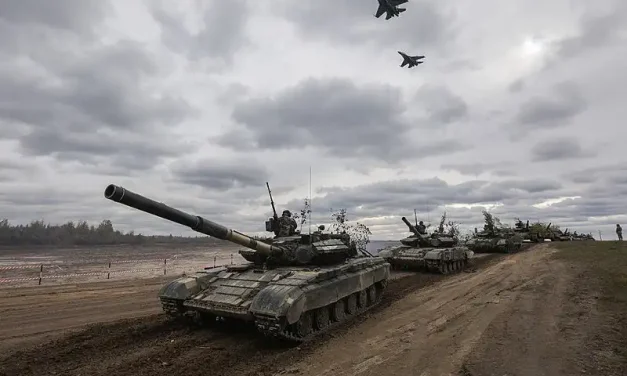
An Analysis of Recent Turkey-Israeli Regime Tensions

SCFR Online – Opinion: Recent developments in Syria indicate an intensification of strategic rivalry between Turkey and the Israeli regime, but mutual considerations and the role of the United States have limited the likelihood of direct war.

Increasing criticism of the extensive Zionist lobby network

SCFR Online – Opinion: An examination of the mechanisms of the Israeli regime’s influence in the United States depicts a complex picture of shared interests, strategic dependencies, and the limitations of this relationship.

Realities of the Tripartite Makkah Pact

SCFR Online – Interview: The signing of the Makkah agreement between Saudi Arabia, Pakistan, and Turkey has raised questions about the future of the region’s security structure and the position of these countries in West Asian equations. Can this agreement become a genuine collective defense mechanism, or does it have more of a political and deterrent function than creating new military capacity?

Strategic Implications of the Reduction of US Weapons Stockpiles

SCFR Online – Opinion: The continuation of the US war against Iran, in addition to increasing operational costs, has called into question the actual capacity of the American arsenal to simultaneously fulfill security commitments on multiple fronts; an issue that affects deterrence, defense production capacity, and Washington’s resource prioritization.

The Formation of a New Order in Relations Between Powers

SCFR Online – Opinion: The Russia-Ukraine war and the war of the United States and the Israeli regime against Iran have been formed with different objectives and actors, but field and political developments indicate that they are not entirely separate from one another.

An Analysis of the Makkah Defense Pact

SCFR Online – Opinion: On Friday, August 7, the heads of state of three countries – Saudi Arabia, Turkey, and Pakistan – signed a text under the title “Makkah Joint Defense Agreement.”

Loading

Strategic Perspective

Inevitable Collapse of Zionist Regime despite Efforts for Projection

Inevitable Collapse of Zionist Regime despite Efforts for Projection

Strategic Council Online – Interview: An expert on West Asia affairs said that the Zionist regime is confined within internal economic challenges, social behaviors based on anonymity, lack of history, culture and social confusion, adding: The real data about the Zionist regime show that the arguments about the collapse of the regime are not based solely on analysis, but on a fact that is revealed by real statistics and numbers.

Taliban Facing Difficult Test of State-Building

Taliban Facing Difficult Test of State-Building

Strategic Council Online – Interview: An analyst of Afghanistan affairs, stating that the state-building in Afghanistan has many complexities, said: The Taliban are fighters and have been able to change equations through wars, but to run the country, they will need technocrats coming from different ethnic groups.

Inefficiency & Surrender Reasons of Afghanistan Army against Taliban

Inefficiency & Surrender Reasons of Afghanistan Army against Taliban

Strategic Council Online- Interview: Former Director of Afghanistan Headquarter at the Ministry of Foreign Affairs stated that relations between Iran and Afghanistan during Ashraf Ghani were not good because he followed the US policies, and like-minded groups with Iran were isolated. He said Ashraf Ghani Administration was not only unable to establish good relations with Iran, but also his relations with Russia, China and other countries opposing the US, were not cozy either.

Strategic dimensions of the recent tension in relations between Armenia and Azerbaijan

Strategic dimensions of the recent tension in relations between Armenia and Azerbaijan

Strategic Council Online—Interview: An analyst of the Caucasus issues says the recent border tension between Armenia and Azerbaijan took place in line with imposing pressure upon Armenia with the goal of accepting to establish the Zangezur corridor, emphasizing that this corridor is not compatible with any of the present geopolitical and historical realities of the region and cannot be established and these pressures cannot force Armenia to accept it.

An Analysis of UNSC Sessions on Afghanistan

An Analysis of UNSC Sessions on Afghanistan

Strategic Council Online – Interview: An analyst of Asia affairs said the recent UN Security Council statements on Afghanistan are indicative of the acceptance of the Taliban’s complete domination over the country and the defeat of the Kabul government in the arena of political power of that country.

Managed Challenges in Washington-Beijing relations

Managed Challenges in Washington-Beijing relations

Strategic Council Online—Note: China and the United States are trying to reduce the probable damage in their economy through appropriate measures in order to prevent their tension exceeding the conventional limit.
Ali Khansari—International issues analyst

Russia’s Strategy towards Afghanistan

Russia’s Strategy towards Afghanistan

Strategic Council Online – Note: The policy that Russia is currently pursuing in Afghanistan is an effort to fill the vacuum created by the US withdrawal from the country by strengthening its presence and influence through political mechanisms and security processes, unlike China, which uses mechanisms of economic, development, and investment programs in Afghanistan’s infrastructure in an effort to fill in the said gap.
Hamid Khoshayand – Analyst of International Affairs

Consequences and objectives of the joint military drills of China and Russia

Consequences and objectives of the joint military drills of China and Russia

Strategic Council Online—Editorial: Numerous joint military drilles between China and Russia in recent years could be considered as one of the clear manifestations of the expansion and consolidation of cooperation between the two countries especially in the military front.
Mohammad Javad Qahremani—PhD in International Relations

Strategic Targets behind Transferring US Military Bases from Qatar to Jordan

Strategic Targets behind Transferring US Military Bases from Qatar to Jordan

Strategic Council Online – An expert on the Middle East affairs, referring to the transfer of US military bases from Qatar to Jordan, said: With regard to some of Jordan’s geopolitical characteristics, the country can implement the type of the order considered by the US in the region, while given Jordan’s political approach and geopolitical position, the country will be of particular importance in that new White House strategy.

Zionist Regime Strategy for Making Allies & Dragging NATO to Confront with Iran

Zionist Regime Strategy for Making Allies & Dragging NATO to Confront with Iran

Strategic Council Online- Interview: An analyst of the Zionist Regime affairs having stated that the regime is going to internationalize her confrontation with Iran and said:” It seems that NATO considers the consequences of such dangerous measure, and thus is unwilling to involve in and does not want to engage herself directly in the plight.

ÚLTIMAS PUBLICACIONES

Implications of the US-Saudi Nuclear Agreement

SCFR Online – Opinion: The new US-Saudi nuclear agreement, despite legal and political ambiguities, could alter previous non-proliferation standards in West Asia and intensify nuclear competition, ushering it into a new phase.

An Analysis of Recent Turkey-Israeli Regime Tensions

SCFR Online – Opinion: Recent developments in Syria indicate an intensification of strategic rivalry between Turkey and the Israeli regime, but mutual considerations and the role of the United States have limited the likelihood of direct war.

Increasing criticism of the extensive Zionist lobby network

SCFR Online – Opinion: An examination of the mechanisms of the Israeli regime’s influence in the United States depicts a complex picture of shared interests, strategic dependencies, and the limitations of this relationship.

Realities of the Tripartite Makkah Pact

SCFR Online – Interview: The signing of the Makkah agreement between Saudi Arabia, Pakistan, and Turkey has raised questions about the future of the region’s security structure and the position of these countries in West Asian equations. Can this agreement become a genuine collective defense mechanism, or does it have more of a political and deterrent function than creating new military capacity?

Strategic Implications of the Reduction of US Weapons Stockpiles

SCFR Online – Opinion: The continuation of the US war against Iran, in addition to increasing operational costs, has called into question the actual capacity of the American arsenal to simultaneously fulfill security commitments on multiple fronts; an issue that affects deterrence, defense production capacity, and Washington’s resource prioritization.

The Formation of a New Order in Relations Between Powers

SCFR Online – Opinion: The Russia-Ukraine war and the war of the United States and the Israeli regime against Iran have been formed with different objectives and actors, but field and political developments indicate that they are not entirely separate from one another.

An Analysis of the Makkah Defense Pact

SCFR Online – Opinion: On Friday, August 7, the heads of state of three countries – Saudi Arabia, Turkey, and Pakistan – signed a text under the title “Makkah Joint Defense Agreement.”

Loading

Strategic Perspective

Inevitable Collapse of Zionist Regime despite Efforts for Projection

Inevitable Collapse of Zionist Regime despite Efforts for Projection

Strategic Council Online – Interview: An expert on West Asia affairs said that the Zionist regime is confined within internal economic challenges, social behaviors based on anonymity, lack of history, culture and social confusion, adding: The real data about the Zionist regime show that the arguments about the collapse of the regime are not based solely on analysis, but on a fact that is revealed by real statistics and numbers.

Taliban Facing Difficult Test of State-Building

Taliban Facing Difficult Test of State-Building

Strategic Council Online – Interview: An analyst of Afghanistan affairs, stating that the state-building in Afghanistan has many complexities, said: The Taliban are fighters and have been able to change equations through wars, but to run the country, they will need technocrats coming from different ethnic groups.

Inefficiency & Surrender Reasons of Afghanistan Army against Taliban

Inefficiency & Surrender Reasons of Afghanistan Army against Taliban

Strategic Council Online- Interview: Former Director of Afghanistan Headquarter at the Ministry of Foreign Affairs stated that relations between Iran and Afghanistan during Ashraf Ghani were not good because he followed the US policies, and like-minded groups with Iran were isolated. He said Ashraf Ghani Administration was not only unable to establish good relations with Iran, but also his relations with Russia, China and other countries opposing the US, were not cozy either.

Strategic dimensions of the recent tension in relations between Armenia and Azerbaijan

Strategic dimensions of the recent tension in relations between Armenia and Azerbaijan

Strategic Council Online—Interview: An analyst of the Caucasus issues says the recent border tension between Armenia and Azerbaijan took place in line with imposing pressure upon Armenia with the goal of accepting to establish the Zangezur corridor, emphasizing that this corridor is not compatible with any of the present geopolitical and historical realities of the region and cannot be established and these pressures cannot force Armenia to accept it.

An Analysis of UNSC Sessions on Afghanistan

An Analysis of UNSC Sessions on Afghanistan

Strategic Council Online – Interview: An analyst of Asia affairs said the recent UN Security Council statements on Afghanistan are indicative of the acceptance of the Taliban’s complete domination over the country and the defeat of the Kabul government in the arena of political power of that country.

Managed Challenges in Washington-Beijing relations

Managed Challenges in Washington-Beijing relations

Strategic Council Online—Note: China and the United States are trying to reduce the probable damage in their economy through appropriate measures in order to prevent their tension exceeding the conventional limit.
Ali Khansari—International issues analyst

Russia’s Strategy towards Afghanistan

Russia’s Strategy towards Afghanistan

Strategic Council Online – Note: The policy that Russia is currently pursuing in Afghanistan is an effort to fill the vacuum created by the US withdrawal from the country by strengthening its presence and influence through political mechanisms and security processes, unlike China, which uses mechanisms of economic, development, and investment programs in Afghanistan’s infrastructure in an effort to fill in the said gap.
Hamid Khoshayand – Analyst of International Affairs

Consequences and objectives of the joint military drills of China and Russia

Consequences and objectives of the joint military drills of China and Russia

Strategic Council Online—Editorial: Numerous joint military drilles between China and Russia in recent years could be considered as one of the clear manifestations of the expansion and consolidation of cooperation between the two countries especially in the military front.
Mohammad Javad Qahremani—PhD in International Relations

Strategic Targets behind Transferring US Military Bases from Qatar to Jordan

Strategic Targets behind Transferring US Military Bases from Qatar to Jordan

Strategic Council Online – An expert on the Middle East affairs, referring to the transfer of US military bases from Qatar to Jordan, said: With regard to some of Jordan’s geopolitical characteristics, the country can implement the type of the order considered by the US in the region, while given Jordan’s political approach and geopolitical position, the country will be of particular importance in that new White House strategy.

Zionist Regime Strategy for Making Allies & Dragging NATO to Confront with Iran

Zionist Regime Strategy for Making Allies & Dragging NATO to Confront with Iran

Strategic Council Online- Interview: An analyst of the Zionist Regime affairs having stated that the regime is going to internationalize her confrontation with Iran and said:” It seems that NATO considers the consequences of such dangerous measure, and thus is unwilling to involve in and does not want to engage herself directly in the plight.

ÚLTIMAS PUBLICACIONES

Implications of the US-Saudi Nuclear Agreement

SCFR Online – Opinion: The new US-Saudi nuclear agreement, despite legal and political ambiguities, could alter previous non-proliferation standards in West Asia and intensify nuclear competition, ushering it into a new phase.

An Analysis of Recent Turkey-Israeli Regime Tensions

SCFR Online – Opinion: Recent developments in Syria indicate an intensification of strategic rivalry between Turkey and the Israeli regime, but mutual considerations and the role of the United States have limited the likelihood of direct war.

Increasing criticism of the extensive Zionist lobby network

SCFR Online – Opinion: An examination of the mechanisms of the Israeli regime’s influence in the United States depicts a complex picture of shared interests, strategic dependencies, and the limitations of this relationship.

Realities of the Tripartite Makkah Pact

SCFR Online – Interview: The signing of the Makkah agreement between Saudi Arabia, Pakistan, and Turkey has raised questions about the future of the region’s security structure and the position of these countries in West Asian equations. Can this agreement become a genuine collective defense mechanism, or does it have more of a political and deterrent function than creating new military capacity?

Strategic Implications of the Reduction of US Weapons Stockpiles

SCFR Online – Opinion: The continuation of the US war against Iran, in addition to increasing operational costs, has called into question the actual capacity of the American arsenal to simultaneously fulfill security commitments on multiple fronts; an issue that affects deterrence, defense production capacity, and Washington’s resource prioritization.

The Formation of a New Order in Relations Between Powers

SCFR Online – Opinion: The Russia-Ukraine war and the war of the United States and the Israeli regime against Iran have been formed with different objectives and actors, but field and political developments indicate that they are not entirely separate from one another.

An Analysis of the Makkah Defense Pact

SCFR Online – Opinion: On Friday, August 7, the heads of state of three countries – Saudi Arabia, Turkey, and Pakistan – signed a text under the title “Makkah Joint Defense Agreement.”

Loading