جدیدترین مطالب

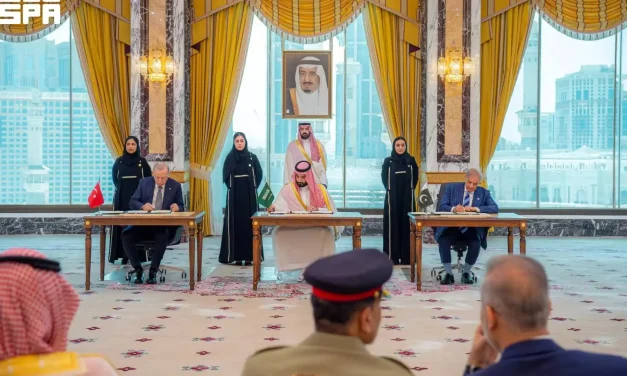
The Makkah Pact; Reasons for its Formation and Challenges Ahead

SCFR Online – Opinion: The Makkah Pact, signed between Saudi Arabia, Pakistan, and Turkey under the motto “an attack on one is an attack on all,” is viewed by some analysts less as a full-fledged military coalition and more as an attempt to reduce security dependence on an external power and to establish a regional security mechanism.
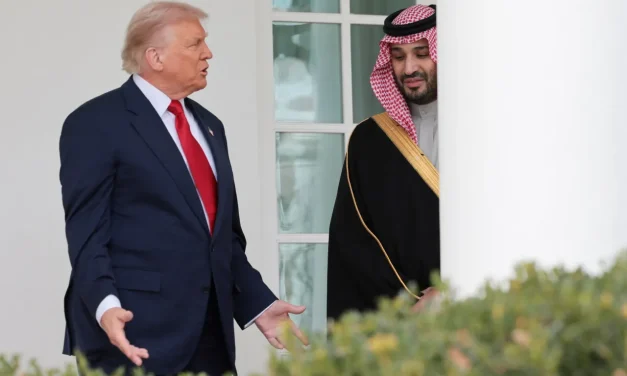
Implications of the US-Saudi Nuclear Agreement

SCFR Online – Opinion: The new US-Saudi nuclear agreement, despite legal and political ambiguities, could alter previous non-proliferation standards in West Asia and intensify nuclear competition, ushering it into a new phase.

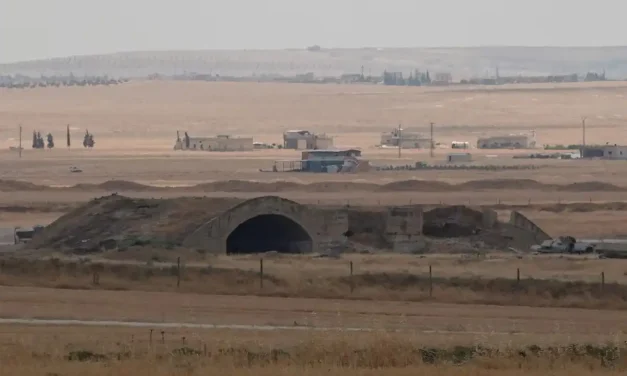
An Analysis of Recent Turkey-Israeli Regime Tensions

SCFR Online – Opinion: Recent developments in Syria indicate an intensification of strategic rivalry between Turkey and the Israeli regime, but mutual considerations and the role of the United States have limited the likelihood of direct war.

Increasing criticism of the extensive Zionist lobby network

SCFR Online – Opinion: An examination of the mechanisms of the Israeli regime’s influence in the United States depicts a complex picture of shared interests, strategic dependencies, and the limitations of this relationship.

Realities of the Tripartite Makkah Pact

SCFR Online – Interview: The signing of the Makkah agreement between Saudi Arabia, Pakistan, and Turkey has raised questions about the future of the region’s security structure and the position of these countries in West Asian equations. Can this agreement become a genuine collective defense mechanism, or does it have more of a political and deterrent function than creating new military capacity?

Strategic Implications of the Reduction of US Weapons Stockpiles

SCFR Online – Opinion: The continuation of the US war against Iran, in addition to increasing operational costs, has called into question the actual capacity of the American arsenal to simultaneously fulfill security commitments on multiple fronts; an issue that affects deterrence, defense production capacity, and Washington’s resource prioritization.

The Formation of a New Order in Relations Between Powers

SCFR Online – Opinion: The Russia-Ukraine war and the war of the United States and the Israeli regime against Iran have been formed with different objectives and actors, but field and political developments indicate that they are not entirely separate from one another.

Loading

Strategic Perspective

OPEC Plus; Prospects of Renewed Cooperation to Raise Oil Prices

OPEC Plus; Prospects of Renewed Cooperation to Raise Oil Prices

Strategic Council Online: The new OPEC Plus agreement was reached at a time when even zero sums was experienced in the market. From this perspective OPEC Plus countries have agreed to prevent a recurrence of such a situation, but as soon as they feel the conditions in the global oil market are back to normal, they may be tempted to violate the agreement. At the same time, the conditions for increasing demand do not seem to be stable and continuous, and it is possible that corona pandemic leave its impacts on the oil market again out of the need to impose quarantine and close part of its production and service activities.
Reza Majidzadeh – Researcher in Political and Economic Development

US Presidential Election and  Saudi Leaders’ Concerns

US Presidential Election and Saudi Leaders’ Concerns

Strategic Council Online: A Middle East affairs analyst, explaining the most important concerns Saudi leaders have about the upcoming US election, said: “Saudi Arabia has accepted that it is in urgent need of US support in the global power structure; for the same reason it is trying to maintain its bonds with Washington.”

Reasons for EU Opposition to Russia’s G7 Membership

Reasons for EU Opposition to Russia’s G7 Membership

Strategic Council Online: In the short term, given the EU’s internal crises, it cannot be hoped that Brussels-Moscow relations will improve quickly, but in the medium and long terms, the EU due to its dependence on Russian energy and the fact that part of Russia is on the European continent, is forced to settle differences with Moscow and to reduce tensions in the relations with Russia.
Alireza Samoudi – European Affairs Expert

Trump’s Iron Fist & Escalation of Protests in US

Trump’s Iron Fist & Escalation of Protests in US

Strategic Council Online: An analyst of American affairs says there are no signs of resurgence in the crisis caused by the violent protests in the United States, and Donald Trump does not appear to care about healing of the purulent wound that has opened. He said in these riots racial and economic demands have been interlinked and a quasi “bread riot” is taking place in the United States that sets it apart from previous protests.

Europe’s Instrumental Approach towards Sanctions, Human Rights

Europe’s Instrumental Approach towards Sanctions, Human Rights

Strategic Council Online: Regarding the coordination of European approaches and policies with the United States, especially during the presidency of Donald Trump, it should be noted that Europeans are strategically aligned with the Americans, but the way to realize their goals and tactics is different from Washington.
Morteza Maki – Expert on European Affairs

Necessity of Countering Occupation of West Bank by Zionist Regime

Necessity of Countering Occupation of West Bank by Zionist Regime

Strategic Council Online: “There is a difference of opinion between the United States and the Zionist regime in declaring the decision on annexation of the West Bank to the occupied territories,” said a university professor, adding that Benjamin Netanyahu has stated that he would not wait for the talks to start and will annex these areas to the Zionist regime. He wants to mobilize the public opinion in his favor so that he can save himself from this situation by influencing his legal prosecution.

Prospects of US-European Relations during Trump Era

Prospects of US-European Relations during Trump Era

Strategic Council Online: As long as Trump is in the White House nothing will change if US relations with Europe do not deteriorate; But if he fails to enter the White House again and someone like Joe Biden wins the presidential election, relations between Europe and the United States will go back to normal as in previous years and will gradually improve.
Abdolreza Farajirad – Professor of Geopolitics

Strategic Implications of US Troops Pullout from Afghanistan

Strategic Implications of US Troops Pullout from Afghanistan

Strategic Council Online: According to the agreement reached between the United States and the Taliban in March 2018, the withdrawal of US troops from Afghanistan will begin and by mid-July (July 2020) the number of US combat troops will reach 8600 persons. This is happening at a time when the bilateral security agreement between the United States and the Afghan government is still valid. In addition, in recent months, the activities of terrorist groups in Afghanistan have not diminished, but in addition to the Taliban’s spring attacks, ISIS terrorist activities in Afghanistan are taking civilian tolls from among the oppressed people of Afghanistan, and the atmosphere of insecurity has not changed. Although the withdrawal of US troops from Afghanistan is important, it may have significant implications for the future of Afghanistan and the region, given the shortcomings and negligence in fulfilling their commitments, especially in the field of training Afghan forces. Americans should accept responsibility and pay the damages.
Seyed Mostafa Hashemi – Afghan Affairs Expert

Consolidation of China- Zionist Regime Cooperation under US Control

Consolidation of China- Zionist Regime Cooperation under US Control

Strategic Council Online: Given Tel Aviv-Washington relations and their long-standing alliance, as well as the hostility and escalation of tensions between China and the United States, it can be said that Israeli-Chinese relations are fully calculated and Tel Aviv would enter into any deal with China by taking into account US sensitivities.
Pir Mohammad Mollazehi – Asian Affairs Expert

أحدث الوظائف

The Makkah Pact; Reasons for its Formation and Challenges Ahead

SCFR Online – Opinion: The Makkah Pact, signed between Saudi Arabia, Pakistan, and Turkey under the motto “an attack on one is an attack on all,” is viewed by some analysts less as a full-fledged military coalition and more as an attempt to reduce security dependence on an external power and to establish a regional security mechanism.
Implications of the US-Saudi Nuclear Agreement

SCFR Online – Opinion: The new US-Saudi nuclear agreement, despite legal and political ambiguities, could alter previous non-proliferation standards in West Asia and intensify nuclear competition, ushering it into a new phase.

An Analysis of Recent Turkey-Israeli Regime Tensions

SCFR Online – Opinion: Recent developments in Syria indicate an intensification of strategic rivalry between Turkey and the Israeli regime, but mutual considerations and the role of the United States have limited the likelihood of direct war.

Increasing criticism of the extensive Zionist lobby network

SCFR Online – Opinion: An examination of the mechanisms of the Israeli regime’s influence in the United States depicts a complex picture of shared interests, strategic dependencies, and the limitations of this relationship.

Realities of the Tripartite Makkah Pact

SCFR Online – Interview: The signing of the Makkah agreement between Saudi Arabia, Pakistan, and Turkey has raised questions about the future of the region’s security structure and the position of these countries in West Asian equations. Can this agreement become a genuine collective defense mechanism, or does it have more of a political and deterrent function than creating new military capacity?

Strategic Implications of the Reduction of US Weapons Stockpiles

SCFR Online – Opinion: The continuation of the US war against Iran, in addition to increasing operational costs, has called into question the actual capacity of the American arsenal to simultaneously fulfill security commitments on multiple fronts; an issue that affects deterrence, defense production capacity, and Washington’s resource prioritization.

The Formation of a New Order in Relations Between Powers

SCFR Online – Opinion: The Russia-Ukraine war and the war of the United States and the Israeli regime against Iran have been formed with different objectives and actors, but field and political developments indicate that they are not entirely separate from one another.

Loading

Strategic Perspective

OPEC Plus; Prospects of Renewed Cooperation to Raise Oil Prices

OPEC Plus; Prospects of Renewed Cooperation to Raise Oil Prices

Strategic Council Online: The new OPEC Plus agreement was reached at a time when even zero sums was experienced in the market. From this perspective OPEC Plus countries have agreed to prevent a recurrence of such a situation, but as soon as they feel the conditions in the global oil market are back to normal, they may be tempted to violate the agreement. At the same time, the conditions for increasing demand do not seem to be stable and continuous, and it is possible that corona pandemic leave its impacts on the oil market again out of the need to impose quarantine and close part of its production and service activities.
Reza Majidzadeh – Researcher in Political and Economic Development

US Presidential Election and  Saudi Leaders’ Concerns

US Presidential Election and Saudi Leaders’ Concerns

Strategic Council Online: A Middle East affairs analyst, explaining the most important concerns Saudi leaders have about the upcoming US election, said: “Saudi Arabia has accepted that it is in urgent need of US support in the global power structure; for the same reason it is trying to maintain its bonds with Washington.”

Reasons for EU Opposition to Russia’s G7 Membership

Reasons for EU Opposition to Russia’s G7 Membership

Strategic Council Online: In the short term, given the EU’s internal crises, it cannot be hoped that Brussels-Moscow relations will improve quickly, but in the medium and long terms, the EU due to its dependence on Russian energy and the fact that part of Russia is on the European continent, is forced to settle differences with Moscow and to reduce tensions in the relations with Russia.
Alireza Samoudi – European Affairs Expert

Trump’s Iron Fist & Escalation of Protests in US

Trump’s Iron Fist & Escalation of Protests in US

Strategic Council Online: An analyst of American affairs says there are no signs of resurgence in the crisis caused by the violent protests in the United States, and Donald Trump does not appear to care about healing of the purulent wound that has opened. He said in these riots racial and economic demands have been interlinked and a quasi “bread riot” is taking place in the United States that sets it apart from previous protests.

Europe’s Instrumental Approach towards Sanctions, Human Rights

Europe’s Instrumental Approach towards Sanctions, Human Rights

Strategic Council Online: Regarding the coordination of European approaches and policies with the United States, especially during the presidency of Donald Trump, it should be noted that Europeans are strategically aligned with the Americans, but the way to realize their goals and tactics is different from Washington.
Morteza Maki – Expert on European Affairs

Necessity of Countering Occupation of West Bank by Zionist Regime

Necessity of Countering Occupation of West Bank by Zionist Regime

Strategic Council Online: “There is a difference of opinion between the United States and the Zionist regime in declaring the decision on annexation of the West Bank to the occupied territories,” said a university professor, adding that Benjamin Netanyahu has stated that he would not wait for the talks to start and will annex these areas to the Zionist regime. He wants to mobilize the public opinion in his favor so that he can save himself from this situation by influencing his legal prosecution.

Prospects of US-European Relations during Trump Era

Prospects of US-European Relations during Trump Era

Strategic Council Online: As long as Trump is in the White House nothing will change if US relations with Europe do not deteriorate; But if he fails to enter the White House again and someone like Joe Biden wins the presidential election, relations between Europe and the United States will go back to normal as in previous years and will gradually improve.
Abdolreza Farajirad – Professor of Geopolitics

Strategic Implications of US Troops Pullout from Afghanistan

Strategic Implications of US Troops Pullout from Afghanistan

Strategic Council Online: According to the agreement reached between the United States and the Taliban in March 2018, the withdrawal of US troops from Afghanistan will begin and by mid-July (July 2020) the number of US combat troops will reach 8600 persons. This is happening at a time when the bilateral security agreement between the United States and the Afghan government is still valid. In addition, in recent months, the activities of terrorist groups in Afghanistan have not diminished, but in addition to the Taliban’s spring attacks, ISIS terrorist activities in Afghanistan are taking civilian tolls from among the oppressed people of Afghanistan, and the atmosphere of insecurity has not changed. Although the withdrawal of US troops from Afghanistan is important, it may have significant implications for the future of Afghanistan and the region, given the shortcomings and negligence in fulfilling their commitments, especially in the field of training Afghan forces. Americans should accept responsibility and pay the damages.
Seyed Mostafa Hashemi – Afghan Affairs Expert

Consolidation of China- Zionist Regime Cooperation under US Control

Consolidation of China- Zionist Regime Cooperation under US Control

Strategic Council Online: Given Tel Aviv-Washington relations and their long-standing alliance, as well as the hostility and escalation of tensions between China and the United States, it can be said that Israeli-Chinese relations are fully calculated and Tel Aviv would enter into any deal with China by taking into account US sensitivities.
Pir Mohammad Mollazehi – Asian Affairs Expert

Strategic Perspective

OPEC Plus; Prospects of Renewed Cooperation to Raise Oil Prices

OPEC Plus; Prospects of Renewed Cooperation to Raise Oil Prices

Strategic Council Online: The new OPEC Plus agreement was reached at a time when even zero sums was experienced in the market. From this perspective OPEC Plus countries have agreed to prevent a recurrence of such a situation, but as soon as they feel the conditions in the global oil market are back to normal, they may be tempted to violate the agreement. At the same time, the conditions for increasing demand do not seem to be stable and continuous, and it is possible that corona pandemic leave its impacts on the oil market again out of the need to impose quarantine and close part of its production and service activities.
Reza Majidzadeh – Researcher in Political and Economic Development

US Presidential Election and  Saudi Leaders’ Concerns

US Presidential Election and Saudi Leaders’ Concerns

Strategic Council Online: A Middle East affairs analyst, explaining the most important concerns Saudi leaders have about the upcoming US election, said: “Saudi Arabia has accepted that it is in urgent need of US support in the global power structure; for the same reason it is trying to maintain its bonds with Washington.”

Reasons for EU Opposition to Russia’s G7 Membership

Reasons for EU Opposition to Russia’s G7 Membership

Strategic Council Online: In the short term, given the EU’s internal crises, it cannot be hoped that Brussels-Moscow relations will improve quickly, but in the medium and long terms, the EU due to its dependence on Russian energy and the fact that part of Russia is on the European continent, is forced to settle differences with Moscow and to reduce tensions in the relations with Russia.
Alireza Samoudi – European Affairs Expert

Trump’s Iron Fist & Escalation of Protests in US

Trump’s Iron Fist & Escalation of Protests in US

Strategic Council Online: An analyst of American affairs says there are no signs of resurgence in the crisis caused by the violent protests in the United States, and Donald Trump does not appear to care about healing of the purulent wound that has opened. He said in these riots racial and economic demands have been interlinked and a quasi “bread riot” is taking place in the United States that sets it apart from previous protests.

Europe’s Instrumental Approach towards Sanctions, Human Rights

Europe’s Instrumental Approach towards Sanctions, Human Rights

Strategic Council Online: Regarding the coordination of European approaches and policies with the United States, especially during the presidency of Donald Trump, it should be noted that Europeans are strategically aligned with the Americans, but the way to realize their goals and tactics is different from Washington.
Morteza Maki – Expert on European Affairs

Necessity of Countering Occupation of West Bank by Zionist Regime

Necessity of Countering Occupation of West Bank by Zionist Regime

Strategic Council Online: “There is a difference of opinion between the United States and the Zionist regime in declaring the decision on annexation of the West Bank to the occupied territories,” said a university professor, adding that Benjamin Netanyahu has stated that he would not wait for the talks to start and will annex these areas to the Zionist regime. He wants to mobilize the public opinion in his favor so that he can save himself from this situation by influencing his legal prosecution.

Prospects of US-European Relations during Trump Era

Prospects of US-European Relations during Trump Era

Strategic Council Online: As long as Trump is in the White House nothing will change if US relations with Europe do not deteriorate; But if he fails to enter the White House again and someone like Joe Biden wins the presidential election, relations between Europe and the United States will go back to normal as in previous years and will gradually improve.
Abdolreza Farajirad – Professor of Geopolitics

Strategic Implications of US Troops Pullout from Afghanistan

Strategic Implications of US Troops Pullout from Afghanistan

Strategic Council Online: According to the agreement reached between the United States and the Taliban in March 2018, the withdrawal of US troops from Afghanistan will begin and by mid-July (July 2020) the number of US combat troops will reach 8600 persons. This is happening at a time when the bilateral security agreement between the United States and the Afghan government is still valid. In addition, in recent months, the activities of terrorist groups in Afghanistan have not diminished, but in addition to the Taliban’s spring attacks, ISIS terrorist activities in Afghanistan are taking civilian tolls from among the oppressed people of Afghanistan, and the atmosphere of insecurity has not changed. Although the withdrawal of US troops from Afghanistan is important, it may have significant implications for the future of Afghanistan and the region, given the shortcomings and negligence in fulfilling their commitments, especially in the field of training Afghan forces. Americans should accept responsibility and pay the damages.
Seyed Mostafa Hashemi – Afghan Affairs Expert

Consolidation of China- Zionist Regime Cooperation under US Control

Consolidation of China- Zionist Regime Cooperation under US Control

Strategic Council Online: Given Tel Aviv-Washington relations and their long-standing alliance, as well as the hostility and escalation of tensions between China and the United States, it can be said that Israeli-Chinese relations are fully calculated and Tel Aviv would enter into any deal with China by taking into account US sensitivities.
Pir Mohammad Mollazehi – Asian Affairs Expert

LATEST CONTENT

The Makkah Pact; Reasons for its Formation and Challenges Ahead

SCFR Online – Opinion: The Makkah Pact, signed between Saudi Arabia, Pakistan, and Turkey under the motto “an attack on one is an attack on all,” is viewed by some analysts less as a full-fledged military coalition and more as an attempt to reduce security dependence on an external power and to establish a regional security mechanism.
Implications of the US-Saudi Nuclear Agreement

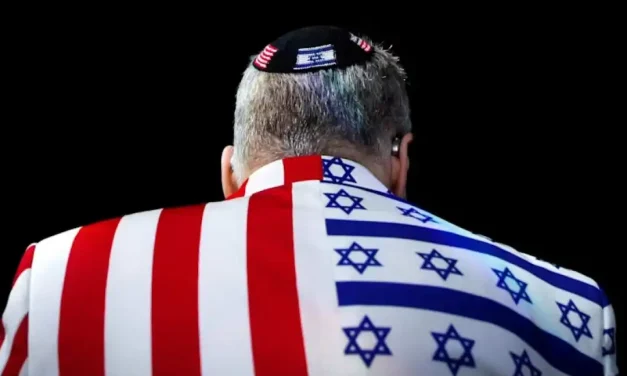
SCFR Online – Opinion: The new US-Saudi nuclear agreement, despite legal and political ambiguities, could alter previous non-proliferation standards in West Asia and intensify nuclear competition, ushering it into a new phase.

An Analysis of Recent Turkey-Israeli Regime Tensions

SCFR Online – Opinion: Recent developments in Syria indicate an intensification of strategic rivalry between Turkey and the Israeli regime, but mutual considerations and the role of the United States have limited the likelihood of direct war.

Increasing criticism of the extensive Zionist lobby network

SCFR Online – Opinion: An examination of the mechanisms of the Israeli regime’s influence in the United States depicts a complex picture of shared interests, strategic dependencies, and the limitations of this relationship.

Realities of the Tripartite Makkah Pact

SCFR Online – Interview: The signing of the Makkah agreement between Saudi Arabia, Pakistan, and Turkey has raised questions about the future of the region’s security structure and the position of these countries in West Asian equations. Can this agreement become a genuine collective defense mechanism, or does it have more of a political and deterrent function than creating new military capacity?

Strategic Implications of the Reduction of US Weapons Stockpiles

SCFR Online – Opinion: The continuation of the US war against Iran, in addition to increasing operational costs, has called into question the actual capacity of the American arsenal to simultaneously fulfill security commitments on multiple fronts; an issue that affects deterrence, defense production capacity, and Washington’s resource prioritization.

The Formation of a New Order in Relations Between Powers

SCFR Online – Opinion: The Russia-Ukraine war and the war of the United States and the Israeli regime against Iran have been formed with different objectives and actors, but field and political developments indicate that they are not entirely separate from one another.

Loading

Strategic Perspective

OPEC Plus; Prospects of Renewed Cooperation to Raise Oil Prices

OPEC Plus; Prospects of Renewed Cooperation to Raise Oil Prices

Strategic Council Online: The new OPEC Plus agreement was reached at a time when even zero sums was experienced in the market. From this perspective OPEC Plus countries have agreed to prevent a recurrence of such a situation, but as soon as they feel the conditions in the global oil market are back to normal, they may be tempted to violate the agreement. At the same time, the conditions for increasing demand do not seem to be stable and continuous, and it is possible that corona pandemic leave its impacts on the oil market again out of the need to impose quarantine and close part of its production and service activities.
Reza Majidzadeh – Researcher in Political and Economic Development

US Presidential Election and  Saudi Leaders’ Concerns

US Presidential Election and Saudi Leaders’ Concerns

Strategic Council Online: A Middle East affairs analyst, explaining the most important concerns Saudi leaders have about the upcoming US election, said: “Saudi Arabia has accepted that it is in urgent need of US support in the global power structure; for the same reason it is trying to maintain its bonds with Washington.”

Reasons for EU Opposition to Russia’s G7 Membership

Reasons for EU Opposition to Russia’s G7 Membership

Strategic Council Online: In the short term, given the EU’s internal crises, it cannot be hoped that Brussels-Moscow relations will improve quickly, but in the medium and long terms, the EU due to its dependence on Russian energy and the fact that part of Russia is on the European continent, is forced to settle differences with Moscow and to reduce tensions in the relations with Russia.
Alireza Samoudi – European Affairs Expert

Trump’s Iron Fist & Escalation of Protests in US

Trump’s Iron Fist & Escalation of Protests in US

Strategic Council Online: An analyst of American affairs says there are no signs of resurgence in the crisis caused by the violent protests in the United States, and Donald Trump does not appear to care about healing of the purulent wound that has opened. He said in these riots racial and economic demands have been interlinked and a quasi “bread riot” is taking place in the United States that sets it apart from previous protests.

Europe’s Instrumental Approach towards Sanctions, Human Rights

Europe’s Instrumental Approach towards Sanctions, Human Rights

Strategic Council Online: Regarding the coordination of European approaches and policies with the United States, especially during the presidency of Donald Trump, it should be noted that Europeans are strategically aligned with the Americans, but the way to realize their goals and tactics is different from Washington.
Morteza Maki – Expert on European Affairs

Necessity of Countering Occupation of West Bank by Zionist Regime

Necessity of Countering Occupation of West Bank by Zionist Regime

Strategic Council Online: “There is a difference of opinion between the United States and the Zionist regime in declaring the decision on annexation of the West Bank to the occupied territories,” said a university professor, adding that Benjamin Netanyahu has stated that he would not wait for the talks to start and will annex these areas to the Zionist regime. He wants to mobilize the public opinion in his favor so that he can save himself from this situation by influencing his legal prosecution.

Prospects of US-European Relations during Trump Era

Prospects of US-European Relations during Trump Era

Strategic Council Online: As long as Trump is in the White House nothing will change if US relations with Europe do not deteriorate; But if he fails to enter the White House again and someone like Joe Biden wins the presidential election, relations between Europe and the United States will go back to normal as in previous years and will gradually improve.
Abdolreza Farajirad – Professor of Geopolitics

Strategic Implications of US Troops Pullout from Afghanistan

Strategic Implications of US Troops Pullout from Afghanistan

Strategic Council Online: According to the agreement reached between the United States and the Taliban in March 2018, the withdrawal of US troops from Afghanistan will begin and by mid-July (July 2020) the number of US combat troops will reach 8600 persons. This is happening at a time when the bilateral security agreement between the United States and the Afghan government is still valid. In addition, in recent months, the activities of terrorist groups in Afghanistan have not diminished, but in addition to the Taliban’s spring attacks, ISIS terrorist activities in Afghanistan are taking civilian tolls from among the oppressed people of Afghanistan, and the atmosphere of insecurity has not changed. Although the withdrawal of US troops from Afghanistan is important, it may have significant implications for the future of Afghanistan and the region, given the shortcomings and negligence in fulfilling their commitments, especially in the field of training Afghan forces. Americans should accept responsibility and pay the damages.
Seyed Mostafa Hashemi – Afghan Affairs Expert

Consolidation of China- Zionist Regime Cooperation under US Control

Consolidation of China- Zionist Regime Cooperation under US Control

Strategic Council Online: Given Tel Aviv-Washington relations and their long-standing alliance, as well as the hostility and escalation of tensions between China and the United States, it can be said that Israeli-Chinese relations are fully calculated and Tel Aviv would enter into any deal with China by taking into account US sensitivities.
Pir Mohammad Mollazehi – Asian Affairs Expert

ÚLTIMAS PUBLICACIONES

The Makkah Pact; Reasons for its Formation and Challenges Ahead

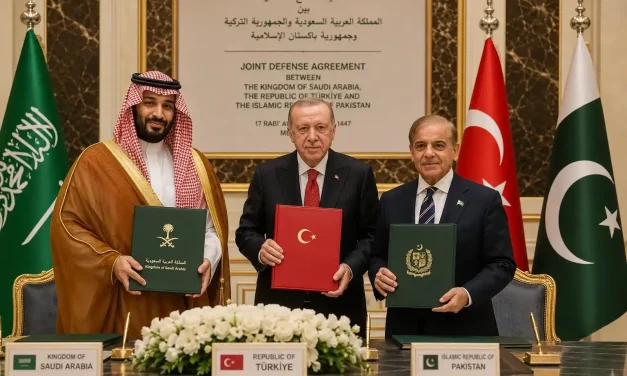
SCFR Online – Opinion: The Makkah Pact, signed between Saudi Arabia, Pakistan, and Turkey under the motto “an attack on one is an attack on all,” is viewed by some analysts less as a full-fledged military coalition and more as an attempt to reduce security dependence on an external power and to establish a regional security mechanism.
Implications of the US-Saudi Nuclear Agreement

SCFR Online – Opinion: The new US-Saudi nuclear agreement, despite legal and political ambiguities, could alter previous non-proliferation standards in West Asia and intensify nuclear competition, ushering it into a new phase.

An Analysis of Recent Turkey-Israeli Regime Tensions

SCFR Online – Opinion: Recent developments in Syria indicate an intensification of strategic rivalry between Turkey and the Israeli regime, but mutual considerations and the role of the United States have limited the likelihood of direct war.

Increasing criticism of the extensive Zionist lobby network

SCFR Online – Opinion: An examination of the mechanisms of the Israeli regime’s influence in the United States depicts a complex picture of shared interests, strategic dependencies, and the limitations of this relationship.

Realities of the Tripartite Makkah Pact

SCFR Online – Interview: The signing of the Makkah agreement between Saudi Arabia, Pakistan, and Turkey has raised questions about the future of the region’s security structure and the position of these countries in West Asian equations. Can this agreement become a genuine collective defense mechanism, or does it have more of a political and deterrent function than creating new military capacity?

Strategic Implications of the Reduction of US Weapons Stockpiles

SCFR Online – Opinion: The continuation of the US war against Iran, in addition to increasing operational costs, has called into question the actual capacity of the American arsenal to simultaneously fulfill security commitments on multiple fronts; an issue that affects deterrence, defense production capacity, and Washington’s resource prioritization.

The Formation of a New Order in Relations Between Powers

SCFR Online – Opinion: The Russia-Ukraine war and the war of the United States and the Israeli regime against Iran have been formed with different objectives and actors, but field and political developments indicate that they are not entirely separate from one another.

Loading

Strategic Perspective

OPEC Plus; Prospects of Renewed Cooperation to Raise Oil Prices

OPEC Plus; Prospects of Renewed Cooperation to Raise Oil Prices

Strategic Council Online: The new OPEC Plus agreement was reached at a time when even zero sums was experienced in the market. From this perspective OPEC Plus countries have agreed to prevent a recurrence of such a situation, but as soon as they feel the conditions in the global oil market are back to normal, they may be tempted to violate the agreement. At the same time, the conditions for increasing demand do not seem to be stable and continuous, and it is possible that corona pandemic leave its impacts on the oil market again out of the need to impose quarantine and close part of its production and service activities.
Reza Majidzadeh – Researcher in Political and Economic Development

US Presidential Election and  Saudi Leaders’ Concerns

US Presidential Election and Saudi Leaders’ Concerns

Strategic Council Online: A Middle East affairs analyst, explaining the most important concerns Saudi leaders have about the upcoming US election, said: “Saudi Arabia has accepted that it is in urgent need of US support in the global power structure; for the same reason it is trying to maintain its bonds with Washington.”

Reasons for EU Opposition to Russia’s G7 Membership

Reasons for EU Opposition to Russia’s G7 Membership

Strategic Council Online: In the short term, given the EU’s internal crises, it cannot be hoped that Brussels-Moscow relations will improve quickly, but in the medium and long terms, the EU due to its dependence on Russian energy and the fact that part of Russia is on the European continent, is forced to settle differences with Moscow and to reduce tensions in the relations with Russia.
Alireza Samoudi – European Affairs Expert

Trump’s Iron Fist & Escalation of Protests in US

Trump’s Iron Fist & Escalation of Protests in US

Strategic Council Online: An analyst of American affairs says there are no signs of resurgence in the crisis caused by the violent protests in the United States, and Donald Trump does not appear to care about healing of the purulent wound that has opened. He said in these riots racial and economic demands have been interlinked and a quasi “bread riot” is taking place in the United States that sets it apart from previous protests.

Europe’s Instrumental Approach towards Sanctions, Human Rights

Europe’s Instrumental Approach towards Sanctions, Human Rights

Strategic Council Online: Regarding the coordination of European approaches and policies with the United States, especially during the presidency of Donald Trump, it should be noted that Europeans are strategically aligned with the Americans, but the way to realize their goals and tactics is different from Washington.
Morteza Maki – Expert on European Affairs

Necessity of Countering Occupation of West Bank by Zionist Regime

Necessity of Countering Occupation of West Bank by Zionist Regime

Strategic Council Online: “There is a difference of opinion between the United States and the Zionist regime in declaring the decision on annexation of the West Bank to the occupied territories,” said a university professor, adding that Benjamin Netanyahu has stated that he would not wait for the talks to start and will annex these areas to the Zionist regime. He wants to mobilize the public opinion in his favor so that he can save himself from this situation by influencing his legal prosecution.

Prospects of US-European Relations during Trump Era

Prospects of US-European Relations during Trump Era

Strategic Council Online: As long as Trump is in the White House nothing will change if US relations with Europe do not deteriorate; But if he fails to enter the White House again and someone like Joe Biden wins the presidential election, relations between Europe and the United States will go back to normal as in previous years and will gradually improve.
Abdolreza Farajirad – Professor of Geopolitics

Strategic Implications of US Troops Pullout from Afghanistan

Strategic Implications of US Troops Pullout from Afghanistan

Strategic Council Online: According to the agreement reached between the United States and the Taliban in March 2018, the withdrawal of US troops from Afghanistan will begin and by mid-July (July 2020) the number of US combat troops will reach 8600 persons. This is happening at a time when the bilateral security agreement between the United States and the Afghan government is still valid. In addition, in recent months, the activities of terrorist groups in Afghanistan have not diminished, but in addition to the Taliban’s spring attacks, ISIS terrorist activities in Afghanistan are taking civilian tolls from among the oppressed people of Afghanistan, and the atmosphere of insecurity has not changed. Although the withdrawal of US troops from Afghanistan is important, it may have significant implications for the future of Afghanistan and the region, given the shortcomings and negligence in fulfilling their commitments, especially in the field of training Afghan forces. Americans should accept responsibility and pay the damages.
Seyed Mostafa Hashemi – Afghan Affairs Expert

Consolidation of China- Zionist Regime Cooperation under US Control

Consolidation of China- Zionist Regime Cooperation under US Control

Strategic Council Online: Given Tel Aviv-Washington relations and their long-standing alliance, as well as the hostility and escalation of tensions between China and the United States, it can be said that Israeli-Chinese relations are fully calculated and Tel Aviv would enter into any deal with China by taking into account US sensitivities.
Pir Mohammad Mollazehi – Asian Affairs Expert

ÚLTIMAS PUBLICACIONES

The Makkah Pact; Reasons for its Formation and Challenges Ahead

SCFR Online – Opinion: The Makkah Pact, signed between Saudi Arabia, Pakistan, and Turkey under the motto “an attack on one is an attack on all,” is viewed by some analysts less as a full-fledged military coalition and more as an attempt to reduce security dependence on an external power and to establish a regional security mechanism.
Implications of the US-Saudi Nuclear Agreement

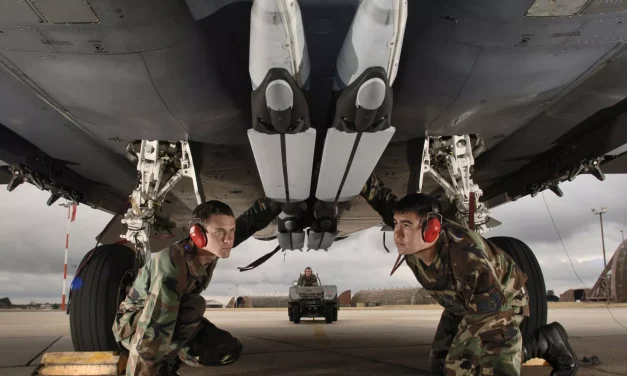
SCFR Online – Opinion: The new US-Saudi nuclear agreement, despite legal and political ambiguities, could alter previous non-proliferation standards in West Asia and intensify nuclear competition, ushering it into a new phase.

An Analysis of Recent Turkey-Israeli Regime Tensions

SCFR Online – Opinion: Recent developments in Syria indicate an intensification of strategic rivalry between Turkey and the Israeli regime, but mutual considerations and the role of the United States have limited the likelihood of direct war.

Increasing criticism of the extensive Zionist lobby network

SCFR Online – Opinion: An examination of the mechanisms of the Israeli regime’s influence in the United States depicts a complex picture of shared interests, strategic dependencies, and the limitations of this relationship.

Realities of the Tripartite Makkah Pact

SCFR Online – Interview: The signing of the Makkah agreement between Saudi Arabia, Pakistan, and Turkey has raised questions about the future of the region’s security structure and the position of these countries in West Asian equations. Can this agreement become a genuine collective defense mechanism, or does it have more of a political and deterrent function than creating new military capacity?

Strategic Implications of the Reduction of US Weapons Stockpiles

SCFR Online – Opinion: The continuation of the US war against Iran, in addition to increasing operational costs, has called into question the actual capacity of the American arsenal to simultaneously fulfill security commitments on multiple fronts; an issue that affects deterrence, defense production capacity, and Washington’s resource prioritization.

The Formation of a New Order in Relations Between Powers

SCFR Online – Opinion: The Russia-Ukraine war and the war of the United States and the Israeli regime against Iran have been formed with different objectives and actors, but field and political developments indicate that they are not entirely separate from one another.

Loading

Strategic Perspective

OPEC Plus; Prospects of Renewed Cooperation to Raise Oil Prices

OPEC Plus; Prospects of Renewed Cooperation to Raise Oil Prices

Strategic Council Online: The new OPEC Plus agreement was reached at a time when even zero sums was experienced in the market. From this perspective OPEC Plus countries have agreed to prevent a recurrence of such a situation, but as soon as they feel the conditions in the global oil market are back to normal, they may be tempted to violate the agreement. At the same time, the conditions for increasing demand do not seem to be stable and continuous, and it is possible that corona pandemic leave its impacts on the oil market again out of the need to impose quarantine and close part of its production and service activities.
Reza Majidzadeh – Researcher in Political and Economic Development

US Presidential Election and  Saudi Leaders’ Concerns

US Presidential Election and Saudi Leaders’ Concerns

Strategic Council Online: A Middle East affairs analyst, explaining the most important concerns Saudi leaders have about the upcoming US election, said: “Saudi Arabia has accepted that it is in urgent need of US support in the global power structure; for the same reason it is trying to maintain its bonds with Washington.”

Reasons for EU Opposition to Russia’s G7 Membership

Reasons for EU Opposition to Russia’s G7 Membership

Strategic Council Online: In the short term, given the EU’s internal crises, it cannot be hoped that Brussels-Moscow relations will improve quickly, but in the medium and long terms, the EU due to its dependence on Russian energy and the fact that part of Russia is on the European continent, is forced to settle differences with Moscow and to reduce tensions in the relations with Russia.
Alireza Samoudi – European Affairs Expert

Trump’s Iron Fist & Escalation of Protests in US

Trump’s Iron Fist & Escalation of Protests in US

Strategic Council Online: An analyst of American affairs says there are no signs of resurgence in the crisis caused by the violent protests in the United States, and Donald Trump does not appear to care about healing of the purulent wound that has opened. He said in these riots racial and economic demands have been interlinked and a quasi “bread riot” is taking place in the United States that sets it apart from previous protests.

Europe’s Instrumental Approach towards Sanctions, Human Rights

Europe’s Instrumental Approach towards Sanctions, Human Rights

Strategic Council Online: Regarding the coordination of European approaches and policies with the United States, especially during the presidency of Donald Trump, it should be noted that Europeans are strategically aligned with the Americans, but the way to realize their goals and tactics is different from Washington.
Morteza Maki – Expert on European Affairs

Necessity of Countering Occupation of West Bank by Zionist Regime

Necessity of Countering Occupation of West Bank by Zionist Regime

Strategic Council Online: “There is a difference of opinion between the United States and the Zionist regime in declaring the decision on annexation of the West Bank to the occupied territories,” said a university professor, adding that Benjamin Netanyahu has stated that he would not wait for the talks to start and will annex these areas to the Zionist regime. He wants to mobilize the public opinion in his favor so that he can save himself from this situation by influencing his legal prosecution.

Prospects of US-European Relations during Trump Era

Prospects of US-European Relations during Trump Era

Strategic Council Online: As long as Trump is in the White House nothing will change if US relations with Europe do not deteriorate; But if he fails to enter the White House again and someone like Joe Biden wins the presidential election, relations between Europe and the United States will go back to normal as in previous years and will gradually improve.
Abdolreza Farajirad – Professor of Geopolitics

Strategic Implications of US Troops Pullout from Afghanistan

Strategic Implications of US Troops Pullout from Afghanistan

Strategic Council Online: According to the agreement reached between the United States and the Taliban in March 2018, the withdrawal of US troops from Afghanistan will begin and by mid-July (July 2020) the number of US combat troops will reach 8600 persons. This is happening at a time when the bilateral security agreement between the United States and the Afghan government is still valid. In addition, in recent months, the activities of terrorist groups in Afghanistan have not diminished, but in addition to the Taliban’s spring attacks, ISIS terrorist activities in Afghanistan are taking civilian tolls from among the oppressed people of Afghanistan, and the atmosphere of insecurity has not changed. Although the withdrawal of US troops from Afghanistan is important, it may have significant implications for the future of Afghanistan and the region, given the shortcomings and negligence in fulfilling their commitments, especially in the field of training Afghan forces. Americans should accept responsibility and pay the damages.
Seyed Mostafa Hashemi – Afghan Affairs Expert

Consolidation of China- Zionist Regime Cooperation under US Control

Consolidation of China- Zionist Regime Cooperation under US Control

Strategic Council Online: Given Tel Aviv-Washington relations and their long-standing alliance, as well as the hostility and escalation of tensions between China and the United States, it can be said that Israeli-Chinese relations are fully calculated and Tel Aviv would enter into any deal with China by taking into account US sensitivities.
Pir Mohammad Mollazehi – Asian Affairs Expert

ÚLTIMAS PUBLICACIONES

The Makkah Pact; Reasons for its Formation and Challenges Ahead

SCFR Online – Opinion: The Makkah Pact, signed between Saudi Arabia, Pakistan, and Turkey under the motto “an attack on one is an attack on all,” is viewed by some analysts less as a full-fledged military coalition and more as an attempt to reduce security dependence on an external power and to establish a regional security mechanism.
Implications of the US-Saudi Nuclear Agreement

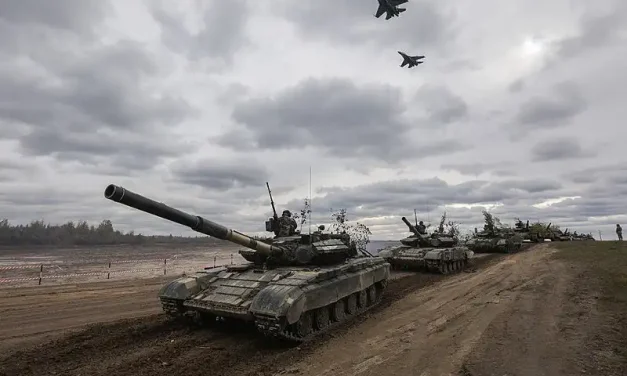
SCFR Online – Opinion: The new US-Saudi nuclear agreement, despite legal and political ambiguities, could alter previous non-proliferation standards in West Asia and intensify nuclear competition, ushering it into a new phase.

An Analysis of Recent Turkey-Israeli Regime Tensions

SCFR Online – Opinion: Recent developments in Syria indicate an intensification of strategic rivalry between Turkey and the Israeli regime, but mutual considerations and the role of the United States have limited the likelihood of direct war.

Increasing criticism of the extensive Zionist lobby network

SCFR Online – Opinion: An examination of the mechanisms of the Israeli regime’s influence in the United States depicts a complex picture of shared interests, strategic dependencies, and the limitations of this relationship.

Realities of the Tripartite Makkah Pact

SCFR Online – Interview: The signing of the Makkah agreement between Saudi Arabia, Pakistan, and Turkey has raised questions about the future of the region’s security structure and the position of these countries in West Asian equations. Can this agreement become a genuine collective defense mechanism, or does it have more of a political and deterrent function than creating new military capacity?

Strategic Implications of the Reduction of US Weapons Stockpiles

SCFR Online – Opinion: The continuation of the US war against Iran, in addition to increasing operational costs, has called into question the actual capacity of the American arsenal to simultaneously fulfill security commitments on multiple fronts; an issue that affects deterrence, defense production capacity, and Washington’s resource prioritization.

The Formation of a New Order in Relations Between Powers

SCFR Online – Opinion: The Russia-Ukraine war and the war of the United States and the Israeli regime against Iran have been formed with different objectives and actors, but field and political developments indicate that they are not entirely separate from one another.

Loading

Strategic Perspective

OPEC Plus; Prospects of Renewed Cooperation to Raise Oil Prices

OPEC Plus; Prospects of Renewed Cooperation to Raise Oil Prices

Strategic Council Online: The new OPEC Plus agreement was reached at a time when even zero sums was experienced in the market. From this perspective OPEC Plus countries have agreed to prevent a recurrence of such a situation, but as soon as they feel the conditions in the global oil market are back to normal, they may be tempted to violate the agreement. At the same time, the conditions for increasing demand do not seem to be stable and continuous, and it is possible that corona pandemic leave its impacts on the oil market again out of the need to impose quarantine and close part of its production and service activities.
Reza Majidzadeh – Researcher in Political and Economic Development

US Presidential Election and  Saudi Leaders’ Concerns

US Presidential Election and Saudi Leaders’ Concerns

Strategic Council Online: A Middle East affairs analyst, explaining the most important concerns Saudi leaders have about the upcoming US election, said: “Saudi Arabia has accepted that it is in urgent need of US support in the global power structure; for the same reason it is trying to maintain its bonds with Washington.”

Reasons for EU Opposition to Russia’s G7 Membership

Reasons for EU Opposition to Russia’s G7 Membership

Strategic Council Online: In the short term, given the EU’s internal crises, it cannot be hoped that Brussels-Moscow relations will improve quickly, but in the medium and long terms, the EU due to its dependence on Russian energy and the fact that part of Russia is on the European continent, is forced to settle differences with Moscow and to reduce tensions in the relations with Russia.
Alireza Samoudi – European Affairs Expert

Trump’s Iron Fist & Escalation of Protests in US

Trump’s Iron Fist & Escalation of Protests in US

Strategic Council Online: An analyst of American affairs says there are no signs of resurgence in the crisis caused by the violent protests in the United States, and Donald Trump does not appear to care about healing of the purulent wound that has opened. He said in these riots racial and economic demands have been interlinked and a quasi “bread riot” is taking place in the United States that sets it apart from previous protests.

Europe’s Instrumental Approach towards Sanctions, Human Rights

Europe’s Instrumental Approach towards Sanctions, Human Rights

Strategic Council Online: Regarding the coordination of European approaches and policies with the United States, especially during the presidency of Donald Trump, it should be noted that Europeans are strategically aligned with the Americans, but the way to realize their goals and tactics is different from Washington.
Morteza Maki – Expert on European Affairs

Necessity of Countering Occupation of West Bank by Zionist Regime

Necessity of Countering Occupation of West Bank by Zionist Regime

Strategic Council Online: “There is a difference of opinion between the United States and the Zionist regime in declaring the decision on annexation of the West Bank to the occupied territories,” said a university professor, adding that Benjamin Netanyahu has stated that he would not wait for the talks to start and will annex these areas to the Zionist regime. He wants to mobilize the public opinion in his favor so that he can save himself from this situation by influencing his legal prosecution.

Prospects of US-European Relations during Trump Era

Prospects of US-European Relations during Trump Era

Strategic Council Online: As long as Trump is in the White House nothing will change if US relations with Europe do not deteriorate; But if he fails to enter the White House again and someone like Joe Biden wins the presidential election, relations between Europe and the United States will go back to normal as in previous years and will gradually improve.
Abdolreza Farajirad – Professor of Geopolitics

Strategic Implications of US Troops Pullout from Afghanistan

Strategic Implications of US Troops Pullout from Afghanistan

Strategic Council Online: According to the agreement reached between the United States and the Taliban in March 2018, the withdrawal of US troops from Afghanistan will begin and by mid-July (July 2020) the number of US combat troops will reach 8600 persons. This is happening at a time when the bilateral security agreement between the United States and the Afghan government is still valid. In addition, in recent months, the activities of terrorist groups in Afghanistan have not diminished, but in addition to the Taliban’s spring attacks, ISIS terrorist activities in Afghanistan are taking civilian tolls from among the oppressed people of Afghanistan, and the atmosphere of insecurity has not changed. Although the withdrawal of US troops from Afghanistan is important, it may have significant implications for the future of Afghanistan and the region, given the shortcomings and negligence in fulfilling their commitments, especially in the field of training Afghan forces. Americans should accept responsibility and pay the damages.
Seyed Mostafa Hashemi – Afghan Affairs Expert

Consolidation of China- Zionist Regime Cooperation under US Control

Consolidation of China- Zionist Regime Cooperation under US Control

Strategic Council Online: Given Tel Aviv-Washington relations and their long-standing alliance, as well as the hostility and escalation of tensions between China and the United States, it can be said that Israeli-Chinese relations are fully calculated and Tel Aviv would enter into any deal with China by taking into account US sensitivities.
Pir Mohammad Mollazehi – Asian Affairs Expert

ÚLTIMAS PUBLICACIONES

The Makkah Pact; Reasons for its Formation and Challenges Ahead

SCFR Online – Opinion: The Makkah Pact, signed between Saudi Arabia, Pakistan, and Turkey under the motto “an attack on one is an attack on all,” is viewed by some analysts less as a full-fledged military coalition and more as an attempt to reduce security dependence on an external power and to establish a regional security mechanism.

Implications of the US-Saudi Nuclear Agreement

SCFR Online – Opinion: The new US-Saudi nuclear agreement, despite legal and political ambiguities, could alter previous non-proliferation standards in West Asia and intensify nuclear competition, ushering it into a new phase.

An Analysis of Recent Turkey-Israeli Regime Tensions

SCFR Online – Opinion: Recent developments in Syria indicate an intensification of strategic rivalry between Turkey and the Israeli regime, but mutual considerations and the role of the United States have limited the likelihood of direct war.

Increasing criticism of the extensive Zionist lobby network

SCFR Online – Opinion: An examination of the mechanisms of the Israeli regime’s influence in the United States depicts a complex picture of shared interests, strategic dependencies, and the limitations of this relationship.

Realities of the Tripartite Makkah Pact

SCFR Online – Interview: The signing of the Makkah agreement between Saudi Arabia, Pakistan, and Turkey has raised questions about the future of the region’s security structure and the position of these countries in West Asian equations. Can this agreement become a genuine collective defense mechanism, or does it have more of a political and deterrent function than creating new military capacity?

Strategic Implications of the Reduction of US Weapons Stockpiles

SCFR Online – Opinion: The continuation of the US war against Iran, in addition to increasing operational costs, has called into question the actual capacity of the American arsenal to simultaneously fulfill security commitments on multiple fronts; an issue that affects deterrence, defense production capacity, and Washington’s resource prioritization.

The Formation of a New Order in Relations Between Powers

SCFR Online – Opinion: The Russia-Ukraine war and the war of the United States and the Israeli regime against Iran have been formed with different objectives and actors, but field and political developments indicate that they are not entirely separate from one another.

Loading