جدیدترین مطالب

The Makkah Pact; Reasons for its Formation and Challenges Ahead

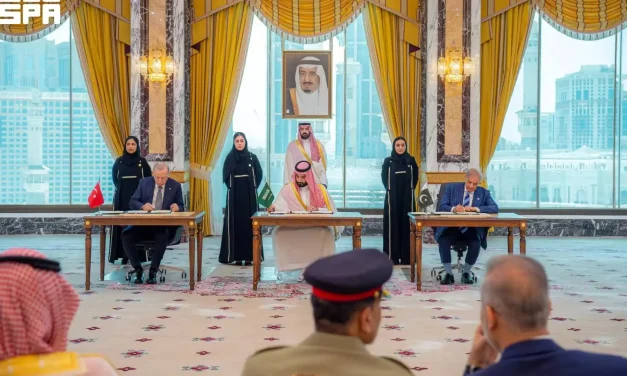
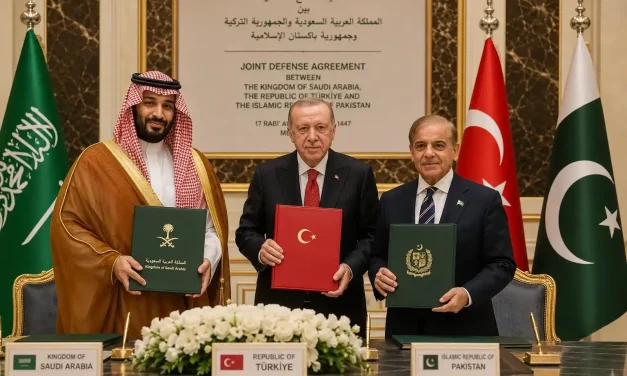
SCFR Online – Opinion: The Makkah Pact, signed between Saudi Arabia, Pakistan, and Turkey under the motto “an attack on one is an attack on all,” is viewed by some analysts less as a full-fledged military coalition and more as an attempt to reduce security dependence on an external power and to establish a regional security mechanism.

Implications of the US-Saudi Nuclear Agreement

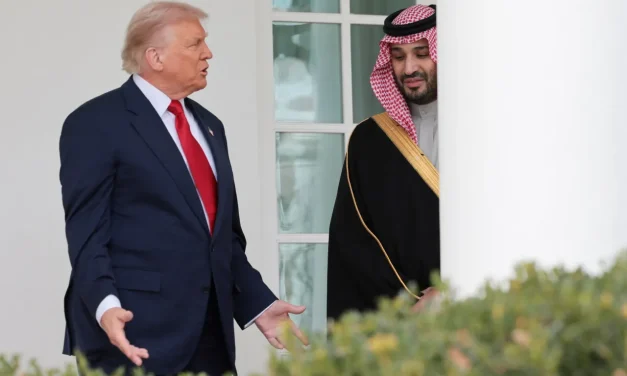
SCFR Online – Opinion: The new US-Saudi nuclear agreement, despite legal and political ambiguities, could alter previous non-proliferation standards in West Asia and intensify nuclear competition, ushering it into a new phase.

An Analysis of Recent Turkey-Israeli Regime Tensions

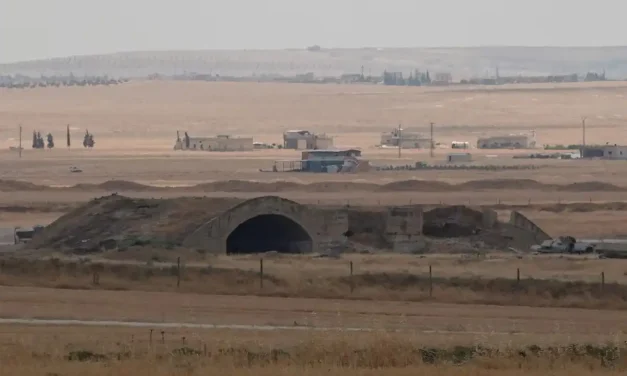
SCFR Online – Opinion: Recent developments in Syria indicate an intensification of strategic rivalry between Turkey and the Israeli regime, but mutual considerations and the role of the United States have limited the likelihood of direct war.

Increasing criticism of the extensive Zionist lobby network

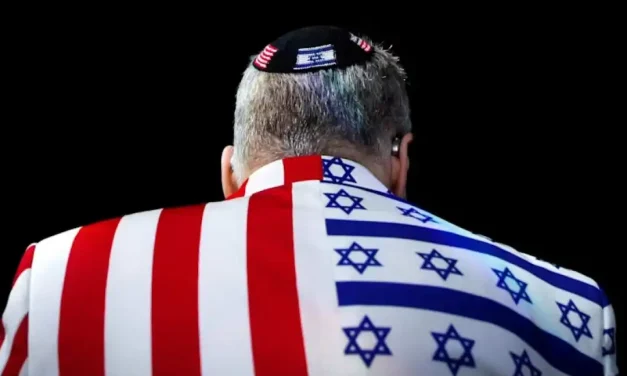
SCFR Online – Opinion: An examination of the mechanisms of the Israeli regime’s influence in the United States depicts a complex picture of shared interests, strategic dependencies, and the limitations of this relationship.

Realities of the Tripartite Makkah Pact

SCFR Online – Interview: The signing of the Makkah agreement between Saudi Arabia, Pakistan, and Turkey has raised questions about the future of the region’s security structure and the position of these countries in West Asian equations. Can this agreement become a genuine collective defense mechanism, or does it have more of a political and deterrent function than creating new military capacity?

Strategic Implications of the Reduction of US Weapons Stockpiles

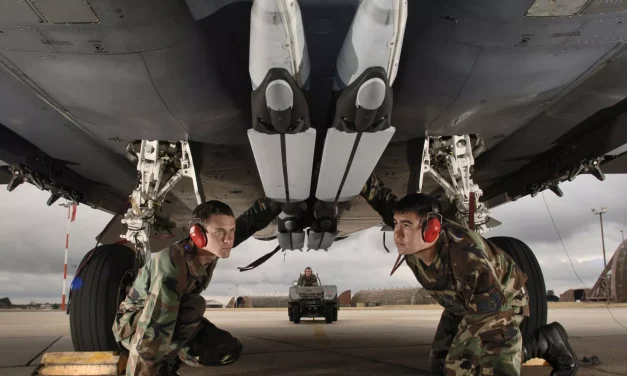
SCFR Online – Opinion: The continuation of the US war against Iran, in addition to increasing operational costs, has called into question the actual capacity of the American arsenal to simultaneously fulfill security commitments on multiple fronts; an issue that affects deterrence, defense production capacity, and Washington’s resource prioritization.

Loading

Strategic Perspective

Winners and Losers of Afghan Loya Jirga

Strategic Council Online: In a general assessment, it can be concluded that Mr. Ashraf Ghani played a successful game by holding the recent Loya Jirga (Grand Assembly) meeting.
Pir Mohammad Mollazehi – Subcontinent Affairs Expert

Riyadh, Abu Dhabi Strive to Keep Influence in Sudan

Strategic Council Online: The UAE and Saudi Arabia are sensitive to any changes or political and social instability in the Afro-Arab countries, and they are always seeking to maintain the status quo. But this time about Sudan, they certainly have not sufficed to a mere opposition to changes by learning a lesson from the 2011 uprisings. Instead, they are trying to orchestrate the power transition in a way that their own interests are preserved and safeguarded.
Kourosh Fakhr Tavoli – African Affairs Expert

China’s New Approach Towards JeM Terrorist Group

Strategic Council Online: The security of projects in the Belt & Road Initiative (BRI) in Central Asia and South Asia has pushed Chinese authorities to restrict the activities of terrorist groups in the peripheral region.
Assadollah Kaveh – East Asian Affairs Expert

Saudi-UAE Intervention in Sudan to Prevent Muslim Brotherhood from Taking Power

Strategic Council Online: What happened in Sudan, or the issue that led to a coup or quasi coup d’état in this country, go back to a number of factors and reasons such as the ineffectiveness of the political system of Omar al-Bashir government, as well as his actions over the past few years on foreign policy among others.
Ahmad Bakhshi – African Affairs Expert

Russia’s Approach Towards North Korea’s Nuclear Issue

Strategic Council Online: While the Americans want North Korea to stop all its activities at once, the Russians have proposed a step-by-step approach to solve the problem. According to the plan, in exchange for partial halting of North Korea’s activities, part of the sanctions would be lifted by the United States and the parties could gradually achieve a comprehensive solution.
Shoaib Bahman – International Affairs Expert

Objectives of US Withdrawal from Arms Trade Treaty

Objectives of US Withdrawal from Arms Trade Treaty

Strategic Council Online: America’s Trump is creating a revolution in the current order of the world, so that it can reconsolidate its dominant position in the international system by relying on strong support, regulating the domestic infrastructures, strengthening the national economy and reducing the costs, and preventing emergence of a challenging competitor like China.
Dr Saeed Shokouhi – American Affairs Expert

Libyan Crisis Scenarios

Strategic Council Online: The scenario of the West’s intervention and the presence of European armies in the Libyan soil are among the assumptions cited in some analyses because as pointed out by experts on North African affairs if Libya’s oil-rich resources fall into the hands of Muslim groups and popular organizations, European governments will inevitably begin to engage in direct military intervention in Libya; Of course, such an assumption seems highly unlikely considering the problems the West is now facing.
Jafar Ghanadbashi – North African Affairs Expert

In Case of Sarraj Defeat
Libyan Oil: Strong Support for Realization of ‘Deal of Century’

Strategic Council Online: Libyan oil and gas wells are an important factor for the West and certain Arab countries to advance the ‘Deal of the Century.’ Libya is a place for dispute between Islamists and their opponents, and foreign actors here play different roles. The adventures of General Haftar against the legitimate government under Fayez al Sarraj speak of a disturbing future for Libya.
Amir Mousavi -Former diplomat and expert on Arab countries of North Africa

New Chances in Ukraine Elections

Strategic Council Online: In the following analysis, the fate of the people of Ukraine, as a result of the wrong decisions of its politicians over the past two decades, and the country’s becoming a toy in the rivalry between international powers, Russia on the one hand and the US and EU on the other hand will be addressed.
Hassan Beheshtipour – Expert on Eurasian Affairs

North Africa: Internal Challenges and Foreign Actors

Strategic Council Online: What is happening today in major North African countries, including Sudan, Libya, and Algeria, is affected by a combination of internal factors and mechanisms as well as foreign interventions before being a proof of the “Arab Spring, the Second Wave.”
Kourosh Fakhr Tavoli – African Affairs Expert

أحدث الوظائف

The Makkah Pact; Reasons for its Formation and Challenges Ahead

SCFR Online – Opinion: The Makkah Pact, signed between Saudi Arabia, Pakistan, and Turkey under the motto “an attack on one is an attack on all,” is viewed by some analysts less as a full-fledged military coalition and more as an attempt to reduce security dependence on an external power and to establish a regional security mechanism.

Implications of the US-Saudi Nuclear Agreement

SCFR Online – Opinion: The new US-Saudi nuclear agreement, despite legal and political ambiguities, could alter previous non-proliferation standards in West Asia and intensify nuclear competition, ushering it into a new phase.

An Analysis of Recent Turkey-Israeli Regime Tensions

SCFR Online – Opinion: Recent developments in Syria indicate an intensification of strategic rivalry between Turkey and the Israeli regime, but mutual considerations and the role of the United States have limited the likelihood of direct war.

Increasing criticism of the extensive Zionist lobby network

SCFR Online – Opinion: An examination of the mechanisms of the Israeli regime’s influence in the United States depicts a complex picture of shared interests, strategic dependencies, and the limitations of this relationship.

Realities of the Tripartite Makkah Pact

SCFR Online – Interview: The signing of the Makkah agreement between Saudi Arabia, Pakistan, and Turkey has raised questions about the future of the region’s security structure and the position of these countries in West Asian equations. Can this agreement become a genuine collective defense mechanism, or does it have more of a political and deterrent function than creating new military capacity?

Strategic Implications of the Reduction of US Weapons Stockpiles

SCFR Online – Opinion: The continuation of the US war against Iran, in addition to increasing operational costs, has called into question the actual capacity of the American arsenal to simultaneously fulfill security commitments on multiple fronts; an issue that affects deterrence, defense production capacity, and Washington’s resource prioritization.

Loading

Strategic Perspective

Winners and Losers of Afghan Loya Jirga

Strategic Council Online: In a general assessment, it can be concluded that Mr. Ashraf Ghani played a successful game by holding the recent Loya Jirga (Grand Assembly) meeting.
Pir Mohammad Mollazehi – Subcontinent Affairs Expert

Riyadh, Abu Dhabi Strive to Keep Influence in Sudan

Strategic Council Online: The UAE and Saudi Arabia are sensitive to any changes or political and social instability in the Afro-Arab countries, and they are always seeking to maintain the status quo. But this time about Sudan, they certainly have not sufficed to a mere opposition to changes by learning a lesson from the 2011 uprisings. Instead, they are trying to orchestrate the power transition in a way that their own interests are preserved and safeguarded.
Kourosh Fakhr Tavoli – African Affairs Expert

China’s New Approach Towards JeM Terrorist Group

Strategic Council Online: The security of projects in the Belt & Road Initiative (BRI) in Central Asia and South Asia has pushed Chinese authorities to restrict the activities of terrorist groups in the peripheral region.
Assadollah Kaveh – East Asian Affairs Expert

Saudi-UAE Intervention in Sudan to Prevent Muslim Brotherhood from Taking Power

Strategic Council Online: What happened in Sudan, or the issue that led to a coup or quasi coup d’état in this country, go back to a number of factors and reasons such as the ineffectiveness of the political system of Omar al-Bashir government, as well as his actions over the past few years on foreign policy among others.
Ahmad Bakhshi – African Affairs Expert

Russia’s Approach Towards North Korea’s Nuclear Issue

Strategic Council Online: While the Americans want North Korea to stop all its activities at once, the Russians have proposed a step-by-step approach to solve the problem. According to the plan, in exchange for partial halting of North Korea’s activities, part of the sanctions would be lifted by the United States and the parties could gradually achieve a comprehensive solution.
Shoaib Bahman – International Affairs Expert

Objectives of US Withdrawal from Arms Trade Treaty

Objectives of US Withdrawal from Arms Trade Treaty

Strategic Council Online: America’s Trump is creating a revolution in the current order of the world, so that it can reconsolidate its dominant position in the international system by relying on strong support, regulating the domestic infrastructures, strengthening the national economy and reducing the costs, and preventing emergence of a challenging competitor like China.
Dr Saeed Shokouhi – American Affairs Expert

Libyan Crisis Scenarios

Strategic Council Online: The scenario of the West’s intervention and the presence of European armies in the Libyan soil are among the assumptions cited in some analyses because as pointed out by experts on North African affairs if Libya’s oil-rich resources fall into the hands of Muslim groups and popular organizations, European governments will inevitably begin to engage in direct military intervention in Libya; Of course, such an assumption seems highly unlikely considering the problems the West is now facing.
Jafar Ghanadbashi – North African Affairs Expert

In Case of Sarraj Defeat
Libyan Oil: Strong Support for Realization of ‘Deal of Century’

Strategic Council Online: Libyan oil and gas wells are an important factor for the West and certain Arab countries to advance the ‘Deal of the Century.’ Libya is a place for dispute between Islamists and their opponents, and foreign actors here play different roles. The adventures of General Haftar against the legitimate government under Fayez al Sarraj speak of a disturbing future for Libya.
Amir Mousavi -Former diplomat and expert on Arab countries of North Africa

New Chances in Ukraine Elections

Strategic Council Online: In the following analysis, the fate of the people of Ukraine, as a result of the wrong decisions of its politicians over the past two decades, and the country’s becoming a toy in the rivalry between international powers, Russia on the one hand and the US and EU on the other hand will be addressed.
Hassan Beheshtipour – Expert on Eurasian Affairs

North Africa: Internal Challenges and Foreign Actors

Strategic Council Online: What is happening today in major North African countries, including Sudan, Libya, and Algeria, is affected by a combination of internal factors and mechanisms as well as foreign interventions before being a proof of the “Arab Spring, the Second Wave.”
Kourosh Fakhr Tavoli – African Affairs Expert

Strategic Perspective

Winners and Losers of Afghan Loya Jirga

Strategic Council Online: In a general assessment, it can be concluded that Mr. Ashraf Ghani played a successful game by holding the recent Loya Jirga (Grand Assembly) meeting.
Pir Mohammad Mollazehi – Subcontinent Affairs Expert

Riyadh, Abu Dhabi Strive to Keep Influence in Sudan

Strategic Council Online: The UAE and Saudi Arabia are sensitive to any changes or political and social instability in the Afro-Arab countries, and they are always seeking to maintain the status quo. But this time about Sudan, they certainly have not sufficed to a mere opposition to changes by learning a lesson from the 2011 uprisings. Instead, they are trying to orchestrate the power transition in a way that their own interests are preserved and safeguarded.
Kourosh Fakhr Tavoli – African Affairs Expert

China’s New Approach Towards JeM Terrorist Group

Strategic Council Online: The security of projects in the Belt & Road Initiative (BRI) in Central Asia and South Asia has pushed Chinese authorities to restrict the activities of terrorist groups in the peripheral region.
Assadollah Kaveh – East Asian Affairs Expert

Saudi-UAE Intervention in Sudan to Prevent Muslim Brotherhood from Taking Power

Strategic Council Online: What happened in Sudan, or the issue that led to a coup or quasi coup d’état in this country, go back to a number of factors and reasons such as the ineffectiveness of the political system of Omar al-Bashir government, as well as his actions over the past few years on foreign policy among others.
Ahmad Bakhshi – African Affairs Expert

Russia’s Approach Towards North Korea’s Nuclear Issue

Strategic Council Online: While the Americans want North Korea to stop all its activities at once, the Russians have proposed a step-by-step approach to solve the problem. According to the plan, in exchange for partial halting of North Korea’s activities, part of the sanctions would be lifted by the United States and the parties could gradually achieve a comprehensive solution.
Shoaib Bahman – International Affairs Expert

Objectives of US Withdrawal from Arms Trade Treaty

Objectives of US Withdrawal from Arms Trade Treaty

Strategic Council Online: America’s Trump is creating a revolution in the current order of the world, so that it can reconsolidate its dominant position in the international system by relying on strong support, regulating the domestic infrastructures, strengthening the national economy and reducing the costs, and preventing emergence of a challenging competitor like China.
Dr Saeed Shokouhi – American Affairs Expert

Libyan Crisis Scenarios

Strategic Council Online: The scenario of the West’s intervention and the presence of European armies in the Libyan soil are among the assumptions cited in some analyses because as pointed out by experts on North African affairs if Libya’s oil-rich resources fall into the hands of Muslim groups and popular organizations, European governments will inevitably begin to engage in direct military intervention in Libya; Of course, such an assumption seems highly unlikely considering the problems the West is now facing.
Jafar Ghanadbashi – North African Affairs Expert

In Case of Sarraj Defeat
Libyan Oil: Strong Support for Realization of ‘Deal of Century’

Strategic Council Online: Libyan oil and gas wells are an important factor for the West and certain Arab countries to advance the ‘Deal of the Century.’ Libya is a place for dispute between Islamists and their opponents, and foreign actors here play different roles. The adventures of General Haftar against the legitimate government under Fayez al Sarraj speak of a disturbing future for Libya.
Amir Mousavi -Former diplomat and expert on Arab countries of North Africa

New Chances in Ukraine Elections

Strategic Council Online: In the following analysis, the fate of the people of Ukraine, as a result of the wrong decisions of its politicians over the past two decades, and the country’s becoming a toy in the rivalry between international powers, Russia on the one hand and the US and EU on the other hand will be addressed.
Hassan Beheshtipour – Expert on Eurasian Affairs

North Africa: Internal Challenges and Foreign Actors

Strategic Council Online: What is happening today in major North African countries, including Sudan, Libya, and Algeria, is affected by a combination of internal factors and mechanisms as well as foreign interventions before being a proof of the “Arab Spring, the Second Wave.”
Kourosh Fakhr Tavoli – African Affairs Expert

LATEST CONTENT

The Makkah Pact; Reasons for its Formation and Challenges Ahead

SCFR Online – Opinion: The Makkah Pact, signed between Saudi Arabia, Pakistan, and Turkey under the motto “an attack on one is an attack on all,” is viewed by some analysts less as a full-fledged military coalition and more as an attempt to reduce security dependence on an external power and to establish a regional security mechanism.

Implications of the US-Saudi Nuclear Agreement

SCFR Online – Opinion: The new US-Saudi nuclear agreement, despite legal and political ambiguities, could alter previous non-proliferation standards in West Asia and intensify nuclear competition, ushering it into a new phase.

An Analysis of Recent Turkey-Israeli Regime Tensions

SCFR Online – Opinion: Recent developments in Syria indicate an intensification of strategic rivalry between Turkey and the Israeli regime, but mutual considerations and the role of the United States have limited the likelihood of direct war.

Increasing criticism of the extensive Zionist lobby network

SCFR Online – Opinion: An examination of the mechanisms of the Israeli regime’s influence in the United States depicts a complex picture of shared interests, strategic dependencies, and the limitations of this relationship.

Realities of the Tripartite Makkah Pact

SCFR Online – Interview: The signing of the Makkah agreement between Saudi Arabia, Pakistan, and Turkey has raised questions about the future of the region’s security structure and the position of these countries in West Asian equations. Can this agreement become a genuine collective defense mechanism, or does it have more of a political and deterrent function than creating new military capacity?

Strategic Implications of the Reduction of US Weapons Stockpiles

SCFR Online – Opinion: The continuation of the US war against Iran, in addition to increasing operational costs, has called into question the actual capacity of the American arsenal to simultaneously fulfill security commitments on multiple fronts; an issue that affects deterrence, defense production capacity, and Washington’s resource prioritization.

Loading

Strategic Perspective

Winners and Losers of Afghan Loya Jirga

Strategic Council Online: In a general assessment, it can be concluded that Mr. Ashraf Ghani played a successful game by holding the recent Loya Jirga (Grand Assembly) meeting.
Pir Mohammad Mollazehi – Subcontinent Affairs Expert

Riyadh, Abu Dhabi Strive to Keep Influence in Sudan

Strategic Council Online: The UAE and Saudi Arabia are sensitive to any changes or political and social instability in the Afro-Arab countries, and they are always seeking to maintain the status quo. But this time about Sudan, they certainly have not sufficed to a mere opposition to changes by learning a lesson from the 2011 uprisings. Instead, they are trying to orchestrate the power transition in a way that their own interests are preserved and safeguarded.
Kourosh Fakhr Tavoli – African Affairs Expert

China’s New Approach Towards JeM Terrorist Group

Strategic Council Online: The security of projects in the Belt & Road Initiative (BRI) in Central Asia and South Asia has pushed Chinese authorities to restrict the activities of terrorist groups in the peripheral region.
Assadollah Kaveh – East Asian Affairs Expert

Saudi-UAE Intervention in Sudan to Prevent Muslim Brotherhood from Taking Power

Strategic Council Online: What happened in Sudan, or the issue that led to a coup or quasi coup d’état in this country, go back to a number of factors and reasons such as the ineffectiveness of the political system of Omar al-Bashir government, as well as his actions over the past few years on foreign policy among others.
Ahmad Bakhshi – African Affairs Expert

Russia’s Approach Towards North Korea’s Nuclear Issue

Strategic Council Online: While the Americans want North Korea to stop all its activities at once, the Russians have proposed a step-by-step approach to solve the problem. According to the plan, in exchange for partial halting of North Korea’s activities, part of the sanctions would be lifted by the United States and the parties could gradually achieve a comprehensive solution.
Shoaib Bahman – International Affairs Expert

Objectives of US Withdrawal from Arms Trade Treaty

Objectives of US Withdrawal from Arms Trade Treaty

Strategic Council Online: America’s Trump is creating a revolution in the current order of the world, so that it can reconsolidate its dominant position in the international system by relying on strong support, regulating the domestic infrastructures, strengthening the national economy and reducing the costs, and preventing emergence of a challenging competitor like China.
Dr Saeed Shokouhi – American Affairs Expert

Libyan Crisis Scenarios

Strategic Council Online: The scenario of the West’s intervention and the presence of European armies in the Libyan soil are among the assumptions cited in some analyses because as pointed out by experts on North African affairs if Libya’s oil-rich resources fall into the hands of Muslim groups and popular organizations, European governments will inevitably begin to engage in direct military intervention in Libya; Of course, such an assumption seems highly unlikely considering the problems the West is now facing.
Jafar Ghanadbashi – North African Affairs Expert

In Case of Sarraj Defeat
Libyan Oil: Strong Support for Realization of ‘Deal of Century’

Strategic Council Online: Libyan oil and gas wells are an important factor for the West and certain Arab countries to advance the ‘Deal of the Century.’ Libya is a place for dispute between Islamists and their opponents, and foreign actors here play different roles. The adventures of General Haftar against the legitimate government under Fayez al Sarraj speak of a disturbing future for Libya.
Amir Mousavi -Former diplomat and expert on Arab countries of North Africa

New Chances in Ukraine Elections

Strategic Council Online: In the following analysis, the fate of the people of Ukraine, as a result of the wrong decisions of its politicians over the past two decades, and the country’s becoming a toy in the rivalry between international powers, Russia on the one hand and the US and EU on the other hand will be addressed.
Hassan Beheshtipour – Expert on Eurasian Affairs

North Africa: Internal Challenges and Foreign Actors

Strategic Council Online: What is happening today in major North African countries, including Sudan, Libya, and Algeria, is affected by a combination of internal factors and mechanisms as well as foreign interventions before being a proof of the “Arab Spring, the Second Wave.”
Kourosh Fakhr Tavoli – African Affairs Expert

ÚLTIMAS PUBLICACIONES

The Makkah Pact; Reasons for its Formation and Challenges Ahead

SCFR Online – Opinion: The Makkah Pact, signed between Saudi Arabia, Pakistan, and Turkey under the motto “an attack on one is an attack on all,” is viewed by some analysts less as a full-fledged military coalition and more as an attempt to reduce security dependence on an external power and to establish a regional security mechanism.

Implications of the US-Saudi Nuclear Agreement

SCFR Online – Opinion: The new US-Saudi nuclear agreement, despite legal and political ambiguities, could alter previous non-proliferation standards in West Asia and intensify nuclear competition, ushering it into a new phase.

An Analysis of Recent Turkey-Israeli Regime Tensions

SCFR Online – Opinion: Recent developments in Syria indicate an intensification of strategic rivalry between Turkey and the Israeli regime, but mutual considerations and the role of the United States have limited the likelihood of direct war.

Increasing criticism of the extensive Zionist lobby network

SCFR Online – Opinion: An examination of the mechanisms of the Israeli regime’s influence in the United States depicts a complex picture of shared interests, strategic dependencies, and the limitations of this relationship.

Realities of the Tripartite Makkah Pact

SCFR Online – Interview: The signing of the Makkah agreement between Saudi Arabia, Pakistan, and Turkey has raised questions about the future of the region’s security structure and the position of these countries in West Asian equations. Can this agreement become a genuine collective defense mechanism, or does it have more of a political and deterrent function than creating new military capacity?

Strategic Implications of the Reduction of US Weapons Stockpiles

SCFR Online – Opinion: The continuation of the US war against Iran, in addition to increasing operational costs, has called into question the actual capacity of the American arsenal to simultaneously fulfill security commitments on multiple fronts; an issue that affects deterrence, defense production capacity, and Washington’s resource prioritization.

Loading

Strategic Perspective

Winners and Losers of Afghan Loya Jirga

Strategic Council Online: In a general assessment, it can be concluded that Mr. Ashraf Ghani played a successful game by holding the recent Loya Jirga (Grand Assembly) meeting.
Pir Mohammad Mollazehi – Subcontinent Affairs Expert

Riyadh, Abu Dhabi Strive to Keep Influence in Sudan

Strategic Council Online: The UAE and Saudi Arabia are sensitive to any changes or political and social instability in the Afro-Arab countries, and they are always seeking to maintain the status quo. But this time about Sudan, they certainly have not sufficed to a mere opposition to changes by learning a lesson from the 2011 uprisings. Instead, they are trying to orchestrate the power transition in a way that their own interests are preserved and safeguarded.
Kourosh Fakhr Tavoli – African Affairs Expert

China’s New Approach Towards JeM Terrorist Group

Strategic Council Online: The security of projects in the Belt & Road Initiative (BRI) in Central Asia and South Asia has pushed Chinese authorities to restrict the activities of terrorist groups in the peripheral region.
Assadollah Kaveh – East Asian Affairs Expert

Saudi-UAE Intervention in Sudan to Prevent Muslim Brotherhood from Taking Power

Strategic Council Online: What happened in Sudan, or the issue that led to a coup or quasi coup d’état in this country, go back to a number of factors and reasons such as the ineffectiveness of the political system of Omar al-Bashir government, as well as his actions over the past few years on foreign policy among others.
Ahmad Bakhshi – African Affairs Expert

Russia’s Approach Towards North Korea’s Nuclear Issue

Strategic Council Online: While the Americans want North Korea to stop all its activities at once, the Russians have proposed a step-by-step approach to solve the problem. According to the plan, in exchange for partial halting of North Korea’s activities, part of the sanctions would be lifted by the United States and the parties could gradually achieve a comprehensive solution.
Shoaib Bahman – International Affairs Expert

Objectives of US Withdrawal from Arms Trade Treaty

Objectives of US Withdrawal from Arms Trade Treaty

Strategic Council Online: America’s Trump is creating a revolution in the current order of the world, so that it can reconsolidate its dominant position in the international system by relying on strong support, regulating the domestic infrastructures, strengthening the national economy and reducing the costs, and preventing emergence of a challenging competitor like China.
Dr Saeed Shokouhi – American Affairs Expert

Libyan Crisis Scenarios

Strategic Council Online: The scenario of the West’s intervention and the presence of European armies in the Libyan soil are among the assumptions cited in some analyses because as pointed out by experts on North African affairs if Libya’s oil-rich resources fall into the hands of Muslim groups and popular organizations, European governments will inevitably begin to engage in direct military intervention in Libya; Of course, such an assumption seems highly unlikely considering the problems the West is now facing.
Jafar Ghanadbashi – North African Affairs Expert

In Case of Sarraj Defeat
Libyan Oil: Strong Support for Realization of ‘Deal of Century’

Strategic Council Online: Libyan oil and gas wells are an important factor for the West and certain Arab countries to advance the ‘Deal of the Century.’ Libya is a place for dispute between Islamists and their opponents, and foreign actors here play different roles. The adventures of General Haftar against the legitimate government under Fayez al Sarraj speak of a disturbing future for Libya.
Amir Mousavi -Former diplomat and expert on Arab countries of North Africa

New Chances in Ukraine Elections

Strategic Council Online: In the following analysis, the fate of the people of Ukraine, as a result of the wrong decisions of its politicians over the past two decades, and the country’s becoming a toy in the rivalry between international powers, Russia on the one hand and the US and EU on the other hand will be addressed.
Hassan Beheshtipour – Expert on Eurasian Affairs

North Africa: Internal Challenges and Foreign Actors

Strategic Council Online: What is happening today in major North African countries, including Sudan, Libya, and Algeria, is affected by a combination of internal factors and mechanisms as well as foreign interventions before being a proof of the “Arab Spring, the Second Wave.”
Kourosh Fakhr Tavoli – African Affairs Expert

ÚLTIMAS PUBLICACIONES

The Makkah Pact; Reasons for its Formation and Challenges Ahead

SCFR Online – Opinion: The Makkah Pact, signed between Saudi Arabia, Pakistan, and Turkey under the motto “an attack on one is an attack on all,” is viewed by some analysts less as a full-fledged military coalition and more as an attempt to reduce security dependence on an external power and to establish a regional security mechanism.

Implications of the US-Saudi Nuclear Agreement

SCFR Online – Opinion: The new US-Saudi nuclear agreement, despite legal and political ambiguities, could alter previous non-proliferation standards in West Asia and intensify nuclear competition, ushering it into a new phase.

An Analysis of Recent Turkey-Israeli Regime Tensions

SCFR Online – Opinion: Recent developments in Syria indicate an intensification of strategic rivalry between Turkey and the Israeli regime, but mutual considerations and the role of the United States have limited the likelihood of direct war.

Increasing criticism of the extensive Zionist lobby network

SCFR Online – Opinion: An examination of the mechanisms of the Israeli regime’s influence in the United States depicts a complex picture of shared interests, strategic dependencies, and the limitations of this relationship.

Realities of the Tripartite Makkah Pact

SCFR Online – Interview: The signing of the Makkah agreement between Saudi Arabia, Pakistan, and Turkey has raised questions about the future of the region’s security structure and the position of these countries in West Asian equations. Can this agreement become a genuine collective defense mechanism, or does it have more of a political and deterrent function than creating new military capacity?

Strategic Implications of the Reduction of US Weapons Stockpiles

SCFR Online – Opinion: The continuation of the US war against Iran, in addition to increasing operational costs, has called into question the actual capacity of the American arsenal to simultaneously fulfill security commitments on multiple fronts; an issue that affects deterrence, defense production capacity, and Washington’s resource prioritization.

Loading

Strategic Perspective

Winners and Losers of Afghan Loya Jirga

Strategic Council Online: In a general assessment, it can be concluded that Mr. Ashraf Ghani played a successful game by holding the recent Loya Jirga (Grand Assembly) meeting.
Pir Mohammad Mollazehi – Subcontinent Affairs Expert

Riyadh, Abu Dhabi Strive to Keep Influence in Sudan

Strategic Council Online: The UAE and Saudi Arabia are sensitive to any changes or political and social instability in the Afro-Arab countries, and they are always seeking to maintain the status quo. But this time about Sudan, they certainly have not sufficed to a mere opposition to changes by learning a lesson from the 2011 uprisings. Instead, they are trying to orchestrate the power transition in a way that their own interests are preserved and safeguarded.
Kourosh Fakhr Tavoli – African Affairs Expert

China’s New Approach Towards JeM Terrorist Group

Strategic Council Online: The security of projects in the Belt & Road Initiative (BRI) in Central Asia and South Asia has pushed Chinese authorities to restrict the activities of terrorist groups in the peripheral region.
Assadollah Kaveh – East Asian Affairs Expert

Saudi-UAE Intervention in Sudan to Prevent Muslim Brotherhood from Taking Power

Strategic Council Online: What happened in Sudan, or the issue that led to a coup or quasi coup d’état in this country, go back to a number of factors and reasons such as the ineffectiveness of the political system of Omar al-Bashir government, as well as his actions over the past few years on foreign policy among others.
Ahmad Bakhshi – African Affairs Expert

Russia’s Approach Towards North Korea’s Nuclear Issue

Strategic Council Online: While the Americans want North Korea to stop all its activities at once, the Russians have proposed a step-by-step approach to solve the problem. According to the plan, in exchange for partial halting of North Korea’s activities, part of the sanctions would be lifted by the United States and the parties could gradually achieve a comprehensive solution.
Shoaib Bahman – International Affairs Expert

Objectives of US Withdrawal from Arms Trade Treaty

Objectives of US Withdrawal from Arms Trade Treaty

Strategic Council Online: America’s Trump is creating a revolution in the current order of the world, so that it can reconsolidate its dominant position in the international system by relying on strong support, regulating the domestic infrastructures, strengthening the national economy and reducing the costs, and preventing emergence of a challenging competitor like China.
Dr Saeed Shokouhi – American Affairs Expert

Libyan Crisis Scenarios

Strategic Council Online: The scenario of the West’s intervention and the presence of European armies in the Libyan soil are among the assumptions cited in some analyses because as pointed out by experts on North African affairs if Libya’s oil-rich resources fall into the hands of Muslim groups and popular organizations, European governments will inevitably begin to engage in direct military intervention in Libya; Of course, such an assumption seems highly unlikely considering the problems the West is now facing.
Jafar Ghanadbashi – North African Affairs Expert

In Case of Sarraj Defeat
Libyan Oil: Strong Support for Realization of ‘Deal of Century’

Strategic Council Online: Libyan oil and gas wells are an important factor for the West and certain Arab countries to advance the ‘Deal of the Century.’ Libya is a place for dispute between Islamists and their opponents, and foreign actors here play different roles. The adventures of General Haftar against the legitimate government under Fayez al Sarraj speak of a disturbing future for Libya.
Amir Mousavi -Former diplomat and expert on Arab countries of North Africa

New Chances in Ukraine Elections

Strategic Council Online: In the following analysis, the fate of the people of Ukraine, as a result of the wrong decisions of its politicians over the past two decades, and the country’s becoming a toy in the rivalry between international powers, Russia on the one hand and the US and EU on the other hand will be addressed.
Hassan Beheshtipour – Expert on Eurasian Affairs

North Africa: Internal Challenges and Foreign Actors

Strategic Council Online: What is happening today in major North African countries, including Sudan, Libya, and Algeria, is affected by a combination of internal factors and mechanisms as well as foreign interventions before being a proof of the “Arab Spring, the Second Wave.”
Kourosh Fakhr Tavoli – African Affairs Expert

ÚLTIMAS PUBLICACIONES

The Makkah Pact; Reasons for its Formation and Challenges Ahead

SCFR Online – Opinion: The Makkah Pact, signed between Saudi Arabia, Pakistan, and Turkey under the motto “an attack on one is an attack on all,” is viewed by some analysts less as a full-fledged military coalition and more as an attempt to reduce security dependence on an external power and to establish a regional security mechanism.

Implications of the US-Saudi Nuclear Agreement

SCFR Online – Opinion: The new US-Saudi nuclear agreement, despite legal and political ambiguities, could alter previous non-proliferation standards in West Asia and intensify nuclear competition, ushering it into a new phase.

An Analysis of Recent Turkey-Israeli Regime Tensions

SCFR Online – Opinion: Recent developments in Syria indicate an intensification of strategic rivalry between Turkey and the Israeli regime, but mutual considerations and the role of the United States have limited the likelihood of direct war.

Increasing criticism of the extensive Zionist lobby network

SCFR Online – Opinion: An examination of the mechanisms of the Israeli regime’s influence in the United States depicts a complex picture of shared interests, strategic dependencies, and the limitations of this relationship.

Realities of the Tripartite Makkah Pact

SCFR Online – Interview: The signing of the Makkah agreement between Saudi Arabia, Pakistan, and Turkey has raised questions about the future of the region’s security structure and the position of these countries in West Asian equations. Can this agreement become a genuine collective defense mechanism, or does it have more of a political and deterrent function than creating new military capacity?

Strategic Implications of the Reduction of US Weapons Stockpiles

SCFR Online – Opinion: The continuation of the US war against Iran, in addition to increasing operational costs, has called into question the actual capacity of the American arsenal to simultaneously fulfill security commitments on multiple fronts; an issue that affects deterrence, defense production capacity, and Washington’s resource prioritization.

Loading

Strategic Perspective

Winners and Losers of Afghan Loya Jirga

Strategic Council Online: In a general assessment, it can be concluded that Mr. Ashraf Ghani played a successful game by holding the recent Loya Jirga (Grand Assembly) meeting.
Pir Mohammad Mollazehi – Subcontinent Affairs Expert

Riyadh, Abu Dhabi Strive to Keep Influence in Sudan

Strategic Council Online: The UAE and Saudi Arabia are sensitive to any changes or political and social instability in the Afro-Arab countries, and they are always seeking to maintain the status quo. But this time about Sudan, they certainly have not sufficed to a mere opposition to changes by learning a lesson from the 2011 uprisings. Instead, they are trying to orchestrate the power transition in a way that their own interests are preserved and safeguarded.
Kourosh Fakhr Tavoli – African Affairs Expert

China’s New Approach Towards JeM Terrorist Group

Strategic Council Online: The security of projects in the Belt & Road Initiative (BRI) in Central Asia and South Asia has pushed Chinese authorities to restrict the activities of terrorist groups in the peripheral region.
Assadollah Kaveh – East Asian Affairs Expert

Saudi-UAE Intervention in Sudan to Prevent Muslim Brotherhood from Taking Power

Strategic Council Online: What happened in Sudan, or the issue that led to a coup or quasi coup d’état in this country, go back to a number of factors and reasons such as the ineffectiveness of the political system of Omar al-Bashir government, as well as his actions over the past few years on foreign policy among others.
Ahmad Bakhshi – African Affairs Expert

Russia’s Approach Towards North Korea’s Nuclear Issue

Strategic Council Online: While the Americans want North Korea to stop all its activities at once, the Russians have proposed a step-by-step approach to solve the problem. According to the plan, in exchange for partial halting of North Korea’s activities, part of the sanctions would be lifted by the United States and the parties could gradually achieve a comprehensive solution.
Shoaib Bahman – International Affairs Expert

Objectives of US Withdrawal from Arms Trade Treaty

Objectives of US Withdrawal from Arms Trade Treaty

Strategic Council Online: America’s Trump is creating a revolution in the current order of the world, so that it can reconsolidate its dominant position in the international system by relying on strong support, regulating the domestic infrastructures, strengthening the national economy and reducing the costs, and preventing emergence of a challenging competitor like China.
Dr Saeed Shokouhi – American Affairs Expert

Libyan Crisis Scenarios

Strategic Council Online: The scenario of the West’s intervention and the presence of European armies in the Libyan soil are among the assumptions cited in some analyses because as pointed out by experts on North African affairs if Libya’s oil-rich resources fall into the hands of Muslim groups and popular organizations, European governments will inevitably begin to engage in direct military intervention in Libya; Of course, such an assumption seems highly unlikely considering the problems the West is now facing.
Jafar Ghanadbashi – North African Affairs Expert

In Case of Sarraj Defeat
Libyan Oil: Strong Support for Realization of ‘Deal of Century’

Strategic Council Online: Libyan oil and gas wells are an important factor for the West and certain Arab countries to advance the ‘Deal of the Century.’ Libya is a place for dispute between Islamists and their opponents, and foreign actors here play different roles. The adventures of General Haftar against the legitimate government under Fayez al Sarraj speak of a disturbing future for Libya.
Amir Mousavi -Former diplomat and expert on Arab countries of North Africa

New Chances in Ukraine Elections

Strategic Council Online: In the following analysis, the fate of the people of Ukraine, as a result of the wrong decisions of its politicians over the past two decades, and the country’s becoming a toy in the rivalry between international powers, Russia on the one hand and the US and EU on the other hand will be addressed.
Hassan Beheshtipour – Expert on Eurasian Affairs

North Africa: Internal Challenges and Foreign Actors

Strategic Council Online: What is happening today in major North African countries, including Sudan, Libya, and Algeria, is affected by a combination of internal factors and mechanisms as well as foreign interventions before being a proof of the “Arab Spring, the Second Wave.”
Kourosh Fakhr Tavoli – African Affairs Expert

ÚLTIMAS PUBLICACIONES

The Makkah Pact; Reasons for its Formation and Challenges Ahead

SCFR Online – Opinion: The Makkah Pact, signed between Saudi Arabia, Pakistan, and Turkey under the motto “an attack on one is an attack on all,” is viewed by some analysts less as a full-fledged military coalition and more as an attempt to reduce security dependence on an external power and to establish a regional security mechanism.

Implications of the US-Saudi Nuclear Agreement

SCFR Online – Opinion: The new US-Saudi nuclear agreement, despite legal and political ambiguities, could alter previous non-proliferation standards in West Asia and intensify nuclear competition, ushering it into a new phase.

An Analysis of Recent Turkey-Israeli Regime Tensions

SCFR Online – Opinion: Recent developments in Syria indicate an intensification of strategic rivalry between Turkey and the Israeli regime, but mutual considerations and the role of the United States have limited the likelihood of direct war.

Increasing criticism of the extensive Zionist lobby network

SCFR Online – Opinion: An examination of the mechanisms of the Israeli regime’s influence in the United States depicts a complex picture of shared interests, strategic dependencies, and the limitations of this relationship.

Realities of the Tripartite Makkah Pact

SCFR Online – Interview: The signing of the Makkah agreement between Saudi Arabia, Pakistan, and Turkey has raised questions about the future of the region’s security structure and the position of these countries in West Asian equations. Can this agreement become a genuine collective defense mechanism, or does it have more of a political and deterrent function than creating new military capacity?

Strategic Implications of the Reduction of US Weapons Stockpiles

SCFR Online – Opinion: The continuation of the US war against Iran, in addition to increasing operational costs, has called into question the actual capacity of the American arsenal to simultaneously fulfill security commitments on multiple fronts; an issue that affects deterrence, defense production capacity, and Washington’s resource prioritization.

Loading