جدیدترین مطالب

The Makkah Pact; Reasons for its Formation and Challenges Ahead

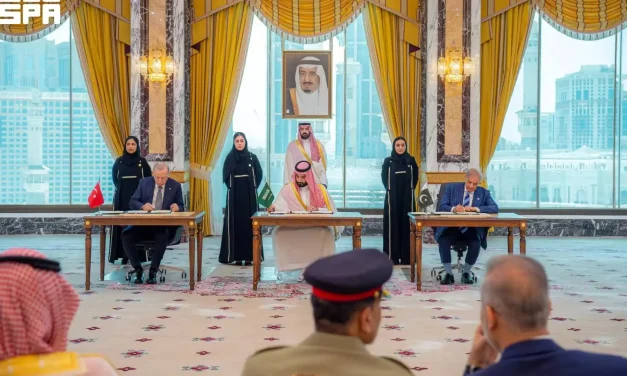
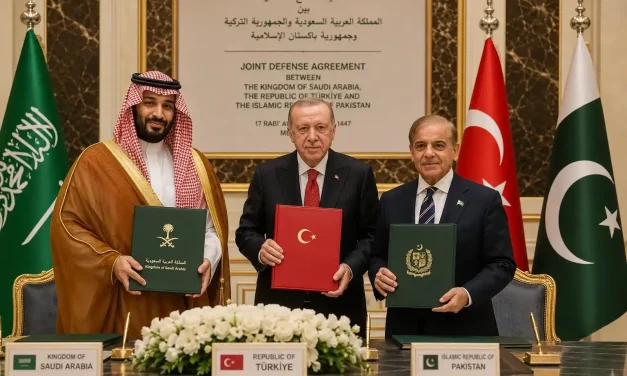
SCFR Online – Opinion: The Makkah Pact, signed between Saudi Arabia, Pakistan, and Turkey under the motto “an attack on one is an attack on all,” is viewed by some analysts less as a full-fledged military coalition and more as an attempt to reduce security dependence on an external power and to establish a regional security mechanism.

Implications of the US-Saudi Nuclear Agreement

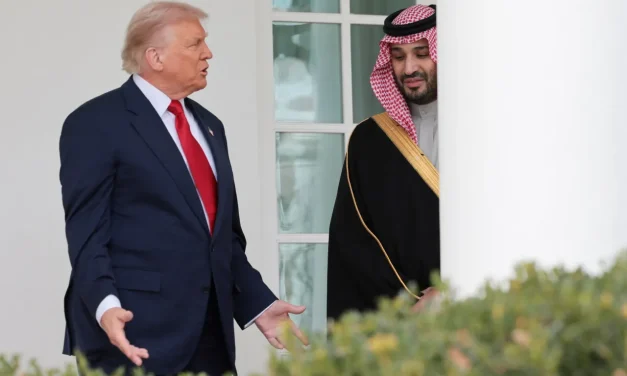
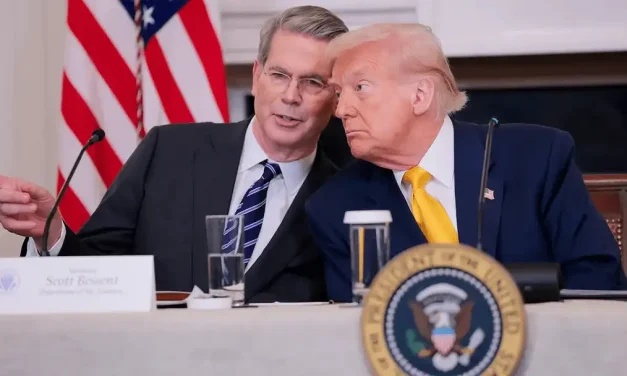
SCFR Online – Opinion: The new US-Saudi nuclear agreement, despite legal and political ambiguities, could alter previous non-proliferation standards in West Asia and intensify nuclear competition, ushering it into a new phase.

An Analysis of Recent Turkey-Israeli Regime Tensions

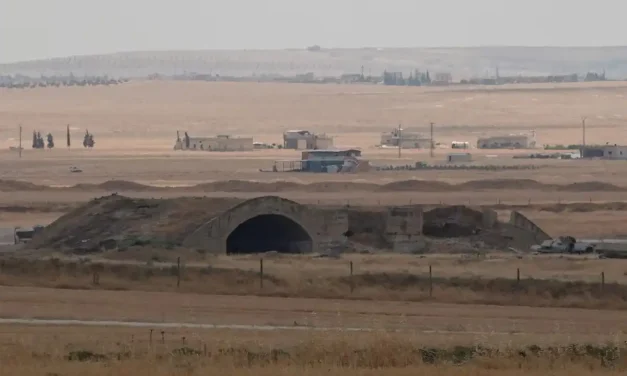
SCFR Online – Opinion: Recent developments in Syria indicate an intensification of strategic rivalry between Turkey and the Israeli regime, but mutual considerations and the role of the United States have limited the likelihood of direct war.

Increasing criticism of the extensive Zionist lobby network

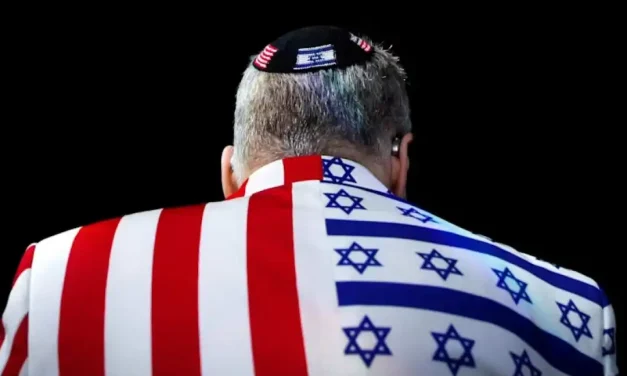
SCFR Online – Opinion: An examination of the mechanisms of the Israeli regime’s influence in the United States depicts a complex picture of shared interests, strategic dependencies, and the limitations of this relationship.

Realities of the Tripartite Makkah Pact

SCFR Online – Interview: The signing of the Makkah agreement between Saudi Arabia, Pakistan, and Turkey has raised questions about the future of the region’s security structure and the position of these countries in West Asian equations. Can this agreement become a genuine collective defense mechanism, or does it have more of a political and deterrent function than creating new military capacity?

Loading

Strategic Perspective

Implications of US-Russia Missile Encounter for Europe

Strategic Council Online: The main losers of a US pullout from the Intermediate-Range Nuclear Forces (INF) treaty are the European countries. The reason is that the treaty had banned deployment of short-range and medium-range missiles in Europe but new circumstances could emerge after US withdrawal.
Shoaib Bahman, Expert on Russian Affairs

Warsaw Confab: A Reflection of US Foreign Policy Failure

Strategic Council Online: After the announcement of a sudden decision by the US President Donald Trump on the immediate withdrawal of US troops from Syria, a shock wave was felt in the United States and the Middle East including Washington’s allies from Saudi Arabia and the United Arab Emirates to Israel. The announcement sparked the concern that the United States might reduce its role in West Asia and that withdrawal from Syria was a prelude to pullout from the Middle East region.
Amir Ali Abolfatah – American Affairs expert

Intra-Afghan Conference in Moscow: Dimensions and Outcomes

Strategic Council Online: In the context of the Moscow Conference, it seems that a declaration that could be endorsed by all sides is very important because it shows that the Taliban are prepared to sit at the negotiation table and, in the meantime accept the distribution of power and stop monopolism.
Pir Mohammad Mollazehi – Expert on the Subcontinent Affairs

INSTEX and Its Effectiveness!

Strategic Council Online: INSTEX is a kind of cooperation between Iran and Europe in the face of US unilateral approach in the case of the Joint Comprehensive Plan of Action (JCPOA). Its important impacts go back to the sustainability of cooperation too.
Reza Majidzadeh – International Affairs expert

Iran’s 40 Years of Strife

Madrid – The 40th anniversary of the Iranian Revolution could have offered the West an opportunity to reflect on the failure of four decades of disengagement to bring the Islamic Republic any closer to collapse, or the region any closer to peace. Instead, the Trump administration has doubled down on hostility, with nothing to show for it.
Javier Solana – President of the ESADE Center for Global Economy and Geopolitics

India-Iran relationships: The multiple layers

Strategic Council Online: In recent years, one of the very interesting bilateral relationships has been the one between New Delhi and Tehran. While New Delhi has significantly strengthened its strategic ties with the US, it has ensured that economic links with Tehran do not suffer. India has had to do a balancing act not only between US-Iran but also Saudi Arabia-Iran and Israel-Iran. Apart from the US, both Saudi and Israel were uncomfortable with the New Delhi-Tehran relationship, New Delhi has persisted.
Tridivesh Singh Maini – New Delhi based Policy Analyst

Adana Agreement: A Prospect to Settle the Syrian Crisis

Strategic Council Online: The recent agreement between Turkey and Russia with an aim to improve the situation in Syria could help conceive an Iranian-Turkish-Russian triangle to solve the Syrian crisis.
Hassan Hanizadeh – Middle East expert

Perspective of US Role Playing in Syria

Strategic Council Online: In commentaries, Americans seem to have finally accepted that the political establishment in Syria under the leadership of Bashar Assad cannot be changed; also the possibility of toppling Assad’s government and the US desired changes in Syria will not be realized; therefore, Europe and the United States will gradually but informally proceed towards recognizing the status quo.
Amir Ali AbolFatah, American Affairs expert

أحدث الوظائف

The Makkah Pact; Reasons for its Formation and Challenges Ahead

SCFR Online – Opinion: The Makkah Pact, signed between Saudi Arabia, Pakistan, and Turkey under the motto “an attack on one is an attack on all,” is viewed by some analysts less as a full-fledged military coalition and more as an attempt to reduce security dependence on an external power and to establish a regional security mechanism.

Implications of the US-Saudi Nuclear Agreement

SCFR Online – Opinion: The new US-Saudi nuclear agreement, despite legal and political ambiguities, could alter previous non-proliferation standards in West Asia and intensify nuclear competition, ushering it into a new phase.

An Analysis of Recent Turkey-Israeli Regime Tensions

SCFR Online – Opinion: Recent developments in Syria indicate an intensification of strategic rivalry between Turkey and the Israeli regime, but mutual considerations and the role of the United States have limited the likelihood of direct war.

Increasing criticism of the extensive Zionist lobby network

SCFR Online – Opinion: An examination of the mechanisms of the Israeli regime’s influence in the United States depicts a complex picture of shared interests, strategic dependencies, and the limitations of this relationship.

Realities of the Tripartite Makkah Pact

SCFR Online – Interview: The signing of the Makkah agreement between Saudi Arabia, Pakistan, and Turkey has raised questions about the future of the region’s security structure and the position of these countries in West Asian equations. Can this agreement become a genuine collective defense mechanism, or does it have more of a political and deterrent function than creating new military capacity?

Loading

Strategic Perspective

Implications of US-Russia Missile Encounter for Europe

Strategic Council Online: The main losers of a US pullout from the Intermediate-Range Nuclear Forces (INF) treaty are the European countries. The reason is that the treaty had banned deployment of short-range and medium-range missiles in Europe but new circumstances could emerge after US withdrawal.
Shoaib Bahman, Expert on Russian Affairs

Warsaw Confab: A Reflection of US Foreign Policy Failure

Strategic Council Online: After the announcement of a sudden decision by the US President Donald Trump on the immediate withdrawal of US troops from Syria, a shock wave was felt in the United States and the Middle East including Washington’s allies from Saudi Arabia and the United Arab Emirates to Israel. The announcement sparked the concern that the United States might reduce its role in West Asia and that withdrawal from Syria was a prelude to pullout from the Middle East region.
Amir Ali Abolfatah – American Affairs expert

Intra-Afghan Conference in Moscow: Dimensions and Outcomes

Strategic Council Online: In the context of the Moscow Conference, it seems that a declaration that could be endorsed by all sides is very important because it shows that the Taliban are prepared to sit at the negotiation table and, in the meantime accept the distribution of power and stop monopolism.
Pir Mohammad Mollazehi – Expert on the Subcontinent Affairs

INSTEX and Its Effectiveness!

Strategic Council Online: INSTEX is a kind of cooperation between Iran and Europe in the face of US unilateral approach in the case of the Joint Comprehensive Plan of Action (JCPOA). Its important impacts go back to the sustainability of cooperation too.
Reza Majidzadeh – International Affairs expert

Iran’s 40 Years of Strife

Madrid – The 40th anniversary of the Iranian Revolution could have offered the West an opportunity to reflect on the failure of four decades of disengagement to bring the Islamic Republic any closer to collapse, or the region any closer to peace. Instead, the Trump administration has doubled down on hostility, with nothing to show for it.
Javier Solana – President of the ESADE Center for Global Economy and Geopolitics

India-Iran relationships: The multiple layers

Strategic Council Online: In recent years, one of the very interesting bilateral relationships has been the one between New Delhi and Tehran. While New Delhi has significantly strengthened its strategic ties with the US, it has ensured that economic links with Tehran do not suffer. India has had to do a balancing act not only between US-Iran but also Saudi Arabia-Iran and Israel-Iran. Apart from the US, both Saudi and Israel were uncomfortable with the New Delhi-Tehran relationship, New Delhi has persisted.
Tridivesh Singh Maini – New Delhi based Policy Analyst

Adana Agreement: A Prospect to Settle the Syrian Crisis

Strategic Council Online: The recent agreement between Turkey and Russia with an aim to improve the situation in Syria could help conceive an Iranian-Turkish-Russian triangle to solve the Syrian crisis.
Hassan Hanizadeh – Middle East expert

Perspective of US Role Playing in Syria

Strategic Council Online: In commentaries, Americans seem to have finally accepted that the political establishment in Syria under the leadership of Bashar Assad cannot be changed; also the possibility of toppling Assad’s government and the US desired changes in Syria will not be realized; therefore, Europe and the United States will gradually but informally proceed towards recognizing the status quo.
Amir Ali AbolFatah, American Affairs expert

Strategic Perspective

Implications of US-Russia Missile Encounter for Europe

Strategic Council Online: The main losers of a US pullout from the Intermediate-Range Nuclear Forces (INF) treaty are the European countries. The reason is that the treaty had banned deployment of short-range and medium-range missiles in Europe but new circumstances could emerge after US withdrawal.
Shoaib Bahman, Expert on Russian Affairs

Warsaw Confab: A Reflection of US Foreign Policy Failure

Strategic Council Online: After the announcement of a sudden decision by the US President Donald Trump on the immediate withdrawal of US troops from Syria, a shock wave was felt in the United States and the Middle East including Washington’s allies from Saudi Arabia and the United Arab Emirates to Israel. The announcement sparked the concern that the United States might reduce its role in West Asia and that withdrawal from Syria was a prelude to pullout from the Middle East region.
Amir Ali Abolfatah – American Affairs expert

Intra-Afghan Conference in Moscow: Dimensions and Outcomes

Strategic Council Online: In the context of the Moscow Conference, it seems that a declaration that could be endorsed by all sides is very important because it shows that the Taliban are prepared to sit at the negotiation table and, in the meantime accept the distribution of power and stop monopolism.
Pir Mohammad Mollazehi – Expert on the Subcontinent Affairs

INSTEX and Its Effectiveness!

Strategic Council Online: INSTEX is a kind of cooperation between Iran and Europe in the face of US unilateral approach in the case of the Joint Comprehensive Plan of Action (JCPOA). Its important impacts go back to the sustainability of cooperation too.
Reza Majidzadeh – International Affairs expert

Iran’s 40 Years of Strife

Madrid – The 40th anniversary of the Iranian Revolution could have offered the West an opportunity to reflect on the failure of four decades of disengagement to bring the Islamic Republic any closer to collapse, or the region any closer to peace. Instead, the Trump administration has doubled down on hostility, with nothing to show for it.
Javier Solana – President of the ESADE Center for Global Economy and Geopolitics

India-Iran relationships: The multiple layers

Strategic Council Online: In recent years, one of the very interesting bilateral relationships has been the one between New Delhi and Tehran. While New Delhi has significantly strengthened its strategic ties with the US, it has ensured that economic links with Tehran do not suffer. India has had to do a balancing act not only between US-Iran but also Saudi Arabia-Iran and Israel-Iran. Apart from the US, both Saudi and Israel were uncomfortable with the New Delhi-Tehran relationship, New Delhi has persisted.
Tridivesh Singh Maini – New Delhi based Policy Analyst

Adana Agreement: A Prospect to Settle the Syrian Crisis

Strategic Council Online: The recent agreement between Turkey and Russia with an aim to improve the situation in Syria could help conceive an Iranian-Turkish-Russian triangle to solve the Syrian crisis.
Hassan Hanizadeh – Middle East expert

Perspective of US Role Playing in Syria

Strategic Council Online: In commentaries, Americans seem to have finally accepted that the political establishment in Syria under the leadership of Bashar Assad cannot be changed; also the possibility of toppling Assad’s government and the US desired changes in Syria will not be realized; therefore, Europe and the United States will gradually but informally proceed towards recognizing the status quo.
Amir Ali AbolFatah, American Affairs expert

LATEST CONTENT

The Makkah Pact; Reasons for its Formation and Challenges Ahead

SCFR Online – Opinion: The Makkah Pact, signed between Saudi Arabia, Pakistan, and Turkey under the motto “an attack on one is an attack on all,” is viewed by some analysts less as a full-fledged military coalition and more as an attempt to reduce security dependence on an external power and to establish a regional security mechanism.

Implications of the US-Saudi Nuclear Agreement

SCFR Online – Opinion: The new US-Saudi nuclear agreement, despite legal and political ambiguities, could alter previous non-proliferation standards in West Asia and intensify nuclear competition, ushering it into a new phase.

An Analysis of Recent Turkey-Israeli Regime Tensions

SCFR Online – Opinion: Recent developments in Syria indicate an intensification of strategic rivalry between Turkey and the Israeli regime, but mutual considerations and the role of the United States have limited the likelihood of direct war.

Increasing criticism of the extensive Zionist lobby network

SCFR Online – Opinion: An examination of the mechanisms of the Israeli regime’s influence in the United States depicts a complex picture of shared interests, strategic dependencies, and the limitations of this relationship.

Realities of the Tripartite Makkah Pact

SCFR Online – Interview: The signing of the Makkah agreement between Saudi Arabia, Pakistan, and Turkey has raised questions about the future of the region’s security structure and the position of these countries in West Asian equations. Can this agreement become a genuine collective defense mechanism, or does it have more of a political and deterrent function than creating new military capacity?

Loading

Strategic Perspective

Implications of US-Russia Missile Encounter for Europe

Strategic Council Online: The main losers of a US pullout from the Intermediate-Range Nuclear Forces (INF) treaty are the European countries. The reason is that the treaty had banned deployment of short-range and medium-range missiles in Europe but new circumstances could emerge after US withdrawal.
Shoaib Bahman, Expert on Russian Affairs

Warsaw Confab: A Reflection of US Foreign Policy Failure

Strategic Council Online: After the announcement of a sudden decision by the US President Donald Trump on the immediate withdrawal of US troops from Syria, a shock wave was felt in the United States and the Middle East including Washington’s allies from Saudi Arabia and the United Arab Emirates to Israel. The announcement sparked the concern that the United States might reduce its role in West Asia and that withdrawal from Syria was a prelude to pullout from the Middle East region.
Amir Ali Abolfatah – American Affairs expert

Intra-Afghan Conference in Moscow: Dimensions and Outcomes

Strategic Council Online: In the context of the Moscow Conference, it seems that a declaration that could be endorsed by all sides is very important because it shows that the Taliban are prepared to sit at the negotiation table and, in the meantime accept the distribution of power and stop monopolism.
Pir Mohammad Mollazehi – Expert on the Subcontinent Affairs

INSTEX and Its Effectiveness!

Strategic Council Online: INSTEX is a kind of cooperation between Iran and Europe in the face of US unilateral approach in the case of the Joint Comprehensive Plan of Action (JCPOA). Its important impacts go back to the sustainability of cooperation too.
Reza Majidzadeh – International Affairs expert

Iran’s 40 Years of Strife

Madrid – The 40th anniversary of the Iranian Revolution could have offered the West an opportunity to reflect on the failure of four decades of disengagement to bring the Islamic Republic any closer to collapse, or the region any closer to peace. Instead, the Trump administration has doubled down on hostility, with nothing to show for it.
Javier Solana – President of the ESADE Center for Global Economy and Geopolitics

India-Iran relationships: The multiple layers

Strategic Council Online: In recent years, one of the very interesting bilateral relationships has been the one between New Delhi and Tehran. While New Delhi has significantly strengthened its strategic ties with the US, it has ensured that economic links with Tehran do not suffer. India has had to do a balancing act not only between US-Iran but also Saudi Arabia-Iran and Israel-Iran. Apart from the US, both Saudi and Israel were uncomfortable with the New Delhi-Tehran relationship, New Delhi has persisted.
Tridivesh Singh Maini – New Delhi based Policy Analyst

Adana Agreement: A Prospect to Settle the Syrian Crisis

Strategic Council Online: The recent agreement between Turkey and Russia with an aim to improve the situation in Syria could help conceive an Iranian-Turkish-Russian triangle to solve the Syrian crisis.
Hassan Hanizadeh – Middle East expert

Perspective of US Role Playing in Syria

Strategic Council Online: In commentaries, Americans seem to have finally accepted that the political establishment in Syria under the leadership of Bashar Assad cannot be changed; also the possibility of toppling Assad’s government and the US desired changes in Syria will not be realized; therefore, Europe and the United States will gradually but informally proceed towards recognizing the status quo.
Amir Ali AbolFatah, American Affairs expert

ÚLTIMAS PUBLICACIONES

The Makkah Pact; Reasons for its Formation and Challenges Ahead

SCFR Online – Opinion: The Makkah Pact, signed between Saudi Arabia, Pakistan, and Turkey under the motto “an attack on one is an attack on all,” is viewed by some analysts less as a full-fledged military coalition and more as an attempt to reduce security dependence on an external power and to establish a regional security mechanism.

Implications of the US-Saudi Nuclear Agreement

SCFR Online – Opinion: The new US-Saudi nuclear agreement, despite legal and political ambiguities, could alter previous non-proliferation standards in West Asia and intensify nuclear competition, ushering it into a new phase.

An Analysis of Recent Turkey-Israeli Regime Tensions

SCFR Online – Opinion: Recent developments in Syria indicate an intensification of strategic rivalry between Turkey and the Israeli regime, but mutual considerations and the role of the United States have limited the likelihood of direct war.

Increasing criticism of the extensive Zionist lobby network

SCFR Online – Opinion: An examination of the mechanisms of the Israeli regime’s influence in the United States depicts a complex picture of shared interests, strategic dependencies, and the limitations of this relationship.

Realities of the Tripartite Makkah Pact

SCFR Online – Interview: The signing of the Makkah agreement between Saudi Arabia, Pakistan, and Turkey has raised questions about the future of the region’s security structure and the position of these countries in West Asian equations. Can this agreement become a genuine collective defense mechanism, or does it have more of a political and deterrent function than creating new military capacity?

Loading

Strategic Perspective

Implications of US-Russia Missile Encounter for Europe

Strategic Council Online: The main losers of a US pullout from the Intermediate-Range Nuclear Forces (INF) treaty are the European countries. The reason is that the treaty had banned deployment of short-range and medium-range missiles in Europe but new circumstances could emerge after US withdrawal.
Shoaib Bahman, Expert on Russian Affairs

Warsaw Confab: A Reflection of US Foreign Policy Failure

Strategic Council Online: After the announcement of a sudden decision by the US President Donald Trump on the immediate withdrawal of US troops from Syria, a shock wave was felt in the United States and the Middle East including Washington’s allies from Saudi Arabia and the United Arab Emirates to Israel. The announcement sparked the concern that the United States might reduce its role in West Asia and that withdrawal from Syria was a prelude to pullout from the Middle East region.
Amir Ali Abolfatah – American Affairs expert

Intra-Afghan Conference in Moscow: Dimensions and Outcomes

Strategic Council Online: In the context of the Moscow Conference, it seems that a declaration that could be endorsed by all sides is very important because it shows that the Taliban are prepared to sit at the negotiation table and, in the meantime accept the distribution of power and stop monopolism.
Pir Mohammad Mollazehi – Expert on the Subcontinent Affairs

INSTEX and Its Effectiveness!

Strategic Council Online: INSTEX is a kind of cooperation between Iran and Europe in the face of US unilateral approach in the case of the Joint Comprehensive Plan of Action (JCPOA). Its important impacts go back to the sustainability of cooperation too.
Reza Majidzadeh – International Affairs expert

Iran’s 40 Years of Strife

Madrid – The 40th anniversary of the Iranian Revolution could have offered the West an opportunity to reflect on the failure of four decades of disengagement to bring the Islamic Republic any closer to collapse, or the region any closer to peace. Instead, the Trump administration has doubled down on hostility, with nothing to show for it.
Javier Solana – President of the ESADE Center for Global Economy and Geopolitics

India-Iran relationships: The multiple layers

Strategic Council Online: In recent years, one of the very interesting bilateral relationships has been the one between New Delhi and Tehran. While New Delhi has significantly strengthened its strategic ties with the US, it has ensured that economic links with Tehran do not suffer. India has had to do a balancing act not only between US-Iran but also Saudi Arabia-Iran and Israel-Iran. Apart from the US, both Saudi and Israel were uncomfortable with the New Delhi-Tehran relationship, New Delhi has persisted.
Tridivesh Singh Maini – New Delhi based Policy Analyst

Adana Agreement: A Prospect to Settle the Syrian Crisis

Strategic Council Online: The recent agreement between Turkey and Russia with an aim to improve the situation in Syria could help conceive an Iranian-Turkish-Russian triangle to solve the Syrian crisis.
Hassan Hanizadeh – Middle East expert

Perspective of US Role Playing in Syria

Strategic Council Online: In commentaries, Americans seem to have finally accepted that the political establishment in Syria under the leadership of Bashar Assad cannot be changed; also the possibility of toppling Assad’s government and the US desired changes in Syria will not be realized; therefore, Europe and the United States will gradually but informally proceed towards recognizing the status quo.
Amir Ali AbolFatah, American Affairs expert

ÚLTIMAS PUBLICACIONES

The Makkah Pact; Reasons for its Formation and Challenges Ahead

SCFR Online – Opinion: The Makkah Pact, signed between Saudi Arabia, Pakistan, and Turkey under the motto “an attack on one is an attack on all,” is viewed by some analysts less as a full-fledged military coalition and more as an attempt to reduce security dependence on an external power and to establish a regional security mechanism.

Implications of the US-Saudi Nuclear Agreement

SCFR Online – Opinion: The new US-Saudi nuclear agreement, despite legal and political ambiguities, could alter previous non-proliferation standards in West Asia and intensify nuclear competition, ushering it into a new phase.

An Analysis of Recent Turkey-Israeli Regime Tensions

SCFR Online – Opinion: Recent developments in Syria indicate an intensification of strategic rivalry between Turkey and the Israeli regime, but mutual considerations and the role of the United States have limited the likelihood of direct war.

Increasing criticism of the extensive Zionist lobby network

SCFR Online – Opinion: An examination of the mechanisms of the Israeli regime’s influence in the United States depicts a complex picture of shared interests, strategic dependencies, and the limitations of this relationship.

Realities of the Tripartite Makkah Pact

SCFR Online – Interview: The signing of the Makkah agreement between Saudi Arabia, Pakistan, and Turkey has raised questions about the future of the region’s security structure and the position of these countries in West Asian equations. Can this agreement become a genuine collective defense mechanism, or does it have more of a political and deterrent function than creating new military capacity?

Loading

Strategic Perspective

Implications of US-Russia Missile Encounter for Europe

Strategic Council Online: The main losers of a US pullout from the Intermediate-Range Nuclear Forces (INF) treaty are the European countries. The reason is that the treaty had banned deployment of short-range and medium-range missiles in Europe but new circumstances could emerge after US withdrawal.
Shoaib Bahman, Expert on Russian Affairs

Warsaw Confab: A Reflection of US Foreign Policy Failure

Strategic Council Online: After the announcement of a sudden decision by the US President Donald Trump on the immediate withdrawal of US troops from Syria, a shock wave was felt in the United States and the Middle East including Washington’s allies from Saudi Arabia and the United Arab Emirates to Israel. The announcement sparked the concern that the United States might reduce its role in West Asia and that withdrawal from Syria was a prelude to pullout from the Middle East region.
Amir Ali Abolfatah – American Affairs expert

Intra-Afghan Conference in Moscow: Dimensions and Outcomes

Strategic Council Online: In the context of the Moscow Conference, it seems that a declaration that could be endorsed by all sides is very important because it shows that the Taliban are prepared to sit at the negotiation table and, in the meantime accept the distribution of power and stop monopolism.
Pir Mohammad Mollazehi – Expert on the Subcontinent Affairs

INSTEX and Its Effectiveness!

Strategic Council Online: INSTEX is a kind of cooperation between Iran and Europe in the face of US unilateral approach in the case of the Joint Comprehensive Plan of Action (JCPOA). Its important impacts go back to the sustainability of cooperation too.
Reza Majidzadeh – International Affairs expert

Iran’s 40 Years of Strife

Madrid – The 40th anniversary of the Iranian Revolution could have offered the West an opportunity to reflect on the failure of four decades of disengagement to bring the Islamic Republic any closer to collapse, or the region any closer to peace. Instead, the Trump administration has doubled down on hostility, with nothing to show for it.
Javier Solana – President of the ESADE Center for Global Economy and Geopolitics

India-Iran relationships: The multiple layers

Strategic Council Online: In recent years, one of the very interesting bilateral relationships has been the one between New Delhi and Tehran. While New Delhi has significantly strengthened its strategic ties with the US, it has ensured that economic links with Tehran do not suffer. India has had to do a balancing act not only between US-Iran but also Saudi Arabia-Iran and Israel-Iran. Apart from the US, both Saudi and Israel were uncomfortable with the New Delhi-Tehran relationship, New Delhi has persisted.
Tridivesh Singh Maini – New Delhi based Policy Analyst

Adana Agreement: A Prospect to Settle the Syrian Crisis

Strategic Council Online: The recent agreement between Turkey and Russia with an aim to improve the situation in Syria could help conceive an Iranian-Turkish-Russian triangle to solve the Syrian crisis.
Hassan Hanizadeh – Middle East expert

Perspective of US Role Playing in Syria

Strategic Council Online: In commentaries, Americans seem to have finally accepted that the political establishment in Syria under the leadership of Bashar Assad cannot be changed; also the possibility of toppling Assad’s government and the US desired changes in Syria will not be realized; therefore, Europe and the United States will gradually but informally proceed towards recognizing the status quo.
Amir Ali AbolFatah, American Affairs expert

ÚLTIMAS PUBLICACIONES

The Makkah Pact; Reasons for its Formation and Challenges Ahead

SCFR Online – Opinion: The Makkah Pact, signed between Saudi Arabia, Pakistan, and Turkey under the motto “an attack on one is an attack on all,” is viewed by some analysts less as a full-fledged military coalition and more as an attempt to reduce security dependence on an external power and to establish a regional security mechanism.

Implications of the US-Saudi Nuclear Agreement

SCFR Online – Opinion: The new US-Saudi nuclear agreement, despite legal and political ambiguities, could alter previous non-proliferation standards in West Asia and intensify nuclear competition, ushering it into a new phase.

An Analysis of Recent Turkey-Israeli Regime Tensions

SCFR Online – Opinion: Recent developments in Syria indicate an intensification of strategic rivalry between Turkey and the Israeli regime, but mutual considerations and the role of the United States have limited the likelihood of direct war.

Increasing criticism of the extensive Zionist lobby network

SCFR Online – Opinion: An examination of the mechanisms of the Israeli regime’s influence in the United States depicts a complex picture of shared interests, strategic dependencies, and the limitations of this relationship.

Realities of the Tripartite Makkah Pact

SCFR Online – Interview: The signing of the Makkah agreement between Saudi Arabia, Pakistan, and Turkey has raised questions about the future of the region’s security structure and the position of these countries in West Asian equations. Can this agreement become a genuine collective defense mechanism, or does it have more of a political and deterrent function than creating new military capacity?

Loading

Strategic Perspective

Implications of US-Russia Missile Encounter for Europe

Strategic Council Online: The main losers of a US pullout from the Intermediate-Range Nuclear Forces (INF) treaty are the European countries. The reason is that the treaty had banned deployment of short-range and medium-range missiles in Europe but new circumstances could emerge after US withdrawal.
Shoaib Bahman, Expert on Russian Affairs

Warsaw Confab: A Reflection of US Foreign Policy Failure

Strategic Council Online: After the announcement of a sudden decision by the US President Donald Trump on the immediate withdrawal of US troops from Syria, a shock wave was felt in the United States and the Middle East including Washington’s allies from Saudi Arabia and the United Arab Emirates to Israel. The announcement sparked the concern that the United States might reduce its role in West Asia and that withdrawal from Syria was a prelude to pullout from the Middle East region.
Amir Ali Abolfatah – American Affairs expert

Intra-Afghan Conference in Moscow: Dimensions and Outcomes

Strategic Council Online: In the context of the Moscow Conference, it seems that a declaration that could be endorsed by all sides is very important because it shows that the Taliban are prepared to sit at the negotiation table and, in the meantime accept the distribution of power and stop monopolism.
Pir Mohammad Mollazehi – Expert on the Subcontinent Affairs

INSTEX and Its Effectiveness!

Strategic Council Online: INSTEX is a kind of cooperation between Iran and Europe in the face of US unilateral approach in the case of the Joint Comprehensive Plan of Action (JCPOA). Its important impacts go back to the sustainability of cooperation too.
Reza Majidzadeh – International Affairs expert

Iran’s 40 Years of Strife

Madrid – The 40th anniversary of the Iranian Revolution could have offered the West an opportunity to reflect on the failure of four decades of disengagement to bring the Islamic Republic any closer to collapse, or the region any closer to peace. Instead, the Trump administration has doubled down on hostility, with nothing to show for it.
Javier Solana – President of the ESADE Center for Global Economy and Geopolitics

India-Iran relationships: The multiple layers

Strategic Council Online: In recent years, one of the very interesting bilateral relationships has been the one between New Delhi and Tehran. While New Delhi has significantly strengthened its strategic ties with the US, it has ensured that economic links with Tehran do not suffer. India has had to do a balancing act not only between US-Iran but also Saudi Arabia-Iran and Israel-Iran. Apart from the US, both Saudi and Israel were uncomfortable with the New Delhi-Tehran relationship, New Delhi has persisted.
Tridivesh Singh Maini – New Delhi based Policy Analyst

Adana Agreement: A Prospect to Settle the Syrian Crisis

Strategic Council Online: The recent agreement between Turkey and Russia with an aim to improve the situation in Syria could help conceive an Iranian-Turkish-Russian triangle to solve the Syrian crisis.
Hassan Hanizadeh – Middle East expert

Perspective of US Role Playing in Syria

Strategic Council Online: In commentaries, Americans seem to have finally accepted that the political establishment in Syria under the leadership of Bashar Assad cannot be changed; also the possibility of toppling Assad’s government and the US desired changes in Syria will not be realized; therefore, Europe and the United States will gradually but informally proceed towards recognizing the status quo.
Amir Ali AbolFatah, American Affairs expert

ÚLTIMAS PUBLICACIONES

The Makkah Pact; Reasons for its Formation and Challenges Ahead

SCFR Online – Opinion: The Makkah Pact, signed between Saudi Arabia, Pakistan, and Turkey under the motto “an attack on one is an attack on all,” is viewed by some analysts less as a full-fledged military coalition and more as an attempt to reduce security dependence on an external power and to establish a regional security mechanism.

Implications of the US-Saudi Nuclear Agreement

SCFR Online – Opinion: The new US-Saudi nuclear agreement, despite legal and political ambiguities, could alter previous non-proliferation standards in West Asia and intensify nuclear competition, ushering it into a new phase.

An Analysis of Recent Turkey-Israeli Regime Tensions

SCFR Online – Opinion: Recent developments in Syria indicate an intensification of strategic rivalry between Turkey and the Israeli regime, but mutual considerations and the role of the United States have limited the likelihood of direct war.

Increasing criticism of the extensive Zionist lobby network

SCFR Online – Opinion: An examination of the mechanisms of the Israeli regime’s influence in the United States depicts a complex picture of shared interests, strategic dependencies, and the limitations of this relationship.

Realities of the Tripartite Makkah Pact

SCFR Online – Interview: The signing of the Makkah agreement between Saudi Arabia, Pakistan, and Turkey has raised questions about the future of the region’s security structure and the position of these countries in West Asian equations. Can this agreement become a genuine collective defense mechanism, or does it have more of a political and deterrent function than creating new military capacity?

Loading