جدیدترین مطالب

Implications of the US-Saudi Nuclear Agreement

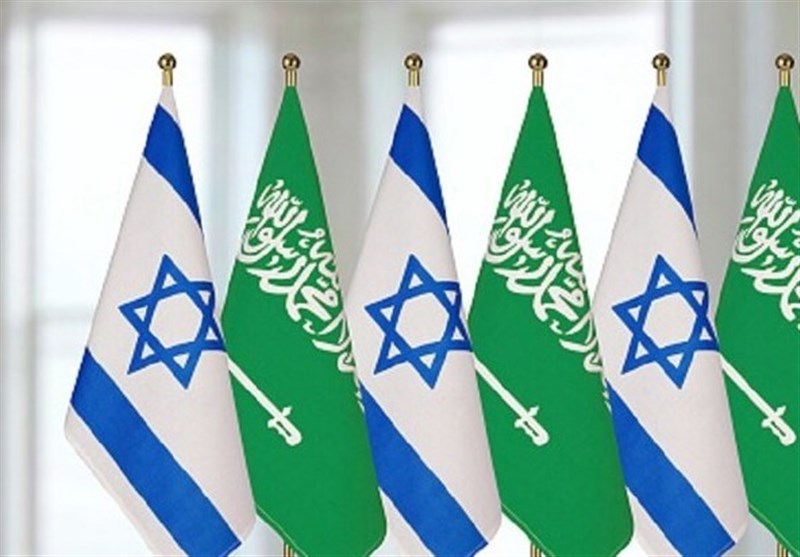
SCFR Online – Opinion: The new US-Saudi nuclear agreement, despite legal and political ambiguities, could alter previous non-proliferation standards in West Asia and intensify nuclear competition, ushering it into a new phase.

An Analysis of Recent Turkey-Israeli Regime Tensions

SCFR Online – Opinion: Recent developments in Syria indicate an intensification of strategic rivalry between Turkey and the Israeli regime, but mutual considerations and the role of the United States have limited the likelihood of direct war.

Increasing criticism of the extensive Zionist lobby network

SCFR Online – Opinion: An examination of the mechanisms of the Israeli regime’s influence in the United States depicts a complex picture of shared interests, strategic dependencies, and the limitations of this relationship.

Realities of the Tripartite Makkah Pact

SCFR Online – Interview: The signing of the Makkah agreement between Saudi Arabia, Pakistan, and Turkey has raised questions about the future of the region’s security structure and the position of these countries in West Asian equations. Can this agreement become a genuine collective defense mechanism, or does it have more of a political and deterrent function than creating new military capacity?

Strategic Implications of the Reduction of US Weapons Stockpiles

SCFR Online – Opinion: The continuation of the US war against Iran, in addition to increasing operational costs, has called into question the actual capacity of the American arsenal to simultaneously fulfill security commitments on multiple fronts; an issue that affects deterrence, defense production capacity, and Washington’s resource prioritization.

The Formation of a New Order in Relations Between Powers

SCFR Online – Opinion: The Russia-Ukraine war and the war of the United States and the Israeli regime against Iran have been formed with different objectives and actors, but field and political developments indicate that they are not entirely separate from one another.

An Analysis of the Makkah Defense Pact

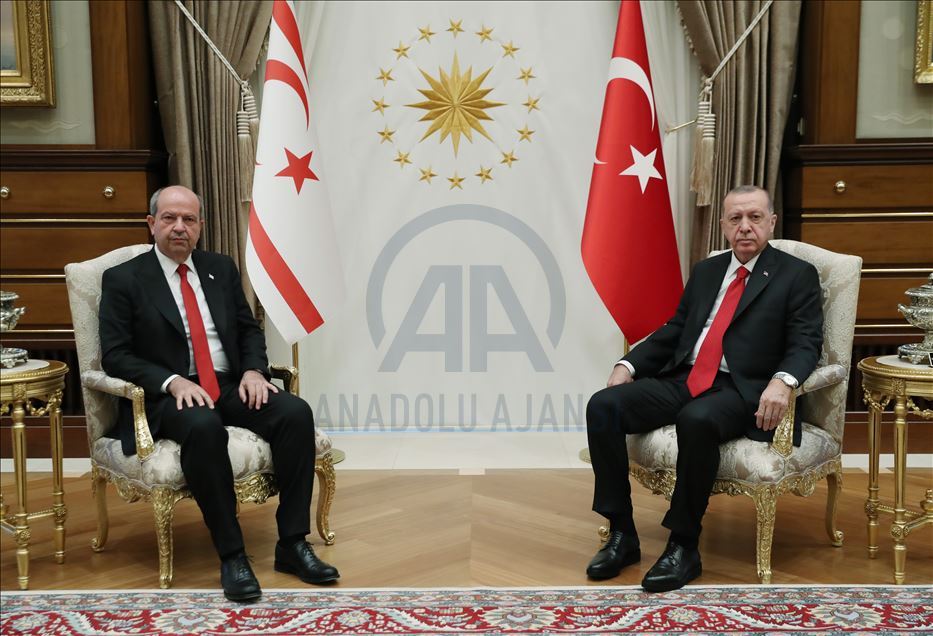
SCFR Online – Opinion: On Friday, August 7, the heads of state of three countries – Saudi Arabia, Turkey, and Pakistan – signed a text under the title “Makkah Joint Defense Agreement.”

Loading

Strategic Perspective

Prospect of “Negev” Meeting in Morocco

Prospect of “Negev” Meeting in Morocco

Strategic Council Online – Interview: An expert on West Asia affairs stated that choosing the usurper Zionist regime as the leader of the new regional coalition with the participation of Arab states is a very big strategic mistake. He added that the possibility of the formation of a regional coalition and implementation of what is being discussed in the Negev negotiations will not be easy to achieve. There are many reasons for this, including the deep differences of the Arab countries and their conflicting interests with each other, as well as their conflicts with the Zionist regime, and the formation of a new extremist government in Israel has also added to the existing challenges.

What Is Russia Looking for in Persian Gulf?

What Is Russia Looking for in Persian Gulf?

Strategic Council Online – Opinion: After the Russia’s military strike against Ukraine in early months of 2022, many international observers and analysts thought that the Arab countries of the Persian Gulf, due to their proximity to the United States and Western countries, would immediately condemn the attack and would join the camp of the West, but the speculations did not turn out to be correct.
Dr. Mohammad Mahdi Mazaheri – University professor

US-Europe Difference over the War in Ukraine

US-Europe Difference over the War in Ukraine

Strategic Council Online – Opinion: Almost a year has passed since the outbreak of war in Ukraine. At the beginning of the Russian military attack, a few people thought that Ukraine would be able to stand against the powerful Russian army.
Hossein Sayyahi – Researcher on international politics

Tehran-Cairo on threshold of compromise and mutual understanding

Tehran-Cairo on threshold of compromise and mutual understanding

Strategic Council Online – Opinion: After several decades of turmoil and ambiguity in Iran-Egypt relations, now it has been about a year that the two countries have been sending signals of their desire to resume relations, and recently the head of the Egyptian Foreign Affairs Council welcomed Iraq’s proposal and emphasized the importance of Tehran-Cairo relations.
Dr. Hossein Ebrahim Nia – Expert on Egypt affairs

An Analysis of Iran’s “Strategic Role” in Present, Future Developments in Syria

An Analysis of Iran’s “Strategic Role” in Present, Future Developments in Syria

Strategic Council Online – Opinion: Between 2012 when the terrorist group “Jabhat al-Nusra” (Al-Nusra Front) announced its existence, until November 21, 2017, when “Martyr Soleimani” officially announced the end of ISIS, was the most difficult political, security, economic, etc. era of Syria since the independence of that country.
Hamid Khoshayand – Expert on regional affairs

The goals of the US behind sending Patriot missile system and its repercussions

The goals of the US behind sending Patriot missile system and its repercussions

Strategic Council Online-Interview: The scientific deputy of Shahid Sadr Research Institute of the Expediency Council stated that sending the Patriot systems is the beginning of cooperation between the United States and Ukraine at a higher level, adding that this moves aims more to maintain the balance in the war and as long as Russia is involved in the war, the United States can take extensive international measures against it and making any agreement is against the US strategic goal of continuing the war and eroding Russia’s power.

Causes, Consequences of crease in ISIS Terrorist Movements in Iraq

Causes, Consequences of crease in ISIS Terrorist Movements in Iraq

Strategic Council Online – Interview: An analyst of Iraq affairs stating that the repetition of terrorist operations and movements of groups like ISIS slows down the process of economic reforms in Iraq, said: security gaps have been created and increase in the price of basic goods and food for the people would take politics to the streets in Iraq and various forces, including supporters of Moqtada Sadr, would return to the scene. This issue can create a new crisis for Iraq.

Zionist Regime’s Strategy to Exercise Influence in Central Asia

Zionist Regime’s Strategy to Exercise Influence in Central Asia

Strategic Council Online – Interview: A faculty member of Allameh Tabataba’i University said: The Islamic extremism raised by the Zionist regime in Central Asia and the Caucasus is an excuse aimed at suppressing Islamic movements in the region.

Examining Effectiveness of Patriot Missiles in Ukraine War

Examining Effectiveness of Patriot Missiles in Ukraine War

Strategic Council Online – Opinion: The main lesson of the war in Ukraine is that if a country neglects to build its deterrent power and strengthen its offensive capability or relies on the security guarantees of foreign powers, it may suffer the fate of Ukraine.
Pouria Nabipour – PhD in Political Science and International Relations

أحدث الوظائف

Implications of the US-Saudi Nuclear Agreement

SCFR Online – Opinion: The new US-Saudi nuclear agreement, despite legal and political ambiguities, could alter previous non-proliferation standards in West Asia and intensify nuclear competition, ushering it into a new phase.

An Analysis of Recent Turkey-Israeli Regime Tensions

SCFR Online – Opinion: Recent developments in Syria indicate an intensification of strategic rivalry between Turkey and the Israeli regime, but mutual considerations and the role of the United States have limited the likelihood of direct war.

Increasing criticism of the extensive Zionist lobby network

SCFR Online – Opinion: An examination of the mechanisms of the Israeli regime’s influence in the United States depicts a complex picture of shared interests, strategic dependencies, and the limitations of this relationship.

Realities of the Tripartite Makkah Pact

SCFR Online – Interview: The signing of the Makkah agreement between Saudi Arabia, Pakistan, and Turkey has raised questions about the future of the region’s security structure and the position of these countries in West Asian equations. Can this agreement become a genuine collective defense mechanism, or does it have more of a political and deterrent function than creating new military capacity?

Strategic Implications of the Reduction of US Weapons Stockpiles

SCFR Online – Opinion: The continuation of the US war against Iran, in addition to increasing operational costs, has called into question the actual capacity of the American arsenal to simultaneously fulfill security commitments on multiple fronts; an issue that affects deterrence, defense production capacity, and Washington’s resource prioritization.

The Formation of a New Order in Relations Between Powers

SCFR Online – Opinion: The Russia-Ukraine war and the war of the United States and the Israeli regime against Iran have been formed with different objectives and actors, but field and political developments indicate that they are not entirely separate from one another.

An Analysis of the Makkah Defense Pact

SCFR Online – Opinion: On Friday, August 7, the heads of state of three countries – Saudi Arabia, Turkey, and Pakistan – signed a text under the title “Makkah Joint Defense Agreement.”

Loading

Strategic Perspective

Prospect of “Negev” Meeting in Morocco

Prospect of “Negev” Meeting in Morocco

Strategic Council Online – Interview: An expert on West Asia affairs stated that choosing the usurper Zionist regime as the leader of the new regional coalition with the participation of Arab states is a very big strategic mistake. He added that the possibility of the formation of a regional coalition and implementation of what is being discussed in the Negev negotiations will not be easy to achieve. There are many reasons for this, including the deep differences of the Arab countries and their conflicting interests with each other, as well as their conflicts with the Zionist regime, and the formation of a new extremist government in Israel has also added to the existing challenges.

What Is Russia Looking for in Persian Gulf?

What Is Russia Looking for in Persian Gulf?

Strategic Council Online – Opinion: After the Russia’s military strike against Ukraine in early months of 2022, many international observers and analysts thought that the Arab countries of the Persian Gulf, due to their proximity to the United States and Western countries, would immediately condemn the attack and would join the camp of the West, but the speculations did not turn out to be correct.
Dr. Mohammad Mahdi Mazaheri – University professor

US-Europe Difference over the War in Ukraine

US-Europe Difference over the War in Ukraine

Strategic Council Online – Opinion: Almost a year has passed since the outbreak of war in Ukraine. At the beginning of the Russian military attack, a few people thought that Ukraine would be able to stand against the powerful Russian army.
Hossein Sayyahi – Researcher on international politics

Tehran-Cairo on threshold of compromise and mutual understanding

Tehran-Cairo on threshold of compromise and mutual understanding

Strategic Council Online – Opinion: After several decades of turmoil and ambiguity in Iran-Egypt relations, now it has been about a year that the two countries have been sending signals of their desire to resume relations, and recently the head of the Egyptian Foreign Affairs Council welcomed Iraq’s proposal and emphasized the importance of Tehran-Cairo relations.
Dr. Hossein Ebrahim Nia – Expert on Egypt affairs

An Analysis of Iran’s “Strategic Role” in Present, Future Developments in Syria

An Analysis of Iran’s “Strategic Role” in Present, Future Developments in Syria

Strategic Council Online – Opinion: Between 2012 when the terrorist group “Jabhat al-Nusra” (Al-Nusra Front) announced its existence, until November 21, 2017, when “Martyr Soleimani” officially announced the end of ISIS, was the most difficult political, security, economic, etc. era of Syria since the independence of that country.
Hamid Khoshayand – Expert on regional affairs

The goals of the US behind sending Patriot missile system and its repercussions

The goals of the US behind sending Patriot missile system and its repercussions

Strategic Council Online-Interview: The scientific deputy of Shahid Sadr Research Institute of the Expediency Council stated that sending the Patriot systems is the beginning of cooperation between the United States and Ukraine at a higher level, adding that this moves aims more to maintain the balance in the war and as long as Russia is involved in the war, the United States can take extensive international measures against it and making any agreement is against the US strategic goal of continuing the war and eroding Russia’s power.

Causes, Consequences of crease in ISIS Terrorist Movements in Iraq

Causes, Consequences of crease in ISIS Terrorist Movements in Iraq

Strategic Council Online – Interview: An analyst of Iraq affairs stating that the repetition of terrorist operations and movements of groups like ISIS slows down the process of economic reforms in Iraq, said: security gaps have been created and increase in the price of basic goods and food for the people would take politics to the streets in Iraq and various forces, including supporters of Moqtada Sadr, would return to the scene. This issue can create a new crisis for Iraq.

Zionist Regime’s Strategy to Exercise Influence in Central Asia

Zionist Regime’s Strategy to Exercise Influence in Central Asia

Strategic Council Online – Interview: A faculty member of Allameh Tabataba’i University said: The Islamic extremism raised by the Zionist regime in Central Asia and the Caucasus is an excuse aimed at suppressing Islamic movements in the region.

Examining Effectiveness of Patriot Missiles in Ukraine War

Examining Effectiveness of Patriot Missiles in Ukraine War

Strategic Council Online – Opinion: The main lesson of the war in Ukraine is that if a country neglects to build its deterrent power and strengthen its offensive capability or relies on the security guarantees of foreign powers, it may suffer the fate of Ukraine.
Pouria Nabipour – PhD in Political Science and International Relations

Strategic Perspective

Prospect of “Negev” Meeting in Morocco

Prospect of “Negev” Meeting in Morocco

Strategic Council Online – Interview: An expert on West Asia affairs stated that choosing the usurper Zionist regime as the leader of the new regional coalition with the participation of Arab states is a very big strategic mistake. He added that the possibility of the formation of a regional coalition and implementation of what is being discussed in the Negev negotiations will not be easy to achieve. There are many reasons for this, including the deep differences of the Arab countries and their conflicting interests with each other, as well as their conflicts with the Zionist regime, and the formation of a new extremist government in Israel has also added to the existing challenges.

What Is Russia Looking for in Persian Gulf?

What Is Russia Looking for in Persian Gulf?

Strategic Council Online – Opinion: After the Russia’s military strike against Ukraine in early months of 2022, many international observers and analysts thought that the Arab countries of the Persian Gulf, due to their proximity to the United States and Western countries, would immediately condemn the attack and would join the camp of the West, but the speculations did not turn out to be correct.
Dr. Mohammad Mahdi Mazaheri – University professor

US-Europe Difference over the War in Ukraine

US-Europe Difference over the War in Ukraine

Strategic Council Online – Opinion: Almost a year has passed since the outbreak of war in Ukraine. At the beginning of the Russian military attack, a few people thought that Ukraine would be able to stand against the powerful Russian army.
Hossein Sayyahi – Researcher on international politics

Tehran-Cairo on threshold of compromise and mutual understanding

Tehran-Cairo on threshold of compromise and mutual understanding

Strategic Council Online – Opinion: After several decades of turmoil and ambiguity in Iran-Egypt relations, now it has been about a year that the two countries have been sending signals of their desire to resume relations, and recently the head of the Egyptian Foreign Affairs Council welcomed Iraq’s proposal and emphasized the importance of Tehran-Cairo relations.
Dr. Hossein Ebrahim Nia – Expert on Egypt affairs

An Analysis of Iran’s “Strategic Role” in Present, Future Developments in Syria

An Analysis of Iran’s “Strategic Role” in Present, Future Developments in Syria

Strategic Council Online – Opinion: Between 2012 when the terrorist group “Jabhat al-Nusra” (Al-Nusra Front) announced its existence, until November 21, 2017, when “Martyr Soleimani” officially announced the end of ISIS, was the most difficult political, security, economic, etc. era of Syria since the independence of that country.
Hamid Khoshayand – Expert on regional affairs

The goals of the US behind sending Patriot missile system and its repercussions

The goals of the US behind sending Patriot missile system and its repercussions

Strategic Council Online-Interview: The scientific deputy of Shahid Sadr Research Institute of the Expediency Council stated that sending the Patriot systems is the beginning of cooperation between the United States and Ukraine at a higher level, adding that this moves aims more to maintain the balance in the war and as long as Russia is involved in the war, the United States can take extensive international measures against it and making any agreement is against the US strategic goal of continuing the war and eroding Russia’s power.

Causes, Consequences of crease in ISIS Terrorist Movements in Iraq

Causes, Consequences of crease in ISIS Terrorist Movements in Iraq

Strategic Council Online – Interview: An analyst of Iraq affairs stating that the repetition of terrorist operations and movements of groups like ISIS slows down the process of economic reforms in Iraq, said: security gaps have been created and increase in the price of basic goods and food for the people would take politics to the streets in Iraq and various forces, including supporters of Moqtada Sadr, would return to the scene. This issue can create a new crisis for Iraq.

Zionist Regime’s Strategy to Exercise Influence in Central Asia

Zionist Regime’s Strategy to Exercise Influence in Central Asia

Strategic Council Online – Interview: A faculty member of Allameh Tabataba’i University said: The Islamic extremism raised by the Zionist regime in Central Asia and the Caucasus is an excuse aimed at suppressing Islamic movements in the region.

Examining Effectiveness of Patriot Missiles in Ukraine War

Examining Effectiveness of Patriot Missiles in Ukraine War

Strategic Council Online – Opinion: The main lesson of the war in Ukraine is that if a country neglects to build its deterrent power and strengthen its offensive capability or relies on the security guarantees of foreign powers, it may suffer the fate of Ukraine.
Pouria Nabipour – PhD in Political Science and International Relations

LATEST CONTENT

Implications of the US-Saudi Nuclear Agreement

SCFR Online – Opinion: The new US-Saudi nuclear agreement, despite legal and political ambiguities, could alter previous non-proliferation standards in West Asia and intensify nuclear competition, ushering it into a new phase.

An Analysis of Recent Turkey-Israeli Regime Tensions

SCFR Online – Opinion: Recent developments in Syria indicate an intensification of strategic rivalry between Turkey and the Israeli regime, but mutual considerations and the role of the United States have limited the likelihood of direct war.

Increasing criticism of the extensive Zionist lobby network

SCFR Online – Opinion: An examination of the mechanisms of the Israeli regime’s influence in the United States depicts a complex picture of shared interests, strategic dependencies, and the limitations of this relationship.

Realities of the Tripartite Makkah Pact

SCFR Online – Interview: The signing of the Makkah agreement between Saudi Arabia, Pakistan, and Turkey has raised questions about the future of the region’s security structure and the position of these countries in West Asian equations. Can this agreement become a genuine collective defense mechanism, or does it have more of a political and deterrent function than creating new military capacity?

Strategic Implications of the Reduction of US Weapons Stockpiles

SCFR Online – Opinion: The continuation of the US war against Iran, in addition to increasing operational costs, has called into question the actual capacity of the American arsenal to simultaneously fulfill security commitments on multiple fronts; an issue that affects deterrence, defense production capacity, and Washington’s resource prioritization.

The Formation of a New Order in Relations Between Powers

SCFR Online – Opinion: The Russia-Ukraine war and the war of the United States and the Israeli regime against Iran have been formed with different objectives and actors, but field and political developments indicate that they are not entirely separate from one another.

An Analysis of the Makkah Defense Pact

SCFR Online – Opinion: On Friday, August 7, the heads of state of three countries – Saudi Arabia, Turkey, and Pakistan – signed a text under the title “Makkah Joint Defense Agreement.”

Loading

Strategic Perspective

Prospect of “Negev” Meeting in Morocco

Prospect of “Negev” Meeting in Morocco

Strategic Council Online – Interview: An expert on West Asia affairs stated that choosing the usurper Zionist regime as the leader of the new regional coalition with the participation of Arab states is a very big strategic mistake. He added that the possibility of the formation of a regional coalition and implementation of what is being discussed in the Negev negotiations will not be easy to achieve. There are many reasons for this, including the deep differences of the Arab countries and their conflicting interests with each other, as well as their conflicts with the Zionist regime, and the formation of a new extremist government in Israel has also added to the existing challenges.

What Is Russia Looking for in Persian Gulf?

What Is Russia Looking for in Persian Gulf?

Strategic Council Online – Opinion: After the Russia’s military strike against Ukraine in early months of 2022, many international observers and analysts thought that the Arab countries of the Persian Gulf, due to their proximity to the United States and Western countries, would immediately condemn the attack and would join the camp of the West, but the speculations did not turn out to be correct.
Dr. Mohammad Mahdi Mazaheri – University professor

US-Europe Difference over the War in Ukraine

US-Europe Difference over the War in Ukraine

Strategic Council Online – Opinion: Almost a year has passed since the outbreak of war in Ukraine. At the beginning of the Russian military attack, a few people thought that Ukraine would be able to stand against the powerful Russian army.
Hossein Sayyahi – Researcher on international politics

Tehran-Cairo on threshold of compromise and mutual understanding

Tehran-Cairo on threshold of compromise and mutual understanding

Strategic Council Online – Opinion: After several decades of turmoil and ambiguity in Iran-Egypt relations, now it has been about a year that the two countries have been sending signals of their desire to resume relations, and recently the head of the Egyptian Foreign Affairs Council welcomed Iraq’s proposal and emphasized the importance of Tehran-Cairo relations.
Dr. Hossein Ebrahim Nia – Expert on Egypt affairs

An Analysis of Iran’s “Strategic Role” in Present, Future Developments in Syria

An Analysis of Iran’s “Strategic Role” in Present, Future Developments in Syria

Strategic Council Online – Opinion: Between 2012 when the terrorist group “Jabhat al-Nusra” (Al-Nusra Front) announced its existence, until November 21, 2017, when “Martyr Soleimani” officially announced the end of ISIS, was the most difficult political, security, economic, etc. era of Syria since the independence of that country.
Hamid Khoshayand – Expert on regional affairs

The goals of the US behind sending Patriot missile system and its repercussions

The goals of the US behind sending Patriot missile system and its repercussions

Strategic Council Online-Interview: The scientific deputy of Shahid Sadr Research Institute of the Expediency Council stated that sending the Patriot systems is the beginning of cooperation between the United States and Ukraine at a higher level, adding that this moves aims more to maintain the balance in the war and as long as Russia is involved in the war, the United States can take extensive international measures against it and making any agreement is against the US strategic goal of continuing the war and eroding Russia’s power.

Causes, Consequences of crease in ISIS Terrorist Movements in Iraq

Causes, Consequences of crease in ISIS Terrorist Movements in Iraq

Strategic Council Online – Interview: An analyst of Iraq affairs stating that the repetition of terrorist operations and movements of groups like ISIS slows down the process of economic reforms in Iraq, said: security gaps have been created and increase in the price of basic goods and food for the people would take politics to the streets in Iraq and various forces, including supporters of Moqtada Sadr, would return to the scene. This issue can create a new crisis for Iraq.

Zionist Regime’s Strategy to Exercise Influence in Central Asia

Zionist Regime’s Strategy to Exercise Influence in Central Asia

Strategic Council Online – Interview: A faculty member of Allameh Tabataba’i University said: The Islamic extremism raised by the Zionist regime in Central Asia and the Caucasus is an excuse aimed at suppressing Islamic movements in the region.

Examining Effectiveness of Patriot Missiles in Ukraine War

Examining Effectiveness of Patriot Missiles in Ukraine War

Strategic Council Online – Opinion: The main lesson of the war in Ukraine is that if a country neglects to build its deterrent power and strengthen its offensive capability or relies on the security guarantees of foreign powers, it may suffer the fate of Ukraine.
Pouria Nabipour – PhD in Political Science and International Relations

ÚLTIMAS PUBLICACIONES

Implications of the US-Saudi Nuclear Agreement

SCFR Online – Opinion: The new US-Saudi nuclear agreement, despite legal and political ambiguities, could alter previous non-proliferation standards in West Asia and intensify nuclear competition, ushering it into a new phase.

An Analysis of Recent Turkey-Israeli Regime Tensions

SCFR Online – Opinion: Recent developments in Syria indicate an intensification of strategic rivalry between Turkey and the Israeli regime, but mutual considerations and the role of the United States have limited the likelihood of direct war.

Increasing criticism of the extensive Zionist lobby network

SCFR Online – Opinion: An examination of the mechanisms of the Israeli regime’s influence in the United States depicts a complex picture of shared interests, strategic dependencies, and the limitations of this relationship.

Realities of the Tripartite Makkah Pact

SCFR Online – Interview: The signing of the Makkah agreement between Saudi Arabia, Pakistan, and Turkey has raised questions about the future of the region’s security structure and the position of these countries in West Asian equations. Can this agreement become a genuine collective defense mechanism, or does it have more of a political and deterrent function than creating new military capacity?

Strategic Implications of the Reduction of US Weapons Stockpiles

SCFR Online – Opinion: The continuation of the US war against Iran, in addition to increasing operational costs, has called into question the actual capacity of the American arsenal to simultaneously fulfill security commitments on multiple fronts; an issue that affects deterrence, defense production capacity, and Washington’s resource prioritization.

The Formation of a New Order in Relations Between Powers

SCFR Online – Opinion: The Russia-Ukraine war and the war of the United States and the Israeli regime against Iran have been formed with different objectives and actors, but field and political developments indicate that they are not entirely separate from one another.

An Analysis of the Makkah Defense Pact

SCFR Online – Opinion: On Friday, August 7, the heads of state of three countries – Saudi Arabia, Turkey, and Pakistan – signed a text under the title “Makkah Joint Defense Agreement.”

Loading

Strategic Perspective

Prospect of “Negev” Meeting in Morocco

Prospect of “Negev” Meeting in Morocco

Strategic Council Online – Interview: An expert on West Asia affairs stated that choosing the usurper Zionist regime as the leader of the new regional coalition with the participation of Arab states is a very big strategic mistake. He added that the possibility of the formation of a regional coalition and implementation of what is being discussed in the Negev negotiations will not be easy to achieve. There are many reasons for this, including the deep differences of the Arab countries and their conflicting interests with each other, as well as their conflicts with the Zionist regime, and the formation of a new extremist government in Israel has also added to the existing challenges.

What Is Russia Looking for in Persian Gulf?

What Is Russia Looking for in Persian Gulf?

Strategic Council Online – Opinion: After the Russia’s military strike against Ukraine in early months of 2022, many international observers and analysts thought that the Arab countries of the Persian Gulf, due to their proximity to the United States and Western countries, would immediately condemn the attack and would join the camp of the West, but the speculations did not turn out to be correct.
Dr. Mohammad Mahdi Mazaheri – University professor

US-Europe Difference over the War in Ukraine

US-Europe Difference over the War in Ukraine

Strategic Council Online – Opinion: Almost a year has passed since the outbreak of war in Ukraine. At the beginning of the Russian military attack, a few people thought that Ukraine would be able to stand against the powerful Russian army.
Hossein Sayyahi – Researcher on international politics

Tehran-Cairo on threshold of compromise and mutual understanding

Tehran-Cairo on threshold of compromise and mutual understanding

Strategic Council Online – Opinion: After several decades of turmoil and ambiguity in Iran-Egypt relations, now it has been about a year that the two countries have been sending signals of their desire to resume relations, and recently the head of the Egyptian Foreign Affairs Council welcomed Iraq’s proposal and emphasized the importance of Tehran-Cairo relations.
Dr. Hossein Ebrahim Nia – Expert on Egypt affairs

An Analysis of Iran’s “Strategic Role” in Present, Future Developments in Syria

An Analysis of Iran’s “Strategic Role” in Present, Future Developments in Syria

Strategic Council Online – Opinion: Between 2012 when the terrorist group “Jabhat al-Nusra” (Al-Nusra Front) announced its existence, until November 21, 2017, when “Martyr Soleimani” officially announced the end of ISIS, was the most difficult political, security, economic, etc. era of Syria since the independence of that country.
Hamid Khoshayand – Expert on regional affairs

The goals of the US behind sending Patriot missile system and its repercussions

The goals of the US behind sending Patriot missile system and its repercussions

Strategic Council Online-Interview: The scientific deputy of Shahid Sadr Research Institute of the Expediency Council stated that sending the Patriot systems is the beginning of cooperation between the United States and Ukraine at a higher level, adding that this moves aims more to maintain the balance in the war and as long as Russia is involved in the war, the United States can take extensive international measures against it and making any agreement is against the US strategic goal of continuing the war and eroding Russia’s power.

Causes, Consequences of crease in ISIS Terrorist Movements in Iraq

Causes, Consequences of crease in ISIS Terrorist Movements in Iraq

Strategic Council Online – Interview: An analyst of Iraq affairs stating that the repetition of terrorist operations and movements of groups like ISIS slows down the process of economic reforms in Iraq, said: security gaps have been created and increase in the price of basic goods and food for the people would take politics to the streets in Iraq and various forces, including supporters of Moqtada Sadr, would return to the scene. This issue can create a new crisis for Iraq.

Zionist Regime’s Strategy to Exercise Influence in Central Asia

Zionist Regime’s Strategy to Exercise Influence in Central Asia

Strategic Council Online – Interview: A faculty member of Allameh Tabataba’i University said: The Islamic extremism raised by the Zionist regime in Central Asia and the Caucasus is an excuse aimed at suppressing Islamic movements in the region.

Examining Effectiveness of Patriot Missiles in Ukraine War

Examining Effectiveness of Patriot Missiles in Ukraine War

Strategic Council Online – Opinion: The main lesson of the war in Ukraine is that if a country neglects to build its deterrent power and strengthen its offensive capability or relies on the security guarantees of foreign powers, it may suffer the fate of Ukraine.
Pouria Nabipour – PhD in Political Science and International Relations

ÚLTIMAS PUBLICACIONES

Implications of the US-Saudi Nuclear Agreement

SCFR Online – Opinion: The new US-Saudi nuclear agreement, despite legal and political ambiguities, could alter previous non-proliferation standards in West Asia and intensify nuclear competition, ushering it into a new phase.

An Analysis of Recent Turkey-Israeli Regime Tensions

SCFR Online – Opinion: Recent developments in Syria indicate an intensification of strategic rivalry between Turkey and the Israeli regime, but mutual considerations and the role of the United States have limited the likelihood of direct war.

Increasing criticism of the extensive Zionist lobby network

SCFR Online – Opinion: An examination of the mechanisms of the Israeli regime’s influence in the United States depicts a complex picture of shared interests, strategic dependencies, and the limitations of this relationship.

Realities of the Tripartite Makkah Pact

SCFR Online – Interview: The signing of the Makkah agreement between Saudi Arabia, Pakistan, and Turkey has raised questions about the future of the region’s security structure and the position of these countries in West Asian equations. Can this agreement become a genuine collective defense mechanism, or does it have more of a political and deterrent function than creating new military capacity?

Strategic Implications of the Reduction of US Weapons Stockpiles

SCFR Online – Opinion: The continuation of the US war against Iran, in addition to increasing operational costs, has called into question the actual capacity of the American arsenal to simultaneously fulfill security commitments on multiple fronts; an issue that affects deterrence, defense production capacity, and Washington’s resource prioritization.

The Formation of a New Order in Relations Between Powers

SCFR Online – Opinion: The Russia-Ukraine war and the war of the United States and the Israeli regime against Iran have been formed with different objectives and actors, but field and political developments indicate that they are not entirely separate from one another.

An Analysis of the Makkah Defense Pact

SCFR Online – Opinion: On Friday, August 7, the heads of state of three countries – Saudi Arabia, Turkey, and Pakistan – signed a text under the title “Makkah Joint Defense Agreement.”

Loading

Strategic Perspective

Prospect of “Negev” Meeting in Morocco

Prospect of “Negev” Meeting in Morocco

Strategic Council Online – Interview: An expert on West Asia affairs stated that choosing the usurper Zionist regime as the leader of the new regional coalition with the participation of Arab states is a very big strategic mistake. He added that the possibility of the formation of a regional coalition and implementation of what is being discussed in the Negev negotiations will not be easy to achieve. There are many reasons for this, including the deep differences of the Arab countries and their conflicting interests with each other, as well as their conflicts with the Zionist regime, and the formation of a new extremist government in Israel has also added to the existing challenges.

What Is Russia Looking for in Persian Gulf?

What Is Russia Looking for in Persian Gulf?

Strategic Council Online – Opinion: After the Russia’s military strike against Ukraine in early months of 2022, many international observers and analysts thought that the Arab countries of the Persian Gulf, due to their proximity to the United States and Western countries, would immediately condemn the attack and would join the camp of the West, but the speculations did not turn out to be correct.
Dr. Mohammad Mahdi Mazaheri – University professor

US-Europe Difference over the War in Ukraine

US-Europe Difference over the War in Ukraine

Strategic Council Online – Opinion: Almost a year has passed since the outbreak of war in Ukraine. At the beginning of the Russian military attack, a few people thought that Ukraine would be able to stand against the powerful Russian army.
Hossein Sayyahi – Researcher on international politics

Tehran-Cairo on threshold of compromise and mutual understanding

Tehran-Cairo on threshold of compromise and mutual understanding

Strategic Council Online – Opinion: After several decades of turmoil and ambiguity in Iran-Egypt relations, now it has been about a year that the two countries have been sending signals of their desire to resume relations, and recently the head of the Egyptian Foreign Affairs Council welcomed Iraq’s proposal and emphasized the importance of Tehran-Cairo relations.
Dr. Hossein Ebrahim Nia – Expert on Egypt affairs

An Analysis of Iran’s “Strategic Role” in Present, Future Developments in Syria

An Analysis of Iran’s “Strategic Role” in Present, Future Developments in Syria

Strategic Council Online – Opinion: Between 2012 when the terrorist group “Jabhat al-Nusra” (Al-Nusra Front) announced its existence, until November 21, 2017, when “Martyr Soleimani” officially announced the end of ISIS, was the most difficult political, security, economic, etc. era of Syria since the independence of that country.
Hamid Khoshayand – Expert on regional affairs

The goals of the US behind sending Patriot missile system and its repercussions

The goals of the US behind sending Patriot missile system and its repercussions

Strategic Council Online-Interview: The scientific deputy of Shahid Sadr Research Institute of the Expediency Council stated that sending the Patriot systems is the beginning of cooperation between the United States and Ukraine at a higher level, adding that this moves aims more to maintain the balance in the war and as long as Russia is involved in the war, the United States can take extensive international measures against it and making any agreement is against the US strategic goal of continuing the war and eroding Russia’s power.

Causes, Consequences of crease in ISIS Terrorist Movements in Iraq

Causes, Consequences of crease in ISIS Terrorist Movements in Iraq

Strategic Council Online – Interview: An analyst of Iraq affairs stating that the repetition of terrorist operations and movements of groups like ISIS slows down the process of economic reforms in Iraq, said: security gaps have been created and increase in the price of basic goods and food for the people would take politics to the streets in Iraq and various forces, including supporters of Moqtada Sadr, would return to the scene. This issue can create a new crisis for Iraq.

Zionist Regime’s Strategy to Exercise Influence in Central Asia

Zionist Regime’s Strategy to Exercise Influence in Central Asia

Strategic Council Online – Interview: A faculty member of Allameh Tabataba’i University said: The Islamic extremism raised by the Zionist regime in Central Asia and the Caucasus is an excuse aimed at suppressing Islamic movements in the region.

Examining Effectiveness of Patriot Missiles in Ukraine War

Examining Effectiveness of Patriot Missiles in Ukraine War

Strategic Council Online – Opinion: The main lesson of the war in Ukraine is that if a country neglects to build its deterrent power and strengthen its offensive capability or relies on the security guarantees of foreign powers, it may suffer the fate of Ukraine.
Pouria Nabipour – PhD in Political Science and International Relations

ÚLTIMAS PUBLICACIONES

Implications of the US-Saudi Nuclear Agreement

SCFR Online – Opinion: The new US-Saudi nuclear agreement, despite legal and political ambiguities, could alter previous non-proliferation standards in West Asia and intensify nuclear competition, ushering it into a new phase.

An Analysis of Recent Turkey-Israeli Regime Tensions

SCFR Online – Opinion: Recent developments in Syria indicate an intensification of strategic rivalry between Turkey and the Israeli regime, but mutual considerations and the role of the United States have limited the likelihood of direct war.

Increasing criticism of the extensive Zionist lobby network

SCFR Online – Opinion: An examination of the mechanisms of the Israeli regime’s influence in the United States depicts a complex picture of shared interests, strategic dependencies, and the limitations of this relationship.

Realities of the Tripartite Makkah Pact

SCFR Online – Interview: The signing of the Makkah agreement between Saudi Arabia, Pakistan, and Turkey has raised questions about the future of the region’s security structure and the position of these countries in West Asian equations. Can this agreement become a genuine collective defense mechanism, or does it have more of a political and deterrent function than creating new military capacity?

Strategic Implications of the Reduction of US Weapons Stockpiles

SCFR Online – Opinion: The continuation of the US war against Iran, in addition to increasing operational costs, has called into question the actual capacity of the American arsenal to simultaneously fulfill security commitments on multiple fronts; an issue that affects deterrence, defense production capacity, and Washington’s resource prioritization.

The Formation of a New Order in Relations Between Powers

SCFR Online – Opinion: The Russia-Ukraine war and the war of the United States and the Israeli regime against Iran have been formed with different objectives and actors, but field and political developments indicate that they are not entirely separate from one another.

An Analysis of the Makkah Defense Pact

SCFR Online – Opinion: On Friday, August 7, the heads of state of three countries – Saudi Arabia, Turkey, and Pakistan – signed a text under the title “Makkah Joint Defense Agreement.”

Loading

Strategic Perspective

Prospect of “Negev” Meeting in Morocco

Prospect of “Negev” Meeting in Morocco

Strategic Council Online – Interview: An expert on West Asia affairs stated that choosing the usurper Zionist regime as the leader of the new regional coalition with the participation of Arab states is a very big strategic mistake. He added that the possibility of the formation of a regional coalition and implementation of what is being discussed in the Negev negotiations will not be easy to achieve. There are many reasons for this, including the deep differences of the Arab countries and their conflicting interests with each other, as well as their conflicts with the Zionist regime, and the formation of a new extremist government in Israel has also added to the existing challenges.

What Is Russia Looking for in Persian Gulf?

What Is Russia Looking for in Persian Gulf?

Strategic Council Online – Opinion: After the Russia’s military strike against Ukraine in early months of 2022, many international observers and analysts thought that the Arab countries of the Persian Gulf, due to their proximity to the United States and Western countries, would immediately condemn the attack and would join the camp of the West, but the speculations did not turn out to be correct.
Dr. Mohammad Mahdi Mazaheri – University professor

US-Europe Difference over the War in Ukraine

US-Europe Difference over the War in Ukraine

Strategic Council Online – Opinion: Almost a year has passed since the outbreak of war in Ukraine. At the beginning of the Russian military attack, a few people thought that Ukraine would be able to stand against the powerful Russian army.
Hossein Sayyahi – Researcher on international politics

Tehran-Cairo on threshold of compromise and mutual understanding

Tehran-Cairo on threshold of compromise and mutual understanding

Strategic Council Online – Opinion: After several decades of turmoil and ambiguity in Iran-Egypt relations, now it has been about a year that the two countries have been sending signals of their desire to resume relations, and recently the head of the Egyptian Foreign Affairs Council welcomed Iraq’s proposal and emphasized the importance of Tehran-Cairo relations.
Dr. Hossein Ebrahim Nia – Expert on Egypt affairs

An Analysis of Iran’s “Strategic Role” in Present, Future Developments in Syria

An Analysis of Iran’s “Strategic Role” in Present, Future Developments in Syria

Strategic Council Online – Opinion: Between 2012 when the terrorist group “Jabhat al-Nusra” (Al-Nusra Front) announced its existence, until November 21, 2017, when “Martyr Soleimani” officially announced the end of ISIS, was the most difficult political, security, economic, etc. era of Syria since the independence of that country.
Hamid Khoshayand – Expert on regional affairs

The goals of the US behind sending Patriot missile system and its repercussions

The goals of the US behind sending Patriot missile system and its repercussions

Strategic Council Online-Interview: The scientific deputy of Shahid Sadr Research Institute of the Expediency Council stated that sending the Patriot systems is the beginning of cooperation between the United States and Ukraine at a higher level, adding that this moves aims more to maintain the balance in the war and as long as Russia is involved in the war, the United States can take extensive international measures against it and making any agreement is against the US strategic goal of continuing the war and eroding Russia’s power.

Causes, Consequences of crease in ISIS Terrorist Movements in Iraq

Causes, Consequences of crease in ISIS Terrorist Movements in Iraq

Strategic Council Online – Interview: An analyst of Iraq affairs stating that the repetition of terrorist operations and movements of groups like ISIS slows down the process of economic reforms in Iraq, said: security gaps have been created and increase in the price of basic goods and food for the people would take politics to the streets in Iraq and various forces, including supporters of Moqtada Sadr, would return to the scene. This issue can create a new crisis for Iraq.

Zionist Regime’s Strategy to Exercise Influence in Central Asia

Zionist Regime’s Strategy to Exercise Influence in Central Asia

Strategic Council Online – Interview: A faculty member of Allameh Tabataba’i University said: The Islamic extremism raised by the Zionist regime in Central Asia and the Caucasus is an excuse aimed at suppressing Islamic movements in the region.

Examining Effectiveness of Patriot Missiles in Ukraine War

Examining Effectiveness of Patriot Missiles in Ukraine War

Strategic Council Online – Opinion: The main lesson of the war in Ukraine is that if a country neglects to build its deterrent power and strengthen its offensive capability or relies on the security guarantees of foreign powers, it may suffer the fate of Ukraine.
Pouria Nabipour – PhD in Political Science and International Relations

ÚLTIMAS PUBLICACIONES

Implications of the US-Saudi Nuclear Agreement

SCFR Online – Opinion: The new US-Saudi nuclear agreement, despite legal and political ambiguities, could alter previous non-proliferation standards in West Asia and intensify nuclear competition, ushering it into a new phase.

An Analysis of Recent Turkey-Israeli Regime Tensions

SCFR Online – Opinion: Recent developments in Syria indicate an intensification of strategic rivalry between Turkey and the Israeli regime, but mutual considerations and the role of the United States have limited the likelihood of direct war.

Increasing criticism of the extensive Zionist lobby network

SCFR Online – Opinion: An examination of the mechanisms of the Israeli regime’s influence in the United States depicts a complex picture of shared interests, strategic dependencies, and the limitations of this relationship.

Realities of the Tripartite Makkah Pact

SCFR Online – Interview: The signing of the Makkah agreement between Saudi Arabia, Pakistan, and Turkey has raised questions about the future of the region’s security structure and the position of these countries in West Asian equations. Can this agreement become a genuine collective defense mechanism, or does it have more of a political and deterrent function than creating new military capacity?

Strategic Implications of the Reduction of US Weapons Stockpiles

SCFR Online – Opinion: The continuation of the US war against Iran, in addition to increasing operational costs, has called into question the actual capacity of the American arsenal to simultaneously fulfill security commitments on multiple fronts; an issue that affects deterrence, defense production capacity, and Washington’s resource prioritization.

The Formation of a New Order in Relations Between Powers

SCFR Online – Opinion: The Russia-Ukraine war and the war of the United States and the Israeli regime against Iran have been formed with different objectives and actors, but field and political developments indicate that they are not entirely separate from one another.

An Analysis of the Makkah Defense Pact

SCFR Online – Opinion: On Friday, August 7, the heads of state of three countries – Saudi Arabia, Turkey, and Pakistan – signed a text under the title “Makkah Joint Defense Agreement.”

Loading