Reasons for Recent Successful Iraqi Elections

2018/11/12 | Council, News

Strategic Council Online: President of the Strategic Council on Foreign Relations Dr Kamal Kharrazi says the wisdom of the Iraqi religious authorities, as well as popular groups, has brought the two Islamic faiths in Iraq closer, noting that this was one reason the Iraqi people left behind a successful election.

Upon a request from Lakhdar Brahimi, former special envoy of the United Nations Secretary-General for Afghanistan and Syria, he met with Dr Kamal Kharrazi, SCFR President at the Embassy of the Islamic Republic of Iran in Paris. At this meeting, the two sides reviewed the issues of Afghanistan and the crises in West Asia.

Brahimi, a member of The Elders, a group of world leaders working for global peace, voiced the concern of the group over the situation in the Middle East and the Palestinian issue being pushed into oblivion.

(The Elders are independent global leaders, brought together by Nelson Mandela, who offer their collective influence and experience to support peace building, help address major causes of human suffering and promote the shared interests of humanity).

Dr Kharrazi noted that the issue of Afghanistan has become complicated and that the United States has added to the security dilemmas after 17 years of presence in the country. He added that Washington has also provided more space to the ISIS and let the activities of the terrorist group further aggravate the situation.

In response to Brahimi’s concern about the Shia-Sunni divide in Iraq and the need to take action to bring the two groups closer, Dr. Kharrazi said the Iraqi people have undergone a difficult period and regretted that the aids by certain Arab states in the Persian Gulf region in creation and strengthening of terrorist groups in Iraq and Syria have greatly affected the popular divide in Iraq; however, thanks to the wisdom of the religious authorities and Iraqi officials as well as the popular groups, the two Islamic faiths in Iraq have got close, and for the same reason the Iraqi people experienced a successful election.

Dr Kharrazi is in Paris to attend a Peace Forum meeting and address the forum on the future of climate change.

Dr. Kharrazi Receives Brahimi in Paris

Dr Kharrazi Receives Brahimi in Paris
0 Comments

Submit a Comment

Your email address will not be published. Required fields are marked *

LATEST CONTENT

Dimensions and challenges of the initiative to revive the Hejaz Railway

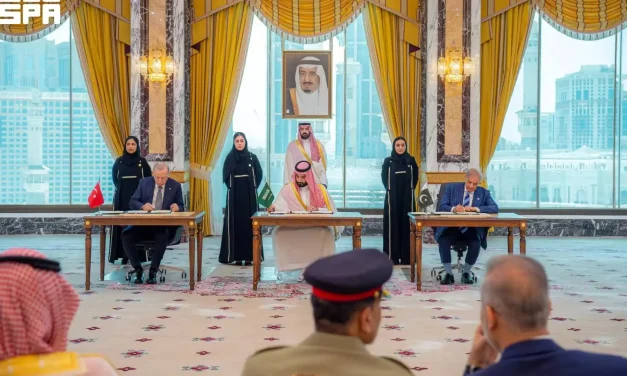
Strategic Council Online – Note: The initiative to revive the Hejaz Railway, beyond being a transportation project, constitutes an attempt to redefine geopolitics, the economy, and Turkey’s regional position; however, its realization appears to face significant financial, security, and institutional challenges.

Balancing in the chain of chokepoints; from sea-based deterrence to pluralistic diplomacy

Strategic Council Online – Note: Recent developments in the political geography of West Asia, from rising tensions in the Persian Gulf to missile and drone activities in the Red Sea and the recent warning by Kaja Kallas, the European Union’s foreign policy chief, regarding the threat to freedom of navigation, indicate a key pattern shift; the US-Iran war has moved beyond the scope of a regional and local confrontation and has linked two vital passageways for the global economy: the Strait of Hormuz and the Bab el-Mandeb Strait.

Loading

Últimas publicaciones

Dimensions and challenges of the initiative to revive the Hejaz Railway

Strategic Council Online – Note: The initiative to revive the Hejaz Railway, beyond being a transportation project, constitutes an attempt to redefine geopolitics, the economy, and Turkey’s regional position; however, its realization appears to face significant financial, security, and institutional challenges.

Balancing in the chain of chokepoints; from sea-based deterrence to pluralistic diplomacy

Strategic Council Online – Note: Recent developments in the political geography of West Asia, from rising tensions in the Persian Gulf to missile and drone activities in the Red Sea and the recent warning by Kaja Kallas, the European Union’s foreign policy chief, regarding the threat to freedom of navigation, indicate a key pattern shift; the US-Iran war has moved beyond the scope of a regional and local confrontation and has linked two vital passageways for the global economy: the Strait of Hormuz and the Bab el-Mandeb Strait.

Loading

DERNIER CONTENU

Dimensions and challenges of the initiative to revive the Hejaz Railway

Strategic Council Online – Note: The initiative to revive the Hejaz Railway, beyond being a transportation project, constitutes an attempt to redefine geopolitics, the economy, and Turkey’s regional position; however, its realization appears to face significant financial, security, and institutional challenges.

Balancing in the chain of chokepoints; from sea-based deterrence to pluralistic diplomacy

Strategic Council Online – Note: Recent developments in the political geography of West Asia, from rising tensions in the Persian Gulf to missile and drone activities in the Red Sea and the recent warning by Kaja Kallas, the European Union’s foreign policy chief, regarding the threat to freedom of navigation, indicate a key pattern shift; the US-Iran war has moved beyond the scope of a regional and local confrontation and has linked two vital passageways for the global economy: the Strait of Hormuz and the Bab el-Mandeb Strait.

Loading

DERNIER CONTENU

Dimensions and challenges of the initiative to revive the Hejaz Railway

Strategic Council Online – Note: The initiative to revive the Hejaz Railway, beyond being a transportation project, constitutes an attempt to redefine geopolitics, the economy, and Turkey’s regional position; however, its realization appears to face significant financial, security, and institutional challenges.

Balancing in the chain of chokepoints; from sea-based deterrence to pluralistic diplomacy

Strategic Council Online – Note: Recent developments in the political geography of West Asia, from rising tensions in the Persian Gulf to missile and drone activities in the Red Sea and the recent warning by Kaja Kallas, the European Union’s foreign policy chief, regarding the threat to freedom of navigation, indicate a key pattern shift; the US-Iran war has moved beyond the scope of a regional and local confrontation and has linked two vital passageways for the global economy: the Strait of Hormuz and the Bab el-Mandeb Strait.

Loading

DERNIER CONTENU

Dimensions and challenges of the initiative to revive the Hejaz Railway

Strategic Council Online – Note: The initiative to revive the Hejaz Railway, beyond being a transportation project, constitutes an attempt to redefine geopolitics, the economy, and Turkey’s regional position; however, its realization appears to face significant financial, security, and institutional challenges.

Balancing in the chain of chokepoints; from sea-based deterrence to pluralistic diplomacy

Strategic Council Online – Note: Recent developments in the political geography of West Asia, from rising tensions in the Persian Gulf to missile and drone activities in the Red Sea and the recent warning by Kaja Kallas, the European Union’s foreign policy chief, regarding the threat to freedom of navigation, indicate a key pattern shift; the US-Iran war has moved beyond the scope of a regional and local confrontation and has linked two vital passageways for the global economy: the Strait of Hormuz and the Bab el-Mandeb Strait.

Loading