

After the Second World War, the United States sought to create order in the international arena; therefore, it created political organizations and institutions in the political field; it established NATO in the field of security; and, it founded institutions such as the World Bank, the IMF, and the World Trade Organization in the economic field, and the process has continued to this day.
For this reason, the expectation is that the United States will, more than any other country, adhere to the international institutions, organizations, and laws it has created. But the United States has been engaged in a state of duality especially since the 1990s; one view holds that the United States does not necessarily have to adhere to international obligations and regulations in order to remain a dominant international power.
This view holds that if the United States engages in international rules and regulations and spends too much on maintaining international organizations and institutions, first of all it will cause the country to incur many costs and lag behind its rivals; secondly under conditions that the US pends but its competitors would not, this will not benefit the United States.
This point of view, therefore, holds that international organizations and institutions should be pursued to the extent that they do not limit US supremacy and power. Republicans have always held this view, and that is why during the George W. Bush Senior and George W. Bush Junior, as well as the Trump era, the United States pulled out of many international regimes and organizations, with a greater emphasis on the United States.
They believe that if the United States can remain the supreme authority of the international system, then it can maintain international organizations and institutions and the international order.
The second view is that the United States can maintain its superiority when it pays less, and that cost is because of compliance with international organizations and institutions. In other words, when the US enters an organization, it means it will not pay all the costs for its missions and other governments will participate.
On the other hand, this view holds that adherence to international organizations and institutions would make American power legitimate and acceptable to others. It also makes US policies always have legitimacy and acceptance.
The Democratic-backed view maintains that while the United States faces some limitations in adhering to international organizations and institutions but ultimately will help maintain US global leadership and supremacy.
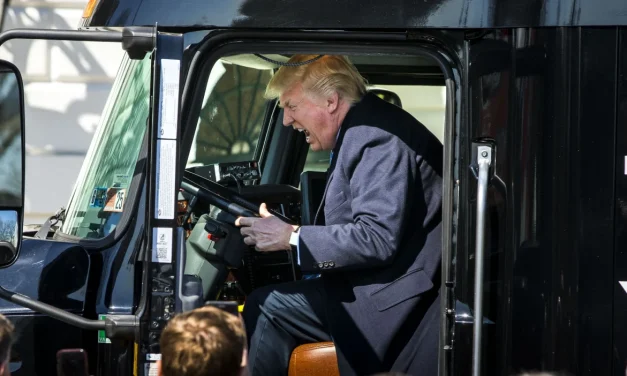
There has always been a conflict between these two views in America. Although Donald Trump as a Republican is pessimistic about international organizations and institutions, he sees them as limiting and diminishing the power of the United States, but he has a more radical view than other Republicans.
At the time of George W. Bush Junior, the US government also withdrew from some armament regimes with Russia and UN branches, but never tried to undermine NATO. So Trump’s approach is exceptional among Republicans toward international organizations.
So after the end of the Trump presidency, if Republicans come to power again, they will continue to hold that international organizations and institutions should not restrict America and prevent it from increasing its power, but they will greatly modify their view of Trump. But if the Democrats come to power, they will adopt the same approach Barack Obama did in supporting multilateralism.
To sum it up, it is the view of both parties to maintain America’s leadership and global status but one view holds that organizations and institutions will prevent this from happening. The other view on the contrary is that international organizations help the preservation and strengthening of America’s standing and legitimacy.
Democrats believe multilateralism is about cutting US spending, but Republicans believe multilateralism is acceptable wherever possible and that the US should act on its own wherever possible. That was the motto of Donald Rumsfeld, Secretary of Defense under George W. Bush, who said “unilateral action if necessary, multilateralism if possible.”





0 Comments