Blinken and the Opportunity to Make Up for Pompeo’s Mistakes

2020/11/25 | Note, Politics, Top News

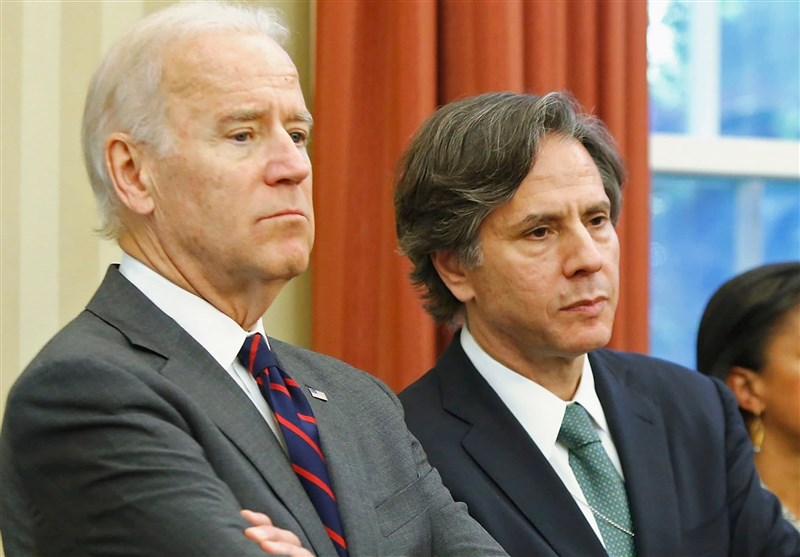
Strategic Council Online - As reported by the US media, the President-elect of the United States will nominate Anthony Blinken as his Secretary of State on Tuesday, along with other members of his administration. Dr. Ali Karbalaei Hosseini - International Law Researcher

Blinken is a personality in Washington political circles who, although respectable, has relatively little outstanding experience unlike his Democratic predecessors, as Hillary Clinton and John Kerry when they took the helm of the State Department under the Obama administration and are considered as world-renowned figures.

A review of Blinken’s background reveals that, unlike his predecessors, most of his public career record has been on Biden’s side. His foreign policy career began with the State Department and eventually culminated in Joe Biden’s senior aide in his position as a Senator and a member of the Senate Foreign Relations Committee. When Biden became vice-president, he made Blinken his National Security Adviser. In the final two years of the Obama administration, he also served as Deputy Secretary of State.

After leaving the governmental position, Blinken set up a consulting firm with Michèle Flournoy, a person who is said to be Biden’s pick as Secretary of Defense, in which case it should be said that the work record of both persons will experience highly significant growth.

With the above introduction, Blinken’s mental world would be better understood from an article he co-authored with Robert Kagan and released in the blog of the Brookings Institution. In this joint article, he wrote: Yet that (next) president is going to face an increasingly dangerous world that looks more like the 1930s than the end of history—with populists, nationalists and demagogues on the rise; autocratic powers growing in strength and increasingly aggressive; Europe mired in division and self-doubt; and democracy under siege and vulnerable to foreign manipulation.

Opposing the world Trump had portrayed during his presidency with the motto “America First”, they wrote: Then there are the new challenges of our own century—from cyberwarfare to mass migration to a warming planet—that no one nation can meet alone and no wall can contain.

From his other articles in prestigious magazines such as the Survival in 2007 under the title “From Pre-Emption to Engagement” it is understood that he denounces the isolationist view of foreign relations and is more interested in developing those relations on the basis of existing norms and systems.

In the Obama administration, Blinken was recognized as a key player in the US diplomatic efforts to align more than 60 countries in support of the United States in the so-called Confrontation with ISIS in Iraq and Syria; but at the same time, it should not be forgotten that he helped formulate Biden’s proposal in the Senate to create three autonomous regions in Iraq that were to divide Iraq on the basis of ethnic and religious identity but, on a large scale, it was rejected, including by the then Iraqi prime minister.

He aspired to become a journalist or filmmaker before taking a job at the State Department’s Bureau for European policy in 1993. For this reason, he is a writer and used to be the speechwriter for Bill Clinton during his presidency, and later supervised the European and Canadian Policy of the National Security Council of the White House.

Blinken grew up in New York and in Paris and is a graduate of Harvard and Columbia Law School. He is the son of the ambassador to Hungary during the Clinton administration and his stepfather, whom he often refers to as a moral example of the United States for the rest of the world, is a Holocaust survivor.

Blinken said in a speech at the Center for a New American Security in 2015: In times of crisis or calamity, it is the United States that the world turns to first and always. We are not the leader of the first choice because we’re always right, or because we’re universally liked, or because we can dictate outcomes. It’s because we strive to the best of our ability to align our actions with our principles, and because American leadership has a unique ability to mobilize others and to make a difference.

Blinken returns to the scene of the US foreign policy as the United States had entered an international period of isolation during Trump’s presidency. Although Blinken is familiar with most of the challenges of the American foreign policy, he is entering into a difficult field of dealing with China while that country is acting bolder than ever. Anthony Blinken recently said in an interview that the United States should rebuild its coalitions in order to curb the “democratic setback” created by Trump and allowed “autonomy from Russia to China” to take advantage of American problems.

Although he has shown less interest in the Middle East affairs, which suggests that Iran may be a lower priority for his foreign policy, with regard to the aforementioned background, his skills, especially in the field of soft power, should be taken into account and increasingly, in a language known by the world which has normative acceptance, force the United States to compensate for the past losses and abandon failed policies, otherwise, the upper hand in public diplomacy and the soft warfare will be put at his disposal.

Blinken has advocated the US return to the nuclear deal with Iran. He also said he sought a change in the treatment of Iran and the position taken towards it. Blinken is among those who played a key role in the negotiations that led to the Joint Comprehensive Plan of Action (JCPOA). Like other Biden aides, he has said he supports the return to the nuclear deal, but at the same time seeks a stronger and more lasting one than the JCPOA.

The fact that Blinken is a law graduate and interested in interaction, is a good sign of the change at a ministry headed by a completely anti-Iranian security figure named Pompeo. He is the one who is already travelling to the occupied territories in violation of international law; he is a supporter of the dictators and does not hesitate to openly and secretly deal with the terrorists such as the munafiqin.

Certainly, there would be changes and openings in those arrivals and departures; as in Pompeo’s time, the apparent vulnerability of international law against law of jungle became apparent in the 21st century and the world much resembled the 1930s. Now the United States again has an opportunity to compensate for the losses with someone who claims to seek interaction and gives priority to soft power, whether in the field of global treaties such as the Paris Climate Agreement or in an area such as the JCPOA.


0 Comments

Submit a Comment

Your email address will not be published. Required fields are marked *

LATEST CONTENT

Consequences of Declining Trust in the Judiciary in Europe

SCFRonline – Opinion: The increase in public distrust of the French judicial system, which in recent surveys has reached approximately two-thirds of citizens, should be analyzed within a framework broader than temporary dissatisfaction or an emotional reaction to a particular criminal case.

Iran’s Potential Levers of Power

SCFRonline– Opinion: Iran’s geopolitical power is not limited solely to oil and the Strait of Hormuz; the unintended emergence of disruptions in the future global food and energy security chains can also demonstrate Iran’s strategic importance.

The Inseparability of the Lebanese Front from the Axis of Resistance

SCFR Online–Opinion: By providing an extensive network of social, healthcare, educational, and post-war reconstruction services, Hezbollah has established a strong social base for itself among Lebanon’s Shiites and Sunnis, and even beyond that, among other segments of Lebanese society, including Christians. Hezbollah has never been an external actor imposed upon Lebanon; rather, it is a phenomenon fundamentally born out of the occupation and crimes of the Zionist regime and itself influenced by popular resistance.

The Increasing Efforts of the Zionist Regime to Redefine Borders and the Regional Order and Its Consequences

SCFR Online– Opinion: Security and military developments in the region over recent months indicate that the ongoing crises and wars in Gaza, southern Lebanon, and parts of Syrian territory encompass broader dimensions of geopolitical and geostrategic transformations. In this context, the increased military presence and control of the Zionist regime over parts of the territories of these areas, along with proposals regarding the creation of buffer zones or even the expansion of security borders, have raised serious questions about the future of the regional order and its consequences for the countries of West Asia.

Loading

Últimas publicaciones

Consequences of Declining Trust in the Judiciary in Europe

SCFRonline – Opinion: The increase in public distrust of the French judicial system, which in recent surveys has reached approximately two-thirds of citizens, should be analyzed within a framework broader than temporary dissatisfaction or an emotional reaction to a particular criminal case.

Iran’s Potential Levers of Power

SCFRonline– Opinion: Iran’s geopolitical power is not limited solely to oil and the Strait of Hormuz; the unintended emergence of disruptions in the future global food and energy security chains can also demonstrate Iran’s strategic importance.

The Inseparability of the Lebanese Front from the Axis of Resistance

SCFR Online–Opinion: By providing an extensive network of social, healthcare, educational, and post-war reconstruction services, Hezbollah has established a strong social base for itself among Lebanon’s Shiites and Sunnis, and even beyond that, among other segments of Lebanese society, including Christians. Hezbollah has never been an external actor imposed upon Lebanon; rather, it is a phenomenon fundamentally born out of the occupation and crimes of the Zionist regime and itself influenced by popular resistance.

The Increasing Efforts of the Zionist Regime to Redefine Borders and the Regional Order and Its Consequences

SCFR Online– Opinion: Security and military developments in the region over recent months indicate that the ongoing crises and wars in Gaza, southern Lebanon, and parts of Syrian territory encompass broader dimensions of geopolitical and geostrategic transformations. In this context, the increased military presence and control of the Zionist regime over parts of the territories of these areas, along with proposals regarding the creation of buffer zones or even the expansion of security borders, have raised serious questions about the future of the regional order and its consequences for the countries of West Asia.

Loading

DERNIER CONTENU

Consequences of Declining Trust in the Judiciary in Europe

SCFRonline – Opinion: The increase in public distrust of the French judicial system, which in recent surveys has reached approximately two-thirds of citizens, should be analyzed within a framework broader than temporary dissatisfaction or an emotional reaction to a particular criminal case.

Iran’s Potential Levers of Power

SCFRonline– Opinion: Iran’s geopolitical power is not limited solely to oil and the Strait of Hormuz; the unintended emergence of disruptions in the future global food and energy security chains can also demonstrate Iran’s strategic importance.

The Inseparability of the Lebanese Front from the Axis of Resistance

SCFR Online–Opinion: By providing an extensive network of social, healthcare, educational, and post-war reconstruction services, Hezbollah has established a strong social base for itself among Lebanon’s Shiites and Sunnis, and even beyond that, among other segments of Lebanese society, including Christians. Hezbollah has never been an external actor imposed upon Lebanon; rather, it is a phenomenon fundamentally born out of the occupation and crimes of the Zionist regime and itself influenced by popular resistance.

The Increasing Efforts of the Zionist Regime to Redefine Borders and the Regional Order and Its Consequences

SCFR Online– Opinion: Security and military developments in the region over recent months indicate that the ongoing crises and wars in Gaza, southern Lebanon, and parts of Syrian territory encompass broader dimensions of geopolitical and geostrategic transformations. In this context, the increased military presence and control of the Zionist regime over parts of the territories of these areas, along with proposals regarding the creation of buffer zones or even the expansion of security borders, have raised serious questions about the future of the regional order and its consequences for the countries of West Asia.

Loading

DERNIER CONTENU

Consequences of Declining Trust in the Judiciary in Europe

SCFRonline – Opinion: The increase in public distrust of the French judicial system, which in recent surveys has reached approximately two-thirds of citizens, should be analyzed within a framework broader than temporary dissatisfaction or an emotional reaction to a particular criminal case.

Iran’s Potential Levers of Power

SCFRonline– Opinion: Iran’s geopolitical power is not limited solely to oil and the Strait of Hormuz; the unintended emergence of disruptions in the future global food and energy security chains can also demonstrate Iran’s strategic importance.

The Inseparability of the Lebanese Front from the Axis of Resistance

SCFR Online–Opinion: By providing an extensive network of social, healthcare, educational, and post-war reconstruction services, Hezbollah has established a strong social base for itself among Lebanon’s Shiites and Sunnis, and even beyond that, among other segments of Lebanese society, including Christians. Hezbollah has never been an external actor imposed upon Lebanon; rather, it is a phenomenon fundamentally born out of the occupation and crimes of the Zionist regime and itself influenced by popular resistance.

The Increasing Efforts of the Zionist Regime to Redefine Borders and the Regional Order and Its Consequences

SCFR Online– Opinion: Security and military developments in the region over recent months indicate that the ongoing crises and wars in Gaza, southern Lebanon, and parts of Syrian territory encompass broader dimensions of geopolitical and geostrategic transformations. In this context, the increased military presence and control of the Zionist regime over parts of the territories of these areas, along with proposals regarding the creation of buffer zones or even the expansion of security borders, have raised serious questions about the future of the regional order and its consequences for the countries of West Asia.

Loading

DERNIER CONTENU

Consequences of Declining Trust in the Judiciary in Europe

SCFRonline – Opinion: The increase in public distrust of the French judicial system, which in recent surveys has reached approximately two-thirds of citizens, should be analyzed within a framework broader than temporary dissatisfaction or an emotional reaction to a particular criminal case.

Iran’s Potential Levers of Power

SCFRonline– Opinion: Iran’s geopolitical power is not limited solely to oil and the Strait of Hormuz; the unintended emergence of disruptions in the future global food and energy security chains can also demonstrate Iran’s strategic importance.

The Inseparability of the Lebanese Front from the Axis of Resistance

SCFR Online–Opinion: By providing an extensive network of social, healthcare, educational, and post-war reconstruction services, Hezbollah has established a strong social base for itself among Lebanon’s Shiites and Sunnis, and even beyond that, among other segments of Lebanese society, including Christians. Hezbollah has never been an external actor imposed upon Lebanon; rather, it is a phenomenon fundamentally born out of the occupation and crimes of the Zionist regime and itself influenced by popular resistance.

The Increasing Efforts of the Zionist Regime to Redefine Borders and the Regional Order and Its Consequences

SCFR Online– Opinion: Security and military developments in the region over recent months indicate that the ongoing crises and wars in Gaza, southern Lebanon, and parts of Syrian territory encompass broader dimensions of geopolitical and geostrategic transformations. In this context, the increased military presence and control of the Zionist regime over parts of the territories of these areas, along with proposals regarding the creation of buffer zones or even the expansion of security borders, have raised serious questions about the future of the regional order and its consequences for the countries of West Asia.

Loading



