Modality of Return to JCPOA; Tough Test for New US Administration

2021/02/07 | interview, Politics, Top News

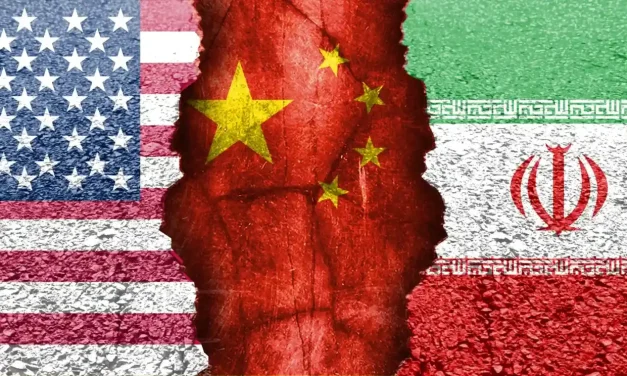
Strategic Council Online - An expert on international affairs believes that the position taken by the new US Secretary of State and White House spokesman that Iran should first return to its obligations in the Joint Comprehensive Plan of Action (JCPOA) and then wait for the lifting of the US sanctions will not be accepted by Iran. The modality of the US return to the JCPOA is the test the Biden administration is facing.

Morteza Makki, an expert on international affairs, in an interview with the website of the Strategic Council on Foreign Relations commented on Biden’s new approach towards the JCPOA and said: The Islamic Republic of Iran, by resisting against the policy of maximum pressure of the United States over the past three years, showed that by no means is willing to accept the US authoritarian policies and if the Democrats really want to return to the JCPOA and revive this agreement, first they should follow the logical and correct path, namely lifting the sanctions and then waiting for Iran to return to its nuclear commitments.

Noting that the International Atomic Energy Agency (IAEA) in 16 reports had emphasized Iran’s compliance with its nuclear commitments before Trump’s withdrawal from the JCPOA, Makki added: This is an important point for the United States and other parties to the JCPOA that Iran will abide by its obligations under the JCPOA, provided that the other parties comply with their obligations.

The expert continued by stating that it was already predicted that the return of the United States to the JCPOA would not be an easy task and that there were serious obstacles in this regard and noted: Although it was said that if there was a serious and practical will from Joe Biden, he could bring the united States back to the JCPOA and lift sanctions. However, the Democrats and Biden’s foreign and security policy team also have their own political and security considerations, trying to make the most of Trump’s policy of maximum pressure on the Islamic Republic of Iran over the past three years.

He noted that the Republicans and the Democrats have a lot in common in their views on Iran and that there is only a difference in their method and tactics of dealing with Iran, stressing: The Republicans and Trump and Pompeo themselves sought to change the Iranian ruling establishment by pursuing a policy of maximum pressure and setting 12 conditions.

Referring to the policies of the Republicans, he stressed: The Democrats have also pursued their ultimate goal of restraining Iran, and former US President Barack Obama had acknowledged that if he could, he would unfasten the nuts and bolts of Iran’s nuclear program.

Noting that the United States does not have such power, Makki said that is why the country is considering a diplomatic solution to prevent the development and progress of Iran’s nuclear program.

He continued: The talks that started in Oman and led to the JCPOA in Vienna were the result of this view and approach of the Democrats in dealing with Iran.

Emphasizing that the political and security team stationed in the White House today are in fact pursuing the same path of the Obama administration, Makki added: But the political and security situation in the region is very different from the past five years, and the Biden administration, with regard to the changes and developments that the United States has towards its regional allies, such as the Israeli regime and Saudi Arabia, makes effort to return to the JCPOA. For this reason, the Americans are seeking to return to the JCPOA from a top position, and want Iran to return to its obligations under the nuclear deal first and then lift sanctions by Washington.

According to the expert, this is a policy that has not been accepted by the government of the Islamic Republic of Iran at all, and Tehran has emphasized that it is the United States that has left the JCPOA and that Iran is still behind the JCPOA table; so it makes sense that the United States should lift the sanctions first and then wait for Iran’s response to return to its nuclear commitments in GCPOA.

Maki believes that this is not a dispute that cannot be resolved, because, in any case, the parties to the JCPOA and the International Atomic Energy Agency seem to have serious consultations on how to get the United States back to the JCPOA and then fulfill Iran’s commitments to reduce its nuclear program.

In conclusion he pointed to the outlook of the new US Secretary of State towards Iran and the JCPOA and said: The US Secretary of State Antony Blinken is being touted as the diplomat of the diplomats, and he seeks to resolve all obstacles and problems through diplomacy. Blinken’s personality is different from that of Pompeo; the JCPOA is an important testing ground to assess this senior US diplomat on the modality of return to JCPOA and revival of this agreement.

0 Comments

Submit a Comment

Your email address will not be published. Required fields are marked *

LATEST CONTENT

Consequences of Declining Trust in the Judiciary in Europe

SCFRonline – Opinion: The increase in public distrust of the French judicial system, which in recent surveys has reached approximately two-thirds of citizens, should be analyzed within a framework broader than temporary dissatisfaction or an emotional reaction to a particular criminal case.

Iran’s Potential Levers of Power

SCFRonline– Opinion: Iran’s geopolitical power is not limited solely to oil and the Strait of Hormuz; the unintended emergence of disruptions in the future global food and energy security chains can also demonstrate Iran’s strategic importance.

The Inseparability of the Lebanese Front from the Axis of Resistance

SCFR Online–Opinion: By providing an extensive network of social, healthcare, educational, and post-war reconstruction services, Hezbollah has established a strong social base for itself among Lebanon’s Shiites and Sunnis, and even beyond that, among other segments of Lebanese society, including Christians. Hezbollah has never been an external actor imposed upon Lebanon; rather, it is a phenomenon fundamentally born out of the occupation and crimes of the Zionist regime and itself influenced by popular resistance.

The Increasing Efforts of the Zionist Regime to Redefine Borders and the Regional Order and Its Consequences

SCFR Online– Opinion: Security and military developments in the region over recent months indicate that the ongoing crises and wars in Gaza, southern Lebanon, and parts of Syrian territory encompass broader dimensions of geopolitical and geostrategic transformations. In this context, the increased military presence and control of the Zionist regime over parts of the territories of these areas, along with proposals regarding the creation of buffer zones or even the expansion of security borders, have raised serious questions about the future of the regional order and its consequences for the countries of West Asia.

Loading

Últimas publicaciones

Consequences of Declining Trust in the Judiciary in Europe

SCFRonline – Opinion: The increase in public distrust of the French judicial system, which in recent surveys has reached approximately two-thirds of citizens, should be analyzed within a framework broader than temporary dissatisfaction or an emotional reaction to a particular criminal case.

Iran’s Potential Levers of Power

SCFRonline– Opinion: Iran’s geopolitical power is not limited solely to oil and the Strait of Hormuz; the unintended emergence of disruptions in the future global food and energy security chains can also demonstrate Iran’s strategic importance.

The Inseparability of the Lebanese Front from the Axis of Resistance

SCFR Online–Opinion: By providing an extensive network of social, healthcare, educational, and post-war reconstruction services, Hezbollah has established a strong social base for itself among Lebanon’s Shiites and Sunnis, and even beyond that, among other segments of Lebanese society, including Christians. Hezbollah has never been an external actor imposed upon Lebanon; rather, it is a phenomenon fundamentally born out of the occupation and crimes of the Zionist regime and itself influenced by popular resistance.

The Increasing Efforts of the Zionist Regime to Redefine Borders and the Regional Order and Its Consequences

SCFR Online– Opinion: Security and military developments in the region over recent months indicate that the ongoing crises and wars in Gaza, southern Lebanon, and parts of Syrian territory encompass broader dimensions of geopolitical and geostrategic transformations. In this context, the increased military presence and control of the Zionist regime over parts of the territories of these areas, along with proposals regarding the creation of buffer zones or even the expansion of security borders, have raised serious questions about the future of the regional order and its consequences for the countries of West Asia.

Loading

DERNIER CONTENU

Consequences of Declining Trust in the Judiciary in Europe

SCFRonline – Opinion: The increase in public distrust of the French judicial system, which in recent surveys has reached approximately two-thirds of citizens, should be analyzed within a framework broader than temporary dissatisfaction or an emotional reaction to a particular criminal case.

Iran’s Potential Levers of Power

SCFRonline– Opinion: Iran’s geopolitical power is not limited solely to oil and the Strait of Hormuz; the unintended emergence of disruptions in the future global food and energy security chains can also demonstrate Iran’s strategic importance.

The Inseparability of the Lebanese Front from the Axis of Resistance

SCFR Online–Opinion: By providing an extensive network of social, healthcare, educational, and post-war reconstruction services, Hezbollah has established a strong social base for itself among Lebanon’s Shiites and Sunnis, and even beyond that, among other segments of Lebanese society, including Christians. Hezbollah has never been an external actor imposed upon Lebanon; rather, it is a phenomenon fundamentally born out of the occupation and crimes of the Zionist regime and itself influenced by popular resistance.

The Increasing Efforts of the Zionist Regime to Redefine Borders and the Regional Order and Its Consequences

SCFR Online– Opinion: Security and military developments in the region over recent months indicate that the ongoing crises and wars in Gaza, southern Lebanon, and parts of Syrian territory encompass broader dimensions of geopolitical and geostrategic transformations. In this context, the increased military presence and control of the Zionist regime over parts of the territories of these areas, along with proposals regarding the creation of buffer zones or even the expansion of security borders, have raised serious questions about the future of the regional order and its consequences for the countries of West Asia.

Loading

DERNIER CONTENU

Consequences of Declining Trust in the Judiciary in Europe

SCFRonline – Opinion: The increase in public distrust of the French judicial system, which in recent surveys has reached approximately two-thirds of citizens, should be analyzed within a framework broader than temporary dissatisfaction or an emotional reaction to a particular criminal case.

Iran’s Potential Levers of Power

SCFRonline– Opinion: Iran’s geopolitical power is not limited solely to oil and the Strait of Hormuz; the unintended emergence of disruptions in the future global food and energy security chains can also demonstrate Iran’s strategic importance.

The Inseparability of the Lebanese Front from the Axis of Resistance

SCFR Online–Opinion: By providing an extensive network of social, healthcare, educational, and post-war reconstruction services, Hezbollah has established a strong social base for itself among Lebanon’s Shiites and Sunnis, and even beyond that, among other segments of Lebanese society, including Christians. Hezbollah has never been an external actor imposed upon Lebanon; rather, it is a phenomenon fundamentally born out of the occupation and crimes of the Zionist regime and itself influenced by popular resistance.

The Increasing Efforts of the Zionist Regime to Redefine Borders and the Regional Order and Its Consequences

SCFR Online– Opinion: Security and military developments in the region over recent months indicate that the ongoing crises and wars in Gaza, southern Lebanon, and parts of Syrian territory encompass broader dimensions of geopolitical and geostrategic transformations. In this context, the increased military presence and control of the Zionist regime over parts of the territories of these areas, along with proposals regarding the creation of buffer zones or even the expansion of security borders, have raised serious questions about the future of the regional order and its consequences for the countries of West Asia.

Loading

DERNIER CONTENU

Consequences of Declining Trust in the Judiciary in Europe

SCFRonline – Opinion: The increase in public distrust of the French judicial system, which in recent surveys has reached approximately two-thirds of citizens, should be analyzed within a framework broader than temporary dissatisfaction or an emotional reaction to a particular criminal case.

Iran’s Potential Levers of Power

SCFRonline– Opinion: Iran’s geopolitical power is not limited solely to oil and the Strait of Hormuz; the unintended emergence of disruptions in the future global food and energy security chains can also demonstrate Iran’s strategic importance.

The Inseparability of the Lebanese Front from the Axis of Resistance

SCFR Online–Opinion: By providing an extensive network of social, healthcare, educational, and post-war reconstruction services, Hezbollah has established a strong social base for itself among Lebanon’s Shiites and Sunnis, and even beyond that, among other segments of Lebanese society, including Christians. Hezbollah has never been an external actor imposed upon Lebanon; rather, it is a phenomenon fundamentally born out of the occupation and crimes of the Zionist regime and itself influenced by popular resistance.

The Increasing Efforts of the Zionist Regime to Redefine Borders and the Regional Order and Its Consequences

SCFR Online– Opinion: Security and military developments in the region over recent months indicate that the ongoing crises and wars in Gaza, southern Lebanon, and parts of Syrian territory encompass broader dimensions of geopolitical and geostrategic transformations. In this context, the increased military presence and control of the Zionist regime over parts of the territories of these areas, along with proposals regarding the creation of buffer zones or even the expansion of security borders, have raised serious questions about the future of the regional order and its consequences for the countries of West Asia.

Loading