UN test against infanticide of Zionist regime in Gaza war

2021/06/15 | interview, Politics, Top News

Strategic Council Online-An expert of West Asia said:” When the front page of New York Times is covered with the infant martyrs of Palestine, it shows that a new approach is being formed in the world public opinion”. He said:” The formation of a new common global paradigm against the invasion and unprecedented violence committed by the fake Zionist regime towards the oppressed and defenseless nation of Palestine, is one the achievements of the recent war in Gaza.

Asghar Zareie speaking to the Strategic Council Online site, pointed out to the photos of a number of infants martyred by the Zionist regime in the recent war in Gaza published in the front page of New Times in a report entitled: They were just Children, stated that:” Along with the achievements of the 12-day Gaza war in the field and military equations, there were reactions and after-shocks emanated when the war was over.


Formation of a new common global paradigm against unprecedented violence committed by Israel

He called the formation of a new common global paradigm against invasion and unprecedented violence committed by the fake Zionist regime towards the oppressed nation of Palestine as one of the most important reactions and added that:” We witnessed a large number of extensive demonstrations and gatherings throughout the world including in European and American countries that show a new approach towards the developments of the occupied territories.

The expert of West Asia added that:” Such events were not unprecedented in Arab-Islamic countries. The rank and file people normally supported them in this way. However, they were not supported by the leaders of their countries but Arab and Muslim nations had already shown their companionship and alignment to the oppressed nation of Palestine in previous clashes. Although, in the past, we witnessed some supporting demonstrations in the West, but protests and critics were very much extensive this time.

Zarei said:” Publishing of the infant martyrs of Gaza in New York Times daily front page is an unprecedented measure in media policy of the United States of America”. He continued:” The reaction towards the crimes committed by the fake Zionist regime was remarkable in the Western media during the period of war, a clear example of which was publishing the photos of more than 60 infant martyrs and covering some of the event took place in the occupied territories by the (Zionist) regime.

Having reminded that about 69 infants plus 40 women attained martyrdom during the 12-day war, he added: “The front page of New York Times daily covered with the photos of infants Palestinian martyrs shows that a new approach in the world public opinion and especially the media is being formed which can make the scene irritating and annoying for the fake Zionist regime as well as its leaders and supporters.


Changing situation for the Zionist regime and its supporters

The expert of West Asia pointed out to the analysis of New York Times on the escalation of anti-Israeli feelings in the world and changing situation in expressing their feelings, and explained:” Despite the confessions, the international bodies and those who were supposed to address the issue, unfortunately did not react seriously. Having played a bystander role, they kept their lips tight. Efforts made by members of the United Nations Security Council to take a decision or even issue a statement, were foiled by the continuous oppositions of the United States of America.

Zarei added that:” But the will of the world nations including Latin America, North America and Europe showed that they believed in the crimes committed by the Zionist regime. Thus, they publicly and expressly showed their protest against such crimes and the extensive suppression applied on the Palestinian nation. It shows that the situation is changing for the Zionist regime and its supporters.

Having pointed out the New York Times report, the West Asia expert said that the critics consider the large number of infant martyrs as an evidence of aimless air strikes of Israel. He further emphasized the importance of the responsibility of the United Nations on the criminal acts committed by the Zionist regime against the people of Palestine, and added that:” human rights bodies and international agencies should take actions more seriously and make the regime quit the crimes through their operational instruments.

He added that:” It is now 73 years since the formation of the fake Zionist regime. The United Nations has been witnessing the events and crimes since 1948. Unfortunately, with constant logistical supports of the Western countries especially the US, the UK and France, serious decisions were not taken by the United Nations about this issue. Even if decisions were made, they were incomplete and received a cold shoulder from the Zionist regime.

Having quoted the position taken by the Foreign Minister of Ireland that had said:” the present trend is not acceptable” and also his pledge “to make a file at the UN to account Israel for the killing of children” and added:” They are inactively observing the killings. Moreover, we have been witnessing the parallel international organizations issued a number of resolutions which unfortunately and again due to the support of American and European countries were less- effective. Thus, the rudeness and impertinence of the Zionist regime has continued.

He underscored that the events happened during the 12-day war show that equation and balance of power should be turned into balance of horror. The Zionist regime should feel that it does not belong to this land and its presence in the occupied territories could be costly. As we noticed, some of citizens of the occupied territories are looking for migration and leaving there. They can’t expect a stable situation for themselves in the occupied territories.
0 Comments

Submit a Comment

Your email address will not be published. Required fields are marked *

LATEST CONTENT

The Makkah Pact; Reasons for its Formation and Challenges Ahead

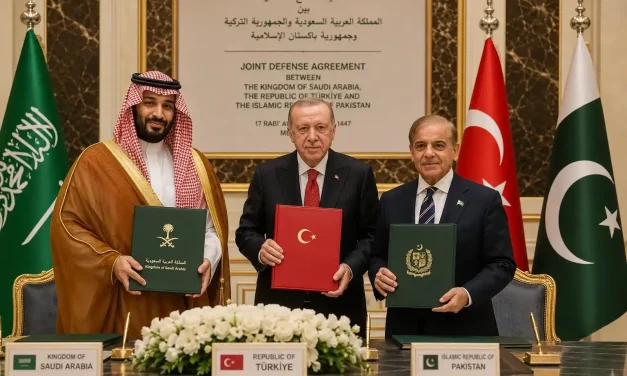
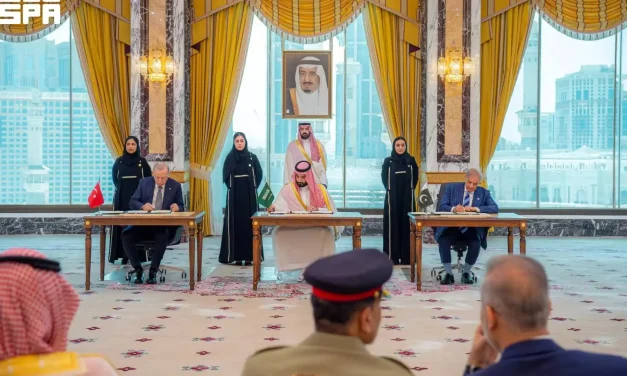
SCFR Online – Opinion: The Makkah Pact, signed between Saudi Arabia, Pakistan, and Turkey under the motto “an attack on one is an attack on all,” is viewed by some analysts less as a full-fledged military coalition and more as an attempt to reduce security dependence on an external power and to establish a regional security mechanism.

Implications of the US-Saudi Nuclear Agreement

SCFR Online – Opinion: The new US-Saudi nuclear agreement, despite legal and political ambiguities, could alter previous non-proliferation standards in West Asia and intensify nuclear competition, ushering it into a new phase.

An Analysis of Recent Turkey-Israeli Regime Tensions

SCFR Online – Opinion: Recent developments in Syria indicate an intensification of strategic rivalry between Turkey and the Israeli regime, but mutual considerations and the role of the United States have limited the likelihood of direct war.

Increasing criticism of the extensive Zionist lobby network

SCFR Online – Opinion: An examination of the mechanisms of the Israeli regime’s influence in the United States depicts a complex picture of shared interests, strategic dependencies, and the limitations of this relationship.

Realities of the Tripartite Makkah Pact

SCFR Online – Interview: The signing of the Makkah agreement between Saudi Arabia, Pakistan, and Turkey has raised questions about the future of the region’s security structure and the position of these countries in West Asian equations. Can this agreement become a genuine collective defense mechanism, or does it have more of a political and deterrent function than creating new military capacity?

Strategic Implications of the Reduction of US Weapons Stockpiles

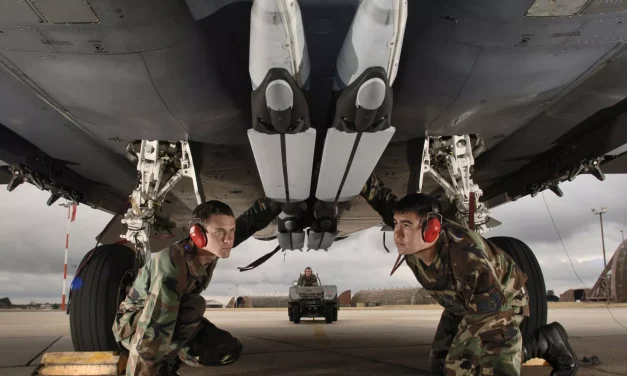
SCFR Online – Opinion: The continuation of the US war against Iran, in addition to increasing operational costs, has called into question the actual capacity of the American arsenal to simultaneously fulfill security commitments on multiple fronts; an issue that affects deterrence, defense production capacity, and Washington’s resource prioritization.

Loading

Últimas publicaciones

The Makkah Pact; Reasons for its Formation and Challenges Ahead

SCFR Online – Opinion: The Makkah Pact, signed between Saudi Arabia, Pakistan, and Turkey under the motto “an attack on one is an attack on all,” is viewed by some analysts less as a full-fledged military coalition and more as an attempt to reduce security dependence on an external power and to establish a regional security mechanism.

Implications of the US-Saudi Nuclear Agreement

SCFR Online – Opinion: The new US-Saudi nuclear agreement, despite legal and political ambiguities, could alter previous non-proliferation standards in West Asia and intensify nuclear competition, ushering it into a new phase.

An Analysis of Recent Turkey-Israeli Regime Tensions

SCFR Online – Opinion: Recent developments in Syria indicate an intensification of strategic rivalry between Turkey and the Israeli regime, but mutual considerations and the role of the United States have limited the likelihood of direct war.

Increasing criticism of the extensive Zionist lobby network

SCFR Online – Opinion: An examination of the mechanisms of the Israeli regime’s influence in the United States depicts a complex picture of shared interests, strategic dependencies, and the limitations of this relationship.

Realities of the Tripartite Makkah Pact

SCFR Online – Interview: The signing of the Makkah agreement between Saudi Arabia, Pakistan, and Turkey has raised questions about the future of the region’s security structure and the position of these countries in West Asian equations. Can this agreement become a genuine collective defense mechanism, or does it have more of a political and deterrent function than creating new military capacity?

Strategic Implications of the Reduction of US Weapons Stockpiles

SCFR Online – Opinion: The continuation of the US war against Iran, in addition to increasing operational costs, has called into question the actual capacity of the American arsenal to simultaneously fulfill security commitments on multiple fronts; an issue that affects deterrence, defense production capacity, and Washington’s resource prioritization.

Loading

DERNIER CONTENU

The Makkah Pact; Reasons for its Formation and Challenges Ahead

SCFR Online – Opinion: The Makkah Pact, signed between Saudi Arabia, Pakistan, and Turkey under the motto “an attack on one is an attack on all,” is viewed by some analysts less as a full-fledged military coalition and more as an attempt to reduce security dependence on an external power and to establish a regional security mechanism.

Implications of the US-Saudi Nuclear Agreement

SCFR Online – Opinion: The new US-Saudi nuclear agreement, despite legal and political ambiguities, could alter previous non-proliferation standards in West Asia and intensify nuclear competition, ushering it into a new phase.

An Analysis of Recent Turkey-Israeli Regime Tensions

SCFR Online – Opinion: Recent developments in Syria indicate an intensification of strategic rivalry between Turkey and the Israeli regime, but mutual considerations and the role of the United States have limited the likelihood of direct war.

Increasing criticism of the extensive Zionist lobby network

SCFR Online – Opinion: An examination of the mechanisms of the Israeli regime’s influence in the United States depicts a complex picture of shared interests, strategic dependencies, and the limitations of this relationship.

Realities of the Tripartite Makkah Pact

SCFR Online – Interview: The signing of the Makkah agreement between Saudi Arabia, Pakistan, and Turkey has raised questions about the future of the region’s security structure and the position of these countries in West Asian equations. Can this agreement become a genuine collective defense mechanism, or does it have more of a political and deterrent function than creating new military capacity?

Strategic Implications of the Reduction of US Weapons Stockpiles

SCFR Online – Opinion: The continuation of the US war against Iran, in addition to increasing operational costs, has called into question the actual capacity of the American arsenal to simultaneously fulfill security commitments on multiple fronts; an issue that affects deterrence, defense production capacity, and Washington’s resource prioritization.

Loading

DERNIER CONTENU

The Makkah Pact; Reasons for its Formation and Challenges Ahead

SCFR Online – Opinion: The Makkah Pact, signed between Saudi Arabia, Pakistan, and Turkey under the motto “an attack on one is an attack on all,” is viewed by some analysts less as a full-fledged military coalition and more as an attempt to reduce security dependence on an external power and to establish a regional security mechanism.

Implications of the US-Saudi Nuclear Agreement

SCFR Online – Opinion: The new US-Saudi nuclear agreement, despite legal and political ambiguities, could alter previous non-proliferation standards in West Asia and intensify nuclear competition, ushering it into a new phase.

An Analysis of Recent Turkey-Israeli Regime Tensions

SCFR Online – Opinion: Recent developments in Syria indicate an intensification of strategic rivalry between Turkey and the Israeli regime, but mutual considerations and the role of the United States have limited the likelihood of direct war.

Increasing criticism of the extensive Zionist lobby network

SCFR Online – Opinion: An examination of the mechanisms of the Israeli regime’s influence in the United States depicts a complex picture of shared interests, strategic dependencies, and the limitations of this relationship.

Realities of the Tripartite Makkah Pact

SCFR Online – Interview: The signing of the Makkah agreement between Saudi Arabia, Pakistan, and Turkey has raised questions about the future of the region’s security structure and the position of these countries in West Asian equations. Can this agreement become a genuine collective defense mechanism, or does it have more of a political and deterrent function than creating new military capacity?

Strategic Implications of the Reduction of US Weapons Stockpiles

SCFR Online – Opinion: The continuation of the US war against Iran, in addition to increasing operational costs, has called into question the actual capacity of the American arsenal to simultaneously fulfill security commitments on multiple fronts; an issue that affects deterrence, defense production capacity, and Washington’s resource prioritization.

Loading

DERNIER CONTENU

The Makkah Pact; Reasons for its Formation and Challenges Ahead

SCFR Online – Opinion: The Makkah Pact, signed between Saudi Arabia, Pakistan, and Turkey under the motto “an attack on one is an attack on all,” is viewed by some analysts less as a full-fledged military coalition and more as an attempt to reduce security dependence on an external power and to establish a regional security mechanism.

Implications of the US-Saudi Nuclear Agreement

SCFR Online – Opinion: The new US-Saudi nuclear agreement, despite legal and political ambiguities, could alter previous non-proliferation standards in West Asia and intensify nuclear competition, ushering it into a new phase.

An Analysis of Recent Turkey-Israeli Regime Tensions

SCFR Online – Opinion: Recent developments in Syria indicate an intensification of strategic rivalry between Turkey and the Israeli regime, but mutual considerations and the role of the United States have limited the likelihood of direct war.

Increasing criticism of the extensive Zionist lobby network

SCFR Online – Opinion: An examination of the mechanisms of the Israeli regime’s influence in the United States depicts a complex picture of shared interests, strategic dependencies, and the limitations of this relationship.

Realities of the Tripartite Makkah Pact

SCFR Online – Interview: The signing of the Makkah agreement between Saudi Arabia, Pakistan, and Turkey has raised questions about the future of the region’s security structure and the position of these countries in West Asian equations. Can this agreement become a genuine collective defense mechanism, or does it have more of a political and deterrent function than creating new military capacity?

Strategic Implications of the Reduction of US Weapons Stockpiles

SCFR Online – Opinion: The continuation of the US war against Iran, in addition to increasing operational costs, has called into question the actual capacity of the American arsenal to simultaneously fulfill security commitments on multiple fronts; an issue that affects deterrence, defense production capacity, and Washington’s resource prioritization.

Loading