
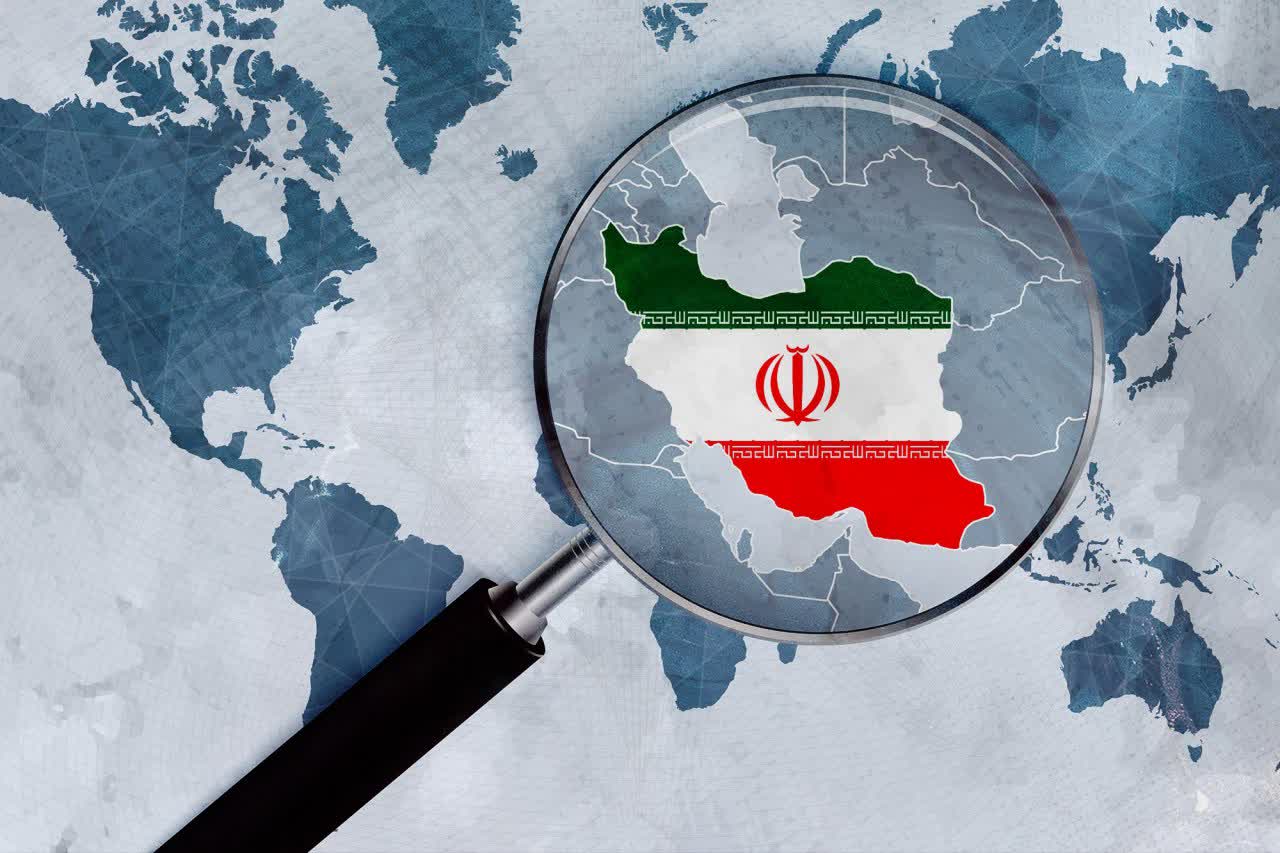
Mohammad Khajouei, in an interview with the website of the Strategic Council on Foreign Relations, said: “Iran is in the midst of a major conflict, and all evidence suggests that, given the unresolved disputed issues between the two sides, the likelihood of clashes and confrontations persists in both the short and long term. Therefore, under the current circumstances, it is too early to present definitive propositions and outcomes.”
Referring to the recent strikes by the Israeli regime against Iran, particularly through targeted assassinations and attacks on structures, military facilities, and nuclear centers, he added: “Part of Iran’s retaliatory strikes against this regime is linked to its structural power, especially within its military institutions. Despite the assassination of the country’s top military figures, Iran’s military structure managed to maintain its strength and cohesion under these conditions. It continued its attacks against the Israeli regime until the last moments before the ceasefire was declared.”
Khajouei identified offensive power as the second factor behind Iran’s strong military response to the Israeli regime, explaining: “Iran’s missile capability was one of the most influential components in the recent war. This military operation demonstrated that Iran’s missile power is well-established and can significantly impact the dynamics of warfare.”
The expert noted that another factor was Iran’s national cohesion, stating: “Despite some discontent within Iranian society, the recent war showed that national identity in Iran is very strong and becomes more pronounced during conflicts. In fact, the recent convergence among Iranians during the war, despite their political differences, reflected this national unity, which helped prevent internal fragmentation, at least under these circumstances.”
He added: “The Israeli regime had heavily banked on this option to inflict damage on Iran from this perspective.”
When asked about the role of the Resistance forces and Iran’s regional allies in establishing effective deterrence, Khajouei explained: “Over the past two decades, Iran’s deterrence strategy has relied on two pillars: first, support for Resistance groups in the region, and second, the country’s missile and drone capabilities. This model has been highly effective over the past 20 years.”
According to the expert, following developments in the past year and a half that weakened the Resistance groups, a situation emerged where U.S. and Israeli regime assessments concluded that Iran was in a position of weakness and could be targeted.
He elaborated: “The Israeli regime’s direct military attack on Iran and the ensuing direct war between the two sides were the result of the weakening of Iran’s allied groups in the region. However, this does not mean the end of the story, as many of these groups remain active despite the blows they have suffered, and their survival has always relied on national and regional imperatives.”
Khajouei continued: “Many of these groups emerged under conditions of occupation and the expansionist and hegemonic policies of the Israeli regime. Therefore, as long as these policies persist, these groups will continue to exist.”
When asked whether these conflicts indicate the failure of the Israeli regime’s “remote stimulation” strategy, the West Asian affairs expert said: “It is still too early to discuss this, as the conflict is not over, and evidence suggests that the possibility of further clashes between Iran and the Israeli regime remains.”
He explained: “When analyzed from the Israeli regime’s perspective, it becomes clear that the regime had been trapped for years in a predicament imposed by the Resistance Axis led by Iran, effectively placing the Israeli regime under siege by Resistance groups in the region. The post-October seven situation was such that the regime sought to reverse this trend and move toward weakening the most effective axis against it.”*
Khajouei added: “Thus, the Israeli regime attempted to turn this defeat into a victory by striking Resistance groups in the region and subsequently concluded that it now had an opportunity for revenge by targeting Iran as the central element of the Resistance Axis.”
In conclusion, the expert stated that it appears the Israeli regime still has the motivation to continue this conflict to achieve strategic gains. What matters to the regime is preventing the revival of the Resistance Axis and establishing a new security equation against Iran. However, the Israeli regime faces numerous challenges and obstacles in achieving these goals, and despite enduring some blows, Iran remains an influential offensive player capable of preventing the imposition of a new security equation against our country.









0 Comments