جدیدترین مطالب

Implications of the US-Saudi Nuclear Agreement

SCFR Online – Opinion: The new US-Saudi nuclear agreement, despite legal and political ambiguities, could alter previous non-proliferation standards in West Asia and intensify nuclear competition, ushering it into a new phase.

An Analysis of Recent Turkey-Israeli Regime Tensions

SCFR Online – Opinion: Recent developments in Syria indicate an intensification of strategic rivalry between Turkey and the Israeli regime, but mutual considerations and the role of the United States have limited the likelihood of direct war.

Increasing criticism of the extensive Zionist lobby network

SCFR Online – Opinion: An examination of the mechanisms of the Israeli regime’s influence in the United States depicts a complex picture of shared interests, strategic dependencies, and the limitations of this relationship.

Realities of the Tripartite Makkah Pact

SCFR Online – Interview: The signing of the Makkah agreement between Saudi Arabia, Pakistan, and Turkey has raised questions about the future of the region’s security structure and the position of these countries in West Asian equations. Can this agreement become a genuine collective defense mechanism, or does it have more of a political and deterrent function than creating new military capacity?

Strategic Implications of the Reduction of US Weapons Stockpiles

SCFR Online – Opinion: The continuation of the US war against Iran, in addition to increasing operational costs, has called into question the actual capacity of the American arsenal to simultaneously fulfill security commitments on multiple fronts; an issue that affects deterrence, defense production capacity, and Washington’s resource prioritization.

The Formation of a New Order in Relations Between Powers

SCFR Online – Opinion: The Russia-Ukraine war and the war of the United States and the Israeli regime against Iran have been formed with different objectives and actors, but field and political developments indicate that they are not entirely separate from one another.

An Analysis of the Makkah Defense Pact

SCFR Online – Opinion: On Friday, August 7, the heads of state of three countries – Saudi Arabia, Turkey, and Pakistan – signed a text under the title “Makkah Joint Defense Agreement.”

Loading

Resistance axis

The Inseparability of the Lebanese Front from the Axis of Resistance

The Inseparability of the Lebanese Front from the Axis of Resistance

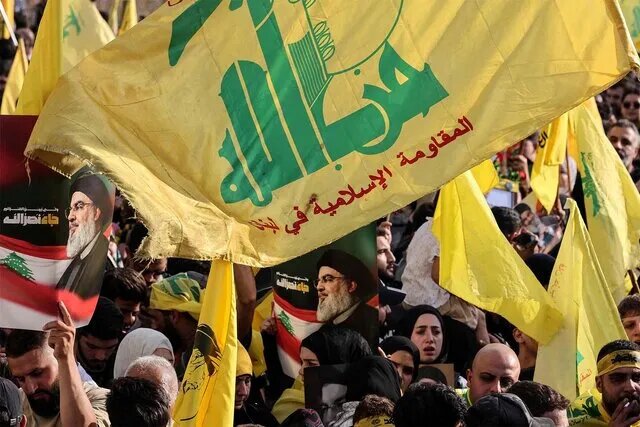
SCFR Online–Opinion: By providing an extensive network of social, healthcare, educational, and post-war reconstruction services, Hezbollah has established a strong social base for itself among Lebanon’s Shiites and Sunnis, and even beyond that, among other segments of Lebanese society, including Christians. Hezbollah has never been an external actor imposed upon Lebanon; rather, it is a phenomenon fundamentally born out of the occupation and crimes of the Zionist regime and itself influenced by popular resistance.

An Analysis of Hezbollah Lebanon’s Significant Role in the Ramadan War

An Analysis of Hezbollah Lebanon’s Significant Role in the Ramadan War

SCFR Online – Interview: An analyst of West Asian affairs and former Iranian diplomat in Beirut, stating that Hezbollah Lebanon has played a pivotal role in recent regional developments, remarked: “Hezbollah Lebanon has strengthened the Axis of Resistance in the Ramadan War.”

Iran’s Strategy Regarding Trump’s Approach in West Asia

Iran’s Strategy Regarding Trump’s Approach in West Asia

Online Strategic Council – Interview: An expert on West Asian issues stated: Trump’s foreign policy in West Asia began with threats, humiliation, and a show of power, but ultimately ended in failure and strengthened the position of the Resistance Axis.

The 12-Day War: An Opportunity for Designing Targeted Public Diplomacy

The 12-Day War: An Opportunity for Designing Targeted Public Diplomacy

Strategic Council Online – Interview: A researcher on West Asian affairs stated: The 12-day war of the Israeli regime against Iran, despite its aggressive and destructive nature, can turn into a strategic opportunity for our country; a chance to legitimize defense policies and strengthen the Resistance Discourse in the international system. In a world where public opinion plays an increasing role in shaping policies, effective narrative-building about this war is the key to turning threat into opportunity. Iran, relying on public diplomacy and transnational media, can present the Israeli regime’s attacks as a blatant violation of international law and emphasize its legitimate right to defense and deterrence. Furthermore, by portraying itself as logical, resistant, and oppressed, it can pave the way for increased regional and global empathy. Ultimately, this war can provide a platform for domestic consensus, cohesion of the Resistance Axis, and redefining Iran’s position as a responsible actor in regional security equations.

Iran’s Position in the Regional Balance of Power

Iran’s Position in the Regional Balance of Power

Strategic Council Online– Interview: A researcher on West Asian affairs stated that following the end of the 12-day war between the Israeli regime and Iran, which began on June 12 with the regime’s aggressive attacks on our country’s soil, resulting in the martyrdom of several military commanders, nuclear scientists, and even civilians, many questions arose. Among them was how Iran managed to shift the regional balance of power in its favor despite the extensive attacks by the Israeli regime on our country.

Possible Scenarios of the Israeli Regime Against Hezbollah

Possible Scenarios of the Israeli Regime Against Hezbollah

Strategic Council Online – Guest Opinion: After the start of Operation Al-Aqsa Storm, the Palestinian Resistance groups tried to present a new tactic in line with the interests of the Resistance, which resulted in the longest war against the Zionist regime since the beginning of the announcement of the existence of this regime. One of the major actors of the Resistance front, which has become a security concern in the past decades against the national security doctrine of the Israeli regime, is undoubtedly Lebanon’s Hezbollah.

The prospect of confrontation between the US and Iraqi resistance groups

The prospect of confrontation between the US and Iraqi resistance groups

Strategic Council Online—Interview: An expert on regional and Iraq issues said that as long as the Gaza crisis, the threat of the US against the resistance movements in the region, and also the pressure on Iran as the main base of the resistance axis continues, in the shadow of these tensions, the confrontation between the US and the resistance groups in Iraq will continue.

أحدث الوظائف

Implications of the US-Saudi Nuclear Agreement

SCFR Online – Opinion: The new US-Saudi nuclear agreement, despite legal and political ambiguities, could alter previous non-proliferation standards in West Asia and intensify nuclear competition, ushering it into a new phase.

An Analysis of Recent Turkey-Israeli Regime Tensions

SCFR Online – Opinion: Recent developments in Syria indicate an intensification of strategic rivalry between Turkey and the Israeli regime, but mutual considerations and the role of the United States have limited the likelihood of direct war.

Increasing criticism of the extensive Zionist lobby network

SCFR Online – Opinion: An examination of the mechanisms of the Israeli regime’s influence in the United States depicts a complex picture of shared interests, strategic dependencies, and the limitations of this relationship.

Realities of the Tripartite Makkah Pact

SCFR Online – Interview: The signing of the Makkah agreement between Saudi Arabia, Pakistan, and Turkey has raised questions about the future of the region’s security structure and the position of these countries in West Asian equations. Can this agreement become a genuine collective defense mechanism, or does it have more of a political and deterrent function than creating new military capacity?

Strategic Implications of the Reduction of US Weapons Stockpiles

SCFR Online – Opinion: The continuation of the US war against Iran, in addition to increasing operational costs, has called into question the actual capacity of the American arsenal to simultaneously fulfill security commitments on multiple fronts; an issue that affects deterrence, defense production capacity, and Washington’s resource prioritization.

The Formation of a New Order in Relations Between Powers

SCFR Online – Opinion: The Russia-Ukraine war and the war of the United States and the Israeli regime against Iran have been formed with different objectives and actors, but field and political developments indicate that they are not entirely separate from one another.

An Analysis of the Makkah Defense Pact

SCFR Online – Opinion: On Friday, August 7, the heads of state of three countries – Saudi Arabia, Turkey, and Pakistan – signed a text under the title “Makkah Joint Defense Agreement.”

Loading

Resistance axis

The Inseparability of the Lebanese Front from the Axis of Resistance

The Inseparability of the Lebanese Front from the Axis of Resistance

SCFR Online–Opinion: By providing an extensive network of social, healthcare, educational, and post-war reconstruction services, Hezbollah has established a strong social base for itself among Lebanon’s Shiites and Sunnis, and even beyond that, among other segments of Lebanese society, including Christians. Hezbollah has never been an external actor imposed upon Lebanon; rather, it is a phenomenon fundamentally born out of the occupation and crimes of the Zionist regime and itself influenced by popular resistance.

An Analysis of Hezbollah Lebanon’s Significant Role in the Ramadan War

An Analysis of Hezbollah Lebanon’s Significant Role in the Ramadan War

SCFR Online – Interview: An analyst of West Asian affairs and former Iranian diplomat in Beirut, stating that Hezbollah Lebanon has played a pivotal role in recent regional developments, remarked: “Hezbollah Lebanon has strengthened the Axis of Resistance in the Ramadan War.”

Iran’s Strategy Regarding Trump’s Approach in West Asia

Iran’s Strategy Regarding Trump’s Approach in West Asia

Online Strategic Council – Interview: An expert on West Asian issues stated: Trump’s foreign policy in West Asia began with threats, humiliation, and a show of power, but ultimately ended in failure and strengthened the position of the Resistance Axis.

The 12-Day War: An Opportunity for Designing Targeted Public Diplomacy

The 12-Day War: An Opportunity for Designing Targeted Public Diplomacy

Strategic Council Online – Interview: A researcher on West Asian affairs stated: The 12-day war of the Israeli regime against Iran, despite its aggressive and destructive nature, can turn into a strategic opportunity for our country; a chance to legitimize defense policies and strengthen the Resistance Discourse in the international system. In a world where public opinion plays an increasing role in shaping policies, effective narrative-building about this war is the key to turning threat into opportunity. Iran, relying on public diplomacy and transnational media, can present the Israeli regime’s attacks as a blatant violation of international law and emphasize its legitimate right to defense and deterrence. Furthermore, by portraying itself as logical, resistant, and oppressed, it can pave the way for increased regional and global empathy. Ultimately, this war can provide a platform for domestic consensus, cohesion of the Resistance Axis, and redefining Iran’s position as a responsible actor in regional security equations.

Iran’s Position in the Regional Balance of Power

Iran’s Position in the Regional Balance of Power

Strategic Council Online– Interview: A researcher on West Asian affairs stated that following the end of the 12-day war between the Israeli regime and Iran, which began on June 12 with the regime’s aggressive attacks on our country’s soil, resulting in the martyrdom of several military commanders, nuclear scientists, and even civilians, many questions arose. Among them was how Iran managed to shift the regional balance of power in its favor despite the extensive attacks by the Israeli regime on our country.

Possible Scenarios of the Israeli Regime Against Hezbollah

Possible Scenarios of the Israeli Regime Against Hezbollah

Strategic Council Online – Guest Opinion: After the start of Operation Al-Aqsa Storm, the Palestinian Resistance groups tried to present a new tactic in line with the interests of the Resistance, which resulted in the longest war against the Zionist regime since the beginning of the announcement of the existence of this regime. One of the major actors of the Resistance front, which has become a security concern in the past decades against the national security doctrine of the Israeli regime, is undoubtedly Lebanon’s Hezbollah.

The prospect of confrontation between the US and Iraqi resistance groups

The prospect of confrontation between the US and Iraqi resistance groups

Strategic Council Online—Interview: An expert on regional and Iraq issues said that as long as the Gaza crisis, the threat of the US against the resistance movements in the region, and also the pressure on Iran as the main base of the resistance axis continues, in the shadow of these tensions, the confrontation between the US and the resistance groups in Iraq will continue.

Resistance axis

The Inseparability of the Lebanese Front from the Axis of Resistance

The Inseparability of the Lebanese Front from the Axis of Resistance

SCFR Online–Opinion: By providing an extensive network of social, healthcare, educational, and post-war reconstruction services, Hezbollah has established a strong social base for itself among Lebanon’s Shiites and Sunnis, and even beyond that, among other segments of Lebanese society, including Christians. Hezbollah has never been an external actor imposed upon Lebanon; rather, it is a phenomenon fundamentally born out of the occupation and crimes of the Zionist regime and itself influenced by popular resistance.

An Analysis of Hezbollah Lebanon’s Significant Role in the Ramadan War

An Analysis of Hezbollah Lebanon’s Significant Role in the Ramadan War

SCFR Online – Interview: An analyst of West Asian affairs and former Iranian diplomat in Beirut, stating that Hezbollah Lebanon has played a pivotal role in recent regional developments, remarked: “Hezbollah Lebanon has strengthened the Axis of Resistance in the Ramadan War.”

Iran’s Strategy Regarding Trump’s Approach in West Asia

Iran’s Strategy Regarding Trump’s Approach in West Asia

Online Strategic Council – Interview: An expert on West Asian issues stated: Trump’s foreign policy in West Asia began with threats, humiliation, and a show of power, but ultimately ended in failure and strengthened the position of the Resistance Axis.

The 12-Day War: An Opportunity for Designing Targeted Public Diplomacy

The 12-Day War: An Opportunity for Designing Targeted Public Diplomacy

Strategic Council Online – Interview: A researcher on West Asian affairs stated: The 12-day war of the Israeli regime against Iran, despite its aggressive and destructive nature, can turn into a strategic opportunity for our country; a chance to legitimize defense policies and strengthen the Resistance Discourse in the international system. In a world where public opinion plays an increasing role in shaping policies, effective narrative-building about this war is the key to turning threat into opportunity. Iran, relying on public diplomacy and transnational media, can present the Israeli regime’s attacks as a blatant violation of international law and emphasize its legitimate right to defense and deterrence. Furthermore, by portraying itself as logical, resistant, and oppressed, it can pave the way for increased regional and global empathy. Ultimately, this war can provide a platform for domestic consensus, cohesion of the Resistance Axis, and redefining Iran’s position as a responsible actor in regional security equations.

Iran’s Position in the Regional Balance of Power

Iran’s Position in the Regional Balance of Power

Strategic Council Online– Interview: A researcher on West Asian affairs stated that following the end of the 12-day war between the Israeli regime and Iran, which began on June 12 with the regime’s aggressive attacks on our country’s soil, resulting in the martyrdom of several military commanders, nuclear scientists, and even civilians, many questions arose. Among them was how Iran managed to shift the regional balance of power in its favor despite the extensive attacks by the Israeli regime on our country.

Possible Scenarios of the Israeli Regime Against Hezbollah

Possible Scenarios of the Israeli Regime Against Hezbollah

Strategic Council Online – Guest Opinion: After the start of Operation Al-Aqsa Storm, the Palestinian Resistance groups tried to present a new tactic in line with the interests of the Resistance, which resulted in the longest war against the Zionist regime since the beginning of the announcement of the existence of this regime. One of the major actors of the Resistance front, which has become a security concern in the past decades against the national security doctrine of the Israeli regime, is undoubtedly Lebanon’s Hezbollah.

The prospect of confrontation between the US and Iraqi resistance groups

The prospect of confrontation between the US and Iraqi resistance groups

Strategic Council Online—Interview: An expert on regional and Iraq issues said that as long as the Gaza crisis, the threat of the US against the resistance movements in the region, and also the pressure on Iran as the main base of the resistance axis continues, in the shadow of these tensions, the confrontation between the US and the resistance groups in Iraq will continue.

LATEST CONTENT

Implications of the US-Saudi Nuclear Agreement

SCFR Online – Opinion: The new US-Saudi nuclear agreement, despite legal and political ambiguities, could alter previous non-proliferation standards in West Asia and intensify nuclear competition, ushering it into a new phase.

An Analysis of Recent Turkey-Israeli Regime Tensions

SCFR Online – Opinion: Recent developments in Syria indicate an intensification of strategic rivalry between Turkey and the Israeli regime, but mutual considerations and the role of the United States have limited the likelihood of direct war.

Increasing criticism of the extensive Zionist lobby network

SCFR Online – Opinion: An examination of the mechanisms of the Israeli regime’s influence in the United States depicts a complex picture of shared interests, strategic dependencies, and the limitations of this relationship.

Realities of the Tripartite Makkah Pact

SCFR Online – Interview: The signing of the Makkah agreement between Saudi Arabia, Pakistan, and Turkey has raised questions about the future of the region’s security structure and the position of these countries in West Asian equations. Can this agreement become a genuine collective defense mechanism, or does it have more of a political and deterrent function than creating new military capacity?

Strategic Implications of the Reduction of US Weapons Stockpiles

SCFR Online – Opinion: The continuation of the US war against Iran, in addition to increasing operational costs, has called into question the actual capacity of the American arsenal to simultaneously fulfill security commitments on multiple fronts; an issue that affects deterrence, defense production capacity, and Washington’s resource prioritization.

The Formation of a New Order in Relations Between Powers

SCFR Online – Opinion: The Russia-Ukraine war and the war of the United States and the Israeli regime against Iran have been formed with different objectives and actors, but field and political developments indicate that they are not entirely separate from one another.

An Analysis of the Makkah Defense Pact

SCFR Online – Opinion: On Friday, August 7, the heads of state of three countries – Saudi Arabia, Turkey, and Pakistan – signed a text under the title “Makkah Joint Defense Agreement.”

Loading

Resistance axis

The Inseparability of the Lebanese Front from the Axis of Resistance

The Inseparability of the Lebanese Front from the Axis of Resistance

SCFR Online–Opinion: By providing an extensive network of social, healthcare, educational, and post-war reconstruction services, Hezbollah has established a strong social base for itself among Lebanon’s Shiites and Sunnis, and even beyond that, among other segments of Lebanese society, including Christians. Hezbollah has never been an external actor imposed upon Lebanon; rather, it is a phenomenon fundamentally born out of the occupation and crimes of the Zionist regime and itself influenced by popular resistance.

An Analysis of Hezbollah Lebanon’s Significant Role in the Ramadan War

An Analysis of Hezbollah Lebanon’s Significant Role in the Ramadan War

SCFR Online – Interview: An analyst of West Asian affairs and former Iranian diplomat in Beirut, stating that Hezbollah Lebanon has played a pivotal role in recent regional developments, remarked: “Hezbollah Lebanon has strengthened the Axis of Resistance in the Ramadan War.”

Iran’s Strategy Regarding Trump’s Approach in West Asia

Iran’s Strategy Regarding Trump’s Approach in West Asia

Online Strategic Council – Interview: An expert on West Asian issues stated: Trump’s foreign policy in West Asia began with threats, humiliation, and a show of power, but ultimately ended in failure and strengthened the position of the Resistance Axis.

The 12-Day War: An Opportunity for Designing Targeted Public Diplomacy

The 12-Day War: An Opportunity for Designing Targeted Public Diplomacy

Strategic Council Online – Interview: A researcher on West Asian affairs stated: The 12-day war of the Israeli regime against Iran, despite its aggressive and destructive nature, can turn into a strategic opportunity for our country; a chance to legitimize defense policies and strengthen the Resistance Discourse in the international system. In a world where public opinion plays an increasing role in shaping policies, effective narrative-building about this war is the key to turning threat into opportunity. Iran, relying on public diplomacy and transnational media, can present the Israeli regime’s attacks as a blatant violation of international law and emphasize its legitimate right to defense and deterrence. Furthermore, by portraying itself as logical, resistant, and oppressed, it can pave the way for increased regional and global empathy. Ultimately, this war can provide a platform for domestic consensus, cohesion of the Resistance Axis, and redefining Iran’s position as a responsible actor in regional security equations.

Iran’s Position in the Regional Balance of Power

Iran’s Position in the Regional Balance of Power

Strategic Council Online– Interview: A researcher on West Asian affairs stated that following the end of the 12-day war between the Israeli regime and Iran, which began on June 12 with the regime’s aggressive attacks on our country’s soil, resulting in the martyrdom of several military commanders, nuclear scientists, and even civilians, many questions arose. Among them was how Iran managed to shift the regional balance of power in its favor despite the extensive attacks by the Israeli regime on our country.

Possible Scenarios of the Israeli Regime Against Hezbollah

Possible Scenarios of the Israeli Regime Against Hezbollah

Strategic Council Online – Guest Opinion: After the start of Operation Al-Aqsa Storm, the Palestinian Resistance groups tried to present a new tactic in line with the interests of the Resistance, which resulted in the longest war against the Zionist regime since the beginning of the announcement of the existence of this regime. One of the major actors of the Resistance front, which has become a security concern in the past decades against the national security doctrine of the Israeli regime, is undoubtedly Lebanon’s Hezbollah.

The prospect of confrontation between the US and Iraqi resistance groups

The prospect of confrontation between the US and Iraqi resistance groups

Strategic Council Online—Interview: An expert on regional and Iraq issues said that as long as the Gaza crisis, the threat of the US against the resistance movements in the region, and also the pressure on Iran as the main base of the resistance axis continues, in the shadow of these tensions, the confrontation between the US and the resistance groups in Iraq will continue.

ÚLTIMAS PUBLICACIONES

Implications of the US-Saudi Nuclear Agreement

SCFR Online – Opinion: The new US-Saudi nuclear agreement, despite legal and political ambiguities, could alter previous non-proliferation standards in West Asia and intensify nuclear competition, ushering it into a new phase.

An Analysis of Recent Turkey-Israeli Regime Tensions

SCFR Online – Opinion: Recent developments in Syria indicate an intensification of strategic rivalry between Turkey and the Israeli regime, but mutual considerations and the role of the United States have limited the likelihood of direct war.

Increasing criticism of the extensive Zionist lobby network

SCFR Online – Opinion: An examination of the mechanisms of the Israeli regime’s influence in the United States depicts a complex picture of shared interests, strategic dependencies, and the limitations of this relationship.

Realities of the Tripartite Makkah Pact

SCFR Online – Interview: The signing of the Makkah agreement between Saudi Arabia, Pakistan, and Turkey has raised questions about the future of the region’s security structure and the position of these countries in West Asian equations. Can this agreement become a genuine collective defense mechanism, or does it have more of a political and deterrent function than creating new military capacity?

Strategic Implications of the Reduction of US Weapons Stockpiles

SCFR Online – Opinion: The continuation of the US war against Iran, in addition to increasing operational costs, has called into question the actual capacity of the American arsenal to simultaneously fulfill security commitments on multiple fronts; an issue that affects deterrence, defense production capacity, and Washington’s resource prioritization.

The Formation of a New Order in Relations Between Powers

SCFR Online – Opinion: The Russia-Ukraine war and the war of the United States and the Israeli regime against Iran have been formed with different objectives and actors, but field and political developments indicate that they are not entirely separate from one another.

An Analysis of the Makkah Defense Pact

SCFR Online – Opinion: On Friday, August 7, the heads of state of three countries – Saudi Arabia, Turkey, and Pakistan – signed a text under the title “Makkah Joint Defense Agreement.”

Loading

Resistance axis

The Inseparability of the Lebanese Front from the Axis of Resistance

The Inseparability of the Lebanese Front from the Axis of Resistance

SCFR Online–Opinion: By providing an extensive network of social, healthcare, educational, and post-war reconstruction services, Hezbollah has established a strong social base for itself among Lebanon’s Shiites and Sunnis, and even beyond that, among other segments of Lebanese society, including Christians. Hezbollah has never been an external actor imposed upon Lebanon; rather, it is a phenomenon fundamentally born out of the occupation and crimes of the Zionist regime and itself influenced by popular resistance.

An Analysis of Hezbollah Lebanon’s Significant Role in the Ramadan War

An Analysis of Hezbollah Lebanon’s Significant Role in the Ramadan War

SCFR Online – Interview: An analyst of West Asian affairs and former Iranian diplomat in Beirut, stating that Hezbollah Lebanon has played a pivotal role in recent regional developments, remarked: “Hezbollah Lebanon has strengthened the Axis of Resistance in the Ramadan War.”

Iran’s Strategy Regarding Trump’s Approach in West Asia

Iran’s Strategy Regarding Trump’s Approach in West Asia

Online Strategic Council – Interview: An expert on West Asian issues stated: Trump’s foreign policy in West Asia began with threats, humiliation, and a show of power, but ultimately ended in failure and strengthened the position of the Resistance Axis.

The 12-Day War: An Opportunity for Designing Targeted Public Diplomacy

The 12-Day War: An Opportunity for Designing Targeted Public Diplomacy

Strategic Council Online – Interview: A researcher on West Asian affairs stated: The 12-day war of the Israeli regime against Iran, despite its aggressive and destructive nature, can turn into a strategic opportunity for our country; a chance to legitimize defense policies and strengthen the Resistance Discourse in the international system. In a world where public opinion plays an increasing role in shaping policies, effective narrative-building about this war is the key to turning threat into opportunity. Iran, relying on public diplomacy and transnational media, can present the Israeli regime’s attacks as a blatant violation of international law and emphasize its legitimate right to defense and deterrence. Furthermore, by portraying itself as logical, resistant, and oppressed, it can pave the way for increased regional and global empathy. Ultimately, this war can provide a platform for domestic consensus, cohesion of the Resistance Axis, and redefining Iran’s position as a responsible actor in regional security equations.

Iran’s Position in the Regional Balance of Power

Iran’s Position in the Regional Balance of Power

Strategic Council Online– Interview: A researcher on West Asian affairs stated that following the end of the 12-day war between the Israeli regime and Iran, which began on June 12 with the regime’s aggressive attacks on our country’s soil, resulting in the martyrdom of several military commanders, nuclear scientists, and even civilians, many questions arose. Among them was how Iran managed to shift the regional balance of power in its favor despite the extensive attacks by the Israeli regime on our country.

Possible Scenarios of the Israeli Regime Against Hezbollah

Possible Scenarios of the Israeli Regime Against Hezbollah

Strategic Council Online – Guest Opinion: After the start of Operation Al-Aqsa Storm, the Palestinian Resistance groups tried to present a new tactic in line with the interests of the Resistance, which resulted in the longest war against the Zionist regime since the beginning of the announcement of the existence of this regime. One of the major actors of the Resistance front, which has become a security concern in the past decades against the national security doctrine of the Israeli regime, is undoubtedly Lebanon’s Hezbollah.

The prospect of confrontation between the US and Iraqi resistance groups

The prospect of confrontation between the US and Iraqi resistance groups

Strategic Council Online—Interview: An expert on regional and Iraq issues said that as long as the Gaza crisis, the threat of the US against the resistance movements in the region, and also the pressure on Iran as the main base of the resistance axis continues, in the shadow of these tensions, the confrontation between the US and the resistance groups in Iraq will continue.

ÚLTIMAS PUBLICACIONES

Implications of the US-Saudi Nuclear Agreement

SCFR Online – Opinion: The new US-Saudi nuclear agreement, despite legal and political ambiguities, could alter previous non-proliferation standards in West Asia and intensify nuclear competition, ushering it into a new phase.

An Analysis of Recent Turkey-Israeli Regime Tensions

SCFR Online – Opinion: Recent developments in Syria indicate an intensification of strategic rivalry between Turkey and the Israeli regime, but mutual considerations and the role of the United States have limited the likelihood of direct war.

Increasing criticism of the extensive Zionist lobby network

SCFR Online – Opinion: An examination of the mechanisms of the Israeli regime’s influence in the United States depicts a complex picture of shared interests, strategic dependencies, and the limitations of this relationship.

Realities of the Tripartite Makkah Pact

SCFR Online – Interview: The signing of the Makkah agreement between Saudi Arabia, Pakistan, and Turkey has raised questions about the future of the region’s security structure and the position of these countries in West Asian equations. Can this agreement become a genuine collective defense mechanism, or does it have more of a political and deterrent function than creating new military capacity?

Strategic Implications of the Reduction of US Weapons Stockpiles

SCFR Online – Opinion: The continuation of the US war against Iran, in addition to increasing operational costs, has called into question the actual capacity of the American arsenal to simultaneously fulfill security commitments on multiple fronts; an issue that affects deterrence, defense production capacity, and Washington’s resource prioritization.

The Formation of a New Order in Relations Between Powers

SCFR Online – Opinion: The Russia-Ukraine war and the war of the United States and the Israeli regime against Iran have been formed with different objectives and actors, but field and political developments indicate that they are not entirely separate from one another.

An Analysis of the Makkah Defense Pact

SCFR Online – Opinion: On Friday, August 7, the heads of state of three countries – Saudi Arabia, Turkey, and Pakistan – signed a text under the title “Makkah Joint Defense Agreement.”

Loading

Resistance axis

The Inseparability of the Lebanese Front from the Axis of Resistance

The Inseparability of the Lebanese Front from the Axis of Resistance

SCFR Online–Opinion: By providing an extensive network of social, healthcare, educational, and post-war reconstruction services, Hezbollah has established a strong social base for itself among Lebanon’s Shiites and Sunnis, and even beyond that, among other segments of Lebanese society, including Christians. Hezbollah has never been an external actor imposed upon Lebanon; rather, it is a phenomenon fundamentally born out of the occupation and crimes of the Zionist regime and itself influenced by popular resistance.

An Analysis of Hezbollah Lebanon’s Significant Role in the Ramadan War

An Analysis of Hezbollah Lebanon’s Significant Role in the Ramadan War

SCFR Online – Interview: An analyst of West Asian affairs and former Iranian diplomat in Beirut, stating that Hezbollah Lebanon has played a pivotal role in recent regional developments, remarked: “Hezbollah Lebanon has strengthened the Axis of Resistance in the Ramadan War.”

Iran’s Strategy Regarding Trump’s Approach in West Asia

Iran’s Strategy Regarding Trump’s Approach in West Asia

Online Strategic Council – Interview: An expert on West Asian issues stated: Trump’s foreign policy in West Asia began with threats, humiliation, and a show of power, but ultimately ended in failure and strengthened the position of the Resistance Axis.

The 12-Day War: An Opportunity for Designing Targeted Public Diplomacy

The 12-Day War: An Opportunity for Designing Targeted Public Diplomacy

Strategic Council Online – Interview: A researcher on West Asian affairs stated: The 12-day war of the Israeli regime against Iran, despite its aggressive and destructive nature, can turn into a strategic opportunity for our country; a chance to legitimize defense policies and strengthen the Resistance Discourse in the international system. In a world where public opinion plays an increasing role in shaping policies, effective narrative-building about this war is the key to turning threat into opportunity. Iran, relying on public diplomacy and transnational media, can present the Israeli regime’s attacks as a blatant violation of international law and emphasize its legitimate right to defense and deterrence. Furthermore, by portraying itself as logical, resistant, and oppressed, it can pave the way for increased regional and global empathy. Ultimately, this war can provide a platform for domestic consensus, cohesion of the Resistance Axis, and redefining Iran’s position as a responsible actor in regional security equations.

Iran’s Position in the Regional Balance of Power

Iran’s Position in the Regional Balance of Power

Strategic Council Online– Interview: A researcher on West Asian affairs stated that following the end of the 12-day war between the Israeli regime and Iran, which began on June 12 with the regime’s aggressive attacks on our country’s soil, resulting in the martyrdom of several military commanders, nuclear scientists, and even civilians, many questions arose. Among them was how Iran managed to shift the regional balance of power in its favor despite the extensive attacks by the Israeli regime on our country.

Possible Scenarios of the Israeli Regime Against Hezbollah

Possible Scenarios of the Israeli Regime Against Hezbollah

Strategic Council Online – Guest Opinion: After the start of Operation Al-Aqsa Storm, the Palestinian Resistance groups tried to present a new tactic in line with the interests of the Resistance, which resulted in the longest war against the Zionist regime since the beginning of the announcement of the existence of this regime. One of the major actors of the Resistance front, which has become a security concern in the past decades against the national security doctrine of the Israeli regime, is undoubtedly Lebanon’s Hezbollah.

The prospect of confrontation between the US and Iraqi resistance groups

The prospect of confrontation between the US and Iraqi resistance groups

Strategic Council Online—Interview: An expert on regional and Iraq issues said that as long as the Gaza crisis, the threat of the US against the resistance movements in the region, and also the pressure on Iran as the main base of the resistance axis continues, in the shadow of these tensions, the confrontation between the US and the resistance groups in Iraq will continue.

ÚLTIMAS PUBLICACIONES

Implications of the US-Saudi Nuclear Agreement

SCFR Online – Opinion: The new US-Saudi nuclear agreement, despite legal and political ambiguities, could alter previous non-proliferation standards in West Asia and intensify nuclear competition, ushering it into a new phase.

An Analysis of Recent Turkey-Israeli Regime Tensions

SCFR Online – Opinion: Recent developments in Syria indicate an intensification of strategic rivalry between Turkey and the Israeli regime, but mutual considerations and the role of the United States have limited the likelihood of direct war.

Increasing criticism of the extensive Zionist lobby network

SCFR Online – Opinion: An examination of the mechanisms of the Israeli regime’s influence in the United States depicts a complex picture of shared interests, strategic dependencies, and the limitations of this relationship.

Realities of the Tripartite Makkah Pact

SCFR Online – Interview: The signing of the Makkah agreement between Saudi Arabia, Pakistan, and Turkey has raised questions about the future of the region’s security structure and the position of these countries in West Asian equations. Can this agreement become a genuine collective defense mechanism, or does it have more of a political and deterrent function than creating new military capacity?

Strategic Implications of the Reduction of US Weapons Stockpiles

SCFR Online – Opinion: The continuation of the US war against Iran, in addition to increasing operational costs, has called into question the actual capacity of the American arsenal to simultaneously fulfill security commitments on multiple fronts; an issue that affects deterrence, defense production capacity, and Washington’s resource prioritization.

The Formation of a New Order in Relations Between Powers

SCFR Online – Opinion: The Russia-Ukraine war and the war of the United States and the Israeli regime against Iran have been formed with different objectives and actors, but field and political developments indicate that they are not entirely separate from one another.

An Analysis of the Makkah Defense Pact

SCFR Online – Opinion: On Friday, August 7, the heads of state of three countries – Saudi Arabia, Turkey, and Pakistan – signed a text under the title “Makkah Joint Defense Agreement.”

Loading

Resistance axis

The Inseparability of the Lebanese Front from the Axis of Resistance

The Inseparability of the Lebanese Front from the Axis of Resistance

SCFR Online–Opinion: By providing an extensive network of social, healthcare, educational, and post-war reconstruction services, Hezbollah has established a strong social base for itself among Lebanon’s Shiites and Sunnis, and even beyond that, among other segments of Lebanese society, including Christians. Hezbollah has never been an external actor imposed upon Lebanon; rather, it is a phenomenon fundamentally born out of the occupation and crimes of the Zionist regime and itself influenced by popular resistance.

An Analysis of Hezbollah Lebanon’s Significant Role in the Ramadan War

An Analysis of Hezbollah Lebanon’s Significant Role in the Ramadan War

SCFR Online – Interview: An analyst of West Asian affairs and former Iranian diplomat in Beirut, stating that Hezbollah Lebanon has played a pivotal role in recent regional developments, remarked: “Hezbollah Lebanon has strengthened the Axis of Resistance in the Ramadan War.”

Iran’s Strategy Regarding Trump’s Approach in West Asia

Iran’s Strategy Regarding Trump’s Approach in West Asia

Online Strategic Council – Interview: An expert on West Asian issues stated: Trump’s foreign policy in West Asia began with threats, humiliation, and a show of power, but ultimately ended in failure and strengthened the position of the Resistance Axis.

The 12-Day War: An Opportunity for Designing Targeted Public Diplomacy

The 12-Day War: An Opportunity for Designing Targeted Public Diplomacy

Strategic Council Online – Interview: A researcher on West Asian affairs stated: The 12-day war of the Israeli regime against Iran, despite its aggressive and destructive nature, can turn into a strategic opportunity for our country; a chance to legitimize defense policies and strengthen the Resistance Discourse in the international system. In a world where public opinion plays an increasing role in shaping policies, effective narrative-building about this war is the key to turning threat into opportunity. Iran, relying on public diplomacy and transnational media, can present the Israeli regime’s attacks as a blatant violation of international law and emphasize its legitimate right to defense and deterrence. Furthermore, by portraying itself as logical, resistant, and oppressed, it can pave the way for increased regional and global empathy. Ultimately, this war can provide a platform for domestic consensus, cohesion of the Resistance Axis, and redefining Iran’s position as a responsible actor in regional security equations.

Iran’s Position in the Regional Balance of Power

Iran’s Position in the Regional Balance of Power

Strategic Council Online– Interview: A researcher on West Asian affairs stated that following the end of the 12-day war between the Israeli regime and Iran, which began on June 12 with the regime’s aggressive attacks on our country’s soil, resulting in the martyrdom of several military commanders, nuclear scientists, and even civilians, many questions arose. Among them was how Iran managed to shift the regional balance of power in its favor despite the extensive attacks by the Israeli regime on our country.

Possible Scenarios of the Israeli Regime Against Hezbollah

Possible Scenarios of the Israeli Regime Against Hezbollah

Strategic Council Online – Guest Opinion: After the start of Operation Al-Aqsa Storm, the Palestinian Resistance groups tried to present a new tactic in line with the interests of the Resistance, which resulted in the longest war against the Zionist regime since the beginning of the announcement of the existence of this regime. One of the major actors of the Resistance front, which has become a security concern in the past decades against the national security doctrine of the Israeli regime, is undoubtedly Lebanon’s Hezbollah.

The prospect of confrontation between the US and Iraqi resistance groups

The prospect of confrontation between the US and Iraqi resistance groups

Strategic Council Online—Interview: An expert on regional and Iraq issues said that as long as the Gaza crisis, the threat of the US against the resistance movements in the region, and also the pressure on Iran as the main base of the resistance axis continues, in the shadow of these tensions, the confrontation between the US and the resistance groups in Iraq will continue.

ÚLTIMAS PUBLICACIONES

Implications of the US-Saudi Nuclear Agreement

SCFR Online – Opinion: The new US-Saudi nuclear agreement, despite legal and political ambiguities, could alter previous non-proliferation standards in West Asia and intensify nuclear competition, ushering it into a new phase.

An Analysis of Recent Turkey-Israeli Regime Tensions

SCFR Online – Opinion: Recent developments in Syria indicate an intensification of strategic rivalry between Turkey and the Israeli regime, but mutual considerations and the role of the United States have limited the likelihood of direct war.

Increasing criticism of the extensive Zionist lobby network

SCFR Online – Opinion: An examination of the mechanisms of the Israeli regime’s influence in the United States depicts a complex picture of shared interests, strategic dependencies, and the limitations of this relationship.

Realities of the Tripartite Makkah Pact

SCFR Online – Interview: The signing of the Makkah agreement between Saudi Arabia, Pakistan, and Turkey has raised questions about the future of the region’s security structure and the position of these countries in West Asian equations. Can this agreement become a genuine collective defense mechanism, or does it have more of a political and deterrent function than creating new military capacity?

Strategic Implications of the Reduction of US Weapons Stockpiles

SCFR Online – Opinion: The continuation of the US war against Iran, in addition to increasing operational costs, has called into question the actual capacity of the American arsenal to simultaneously fulfill security commitments on multiple fronts; an issue that affects deterrence, defense production capacity, and Washington’s resource prioritization.

The Formation of a New Order in Relations Between Powers

SCFR Online – Opinion: The Russia-Ukraine war and the war of the United States and the Israeli regime against Iran have been formed with different objectives and actors, but field and political developments indicate that they are not entirely separate from one another.

An Analysis of the Makkah Defense Pact

SCFR Online – Opinion: On Friday, August 7, the heads of state of three countries – Saudi Arabia, Turkey, and Pakistan – signed a text under the title “Makkah Joint Defense Agreement.”

Loading