Geoeconomics as the Most Important Arena of Great Power Competition
SCFR Online – Opinion: Great power competition is now pursued more in trade, currency, technology, and global supply chains than on the battlefields of military confrontation.
Strategic Council Online – Note: By disregarding Iran’s deterrence capabilities and political economy leverage in the Strait of Hormuz, Washington has reached a strategic deadlock from which military means are unable to extricate it.
SCFR Online – Opinion: Foreign policy analysis is valid when it evaluates decisions based on the information and circumstances prevailing at the time they were made, not on the basis of outcomes that only become apparent after the crisis has ended.
SCFR Online-Opinion: Sanctions are gradually transforming from classical financial instruments into complex mechanisms for the containment of technology, data, and global supply chains.
SCFR Online – Opinion: Emmanuel Macron’s visit to Damascus is an attempt to redefine France’s role in Syria following the recent political developments in that country; an effort pursued within the context of great power competition and the country’s security challenges.
Strategic Council Online – Note: Middle powers such as India, Turkey, Australia, and some Persian Gulf countries are no longer marginal actors, but are redefining global power equations through balancing diplomacy.
Strategic Council Online – Note: In today’s global politics, the creation of narratives has become as important as territorial control and economic management, and has turned into the main tool of great power competition.
Strategic Council Online – Note: Hamas’s handing over the civilian management in Gaza is assessed as an attempt to reduce political pressures, facilitate reconstruction, and preserve the status of resistance in the future equations of Palestine.
Strategic Council Online – Arab states, especially Saudi Arabia, Jordan and Egypt, are trying to pull Iraq from the ideological sphere to the atmosphere of Arab reaction in order to deepen the distance between Tehran and Baghdad politically and ideologically.
Hassan Hanizadeh – Middle East Affairs Expert
Strategic Council Online – Despite the continuation of some economic cooperation between Turkey and Saudi Arabia and the UAE, in the political and security spheres, serious challenges will be faced in the future in these countries.
Davoud Ahmadzadeh – Middle East Affairs Expert
Strategic Council Online: Given the economic and social implications of the coronavirus in the United States, maybe it would be more attractive if Trump was defeated by his Democratic rival, Joe Biden. However, even if this would be the case given the US governing structure in practice, it is unlikely for Biden to be able to make effective changes in the US strategy towards the Islamic Republic of Iran.
Saeed Shokouhi – Faculty Member of Allameh Tabatabai University
Strategic Council Online: An expert on Middle East affairs said that the beginning of the distortion of the name of the Persian Gulf is associated with the phenomenon of colonialism. “Certain Persian Gulf states and some other Arab countries in the region are still trying to change the name of the Persian Gulf by bribing some Arab and international media, but using a fake name will never overshadow the historical facts.
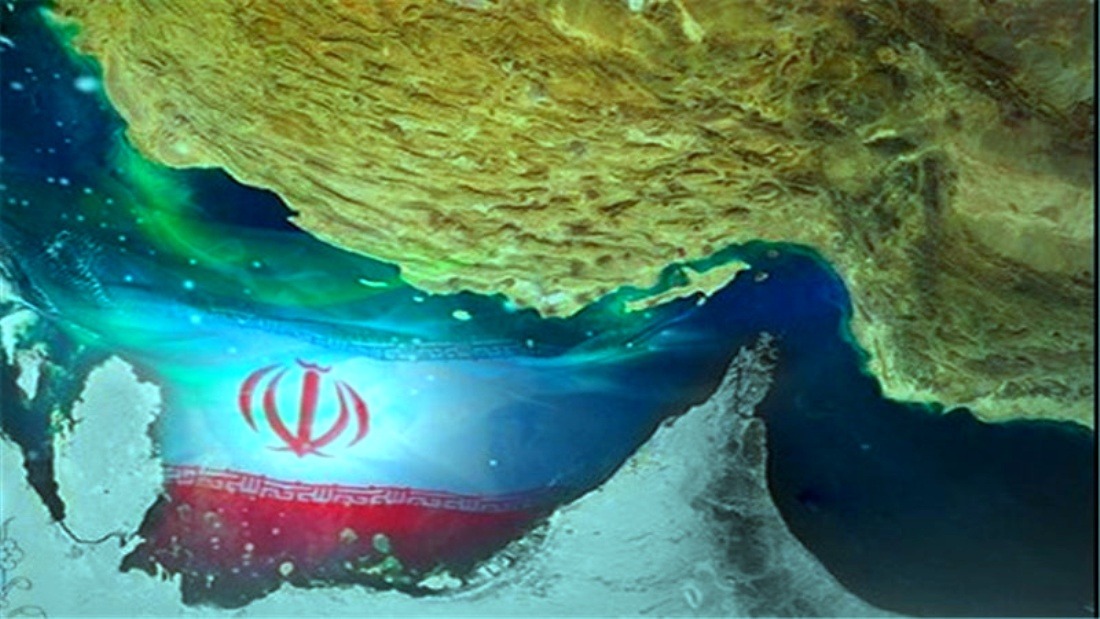
Strategic Council Online: The declared goal of the US and its allies’ maritime exercises in the Persian Gulf is to limit Iran’s maneuvering power and controlling the Strait of Hormuz, the Persian Gulf, and Oman Sea, and it looks like the US will continue to maintain its naval fleet in the Persian Gulf for the next three decades.
Strategic Council Online: Commenting on US and European efforts to devise a new security system in the Persian Gulf, an international relations expert says Iran should declare that it is imperative for the issue of oil tankers traffic to be considered on a large international scale and should not be focused on a particular region like the Persian Gulf.
Strategic Council Online: Saudi Arabia has tried, in addition to its Persian Gulf allies, attract Egypt as one of the Middle East powers in a coalition called the Hebrew-Arab NATO against Iran, but with Cairo’s withdrawal from the coalition Saudi Arabia and its allies have faced an impasse in creating a full-fledged anti-Iran coalition.
Davood Ahmadzadeh – Middle East Affairs Expert
Strategic Council Online: The US-China differences are not limited to Latin America alone, and there are rivalries in the Persian Gulf and the Red Sea as well.
Ismail Bashari – East Asian Affairs Expert
Strategic Council Online: An expert on international affairs says: “As the Americans talk about withdrawing from Syria and reducing the number of their military forces in Afghanistan, there is a great deal of ambiguity about the future of the US allies, or in other words, the US affiliates in the region. Therefore, the presence of American aircraft carrier in the Persian Gulf could suggest that US military withdrawal from Syria does not mean a decline in Washington’s support for Saudi Arabia or the Zionist regime in the region.
SCFR Online – Opinion: Great power competition is now pursued more in trade, currency, technology, and global supply chains than on the battlefields of military confrontation.
Strategic Council Online – Note: By disregarding Iran’s deterrence capabilities and political economy leverage in the Strait of Hormuz, Washington has reached a strategic deadlock from which military means are unable to extricate it.
SCFR Online – Opinion: Foreign policy analysis is valid when it evaluates decisions based on the information and circumstances prevailing at the time they were made, not on the basis of outcomes that only become apparent after the crisis has ended.
SCFR Online-Opinion: Sanctions are gradually transforming from classical financial instruments into complex mechanisms for the containment of technology, data, and global supply chains.
SCFR Online – Opinion: Emmanuel Macron’s visit to Damascus is an attempt to redefine France’s role in Syria following the recent political developments in that country; an effort pursued within the context of great power competition and the country’s security challenges.
Strategic Council Online – Note: Middle powers such as India, Turkey, Australia, and some Persian Gulf countries are no longer marginal actors, but are redefining global power equations through balancing diplomacy.
Strategic Council Online – Note: In today’s global politics, the creation of narratives has become as important as territorial control and economic management, and has turned into the main tool of great power competition.
Strategic Council Online – Note: Hamas’s handing over the civilian management in Gaza is assessed as an attempt to reduce political pressures, facilitate reconstruction, and preserve the status of resistance in the future equations of Palestine.
Strategic Council Online – Arab states, especially Saudi Arabia, Jordan and Egypt, are trying to pull Iraq from the ideological sphere to the atmosphere of Arab reaction in order to deepen the distance between Tehran and Baghdad politically and ideologically.
Hassan Hanizadeh – Middle East Affairs Expert
Strategic Council Online – Despite the continuation of some economic cooperation between Turkey and Saudi Arabia and the UAE, in the political and security spheres, serious challenges will be faced in the future in these countries.
Davoud Ahmadzadeh – Middle East Affairs Expert
Strategic Council Online: Given the economic and social implications of the coronavirus in the United States, maybe it would be more attractive if Trump was defeated by his Democratic rival, Joe Biden. However, even if this would be the case given the US governing structure in practice, it is unlikely for Biden to be able to make effective changes in the US strategy towards the Islamic Republic of Iran.
Saeed Shokouhi – Faculty Member of Allameh Tabatabai University
Strategic Council Online: An expert on Middle East affairs said that the beginning of the distortion of the name of the Persian Gulf is associated with the phenomenon of colonialism. “Certain Persian Gulf states and some other Arab countries in the region are still trying to change the name of the Persian Gulf by bribing some Arab and international media, but using a fake name will never overshadow the historical facts.
Strategic Council Online: The declared goal of the US and its allies’ maritime exercises in the Persian Gulf is to limit Iran’s maneuvering power and controlling the Strait of Hormuz, the Persian Gulf, and Oman Sea, and it looks like the US will continue to maintain its naval fleet in the Persian Gulf for the next three decades.
Strategic Council Online: Commenting on US and European efforts to devise a new security system in the Persian Gulf, an international relations expert says Iran should declare that it is imperative for the issue of oil tankers traffic to be considered on a large international scale and should not be focused on a particular region like the Persian Gulf.
Strategic Council Online: Saudi Arabia has tried, in addition to its Persian Gulf allies, attract Egypt as one of the Middle East powers in a coalition called the Hebrew-Arab NATO against Iran, but with Cairo’s withdrawal from the coalition Saudi Arabia and its allies have faced an impasse in creating a full-fledged anti-Iran coalition.
Davood Ahmadzadeh – Middle East Affairs Expert
Strategic Council Online: The US-China differences are not limited to Latin America alone, and there are rivalries in the Persian Gulf and the Red Sea as well.
Ismail Bashari – East Asian Affairs Expert
Strategic Council Online: An expert on international affairs says: “As the Americans talk about withdrawing from Syria and reducing the number of their military forces in Afghanistan, there is a great deal of ambiguity about the future of the US allies, or in other words, the US affiliates in the region. Therefore, the presence of American aircraft carrier in the Persian Gulf could suggest that US military withdrawal from Syria does not mean a decline in Washington’s support for Saudi Arabia or the Zionist regime in the region.
Strategic Council Online – Arab states, especially Saudi Arabia, Jordan and Egypt, are trying to pull Iraq from the ideological sphere to the atmosphere of Arab reaction in order to deepen the distance between Tehran and Baghdad politically and ideologically.
Hassan Hanizadeh – Middle East Affairs Expert
Strategic Council Online – Despite the continuation of some economic cooperation between Turkey and Saudi Arabia and the UAE, in the political and security spheres, serious challenges will be faced in the future in these countries.
Davoud Ahmadzadeh – Middle East Affairs Expert
Strategic Council Online: Given the economic and social implications of the coronavirus in the United States, maybe it would be more attractive if Trump was defeated by his Democratic rival, Joe Biden. However, even if this would be the case given the US governing structure in practice, it is unlikely for Biden to be able to make effective changes in the US strategy towards the Islamic Republic of Iran.
Saeed Shokouhi – Faculty Member of Allameh Tabatabai University
Strategic Council Online: An expert on Middle East affairs said that the beginning of the distortion of the name of the Persian Gulf is associated with the phenomenon of colonialism. “Certain Persian Gulf states and some other Arab countries in the region are still trying to change the name of the Persian Gulf by bribing some Arab and international media, but using a fake name will never overshadow the historical facts.
Strategic Council Online: The declared goal of the US and its allies’ maritime exercises in the Persian Gulf is to limit Iran’s maneuvering power and controlling the Strait of Hormuz, the Persian Gulf, and Oman Sea, and it looks like the US will continue to maintain its naval fleet in the Persian Gulf for the next three decades.
Strategic Council Online: Commenting on US and European efforts to devise a new security system in the Persian Gulf, an international relations expert says Iran should declare that it is imperative for the issue of oil tankers traffic to be considered on a large international scale and should not be focused on a particular region like the Persian Gulf.
Strategic Council Online: Saudi Arabia has tried, in addition to its Persian Gulf allies, attract Egypt as one of the Middle East powers in a coalition called the Hebrew-Arab NATO against Iran, but with Cairo’s withdrawal from the coalition Saudi Arabia and its allies have faced an impasse in creating a full-fledged anti-Iran coalition.
Davood Ahmadzadeh – Middle East Affairs Expert
Strategic Council Online: The US-China differences are not limited to Latin America alone, and there are rivalries in the Persian Gulf and the Red Sea as well.
Ismail Bashari – East Asian Affairs Expert
Strategic Council Online: An expert on international affairs says: “As the Americans talk about withdrawing from Syria and reducing the number of their military forces in Afghanistan, there is a great deal of ambiguity about the future of the US allies, or in other words, the US affiliates in the region. Therefore, the presence of American aircraft carrier in the Persian Gulf could suggest that US military withdrawal from Syria does not mean a decline in Washington’s support for Saudi Arabia or the Zionist regime in the region.
SCFR Online – Opinion: Great power competition is now pursued more in trade, currency, technology, and global supply chains than on the battlefields of military confrontation.
Strategic Council Online – Note: By disregarding Iran’s deterrence capabilities and political economy leverage in the Strait of Hormuz, Washington has reached a strategic deadlock from which military means are unable to extricate it.
SCFR Online – Opinion: Foreign policy analysis is valid when it evaluates decisions based on the information and circumstances prevailing at the time they were made, not on the basis of outcomes that only become apparent after the crisis has ended.
SCFR Online-Opinion: Sanctions are gradually transforming from classical financial instruments into complex mechanisms for the containment of technology, data, and global supply chains.
SCFR Online – Opinion: Emmanuel Macron’s visit to Damascus is an attempt to redefine France’s role in Syria following the recent political developments in that country; an effort pursued within the context of great power competition and the country’s security challenges.
Strategic Council Online – Note: Middle powers such as India, Turkey, Australia, and some Persian Gulf countries are no longer marginal actors, but are redefining global power equations through balancing diplomacy.
Strategic Council Online – Note: In today’s global politics, the creation of narratives has become as important as territorial control and economic management, and has turned into the main tool of great power competition.
Strategic Council Online – Note: Hamas’s handing over the civilian management in Gaza is assessed as an attempt to reduce political pressures, facilitate reconstruction, and preserve the status of resistance in the future equations of Palestine.
Strategic Council Online – Arab states, especially Saudi Arabia, Jordan and Egypt, are trying to pull Iraq from the ideological sphere to the atmosphere of Arab reaction in order to deepen the distance between Tehran and Baghdad politically and ideologically.
Hassan Hanizadeh – Middle East Affairs Expert
Strategic Council Online – Despite the continuation of some economic cooperation between Turkey and Saudi Arabia and the UAE, in the political and security spheres, serious challenges will be faced in the future in these countries.
Davoud Ahmadzadeh – Middle East Affairs Expert
Strategic Council Online: Given the economic and social implications of the coronavirus in the United States, maybe it would be more attractive if Trump was defeated by his Democratic rival, Joe Biden. However, even if this would be the case given the US governing structure in practice, it is unlikely for Biden to be able to make effective changes in the US strategy towards the Islamic Republic of Iran.
Saeed Shokouhi – Faculty Member of Allameh Tabatabai University
Strategic Council Online: An expert on Middle East affairs said that the beginning of the distortion of the name of the Persian Gulf is associated with the phenomenon of colonialism. “Certain Persian Gulf states and some other Arab countries in the region are still trying to change the name of the Persian Gulf by bribing some Arab and international media, but using a fake name will never overshadow the historical facts.
Strategic Council Online: The declared goal of the US and its allies’ maritime exercises in the Persian Gulf is to limit Iran’s maneuvering power and controlling the Strait of Hormuz, the Persian Gulf, and Oman Sea, and it looks like the US will continue to maintain its naval fleet in the Persian Gulf for the next three decades.
Strategic Council Online: Commenting on US and European efforts to devise a new security system in the Persian Gulf, an international relations expert says Iran should declare that it is imperative for the issue of oil tankers traffic to be considered on a large international scale and should not be focused on a particular region like the Persian Gulf.
Strategic Council Online: Saudi Arabia has tried, in addition to its Persian Gulf allies, attract Egypt as one of the Middle East powers in a coalition called the Hebrew-Arab NATO against Iran, but with Cairo’s withdrawal from the coalition Saudi Arabia and its allies have faced an impasse in creating a full-fledged anti-Iran coalition.
Davood Ahmadzadeh – Middle East Affairs Expert
Strategic Council Online: The US-China differences are not limited to Latin America alone, and there are rivalries in the Persian Gulf and the Red Sea as well.
Ismail Bashari – East Asian Affairs Expert
Strategic Council Online: An expert on international affairs says: “As the Americans talk about withdrawing from Syria and reducing the number of their military forces in Afghanistan, there is a great deal of ambiguity about the future of the US allies, or in other words, the US affiliates in the region. Therefore, the presence of American aircraft carrier in the Persian Gulf could suggest that US military withdrawal from Syria does not mean a decline in Washington’s support for Saudi Arabia or the Zionist regime in the region.
SCFR Online – Opinion: Great power competition is now pursued more in trade, currency, technology, and global supply chains than on the battlefields of military confrontation.
Strategic Council Online – Note: By disregarding Iran’s deterrence capabilities and political economy leverage in the Strait of Hormuz, Washington has reached a strategic deadlock from which military means are unable to extricate it.
SCFR Online – Opinion: Foreign policy analysis is valid when it evaluates decisions based on the information and circumstances prevailing at the time they were made, not on the basis of outcomes that only become apparent after the crisis has ended.
SCFR Online-Opinion: Sanctions are gradually transforming from classical financial instruments into complex mechanisms for the containment of technology, data, and global supply chains.
SCFR Online – Opinion: Emmanuel Macron’s visit to Damascus is an attempt to redefine France’s role in Syria following the recent political developments in that country; an effort pursued within the context of great power competition and the country’s security challenges.
Strategic Council Online – Note: Middle powers such as India, Turkey, Australia, and some Persian Gulf countries are no longer marginal actors, but are redefining global power equations through balancing diplomacy.
Strategic Council Online – Note: In today’s global politics, the creation of narratives has become as important as territorial control and economic management, and has turned into the main tool of great power competition.
Strategic Council Online – Note: Hamas’s handing over the civilian management in Gaza is assessed as an attempt to reduce political pressures, facilitate reconstruction, and preserve the status of resistance in the future equations of Palestine.
Strategic Council Online – Arab states, especially Saudi Arabia, Jordan and Egypt, are trying to pull Iraq from the ideological sphere to the atmosphere of Arab reaction in order to deepen the distance between Tehran and Baghdad politically and ideologically.
Hassan Hanizadeh – Middle East Affairs Expert
Strategic Council Online – Despite the continuation of some economic cooperation between Turkey and Saudi Arabia and the UAE, in the political and security spheres, serious challenges will be faced in the future in these countries.
Davoud Ahmadzadeh – Middle East Affairs Expert
Strategic Council Online: Given the economic and social implications of the coronavirus in the United States, maybe it would be more attractive if Trump was defeated by his Democratic rival, Joe Biden. However, even if this would be the case given the US governing structure in practice, it is unlikely for Biden to be able to make effective changes in the US strategy towards the Islamic Republic of Iran.
Saeed Shokouhi – Faculty Member of Allameh Tabatabai University
Strategic Council Online: An expert on Middle East affairs said that the beginning of the distortion of the name of the Persian Gulf is associated with the phenomenon of colonialism. “Certain Persian Gulf states and some other Arab countries in the region are still trying to change the name of the Persian Gulf by bribing some Arab and international media, but using a fake name will never overshadow the historical facts.
Strategic Council Online: The declared goal of the US and its allies’ maritime exercises in the Persian Gulf is to limit Iran’s maneuvering power and controlling the Strait of Hormuz, the Persian Gulf, and Oman Sea, and it looks like the US will continue to maintain its naval fleet in the Persian Gulf for the next three decades.
Strategic Council Online: Commenting on US and European efforts to devise a new security system in the Persian Gulf, an international relations expert says Iran should declare that it is imperative for the issue of oil tankers traffic to be considered on a large international scale and should not be focused on a particular region like the Persian Gulf.
Strategic Council Online: Saudi Arabia has tried, in addition to its Persian Gulf allies, attract Egypt as one of the Middle East powers in a coalition called the Hebrew-Arab NATO against Iran, but with Cairo’s withdrawal from the coalition Saudi Arabia and its allies have faced an impasse in creating a full-fledged anti-Iran coalition.
Davood Ahmadzadeh – Middle East Affairs Expert
Strategic Council Online: The US-China differences are not limited to Latin America alone, and there are rivalries in the Persian Gulf and the Red Sea as well.
Ismail Bashari – East Asian Affairs Expert
Strategic Council Online: An expert on international affairs says: “As the Americans talk about withdrawing from Syria and reducing the number of their military forces in Afghanistan, there is a great deal of ambiguity about the future of the US allies, or in other words, the US affiliates in the region. Therefore, the presence of American aircraft carrier in the Persian Gulf could suggest that US military withdrawal from Syria does not mean a decline in Washington’s support for Saudi Arabia or the Zionist regime in the region.
SCFR Online – Opinion: Great power competition is now pursued more in trade, currency, technology, and global supply chains than on the battlefields of military confrontation.
Strategic Council Online – Note: By disregarding Iran’s deterrence capabilities and political economy leverage in the Strait of Hormuz, Washington has reached a strategic deadlock from which military means are unable to extricate it.
SCFR Online – Opinion: Foreign policy analysis is valid when it evaluates decisions based on the information and circumstances prevailing at the time they were made, not on the basis of outcomes that only become apparent after the crisis has ended.
SCFR Online-Opinion: Sanctions are gradually transforming from classical financial instruments into complex mechanisms for the containment of technology, data, and global supply chains.
SCFR Online – Opinion: Emmanuel Macron’s visit to Damascus is an attempt to redefine France’s role in Syria following the recent political developments in that country; an effort pursued within the context of great power competition and the country’s security challenges.
Strategic Council Online – Note: Middle powers such as India, Turkey, Australia, and some Persian Gulf countries are no longer marginal actors, but are redefining global power equations through balancing diplomacy.
Strategic Council Online – Note: In today’s global politics, the creation of narratives has become as important as territorial control and economic management, and has turned into the main tool of great power competition.
Strategic Council Online – Note: Hamas’s handing over the civilian management in Gaza is assessed as an attempt to reduce political pressures, facilitate reconstruction, and preserve the status of resistance in the future equations of Palestine.
Strategic Council Online – Arab states, especially Saudi Arabia, Jordan and Egypt, are trying to pull Iraq from the ideological sphere to the atmosphere of Arab reaction in order to deepen the distance between Tehran and Baghdad politically and ideologically.
Hassan Hanizadeh – Middle East Affairs Expert
Strategic Council Online – Despite the continuation of some economic cooperation between Turkey and Saudi Arabia and the UAE, in the political and security spheres, serious challenges will be faced in the future in these countries.
Davoud Ahmadzadeh – Middle East Affairs Expert
Strategic Council Online: Given the economic and social implications of the coronavirus in the United States, maybe it would be more attractive if Trump was defeated by his Democratic rival, Joe Biden. However, even if this would be the case given the US governing structure in practice, it is unlikely for Biden to be able to make effective changes in the US strategy towards the Islamic Republic of Iran.
Saeed Shokouhi – Faculty Member of Allameh Tabatabai University
Strategic Council Online: An expert on Middle East affairs said that the beginning of the distortion of the name of the Persian Gulf is associated with the phenomenon of colonialism. “Certain Persian Gulf states and some other Arab countries in the region are still trying to change the name of the Persian Gulf by bribing some Arab and international media, but using a fake name will never overshadow the historical facts.
Strategic Council Online: The declared goal of the US and its allies’ maritime exercises in the Persian Gulf is to limit Iran’s maneuvering power and controlling the Strait of Hormuz, the Persian Gulf, and Oman Sea, and it looks like the US will continue to maintain its naval fleet in the Persian Gulf for the next three decades.
Strategic Council Online: Commenting on US and European efforts to devise a new security system in the Persian Gulf, an international relations expert says Iran should declare that it is imperative for the issue of oil tankers traffic to be considered on a large international scale and should not be focused on a particular region like the Persian Gulf.
Strategic Council Online: Saudi Arabia has tried, in addition to its Persian Gulf allies, attract Egypt as one of the Middle East powers in a coalition called the Hebrew-Arab NATO against Iran, but with Cairo’s withdrawal from the coalition Saudi Arabia and its allies have faced an impasse in creating a full-fledged anti-Iran coalition.
Davood Ahmadzadeh – Middle East Affairs Expert
Strategic Council Online: The US-China differences are not limited to Latin America alone, and there are rivalries in the Persian Gulf and the Red Sea as well.
Ismail Bashari – East Asian Affairs Expert
Strategic Council Online: An expert on international affairs says: “As the Americans talk about withdrawing from Syria and reducing the number of their military forces in Afghanistan, there is a great deal of ambiguity about the future of the US allies, or in other words, the US affiliates in the region. Therefore, the presence of American aircraft carrier in the Persian Gulf could suggest that US military withdrawal from Syria does not mean a decline in Washington’s support for Saudi Arabia or the Zionist regime in the region.
SCFR Online – Opinion: Great power competition is now pursued more in trade, currency, technology, and global supply chains than on the battlefields of military confrontation.
Strategic Council Online – Note: By disregarding Iran’s deterrence capabilities and political economy leverage in the Strait of Hormuz, Washington has reached a strategic deadlock from which military means are unable to extricate it.
SCFR Online – Opinion: Foreign policy analysis is valid when it evaluates decisions based on the information and circumstances prevailing at the time they were made, not on the basis of outcomes that only become apparent after the crisis has ended.
SCFR Online-Opinion: Sanctions are gradually transforming from classical financial instruments into complex mechanisms for the containment of technology, data, and global supply chains.
SCFR Online – Opinion: Emmanuel Macron’s visit to Damascus is an attempt to redefine France’s role in Syria following the recent political developments in that country; an effort pursued within the context of great power competition and the country’s security challenges.
Strategic Council Online – Note: Middle powers such as India, Turkey, Australia, and some Persian Gulf countries are no longer marginal actors, but are redefining global power equations through balancing diplomacy.
Strategic Council Online – Note: In today’s global politics, the creation of narratives has become as important as territorial control and economic management, and has turned into the main tool of great power competition.
Strategic Council Online – Note: Hamas’s handing over the civilian management in Gaza is assessed as an attempt to reduce political pressures, facilitate reconstruction, and preserve the status of resistance in the future equations of Palestine.
Strategic Council Online – Arab states, especially Saudi Arabia, Jordan and Egypt, are trying to pull Iraq from the ideological sphere to the atmosphere of Arab reaction in order to deepen the distance between Tehran and Baghdad politically and ideologically.
Hassan Hanizadeh – Middle East Affairs Expert
Strategic Council Online – Despite the continuation of some economic cooperation between Turkey and Saudi Arabia and the UAE, in the political and security spheres, serious challenges will be faced in the future in these countries.
Davoud Ahmadzadeh – Middle East Affairs Expert
Strategic Council Online: Given the economic and social implications of the coronavirus in the United States, maybe it would be more attractive if Trump was defeated by his Democratic rival, Joe Biden. However, even if this would be the case given the US governing structure in practice, it is unlikely for Biden to be able to make effective changes in the US strategy towards the Islamic Republic of Iran.
Saeed Shokouhi – Faculty Member of Allameh Tabatabai University
Strategic Council Online: An expert on Middle East affairs said that the beginning of the distortion of the name of the Persian Gulf is associated with the phenomenon of colonialism. “Certain Persian Gulf states and some other Arab countries in the region are still trying to change the name of the Persian Gulf by bribing some Arab and international media, but using a fake name will never overshadow the historical facts.
Strategic Council Online: The declared goal of the US and its allies’ maritime exercises in the Persian Gulf is to limit Iran’s maneuvering power and controlling the Strait of Hormuz, the Persian Gulf, and Oman Sea, and it looks like the US will continue to maintain its naval fleet in the Persian Gulf for the next three decades.
Strategic Council Online: Commenting on US and European efforts to devise a new security system in the Persian Gulf, an international relations expert says Iran should declare that it is imperative for the issue of oil tankers traffic to be considered on a large international scale and should not be focused on a particular region like the Persian Gulf.
Strategic Council Online: Saudi Arabia has tried, in addition to its Persian Gulf allies, attract Egypt as one of the Middle East powers in a coalition called the Hebrew-Arab NATO against Iran, but with Cairo’s withdrawal from the coalition Saudi Arabia and its allies have faced an impasse in creating a full-fledged anti-Iran coalition.
Davood Ahmadzadeh – Middle East Affairs Expert
Strategic Council Online: The US-China differences are not limited to Latin America alone, and there are rivalries in the Persian Gulf and the Red Sea as well.
Ismail Bashari – East Asian Affairs Expert
Strategic Council Online: An expert on international affairs says: “As the Americans talk about withdrawing from Syria and reducing the number of their military forces in Afghanistan, there is a great deal of ambiguity about the future of the US allies, or in other words, the US affiliates in the region. Therefore, the presence of American aircraft carrier in the Persian Gulf could suggest that US military withdrawal from Syria does not mean a decline in Washington’s support for Saudi Arabia or the Zionist regime in the region.
SCFR Online – Opinion: Great power competition is now pursued more in trade, currency, technology, and global supply chains than on the battlefields of military confrontation.
Strategic Council Online – Note: By disregarding Iran’s deterrence capabilities and political economy leverage in the Strait of Hormuz, Washington has reached a strategic deadlock from which military means are unable to extricate it.
SCFR Online – Opinion: Foreign policy analysis is valid when it evaluates decisions based on the information and circumstances prevailing at the time they were made, not on the basis of outcomes that only become apparent after the crisis has ended.
SCFR Online-Opinion: Sanctions are gradually transforming from classical financial instruments into complex mechanisms for the containment of technology, data, and global supply chains.
SCFR Online – Opinion: Emmanuel Macron’s visit to Damascus is an attempt to redefine France’s role in Syria following the recent political developments in that country; an effort pursued within the context of great power competition and the country’s security challenges.
Strategic Council Online – Note: Middle powers such as India, Turkey, Australia, and some Persian Gulf countries are no longer marginal actors, but are redefining global power equations through balancing diplomacy.
Strategic Council Online – Note: In today’s global politics, the creation of narratives has become as important as territorial control and economic management, and has turned into the main tool of great power competition.
Strategic Council Online – Note: Hamas’s handing over the civilian management in Gaza is assessed as an attempt to reduce political pressures, facilitate reconstruction, and preserve the status of resistance in the future equations of Palestine.