جدیدترین مطالب

The Makkah Pact; Reasons for its Formation and Challenges Ahead

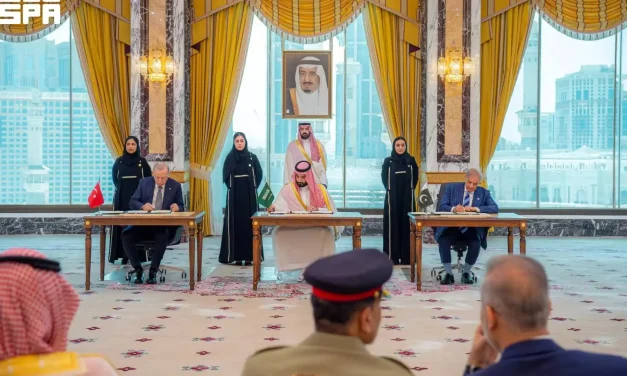
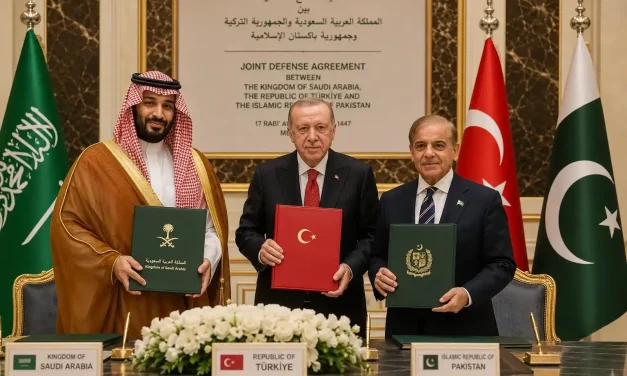
SCFR Online – Opinion: The Makkah Pact, signed between Saudi Arabia, Pakistan, and Turkey under the motto “an attack on one is an attack on all,” is viewed by some analysts less as a full-fledged military coalition and more as an attempt to reduce security dependence on an external power and to establish a regional security mechanism.

Implications of the US-Saudi Nuclear Agreement

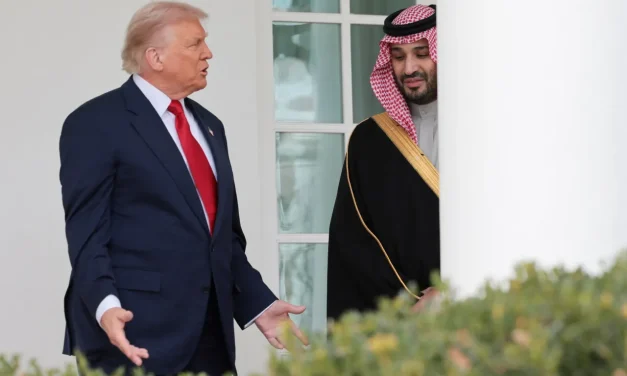
SCFR Online – Opinion: The new US-Saudi nuclear agreement, despite legal and political ambiguities, could alter previous non-proliferation standards in West Asia and intensify nuclear competition, ushering it into a new phase.

An Analysis of Recent Turkey-Israeli Regime Tensions

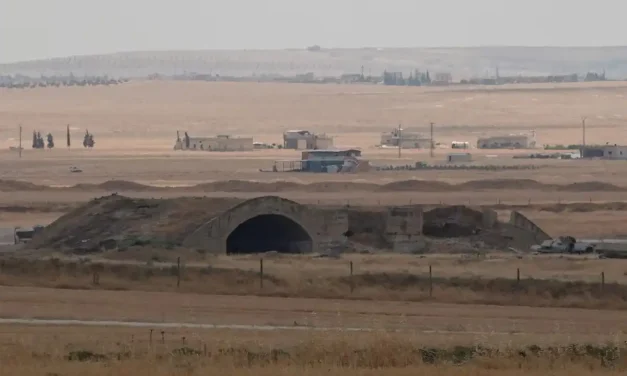
SCFR Online – Opinion: Recent developments in Syria indicate an intensification of strategic rivalry between Turkey and the Israeli regime, but mutual considerations and the role of the United States have limited the likelihood of direct war.

Increasing criticism of the extensive Zionist lobby network

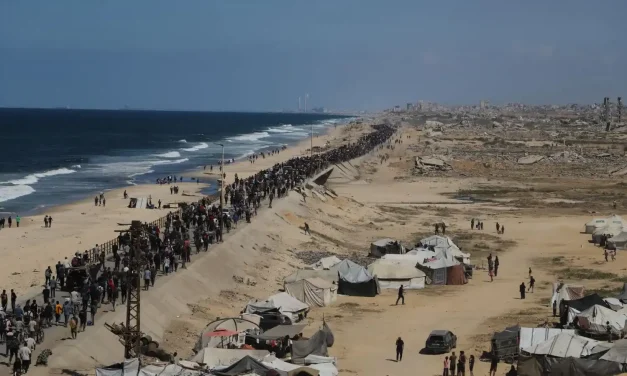
SCFR Online – Opinion: An examination of the mechanisms of the Israeli regime’s influence in the United States depicts a complex picture of shared interests, strategic dependencies, and the limitations of this relationship.

Realities of the Tripartite Makkah Pact

SCFR Online – Interview: The signing of the Makkah agreement between Saudi Arabia, Pakistan, and Turkey has raised questions about the future of the region’s security structure and the position of these countries in West Asian equations. Can this agreement become a genuine collective defense mechanism, or does it have more of a political and deterrent function than creating new military capacity?

Loading

Zionist regime

Analysis: The Reasons for Accepting the Ceasefire in Lebanon

Analysis: The Reasons for Accepting the Ceasefire in Lebanon

Strategic Council Online – Opinion: Finally, after about two months of the Zionist regime’s war against Lebanon and in a situation where the war on the Lebanese front had intensified to an unprecedented extent in the days leading up to the ceasefire, the Zionist regime agreed to truce.

Analysis of the Roots and Prospects of the Conflict in Aleppo, Syria

Analysis of the Roots and Prospects of the Conflict in Aleppo, Syria

Strategic Council Online – Opinion: After several years of calm and immediately after the ceasefire agreement in Lebanon, the Syrian city of Aleppo has become the scene of clashes between opposition and armed groups led by Tahrir al-Sham (formerly Jabhat al-Nusra) and the Syrian army and government.

Media Approach under Pressure of Zionist Regime towards Gaza War

Media Approach under Pressure of Zionist Regime towards Gaza War

Strategic Council Online – interview: A researcher said: The level and depth of the Israeli regime’s crimes in Gaza is so high that it has even raised the voice of the foreign media, and in case of escalation, it will definitely be to the detriment of this regime and its fans who provide media, political and security support.

Reasons for Resilience of the Zionist Regime’s Economy after Operation Al-Aqsa Storm

Reasons for Resilience of the Zionist Regime’s Economy after Operation Al-Aqsa Storm

Strategic Council Online – Guest Note: Although the Zionist regime was an economy focused on agriculture and basic kibbutz until the 1970s, after the economic crises in the 1970s and the political affinity of this regime with the United States, economic governance in occupied Palestine witnessed a change and the focus switched to investing in new technologies. During the last two decades, the Israeli regime developed an exogenous economy based on technological industries to such an extent that, contrary to the desire of its traditional ally (America), this type of cooperation expanded to a close bond with China in the technology field.

America’s Strategy in the First Year of the Gaza War

America’s Strategy in the First Year of the Gaza War

Strategic Council Online: An American issues expert said: The American strategy after one year of the Gaza war is to eradicate West Asia’s resistance groups, but this should be done in such a way that the United States would lose control of the situation because its interests are not in starting a full-scale war in the region.

An Analysis of America’s Approach towards Lebanon

An Analysis of America’s Approach towards Lebanon

Strategic Council Online – Opinion: Washington claims to be trying to manage tension and establish a ceasefire, especially in Lebanon, which has practically become the “driving engine” of the war. The fact that Americans talk about the reduction of tension in the official platforms and invite the parties to exercise restraint with what they do in the field and do not hesitate to provide any military, security, economic, political, and diplomatic assistance to the Israeli regime to continue the war is in the open “contradiction.”

أحدث الوظائف

The Makkah Pact; Reasons for its Formation and Challenges Ahead

SCFR Online – Opinion: The Makkah Pact, signed between Saudi Arabia, Pakistan, and Turkey under the motto “an attack on one is an attack on all,” is viewed by some analysts less as a full-fledged military coalition and more as an attempt to reduce security dependence on an external power and to establish a regional security mechanism.

Implications of the US-Saudi Nuclear Agreement

SCFR Online – Opinion: The new US-Saudi nuclear agreement, despite legal and political ambiguities, could alter previous non-proliferation standards in West Asia and intensify nuclear competition, ushering it into a new phase.

An Analysis of Recent Turkey-Israeli Regime Tensions

SCFR Online – Opinion: Recent developments in Syria indicate an intensification of strategic rivalry between Turkey and the Israeli regime, but mutual considerations and the role of the United States have limited the likelihood of direct war.

Increasing criticism of the extensive Zionist lobby network

SCFR Online – Opinion: An examination of the mechanisms of the Israeli regime’s influence in the United States depicts a complex picture of shared interests, strategic dependencies, and the limitations of this relationship.

Realities of the Tripartite Makkah Pact

SCFR Online – Interview: The signing of the Makkah agreement between Saudi Arabia, Pakistan, and Turkey has raised questions about the future of the region’s security structure and the position of these countries in West Asian equations. Can this agreement become a genuine collective defense mechanism, or does it have more of a political and deterrent function than creating new military capacity?

Loading

Zionist regime

Analysis: The Reasons for Accepting the Ceasefire in Lebanon

Analysis: The Reasons for Accepting the Ceasefire in Lebanon

Strategic Council Online – Opinion: Finally, after about two months of the Zionist regime’s war against Lebanon and in a situation where the war on the Lebanese front had intensified to an unprecedented extent in the days leading up to the ceasefire, the Zionist regime agreed to truce.

Analysis of the Roots and Prospects of the Conflict in Aleppo, Syria

Analysis of the Roots and Prospects of the Conflict in Aleppo, Syria

Strategic Council Online – Opinion: After several years of calm and immediately after the ceasefire agreement in Lebanon, the Syrian city of Aleppo has become the scene of clashes between opposition and armed groups led by Tahrir al-Sham (formerly Jabhat al-Nusra) and the Syrian army and government.

Media Approach under Pressure of Zionist Regime towards Gaza War

Media Approach under Pressure of Zionist Regime towards Gaza War

Strategic Council Online – interview: A researcher said: The level and depth of the Israeli regime’s crimes in Gaza is so high that it has even raised the voice of the foreign media, and in case of escalation, it will definitely be to the detriment of this regime and its fans who provide media, political and security support.

Reasons for Resilience of the Zionist Regime’s Economy after Operation Al-Aqsa Storm

Reasons for Resilience of the Zionist Regime’s Economy after Operation Al-Aqsa Storm

Strategic Council Online – Guest Note: Although the Zionist regime was an economy focused on agriculture and basic kibbutz until the 1970s, after the economic crises in the 1970s and the political affinity of this regime with the United States, economic governance in occupied Palestine witnessed a change and the focus switched to investing in new technologies. During the last two decades, the Israeli regime developed an exogenous economy based on technological industries to such an extent that, contrary to the desire of its traditional ally (America), this type of cooperation expanded to a close bond with China in the technology field.

America’s Strategy in the First Year of the Gaza War

America’s Strategy in the First Year of the Gaza War

Strategic Council Online: An American issues expert said: The American strategy after one year of the Gaza war is to eradicate West Asia’s resistance groups, but this should be done in such a way that the United States would lose control of the situation because its interests are not in starting a full-scale war in the region.

An Analysis of America’s Approach towards Lebanon

An Analysis of America’s Approach towards Lebanon

Strategic Council Online – Opinion: Washington claims to be trying to manage tension and establish a ceasefire, especially in Lebanon, which has practically become the “driving engine” of the war. The fact that Americans talk about the reduction of tension in the official platforms and invite the parties to exercise restraint with what they do in the field and do not hesitate to provide any military, security, economic, political, and diplomatic assistance to the Israeli regime to continue the war is in the open “contradiction.”

Zionist regime

Analysis: The Reasons for Accepting the Ceasefire in Lebanon

Analysis: The Reasons for Accepting the Ceasefire in Lebanon

Strategic Council Online – Opinion: Finally, after about two months of the Zionist regime’s war against Lebanon and in a situation where the war on the Lebanese front had intensified to an unprecedented extent in the days leading up to the ceasefire, the Zionist regime agreed to truce.

Analysis of the Roots and Prospects of the Conflict in Aleppo, Syria

Analysis of the Roots and Prospects of the Conflict in Aleppo, Syria

Strategic Council Online – Opinion: After several years of calm and immediately after the ceasefire agreement in Lebanon, the Syrian city of Aleppo has become the scene of clashes between opposition and armed groups led by Tahrir al-Sham (formerly Jabhat al-Nusra) and the Syrian army and government.

Media Approach under Pressure of Zionist Regime towards Gaza War

Media Approach under Pressure of Zionist Regime towards Gaza War

Strategic Council Online – interview: A researcher said: The level and depth of the Israeli regime’s crimes in Gaza is so high that it has even raised the voice of the foreign media, and in case of escalation, it will definitely be to the detriment of this regime and its fans who provide media, political and security support.

Reasons for Resilience of the Zionist Regime’s Economy after Operation Al-Aqsa Storm

Reasons for Resilience of the Zionist Regime’s Economy after Operation Al-Aqsa Storm

Strategic Council Online – Guest Note: Although the Zionist regime was an economy focused on agriculture and basic kibbutz until the 1970s, after the economic crises in the 1970s and the political affinity of this regime with the United States, economic governance in occupied Palestine witnessed a change and the focus switched to investing in new technologies. During the last two decades, the Israeli regime developed an exogenous economy based on technological industries to such an extent that, contrary to the desire of its traditional ally (America), this type of cooperation expanded to a close bond with China in the technology field.

America’s Strategy in the First Year of the Gaza War

America’s Strategy in the First Year of the Gaza War

Strategic Council Online: An American issues expert said: The American strategy after one year of the Gaza war is to eradicate West Asia’s resistance groups, but this should be done in such a way that the United States would lose control of the situation because its interests are not in starting a full-scale war in the region.

An Analysis of America’s Approach towards Lebanon

An Analysis of America’s Approach towards Lebanon

Strategic Council Online – Opinion: Washington claims to be trying to manage tension and establish a ceasefire, especially in Lebanon, which has practically become the “driving engine” of the war. The fact that Americans talk about the reduction of tension in the official platforms and invite the parties to exercise restraint with what they do in the field and do not hesitate to provide any military, security, economic, political, and diplomatic assistance to the Israeli regime to continue the war is in the open “contradiction.”

LATEST CONTENT

The Makkah Pact; Reasons for its Formation and Challenges Ahead

SCFR Online – Opinion: The Makkah Pact, signed between Saudi Arabia, Pakistan, and Turkey under the motto “an attack on one is an attack on all,” is viewed by some analysts less as a full-fledged military coalition and more as an attempt to reduce security dependence on an external power and to establish a regional security mechanism.

Implications of the US-Saudi Nuclear Agreement

SCFR Online – Opinion: The new US-Saudi nuclear agreement, despite legal and political ambiguities, could alter previous non-proliferation standards in West Asia and intensify nuclear competition, ushering it into a new phase.

An Analysis of Recent Turkey-Israeli Regime Tensions

SCFR Online – Opinion: Recent developments in Syria indicate an intensification of strategic rivalry between Turkey and the Israeli regime, but mutual considerations and the role of the United States have limited the likelihood of direct war.

Increasing criticism of the extensive Zionist lobby network

SCFR Online – Opinion: An examination of the mechanisms of the Israeli regime’s influence in the United States depicts a complex picture of shared interests, strategic dependencies, and the limitations of this relationship.

Realities of the Tripartite Makkah Pact

SCFR Online – Interview: The signing of the Makkah agreement between Saudi Arabia, Pakistan, and Turkey has raised questions about the future of the region’s security structure and the position of these countries in West Asian equations. Can this agreement become a genuine collective defense mechanism, or does it have more of a political and deterrent function than creating new military capacity?

Loading

Zionist regime

Analysis: The Reasons for Accepting the Ceasefire in Lebanon

Analysis: The Reasons for Accepting the Ceasefire in Lebanon

Strategic Council Online – Opinion: Finally, after about two months of the Zionist regime’s war against Lebanon and in a situation where the war on the Lebanese front had intensified to an unprecedented extent in the days leading up to the ceasefire, the Zionist regime agreed to truce.

Analysis of the Roots and Prospects of the Conflict in Aleppo, Syria

Analysis of the Roots and Prospects of the Conflict in Aleppo, Syria

Strategic Council Online – Opinion: After several years of calm and immediately after the ceasefire agreement in Lebanon, the Syrian city of Aleppo has become the scene of clashes between opposition and armed groups led by Tahrir al-Sham (formerly Jabhat al-Nusra) and the Syrian army and government.

Media Approach under Pressure of Zionist Regime towards Gaza War

Media Approach under Pressure of Zionist Regime towards Gaza War

Strategic Council Online – interview: A researcher said: The level and depth of the Israeli regime’s crimes in Gaza is so high that it has even raised the voice of the foreign media, and in case of escalation, it will definitely be to the detriment of this regime and its fans who provide media, political and security support.

Reasons for Resilience of the Zionist Regime’s Economy after Operation Al-Aqsa Storm

Reasons for Resilience of the Zionist Regime’s Economy after Operation Al-Aqsa Storm

Strategic Council Online – Guest Note: Although the Zionist regime was an economy focused on agriculture and basic kibbutz until the 1970s, after the economic crises in the 1970s and the political affinity of this regime with the United States, economic governance in occupied Palestine witnessed a change and the focus switched to investing in new technologies. During the last two decades, the Israeli regime developed an exogenous economy based on technological industries to such an extent that, contrary to the desire of its traditional ally (America), this type of cooperation expanded to a close bond with China in the technology field.

America’s Strategy in the First Year of the Gaza War

America’s Strategy in the First Year of the Gaza War

Strategic Council Online: An American issues expert said: The American strategy after one year of the Gaza war is to eradicate West Asia’s resistance groups, but this should be done in such a way that the United States would lose control of the situation because its interests are not in starting a full-scale war in the region.

An Analysis of America’s Approach towards Lebanon

An Analysis of America’s Approach towards Lebanon

Strategic Council Online – Opinion: Washington claims to be trying to manage tension and establish a ceasefire, especially in Lebanon, which has practically become the “driving engine” of the war. The fact that Americans talk about the reduction of tension in the official platforms and invite the parties to exercise restraint with what they do in the field and do not hesitate to provide any military, security, economic, political, and diplomatic assistance to the Israeli regime to continue the war is in the open “contradiction.”

ÚLTIMAS PUBLICACIONES

The Makkah Pact; Reasons for its Formation and Challenges Ahead

SCFR Online – Opinion: The Makkah Pact, signed between Saudi Arabia, Pakistan, and Turkey under the motto “an attack on one is an attack on all,” is viewed by some analysts less as a full-fledged military coalition and more as an attempt to reduce security dependence on an external power and to establish a regional security mechanism.

Implications of the US-Saudi Nuclear Agreement

SCFR Online – Opinion: The new US-Saudi nuclear agreement, despite legal and political ambiguities, could alter previous non-proliferation standards in West Asia and intensify nuclear competition, ushering it into a new phase.

An Analysis of Recent Turkey-Israeli Regime Tensions

SCFR Online – Opinion: Recent developments in Syria indicate an intensification of strategic rivalry between Turkey and the Israeli regime, but mutual considerations and the role of the United States have limited the likelihood of direct war.

Increasing criticism of the extensive Zionist lobby network

SCFR Online – Opinion: An examination of the mechanisms of the Israeli regime’s influence in the United States depicts a complex picture of shared interests, strategic dependencies, and the limitations of this relationship.

Realities of the Tripartite Makkah Pact

SCFR Online – Interview: The signing of the Makkah agreement between Saudi Arabia, Pakistan, and Turkey has raised questions about the future of the region’s security structure and the position of these countries in West Asian equations. Can this agreement become a genuine collective defense mechanism, or does it have more of a political and deterrent function than creating new military capacity?

Loading

Zionist regime

Analysis: The Reasons for Accepting the Ceasefire in Lebanon

Analysis: The Reasons for Accepting the Ceasefire in Lebanon

Strategic Council Online – Opinion: Finally, after about two months of the Zionist regime’s war against Lebanon and in a situation where the war on the Lebanese front had intensified to an unprecedented extent in the days leading up to the ceasefire, the Zionist regime agreed to truce.

Analysis of the Roots and Prospects of the Conflict in Aleppo, Syria

Analysis of the Roots and Prospects of the Conflict in Aleppo, Syria

Strategic Council Online – Opinion: After several years of calm and immediately after the ceasefire agreement in Lebanon, the Syrian city of Aleppo has become the scene of clashes between opposition and armed groups led by Tahrir al-Sham (formerly Jabhat al-Nusra) and the Syrian army and government.

Media Approach under Pressure of Zionist Regime towards Gaza War

Media Approach under Pressure of Zionist Regime towards Gaza War

Strategic Council Online – interview: A researcher said: The level and depth of the Israeli regime’s crimes in Gaza is so high that it has even raised the voice of the foreign media, and in case of escalation, it will definitely be to the detriment of this regime and its fans who provide media, political and security support.

Reasons for Resilience of the Zionist Regime’s Economy after Operation Al-Aqsa Storm

Reasons for Resilience of the Zionist Regime’s Economy after Operation Al-Aqsa Storm

Strategic Council Online – Guest Note: Although the Zionist regime was an economy focused on agriculture and basic kibbutz until the 1970s, after the economic crises in the 1970s and the political affinity of this regime with the United States, economic governance in occupied Palestine witnessed a change and the focus switched to investing in new technologies. During the last two decades, the Israeli regime developed an exogenous economy based on technological industries to such an extent that, contrary to the desire of its traditional ally (America), this type of cooperation expanded to a close bond with China in the technology field.

America’s Strategy in the First Year of the Gaza War

America’s Strategy in the First Year of the Gaza War

Strategic Council Online: An American issues expert said: The American strategy after one year of the Gaza war is to eradicate West Asia’s resistance groups, but this should be done in such a way that the United States would lose control of the situation because its interests are not in starting a full-scale war in the region.

An Analysis of America’s Approach towards Lebanon

An Analysis of America’s Approach towards Lebanon

Strategic Council Online – Opinion: Washington claims to be trying to manage tension and establish a ceasefire, especially in Lebanon, which has practically become the “driving engine” of the war. The fact that Americans talk about the reduction of tension in the official platforms and invite the parties to exercise restraint with what they do in the field and do not hesitate to provide any military, security, economic, political, and diplomatic assistance to the Israeli regime to continue the war is in the open “contradiction.”

ÚLTIMAS PUBLICACIONES

The Makkah Pact; Reasons for its Formation and Challenges Ahead

SCFR Online – Opinion: The Makkah Pact, signed between Saudi Arabia, Pakistan, and Turkey under the motto “an attack on one is an attack on all,” is viewed by some analysts less as a full-fledged military coalition and more as an attempt to reduce security dependence on an external power and to establish a regional security mechanism.

Implications of the US-Saudi Nuclear Agreement

SCFR Online – Opinion: The new US-Saudi nuclear agreement, despite legal and political ambiguities, could alter previous non-proliferation standards in West Asia and intensify nuclear competition, ushering it into a new phase.

An Analysis of Recent Turkey-Israeli Regime Tensions

SCFR Online – Opinion: Recent developments in Syria indicate an intensification of strategic rivalry between Turkey and the Israeli regime, but mutual considerations and the role of the United States have limited the likelihood of direct war.

Increasing criticism of the extensive Zionist lobby network

SCFR Online – Opinion: An examination of the mechanisms of the Israeli regime’s influence in the United States depicts a complex picture of shared interests, strategic dependencies, and the limitations of this relationship.

Realities of the Tripartite Makkah Pact

SCFR Online – Interview: The signing of the Makkah agreement between Saudi Arabia, Pakistan, and Turkey has raised questions about the future of the region’s security structure and the position of these countries in West Asian equations. Can this agreement become a genuine collective defense mechanism, or does it have more of a political and deterrent function than creating new military capacity?

Loading

Zionist regime

Analysis: The Reasons for Accepting the Ceasefire in Lebanon

Analysis: The Reasons for Accepting the Ceasefire in Lebanon

Strategic Council Online – Opinion: Finally, after about two months of the Zionist regime’s war against Lebanon and in a situation where the war on the Lebanese front had intensified to an unprecedented extent in the days leading up to the ceasefire, the Zionist regime agreed to truce.

Analysis of the Roots and Prospects of the Conflict in Aleppo, Syria

Analysis of the Roots and Prospects of the Conflict in Aleppo, Syria

Strategic Council Online – Opinion: After several years of calm and immediately after the ceasefire agreement in Lebanon, the Syrian city of Aleppo has become the scene of clashes between opposition and armed groups led by Tahrir al-Sham (formerly Jabhat al-Nusra) and the Syrian army and government.

Media Approach under Pressure of Zionist Regime towards Gaza War

Media Approach under Pressure of Zionist Regime towards Gaza War

Strategic Council Online – interview: A researcher said: The level and depth of the Israeli regime’s crimes in Gaza is so high that it has even raised the voice of the foreign media, and in case of escalation, it will definitely be to the detriment of this regime and its fans who provide media, political and security support.

Reasons for Resilience of the Zionist Regime’s Economy after Operation Al-Aqsa Storm

Reasons for Resilience of the Zionist Regime’s Economy after Operation Al-Aqsa Storm

Strategic Council Online – Guest Note: Although the Zionist regime was an economy focused on agriculture and basic kibbutz until the 1970s, after the economic crises in the 1970s and the political affinity of this regime with the United States, economic governance in occupied Palestine witnessed a change and the focus switched to investing in new technologies. During the last two decades, the Israeli regime developed an exogenous economy based on technological industries to such an extent that, contrary to the desire of its traditional ally (America), this type of cooperation expanded to a close bond with China in the technology field.

America’s Strategy in the First Year of the Gaza War

America’s Strategy in the First Year of the Gaza War

Strategic Council Online: An American issues expert said: The American strategy after one year of the Gaza war is to eradicate West Asia’s resistance groups, but this should be done in such a way that the United States would lose control of the situation because its interests are not in starting a full-scale war in the region.

An Analysis of America’s Approach towards Lebanon

An Analysis of America’s Approach towards Lebanon

Strategic Council Online – Opinion: Washington claims to be trying to manage tension and establish a ceasefire, especially in Lebanon, which has practically become the “driving engine” of the war. The fact that Americans talk about the reduction of tension in the official platforms and invite the parties to exercise restraint with what they do in the field and do not hesitate to provide any military, security, economic, political, and diplomatic assistance to the Israeli regime to continue the war is in the open “contradiction.”

ÚLTIMAS PUBLICACIONES

The Makkah Pact; Reasons for its Formation and Challenges Ahead

SCFR Online – Opinion: The Makkah Pact, signed between Saudi Arabia, Pakistan, and Turkey under the motto “an attack on one is an attack on all,” is viewed by some analysts less as a full-fledged military coalition and more as an attempt to reduce security dependence on an external power and to establish a regional security mechanism.

Implications of the US-Saudi Nuclear Agreement

SCFR Online – Opinion: The new US-Saudi nuclear agreement, despite legal and political ambiguities, could alter previous non-proliferation standards in West Asia and intensify nuclear competition, ushering it into a new phase.

An Analysis of Recent Turkey-Israeli Regime Tensions

SCFR Online – Opinion: Recent developments in Syria indicate an intensification of strategic rivalry between Turkey and the Israeli regime, but mutual considerations and the role of the United States have limited the likelihood of direct war.

Increasing criticism of the extensive Zionist lobby network

SCFR Online – Opinion: An examination of the mechanisms of the Israeli regime’s influence in the United States depicts a complex picture of shared interests, strategic dependencies, and the limitations of this relationship.

Realities of the Tripartite Makkah Pact

SCFR Online – Interview: The signing of the Makkah agreement between Saudi Arabia, Pakistan, and Turkey has raised questions about the future of the region’s security structure and the position of these countries in West Asian equations. Can this agreement become a genuine collective defense mechanism, or does it have more of a political and deterrent function than creating new military capacity?

Loading

Zionist regime

Analysis: The Reasons for Accepting the Ceasefire in Lebanon

Analysis: The Reasons for Accepting the Ceasefire in Lebanon

Strategic Council Online – Opinion: Finally, after about two months of the Zionist regime’s war against Lebanon and in a situation where the war on the Lebanese front had intensified to an unprecedented extent in the days leading up to the ceasefire, the Zionist regime agreed to truce.

Analysis of the Roots and Prospects of the Conflict in Aleppo, Syria

Analysis of the Roots and Prospects of the Conflict in Aleppo, Syria

Strategic Council Online – Opinion: After several years of calm and immediately after the ceasefire agreement in Lebanon, the Syrian city of Aleppo has become the scene of clashes between opposition and armed groups led by Tahrir al-Sham (formerly Jabhat al-Nusra) and the Syrian army and government.

Media Approach under Pressure of Zionist Regime towards Gaza War

Media Approach under Pressure of Zionist Regime towards Gaza War

Strategic Council Online – interview: A researcher said: The level and depth of the Israeli regime’s crimes in Gaza is so high that it has even raised the voice of the foreign media, and in case of escalation, it will definitely be to the detriment of this regime and its fans who provide media, political and security support.

Reasons for Resilience of the Zionist Regime’s Economy after Operation Al-Aqsa Storm

Reasons for Resilience of the Zionist Regime’s Economy after Operation Al-Aqsa Storm

Strategic Council Online – Guest Note: Although the Zionist regime was an economy focused on agriculture and basic kibbutz until the 1970s, after the economic crises in the 1970s and the political affinity of this regime with the United States, economic governance in occupied Palestine witnessed a change and the focus switched to investing in new technologies. During the last two decades, the Israeli regime developed an exogenous economy based on technological industries to such an extent that, contrary to the desire of its traditional ally (America), this type of cooperation expanded to a close bond with China in the technology field.

America’s Strategy in the First Year of the Gaza War

America’s Strategy in the First Year of the Gaza War

Strategic Council Online: An American issues expert said: The American strategy after one year of the Gaza war is to eradicate West Asia’s resistance groups, but this should be done in such a way that the United States would lose control of the situation because its interests are not in starting a full-scale war in the region.

An Analysis of America’s Approach towards Lebanon

An Analysis of America’s Approach towards Lebanon

Strategic Council Online – Opinion: Washington claims to be trying to manage tension and establish a ceasefire, especially in Lebanon, which has practically become the “driving engine” of the war. The fact that Americans talk about the reduction of tension in the official platforms and invite the parties to exercise restraint with what they do in the field and do not hesitate to provide any military, security, economic, political, and diplomatic assistance to the Israeli regime to continue the war is in the open “contradiction.”

ÚLTIMAS PUBLICACIONES

The Makkah Pact; Reasons for its Formation and Challenges Ahead

SCFR Online – Opinion: The Makkah Pact, signed between Saudi Arabia, Pakistan, and Turkey under the motto “an attack on one is an attack on all,” is viewed by some analysts less as a full-fledged military coalition and more as an attempt to reduce security dependence on an external power and to establish a regional security mechanism.

Implications of the US-Saudi Nuclear Agreement

SCFR Online – Opinion: The new US-Saudi nuclear agreement, despite legal and political ambiguities, could alter previous non-proliferation standards in West Asia and intensify nuclear competition, ushering it into a new phase.

An Analysis of Recent Turkey-Israeli Regime Tensions

SCFR Online – Opinion: Recent developments in Syria indicate an intensification of strategic rivalry between Turkey and the Israeli regime, but mutual considerations and the role of the United States have limited the likelihood of direct war.

Increasing criticism of the extensive Zionist lobby network

SCFR Online – Opinion: An examination of the mechanisms of the Israeli regime’s influence in the United States depicts a complex picture of shared interests, strategic dependencies, and the limitations of this relationship.

Realities of the Tripartite Makkah Pact

SCFR Online – Interview: The signing of the Makkah agreement between Saudi Arabia, Pakistan, and Turkey has raised questions about the future of the region’s security structure and the position of these countries in West Asian equations. Can this agreement become a genuine collective defense mechanism, or does it have more of a political and deterrent function than creating new military capacity?

Loading