جدیدترین مطالب

Iran’s Success in the Narrative Battle in Cyberspace

SCFR Online – Opinion: In the war between Iran and the United States, the main battlefield was not defined solely in the military domain; rather, the battle of narratives in cyberspace—particularly through memes—reached a decisive level.

The Global Energy Shock Situation and Future Scenarios

SCFR Online – Opinion: Only one month after the beginning of the Ramadan War, maritime traffic in the Strait of Hormuz decreased dramatically, with Bloomberg announcing a reduction of 103 vessels; Brent oil prices rose by more than 50 percent, and gasoline prices in the United States increased by 31.4 percent. Additionally, benchmark gas prices in Europe showed a 73.4 percent increase.

Al-Zaydi’s Selection as Prime Minister, The Beginning of a New Chapter in Iraq

SCFR Online – Note: After approximately five months of political deadlock and institutional confusion, Ali al-Zaydi has finally been selected as Iraq’s Prime Minister. Al-Zaydi’s selection as Prime Minister represents a positive sign of the completion of the government formation process and the beginning of a new phase in Iraqi politics and governance. The emergence of a young, technocratic figure from the third generation of politicians—in a context where the country has been administered by traditional figures for decades—revives hope that Iraq may perhaps distance itself from the repetitive cycle of crises and experience a new path of stability, efficiency, and regional convergence.

Intensifying Intra-Party Divisions in the United States Regarding the Zionist Regime

SCFR Online – Note: Over recent decades, support for the Zionist regime has been one of the few issues commanding bipartisan consensus in US foreign policy. Since the Cold War era, Republicans and Democrats have generally agreed on the necessity of preserving the security and survival of the Zionist regime as Washington’s most strategic ally in West Asia—and indeed, globally. However, developments in recent years—particularly the Gaza war, escalating regional conflicts, the expansion of tensions into Lebanon, and this regime’s recent warmongering against Iran—have caused this traditional consensus, especially within the Democratic Party, to face significant fractures.

Public Opinion Disappointment of the Zionist Regime Regarding Success in War with Iran

SCFR Online – Opinion: The internal situation of the Israeli regime during the 40-day war can be analyzed from several perspectives. The popularity levels of Benjamin Netanyahu, the Likud Party, and the ruling coalition led by Netanyahu until February 28, 2026, remained approximately the same as during the preceding year. The most recent factor that had somewhat increased Netanyahu’s popularity was the advancement of the 2024 war with Hezbollah Lebanon. Subsequently, his popularity temporarily increased during the 12-day war with Iran, but after the war, it returned to its previous state.

Loading

Saudi Arabia

Aims of Saudi, UAE Policies in the Region

Aims of Saudi, UAE Policies in the Region

Strategic Council Online: Following the revolutions in Arab states these countries have adopted policies to change the course of the events out of concern over the influence of Islamists or the spread of democracy.

Future of Military Equations in Yemen War

Future of Military Equations in Yemen War

Strategic Council Online: The recent military strikes on the installations of Saudi Arabia and the United Arab Emirates will have great impacts in security and economic terms and will compel the two states to revise their war policies against Yemen.

Saudi-Israeli Intimacy: Betraying Palestinian Nation!

Strategic Council Online: US President Donald Trump and Israeli Prime Minister Benjamin Netanyahu believe that the “Deal of the Century” cannot be implemented without the official cooperation of Saudi Arabia.

Riyadh, Abu Dhabi Strive to Keep Influence in Sudan

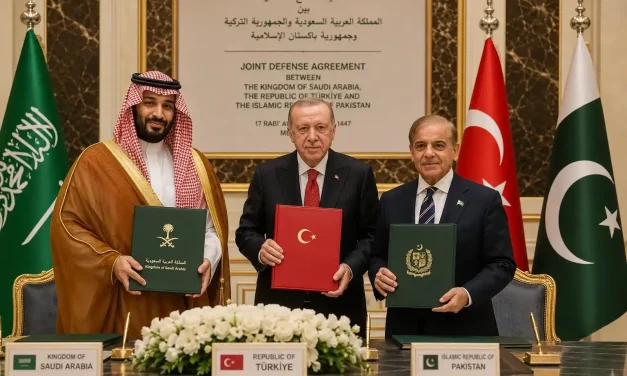
Strategic Council Online: The UAE and Saudi Arabia are sensitive to any changes or political and social instability in the Afro-Arab countries, and they are always seeking to maintain the status quo. But this time about Sudan, they certainly have not sufficed to a mere opposition to changes by learning a lesson from the 2011 uprisings. Instead, they are trying to orchestrate the power transition in a way that their own interests are preserved and safeguarded.
Kourosh Fakhr Tavoli – African Affairs Expert

Saudi-UAE Intervention in Sudan to Prevent Muslim Brotherhood from Taking Power

Strategic Council Online: What happened in Sudan, or the issue that led to a coup or quasi coup d’état in this country, go back to a number of factors and reasons such as the ineffectiveness of the political system of Omar al-Bashir government, as well as his actions over the past few years on foreign policy among others.
Ahmad Bakhshi – African Affairs Expert

Dimensions and Consequences of Egypt’s Exit from Hebrew-Arab NATO

Dimensions and Consequences of Egypt’s Exit from Hebrew-Arab NATO

Strategic Council Online: Saudi Arabia has tried, in addition to its Persian Gulf allies, attract Egypt as one of the Middle East powers in a coalition called the Hebrew-Arab NATO against Iran, but with Cairo’s withdrawal from the coalition Saudi Arabia and its allies have faced an impasse in creating a full-fledged anti-Iran coalition.
Davood Ahmadzadeh – Middle East Affairs Expert

Political Insight and Regional Cooperation

Political Insight and Regional Cooperation

Strategic Council Online: The President of Strategic Council on Foreign Relations said illusionary Iranophobia made by the United States, with the cooperation of the Zionist regime, resulted not only in the plunder of the wealth of Arab states but also it produced the normalization of their relations with the Zionist regime.

Another Victory for the People of Yemen

Another Victory for the People of Yemen

Strategic Council Online: Despite a ceasefire agreement the Coalition of aggressors against Yemen continues its obstructions and attacks on civilian areas. Also, the Stockholm conference has not achieved tangible results to end the five-year crisis in Yemen.

Behind the Recent Saudi Cabinet Reshuffle

Strategic Council Online: The new changes in the Saudi cabinet will not be very deep and widespread and we should not expect a tangible turn in Saudi foreign policy vis-à-vis the Yemeni crisis or Iran-related issues.
Dr. Rahman Ghahramanpour – Senior Middle East Researcher

Scenarios of Yemeni Peace Talks

Strategic Council Online: An expert on West Asian affairs believes that the most likely scenario for the future of peace in Yemen is the continuation of the bilateral and multilateral negotiations, in parallel with the Saudi obstructions and repeated violations of the ceasefire provisions.

أحدث الوظائف

Iran’s Success in the Narrative Battle in Cyberspace

SCFR Online – Opinion: In the war between Iran and the United States, the main battlefield was not defined solely in the military domain; rather, the battle of narratives in cyberspace—particularly through memes—reached a decisive level.

The Global Energy Shock Situation and Future Scenarios

SCFR Online – Opinion: Only one month after the beginning of the Ramadan War, maritime traffic in the Strait of Hormuz decreased dramatically, with Bloomberg announcing a reduction of 103 vessels; Brent oil prices rose by more than 50 percent, and gasoline prices in the United States increased by 31.4 percent. Additionally, benchmark gas prices in Europe showed a 73.4 percent increase.

Al-Zaydi’s Selection as Prime Minister, The Beginning of a New Chapter in Iraq

SCFR Online – Note: After approximately five months of political deadlock and institutional confusion, Ali al-Zaydi has finally been selected as Iraq’s Prime Minister. Al-Zaydi’s selection as Prime Minister represents a positive sign of the completion of the government formation process and the beginning of a new phase in Iraqi politics and governance. The emergence of a young, technocratic figure from the third generation of politicians—in a context where the country has been administered by traditional figures for decades—revives hope that Iraq may perhaps distance itself from the repetitive cycle of crises and experience a new path of stability, efficiency, and regional convergence.

Intensifying Intra-Party Divisions in the United States Regarding the Zionist Regime

SCFR Online – Note: Over recent decades, support for the Zionist regime has been one of the few issues commanding bipartisan consensus in US foreign policy. Since the Cold War era, Republicans and Democrats have generally agreed on the necessity of preserving the security and survival of the Zionist regime as Washington’s most strategic ally in West Asia—and indeed, globally. However, developments in recent years—particularly the Gaza war, escalating regional conflicts, the expansion of tensions into Lebanon, and this regime’s recent warmongering against Iran—have caused this traditional consensus, especially within the Democratic Party, to face significant fractures.

Public Opinion Disappointment of the Zionist Regime Regarding Success in War with Iran

SCFR Online – Opinion: The internal situation of the Israeli regime during the 40-day war can be analyzed from several perspectives. The popularity levels of Benjamin Netanyahu, the Likud Party, and the ruling coalition led by Netanyahu until February 28, 2026, remained approximately the same as during the preceding year. The most recent factor that had somewhat increased Netanyahu’s popularity was the advancement of the 2024 war with Hezbollah Lebanon. Subsequently, his popularity temporarily increased during the 12-day war with Iran, but after the war, it returned to its previous state.

Loading

Saudi Arabia

Aims of Saudi, UAE Policies in the Region

Aims of Saudi, UAE Policies in the Region

Strategic Council Online: Following the revolutions in Arab states these countries have adopted policies to change the course of the events out of concern over the influence of Islamists or the spread of democracy.

Future of Military Equations in Yemen War

Future of Military Equations in Yemen War

Strategic Council Online: The recent military strikes on the installations of Saudi Arabia and the United Arab Emirates will have great impacts in security and economic terms and will compel the two states to revise their war policies against Yemen.

Saudi-Israeli Intimacy: Betraying Palestinian Nation!

Strategic Council Online: US President Donald Trump and Israeli Prime Minister Benjamin Netanyahu believe that the “Deal of the Century” cannot be implemented without the official cooperation of Saudi Arabia.

Riyadh, Abu Dhabi Strive to Keep Influence in Sudan

Strategic Council Online: The UAE and Saudi Arabia are sensitive to any changes or political and social instability in the Afro-Arab countries, and they are always seeking to maintain the status quo. But this time about Sudan, they certainly have not sufficed to a mere opposition to changes by learning a lesson from the 2011 uprisings. Instead, they are trying to orchestrate the power transition in a way that their own interests are preserved and safeguarded.
Kourosh Fakhr Tavoli – African Affairs Expert

Saudi-UAE Intervention in Sudan to Prevent Muslim Brotherhood from Taking Power

Strategic Council Online: What happened in Sudan, or the issue that led to a coup or quasi coup d’état in this country, go back to a number of factors and reasons such as the ineffectiveness of the political system of Omar al-Bashir government, as well as his actions over the past few years on foreign policy among others.
Ahmad Bakhshi – African Affairs Expert

Dimensions and Consequences of Egypt’s Exit from Hebrew-Arab NATO

Dimensions and Consequences of Egypt’s Exit from Hebrew-Arab NATO

Strategic Council Online: Saudi Arabia has tried, in addition to its Persian Gulf allies, attract Egypt as one of the Middle East powers in a coalition called the Hebrew-Arab NATO against Iran, but with Cairo’s withdrawal from the coalition Saudi Arabia and its allies have faced an impasse in creating a full-fledged anti-Iran coalition.
Davood Ahmadzadeh – Middle East Affairs Expert

Political Insight and Regional Cooperation

Political Insight and Regional Cooperation

Strategic Council Online: The President of Strategic Council on Foreign Relations said illusionary Iranophobia made by the United States, with the cooperation of the Zionist regime, resulted not only in the plunder of the wealth of Arab states but also it produced the normalization of their relations with the Zionist regime.

Another Victory for the People of Yemen

Another Victory for the People of Yemen

Strategic Council Online: Despite a ceasefire agreement the Coalition of aggressors against Yemen continues its obstructions and attacks on civilian areas. Also, the Stockholm conference has not achieved tangible results to end the five-year crisis in Yemen.

Behind the Recent Saudi Cabinet Reshuffle

Strategic Council Online: The new changes in the Saudi cabinet will not be very deep and widespread and we should not expect a tangible turn in Saudi foreign policy vis-à-vis the Yemeni crisis or Iran-related issues.
Dr. Rahman Ghahramanpour – Senior Middle East Researcher

Scenarios of Yemeni Peace Talks

Strategic Council Online: An expert on West Asian affairs believes that the most likely scenario for the future of peace in Yemen is the continuation of the bilateral and multilateral negotiations, in parallel with the Saudi obstructions and repeated violations of the ceasefire provisions.

Saudi Arabia

Aims of Saudi, UAE Policies in the Region

Aims of Saudi, UAE Policies in the Region

Strategic Council Online: Following the revolutions in Arab states these countries have adopted policies to change the course of the events out of concern over the influence of Islamists or the spread of democracy.

Future of Military Equations in Yemen War

Future of Military Equations in Yemen War

Strategic Council Online: The recent military strikes on the installations of Saudi Arabia and the United Arab Emirates will have great impacts in security and economic terms and will compel the two states to revise their war policies against Yemen.

Saudi-Israeli Intimacy: Betraying Palestinian Nation!

Strategic Council Online: US President Donald Trump and Israeli Prime Minister Benjamin Netanyahu believe that the “Deal of the Century” cannot be implemented without the official cooperation of Saudi Arabia.

Riyadh, Abu Dhabi Strive to Keep Influence in Sudan

Strategic Council Online: The UAE and Saudi Arabia are sensitive to any changes or political and social instability in the Afro-Arab countries, and they are always seeking to maintain the status quo. But this time about Sudan, they certainly have not sufficed to a mere opposition to changes by learning a lesson from the 2011 uprisings. Instead, they are trying to orchestrate the power transition in a way that their own interests are preserved and safeguarded.
Kourosh Fakhr Tavoli – African Affairs Expert

Saudi-UAE Intervention in Sudan to Prevent Muslim Brotherhood from Taking Power

Strategic Council Online: What happened in Sudan, or the issue that led to a coup or quasi coup d’état in this country, go back to a number of factors and reasons such as the ineffectiveness of the political system of Omar al-Bashir government, as well as his actions over the past few years on foreign policy among others.
Ahmad Bakhshi – African Affairs Expert

Dimensions and Consequences of Egypt’s Exit from Hebrew-Arab NATO

Dimensions and Consequences of Egypt’s Exit from Hebrew-Arab NATO

Strategic Council Online: Saudi Arabia has tried, in addition to its Persian Gulf allies, attract Egypt as one of the Middle East powers in a coalition called the Hebrew-Arab NATO against Iran, but with Cairo’s withdrawal from the coalition Saudi Arabia and its allies have faced an impasse in creating a full-fledged anti-Iran coalition.
Davood Ahmadzadeh – Middle East Affairs Expert

Political Insight and Regional Cooperation

Political Insight and Regional Cooperation

Strategic Council Online: The President of Strategic Council on Foreign Relations said illusionary Iranophobia made by the United States, with the cooperation of the Zionist regime, resulted not only in the plunder of the wealth of Arab states but also it produced the normalization of their relations with the Zionist regime.

Another Victory for the People of Yemen

Another Victory for the People of Yemen

Strategic Council Online: Despite a ceasefire agreement the Coalition of aggressors against Yemen continues its obstructions and attacks on civilian areas. Also, the Stockholm conference has not achieved tangible results to end the five-year crisis in Yemen.

Behind the Recent Saudi Cabinet Reshuffle

Strategic Council Online: The new changes in the Saudi cabinet will not be very deep and widespread and we should not expect a tangible turn in Saudi foreign policy vis-à-vis the Yemeni crisis or Iran-related issues.
Dr. Rahman Ghahramanpour – Senior Middle East Researcher

Scenarios of Yemeni Peace Talks

Strategic Council Online: An expert on West Asian affairs believes that the most likely scenario for the future of peace in Yemen is the continuation of the bilateral and multilateral negotiations, in parallel with the Saudi obstructions and repeated violations of the ceasefire provisions.

LATEST CONTENT

Iran’s Success in the Narrative Battle in Cyberspace

SCFR Online – Opinion: In the war between Iran and the United States, the main battlefield was not defined solely in the military domain; rather, the battle of narratives in cyberspace—particularly through memes—reached a decisive level.

The Global Energy Shock Situation and Future Scenarios

SCFR Online – Opinion: Only one month after the beginning of the Ramadan War, maritime traffic in the Strait of Hormuz decreased dramatically, with Bloomberg announcing a reduction of 103 vessels; Brent oil prices rose by more than 50 percent, and gasoline prices in the United States increased by 31.4 percent. Additionally, benchmark gas prices in Europe showed a 73.4 percent increase.

Al-Zaydi’s Selection as Prime Minister, The Beginning of a New Chapter in Iraq

SCFR Online – Note: After approximately five months of political deadlock and institutional confusion, Ali al-Zaydi has finally been selected as Iraq’s Prime Minister. Al-Zaydi’s selection as Prime Minister represents a positive sign of the completion of the government formation process and the beginning of a new phase in Iraqi politics and governance. The emergence of a young, technocratic figure from the third generation of politicians—in a context where the country has been administered by traditional figures for decades—revives hope that Iraq may perhaps distance itself from the repetitive cycle of crises and experience a new path of stability, efficiency, and regional convergence.

Intensifying Intra-Party Divisions in the United States Regarding the Zionist Regime

SCFR Online – Note: Over recent decades, support for the Zionist regime has been one of the few issues commanding bipartisan consensus in US foreign policy. Since the Cold War era, Republicans and Democrats have generally agreed on the necessity of preserving the security and survival of the Zionist regime as Washington’s most strategic ally in West Asia—and indeed, globally. However, developments in recent years—particularly the Gaza war, escalating regional conflicts, the expansion of tensions into Lebanon, and this regime’s recent warmongering against Iran—have caused this traditional consensus, especially within the Democratic Party, to face significant fractures.

Public Opinion Disappointment of the Zionist Regime Regarding Success in War with Iran

SCFR Online – Opinion: The internal situation of the Israeli regime during the 40-day war can be analyzed from several perspectives. The popularity levels of Benjamin Netanyahu, the Likud Party, and the ruling coalition led by Netanyahu until February 28, 2026, remained approximately the same as during the preceding year. The most recent factor that had somewhat increased Netanyahu’s popularity was the advancement of the 2024 war with Hezbollah Lebanon. Subsequently, his popularity temporarily increased during the 12-day war with Iran, but after the war, it returned to its previous state.

Loading

Saudi Arabia

Aims of Saudi, UAE Policies in the Region

Aims of Saudi, UAE Policies in the Region

Strategic Council Online: Following the revolutions in Arab states these countries have adopted policies to change the course of the events out of concern over the influence of Islamists or the spread of democracy.

Future of Military Equations in Yemen War

Future of Military Equations in Yemen War

Strategic Council Online: The recent military strikes on the installations of Saudi Arabia and the United Arab Emirates will have great impacts in security and economic terms and will compel the two states to revise their war policies against Yemen.

Saudi-Israeli Intimacy: Betraying Palestinian Nation!

Strategic Council Online: US President Donald Trump and Israeli Prime Minister Benjamin Netanyahu believe that the “Deal of the Century” cannot be implemented without the official cooperation of Saudi Arabia.

Riyadh, Abu Dhabi Strive to Keep Influence in Sudan

Strategic Council Online: The UAE and Saudi Arabia are sensitive to any changes or political and social instability in the Afro-Arab countries, and they are always seeking to maintain the status quo. But this time about Sudan, they certainly have not sufficed to a mere opposition to changes by learning a lesson from the 2011 uprisings. Instead, they are trying to orchestrate the power transition in a way that their own interests are preserved and safeguarded.
Kourosh Fakhr Tavoli – African Affairs Expert

Saudi-UAE Intervention in Sudan to Prevent Muslim Brotherhood from Taking Power

Strategic Council Online: What happened in Sudan, or the issue that led to a coup or quasi coup d’état in this country, go back to a number of factors and reasons such as the ineffectiveness of the political system of Omar al-Bashir government, as well as his actions over the past few years on foreign policy among others.
Ahmad Bakhshi – African Affairs Expert

Dimensions and Consequences of Egypt’s Exit from Hebrew-Arab NATO

Dimensions and Consequences of Egypt’s Exit from Hebrew-Arab NATO

Strategic Council Online: Saudi Arabia has tried, in addition to its Persian Gulf allies, attract Egypt as one of the Middle East powers in a coalition called the Hebrew-Arab NATO against Iran, but with Cairo’s withdrawal from the coalition Saudi Arabia and its allies have faced an impasse in creating a full-fledged anti-Iran coalition.
Davood Ahmadzadeh – Middle East Affairs Expert

Political Insight and Regional Cooperation

Political Insight and Regional Cooperation

Strategic Council Online: The President of Strategic Council on Foreign Relations said illusionary Iranophobia made by the United States, with the cooperation of the Zionist regime, resulted not only in the plunder of the wealth of Arab states but also it produced the normalization of their relations with the Zionist regime.

Another Victory for the People of Yemen

Another Victory for the People of Yemen

Strategic Council Online: Despite a ceasefire agreement the Coalition of aggressors against Yemen continues its obstructions and attacks on civilian areas. Also, the Stockholm conference has not achieved tangible results to end the five-year crisis in Yemen.

Behind the Recent Saudi Cabinet Reshuffle

Strategic Council Online: The new changes in the Saudi cabinet will not be very deep and widespread and we should not expect a tangible turn in Saudi foreign policy vis-à-vis the Yemeni crisis or Iran-related issues.
Dr. Rahman Ghahramanpour – Senior Middle East Researcher

Scenarios of Yemeni Peace Talks

Strategic Council Online: An expert on West Asian affairs believes that the most likely scenario for the future of peace in Yemen is the continuation of the bilateral and multilateral negotiations, in parallel with the Saudi obstructions and repeated violations of the ceasefire provisions.

ÚLTIMAS PUBLICACIONES

Iran’s Success in the Narrative Battle in Cyberspace

SCFR Online – Opinion: In the war between Iran and the United States, the main battlefield was not defined solely in the military domain; rather, the battle of narratives in cyberspace—particularly through memes—reached a decisive level.

The Global Energy Shock Situation and Future Scenarios

SCFR Online – Opinion: Only one month after the beginning of the Ramadan War, maritime traffic in the Strait of Hormuz decreased dramatically, with Bloomberg announcing a reduction of 103 vessels; Brent oil prices rose by more than 50 percent, and gasoline prices in the United States increased by 31.4 percent. Additionally, benchmark gas prices in Europe showed a 73.4 percent increase.

Al-Zaydi’s Selection as Prime Minister, The Beginning of a New Chapter in Iraq

SCFR Online – Note: After approximately five months of political deadlock and institutional confusion, Ali al-Zaydi has finally been selected as Iraq’s Prime Minister. Al-Zaydi’s selection as Prime Minister represents a positive sign of the completion of the government formation process and the beginning of a new phase in Iraqi politics and governance. The emergence of a young, technocratic figure from the third generation of politicians—in a context where the country has been administered by traditional figures for decades—revives hope that Iraq may perhaps distance itself from the repetitive cycle of crises and experience a new path of stability, efficiency, and regional convergence.

Intensifying Intra-Party Divisions in the United States Regarding the Zionist Regime

SCFR Online – Note: Over recent decades, support for the Zionist regime has been one of the few issues commanding bipartisan consensus in US foreign policy. Since the Cold War era, Republicans and Democrats have generally agreed on the necessity of preserving the security and survival of the Zionist regime as Washington’s most strategic ally in West Asia—and indeed, globally. However, developments in recent years—particularly the Gaza war, escalating regional conflicts, the expansion of tensions into Lebanon, and this regime’s recent warmongering against Iran—have caused this traditional consensus, especially within the Democratic Party, to face significant fractures.

Public Opinion Disappointment of the Zionist Regime Regarding Success in War with Iran

SCFR Online – Opinion: The internal situation of the Israeli regime during the 40-day war can be analyzed from several perspectives. The popularity levels of Benjamin Netanyahu, the Likud Party, and the ruling coalition led by Netanyahu until February 28, 2026, remained approximately the same as during the preceding year. The most recent factor that had somewhat increased Netanyahu’s popularity was the advancement of the 2024 war with Hezbollah Lebanon. Subsequently, his popularity temporarily increased during the 12-day war with Iran, but after the war, it returned to its previous state.

Loading

Saudi Arabia

Aims of Saudi, UAE Policies in the Region

Aims of Saudi, UAE Policies in the Region

Strategic Council Online: Following the revolutions in Arab states these countries have adopted policies to change the course of the events out of concern over the influence of Islamists or the spread of democracy.

Future of Military Equations in Yemen War

Future of Military Equations in Yemen War

Strategic Council Online: The recent military strikes on the installations of Saudi Arabia and the United Arab Emirates will have great impacts in security and economic terms and will compel the two states to revise their war policies against Yemen.

Saudi-Israeli Intimacy: Betraying Palestinian Nation!

Strategic Council Online: US President Donald Trump and Israeli Prime Minister Benjamin Netanyahu believe that the “Deal of the Century” cannot be implemented without the official cooperation of Saudi Arabia.

Riyadh, Abu Dhabi Strive to Keep Influence in Sudan

Strategic Council Online: The UAE and Saudi Arabia are sensitive to any changes or political and social instability in the Afro-Arab countries, and they are always seeking to maintain the status quo. But this time about Sudan, they certainly have not sufficed to a mere opposition to changes by learning a lesson from the 2011 uprisings. Instead, they are trying to orchestrate the power transition in a way that their own interests are preserved and safeguarded.
Kourosh Fakhr Tavoli – African Affairs Expert

Saudi-UAE Intervention in Sudan to Prevent Muslim Brotherhood from Taking Power

Strategic Council Online: What happened in Sudan, or the issue that led to a coup or quasi coup d’état in this country, go back to a number of factors and reasons such as the ineffectiveness of the political system of Omar al-Bashir government, as well as his actions over the past few years on foreign policy among others.
Ahmad Bakhshi – African Affairs Expert

Dimensions and Consequences of Egypt’s Exit from Hebrew-Arab NATO

Dimensions and Consequences of Egypt’s Exit from Hebrew-Arab NATO

Strategic Council Online: Saudi Arabia has tried, in addition to its Persian Gulf allies, attract Egypt as one of the Middle East powers in a coalition called the Hebrew-Arab NATO against Iran, but with Cairo’s withdrawal from the coalition Saudi Arabia and its allies have faced an impasse in creating a full-fledged anti-Iran coalition.
Davood Ahmadzadeh – Middle East Affairs Expert

Political Insight and Regional Cooperation

Political Insight and Regional Cooperation

Strategic Council Online: The President of Strategic Council on Foreign Relations said illusionary Iranophobia made by the United States, with the cooperation of the Zionist regime, resulted not only in the plunder of the wealth of Arab states but also it produced the normalization of their relations with the Zionist regime.

Another Victory for the People of Yemen

Another Victory for the People of Yemen

Strategic Council Online: Despite a ceasefire agreement the Coalition of aggressors against Yemen continues its obstructions and attacks on civilian areas. Also, the Stockholm conference has not achieved tangible results to end the five-year crisis in Yemen.

Behind the Recent Saudi Cabinet Reshuffle

Strategic Council Online: The new changes in the Saudi cabinet will not be very deep and widespread and we should not expect a tangible turn in Saudi foreign policy vis-à-vis the Yemeni crisis or Iran-related issues.
Dr. Rahman Ghahramanpour – Senior Middle East Researcher

Scenarios of Yemeni Peace Talks

Strategic Council Online: An expert on West Asian affairs believes that the most likely scenario for the future of peace in Yemen is the continuation of the bilateral and multilateral negotiations, in parallel with the Saudi obstructions and repeated violations of the ceasefire provisions.

ÚLTIMAS PUBLICACIONES

Iran’s Success in the Narrative Battle in Cyberspace

SCFR Online – Opinion: In the war between Iran and the United States, the main battlefield was not defined solely in the military domain; rather, the battle of narratives in cyberspace—particularly through memes—reached a decisive level.

The Global Energy Shock Situation and Future Scenarios

SCFR Online – Opinion: Only one month after the beginning of the Ramadan War, maritime traffic in the Strait of Hormuz decreased dramatically, with Bloomberg announcing a reduction of 103 vessels; Brent oil prices rose by more than 50 percent, and gasoline prices in the United States increased by 31.4 percent. Additionally, benchmark gas prices in Europe showed a 73.4 percent increase.

Al-Zaydi’s Selection as Prime Minister, The Beginning of a New Chapter in Iraq

SCFR Online – Note: After approximately five months of political deadlock and institutional confusion, Ali al-Zaydi has finally been selected as Iraq’s Prime Minister. Al-Zaydi’s selection as Prime Minister represents a positive sign of the completion of the government formation process and the beginning of a new phase in Iraqi politics and governance. The emergence of a young, technocratic figure from the third generation of politicians—in a context where the country has been administered by traditional figures for decades—revives hope that Iraq may perhaps distance itself from the repetitive cycle of crises and experience a new path of stability, efficiency, and regional convergence.

Intensifying Intra-Party Divisions in the United States Regarding the Zionist Regime

SCFR Online – Note: Over recent decades, support for the Zionist regime has been one of the few issues commanding bipartisan consensus in US foreign policy. Since the Cold War era, Republicans and Democrats have generally agreed on the necessity of preserving the security and survival of the Zionist regime as Washington’s most strategic ally in West Asia—and indeed, globally. However, developments in recent years—particularly the Gaza war, escalating regional conflicts, the expansion of tensions into Lebanon, and this regime’s recent warmongering against Iran—have caused this traditional consensus, especially within the Democratic Party, to face significant fractures.

Public Opinion Disappointment of the Zionist Regime Regarding Success in War with Iran

SCFR Online – Opinion: The internal situation of the Israeli regime during the 40-day war can be analyzed from several perspectives. The popularity levels of Benjamin Netanyahu, the Likud Party, and the ruling coalition led by Netanyahu until February 28, 2026, remained approximately the same as during the preceding year. The most recent factor that had somewhat increased Netanyahu’s popularity was the advancement of the 2024 war with Hezbollah Lebanon. Subsequently, his popularity temporarily increased during the 12-day war with Iran, but after the war, it returned to its previous state.

Loading

Saudi Arabia

Aims of Saudi, UAE Policies in the Region

Aims of Saudi, UAE Policies in the Region

Strategic Council Online: Following the revolutions in Arab states these countries have adopted policies to change the course of the events out of concern over the influence of Islamists or the spread of democracy.

Future of Military Equations in Yemen War

Future of Military Equations in Yemen War

Strategic Council Online: The recent military strikes on the installations of Saudi Arabia and the United Arab Emirates will have great impacts in security and economic terms and will compel the two states to revise their war policies against Yemen.

Saudi-Israeli Intimacy: Betraying Palestinian Nation!

Strategic Council Online: US President Donald Trump and Israeli Prime Minister Benjamin Netanyahu believe that the “Deal of the Century” cannot be implemented without the official cooperation of Saudi Arabia.

Riyadh, Abu Dhabi Strive to Keep Influence in Sudan

Strategic Council Online: The UAE and Saudi Arabia are sensitive to any changes or political and social instability in the Afro-Arab countries, and they are always seeking to maintain the status quo. But this time about Sudan, they certainly have not sufficed to a mere opposition to changes by learning a lesson from the 2011 uprisings. Instead, they are trying to orchestrate the power transition in a way that their own interests are preserved and safeguarded.
Kourosh Fakhr Tavoli – African Affairs Expert

Saudi-UAE Intervention in Sudan to Prevent Muslim Brotherhood from Taking Power

Strategic Council Online: What happened in Sudan, or the issue that led to a coup or quasi coup d’état in this country, go back to a number of factors and reasons such as the ineffectiveness of the political system of Omar al-Bashir government, as well as his actions over the past few years on foreign policy among others.
Ahmad Bakhshi – African Affairs Expert

Dimensions and Consequences of Egypt’s Exit from Hebrew-Arab NATO

Dimensions and Consequences of Egypt’s Exit from Hebrew-Arab NATO

Strategic Council Online: Saudi Arabia has tried, in addition to its Persian Gulf allies, attract Egypt as one of the Middle East powers in a coalition called the Hebrew-Arab NATO against Iran, but with Cairo’s withdrawal from the coalition Saudi Arabia and its allies have faced an impasse in creating a full-fledged anti-Iran coalition.
Davood Ahmadzadeh – Middle East Affairs Expert

Political Insight and Regional Cooperation

Political Insight and Regional Cooperation

Strategic Council Online: The President of Strategic Council on Foreign Relations said illusionary Iranophobia made by the United States, with the cooperation of the Zionist regime, resulted not only in the plunder of the wealth of Arab states but also it produced the normalization of their relations with the Zionist regime.

Another Victory for the People of Yemen

Another Victory for the People of Yemen

Strategic Council Online: Despite a ceasefire agreement the Coalition of aggressors against Yemen continues its obstructions and attacks on civilian areas. Also, the Stockholm conference has not achieved tangible results to end the five-year crisis in Yemen.

Behind the Recent Saudi Cabinet Reshuffle

Strategic Council Online: The new changes in the Saudi cabinet will not be very deep and widespread and we should not expect a tangible turn in Saudi foreign policy vis-à-vis the Yemeni crisis or Iran-related issues.
Dr. Rahman Ghahramanpour – Senior Middle East Researcher

Scenarios of Yemeni Peace Talks

Strategic Council Online: An expert on West Asian affairs believes that the most likely scenario for the future of peace in Yemen is the continuation of the bilateral and multilateral negotiations, in parallel with the Saudi obstructions and repeated violations of the ceasefire provisions.

ÚLTIMAS PUBLICACIONES

Iran’s Success in the Narrative Battle in Cyberspace

SCFR Online – Opinion: In the war between Iran and the United States, the main battlefield was not defined solely in the military domain; rather, the battle of narratives in cyberspace—particularly through memes—reached a decisive level.

The Global Energy Shock Situation and Future Scenarios

SCFR Online – Opinion: Only one month after the beginning of the Ramadan War, maritime traffic in the Strait of Hormuz decreased dramatically, with Bloomberg announcing a reduction of 103 vessels; Brent oil prices rose by more than 50 percent, and gasoline prices in the United States increased by 31.4 percent. Additionally, benchmark gas prices in Europe showed a 73.4 percent increase.

Al-Zaydi’s Selection as Prime Minister, The Beginning of a New Chapter in Iraq

SCFR Online – Note: After approximately five months of political deadlock and institutional confusion, Ali al-Zaydi has finally been selected as Iraq’s Prime Minister. Al-Zaydi’s selection as Prime Minister represents a positive sign of the completion of the government formation process and the beginning of a new phase in Iraqi politics and governance. The emergence of a young, technocratic figure from the third generation of politicians—in a context where the country has been administered by traditional figures for decades—revives hope that Iraq may perhaps distance itself from the repetitive cycle of crises and experience a new path of stability, efficiency, and regional convergence.

Intensifying Intra-Party Divisions in the United States Regarding the Zionist Regime

SCFR Online – Note: Over recent decades, support for the Zionist regime has been one of the few issues commanding bipartisan consensus in US foreign policy. Since the Cold War era, Republicans and Democrats have generally agreed on the necessity of preserving the security and survival of the Zionist regime as Washington’s most strategic ally in West Asia—and indeed, globally. However, developments in recent years—particularly the Gaza war, escalating regional conflicts, the expansion of tensions into Lebanon, and this regime’s recent warmongering against Iran—have caused this traditional consensus, especially within the Democratic Party, to face significant fractures.

Public Opinion Disappointment of the Zionist Regime Regarding Success in War with Iran

SCFR Online – Opinion: The internal situation of the Israeli regime during the 40-day war can be analyzed from several perspectives. The popularity levels of Benjamin Netanyahu, the Likud Party, and the ruling coalition led by Netanyahu until February 28, 2026, remained approximately the same as during the preceding year. The most recent factor that had somewhat increased Netanyahu’s popularity was the advancement of the 2024 war with Hezbollah Lebanon. Subsequently, his popularity temporarily increased during the 12-day war with Iran, but after the war, it returned to its previous state.

Loading

Saudi Arabia

Aims of Saudi, UAE Policies in the Region

Aims of Saudi, UAE Policies in the Region

Strategic Council Online: Following the revolutions in Arab states these countries have adopted policies to change the course of the events out of concern over the influence of Islamists or the spread of democracy.

Future of Military Equations in Yemen War

Future of Military Equations in Yemen War

Strategic Council Online: The recent military strikes on the installations of Saudi Arabia and the United Arab Emirates will have great impacts in security and economic terms and will compel the two states to revise their war policies against Yemen.

Saudi-Israeli Intimacy: Betraying Palestinian Nation!

Strategic Council Online: US President Donald Trump and Israeli Prime Minister Benjamin Netanyahu believe that the “Deal of the Century” cannot be implemented without the official cooperation of Saudi Arabia.

Riyadh, Abu Dhabi Strive to Keep Influence in Sudan

Strategic Council Online: The UAE and Saudi Arabia are sensitive to any changes or political and social instability in the Afro-Arab countries, and they are always seeking to maintain the status quo. But this time about Sudan, they certainly have not sufficed to a mere opposition to changes by learning a lesson from the 2011 uprisings. Instead, they are trying to orchestrate the power transition in a way that their own interests are preserved and safeguarded.
Kourosh Fakhr Tavoli – African Affairs Expert

Saudi-UAE Intervention in Sudan to Prevent Muslim Brotherhood from Taking Power

Strategic Council Online: What happened in Sudan, or the issue that led to a coup or quasi coup d’état in this country, go back to a number of factors and reasons such as the ineffectiveness of the political system of Omar al-Bashir government, as well as his actions over the past few years on foreign policy among others.
Ahmad Bakhshi – African Affairs Expert

Dimensions and Consequences of Egypt’s Exit from Hebrew-Arab NATO

Dimensions and Consequences of Egypt’s Exit from Hebrew-Arab NATO

Strategic Council Online: Saudi Arabia has tried, in addition to its Persian Gulf allies, attract Egypt as one of the Middle East powers in a coalition called the Hebrew-Arab NATO against Iran, but with Cairo’s withdrawal from the coalition Saudi Arabia and its allies have faced an impasse in creating a full-fledged anti-Iran coalition.
Davood Ahmadzadeh – Middle East Affairs Expert

Political Insight and Regional Cooperation

Political Insight and Regional Cooperation

Strategic Council Online: The President of Strategic Council on Foreign Relations said illusionary Iranophobia made by the United States, with the cooperation of the Zionist regime, resulted not only in the plunder of the wealth of Arab states but also it produced the normalization of their relations with the Zionist regime.

Another Victory for the People of Yemen

Another Victory for the People of Yemen

Strategic Council Online: Despite a ceasefire agreement the Coalition of aggressors against Yemen continues its obstructions and attacks on civilian areas. Also, the Stockholm conference has not achieved tangible results to end the five-year crisis in Yemen.

Behind the Recent Saudi Cabinet Reshuffle

Strategic Council Online: The new changes in the Saudi cabinet will not be very deep and widespread and we should not expect a tangible turn in Saudi foreign policy vis-à-vis the Yemeni crisis or Iran-related issues.
Dr. Rahman Ghahramanpour – Senior Middle East Researcher

Scenarios of Yemeni Peace Talks

Strategic Council Online: An expert on West Asian affairs believes that the most likely scenario for the future of peace in Yemen is the continuation of the bilateral and multilateral negotiations, in parallel with the Saudi obstructions and repeated violations of the ceasefire provisions.

ÚLTIMAS PUBLICACIONES

Iran’s Success in the Narrative Battle in Cyberspace

SCFR Online – Opinion: In the war between Iran and the United States, the main battlefield was not defined solely in the military domain; rather, the battle of narratives in cyberspace—particularly through memes—reached a decisive level.

The Global Energy Shock Situation and Future Scenarios

SCFR Online – Opinion: Only one month after the beginning of the Ramadan War, maritime traffic in the Strait of Hormuz decreased dramatically, with Bloomberg announcing a reduction of 103 vessels; Brent oil prices rose by more than 50 percent, and gasoline prices in the United States increased by 31.4 percent. Additionally, benchmark gas prices in Europe showed a 73.4 percent increase.

Al-Zaydi’s Selection as Prime Minister, The Beginning of a New Chapter in Iraq

SCFR Online – Note: After approximately five months of political deadlock and institutional confusion, Ali al-Zaydi has finally been selected as Iraq’s Prime Minister. Al-Zaydi’s selection as Prime Minister represents a positive sign of the completion of the government formation process and the beginning of a new phase in Iraqi politics and governance. The emergence of a young, technocratic figure from the third generation of politicians—in a context where the country has been administered by traditional figures for decades—revives hope that Iraq may perhaps distance itself from the repetitive cycle of crises and experience a new path of stability, efficiency, and regional convergence.

Intensifying Intra-Party Divisions in the United States Regarding the Zionist Regime

SCFR Online – Note: Over recent decades, support for the Zionist regime has been one of the few issues commanding bipartisan consensus in US foreign policy. Since the Cold War era, Republicans and Democrats have generally agreed on the necessity of preserving the security and survival of the Zionist regime as Washington’s most strategic ally in West Asia—and indeed, globally. However, developments in recent years—particularly the Gaza war, escalating regional conflicts, the expansion of tensions into Lebanon, and this regime’s recent warmongering against Iran—have caused this traditional consensus, especially within the Democratic Party, to face significant fractures.

Public Opinion Disappointment of the Zionist Regime Regarding Success in War with Iran

SCFR Online – Opinion: The internal situation of the Israeli regime during the 40-day war can be analyzed from several perspectives. The popularity levels of Benjamin Netanyahu, the Likud Party, and the ruling coalition led by Netanyahu until February 28, 2026, remained approximately the same as during the preceding year. The most recent factor that had somewhat increased Netanyahu’s popularity was the advancement of the 2024 war with Hezbollah Lebanon. Subsequently, his popularity temporarily increased during the 12-day war with Iran, but after the war, it returned to its previous state.

Loading