جدیدترین مطالب

Balancing in the chain of chokepoints; from sea-based deterrence to pluralistic diplomacy

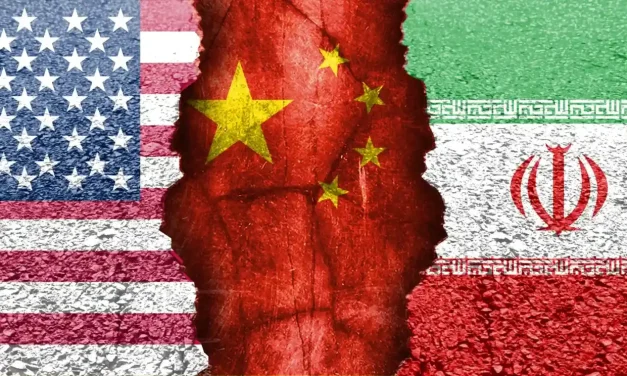
Strategic Council Online – Note: Recent developments in the political geography of West Asia, from rising tensions in the Persian Gulf to missile and drone activities in the Red Sea and the recent warning by Kaja Kallas, the European Union’s foreign policy chief, regarding the threat to freedom of navigation, indicate a key pattern shift; the US-Iran war has moved beyond the scope of a regional and local confrontation and has linked two vital passageways for the global economy: the Strait of Hormuz and the Bab el-Mandeb Strait.

Indicators for Choosing Between War and Diplomacy

SCFR Online – Opinion: Foreign policy analysis is valid when it evaluates decisions based on the information and circumstances prevailing at the time they were made, not on the basis of outcomes that only become apparent after the crisis has ended.

Loading

West Asia

Dimensions and Implications of Parallel Efforts to Disarm the Resistance in West Asia

Dimensions and Implications of Parallel Efforts to Disarm the Resistance in West Asia

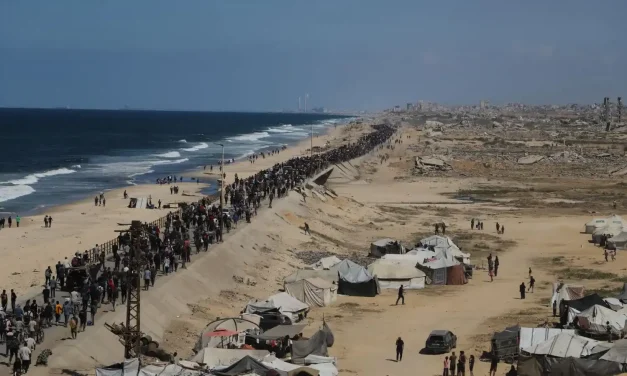
Strategic Council Online – Interview: A senior analyst on West Asian affairs stated that under the current circumstances, discussing the disarmament of the Resistance is not only unfeasible but could also lead to an escalation of tensions. Following the 12-day aggression by the United States and the Israeli regime against Iran, efforts in another layer to disarm Resistance groups, including Hezbollah, the Popular Mobilization Forces (PMF or Hashd al-Shaabi), and Hamas, have intensified as part of a coordinated project pursued to weaken the Axis of Resistance and impose American regional dominance. The U.S. proposal for Lebanon, which includes disarming Hezbollah by the end of 2025 and the withdrawal of the Israeli regime from border positions, is an attempt to transform an external conflict into an internal one. Hezbollah has firmly rejected this proposal, deeming it a violation of national sovereignty and a service to the interests of the Israeli regime, while emphasizing its defensive role. In Iraq, pressure on the Popular Mobilization Forces has been accompanied by accusations and economic sanctions, yet this group continues to stand as a popular force against external threats. Hamas, despite heavy attacks by the Israeli regime, has continued its resistance and rejected a recent ceasefire proposal in exchange for disarmament. These plans, supported by U.S. and allied diplomatic and economic backing, seek to alter the balance of power in the region. Still, the resistance of the groups and popular support have prevented the realization of these objectives.

The Strategic Significance of Syria-Turkey-Azerbaijan Gas Project

The Strategic Significance of Syria-Turkey-Azerbaijan Gas Project

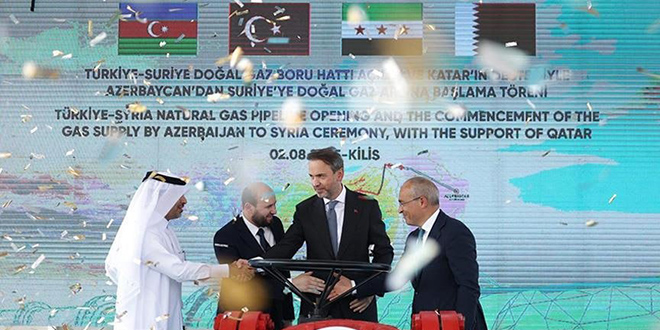
Strategic Council Online – Interview: A West Asia affairs analyst stated: The Syria-Turkey-Azerbaijan gas project goes beyond simple energy cooperation and must be evaluated within the context of regional power competition, efforts to redefine the political order in Syria, and the strengthening of the Turkish-Qatari-Azerbaijani axis in West Asia. An order whose future will largely depend on the stability of the Damascus government and Turkey’s ability to manage security, economic, and geopolitical crises simultaneously.
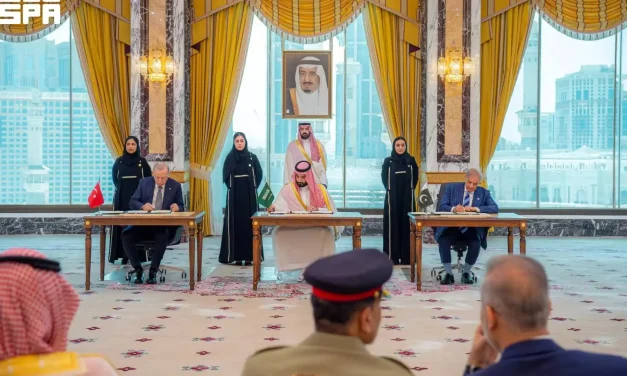
At a time when Syria is still grappling with extensive infrastructure problems and an energy crisis, the inauguration of the gas pipeline from Azerbaijan to Syria via Turkey, with Qatar’s financial support, has drawn the attention of regional analysts. This project, which in its first phase will transfer 3.4 million cubic meters of gas per day and will eventually reach a capacity of 6 million cubic meters per day, could add approximately 750 megawatts to Syria’s electricity generation capacity.

The Necessity of Systematizing the Role of Artificial Intelligence in the Military Domain

The Necessity of Systematizing the Role of Artificial Intelligence in the Military Domain

Strategic Council Online– Opinion Significant advancements in artificial intelligence have created new and sometimes concerning capabilities across various fields, including the military domain. AI, which is inherently meant to serve human welfare, comfort, and progress, is increasingly being utilized in the military programs of major powers and disruptive actors worldwide, particularly in West Asia.

Iran’s Smart Diplomacy in Managing Regional Crises

Iran’s Smart Diplomacy in Managing Regional Crises

Strategic Council Online– Interview: A West Asia affairs analyst, discussing the role of Iran’s smart diplomacy in turning regional crises into opportunities to strengthen the country’s influence and position in the region, stated: Iran’s multilateral foreign policy can be an effective alternative to Western military interventions, especially at a time when the failures of the U.S. and the Israeli regime have reduced the trust of West Asian countries in them. By consciously leveraging regional capacities and strengthening cooperation, Tehran can play a pivotal role in establishing sustainable stability in the region.

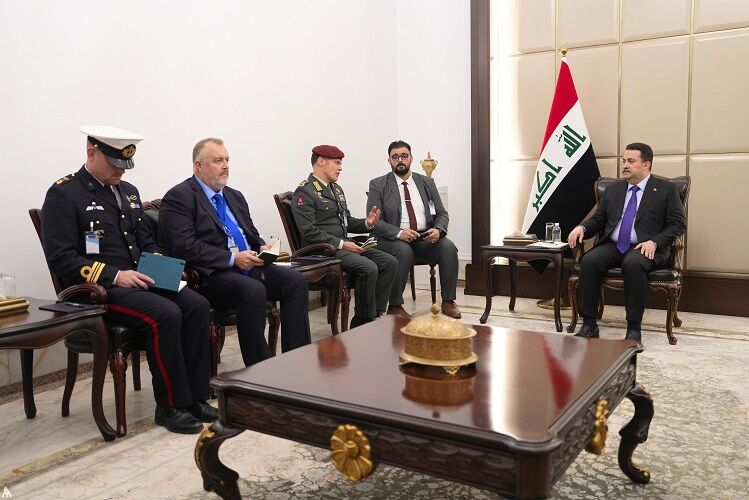
Reasons for NATO’s Interest in a Military Partnership with Iraq

Reasons for NATO’s Interest in a Military Partnership with Iraq

Strategic Council Online – Interview: A West Asia affairs expert stated that Christoph Henzi, the new NATO commander in Iraq, recently emphasized the North Atlantic Treaty Organization’s (NATO) continued commitment to coordinating and cooperating with Iraqi military and security institutions through experience-sharing, advisory services, and capacity-building.

Reducing US Military Presence in Syria: Motivations and Strategic Consequences

Reducing US Military Presence in Syria: Motivations and Strategic Consequences

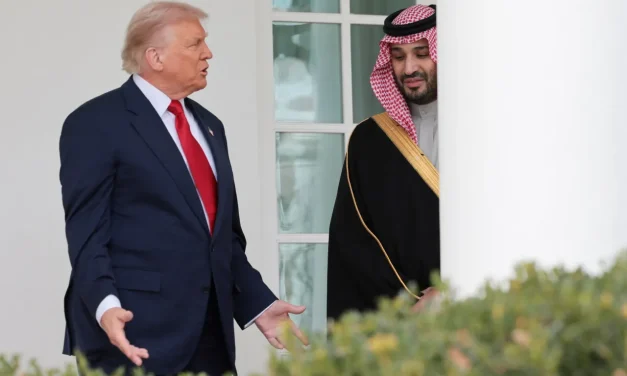
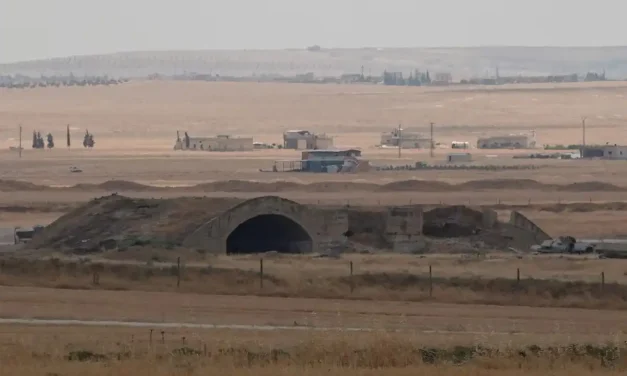
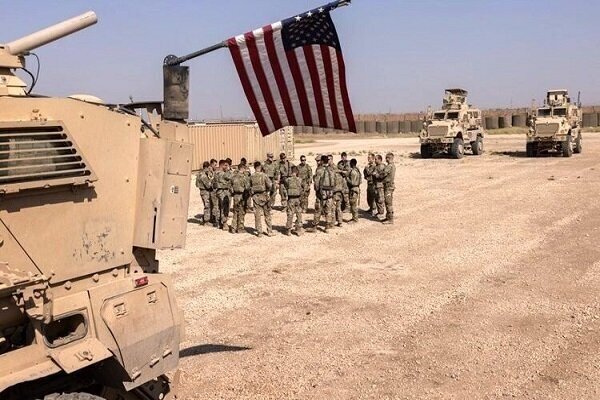
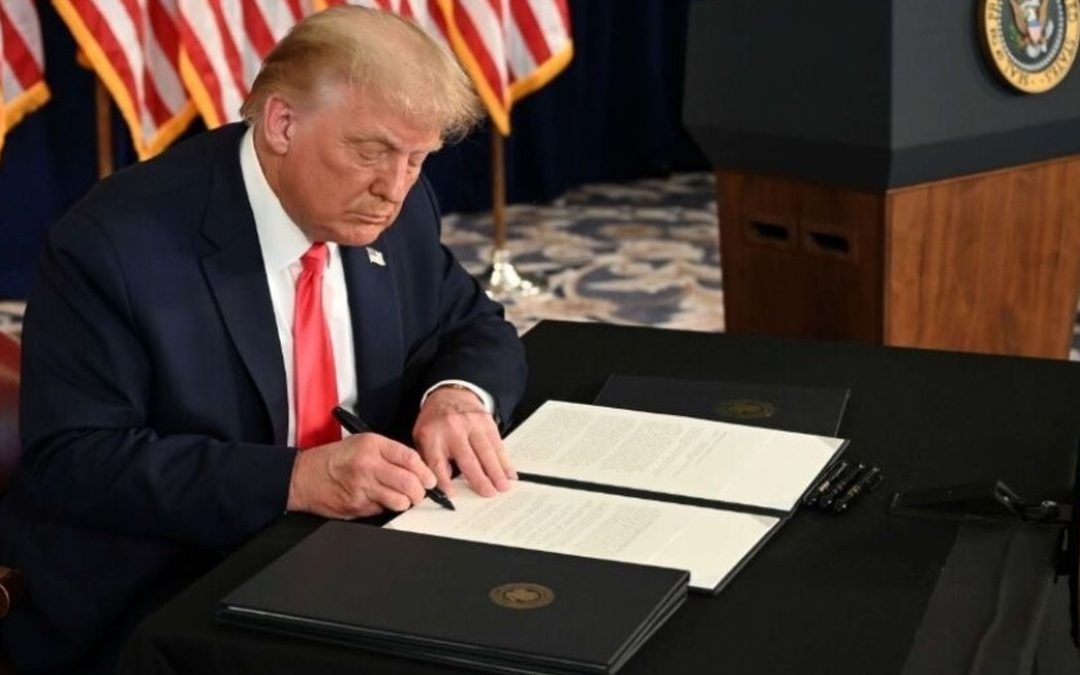
Strategic Council Online – Opinion: On April 18, 2025, the US Department of Defense (Pentagon) announced a review of the deployment of its military forces in Syria codenamed “Operation Inherent Resolve”. This plan, designed in line with Donald Trump’s policies to reduce US military presence in the Middle East, will reduce the number of US troops from 10,000 to 1,000 within two months. Although this measure was announced under the pretext of success in weakening ISIS, it is part of a broader US strategy to redefine its mission in the region. However, numerous political and security complexities accompany this decision, the consequences of which will be significant for Syria, the entire region, and even the international system.

Analysis of the US Smart Deterrence Policy

Analysis of the US Smart Deterrence Policy

Strategic Council Online – Opinion: Deterrence has always been one of the main pillars of the US foreign and security policy against its rivals. However, geopolitical developments, the emergence of non-state actors, cyber threats, and changes in the global balance of power show the need for the US to reconsider its traditional deterrence approaches. In this regard, the concept of “smart deterrence” as a combination of hard and soft tools has attracted the attention of American politicians.

Analysis of the Iraqi Prime Minister’s Visit to England

Analysis of the Iraqi Prime Minister’s Visit to England

Strategic Council Online – Interview: An international affairs expert considered the Iraqi Prime Minister’s visit to the UK and the agreements reached during this visit important for Iraq’s future in West Asia. He said that Iraq is on the path to transitioning from a “disorganized” state in terms of politics, economy, and security to a stable state in the region, economically, politically, and security-wise.

أحدث الوظائف

Balancing in the chain of chokepoints; from sea-based deterrence to pluralistic diplomacy

Strategic Council Online – Note: Recent developments in the political geography of West Asia, from rising tensions in the Persian Gulf to missile and drone activities in the Red Sea and the recent warning by Kaja Kallas, the European Union’s foreign policy chief, regarding the threat to freedom of navigation, indicate a key pattern shift; the US-Iran war has moved beyond the scope of a regional and local confrontation and has linked two vital passageways for the global economy: the Strait of Hormuz and the Bab el-Mandeb Strait.

Indicators for Choosing Between War and Diplomacy

SCFR Online – Opinion: Foreign policy analysis is valid when it evaluates decisions based on the information and circumstances prevailing at the time they were made, not on the basis of outcomes that only become apparent after the crisis has ended.

Loading

West Asia

Dimensions and Implications of Parallel Efforts to Disarm the Resistance in West Asia

Dimensions and Implications of Parallel Efforts to Disarm the Resistance in West Asia

Strategic Council Online – Interview: A senior analyst on West Asian affairs stated that under the current circumstances, discussing the disarmament of the Resistance is not only unfeasible but could also lead to an escalation of tensions. Following the 12-day aggression by the United States and the Israeli regime against Iran, efforts in another layer to disarm Resistance groups, including Hezbollah, the Popular Mobilization Forces (PMF or Hashd al-Shaabi), and Hamas, have intensified as part of a coordinated project pursued to weaken the Axis of Resistance and impose American regional dominance. The U.S. proposal for Lebanon, which includes disarming Hezbollah by the end of 2025 and the withdrawal of the Israeli regime from border positions, is an attempt to transform an external conflict into an internal one. Hezbollah has firmly rejected this proposal, deeming it a violation of national sovereignty and a service to the interests of the Israeli regime, while emphasizing its defensive role. In Iraq, pressure on the Popular Mobilization Forces has been accompanied by accusations and economic sanctions, yet this group continues to stand as a popular force against external threats. Hamas, despite heavy attacks by the Israeli regime, has continued its resistance and rejected a recent ceasefire proposal in exchange for disarmament. These plans, supported by U.S. and allied diplomatic and economic backing, seek to alter the balance of power in the region. Still, the resistance of the groups and popular support have prevented the realization of these objectives.

The Strategic Significance of Syria-Turkey-Azerbaijan Gas Project

The Strategic Significance of Syria-Turkey-Azerbaijan Gas Project

Strategic Council Online – Interview: A West Asia affairs analyst stated: The Syria-Turkey-Azerbaijan gas project goes beyond simple energy cooperation and must be evaluated within the context of regional power competition, efforts to redefine the political order in Syria, and the strengthening of the Turkish-Qatari-Azerbaijani axis in West Asia. An order whose future will largely depend on the stability of the Damascus government and Turkey’s ability to manage security, economic, and geopolitical crises simultaneously.
At a time when Syria is still grappling with extensive infrastructure problems and an energy crisis, the inauguration of the gas pipeline from Azerbaijan to Syria via Turkey, with Qatar’s financial support, has drawn the attention of regional analysts. This project, which in its first phase will transfer 3.4 million cubic meters of gas per day and will eventually reach a capacity of 6 million cubic meters per day, could add approximately 750 megawatts to Syria’s electricity generation capacity.

The Necessity of Systematizing the Role of Artificial Intelligence in the Military Domain

The Necessity of Systematizing the Role of Artificial Intelligence in the Military Domain

Strategic Council Online– Opinion Significant advancements in artificial intelligence have created new and sometimes concerning capabilities across various fields, including the military domain. AI, which is inherently meant to serve human welfare, comfort, and progress, is increasingly being utilized in the military programs of major powers and disruptive actors worldwide, particularly in West Asia.

Iran’s Smart Diplomacy in Managing Regional Crises

Iran’s Smart Diplomacy in Managing Regional Crises

Strategic Council Online– Interview: A West Asia affairs analyst, discussing the role of Iran’s smart diplomacy in turning regional crises into opportunities to strengthen the country’s influence and position in the region, stated: Iran’s multilateral foreign policy can be an effective alternative to Western military interventions, especially at a time when the failures of the U.S. and the Israeli regime have reduced the trust of West Asian countries in them. By consciously leveraging regional capacities and strengthening cooperation, Tehran can play a pivotal role in establishing sustainable stability in the region.

Reasons for NATO’s Interest in a Military Partnership with Iraq

Reasons for NATO’s Interest in a Military Partnership with Iraq

Strategic Council Online – Interview: A West Asia affairs expert stated that Christoph Henzi, the new NATO commander in Iraq, recently emphasized the North Atlantic Treaty Organization’s (NATO) continued commitment to coordinating and cooperating with Iraqi military and security institutions through experience-sharing, advisory services, and capacity-building.

Reducing US Military Presence in Syria: Motivations and Strategic Consequences

Reducing US Military Presence in Syria: Motivations and Strategic Consequences

Strategic Council Online – Opinion: On April 18, 2025, the US Department of Defense (Pentagon) announced a review of the deployment of its military forces in Syria codenamed “Operation Inherent Resolve”. This plan, designed in line with Donald Trump’s policies to reduce US military presence in the Middle East, will reduce the number of US troops from 10,000 to 1,000 within two months. Although this measure was announced under the pretext of success in weakening ISIS, it is part of a broader US strategy to redefine its mission in the region. However, numerous political and security complexities accompany this decision, the consequences of which will be significant for Syria, the entire region, and even the international system.

Analysis of the US Smart Deterrence Policy

Analysis of the US Smart Deterrence Policy

Strategic Council Online – Opinion: Deterrence has always been one of the main pillars of the US foreign and security policy against its rivals. However, geopolitical developments, the emergence of non-state actors, cyber threats, and changes in the global balance of power show the need for the US to reconsider its traditional deterrence approaches. In this regard, the concept of “smart deterrence” as a combination of hard and soft tools has attracted the attention of American politicians.

Analysis of the Iraqi Prime Minister’s Visit to England

Analysis of the Iraqi Prime Minister’s Visit to England

Strategic Council Online – Interview: An international affairs expert considered the Iraqi Prime Minister’s visit to the UK and the agreements reached during this visit important for Iraq’s future in West Asia. He said that Iraq is on the path to transitioning from a “disorganized” state in terms of politics, economy, and security to a stable state in the region, economically, politically, and security-wise.

West Asia

Dimensions and Implications of Parallel Efforts to Disarm the Resistance in West Asia

Dimensions and Implications of Parallel Efforts to Disarm the Resistance in West Asia

Strategic Council Online – Interview: A senior analyst on West Asian affairs stated that under the current circumstances, discussing the disarmament of the Resistance is not only unfeasible but could also lead to an escalation of tensions. Following the 12-day aggression by the United States and the Israeli regime against Iran, efforts in another layer to disarm Resistance groups, including Hezbollah, the Popular Mobilization Forces (PMF or Hashd al-Shaabi), and Hamas, have intensified as part of a coordinated project pursued to weaken the Axis of Resistance and impose American regional dominance. The U.S. proposal for Lebanon, which includes disarming Hezbollah by the end of 2025 and the withdrawal of the Israeli regime from border positions, is an attempt to transform an external conflict into an internal one. Hezbollah has firmly rejected this proposal, deeming it a violation of national sovereignty and a service to the interests of the Israeli regime, while emphasizing its defensive role. In Iraq, pressure on the Popular Mobilization Forces has been accompanied by accusations and economic sanctions, yet this group continues to stand as a popular force against external threats. Hamas, despite heavy attacks by the Israeli regime, has continued its resistance and rejected a recent ceasefire proposal in exchange for disarmament. These plans, supported by U.S. and allied diplomatic and economic backing, seek to alter the balance of power in the region. Still, the resistance of the groups and popular support have prevented the realization of these objectives.

The Strategic Significance of Syria-Turkey-Azerbaijan Gas Project

The Strategic Significance of Syria-Turkey-Azerbaijan Gas Project

Strategic Council Online – Interview: A West Asia affairs analyst stated: The Syria-Turkey-Azerbaijan gas project goes beyond simple energy cooperation and must be evaluated within the context of regional power competition, efforts to redefine the political order in Syria, and the strengthening of the Turkish-Qatari-Azerbaijani axis in West Asia. An order whose future will largely depend on the stability of the Damascus government and Turkey’s ability to manage security, economic, and geopolitical crises simultaneously.
At a time when Syria is still grappling with extensive infrastructure problems and an energy crisis, the inauguration of the gas pipeline from Azerbaijan to Syria via Turkey, with Qatar’s financial support, has drawn the attention of regional analysts. This project, which in its first phase will transfer 3.4 million cubic meters of gas per day and will eventually reach a capacity of 6 million cubic meters per day, could add approximately 750 megawatts to Syria’s electricity generation capacity.

The Necessity of Systematizing the Role of Artificial Intelligence in the Military Domain

The Necessity of Systematizing the Role of Artificial Intelligence in the Military Domain

Strategic Council Online– Opinion Significant advancements in artificial intelligence have created new and sometimes concerning capabilities across various fields, including the military domain. AI, which is inherently meant to serve human welfare, comfort, and progress, is increasingly being utilized in the military programs of major powers and disruptive actors worldwide, particularly in West Asia.

Iran’s Smart Diplomacy in Managing Regional Crises

Iran’s Smart Diplomacy in Managing Regional Crises

Strategic Council Online– Interview: A West Asia affairs analyst, discussing the role of Iran’s smart diplomacy in turning regional crises into opportunities to strengthen the country’s influence and position in the region, stated: Iran’s multilateral foreign policy can be an effective alternative to Western military interventions, especially at a time when the failures of the U.S. and the Israeli regime have reduced the trust of West Asian countries in them. By consciously leveraging regional capacities and strengthening cooperation, Tehran can play a pivotal role in establishing sustainable stability in the region.

Reasons for NATO’s Interest in a Military Partnership with Iraq

Reasons for NATO’s Interest in a Military Partnership with Iraq

Strategic Council Online – Interview: A West Asia affairs expert stated that Christoph Henzi, the new NATO commander in Iraq, recently emphasized the North Atlantic Treaty Organization’s (NATO) continued commitment to coordinating and cooperating with Iraqi military and security institutions through experience-sharing, advisory services, and capacity-building.

Reducing US Military Presence in Syria: Motivations and Strategic Consequences

Reducing US Military Presence in Syria: Motivations and Strategic Consequences

Strategic Council Online – Opinion: On April 18, 2025, the US Department of Defense (Pentagon) announced a review of the deployment of its military forces in Syria codenamed “Operation Inherent Resolve”. This plan, designed in line with Donald Trump’s policies to reduce US military presence in the Middle East, will reduce the number of US troops from 10,000 to 1,000 within two months. Although this measure was announced under the pretext of success in weakening ISIS, it is part of a broader US strategy to redefine its mission in the region. However, numerous political and security complexities accompany this decision, the consequences of which will be significant for Syria, the entire region, and even the international system.

Analysis of the US Smart Deterrence Policy

Analysis of the US Smart Deterrence Policy

Strategic Council Online – Opinion: Deterrence has always been one of the main pillars of the US foreign and security policy against its rivals. However, geopolitical developments, the emergence of non-state actors, cyber threats, and changes in the global balance of power show the need for the US to reconsider its traditional deterrence approaches. In this regard, the concept of “smart deterrence” as a combination of hard and soft tools has attracted the attention of American politicians.

Analysis of the Iraqi Prime Minister’s Visit to England

Analysis of the Iraqi Prime Minister’s Visit to England

Strategic Council Online – Interview: An international affairs expert considered the Iraqi Prime Minister’s visit to the UK and the agreements reached during this visit important for Iraq’s future in West Asia. He said that Iraq is on the path to transitioning from a “disorganized” state in terms of politics, economy, and security to a stable state in the region, economically, politically, and security-wise.

LATEST CONTENT

Balancing in the chain of chokepoints; from sea-based deterrence to pluralistic diplomacy

Strategic Council Online – Note: Recent developments in the political geography of West Asia, from rising tensions in the Persian Gulf to missile and drone activities in the Red Sea and the recent warning by Kaja Kallas, the European Union’s foreign policy chief, regarding the threat to freedom of navigation, indicate a key pattern shift; the US-Iran war has moved beyond the scope of a regional and local confrontation and has linked two vital passageways for the global economy: the Strait of Hormuz and the Bab el-Mandeb Strait.

Indicators for Choosing Between War and Diplomacy

SCFR Online – Opinion: Foreign policy analysis is valid when it evaluates decisions based on the information and circumstances prevailing at the time they were made, not on the basis of outcomes that only become apparent after the crisis has ended.

Loading

West Asia

Dimensions and Implications of Parallel Efforts to Disarm the Resistance in West Asia

Dimensions and Implications of Parallel Efforts to Disarm the Resistance in West Asia

Strategic Council Online – Interview: A senior analyst on West Asian affairs stated that under the current circumstances, discussing the disarmament of the Resistance is not only unfeasible but could also lead to an escalation of tensions. Following the 12-day aggression by the United States and the Israeli regime against Iran, efforts in another layer to disarm Resistance groups, including Hezbollah, the Popular Mobilization Forces (PMF or Hashd al-Shaabi), and Hamas, have intensified as part of a coordinated project pursued to weaken the Axis of Resistance and impose American regional dominance. The U.S. proposal for Lebanon, which includes disarming Hezbollah by the end of 2025 and the withdrawal of the Israeli regime from border positions, is an attempt to transform an external conflict into an internal one. Hezbollah has firmly rejected this proposal, deeming it a violation of national sovereignty and a service to the interests of the Israeli regime, while emphasizing its defensive role. In Iraq, pressure on the Popular Mobilization Forces has been accompanied by accusations and economic sanctions, yet this group continues to stand as a popular force against external threats. Hamas, despite heavy attacks by the Israeli regime, has continued its resistance and rejected a recent ceasefire proposal in exchange for disarmament. These plans, supported by U.S. and allied diplomatic and economic backing, seek to alter the balance of power in the region. Still, the resistance of the groups and popular support have prevented the realization of these objectives.

The Strategic Significance of Syria-Turkey-Azerbaijan Gas Project

The Strategic Significance of Syria-Turkey-Azerbaijan Gas Project

Strategic Council Online – Interview: A West Asia affairs analyst stated: The Syria-Turkey-Azerbaijan gas project goes beyond simple energy cooperation and must be evaluated within the context of regional power competition, efforts to redefine the political order in Syria, and the strengthening of the Turkish-Qatari-Azerbaijani axis in West Asia. An order whose future will largely depend on the stability of the Damascus government and Turkey’s ability to manage security, economic, and geopolitical crises simultaneously.
At a time when Syria is still grappling with extensive infrastructure problems and an energy crisis, the inauguration of the gas pipeline from Azerbaijan to Syria via Turkey, with Qatar’s financial support, has drawn the attention of regional analysts. This project, which in its first phase will transfer 3.4 million cubic meters of gas per day and will eventually reach a capacity of 6 million cubic meters per day, could add approximately 750 megawatts to Syria’s electricity generation capacity.

The Necessity of Systematizing the Role of Artificial Intelligence in the Military Domain

The Necessity of Systematizing the Role of Artificial Intelligence in the Military Domain

Strategic Council Online– Opinion Significant advancements in artificial intelligence have created new and sometimes concerning capabilities across various fields, including the military domain. AI, which is inherently meant to serve human welfare, comfort, and progress, is increasingly being utilized in the military programs of major powers and disruptive actors worldwide, particularly in West Asia.

Iran’s Smart Diplomacy in Managing Regional Crises

Iran’s Smart Diplomacy in Managing Regional Crises

Strategic Council Online– Interview: A West Asia affairs analyst, discussing the role of Iran’s smart diplomacy in turning regional crises into opportunities to strengthen the country’s influence and position in the region, stated: Iran’s multilateral foreign policy can be an effective alternative to Western military interventions, especially at a time when the failures of the U.S. and the Israeli regime have reduced the trust of West Asian countries in them. By consciously leveraging regional capacities and strengthening cooperation, Tehran can play a pivotal role in establishing sustainable stability in the region.

Reasons for NATO’s Interest in a Military Partnership with Iraq

Reasons for NATO’s Interest in a Military Partnership with Iraq

Strategic Council Online – Interview: A West Asia affairs expert stated that Christoph Henzi, the new NATO commander in Iraq, recently emphasized the North Atlantic Treaty Organization’s (NATO) continued commitment to coordinating and cooperating with Iraqi military and security institutions through experience-sharing, advisory services, and capacity-building.

Reducing US Military Presence in Syria: Motivations and Strategic Consequences

Reducing US Military Presence in Syria: Motivations and Strategic Consequences

Strategic Council Online – Opinion: On April 18, 2025, the US Department of Defense (Pentagon) announced a review of the deployment of its military forces in Syria codenamed “Operation Inherent Resolve”. This plan, designed in line with Donald Trump’s policies to reduce US military presence in the Middle East, will reduce the number of US troops from 10,000 to 1,000 within two months. Although this measure was announced under the pretext of success in weakening ISIS, it is part of a broader US strategy to redefine its mission in the region. However, numerous political and security complexities accompany this decision, the consequences of which will be significant for Syria, the entire region, and even the international system.

Analysis of the US Smart Deterrence Policy

Analysis of the US Smart Deterrence Policy

Strategic Council Online – Opinion: Deterrence has always been one of the main pillars of the US foreign and security policy against its rivals. However, geopolitical developments, the emergence of non-state actors, cyber threats, and changes in the global balance of power show the need for the US to reconsider its traditional deterrence approaches. In this regard, the concept of “smart deterrence” as a combination of hard and soft tools has attracted the attention of American politicians.

Analysis of the Iraqi Prime Minister’s Visit to England

Analysis of the Iraqi Prime Minister’s Visit to England

Strategic Council Online – Interview: An international affairs expert considered the Iraqi Prime Minister’s visit to the UK and the agreements reached during this visit important for Iraq’s future in West Asia. He said that Iraq is on the path to transitioning from a “disorganized” state in terms of politics, economy, and security to a stable state in the region, economically, politically, and security-wise.

ÚLTIMAS PUBLICACIONES

Balancing in the chain of chokepoints; from sea-based deterrence to pluralistic diplomacy

Strategic Council Online – Note: Recent developments in the political geography of West Asia, from rising tensions in the Persian Gulf to missile and drone activities in the Red Sea and the recent warning by Kaja Kallas, the European Union’s foreign policy chief, regarding the threat to freedom of navigation, indicate a key pattern shift; the US-Iran war has moved beyond the scope of a regional and local confrontation and has linked two vital passageways for the global economy: the Strait of Hormuz and the Bab el-Mandeb Strait.

Indicators for Choosing Between War and Diplomacy

SCFR Online – Opinion: Foreign policy analysis is valid when it evaluates decisions based on the information and circumstances prevailing at the time they were made, not on the basis of outcomes that only become apparent after the crisis has ended.

Loading

West Asia

Dimensions and Implications of Parallel Efforts to Disarm the Resistance in West Asia

Dimensions and Implications of Parallel Efforts to Disarm the Resistance in West Asia

Strategic Council Online – Interview: A senior analyst on West Asian affairs stated that under the current circumstances, discussing the disarmament of the Resistance is not only unfeasible but could also lead to an escalation of tensions. Following the 12-day aggression by the United States and the Israeli regime against Iran, efforts in another layer to disarm Resistance groups, including Hezbollah, the Popular Mobilization Forces (PMF or Hashd al-Shaabi), and Hamas, have intensified as part of a coordinated project pursued to weaken the Axis of Resistance and impose American regional dominance. The U.S. proposal for Lebanon, which includes disarming Hezbollah by the end of 2025 and the withdrawal of the Israeli regime from border positions, is an attempt to transform an external conflict into an internal one. Hezbollah has firmly rejected this proposal, deeming it a violation of national sovereignty and a service to the interests of the Israeli regime, while emphasizing its defensive role. In Iraq, pressure on the Popular Mobilization Forces has been accompanied by accusations and economic sanctions, yet this group continues to stand as a popular force against external threats. Hamas, despite heavy attacks by the Israeli regime, has continued its resistance and rejected a recent ceasefire proposal in exchange for disarmament. These plans, supported by U.S. and allied diplomatic and economic backing, seek to alter the balance of power in the region. Still, the resistance of the groups and popular support have prevented the realization of these objectives.

The Strategic Significance of Syria-Turkey-Azerbaijan Gas Project

The Strategic Significance of Syria-Turkey-Azerbaijan Gas Project

Strategic Council Online – Interview: A West Asia affairs analyst stated: The Syria-Turkey-Azerbaijan gas project goes beyond simple energy cooperation and must be evaluated within the context of regional power competition, efforts to redefine the political order in Syria, and the strengthening of the Turkish-Qatari-Azerbaijani axis in West Asia. An order whose future will largely depend on the stability of the Damascus government and Turkey’s ability to manage security, economic, and geopolitical crises simultaneously.
At a time when Syria is still grappling with extensive infrastructure problems and an energy crisis, the inauguration of the gas pipeline from Azerbaijan to Syria via Turkey, with Qatar’s financial support, has drawn the attention of regional analysts. This project, which in its first phase will transfer 3.4 million cubic meters of gas per day and will eventually reach a capacity of 6 million cubic meters per day, could add approximately 750 megawatts to Syria’s electricity generation capacity.

The Necessity of Systematizing the Role of Artificial Intelligence in the Military Domain

The Necessity of Systematizing the Role of Artificial Intelligence in the Military Domain

Strategic Council Online– Opinion Significant advancements in artificial intelligence have created new and sometimes concerning capabilities across various fields, including the military domain. AI, which is inherently meant to serve human welfare, comfort, and progress, is increasingly being utilized in the military programs of major powers and disruptive actors worldwide, particularly in West Asia.

Iran’s Smart Diplomacy in Managing Regional Crises

Iran’s Smart Diplomacy in Managing Regional Crises

Strategic Council Online– Interview: A West Asia affairs analyst, discussing the role of Iran’s smart diplomacy in turning regional crises into opportunities to strengthen the country’s influence and position in the region, stated: Iran’s multilateral foreign policy can be an effective alternative to Western military interventions, especially at a time when the failures of the U.S. and the Israeli regime have reduced the trust of West Asian countries in them. By consciously leveraging regional capacities and strengthening cooperation, Tehran can play a pivotal role in establishing sustainable stability in the region.

Reasons for NATO’s Interest in a Military Partnership with Iraq

Reasons for NATO’s Interest in a Military Partnership with Iraq

Strategic Council Online – Interview: A West Asia affairs expert stated that Christoph Henzi, the new NATO commander in Iraq, recently emphasized the North Atlantic Treaty Organization’s (NATO) continued commitment to coordinating and cooperating with Iraqi military and security institutions through experience-sharing, advisory services, and capacity-building.

Reducing US Military Presence in Syria: Motivations and Strategic Consequences

Reducing US Military Presence in Syria: Motivations and Strategic Consequences

Strategic Council Online – Opinion: On April 18, 2025, the US Department of Defense (Pentagon) announced a review of the deployment of its military forces in Syria codenamed “Operation Inherent Resolve”. This plan, designed in line with Donald Trump’s policies to reduce US military presence in the Middle East, will reduce the number of US troops from 10,000 to 1,000 within two months. Although this measure was announced under the pretext of success in weakening ISIS, it is part of a broader US strategy to redefine its mission in the region. However, numerous political and security complexities accompany this decision, the consequences of which will be significant for Syria, the entire region, and even the international system.

Analysis of the US Smart Deterrence Policy

Analysis of the US Smart Deterrence Policy

Strategic Council Online – Opinion: Deterrence has always been one of the main pillars of the US foreign and security policy against its rivals. However, geopolitical developments, the emergence of non-state actors, cyber threats, and changes in the global balance of power show the need for the US to reconsider its traditional deterrence approaches. In this regard, the concept of “smart deterrence” as a combination of hard and soft tools has attracted the attention of American politicians.

Analysis of the Iraqi Prime Minister’s Visit to England

Analysis of the Iraqi Prime Minister’s Visit to England

Strategic Council Online – Interview: An international affairs expert considered the Iraqi Prime Minister’s visit to the UK and the agreements reached during this visit important for Iraq’s future in West Asia. He said that Iraq is on the path to transitioning from a “disorganized” state in terms of politics, economy, and security to a stable state in the region, economically, politically, and security-wise.

ÚLTIMAS PUBLICACIONES

Balancing in the chain of chokepoints; from sea-based deterrence to pluralistic diplomacy

Strategic Council Online – Note: Recent developments in the political geography of West Asia, from rising tensions in the Persian Gulf to missile and drone activities in the Red Sea and the recent warning by Kaja Kallas, the European Union’s foreign policy chief, regarding the threat to freedom of navigation, indicate a key pattern shift; the US-Iran war has moved beyond the scope of a regional and local confrontation and has linked two vital passageways for the global economy: the Strait of Hormuz and the Bab el-Mandeb Strait.

Indicators for Choosing Between War and Diplomacy

SCFR Online – Opinion: Foreign policy analysis is valid when it evaluates decisions based on the information and circumstances prevailing at the time they were made, not on the basis of outcomes that only become apparent after the crisis has ended.

Loading

West Asia

Dimensions and Implications of Parallel Efforts to Disarm the Resistance in West Asia

Dimensions and Implications of Parallel Efforts to Disarm the Resistance in West Asia

Strategic Council Online – Interview: A senior analyst on West Asian affairs stated that under the current circumstances, discussing the disarmament of the Resistance is not only unfeasible but could also lead to an escalation of tensions. Following the 12-day aggression by the United States and the Israeli regime against Iran, efforts in another layer to disarm Resistance groups, including Hezbollah, the Popular Mobilization Forces (PMF or Hashd al-Shaabi), and Hamas, have intensified as part of a coordinated project pursued to weaken the Axis of Resistance and impose American regional dominance. The U.S. proposal for Lebanon, which includes disarming Hezbollah by the end of 2025 and the withdrawal of the Israeli regime from border positions, is an attempt to transform an external conflict into an internal one. Hezbollah has firmly rejected this proposal, deeming it a violation of national sovereignty and a service to the interests of the Israeli regime, while emphasizing its defensive role. In Iraq, pressure on the Popular Mobilization Forces has been accompanied by accusations and economic sanctions, yet this group continues to stand as a popular force against external threats. Hamas, despite heavy attacks by the Israeli regime, has continued its resistance and rejected a recent ceasefire proposal in exchange for disarmament. These plans, supported by U.S. and allied diplomatic and economic backing, seek to alter the balance of power in the region. Still, the resistance of the groups and popular support have prevented the realization of these objectives.

The Strategic Significance of Syria-Turkey-Azerbaijan Gas Project

The Strategic Significance of Syria-Turkey-Azerbaijan Gas Project

Strategic Council Online – Interview: A West Asia affairs analyst stated: The Syria-Turkey-Azerbaijan gas project goes beyond simple energy cooperation and must be evaluated within the context of regional power competition, efforts to redefine the political order in Syria, and the strengthening of the Turkish-Qatari-Azerbaijani axis in West Asia. An order whose future will largely depend on the stability of the Damascus government and Turkey’s ability to manage security, economic, and geopolitical crises simultaneously.
At a time when Syria is still grappling with extensive infrastructure problems and an energy crisis, the inauguration of the gas pipeline from Azerbaijan to Syria via Turkey, with Qatar’s financial support, has drawn the attention of regional analysts. This project, which in its first phase will transfer 3.4 million cubic meters of gas per day and will eventually reach a capacity of 6 million cubic meters per day, could add approximately 750 megawatts to Syria’s electricity generation capacity.

The Necessity of Systematizing the Role of Artificial Intelligence in the Military Domain

The Necessity of Systematizing the Role of Artificial Intelligence in the Military Domain

Strategic Council Online– Opinion Significant advancements in artificial intelligence have created new and sometimes concerning capabilities across various fields, including the military domain. AI, which is inherently meant to serve human welfare, comfort, and progress, is increasingly being utilized in the military programs of major powers and disruptive actors worldwide, particularly in West Asia.

Iran’s Smart Diplomacy in Managing Regional Crises

Iran’s Smart Diplomacy in Managing Regional Crises

Strategic Council Online– Interview: A West Asia affairs analyst, discussing the role of Iran’s smart diplomacy in turning regional crises into opportunities to strengthen the country’s influence and position in the region, stated: Iran’s multilateral foreign policy can be an effective alternative to Western military interventions, especially at a time when the failures of the U.S. and the Israeli regime have reduced the trust of West Asian countries in them. By consciously leveraging regional capacities and strengthening cooperation, Tehran can play a pivotal role in establishing sustainable stability in the region.

Reasons for NATO’s Interest in a Military Partnership with Iraq

Reasons for NATO’s Interest in a Military Partnership with Iraq

Strategic Council Online – Interview: A West Asia affairs expert stated that Christoph Henzi, the new NATO commander in Iraq, recently emphasized the North Atlantic Treaty Organization’s (NATO) continued commitment to coordinating and cooperating with Iraqi military and security institutions through experience-sharing, advisory services, and capacity-building.

Reducing US Military Presence in Syria: Motivations and Strategic Consequences

Reducing US Military Presence in Syria: Motivations and Strategic Consequences

Strategic Council Online – Opinion: On April 18, 2025, the US Department of Defense (Pentagon) announced a review of the deployment of its military forces in Syria codenamed “Operation Inherent Resolve”. This plan, designed in line with Donald Trump’s policies to reduce US military presence in the Middle East, will reduce the number of US troops from 10,000 to 1,000 within two months. Although this measure was announced under the pretext of success in weakening ISIS, it is part of a broader US strategy to redefine its mission in the region. However, numerous political and security complexities accompany this decision, the consequences of which will be significant for Syria, the entire region, and even the international system.

Analysis of the US Smart Deterrence Policy

Analysis of the US Smart Deterrence Policy

Strategic Council Online – Opinion: Deterrence has always been one of the main pillars of the US foreign and security policy against its rivals. However, geopolitical developments, the emergence of non-state actors, cyber threats, and changes in the global balance of power show the need for the US to reconsider its traditional deterrence approaches. In this regard, the concept of “smart deterrence” as a combination of hard and soft tools has attracted the attention of American politicians.

Analysis of the Iraqi Prime Minister’s Visit to England

Analysis of the Iraqi Prime Minister’s Visit to England

Strategic Council Online – Interview: An international affairs expert considered the Iraqi Prime Minister’s visit to the UK and the agreements reached during this visit important for Iraq’s future in West Asia. He said that Iraq is on the path to transitioning from a “disorganized” state in terms of politics, economy, and security to a stable state in the region, economically, politically, and security-wise.

ÚLTIMAS PUBLICACIONES

Balancing in the chain of chokepoints; from sea-based deterrence to pluralistic diplomacy

Strategic Council Online – Note: Recent developments in the political geography of West Asia, from rising tensions in the Persian Gulf to missile and drone activities in the Red Sea and the recent warning by Kaja Kallas, the European Union’s foreign policy chief, regarding the threat to freedom of navigation, indicate a key pattern shift; the US-Iran war has moved beyond the scope of a regional and local confrontation and has linked two vital passageways for the global economy: the Strait of Hormuz and the Bab el-Mandeb Strait.

Indicators for Choosing Between War and Diplomacy

SCFR Online – Opinion: Foreign policy analysis is valid when it evaluates decisions based on the information and circumstances prevailing at the time they were made, not on the basis of outcomes that only become apparent after the crisis has ended.

Loading

West Asia

Dimensions and Implications of Parallel Efforts to Disarm the Resistance in West Asia

Dimensions and Implications of Parallel Efforts to Disarm the Resistance in West Asia

Strategic Council Online – Interview: A senior analyst on West Asian affairs stated that under the current circumstances, discussing the disarmament of the Resistance is not only unfeasible but could also lead to an escalation of tensions. Following the 12-day aggression by the United States and the Israeli regime against Iran, efforts in another layer to disarm Resistance groups, including Hezbollah, the Popular Mobilization Forces (PMF or Hashd al-Shaabi), and Hamas, have intensified as part of a coordinated project pursued to weaken the Axis of Resistance and impose American regional dominance. The U.S. proposal for Lebanon, which includes disarming Hezbollah by the end of 2025 and the withdrawal of the Israeli regime from border positions, is an attempt to transform an external conflict into an internal one. Hezbollah has firmly rejected this proposal, deeming it a violation of national sovereignty and a service to the interests of the Israeli regime, while emphasizing its defensive role. In Iraq, pressure on the Popular Mobilization Forces has been accompanied by accusations and economic sanctions, yet this group continues to stand as a popular force against external threats. Hamas, despite heavy attacks by the Israeli regime, has continued its resistance and rejected a recent ceasefire proposal in exchange for disarmament. These plans, supported by U.S. and allied diplomatic and economic backing, seek to alter the balance of power in the region. Still, the resistance of the groups and popular support have prevented the realization of these objectives.

The Strategic Significance of Syria-Turkey-Azerbaijan Gas Project

The Strategic Significance of Syria-Turkey-Azerbaijan Gas Project

Strategic Council Online – Interview: A West Asia affairs analyst stated: The Syria-Turkey-Azerbaijan gas project goes beyond simple energy cooperation and must be evaluated within the context of regional power competition, efforts to redefine the political order in Syria, and the strengthening of the Turkish-Qatari-Azerbaijani axis in West Asia. An order whose future will largely depend on the stability of the Damascus government and Turkey’s ability to manage security, economic, and geopolitical crises simultaneously.
At a time when Syria is still grappling with extensive infrastructure problems and an energy crisis, the inauguration of the gas pipeline from Azerbaijan to Syria via Turkey, with Qatar’s financial support, has drawn the attention of regional analysts. This project, which in its first phase will transfer 3.4 million cubic meters of gas per day and will eventually reach a capacity of 6 million cubic meters per day, could add approximately 750 megawatts to Syria’s electricity generation capacity.

The Necessity of Systematizing the Role of Artificial Intelligence in the Military Domain

The Necessity of Systematizing the Role of Artificial Intelligence in the Military Domain

Strategic Council Online– Opinion Significant advancements in artificial intelligence have created new and sometimes concerning capabilities across various fields, including the military domain. AI, which is inherently meant to serve human welfare, comfort, and progress, is increasingly being utilized in the military programs of major powers and disruptive actors worldwide, particularly in West Asia.

Iran’s Smart Diplomacy in Managing Regional Crises

Iran’s Smart Diplomacy in Managing Regional Crises

Strategic Council Online– Interview: A West Asia affairs analyst, discussing the role of Iran’s smart diplomacy in turning regional crises into opportunities to strengthen the country’s influence and position in the region, stated: Iran’s multilateral foreign policy can be an effective alternative to Western military interventions, especially at a time when the failures of the U.S. and the Israeli regime have reduced the trust of West Asian countries in them. By consciously leveraging regional capacities and strengthening cooperation, Tehran can play a pivotal role in establishing sustainable stability in the region.

Reasons for NATO’s Interest in a Military Partnership with Iraq

Reasons for NATO’s Interest in a Military Partnership with Iraq

Strategic Council Online – Interview: A West Asia affairs expert stated that Christoph Henzi, the new NATO commander in Iraq, recently emphasized the North Atlantic Treaty Organization’s (NATO) continued commitment to coordinating and cooperating with Iraqi military and security institutions through experience-sharing, advisory services, and capacity-building.

Reducing US Military Presence in Syria: Motivations and Strategic Consequences

Reducing US Military Presence in Syria: Motivations and Strategic Consequences

Strategic Council Online – Opinion: On April 18, 2025, the US Department of Defense (Pentagon) announced a review of the deployment of its military forces in Syria codenamed “Operation Inherent Resolve”. This plan, designed in line with Donald Trump’s policies to reduce US military presence in the Middle East, will reduce the number of US troops from 10,000 to 1,000 within two months. Although this measure was announced under the pretext of success in weakening ISIS, it is part of a broader US strategy to redefine its mission in the region. However, numerous political and security complexities accompany this decision, the consequences of which will be significant for Syria, the entire region, and even the international system.

Analysis of the US Smart Deterrence Policy

Analysis of the US Smart Deterrence Policy

Strategic Council Online – Opinion: Deterrence has always been one of the main pillars of the US foreign and security policy against its rivals. However, geopolitical developments, the emergence of non-state actors, cyber threats, and changes in the global balance of power show the need for the US to reconsider its traditional deterrence approaches. In this regard, the concept of “smart deterrence” as a combination of hard and soft tools has attracted the attention of American politicians.

Analysis of the Iraqi Prime Minister’s Visit to England

Analysis of the Iraqi Prime Minister’s Visit to England

Strategic Council Online – Interview: An international affairs expert considered the Iraqi Prime Minister’s visit to the UK and the agreements reached during this visit important for Iraq’s future in West Asia. He said that Iraq is on the path to transitioning from a “disorganized” state in terms of politics, economy, and security to a stable state in the region, economically, politically, and security-wise.

ÚLTIMAS PUBLICACIONES

Balancing in the chain of chokepoints; from sea-based deterrence to pluralistic diplomacy

Strategic Council Online – Note: Recent developments in the political geography of West Asia, from rising tensions in the Persian Gulf to missile and drone activities in the Red Sea and the recent warning by Kaja Kallas, the European Union’s foreign policy chief, regarding the threat to freedom of navigation, indicate a key pattern shift; the US-Iran war has moved beyond the scope of a regional and local confrontation and has linked two vital passageways for the global economy: the Strait of Hormuz and the Bab el-Mandeb Strait.

Indicators for Choosing Between War and Diplomacy

SCFR Online – Opinion: Foreign policy analysis is valid when it evaluates decisions based on the information and circumstances prevailing at the time they were made, not on the basis of outcomes that only become apparent after the crisis has ended.

Loading