Reasons for the Ineffectiveness of Trump’s “Economic War” against Iran
SCFR Online – Opinion: The intensification of U.S. sanctions against Iran on the eve of the U.S. midterm elections indicates Washington’s inability to achieve its war objectives.
SCFR Online – Opinion: The competition between Washington and Beijing over chips and artificial intelligence, simultaneously with the shifting of technological balances, has taken on new economic and security dimensions.
SCFR Online – Opinion: The Shanghai Cooperation Organization summit has created a new opportunity for Iran to transform its membership from a political achievement into economic and transit cooperation.
Strategic Council Online – Note: The Makkah Defense Pact can be seen as a sign of regional countries’ efforts to reduce security dependence on extra-regional powers and redefine the balance in West Asia.
SCFR Online – Opinion: The Ukraine war, by exhausting US military capability on one hand and strengthening European defense capacity on the other, has altered the balance of power in the European continent, cast uncertainty over NATO’s future, and is driving it toward a European NATO.
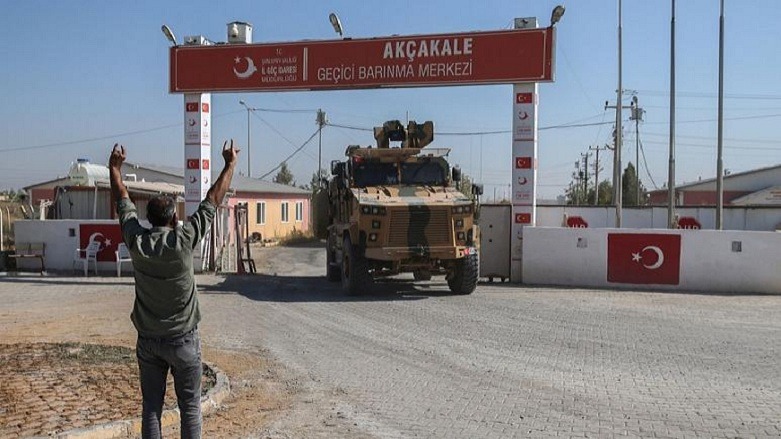
SCFR Online – Opinion: The dissolution of the SDF, although considered an achievement for Turkey’s security, does not put an end to the challenges arising from the Israeli regime’s aggression and expansionism, refugees, and Syria’s fragility.
SCFR Online – Opinion: Concurrent with the official commencement of the United States’ economic war against our country, focusing on sanctions instruments, isolation, and economic pressure, what has now become increasingly important is the lack of alignment of other major global powers, especially China, with this policy.
SCFR Online – Opinion: The new US sanctions against Iran, despite extensive propaganda, face serious obstacles to success due to the ineffectiveness of sanctions tools and opposition from some of Tehran’s trading partners.
Strategic Council Online – Head of Iran-Armenia Friendship Association, stating that Russia and the United States have not shown opposition to the continuation of Pashinyan’s stay in power, said: In the early elections, Pashinyan will regain the majority and will continue his rule, of course, if there is no coup by the military.
Strategic Council Online – An analyst on Caucasus affairs said: It seems that one of the consequences of the Second Karabakh War and lack of the Russian support for Armenia was that Russia, under geopolitical and territorial pressure, influenced the energy transfer issue and brought the war to a point to play its role in the ceasefire.
Strategic Council Online – Europe is pursuing a kind of “tilt but don’t spill” attitude towards Turkey, based on which it is neither indifferent nor reacts harshly.
Afshin Zargar – PhD in International Relations, Faculty Member
Strategic Council Online – A faculty member of Tarbiat Modares University, stating that Turkey seeks to revive its soft power with the idea of regional convergence, said: Details of this plan, its common interests and threats are not clear and there is an ambiguity that basically to what extent bringing those countries together can be realistic and practical.
Strategic Council Online—Editorial: Turkey is one of the main regional players which has been pursuing an aggressive foreign policy during the past several years—a country which once prioritized in its foreign policy the zero-tension approach with its neighbors but has now turned down that policy by entering into various levels of political, security, military and field operational engagements in the West Asia, the Caucasus and North Africa regions. In fact, you can find very few hot spots in the region in which Turkey has not been actively involved.
Hamid Khoshayand-International issues analyst
Strategic Council Online—Interview: An expert of Turkish studies says Turkish activities in Syria are the continuation of the previous policies of the Turkish government that seems will not take new measures in Syria.
Strategic Council Online—Interview: Former deputy minister of foreign affairs says the ministry should have tools to advance all-out relations with its neighbours however unfortunately such tools are not available to the foreign ministry, adding that the neighbourliness policy requires serious will and determination.
Strategic Council Online: Former Iranian ambassador to Azerbaijan, outlining Russia’s agreement plan for a ceasefire between Armenia and the Republic of Azerbaijan, said: This agreement has not dealt with resolving the Karabakh conflict and Iran’s mediation efforts to resolve the conflict and full liberation of Karabakh should be continued.
Strategic Council Online: Continuation of the military conflict between the Republic of Azerbaijan and Armenia, which started on September 27, 2020 due to the military movements of the Republic of Azerbaijan to retake its territories, can be discussed from various points of view.
Dr. Shoaib Bahman – Expert on Russia Affairs
SCFR Online – Opinion: The intensification of U.S. sanctions against Iran on the eve of the U.S. midterm elections indicates Washington’s inability to achieve its war objectives.
SCFR Online – Opinion: The competition between Washington and Beijing over chips and artificial intelligence, simultaneously with the shifting of technological balances, has taken on new economic and security dimensions.
SCFR Online – Opinion: The Shanghai Cooperation Organization summit has created a new opportunity for Iran to transform its membership from a political achievement into economic and transit cooperation.
Strategic Council Online – Note: The Makkah Defense Pact can be seen as a sign of regional countries’ efforts to reduce security dependence on extra-regional powers and redefine the balance in West Asia.
SCFR Online – Opinion: The Ukraine war, by exhausting US military capability on one hand and strengthening European defense capacity on the other, has altered the balance of power in the European continent, cast uncertainty over NATO’s future, and is driving it toward a European NATO.
SCFR Online – Opinion: The dissolution of the SDF, although considered an achievement for Turkey’s security, does not put an end to the challenges arising from the Israeli regime’s aggression and expansionism, refugees, and Syria’s fragility.
SCFR Online – Opinion: Concurrent with the official commencement of the United States’ economic war against our country, focusing on sanctions instruments, isolation, and economic pressure, what has now become increasingly important is the lack of alignment of other major global powers, especially China, with this policy.
SCFR Online – Opinion: The new US sanctions against Iran, despite extensive propaganda, face serious obstacles to success due to the ineffectiveness of sanctions tools and opposition from some of Tehran’s trading partners.
Strategic Council Online – Head of Iran-Armenia Friendship Association, stating that Russia and the United States have not shown opposition to the continuation of Pashinyan’s stay in power, said: In the early elections, Pashinyan will regain the majority and will continue his rule, of course, if there is no coup by the military.
Strategic Council Online – An analyst on Caucasus affairs said: It seems that one of the consequences of the Second Karabakh War and lack of the Russian support for Armenia was that Russia, under geopolitical and territorial pressure, influenced the energy transfer issue and brought the war to a point to play its role in the ceasefire.
Strategic Council Online – Europe is pursuing a kind of “tilt but don’t spill” attitude towards Turkey, based on which it is neither indifferent nor reacts harshly.
Afshin Zargar – PhD in International Relations, Faculty Member
Strategic Council Online – A faculty member of Tarbiat Modares University, stating that Turkey seeks to revive its soft power with the idea of regional convergence, said: Details of this plan, its common interests and threats are not clear and there is an ambiguity that basically to what extent bringing those countries together can be realistic and practical.
Strategic Council Online—Editorial: Turkey is one of the main regional players which has been pursuing an aggressive foreign policy during the past several years—a country which once prioritized in its foreign policy the zero-tension approach with its neighbors but has now turned down that policy by entering into various levels of political, security, military and field operational engagements in the West Asia, the Caucasus and North Africa regions. In fact, you can find very few hot spots in the region in which Turkey has not been actively involved.
Hamid Khoshayand-International issues analyst
Strategic Council Online—Interview: An expert of Turkish studies says Turkish activities in Syria are the continuation of the previous policies of the Turkish government that seems will not take new measures in Syria.
Strategic Council Online—Interview: Former deputy minister of foreign affairs says the ministry should have tools to advance all-out relations with its neighbours however unfortunately such tools are not available to the foreign ministry, adding that the neighbourliness policy requires serious will and determination.
Strategic Council Online: Former Iranian ambassador to Azerbaijan, outlining Russia’s agreement plan for a ceasefire between Armenia and the Republic of Azerbaijan, said: This agreement has not dealt with resolving the Karabakh conflict and Iran’s mediation efforts to resolve the conflict and full liberation of Karabakh should be continued.
Strategic Council Online: Continuation of the military conflict between the Republic of Azerbaijan and Armenia, which started on September 27, 2020 due to the military movements of the Republic of Azerbaijan to retake its territories, can be discussed from various points of view.
Dr. Shoaib Bahman – Expert on Russia Affairs
Strategic Council Online – Head of Iran-Armenia Friendship Association, stating that Russia and the United States have not shown opposition to the continuation of Pashinyan’s stay in power, said: In the early elections, Pashinyan will regain the majority and will continue his rule, of course, if there is no coup by the military.
Strategic Council Online – An analyst on Caucasus affairs said: It seems that one of the consequences of the Second Karabakh War and lack of the Russian support for Armenia was that Russia, under geopolitical and territorial pressure, influenced the energy transfer issue and brought the war to a point to play its role in the ceasefire.
Strategic Council Online – Europe is pursuing a kind of “tilt but don’t spill” attitude towards Turkey, based on which it is neither indifferent nor reacts harshly.
Afshin Zargar – PhD in International Relations, Faculty Member
Strategic Council Online – A faculty member of Tarbiat Modares University, stating that Turkey seeks to revive its soft power with the idea of regional convergence, said: Details of this plan, its common interests and threats are not clear and there is an ambiguity that basically to what extent bringing those countries together can be realistic and practical.
Strategic Council Online—Editorial: Turkey is one of the main regional players which has been pursuing an aggressive foreign policy during the past several years—a country which once prioritized in its foreign policy the zero-tension approach with its neighbors but has now turned down that policy by entering into various levels of political, security, military and field operational engagements in the West Asia, the Caucasus and North Africa regions. In fact, you can find very few hot spots in the region in which Turkey has not been actively involved.
Hamid Khoshayand-International issues analyst
Strategic Council Online—Interview: An expert of Turkish studies says Turkish activities in Syria are the continuation of the previous policies of the Turkish government that seems will not take new measures in Syria.
Strategic Council Online—Interview: Former deputy minister of foreign affairs says the ministry should have tools to advance all-out relations with its neighbours however unfortunately such tools are not available to the foreign ministry, adding that the neighbourliness policy requires serious will and determination.
Strategic Council Online: Former Iranian ambassador to Azerbaijan, outlining Russia’s agreement plan for a ceasefire between Armenia and the Republic of Azerbaijan, said: This agreement has not dealt with resolving the Karabakh conflict and Iran’s mediation efforts to resolve the conflict and full liberation of Karabakh should be continued.
Strategic Council Online: Continuation of the military conflict between the Republic of Azerbaijan and Armenia, which started on September 27, 2020 due to the military movements of the Republic of Azerbaijan to retake its territories, can be discussed from various points of view.
Dr. Shoaib Bahman – Expert on Russia Affairs
SCFR Online – Opinion: The intensification of U.S. sanctions against Iran on the eve of the U.S. midterm elections indicates Washington’s inability to achieve its war objectives.
SCFR Online – Opinion: The competition between Washington and Beijing over chips and artificial intelligence, simultaneously with the shifting of technological balances, has taken on new economic and security dimensions.
SCFR Online – Opinion: The Shanghai Cooperation Organization summit has created a new opportunity for Iran to transform its membership from a political achievement into economic and transit cooperation.
Strategic Council Online – Note: The Makkah Defense Pact can be seen as a sign of regional countries’ efforts to reduce security dependence on extra-regional powers and redefine the balance in West Asia.
SCFR Online – Opinion: The Ukraine war, by exhausting US military capability on one hand and strengthening European defense capacity on the other, has altered the balance of power in the European continent, cast uncertainty over NATO’s future, and is driving it toward a European NATO.
SCFR Online – Opinion: The dissolution of the SDF, although considered an achievement for Turkey’s security, does not put an end to the challenges arising from the Israeli regime’s aggression and expansionism, refugees, and Syria’s fragility.
SCFR Online – Opinion: Concurrent with the official commencement of the United States’ economic war against our country, focusing on sanctions instruments, isolation, and economic pressure, what has now become increasingly important is the lack of alignment of other major global powers, especially China, with this policy.
SCFR Online – Opinion: The new US sanctions against Iran, despite extensive propaganda, face serious obstacles to success due to the ineffectiveness of sanctions tools and opposition from some of Tehran’s trading partners.
Strategic Council Online – Head of Iran-Armenia Friendship Association, stating that Russia and the United States have not shown opposition to the continuation of Pashinyan’s stay in power, said: In the early elections, Pashinyan will regain the majority and will continue his rule, of course, if there is no coup by the military.
Strategic Council Online – An analyst on Caucasus affairs said: It seems that one of the consequences of the Second Karabakh War and lack of the Russian support for Armenia was that Russia, under geopolitical and territorial pressure, influenced the energy transfer issue and brought the war to a point to play its role in the ceasefire.
Strategic Council Online – Europe is pursuing a kind of “tilt but don’t spill” attitude towards Turkey, based on which it is neither indifferent nor reacts harshly.
Afshin Zargar – PhD in International Relations, Faculty Member
Strategic Council Online – A faculty member of Tarbiat Modares University, stating that Turkey seeks to revive its soft power with the idea of regional convergence, said: Details of this plan, its common interests and threats are not clear and there is an ambiguity that basically to what extent bringing those countries together can be realistic and practical.
Strategic Council Online—Editorial: Turkey is one of the main regional players which has been pursuing an aggressive foreign policy during the past several years—a country which once prioritized in its foreign policy the zero-tension approach with its neighbors but has now turned down that policy by entering into various levels of political, security, military and field operational engagements in the West Asia, the Caucasus and North Africa regions. In fact, you can find very few hot spots in the region in which Turkey has not been actively involved.
Hamid Khoshayand-International issues analyst
Strategic Council Online—Interview: An expert of Turkish studies says Turkish activities in Syria are the continuation of the previous policies of the Turkish government that seems will not take new measures in Syria.
Strategic Council Online—Interview: Former deputy minister of foreign affairs says the ministry should have tools to advance all-out relations with its neighbours however unfortunately such tools are not available to the foreign ministry, adding that the neighbourliness policy requires serious will and determination.
Strategic Council Online: Former Iranian ambassador to Azerbaijan, outlining Russia’s agreement plan for a ceasefire between Armenia and the Republic of Azerbaijan, said: This agreement has not dealt with resolving the Karabakh conflict and Iran’s mediation efforts to resolve the conflict and full liberation of Karabakh should be continued.
Strategic Council Online: Continuation of the military conflict between the Republic of Azerbaijan and Armenia, which started on September 27, 2020 due to the military movements of the Republic of Azerbaijan to retake its territories, can be discussed from various points of view.
Dr. Shoaib Bahman – Expert on Russia Affairs
SCFR Online – Opinion: The intensification of U.S. sanctions against Iran on the eve of the U.S. midterm elections indicates Washington’s inability to achieve its war objectives.
SCFR Online – Opinion: The competition between Washington and Beijing over chips and artificial intelligence, simultaneously with the shifting of technological balances, has taken on new economic and security dimensions.
SCFR Online – Opinion: The Shanghai Cooperation Organization summit has created a new opportunity for Iran to transform its membership from a political achievement into economic and transit cooperation.
Strategic Council Online – Note: The Makkah Defense Pact can be seen as a sign of regional countries’ efforts to reduce security dependence on extra-regional powers and redefine the balance in West Asia.
SCFR Online – Opinion: The Ukraine war, by exhausting US military capability on one hand and strengthening European defense capacity on the other, has altered the balance of power in the European continent, cast uncertainty over NATO’s future, and is driving it toward a European NATO.
SCFR Online – Opinion: The dissolution of the SDF, although considered an achievement for Turkey’s security, does not put an end to the challenges arising from the Israeli regime’s aggression and expansionism, refugees, and Syria’s fragility.
SCFR Online – Opinion: Concurrent with the official commencement of the United States’ economic war against our country, focusing on sanctions instruments, isolation, and economic pressure, what has now become increasingly important is the lack of alignment of other major global powers, especially China, with this policy.
SCFR Online – Opinion: The new US sanctions against Iran, despite extensive propaganda, face serious obstacles to success due to the ineffectiveness of sanctions tools and opposition from some of Tehran’s trading partners.
Strategic Council Online – Head of Iran-Armenia Friendship Association, stating that Russia and the United States have not shown opposition to the continuation of Pashinyan’s stay in power, said: In the early elections, Pashinyan will regain the majority and will continue his rule, of course, if there is no coup by the military.
Strategic Council Online – An analyst on Caucasus affairs said: It seems that one of the consequences of the Second Karabakh War and lack of the Russian support for Armenia was that Russia, under geopolitical and territorial pressure, influenced the energy transfer issue and brought the war to a point to play its role in the ceasefire.
Strategic Council Online – Europe is pursuing a kind of “tilt but don’t spill” attitude towards Turkey, based on which it is neither indifferent nor reacts harshly.
Afshin Zargar – PhD in International Relations, Faculty Member
Strategic Council Online – A faculty member of Tarbiat Modares University, stating that Turkey seeks to revive its soft power with the idea of regional convergence, said: Details of this plan, its common interests and threats are not clear and there is an ambiguity that basically to what extent bringing those countries together can be realistic and practical.
Strategic Council Online—Editorial: Turkey is one of the main regional players which has been pursuing an aggressive foreign policy during the past several years—a country which once prioritized in its foreign policy the zero-tension approach with its neighbors but has now turned down that policy by entering into various levels of political, security, military and field operational engagements in the West Asia, the Caucasus and North Africa regions. In fact, you can find very few hot spots in the region in which Turkey has not been actively involved.
Hamid Khoshayand-International issues analyst
Strategic Council Online—Interview: An expert of Turkish studies says Turkish activities in Syria are the continuation of the previous policies of the Turkish government that seems will not take new measures in Syria.
Strategic Council Online—Interview: Former deputy minister of foreign affairs says the ministry should have tools to advance all-out relations with its neighbours however unfortunately such tools are not available to the foreign ministry, adding that the neighbourliness policy requires serious will and determination.
Strategic Council Online: Former Iranian ambassador to Azerbaijan, outlining Russia’s agreement plan for a ceasefire between Armenia and the Republic of Azerbaijan, said: This agreement has not dealt with resolving the Karabakh conflict and Iran’s mediation efforts to resolve the conflict and full liberation of Karabakh should be continued.
Strategic Council Online: Continuation of the military conflict between the Republic of Azerbaijan and Armenia, which started on September 27, 2020 due to the military movements of the Republic of Azerbaijan to retake its territories, can be discussed from various points of view.
Dr. Shoaib Bahman – Expert on Russia Affairs
SCFR Online – Opinion: The intensification of U.S. sanctions against Iran on the eve of the U.S. midterm elections indicates Washington’s inability to achieve its war objectives.
SCFR Online – Opinion: The competition between Washington and Beijing over chips and artificial intelligence, simultaneously with the shifting of technological balances, has taken on new economic and security dimensions.
SCFR Online – Opinion: The Shanghai Cooperation Organization summit has created a new opportunity for Iran to transform its membership from a political achievement into economic and transit cooperation.
Strategic Council Online – Note: The Makkah Defense Pact can be seen as a sign of regional countries’ efforts to reduce security dependence on extra-regional powers and redefine the balance in West Asia.
SCFR Online – Opinion: The Ukraine war, by exhausting US military capability on one hand and strengthening European defense capacity on the other, has altered the balance of power in the European continent, cast uncertainty over NATO’s future, and is driving it toward a European NATO.
SCFR Online – Opinion: The dissolution of the SDF, although considered an achievement for Turkey’s security, does not put an end to the challenges arising from the Israeli regime’s aggression and expansionism, refugees, and Syria’s fragility.
SCFR Online – Opinion: Concurrent with the official commencement of the United States’ economic war against our country, focusing on sanctions instruments, isolation, and economic pressure, what has now become increasingly important is the lack of alignment of other major global powers, especially China, with this policy.
SCFR Online – Opinion: The new US sanctions against Iran, despite extensive propaganda, face serious obstacles to success due to the ineffectiveness of sanctions tools and opposition from some of Tehran’s trading partners.
Strategic Council Online – Head of Iran-Armenia Friendship Association, stating that Russia and the United States have not shown opposition to the continuation of Pashinyan’s stay in power, said: In the early elections, Pashinyan will regain the majority and will continue his rule, of course, if there is no coup by the military.
Strategic Council Online – An analyst on Caucasus affairs said: It seems that one of the consequences of the Second Karabakh War and lack of the Russian support for Armenia was that Russia, under geopolitical and territorial pressure, influenced the energy transfer issue and brought the war to a point to play its role in the ceasefire.
Strategic Council Online – Europe is pursuing a kind of “tilt but don’t spill” attitude towards Turkey, based on which it is neither indifferent nor reacts harshly.
Afshin Zargar – PhD in International Relations, Faculty Member
Strategic Council Online – A faculty member of Tarbiat Modares University, stating that Turkey seeks to revive its soft power with the idea of regional convergence, said: Details of this plan, its common interests and threats are not clear and there is an ambiguity that basically to what extent bringing those countries together can be realistic and practical.
Strategic Council Online—Editorial: Turkey is one of the main regional players which has been pursuing an aggressive foreign policy during the past several years—a country which once prioritized in its foreign policy the zero-tension approach with its neighbors but has now turned down that policy by entering into various levels of political, security, military and field operational engagements in the West Asia, the Caucasus and North Africa regions. In fact, you can find very few hot spots in the region in which Turkey has not been actively involved.
Hamid Khoshayand-International issues analyst
Strategic Council Online—Interview: An expert of Turkish studies says Turkish activities in Syria are the continuation of the previous policies of the Turkish government that seems will not take new measures in Syria.
Strategic Council Online—Interview: Former deputy minister of foreign affairs says the ministry should have tools to advance all-out relations with its neighbours however unfortunately such tools are not available to the foreign ministry, adding that the neighbourliness policy requires serious will and determination.
Strategic Council Online: Former Iranian ambassador to Azerbaijan, outlining Russia’s agreement plan for a ceasefire between Armenia and the Republic of Azerbaijan, said: This agreement has not dealt with resolving the Karabakh conflict and Iran’s mediation efforts to resolve the conflict and full liberation of Karabakh should be continued.
Strategic Council Online: Continuation of the military conflict between the Republic of Azerbaijan and Armenia, which started on September 27, 2020 due to the military movements of the Republic of Azerbaijan to retake its territories, can be discussed from various points of view.
Dr. Shoaib Bahman – Expert on Russia Affairs
SCFR Online – Opinion: The intensification of U.S. sanctions against Iran on the eve of the U.S. midterm elections indicates Washington’s inability to achieve its war objectives.
SCFR Online – Opinion: The competition between Washington and Beijing over chips and artificial intelligence, simultaneously with the shifting of technological balances, has taken on new economic and security dimensions.
SCFR Online – Opinion: The Shanghai Cooperation Organization summit has created a new opportunity for Iran to transform its membership from a political achievement into economic and transit cooperation.
Strategic Council Online – Note: The Makkah Defense Pact can be seen as a sign of regional countries’ efforts to reduce security dependence on extra-regional powers and redefine the balance in West Asia.
SCFR Online – Opinion: The Ukraine war, by exhausting US military capability on one hand and strengthening European defense capacity on the other, has altered the balance of power in the European continent, cast uncertainty over NATO’s future, and is driving it toward a European NATO.
SCFR Online – Opinion: The dissolution of the SDF, although considered an achievement for Turkey’s security, does not put an end to the challenges arising from the Israeli regime’s aggression and expansionism, refugees, and Syria’s fragility.
SCFR Online – Opinion: Concurrent with the official commencement of the United States’ economic war against our country, focusing on sanctions instruments, isolation, and economic pressure, what has now become increasingly important is the lack of alignment of other major global powers, especially China, with this policy.
SCFR Online – Opinion: The new US sanctions against Iran, despite extensive propaganda, face serious obstacles to success due to the ineffectiveness of sanctions tools and opposition from some of Tehran’s trading partners.
Strategic Council Online – Head of Iran-Armenia Friendship Association, stating that Russia and the United States have not shown opposition to the continuation of Pashinyan’s stay in power, said: In the early elections, Pashinyan will regain the majority and will continue his rule, of course, if there is no coup by the military.
Strategic Council Online – An analyst on Caucasus affairs said: It seems that one of the consequences of the Second Karabakh War and lack of the Russian support for Armenia was that Russia, under geopolitical and territorial pressure, influenced the energy transfer issue and brought the war to a point to play its role in the ceasefire.
Strategic Council Online – Europe is pursuing a kind of “tilt but don’t spill” attitude towards Turkey, based on which it is neither indifferent nor reacts harshly.
Afshin Zargar – PhD in International Relations, Faculty Member
Strategic Council Online – A faculty member of Tarbiat Modares University, stating that Turkey seeks to revive its soft power with the idea of regional convergence, said: Details of this plan, its common interests and threats are not clear and there is an ambiguity that basically to what extent bringing those countries together can be realistic and practical.
Strategic Council Online—Editorial: Turkey is one of the main regional players which has been pursuing an aggressive foreign policy during the past several years—a country which once prioritized in its foreign policy the zero-tension approach with its neighbors but has now turned down that policy by entering into various levels of political, security, military and field operational engagements in the West Asia, the Caucasus and North Africa regions. In fact, you can find very few hot spots in the region in which Turkey has not been actively involved.
Hamid Khoshayand-International issues analyst
Strategic Council Online—Interview: An expert of Turkish studies says Turkish activities in Syria are the continuation of the previous policies of the Turkish government that seems will not take new measures in Syria.
Strategic Council Online—Interview: Former deputy minister of foreign affairs says the ministry should have tools to advance all-out relations with its neighbours however unfortunately such tools are not available to the foreign ministry, adding that the neighbourliness policy requires serious will and determination.
Strategic Council Online: Former Iranian ambassador to Azerbaijan, outlining Russia’s agreement plan for a ceasefire between Armenia and the Republic of Azerbaijan, said: This agreement has not dealt with resolving the Karabakh conflict and Iran’s mediation efforts to resolve the conflict and full liberation of Karabakh should be continued.
Strategic Council Online: Continuation of the military conflict between the Republic of Azerbaijan and Armenia, which started on September 27, 2020 due to the military movements of the Republic of Azerbaijan to retake its territories, can be discussed from various points of view.
Dr. Shoaib Bahman – Expert on Russia Affairs
SCFR Online – Opinion: The intensification of U.S. sanctions against Iran on the eve of the U.S. midterm elections indicates Washington’s inability to achieve its war objectives.
SCFR Online – Opinion: The competition between Washington and Beijing over chips and artificial intelligence, simultaneously with the shifting of technological balances, has taken on new economic and security dimensions.
SCFR Online – Opinion: The Shanghai Cooperation Organization summit has created a new opportunity for Iran to transform its membership from a political achievement into economic and transit cooperation.
Strategic Council Online – Note: The Makkah Defense Pact can be seen as a sign of regional countries’ efforts to reduce security dependence on extra-regional powers and redefine the balance in West Asia.
SCFR Online – Opinion: The Ukraine war, by exhausting US military capability on one hand and strengthening European defense capacity on the other, has altered the balance of power in the European continent, cast uncertainty over NATO’s future, and is driving it toward a European NATO.
SCFR Online – Opinion: The dissolution of the SDF, although considered an achievement for Turkey’s security, does not put an end to the challenges arising from the Israeli regime’s aggression and expansionism, refugees, and Syria’s fragility.
SCFR Online – Opinion: Concurrent with the official commencement of the United States’ economic war against our country, focusing on sanctions instruments, isolation, and economic pressure, what has now become increasingly important is the lack of alignment of other major global powers, especially China, with this policy.
SCFR Online – Opinion: The new US sanctions against Iran, despite extensive propaganda, face serious obstacles to success due to the ineffectiveness of sanctions tools and opposition from some of Tehran’s trading partners.