جدیدترین مطالب

Consequences of Declining Trust in the Judiciary in Europe

SCFRonline – Opinion: The increase in public distrust of the French judicial system, which in recent surveys has reached approximately two-thirds of citizens, should be analyzed within a framework broader than temporary dissatisfaction or an emotional reaction to a particular criminal case.

Iran’s Potential Levers of Power

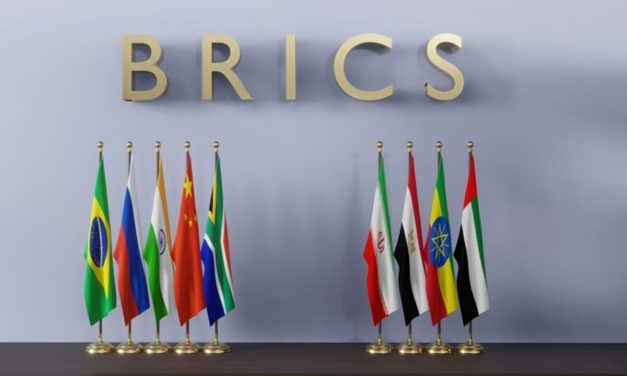
SCFRonline– Opinion: Iran’s geopolitical power is not limited solely to oil and the Strait of Hormuz; the unintended emergence of disruptions in the future global food and energy security chains can also demonstrate Iran’s strategic importance.

The Inseparability of the Lebanese Front from the Axis of Resistance

SCFR Online–Opinion: By providing an extensive network of social, healthcare, educational, and post-war reconstruction services, Hezbollah has established a strong social base for itself among Lebanon’s Shiites and Sunnis, and even beyond that, among other segments of Lebanese society, including Christians. Hezbollah has never been an external actor imposed upon Lebanon; rather, it is a phenomenon fundamentally born out of the occupation and crimes of the Zionist regime and itself influenced by popular resistance.

The Increasing Efforts of the Zionist Regime to Redefine Borders and the Regional Order and Its Consequences

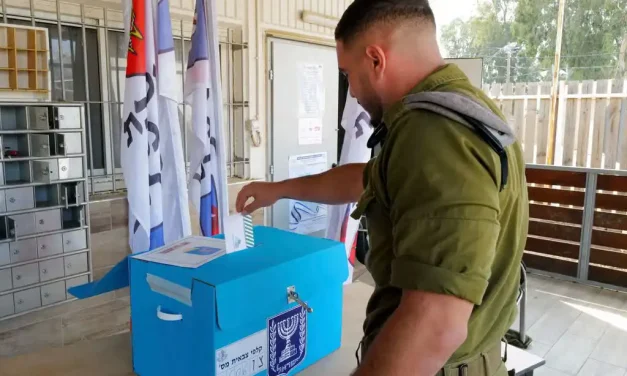
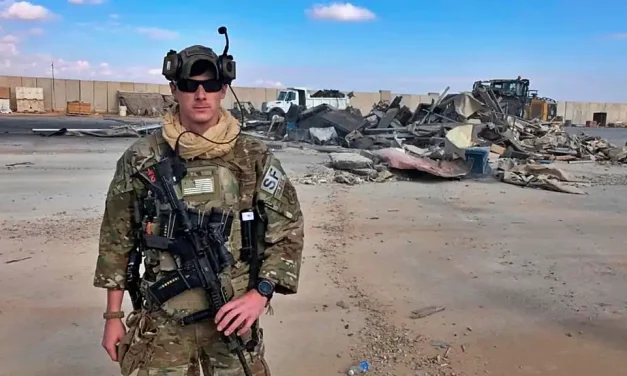
SCFR Online– Opinion: Security and military developments in the region over recent months indicate that the ongoing crises and wars in Gaza, southern Lebanon, and parts of Syrian territory encompass broader dimensions of geopolitical and geostrategic transformations. In this context, the increased military presence and control of the Zionist regime over parts of the territories of these areas, along with proposals regarding the creation of buffer zones or even the expansion of security borders, have raised serious questions about the future of the regional order and its consequences for the countries of West Asia.

Loading

Foreign Relations

SCFR hosts Second Specialized Meeting on “AI Application in Foreign Relations”

SCFR hosts Second Specialized Meeting on “AI Application in Foreign Relations”

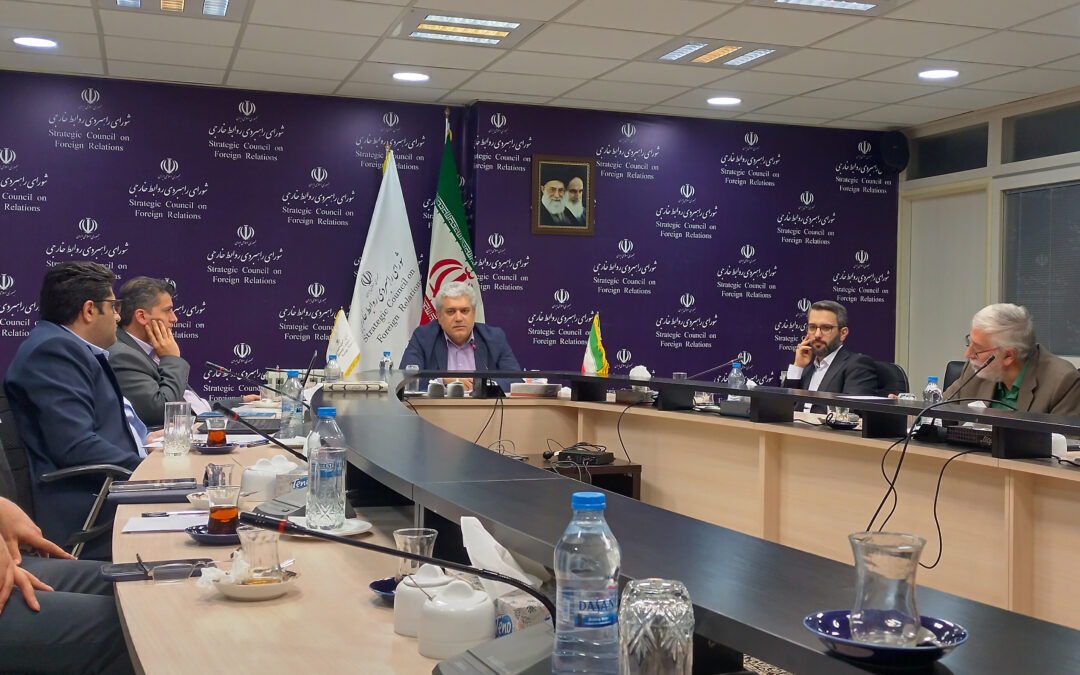
Strategic Council Online: The second specialized meeting on “Application of Artificial Intelligence in Foreign Relations” was hosted by the Strategic Council on Foreign Relations. Experts in artificial intelligence explained the necessity of using this technology in various fields of foreign relations, opportunities, requirements, and risks.

Dr. Sattari at a meeting on “Discussing Foreign Relations in Artificial Intelligence Era”: The Necessity of Formulating Iran’s Strategy in Artificial Intelligence

Dr. Sattari at a meeting on “Discussing Foreign Relations in Artificial Intelligence Era”: The Necessity of Formulating Iran’s Strategy in Artificial Intelligence

Strategic Council Online: The head of the Science-Technology Commission of the Strategic Council on Foreign Relations, emphasizing the need to analyze strategies and achievements of artificial intelligence in the three dimensions of “investment,” “implementation,” and “innovation,” said: Each of the leading countries, have defined a main vision and strategy in the field of artificial intelligence for themselves, and considering the global division of labor, it is necessary to examine what this vision could be for Iran?

SCFR in specialized meetings examines; Foreign Relations in Artificial Intelligence Era

SCFR in specialized meetings examines; Foreign Relations in Artificial Intelligence Era

Strategic Council Online: The specialized meeting on “Foreign Relations in the Artificial Intelligence Era” was held on Tuesday, chaired by Dr. Sorena Sattari, head of the Science and Technology Commission of the Strategic Council on Foreign Relations. Dr. Saeed Seyed Agha Banihashemi, a faculty member of the School of International Relations of the Ministry of Foreign Affairs, Dr. Hamidreza Rabiei, a faculty member of the Department of Computer Engineering at the Sharif University of Technology, Dr. Saeed Chehrazad, a faculty member of Allameh Tabataba’i University, and Dr. Majid Nili Ahmadabadi, a faculty member of the School of Electrical and Computer Engineering, as well as Dr. Behzad Ahmadi Lafouraki, an expert in international cyberspace governance, were also present in that event. The meeting was held at the Strategic Council on Foreign Relations premises.

أحدث الوظائف

Consequences of Declining Trust in the Judiciary in Europe

SCFRonline – Opinion: The increase in public distrust of the French judicial system, which in recent surveys has reached approximately two-thirds of citizens, should be analyzed within a framework broader than temporary dissatisfaction or an emotional reaction to a particular criminal case.

Iran’s Potential Levers of Power

SCFRonline– Opinion: Iran’s geopolitical power is not limited solely to oil and the Strait of Hormuz; the unintended emergence of disruptions in the future global food and energy security chains can also demonstrate Iran’s strategic importance.

The Inseparability of the Lebanese Front from the Axis of Resistance

SCFR Online–Opinion: By providing an extensive network of social, healthcare, educational, and post-war reconstruction services, Hezbollah has established a strong social base for itself among Lebanon’s Shiites and Sunnis, and even beyond that, among other segments of Lebanese society, including Christians. Hezbollah has never been an external actor imposed upon Lebanon; rather, it is a phenomenon fundamentally born out of the occupation and crimes of the Zionist regime and itself influenced by popular resistance.

The Increasing Efforts of the Zionist Regime to Redefine Borders and the Regional Order and Its Consequences

SCFR Online– Opinion: Security and military developments in the region over recent months indicate that the ongoing crises and wars in Gaza, southern Lebanon, and parts of Syrian territory encompass broader dimensions of geopolitical and geostrategic transformations. In this context, the increased military presence and control of the Zionist regime over parts of the territories of these areas, along with proposals regarding the creation of buffer zones or even the expansion of security borders, have raised serious questions about the future of the regional order and its consequences for the countries of West Asia.

Loading

Foreign Relations

SCFR hosts Second Specialized Meeting on “AI Application in Foreign Relations”

SCFR hosts Second Specialized Meeting on “AI Application in Foreign Relations”

Strategic Council Online: The second specialized meeting on “Application of Artificial Intelligence in Foreign Relations” was hosted by the Strategic Council on Foreign Relations. Experts in artificial intelligence explained the necessity of using this technology in various fields of foreign relations, opportunities, requirements, and risks.

Dr. Sattari at a meeting on “Discussing Foreign Relations in Artificial Intelligence Era”: The Necessity of Formulating Iran’s Strategy in Artificial Intelligence

Dr. Sattari at a meeting on “Discussing Foreign Relations in Artificial Intelligence Era”: The Necessity of Formulating Iran’s Strategy in Artificial Intelligence

Strategic Council Online: The head of the Science-Technology Commission of the Strategic Council on Foreign Relations, emphasizing the need to analyze strategies and achievements of artificial intelligence in the three dimensions of “investment,” “implementation,” and “innovation,” said: Each of the leading countries, have defined a main vision and strategy in the field of artificial intelligence for themselves, and considering the global division of labor, it is necessary to examine what this vision could be for Iran?

SCFR in specialized meetings examines; Foreign Relations in Artificial Intelligence Era

SCFR in specialized meetings examines; Foreign Relations in Artificial Intelligence Era

Strategic Council Online: The specialized meeting on “Foreign Relations in the Artificial Intelligence Era” was held on Tuesday, chaired by Dr. Sorena Sattari, head of the Science and Technology Commission of the Strategic Council on Foreign Relations. Dr. Saeed Seyed Agha Banihashemi, a faculty member of the School of International Relations of the Ministry of Foreign Affairs, Dr. Hamidreza Rabiei, a faculty member of the Department of Computer Engineering at the Sharif University of Technology, Dr. Saeed Chehrazad, a faculty member of Allameh Tabataba’i University, and Dr. Majid Nili Ahmadabadi, a faculty member of the School of Electrical and Computer Engineering, as well as Dr. Behzad Ahmadi Lafouraki, an expert in international cyberspace governance, were also present in that event. The meeting was held at the Strategic Council on Foreign Relations premises.

Foreign Relations

SCFR hosts Second Specialized Meeting on “AI Application in Foreign Relations”

SCFR hosts Second Specialized Meeting on “AI Application in Foreign Relations”

Strategic Council Online: The second specialized meeting on “Application of Artificial Intelligence in Foreign Relations” was hosted by the Strategic Council on Foreign Relations. Experts in artificial intelligence explained the necessity of using this technology in various fields of foreign relations, opportunities, requirements, and risks.

Dr. Sattari at a meeting on “Discussing Foreign Relations in Artificial Intelligence Era”: The Necessity of Formulating Iran’s Strategy in Artificial Intelligence

Dr. Sattari at a meeting on “Discussing Foreign Relations in Artificial Intelligence Era”: The Necessity of Formulating Iran’s Strategy in Artificial Intelligence

Strategic Council Online: The head of the Science-Technology Commission of the Strategic Council on Foreign Relations, emphasizing the need to analyze strategies and achievements of artificial intelligence in the three dimensions of “investment,” “implementation,” and “innovation,” said: Each of the leading countries, have defined a main vision and strategy in the field of artificial intelligence for themselves, and considering the global division of labor, it is necessary to examine what this vision could be for Iran?

SCFR in specialized meetings examines; Foreign Relations in Artificial Intelligence Era

SCFR in specialized meetings examines; Foreign Relations in Artificial Intelligence Era

Strategic Council Online: The specialized meeting on “Foreign Relations in the Artificial Intelligence Era” was held on Tuesday, chaired by Dr. Sorena Sattari, head of the Science and Technology Commission of the Strategic Council on Foreign Relations. Dr. Saeed Seyed Agha Banihashemi, a faculty member of the School of International Relations of the Ministry of Foreign Affairs, Dr. Hamidreza Rabiei, a faculty member of the Department of Computer Engineering at the Sharif University of Technology, Dr. Saeed Chehrazad, a faculty member of Allameh Tabataba’i University, and Dr. Majid Nili Ahmadabadi, a faculty member of the School of Electrical and Computer Engineering, as well as Dr. Behzad Ahmadi Lafouraki, an expert in international cyberspace governance, were also present in that event. The meeting was held at the Strategic Council on Foreign Relations premises.

LATEST CONTENT

Consequences of Declining Trust in the Judiciary in Europe

SCFRonline – Opinion: The increase in public distrust of the French judicial system, which in recent surveys has reached approximately two-thirds of citizens, should be analyzed within a framework broader than temporary dissatisfaction or an emotional reaction to a particular criminal case.

Iran’s Potential Levers of Power

SCFRonline– Opinion: Iran’s geopolitical power is not limited solely to oil and the Strait of Hormuz; the unintended emergence of disruptions in the future global food and energy security chains can also demonstrate Iran’s strategic importance.

The Inseparability of the Lebanese Front from the Axis of Resistance

SCFR Online–Opinion: By providing an extensive network of social, healthcare, educational, and post-war reconstruction services, Hezbollah has established a strong social base for itself among Lebanon’s Shiites and Sunnis, and even beyond that, among other segments of Lebanese society, including Christians. Hezbollah has never been an external actor imposed upon Lebanon; rather, it is a phenomenon fundamentally born out of the occupation and crimes of the Zionist regime and itself influenced by popular resistance.

The Increasing Efforts of the Zionist Regime to Redefine Borders and the Regional Order and Its Consequences

SCFR Online– Opinion: Security and military developments in the region over recent months indicate that the ongoing crises and wars in Gaza, southern Lebanon, and parts of Syrian territory encompass broader dimensions of geopolitical and geostrategic transformations. In this context, the increased military presence and control of the Zionist regime over parts of the territories of these areas, along with proposals regarding the creation of buffer zones or even the expansion of security borders, have raised serious questions about the future of the regional order and its consequences for the countries of West Asia.

Loading

Foreign Relations

SCFR hosts Second Specialized Meeting on “AI Application in Foreign Relations”

SCFR hosts Second Specialized Meeting on “AI Application in Foreign Relations”

Strategic Council Online: The second specialized meeting on “Application of Artificial Intelligence in Foreign Relations” was hosted by the Strategic Council on Foreign Relations. Experts in artificial intelligence explained the necessity of using this technology in various fields of foreign relations, opportunities, requirements, and risks.

Dr. Sattari at a meeting on “Discussing Foreign Relations in Artificial Intelligence Era”: The Necessity of Formulating Iran’s Strategy in Artificial Intelligence

Dr. Sattari at a meeting on “Discussing Foreign Relations in Artificial Intelligence Era”: The Necessity of Formulating Iran’s Strategy in Artificial Intelligence

Strategic Council Online: The head of the Science-Technology Commission of the Strategic Council on Foreign Relations, emphasizing the need to analyze strategies and achievements of artificial intelligence in the three dimensions of “investment,” “implementation,” and “innovation,” said: Each of the leading countries, have defined a main vision and strategy in the field of artificial intelligence for themselves, and considering the global division of labor, it is necessary to examine what this vision could be for Iran?

SCFR in specialized meetings examines; Foreign Relations in Artificial Intelligence Era

SCFR in specialized meetings examines; Foreign Relations in Artificial Intelligence Era

Strategic Council Online: The specialized meeting on “Foreign Relations in the Artificial Intelligence Era” was held on Tuesday, chaired by Dr. Sorena Sattari, head of the Science and Technology Commission of the Strategic Council on Foreign Relations. Dr. Saeed Seyed Agha Banihashemi, a faculty member of the School of International Relations of the Ministry of Foreign Affairs, Dr. Hamidreza Rabiei, a faculty member of the Department of Computer Engineering at the Sharif University of Technology, Dr. Saeed Chehrazad, a faculty member of Allameh Tabataba’i University, and Dr. Majid Nili Ahmadabadi, a faculty member of the School of Electrical and Computer Engineering, as well as Dr. Behzad Ahmadi Lafouraki, an expert in international cyberspace governance, were also present in that event. The meeting was held at the Strategic Council on Foreign Relations premises.

ÚLTIMAS PUBLICACIONES

Consequences of Declining Trust in the Judiciary in Europe

SCFRonline – Opinion: The increase in public distrust of the French judicial system, which in recent surveys has reached approximately two-thirds of citizens, should be analyzed within a framework broader than temporary dissatisfaction or an emotional reaction to a particular criminal case.

Iran’s Potential Levers of Power

SCFRonline– Opinion: Iran’s geopolitical power is not limited solely to oil and the Strait of Hormuz; the unintended emergence of disruptions in the future global food and energy security chains can also demonstrate Iran’s strategic importance.

The Inseparability of the Lebanese Front from the Axis of Resistance

SCFR Online–Opinion: By providing an extensive network of social, healthcare, educational, and post-war reconstruction services, Hezbollah has established a strong social base for itself among Lebanon’s Shiites and Sunnis, and even beyond that, among other segments of Lebanese society, including Christians. Hezbollah has never been an external actor imposed upon Lebanon; rather, it is a phenomenon fundamentally born out of the occupation and crimes of the Zionist regime and itself influenced by popular resistance.

The Increasing Efforts of the Zionist Regime to Redefine Borders and the Regional Order and Its Consequences

SCFR Online– Opinion: Security and military developments in the region over recent months indicate that the ongoing crises and wars in Gaza, southern Lebanon, and parts of Syrian territory encompass broader dimensions of geopolitical and geostrategic transformations. In this context, the increased military presence and control of the Zionist regime over parts of the territories of these areas, along with proposals regarding the creation of buffer zones or even the expansion of security borders, have raised serious questions about the future of the regional order and its consequences for the countries of West Asia.

Loading

Foreign Relations

SCFR hosts Second Specialized Meeting on “AI Application in Foreign Relations”

SCFR hosts Second Specialized Meeting on “AI Application in Foreign Relations”

Strategic Council Online: The second specialized meeting on “Application of Artificial Intelligence in Foreign Relations” was hosted by the Strategic Council on Foreign Relations. Experts in artificial intelligence explained the necessity of using this technology in various fields of foreign relations, opportunities, requirements, and risks.

Dr. Sattari at a meeting on “Discussing Foreign Relations in Artificial Intelligence Era”: The Necessity of Formulating Iran’s Strategy in Artificial Intelligence

Dr. Sattari at a meeting on “Discussing Foreign Relations in Artificial Intelligence Era”: The Necessity of Formulating Iran’s Strategy in Artificial Intelligence

Strategic Council Online: The head of the Science-Technology Commission of the Strategic Council on Foreign Relations, emphasizing the need to analyze strategies and achievements of artificial intelligence in the three dimensions of “investment,” “implementation,” and “innovation,” said: Each of the leading countries, have defined a main vision and strategy in the field of artificial intelligence for themselves, and considering the global division of labor, it is necessary to examine what this vision could be for Iran?

SCFR in specialized meetings examines; Foreign Relations in Artificial Intelligence Era

SCFR in specialized meetings examines; Foreign Relations in Artificial Intelligence Era

Strategic Council Online: The specialized meeting on “Foreign Relations in the Artificial Intelligence Era” was held on Tuesday, chaired by Dr. Sorena Sattari, head of the Science and Technology Commission of the Strategic Council on Foreign Relations. Dr. Saeed Seyed Agha Banihashemi, a faculty member of the School of International Relations of the Ministry of Foreign Affairs, Dr. Hamidreza Rabiei, a faculty member of the Department of Computer Engineering at the Sharif University of Technology, Dr. Saeed Chehrazad, a faculty member of Allameh Tabataba’i University, and Dr. Majid Nili Ahmadabadi, a faculty member of the School of Electrical and Computer Engineering, as well as Dr. Behzad Ahmadi Lafouraki, an expert in international cyberspace governance, were also present in that event. The meeting was held at the Strategic Council on Foreign Relations premises.

ÚLTIMAS PUBLICACIONES

Consequences of Declining Trust in the Judiciary in Europe

SCFRonline – Opinion: The increase in public distrust of the French judicial system, which in recent surveys has reached approximately two-thirds of citizens, should be analyzed within a framework broader than temporary dissatisfaction or an emotional reaction to a particular criminal case.

Iran’s Potential Levers of Power

SCFRonline– Opinion: Iran’s geopolitical power is not limited solely to oil and the Strait of Hormuz; the unintended emergence of disruptions in the future global food and energy security chains can also demonstrate Iran’s strategic importance.

The Inseparability of the Lebanese Front from the Axis of Resistance

SCFR Online–Opinion: By providing an extensive network of social, healthcare, educational, and post-war reconstruction services, Hezbollah has established a strong social base for itself among Lebanon’s Shiites and Sunnis, and even beyond that, among other segments of Lebanese society, including Christians. Hezbollah has never been an external actor imposed upon Lebanon; rather, it is a phenomenon fundamentally born out of the occupation and crimes of the Zionist regime and itself influenced by popular resistance.

The Increasing Efforts of the Zionist Regime to Redefine Borders and the Regional Order and Its Consequences

SCFR Online– Opinion: Security and military developments in the region over recent months indicate that the ongoing crises and wars in Gaza, southern Lebanon, and parts of Syrian territory encompass broader dimensions of geopolitical and geostrategic transformations. In this context, the increased military presence and control of the Zionist regime over parts of the territories of these areas, along with proposals regarding the creation of buffer zones or even the expansion of security borders, have raised serious questions about the future of the regional order and its consequences for the countries of West Asia.

Loading

Foreign Relations

SCFR hosts Second Specialized Meeting on “AI Application in Foreign Relations”

SCFR hosts Second Specialized Meeting on “AI Application in Foreign Relations”

Strategic Council Online: The second specialized meeting on “Application of Artificial Intelligence in Foreign Relations” was hosted by the Strategic Council on Foreign Relations. Experts in artificial intelligence explained the necessity of using this technology in various fields of foreign relations, opportunities, requirements, and risks.

Dr. Sattari at a meeting on “Discussing Foreign Relations in Artificial Intelligence Era”: The Necessity of Formulating Iran’s Strategy in Artificial Intelligence

Dr. Sattari at a meeting on “Discussing Foreign Relations in Artificial Intelligence Era”: The Necessity of Formulating Iran’s Strategy in Artificial Intelligence

Strategic Council Online: The head of the Science-Technology Commission of the Strategic Council on Foreign Relations, emphasizing the need to analyze strategies and achievements of artificial intelligence in the three dimensions of “investment,” “implementation,” and “innovation,” said: Each of the leading countries, have defined a main vision and strategy in the field of artificial intelligence for themselves, and considering the global division of labor, it is necessary to examine what this vision could be for Iran?

SCFR in specialized meetings examines; Foreign Relations in Artificial Intelligence Era

SCFR in specialized meetings examines; Foreign Relations in Artificial Intelligence Era

Strategic Council Online: The specialized meeting on “Foreign Relations in the Artificial Intelligence Era” was held on Tuesday, chaired by Dr. Sorena Sattari, head of the Science and Technology Commission of the Strategic Council on Foreign Relations. Dr. Saeed Seyed Agha Banihashemi, a faculty member of the School of International Relations of the Ministry of Foreign Affairs, Dr. Hamidreza Rabiei, a faculty member of the Department of Computer Engineering at the Sharif University of Technology, Dr. Saeed Chehrazad, a faculty member of Allameh Tabataba’i University, and Dr. Majid Nili Ahmadabadi, a faculty member of the School of Electrical and Computer Engineering, as well as Dr. Behzad Ahmadi Lafouraki, an expert in international cyberspace governance, were also present in that event. The meeting was held at the Strategic Council on Foreign Relations premises.

ÚLTIMAS PUBLICACIONES

Consequences of Declining Trust in the Judiciary in Europe

SCFRonline – Opinion: The increase in public distrust of the French judicial system, which in recent surveys has reached approximately two-thirds of citizens, should be analyzed within a framework broader than temporary dissatisfaction or an emotional reaction to a particular criminal case.

Iran’s Potential Levers of Power

SCFRonline– Opinion: Iran’s geopolitical power is not limited solely to oil and the Strait of Hormuz; the unintended emergence of disruptions in the future global food and energy security chains can also demonstrate Iran’s strategic importance.

The Inseparability of the Lebanese Front from the Axis of Resistance

SCFR Online–Opinion: By providing an extensive network of social, healthcare, educational, and post-war reconstruction services, Hezbollah has established a strong social base for itself among Lebanon’s Shiites and Sunnis, and even beyond that, among other segments of Lebanese society, including Christians. Hezbollah has never been an external actor imposed upon Lebanon; rather, it is a phenomenon fundamentally born out of the occupation and crimes of the Zionist regime and itself influenced by popular resistance.

The Increasing Efforts of the Zionist Regime to Redefine Borders and the Regional Order and Its Consequences

SCFR Online– Opinion: Security and military developments in the region over recent months indicate that the ongoing crises and wars in Gaza, southern Lebanon, and parts of Syrian territory encompass broader dimensions of geopolitical and geostrategic transformations. In this context, the increased military presence and control of the Zionist regime over parts of the territories of these areas, along with proposals regarding the creation of buffer zones or even the expansion of security borders, have raised serious questions about the future of the regional order and its consequences for the countries of West Asia.

Loading

Foreign Relations

SCFR hosts Second Specialized Meeting on “AI Application in Foreign Relations”

SCFR hosts Second Specialized Meeting on “AI Application in Foreign Relations”

Strategic Council Online: The second specialized meeting on “Application of Artificial Intelligence in Foreign Relations” was hosted by the Strategic Council on Foreign Relations. Experts in artificial intelligence explained the necessity of using this technology in various fields of foreign relations, opportunities, requirements, and risks.

Dr. Sattari at a meeting on “Discussing Foreign Relations in Artificial Intelligence Era”: The Necessity of Formulating Iran’s Strategy in Artificial Intelligence

Dr. Sattari at a meeting on “Discussing Foreign Relations in Artificial Intelligence Era”: The Necessity of Formulating Iran’s Strategy in Artificial Intelligence

Strategic Council Online: The head of the Science-Technology Commission of the Strategic Council on Foreign Relations, emphasizing the need to analyze strategies and achievements of artificial intelligence in the three dimensions of “investment,” “implementation,” and “innovation,” said: Each of the leading countries, have defined a main vision and strategy in the field of artificial intelligence for themselves, and considering the global division of labor, it is necessary to examine what this vision could be for Iran?

SCFR in specialized meetings examines; Foreign Relations in Artificial Intelligence Era

SCFR in specialized meetings examines; Foreign Relations in Artificial Intelligence Era

Strategic Council Online: The specialized meeting on “Foreign Relations in the Artificial Intelligence Era” was held on Tuesday, chaired by Dr. Sorena Sattari, head of the Science and Technology Commission of the Strategic Council on Foreign Relations. Dr. Saeed Seyed Agha Banihashemi, a faculty member of the School of International Relations of the Ministry of Foreign Affairs, Dr. Hamidreza Rabiei, a faculty member of the Department of Computer Engineering at the Sharif University of Technology, Dr. Saeed Chehrazad, a faculty member of Allameh Tabataba’i University, and Dr. Majid Nili Ahmadabadi, a faculty member of the School of Electrical and Computer Engineering, as well as Dr. Behzad Ahmadi Lafouraki, an expert in international cyberspace governance, were also present in that event. The meeting was held at the Strategic Council on Foreign Relations premises.

ÚLTIMAS PUBLICACIONES

Consequences of Declining Trust in the Judiciary in Europe

SCFRonline – Opinion: The increase in public distrust of the French judicial system, which in recent surveys has reached approximately two-thirds of citizens, should be analyzed within a framework broader than temporary dissatisfaction or an emotional reaction to a particular criminal case.

Iran’s Potential Levers of Power

SCFRonline– Opinion: Iran’s geopolitical power is not limited solely to oil and the Strait of Hormuz; the unintended emergence of disruptions in the future global food and energy security chains can also demonstrate Iran’s strategic importance.

The Inseparability of the Lebanese Front from the Axis of Resistance

SCFR Online–Opinion: By providing an extensive network of social, healthcare, educational, and post-war reconstruction services, Hezbollah has established a strong social base for itself among Lebanon’s Shiites and Sunnis, and even beyond that, among other segments of Lebanese society, including Christians. Hezbollah has never been an external actor imposed upon Lebanon; rather, it is a phenomenon fundamentally born out of the occupation and crimes of the Zionist regime and itself influenced by popular resistance.

The Increasing Efforts of the Zionist Regime to Redefine Borders and the Regional Order and Its Consequences

SCFR Online– Opinion: Security and military developments in the region over recent months indicate that the ongoing crises and wars in Gaza, southern Lebanon, and parts of Syrian territory encompass broader dimensions of geopolitical and geostrategic transformations. In this context, the increased military presence and control of the Zionist regime over parts of the territories of these areas, along with proposals regarding the creation of buffer zones or even the expansion of security borders, have raised serious questions about the future of the regional order and its consequences for the countries of West Asia.

Loading