Dr. Sattari at a meeting on “Discussing Foreign Relations in Artificial Intelligence Era”: The Necessity of Formulating Iran’s Strategy in Artificial Intelligence

Strategic Council Online: The head of the Science-Technology Commission of the Strategic Council on Foreign Relations, emphasizing the need to analyze strategies and achievements of artificial intelligence in the three dimensions of “investment,” “implementation,” and “innovation,” said: Each of the leading countries, have defined a main vision and strategy in the field of artificial intelligence for themselves, and considering the global division of labor, it is necessary to examine what this vision could be for Iran?

Dr. Sorena Sattari, the head of the Science-Technology Commission of the Strategic Council on Foreign Relations, who presided over the meeting on “Discussing Foreign Relations in Artificial Intelligence Era,” said that this is the first meeting to examine artificial intelligence in governance and efforts are being made to analyze the discussions in the future in a series of meetings, adding: We have focused on seven axes for analysis in the talks and we are trying to analyze and examine those axes.

According to him, the impact of artificial intelligence on national security risks from the perspective of foreign relations, the use of artificial intelligence in diplomacy and foreign relations, the regulation of foreign relations to face large companies based on artificial intelligence, role-playing in global value chains in the era of artificial intelligence, human capital and relations Foreign, foreign relations and cooperation in the field of artificial intelligence, cultural works of artificial intelligence and geographical borders are among these axes.

Sattari said: To advance the results of those axes, we have concluded that we have to raise questions and be able to get answers related to them within those meetings. We seek to answer those questions in three headings: “Investment,” “Implementation,” and “Innovation.” Each of the leading countries has defined a main vision and strategy in artificial intelligence for themselves, and considering the global division of labor, what could this vision be for Iran?

He continued: Investing in which parts of the artificial intelligence value chain can help locate Iran’s powerful position in the global value chain. What role do startups and private companies play in strengthening the artificial intelligence ecosystem?

The head of the Science-Technology Commission of the Strategic Council on Foreign Relations added: In terms of implementation, the leading countries have a vast competition in attracting talents from all over the world. What can be the appropriate mechanism for this to preserve existing resources, benefit from the population window, and strengthen human capital in Iran? Due to the weakness of hardware, internet, and data infrastructures, companies in this field are moving towards foreign data and infrastructures. Is this a threat to the country? How can the dependence on the few technology owners be managed in the hardware supply? How ready is Iranian society to accept artificial intelligence?

Posing the question of the interaction between national security and artificial intelligence, Sattari added: What strategies should be followed for regulating and governance this field? What is the strategy for facing big artificial intelligence companies? Considering the formation of various associations in artificial intelligence, such as GPAI, are the leading countries trying to limit other countries’ access to artificial intelligence? What is Iran’s appropriate negative and positive stance in front of those fora?

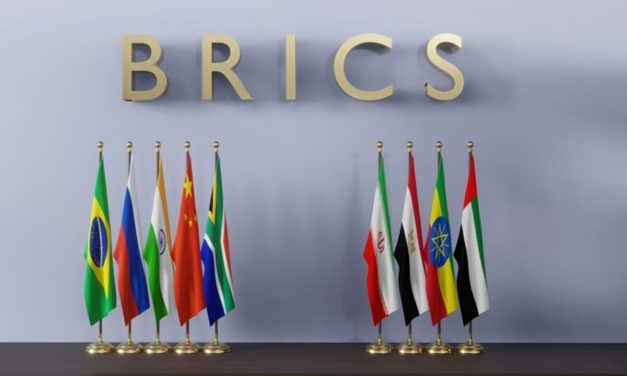
Following other questions, he added: Does Iran have an advantage in establishing cooperation and a new forum with other countries, including the member countries of the Shanghai Organization and the BRICS countries?

Sattari stated that in the field of innovation, what effect does artificial intelligence have on the security of water, food, energy, and cyber security, what strategy should Iran adopt to maintain national security, and what role can it play in the security of the region? He pointed out: What is the status of the necessary entities to transform science into wealth in Iran’s artificial intelligence ecosystem? Iran’s cooperation with which countries and in which areas can provide Iran’s lofty goals of helping disadvantaged communities and creating security and stability in the region?
0 Comments

LATEST CONTENT

Balancing in the chain of chokepoints; from sea-based deterrence to pluralistic diplomacy

Strategic Council Online – Note: Recent developments in the political geography of West Asia, from rising tensions in the Persian Gulf to missile and drone activities in the Red Sea and the recent warning by Kaja Kallas, the European Union’s foreign policy chief, regarding the threat to freedom of navigation, indicate a key pattern shift; the US-Iran war has moved beyond the scope of a regional and local confrontation and has linked two vital passageways for the global economy: the Strait of Hormuz and the Bab el-Mandeb Strait.

Indicators for Choosing Between War and Diplomacy

SCFR Online – Opinion: Foreign policy analysis is valid when it evaluates decisions based on the information and circumstances prevailing at the time they were made, not on the basis of outcomes that only become apparent after the crisis has ended.

Loading

Últimas publicaciones

Balancing in the chain of chokepoints; from sea-based deterrence to pluralistic diplomacy

Strategic Council Online – Note: Recent developments in the political geography of West Asia, from rising tensions in the Persian Gulf to missile and drone activities in the Red Sea and the recent warning by Kaja Kallas, the European Union’s foreign policy chief, regarding the threat to freedom of navigation, indicate a key pattern shift; the US-Iran war has moved beyond the scope of a regional and local confrontation and has linked two vital passageways for the global economy: the Strait of Hormuz and the Bab el-Mandeb Strait.

Indicators for Choosing Between War and Diplomacy

SCFR Online – Opinion: Foreign policy analysis is valid when it evaluates decisions based on the information and circumstances prevailing at the time they were made, not on the basis of outcomes that only become apparent after the crisis has ended.

Loading

DERNIER CONTENU

Balancing in the chain of chokepoints; from sea-based deterrence to pluralistic diplomacy

Strategic Council Online – Note: Recent developments in the political geography of West Asia, from rising tensions in the Persian Gulf to missile and drone activities in the Red Sea and the recent warning by Kaja Kallas, the European Union’s foreign policy chief, regarding the threat to freedom of navigation, indicate a key pattern shift; the US-Iran war has moved beyond the scope of a regional and local confrontation and has linked two vital passageways for the global economy: the Strait of Hormuz and the Bab el-Mandeb Strait.

Indicators for Choosing Between War and Diplomacy

SCFR Online – Opinion: Foreign policy analysis is valid when it evaluates decisions based on the information and circumstances prevailing at the time they were made, not on the basis of outcomes that only become apparent after the crisis has ended.

Loading

DERNIER CONTENU

Balancing in the chain of chokepoints; from sea-based deterrence to pluralistic diplomacy

Strategic Council Online – Note: Recent developments in the political geography of West Asia, from rising tensions in the Persian Gulf to missile and drone activities in the Red Sea and the recent warning by Kaja Kallas, the European Union’s foreign policy chief, regarding the threat to freedom of navigation, indicate a key pattern shift; the US-Iran war has moved beyond the scope of a regional and local confrontation and has linked two vital passageways for the global economy: the Strait of Hormuz and the Bab el-Mandeb Strait.

Indicators for Choosing Between War and Diplomacy

SCFR Online – Opinion: Foreign policy analysis is valid when it evaluates decisions based on the information and circumstances prevailing at the time they were made, not on the basis of outcomes that only become apparent after the crisis has ended.

Loading

DERNIER CONTENU

Balancing in the chain of chokepoints; from sea-based deterrence to pluralistic diplomacy

Strategic Council Online – Note: Recent developments in the political geography of West Asia, from rising tensions in the Persian Gulf to missile and drone activities in the Red Sea and the recent warning by Kaja Kallas, the European Union’s foreign policy chief, regarding the threat to freedom of navigation, indicate a key pattern shift; the US-Iran war has moved beyond the scope of a regional and local confrontation and has linked two vital passageways for the global economy: the Strait of Hormuz and the Bab el-Mandeb Strait.

Indicators for Choosing Between War and Diplomacy

SCFR Online – Opinion: Foreign policy analysis is valid when it evaluates decisions based on the information and circumstances prevailing at the time they were made, not on the basis of outcomes that only become apparent after the crisis has ended.

Loading