جدیدترین مطالب

The Makkah Pact; Reasons for its Formation and Challenges Ahead

SCFR Online – Opinion: The Makkah Pact, signed between Saudi Arabia, Pakistan, and Turkey under the motto “an attack on one is an attack on all,” is viewed by some analysts less as a full-fledged military coalition and more as an attempt to reduce security dependence on an external power and to establish a regional security mechanism.

Implications of the US-Saudi Nuclear Agreement

SCFR Online – Opinion: The new US-Saudi nuclear agreement, despite legal and political ambiguities, could alter previous non-proliferation standards in West Asia and intensify nuclear competition, ushering it into a new phase.

An Analysis of Recent Turkey-Israeli Regime Tensions

SCFR Online – Opinion: Recent developments in Syria indicate an intensification of strategic rivalry between Turkey and the Israeli regime, but mutual considerations and the role of the United States have limited the likelihood of direct war.

Increasing criticism of the extensive Zionist lobby network

SCFR Online – Opinion: An examination of the mechanisms of the Israeli regime’s influence in the United States depicts a complex picture of shared interests, strategic dependencies, and the limitations of this relationship.

Realities of the Tripartite Makkah Pact

SCFR Online – Interview: The signing of the Makkah agreement between Saudi Arabia, Pakistan, and Turkey has raised questions about the future of the region’s security structure and the position of these countries in West Asian equations. Can this agreement become a genuine collective defense mechanism, or does it have more of a political and deterrent function than creating new military capacity?

Strategic Implications of the Reduction of US Weapons Stockpiles

SCFR Online – Opinion: The continuation of the US war against Iran, in addition to increasing operational costs, has called into question the actual capacity of the American arsenal to simultaneously fulfill security commitments on multiple fronts; an issue that affects deterrence, defense production capacity, and Washington’s resource prioritization.

Loading

Middle East

Examining Failure of Trump’s Confused , Isolationist Foreign Policy

Examining Failure of Trump’s Confused , Isolationist Foreign Policy

Strategic Council Online – An analyst at the Center for Strategic Studies of President’s Office described confusion and disturbance as the hallmarks of the Trump administration’s foreign policy, saying his term in the area of foreign policy was a complete failure for the United States.

Strategic Consequences of Tripartite Defense Summit of Greece, Cyprus, Zionist Regime

Strategic Consequences of Tripartite Defense Summit of Greece, Cyprus, Zionist Regime

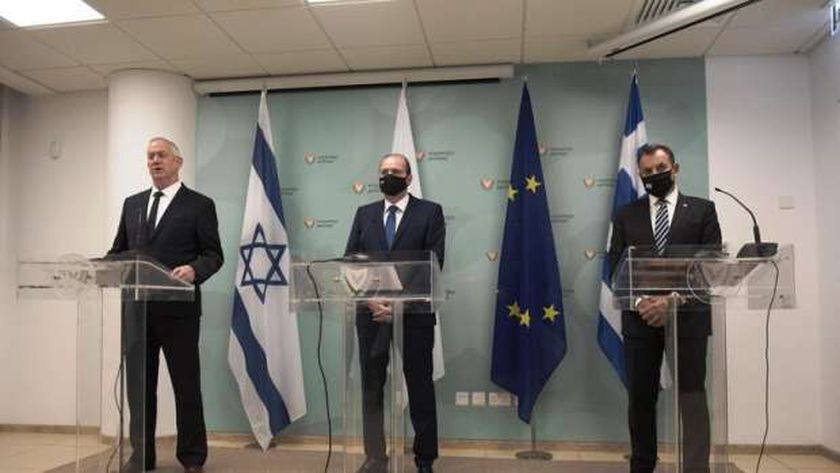
Strategic Council Online – The tripartite meeting of Defense Ministers of Greece Panagiotopoulos, of Cyprus Charalambos Petrides, and of Israel Gantz, was held in Nicosia. Enhancing the interoperability of the Greek, Cypriot and Israeli armed forces and making full use of each other’s relative resources and advantages in areas of mutual interest, such as common training programs, military exercises, military intelligence sharing, maritime security and cybersecurity, were announced to be the common goal of the three sides. The cooperation, as they say, will help better prepare their troops, help create more jobs and boost security.
Mahmoud Fazeli – Expert on Europe Affairs

Agreement of 15 Asian Countries Promises Decline of USD-Based Global Economy

Agreement of 15 Asian Countries Promises Decline of USD-Based Global Economy

Strategic Council Online – An expert on political economy, noting that we are entering a multipolar world with different blocs, said: Even in viewpoint of the Japanese, the current economic and dollar-based order is coming to an end and, therefore, they are preparing themselves for a multilateral economic system.

Biden’s Return to JCPOA: Challenges and Priorities

Biden’s Return to JCPOA: Challenges and Priorities

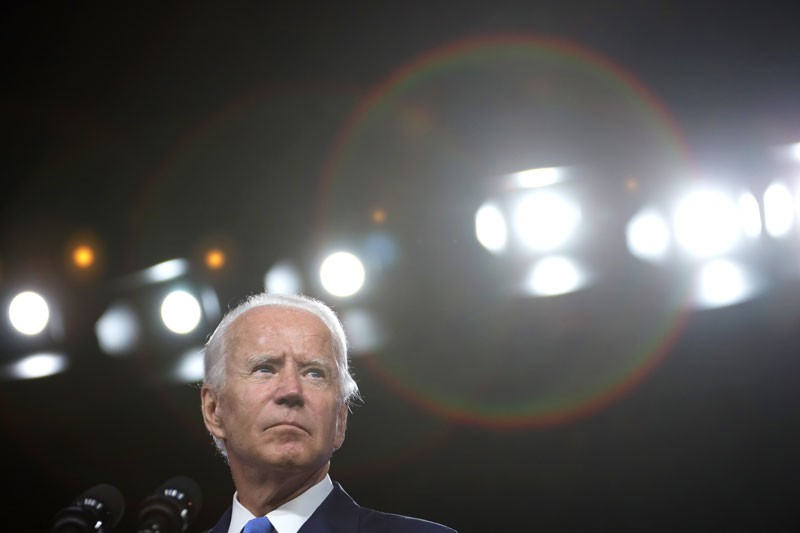
Strategic Council Online – An expert on international affairs believes that containment of China and reshuffle of US strategy in the Middle East are Biden’s top priorities. Although prior to the return to the Joint Comprehensive Plan of Action (JCPOA) there are other issues among Biden’s priorities, however, there is the possibility that he would return to the JCPOA sooner than the expected time.

Biden’s Heavy Responsibility in Correcting Trump’s Mistakes

Biden’s Heavy Responsibility in Correcting Trump’s Mistakes

Strategic Council Online: Donald Trump’s presidency has disrupted global relations and in part reflects the problematic position of the United States in international politics. By returning to multilateralism and following the policies of other US presidents prior to Trump, Joe Biden will seek to revitalize to some extent the role of the American leadership in global affairs, including the fight against the Coronavirus.
Tahmoures Gholami – Expert on American Affairs

Saudi-US Srategic Ties Under Question Under Biden Presidency

Saudi-US Srategic Ties Under Question Under Biden Presidency

Strategic Council Online: Riyadh, being concerned about the weakening of its strategic relations with the United States under Biden’s presidency, is attempting to continue to portray Iran as an unstabilazer element and a threat to the security in the region by offering free concessions to the West, especially the US, by selling oil and consequently, large-scale military purchase in order to ensure the preservation of Riyadh’s strategic relations with Washington.

Joe Biden’s approach towards the Middle East

Joe Biden’s approach towards the Middle East

Strategic Council Online—Interview: The strategic approach of the United States towards the Middle East shall not undergo substantial changes during the Biden administration, an analyst of West Asia affairs said, adding that however, the tactical approach of Joe Biden would have fundamental differences with his predecessor.

Europe-China Relations Overshadowed by Beijing-Washington Ties

Europe-China Relations Overshadowed by Beijing-Washington Ties

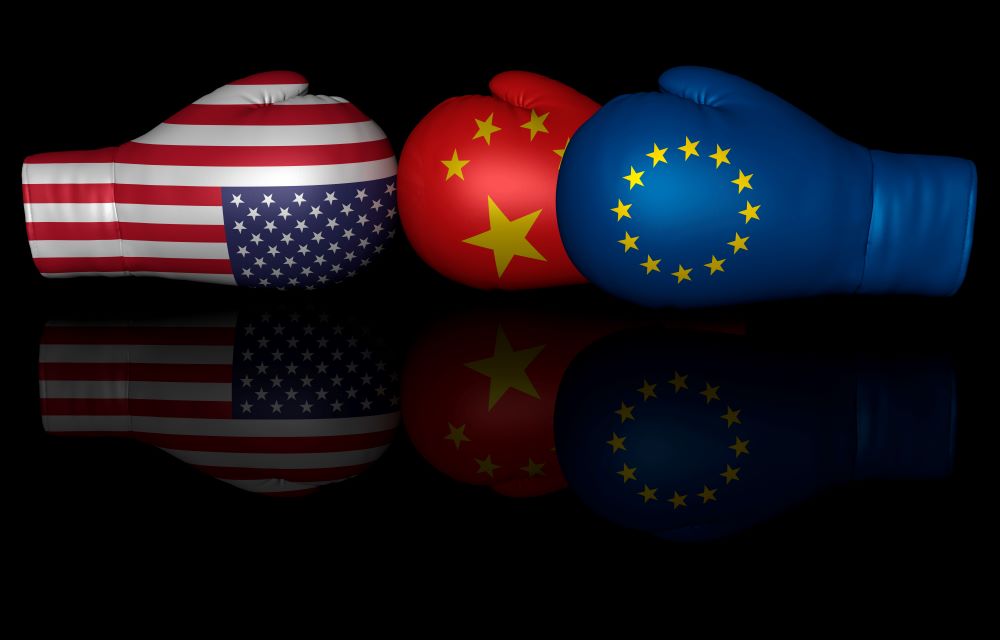
Strategic Council Online: An expert on Europe affairs believes that if the EU was to fully approach China, in the post-Trump period it would cause them harm and would lead to more transatlantic gap. To this end, Europe has taken a double-standard policy towards China.

Implications of Turkish Military Movements

Implications of Turkish Military Movements

Strategic Council Online: At present, part of Turkey’s tensions with neighbouring countries and its surrounding areas are rooted in the “geopolitical coordinates and characteristics” of that country.

أحدث الوظائف

The Makkah Pact; Reasons for its Formation and Challenges Ahead

SCFR Online – Opinion: The Makkah Pact, signed between Saudi Arabia, Pakistan, and Turkey under the motto “an attack on one is an attack on all,” is viewed by some analysts less as a full-fledged military coalition and more as an attempt to reduce security dependence on an external power and to establish a regional security mechanism.

Implications of the US-Saudi Nuclear Agreement

SCFR Online – Opinion: The new US-Saudi nuclear agreement, despite legal and political ambiguities, could alter previous non-proliferation standards in West Asia and intensify nuclear competition, ushering it into a new phase.

An Analysis of Recent Turkey-Israeli Regime Tensions

SCFR Online – Opinion: Recent developments in Syria indicate an intensification of strategic rivalry between Turkey and the Israeli regime, but mutual considerations and the role of the United States have limited the likelihood of direct war.

Increasing criticism of the extensive Zionist lobby network

SCFR Online – Opinion: An examination of the mechanisms of the Israeli regime’s influence in the United States depicts a complex picture of shared interests, strategic dependencies, and the limitations of this relationship.

Realities of the Tripartite Makkah Pact

SCFR Online – Interview: The signing of the Makkah agreement between Saudi Arabia, Pakistan, and Turkey has raised questions about the future of the region’s security structure and the position of these countries in West Asian equations. Can this agreement become a genuine collective defense mechanism, or does it have more of a political and deterrent function than creating new military capacity?

Strategic Implications of the Reduction of US Weapons Stockpiles

SCFR Online – Opinion: The continuation of the US war against Iran, in addition to increasing operational costs, has called into question the actual capacity of the American arsenal to simultaneously fulfill security commitments on multiple fronts; an issue that affects deterrence, defense production capacity, and Washington’s resource prioritization.

Loading

Middle East

Examining Failure of Trump’s Confused , Isolationist Foreign Policy

Examining Failure of Trump’s Confused , Isolationist Foreign Policy

Strategic Council Online – An analyst at the Center for Strategic Studies of President’s Office described confusion and disturbance as the hallmarks of the Trump administration’s foreign policy, saying his term in the area of foreign policy was a complete failure for the United States.

Strategic Consequences of Tripartite Defense Summit of Greece, Cyprus, Zionist Regime

Strategic Consequences of Tripartite Defense Summit of Greece, Cyprus, Zionist Regime

Strategic Council Online – The tripartite meeting of Defense Ministers of Greece Panagiotopoulos, of Cyprus Charalambos Petrides, and of Israel Gantz, was held in Nicosia. Enhancing the interoperability of the Greek, Cypriot and Israeli armed forces and making full use of each other’s relative resources and advantages in areas of mutual interest, such as common training programs, military exercises, military intelligence sharing, maritime security and cybersecurity, were announced to be the common goal of the three sides. The cooperation, as they say, will help better prepare their troops, help create more jobs and boost security.
Mahmoud Fazeli – Expert on Europe Affairs

Agreement of 15 Asian Countries Promises Decline of USD-Based Global Economy

Agreement of 15 Asian Countries Promises Decline of USD-Based Global Economy

Strategic Council Online – An expert on political economy, noting that we are entering a multipolar world with different blocs, said: Even in viewpoint of the Japanese, the current economic and dollar-based order is coming to an end and, therefore, they are preparing themselves for a multilateral economic system.

Biden’s Return to JCPOA: Challenges and Priorities

Biden’s Return to JCPOA: Challenges and Priorities

Strategic Council Online – An expert on international affairs believes that containment of China and reshuffle of US strategy in the Middle East are Biden’s top priorities. Although prior to the return to the Joint Comprehensive Plan of Action (JCPOA) there are other issues among Biden’s priorities, however, there is the possibility that he would return to the JCPOA sooner than the expected time.

Biden’s Heavy Responsibility in Correcting Trump’s Mistakes

Biden’s Heavy Responsibility in Correcting Trump’s Mistakes

Strategic Council Online: Donald Trump’s presidency has disrupted global relations and in part reflects the problematic position of the United States in international politics. By returning to multilateralism and following the policies of other US presidents prior to Trump, Joe Biden will seek to revitalize to some extent the role of the American leadership in global affairs, including the fight against the Coronavirus.
Tahmoures Gholami – Expert on American Affairs

Saudi-US Srategic Ties Under Question Under Biden Presidency

Saudi-US Srategic Ties Under Question Under Biden Presidency

Strategic Council Online: Riyadh, being concerned about the weakening of its strategic relations with the United States under Biden’s presidency, is attempting to continue to portray Iran as an unstabilazer element and a threat to the security in the region by offering free concessions to the West, especially the US, by selling oil and consequently, large-scale military purchase in order to ensure the preservation of Riyadh’s strategic relations with Washington.

Joe Biden’s approach towards the Middle East

Joe Biden’s approach towards the Middle East

Strategic Council Online—Interview: The strategic approach of the United States towards the Middle East shall not undergo substantial changes during the Biden administration, an analyst of West Asia affairs said, adding that however, the tactical approach of Joe Biden would have fundamental differences with his predecessor.

Europe-China Relations Overshadowed by Beijing-Washington Ties

Europe-China Relations Overshadowed by Beijing-Washington Ties

Strategic Council Online: An expert on Europe affairs believes that if the EU was to fully approach China, in the post-Trump period it would cause them harm and would lead to more transatlantic gap. To this end, Europe has taken a double-standard policy towards China.

Implications of Turkish Military Movements

Implications of Turkish Military Movements

Strategic Council Online: At present, part of Turkey’s tensions with neighbouring countries and its surrounding areas are rooted in the “geopolitical coordinates and characteristics” of that country.

Middle East

Examining Failure of Trump’s Confused , Isolationist Foreign Policy

Examining Failure of Trump’s Confused , Isolationist Foreign Policy

Strategic Council Online – An analyst at the Center for Strategic Studies of President’s Office described confusion and disturbance as the hallmarks of the Trump administration’s foreign policy, saying his term in the area of foreign policy was a complete failure for the United States.

Strategic Consequences of Tripartite Defense Summit of Greece, Cyprus, Zionist Regime

Strategic Consequences of Tripartite Defense Summit of Greece, Cyprus, Zionist Regime

Strategic Council Online – The tripartite meeting of Defense Ministers of Greece Panagiotopoulos, of Cyprus Charalambos Petrides, and of Israel Gantz, was held in Nicosia. Enhancing the interoperability of the Greek, Cypriot and Israeli armed forces and making full use of each other’s relative resources and advantages in areas of mutual interest, such as common training programs, military exercises, military intelligence sharing, maritime security and cybersecurity, were announced to be the common goal of the three sides. The cooperation, as they say, will help better prepare their troops, help create more jobs and boost security.
Mahmoud Fazeli – Expert on Europe Affairs

Agreement of 15 Asian Countries Promises Decline of USD-Based Global Economy

Agreement of 15 Asian Countries Promises Decline of USD-Based Global Economy

Strategic Council Online – An expert on political economy, noting that we are entering a multipolar world with different blocs, said: Even in viewpoint of the Japanese, the current economic and dollar-based order is coming to an end and, therefore, they are preparing themselves for a multilateral economic system.

Biden’s Return to JCPOA: Challenges and Priorities

Biden’s Return to JCPOA: Challenges and Priorities

Strategic Council Online – An expert on international affairs believes that containment of China and reshuffle of US strategy in the Middle East are Biden’s top priorities. Although prior to the return to the Joint Comprehensive Plan of Action (JCPOA) there are other issues among Biden’s priorities, however, there is the possibility that he would return to the JCPOA sooner than the expected time.

Biden’s Heavy Responsibility in Correcting Trump’s Mistakes

Biden’s Heavy Responsibility in Correcting Trump’s Mistakes

Strategic Council Online: Donald Trump’s presidency has disrupted global relations and in part reflects the problematic position of the United States in international politics. By returning to multilateralism and following the policies of other US presidents prior to Trump, Joe Biden will seek to revitalize to some extent the role of the American leadership in global affairs, including the fight against the Coronavirus.
Tahmoures Gholami – Expert on American Affairs

Saudi-US Srategic Ties Under Question Under Biden Presidency

Saudi-US Srategic Ties Under Question Under Biden Presidency

Strategic Council Online: Riyadh, being concerned about the weakening of its strategic relations with the United States under Biden’s presidency, is attempting to continue to portray Iran as an unstabilazer element and a threat to the security in the region by offering free concessions to the West, especially the US, by selling oil and consequently, large-scale military purchase in order to ensure the preservation of Riyadh’s strategic relations with Washington.

Joe Biden’s approach towards the Middle East

Joe Biden’s approach towards the Middle East

Strategic Council Online—Interview: The strategic approach of the United States towards the Middle East shall not undergo substantial changes during the Biden administration, an analyst of West Asia affairs said, adding that however, the tactical approach of Joe Biden would have fundamental differences with his predecessor.

Europe-China Relations Overshadowed by Beijing-Washington Ties

Europe-China Relations Overshadowed by Beijing-Washington Ties

Strategic Council Online: An expert on Europe affairs believes that if the EU was to fully approach China, in the post-Trump period it would cause them harm and would lead to more transatlantic gap. To this end, Europe has taken a double-standard policy towards China.

Implications of Turkish Military Movements

Implications of Turkish Military Movements

Strategic Council Online: At present, part of Turkey’s tensions with neighbouring countries and its surrounding areas are rooted in the “geopolitical coordinates and characteristics” of that country.

LATEST CONTENT

The Makkah Pact; Reasons for its Formation and Challenges Ahead

SCFR Online – Opinion: The Makkah Pact, signed between Saudi Arabia, Pakistan, and Turkey under the motto “an attack on one is an attack on all,” is viewed by some analysts less as a full-fledged military coalition and more as an attempt to reduce security dependence on an external power and to establish a regional security mechanism.

Implications of the US-Saudi Nuclear Agreement

SCFR Online – Opinion: The new US-Saudi nuclear agreement, despite legal and political ambiguities, could alter previous non-proliferation standards in West Asia and intensify nuclear competition, ushering it into a new phase.

An Analysis of Recent Turkey-Israeli Regime Tensions

SCFR Online – Opinion: Recent developments in Syria indicate an intensification of strategic rivalry between Turkey and the Israeli regime, but mutual considerations and the role of the United States have limited the likelihood of direct war.

Increasing criticism of the extensive Zionist lobby network

SCFR Online – Opinion: An examination of the mechanisms of the Israeli regime’s influence in the United States depicts a complex picture of shared interests, strategic dependencies, and the limitations of this relationship.

Realities of the Tripartite Makkah Pact

SCFR Online – Interview: The signing of the Makkah agreement between Saudi Arabia, Pakistan, and Turkey has raised questions about the future of the region’s security structure and the position of these countries in West Asian equations. Can this agreement become a genuine collective defense mechanism, or does it have more of a political and deterrent function than creating new military capacity?

Strategic Implications of the Reduction of US Weapons Stockpiles

SCFR Online – Opinion: The continuation of the US war against Iran, in addition to increasing operational costs, has called into question the actual capacity of the American arsenal to simultaneously fulfill security commitments on multiple fronts; an issue that affects deterrence, defense production capacity, and Washington’s resource prioritization.

Loading

Middle East

Examining Failure of Trump’s Confused , Isolationist Foreign Policy

Examining Failure of Trump’s Confused , Isolationist Foreign Policy

Strategic Council Online – An analyst at the Center for Strategic Studies of President’s Office described confusion and disturbance as the hallmarks of the Trump administration’s foreign policy, saying his term in the area of foreign policy was a complete failure for the United States.

Strategic Consequences of Tripartite Defense Summit of Greece, Cyprus, Zionist Regime

Strategic Consequences of Tripartite Defense Summit of Greece, Cyprus, Zionist Regime

Strategic Council Online – The tripartite meeting of Defense Ministers of Greece Panagiotopoulos, of Cyprus Charalambos Petrides, and of Israel Gantz, was held in Nicosia. Enhancing the interoperability of the Greek, Cypriot and Israeli armed forces and making full use of each other’s relative resources and advantages in areas of mutual interest, such as common training programs, military exercises, military intelligence sharing, maritime security and cybersecurity, were announced to be the common goal of the three sides. The cooperation, as they say, will help better prepare their troops, help create more jobs and boost security.
Mahmoud Fazeli – Expert on Europe Affairs

Agreement of 15 Asian Countries Promises Decline of USD-Based Global Economy

Agreement of 15 Asian Countries Promises Decline of USD-Based Global Economy

Strategic Council Online – An expert on political economy, noting that we are entering a multipolar world with different blocs, said: Even in viewpoint of the Japanese, the current economic and dollar-based order is coming to an end and, therefore, they are preparing themselves for a multilateral economic system.

Biden’s Return to JCPOA: Challenges and Priorities

Biden’s Return to JCPOA: Challenges and Priorities

Strategic Council Online – An expert on international affairs believes that containment of China and reshuffle of US strategy in the Middle East are Biden’s top priorities. Although prior to the return to the Joint Comprehensive Plan of Action (JCPOA) there are other issues among Biden’s priorities, however, there is the possibility that he would return to the JCPOA sooner than the expected time.

Biden’s Heavy Responsibility in Correcting Trump’s Mistakes

Biden’s Heavy Responsibility in Correcting Trump’s Mistakes

Strategic Council Online: Donald Trump’s presidency has disrupted global relations and in part reflects the problematic position of the United States in international politics. By returning to multilateralism and following the policies of other US presidents prior to Trump, Joe Biden will seek to revitalize to some extent the role of the American leadership in global affairs, including the fight against the Coronavirus.
Tahmoures Gholami – Expert on American Affairs

Saudi-US Srategic Ties Under Question Under Biden Presidency

Saudi-US Srategic Ties Under Question Under Biden Presidency

Strategic Council Online: Riyadh, being concerned about the weakening of its strategic relations with the United States under Biden’s presidency, is attempting to continue to portray Iran as an unstabilazer element and a threat to the security in the region by offering free concessions to the West, especially the US, by selling oil and consequently, large-scale military purchase in order to ensure the preservation of Riyadh’s strategic relations with Washington.

Joe Biden’s approach towards the Middle East

Joe Biden’s approach towards the Middle East

Strategic Council Online—Interview: The strategic approach of the United States towards the Middle East shall not undergo substantial changes during the Biden administration, an analyst of West Asia affairs said, adding that however, the tactical approach of Joe Biden would have fundamental differences with his predecessor.

Europe-China Relations Overshadowed by Beijing-Washington Ties

Europe-China Relations Overshadowed by Beijing-Washington Ties

Strategic Council Online: An expert on Europe affairs believes that if the EU was to fully approach China, in the post-Trump period it would cause them harm and would lead to more transatlantic gap. To this end, Europe has taken a double-standard policy towards China.

Implications of Turkish Military Movements

Implications of Turkish Military Movements

Strategic Council Online: At present, part of Turkey’s tensions with neighbouring countries and its surrounding areas are rooted in the “geopolitical coordinates and characteristics” of that country.

ÚLTIMAS PUBLICACIONES

The Makkah Pact; Reasons for its Formation and Challenges Ahead

SCFR Online – Opinion: The Makkah Pact, signed between Saudi Arabia, Pakistan, and Turkey under the motto “an attack on one is an attack on all,” is viewed by some analysts less as a full-fledged military coalition and more as an attempt to reduce security dependence on an external power and to establish a regional security mechanism.

Implications of the US-Saudi Nuclear Agreement

SCFR Online – Opinion: The new US-Saudi nuclear agreement, despite legal and political ambiguities, could alter previous non-proliferation standards in West Asia and intensify nuclear competition, ushering it into a new phase.

An Analysis of Recent Turkey-Israeli Regime Tensions

SCFR Online – Opinion: Recent developments in Syria indicate an intensification of strategic rivalry between Turkey and the Israeli regime, but mutual considerations and the role of the United States have limited the likelihood of direct war.

Increasing criticism of the extensive Zionist lobby network

SCFR Online – Opinion: An examination of the mechanisms of the Israeli regime’s influence in the United States depicts a complex picture of shared interests, strategic dependencies, and the limitations of this relationship.

Realities of the Tripartite Makkah Pact

SCFR Online – Interview: The signing of the Makkah agreement between Saudi Arabia, Pakistan, and Turkey has raised questions about the future of the region’s security structure and the position of these countries in West Asian equations. Can this agreement become a genuine collective defense mechanism, or does it have more of a political and deterrent function than creating new military capacity?

Strategic Implications of the Reduction of US Weapons Stockpiles

SCFR Online – Opinion: The continuation of the US war against Iran, in addition to increasing operational costs, has called into question the actual capacity of the American arsenal to simultaneously fulfill security commitments on multiple fronts; an issue that affects deterrence, defense production capacity, and Washington’s resource prioritization.

Loading

Middle East

Examining Failure of Trump’s Confused , Isolationist Foreign Policy

Examining Failure of Trump’s Confused , Isolationist Foreign Policy

Strategic Council Online – An analyst at the Center for Strategic Studies of President’s Office described confusion and disturbance as the hallmarks of the Trump administration’s foreign policy, saying his term in the area of foreign policy was a complete failure for the United States.

Strategic Consequences of Tripartite Defense Summit of Greece, Cyprus, Zionist Regime

Strategic Consequences of Tripartite Defense Summit of Greece, Cyprus, Zionist Regime

Strategic Council Online – The tripartite meeting of Defense Ministers of Greece Panagiotopoulos, of Cyprus Charalambos Petrides, and of Israel Gantz, was held in Nicosia. Enhancing the interoperability of the Greek, Cypriot and Israeli armed forces and making full use of each other’s relative resources and advantages in areas of mutual interest, such as common training programs, military exercises, military intelligence sharing, maritime security and cybersecurity, were announced to be the common goal of the three sides. The cooperation, as they say, will help better prepare their troops, help create more jobs and boost security.
Mahmoud Fazeli – Expert on Europe Affairs

Agreement of 15 Asian Countries Promises Decline of USD-Based Global Economy

Agreement of 15 Asian Countries Promises Decline of USD-Based Global Economy

Strategic Council Online – An expert on political economy, noting that we are entering a multipolar world with different blocs, said: Even in viewpoint of the Japanese, the current economic and dollar-based order is coming to an end and, therefore, they are preparing themselves for a multilateral economic system.

Biden’s Return to JCPOA: Challenges and Priorities

Biden’s Return to JCPOA: Challenges and Priorities

Strategic Council Online – An expert on international affairs believes that containment of China and reshuffle of US strategy in the Middle East are Biden’s top priorities. Although prior to the return to the Joint Comprehensive Plan of Action (JCPOA) there are other issues among Biden’s priorities, however, there is the possibility that he would return to the JCPOA sooner than the expected time.

Biden’s Heavy Responsibility in Correcting Trump’s Mistakes

Biden’s Heavy Responsibility in Correcting Trump’s Mistakes

Strategic Council Online: Donald Trump’s presidency has disrupted global relations and in part reflects the problematic position of the United States in international politics. By returning to multilateralism and following the policies of other US presidents prior to Trump, Joe Biden will seek to revitalize to some extent the role of the American leadership in global affairs, including the fight against the Coronavirus.
Tahmoures Gholami – Expert on American Affairs

Saudi-US Srategic Ties Under Question Under Biden Presidency

Saudi-US Srategic Ties Under Question Under Biden Presidency

Strategic Council Online: Riyadh, being concerned about the weakening of its strategic relations with the United States under Biden’s presidency, is attempting to continue to portray Iran as an unstabilazer element and a threat to the security in the region by offering free concessions to the West, especially the US, by selling oil and consequently, large-scale military purchase in order to ensure the preservation of Riyadh’s strategic relations with Washington.

Joe Biden’s approach towards the Middle East

Joe Biden’s approach towards the Middle East

Strategic Council Online—Interview: The strategic approach of the United States towards the Middle East shall not undergo substantial changes during the Biden administration, an analyst of West Asia affairs said, adding that however, the tactical approach of Joe Biden would have fundamental differences with his predecessor.

Europe-China Relations Overshadowed by Beijing-Washington Ties

Europe-China Relations Overshadowed by Beijing-Washington Ties

Strategic Council Online: An expert on Europe affairs believes that if the EU was to fully approach China, in the post-Trump period it would cause them harm and would lead to more transatlantic gap. To this end, Europe has taken a double-standard policy towards China.

Implications of Turkish Military Movements

Implications of Turkish Military Movements

Strategic Council Online: At present, part of Turkey’s tensions with neighbouring countries and its surrounding areas are rooted in the “geopolitical coordinates and characteristics” of that country.

ÚLTIMAS PUBLICACIONES

The Makkah Pact; Reasons for its Formation and Challenges Ahead

SCFR Online – Opinion: The Makkah Pact, signed between Saudi Arabia, Pakistan, and Turkey under the motto “an attack on one is an attack on all,” is viewed by some analysts less as a full-fledged military coalition and more as an attempt to reduce security dependence on an external power and to establish a regional security mechanism.

Implications of the US-Saudi Nuclear Agreement

SCFR Online – Opinion: The new US-Saudi nuclear agreement, despite legal and political ambiguities, could alter previous non-proliferation standards in West Asia and intensify nuclear competition, ushering it into a new phase.

An Analysis of Recent Turkey-Israeli Regime Tensions

SCFR Online – Opinion: Recent developments in Syria indicate an intensification of strategic rivalry between Turkey and the Israeli regime, but mutual considerations and the role of the United States have limited the likelihood of direct war.

Increasing criticism of the extensive Zionist lobby network

SCFR Online – Opinion: An examination of the mechanisms of the Israeli regime’s influence in the United States depicts a complex picture of shared interests, strategic dependencies, and the limitations of this relationship.

Realities of the Tripartite Makkah Pact

SCFR Online – Interview: The signing of the Makkah agreement between Saudi Arabia, Pakistan, and Turkey has raised questions about the future of the region’s security structure and the position of these countries in West Asian equations. Can this agreement become a genuine collective defense mechanism, or does it have more of a political and deterrent function than creating new military capacity?

Strategic Implications of the Reduction of US Weapons Stockpiles

SCFR Online – Opinion: The continuation of the US war against Iran, in addition to increasing operational costs, has called into question the actual capacity of the American arsenal to simultaneously fulfill security commitments on multiple fronts; an issue that affects deterrence, defense production capacity, and Washington’s resource prioritization.

Loading

Middle East

Examining Failure of Trump’s Confused , Isolationist Foreign Policy

Examining Failure of Trump’s Confused , Isolationist Foreign Policy

Strategic Council Online – An analyst at the Center for Strategic Studies of President’s Office described confusion and disturbance as the hallmarks of the Trump administration’s foreign policy, saying his term in the area of foreign policy was a complete failure for the United States.

Strategic Consequences of Tripartite Defense Summit of Greece, Cyprus, Zionist Regime

Strategic Consequences of Tripartite Defense Summit of Greece, Cyprus, Zionist Regime

Strategic Council Online – The tripartite meeting of Defense Ministers of Greece Panagiotopoulos, of Cyprus Charalambos Petrides, and of Israel Gantz, was held in Nicosia. Enhancing the interoperability of the Greek, Cypriot and Israeli armed forces and making full use of each other’s relative resources and advantages in areas of mutual interest, such as common training programs, military exercises, military intelligence sharing, maritime security and cybersecurity, were announced to be the common goal of the three sides. The cooperation, as they say, will help better prepare their troops, help create more jobs and boost security.
Mahmoud Fazeli – Expert on Europe Affairs

Agreement of 15 Asian Countries Promises Decline of USD-Based Global Economy

Agreement of 15 Asian Countries Promises Decline of USD-Based Global Economy

Strategic Council Online – An expert on political economy, noting that we are entering a multipolar world with different blocs, said: Even in viewpoint of the Japanese, the current economic and dollar-based order is coming to an end and, therefore, they are preparing themselves for a multilateral economic system.

Biden’s Return to JCPOA: Challenges and Priorities

Biden’s Return to JCPOA: Challenges and Priorities

Strategic Council Online – An expert on international affairs believes that containment of China and reshuffle of US strategy in the Middle East are Biden’s top priorities. Although prior to the return to the Joint Comprehensive Plan of Action (JCPOA) there are other issues among Biden’s priorities, however, there is the possibility that he would return to the JCPOA sooner than the expected time.

Biden’s Heavy Responsibility in Correcting Trump’s Mistakes

Biden’s Heavy Responsibility in Correcting Trump’s Mistakes

Strategic Council Online: Donald Trump’s presidency has disrupted global relations and in part reflects the problematic position of the United States in international politics. By returning to multilateralism and following the policies of other US presidents prior to Trump, Joe Biden will seek to revitalize to some extent the role of the American leadership in global affairs, including the fight against the Coronavirus.
Tahmoures Gholami – Expert on American Affairs

Saudi-US Srategic Ties Under Question Under Biden Presidency

Saudi-US Srategic Ties Under Question Under Biden Presidency

Strategic Council Online: Riyadh, being concerned about the weakening of its strategic relations with the United States under Biden’s presidency, is attempting to continue to portray Iran as an unstabilazer element and a threat to the security in the region by offering free concessions to the West, especially the US, by selling oil and consequently, large-scale military purchase in order to ensure the preservation of Riyadh’s strategic relations with Washington.

Joe Biden’s approach towards the Middle East

Joe Biden’s approach towards the Middle East

Strategic Council Online—Interview: The strategic approach of the United States towards the Middle East shall not undergo substantial changes during the Biden administration, an analyst of West Asia affairs said, adding that however, the tactical approach of Joe Biden would have fundamental differences with his predecessor.

Europe-China Relations Overshadowed by Beijing-Washington Ties

Europe-China Relations Overshadowed by Beijing-Washington Ties

Strategic Council Online: An expert on Europe affairs believes that if the EU was to fully approach China, in the post-Trump period it would cause them harm and would lead to more transatlantic gap. To this end, Europe has taken a double-standard policy towards China.

Implications of Turkish Military Movements

Implications of Turkish Military Movements

Strategic Council Online: At present, part of Turkey’s tensions with neighbouring countries and its surrounding areas are rooted in the “geopolitical coordinates and characteristics” of that country.

ÚLTIMAS PUBLICACIONES

The Makkah Pact; Reasons for its Formation and Challenges Ahead

SCFR Online – Opinion: The Makkah Pact, signed between Saudi Arabia, Pakistan, and Turkey under the motto “an attack on one is an attack on all,” is viewed by some analysts less as a full-fledged military coalition and more as an attempt to reduce security dependence on an external power and to establish a regional security mechanism.

Implications of the US-Saudi Nuclear Agreement

SCFR Online – Opinion: The new US-Saudi nuclear agreement, despite legal and political ambiguities, could alter previous non-proliferation standards in West Asia and intensify nuclear competition, ushering it into a new phase.

An Analysis of Recent Turkey-Israeli Regime Tensions

SCFR Online – Opinion: Recent developments in Syria indicate an intensification of strategic rivalry between Turkey and the Israeli regime, but mutual considerations and the role of the United States have limited the likelihood of direct war.

Increasing criticism of the extensive Zionist lobby network

SCFR Online – Opinion: An examination of the mechanisms of the Israeli regime’s influence in the United States depicts a complex picture of shared interests, strategic dependencies, and the limitations of this relationship.

Realities of the Tripartite Makkah Pact

SCFR Online – Interview: The signing of the Makkah agreement between Saudi Arabia, Pakistan, and Turkey has raised questions about the future of the region’s security structure and the position of these countries in West Asian equations. Can this agreement become a genuine collective defense mechanism, or does it have more of a political and deterrent function than creating new military capacity?

Strategic Implications of the Reduction of US Weapons Stockpiles

SCFR Online – Opinion: The continuation of the US war against Iran, in addition to increasing operational costs, has called into question the actual capacity of the American arsenal to simultaneously fulfill security commitments on multiple fronts; an issue that affects deterrence, defense production capacity, and Washington’s resource prioritization.

Loading

Middle East

Examining Failure of Trump’s Confused , Isolationist Foreign Policy

Examining Failure of Trump’s Confused , Isolationist Foreign Policy

Strategic Council Online – An analyst at the Center for Strategic Studies of President’s Office described confusion and disturbance as the hallmarks of the Trump administration’s foreign policy, saying his term in the area of foreign policy was a complete failure for the United States.

Strategic Consequences of Tripartite Defense Summit of Greece, Cyprus, Zionist Regime

Strategic Consequences of Tripartite Defense Summit of Greece, Cyprus, Zionist Regime

Strategic Council Online – The tripartite meeting of Defense Ministers of Greece Panagiotopoulos, of Cyprus Charalambos Petrides, and of Israel Gantz, was held in Nicosia. Enhancing the interoperability of the Greek, Cypriot and Israeli armed forces and making full use of each other’s relative resources and advantages in areas of mutual interest, such as common training programs, military exercises, military intelligence sharing, maritime security and cybersecurity, were announced to be the common goal of the three sides. The cooperation, as they say, will help better prepare their troops, help create more jobs and boost security.
Mahmoud Fazeli – Expert on Europe Affairs

Agreement of 15 Asian Countries Promises Decline of USD-Based Global Economy

Agreement of 15 Asian Countries Promises Decline of USD-Based Global Economy

Strategic Council Online – An expert on political economy, noting that we are entering a multipolar world with different blocs, said: Even in viewpoint of the Japanese, the current economic and dollar-based order is coming to an end and, therefore, they are preparing themselves for a multilateral economic system.

Biden’s Return to JCPOA: Challenges and Priorities

Biden’s Return to JCPOA: Challenges and Priorities

Strategic Council Online – An expert on international affairs believes that containment of China and reshuffle of US strategy in the Middle East are Biden’s top priorities. Although prior to the return to the Joint Comprehensive Plan of Action (JCPOA) there are other issues among Biden’s priorities, however, there is the possibility that he would return to the JCPOA sooner than the expected time.

Biden’s Heavy Responsibility in Correcting Trump’s Mistakes

Biden’s Heavy Responsibility in Correcting Trump’s Mistakes

Strategic Council Online: Donald Trump’s presidency has disrupted global relations and in part reflects the problematic position of the United States in international politics. By returning to multilateralism and following the policies of other US presidents prior to Trump, Joe Biden will seek to revitalize to some extent the role of the American leadership in global affairs, including the fight against the Coronavirus.
Tahmoures Gholami – Expert on American Affairs

Saudi-US Srategic Ties Under Question Under Biden Presidency

Saudi-US Srategic Ties Under Question Under Biden Presidency

Strategic Council Online: Riyadh, being concerned about the weakening of its strategic relations with the United States under Biden’s presidency, is attempting to continue to portray Iran as an unstabilazer element and a threat to the security in the region by offering free concessions to the West, especially the US, by selling oil and consequently, large-scale military purchase in order to ensure the preservation of Riyadh’s strategic relations with Washington.

Joe Biden’s approach towards the Middle East

Joe Biden’s approach towards the Middle East

Strategic Council Online—Interview: The strategic approach of the United States towards the Middle East shall not undergo substantial changes during the Biden administration, an analyst of West Asia affairs said, adding that however, the tactical approach of Joe Biden would have fundamental differences with his predecessor.

Europe-China Relations Overshadowed by Beijing-Washington Ties

Europe-China Relations Overshadowed by Beijing-Washington Ties

Strategic Council Online: An expert on Europe affairs believes that if the EU was to fully approach China, in the post-Trump period it would cause them harm and would lead to more transatlantic gap. To this end, Europe has taken a double-standard policy towards China.

Implications of Turkish Military Movements

Implications of Turkish Military Movements

Strategic Council Online: At present, part of Turkey’s tensions with neighbouring countries and its surrounding areas are rooted in the “geopolitical coordinates and characteristics” of that country.

ÚLTIMAS PUBLICACIONES

The Makkah Pact; Reasons for its Formation and Challenges Ahead

SCFR Online – Opinion: The Makkah Pact, signed between Saudi Arabia, Pakistan, and Turkey under the motto “an attack on one is an attack on all,” is viewed by some analysts less as a full-fledged military coalition and more as an attempt to reduce security dependence on an external power and to establish a regional security mechanism.

Implications of the US-Saudi Nuclear Agreement

SCFR Online – Opinion: The new US-Saudi nuclear agreement, despite legal and political ambiguities, could alter previous non-proliferation standards in West Asia and intensify nuclear competition, ushering it into a new phase.

An Analysis of Recent Turkey-Israeli Regime Tensions

SCFR Online – Opinion: Recent developments in Syria indicate an intensification of strategic rivalry between Turkey and the Israeli regime, but mutual considerations and the role of the United States have limited the likelihood of direct war.

Increasing criticism of the extensive Zionist lobby network

SCFR Online – Opinion: An examination of the mechanisms of the Israeli regime’s influence in the United States depicts a complex picture of shared interests, strategic dependencies, and the limitations of this relationship.

Realities of the Tripartite Makkah Pact

SCFR Online – Interview: The signing of the Makkah agreement between Saudi Arabia, Pakistan, and Turkey has raised questions about the future of the region’s security structure and the position of these countries in West Asian equations. Can this agreement become a genuine collective defense mechanism, or does it have more of a political and deterrent function than creating new military capacity?

Strategic Implications of the Reduction of US Weapons Stockpiles

SCFR Online – Opinion: The continuation of the US war against Iran, in addition to increasing operational costs, has called into question the actual capacity of the American arsenal to simultaneously fulfill security commitments on multiple fronts; an issue that affects deterrence, defense production capacity, and Washington’s resource prioritization.

Loading