جدیدترین مطالب

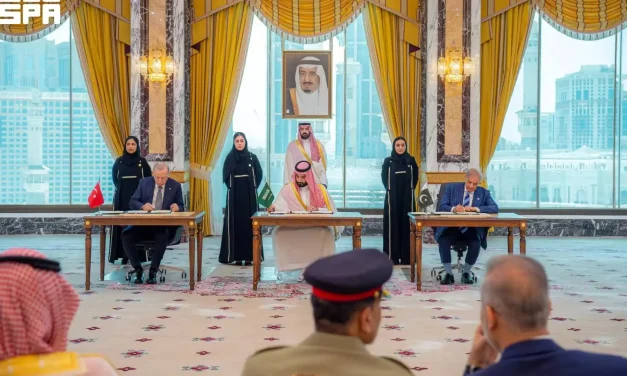
The Makkah Pact; Reasons for its Formation and Challenges Ahead

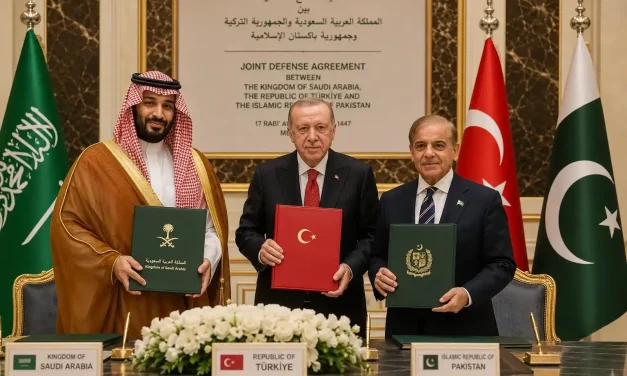
SCFR Online – Opinion: The Makkah Pact, signed between Saudi Arabia, Pakistan, and Turkey under the motto “an attack on one is an attack on all,” is viewed by some analysts less as a full-fledged military coalition and more as an attempt to reduce security dependence on an external power and to establish a regional security mechanism.
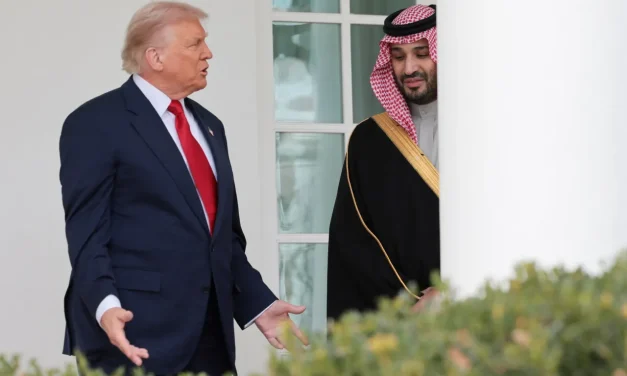
Implications of the US-Saudi Nuclear Agreement

SCFR Online – Opinion: The new US-Saudi nuclear agreement, despite legal and political ambiguities, could alter previous non-proliferation standards in West Asia and intensify nuclear competition, ushering it into a new phase.

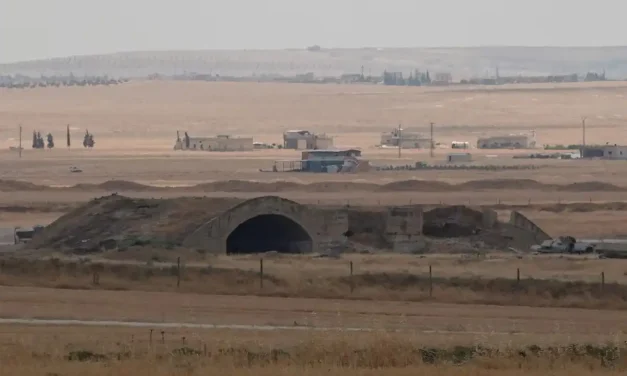
An Analysis of Recent Turkey-Israeli Regime Tensions

SCFR Online – Opinion: Recent developments in Syria indicate an intensification of strategic rivalry between Turkey and the Israeli regime, but mutual considerations and the role of the United States have limited the likelihood of direct war.

Increasing criticism of the extensive Zionist lobby network

SCFR Online – Opinion: An examination of the mechanisms of the Israeli regime’s influence in the United States depicts a complex picture of shared interests, strategic dependencies, and the limitations of this relationship.

Realities of the Tripartite Makkah Pact

SCFR Online – Interview: The signing of the Makkah agreement between Saudi Arabia, Pakistan, and Turkey has raised questions about the future of the region’s security structure and the position of these countries in West Asian equations. Can this agreement become a genuine collective defense mechanism, or does it have more of a political and deterrent function than creating new military capacity?

Strategic Implications of the Reduction of US Weapons Stockpiles

SCFR Online – Opinion: The continuation of the US war against Iran, in addition to increasing operational costs, has called into question the actual capacity of the American arsenal to simultaneously fulfill security commitments on multiple fronts; an issue that affects deterrence, defense production capacity, and Washington’s resource prioritization.

The Formation of a New Order in Relations Between Powers

SCFR Online – Opinion: The Russia-Ukraine war and the war of the United States and the Israeli regime against Iran have been formed with different objectives and actors, but field and political developments indicate that they are not entirely separate from one another.

Loading

NATO

Challenges in NATO-Turkey Relations

Challenges in NATO-Turkey Relations

Strategic Council Online – Referring to the recent tensions between Turkey and Western members of NATO, an expert on Turkey affairs said that Ankara’s approach to NATO and its interaction with the United States in recent years has become a challenging situation that almost has put Turkey in front of Western countries.

Russia-EU relations during the Biden presidency and the role of China

Russia-EU relations during the Biden presidency and the role of China

Strategic Council Online-Interview: An expert of Europe issues, referring to the recent remarks of Russian Foreign Minister Sergey Lavrov who castigated EU for destroying all infrastructure of relations with Russia, said Lavrov views on the severance of cooperation between Moscow and the European Union were made after an intensification of criticisms and tensions between the EU and Russia.

The strategy of the US military budget allocation

The strategy of the US military budget allocation

Strategic Council Online—Interview: A senior researcher says the US defense budget for 2021 has allocated the highest amount to the research and development in the history of the military budget of America.

Russia’s need to new coalitions

Russia’s need to new coalitions

Strategic Council Online—Opinion: The concurrency of the return of Navalnyto Moscow with the establishment of the Biden administration in the Washington suggests that Democrats are still trying to loan concrete concepts such as democracy and citizenship rights to exert maximum pressure on the present government in Kremlin—an issue which could complement economic pressures on Russia and instigate protests in the country.
Dr. Ahmad Vakhshiteh—Professor of Eurasia National University

Implications of Extending German Military Mission in Afghanistan

Implications of Extending German Military Mission in Afghanistan

Strategic Council Online – A week after the meeting of NATO defense ministers, the German Federal Government officially decided to extend the military mission of the army in Afghanistan. Germany’s decision to stay in Afghanistan came a week after NATO said it had not yet made “any final decision” on the future of its mission in Afghanistan.
Mahmoud Fazeli – International Affairs Analyst

Different approaches of the United States and Europe towards China and Russia

Different approaches of the United States and Europe towards China and Russia

Strategic Council Online-Interview: An expert of European affairs says both the Republican and Democratic parties in the United States consider China and Russia as a big threat to the security and status of the United States in the global arena while European countries are trying to expand their relations with Moscow and increase their influence in that country in order to control Russia within its borders as it is a big neighbor of Europe.

Perspective of relations of China with Europe and NATO

Perspective of relations of China with Europe and NATO

Strategic Council Online—Editorial: China, in the long- and mid-term, will not be the sort of partner with which NATO can easily engage as Beijing is not aligning itself with Western ideas on democracy, human rights and issues related to the East of Asia.
Alireza Samoodi, Expert of European affairs

Prospect of NATO Presence in Persian Gulf

Prospect of NATO Presence in Persian Gulf

Strategic Council Online – An expert on geopolitical affairs commenting on NATO cooperation with Arab states, especially those in the Persian Gulf, said: Countries such as the UAE and Saudi Arabia since their independence had been under British tutelage and were totally dependent on that country and after Britain withdrew from east of the Suez Canal, the United States replaced it. In fact, the Arab states of the Persian Gulf think that by setting up their bases Western countries would provide them with security, but this is not the case, as we see today that Saudi Arabia is the target of the Yemeni missiles.

أحدث الوظائف

The Makkah Pact; Reasons for its Formation and Challenges Ahead

SCFR Online – Opinion: The Makkah Pact, signed between Saudi Arabia, Pakistan, and Turkey under the motto “an attack on one is an attack on all,” is viewed by some analysts less as a full-fledged military coalition and more as an attempt to reduce security dependence on an external power and to establish a regional security mechanism.
Implications of the US-Saudi Nuclear Agreement

SCFR Online – Opinion: The new US-Saudi nuclear agreement, despite legal and political ambiguities, could alter previous non-proliferation standards in West Asia and intensify nuclear competition, ushering it into a new phase.

An Analysis of Recent Turkey-Israeli Regime Tensions

SCFR Online – Opinion: Recent developments in Syria indicate an intensification of strategic rivalry between Turkey and the Israeli regime, but mutual considerations and the role of the United States have limited the likelihood of direct war.

Increasing criticism of the extensive Zionist lobby network

SCFR Online – Opinion: An examination of the mechanisms of the Israeli regime’s influence in the United States depicts a complex picture of shared interests, strategic dependencies, and the limitations of this relationship.

Realities of the Tripartite Makkah Pact

SCFR Online – Interview: The signing of the Makkah agreement between Saudi Arabia, Pakistan, and Turkey has raised questions about the future of the region’s security structure and the position of these countries in West Asian equations. Can this agreement become a genuine collective defense mechanism, or does it have more of a political and deterrent function than creating new military capacity?

Strategic Implications of the Reduction of US Weapons Stockpiles

SCFR Online – Opinion: The continuation of the US war against Iran, in addition to increasing operational costs, has called into question the actual capacity of the American arsenal to simultaneously fulfill security commitments on multiple fronts; an issue that affects deterrence, defense production capacity, and Washington’s resource prioritization.

The Formation of a New Order in Relations Between Powers

SCFR Online – Opinion: The Russia-Ukraine war and the war of the United States and the Israeli regime against Iran have been formed with different objectives and actors, but field and political developments indicate that they are not entirely separate from one another.

Loading

NATO

Challenges in NATO-Turkey Relations

Challenges in NATO-Turkey Relations

Strategic Council Online – Referring to the recent tensions between Turkey and Western members of NATO, an expert on Turkey affairs said that Ankara’s approach to NATO and its interaction with the United States in recent years has become a challenging situation that almost has put Turkey in front of Western countries.

Russia-EU relations during the Biden presidency and the role of China

Russia-EU relations during the Biden presidency and the role of China

Strategic Council Online-Interview: An expert of Europe issues, referring to the recent remarks of Russian Foreign Minister Sergey Lavrov who castigated EU for destroying all infrastructure of relations with Russia, said Lavrov views on the severance of cooperation between Moscow and the European Union were made after an intensification of criticisms and tensions between the EU and Russia.

The strategy of the US military budget allocation

The strategy of the US military budget allocation

Strategic Council Online—Interview: A senior researcher says the US defense budget for 2021 has allocated the highest amount to the research and development in the history of the military budget of America.

Russia’s need to new coalitions

Russia’s need to new coalitions

Strategic Council Online—Opinion: The concurrency of the return of Navalnyto Moscow with the establishment of the Biden administration in the Washington suggests that Democrats are still trying to loan concrete concepts such as democracy and citizenship rights to exert maximum pressure on the present government in Kremlin—an issue which could complement economic pressures on Russia and instigate protests in the country.
Dr. Ahmad Vakhshiteh—Professor of Eurasia National University

Implications of Extending German Military Mission in Afghanistan

Implications of Extending German Military Mission in Afghanistan

Strategic Council Online – A week after the meeting of NATO defense ministers, the German Federal Government officially decided to extend the military mission of the army in Afghanistan. Germany’s decision to stay in Afghanistan came a week after NATO said it had not yet made “any final decision” on the future of its mission in Afghanistan.
Mahmoud Fazeli – International Affairs Analyst

Different approaches of the United States and Europe towards China and Russia

Different approaches of the United States and Europe towards China and Russia

Strategic Council Online-Interview: An expert of European affairs says both the Republican and Democratic parties in the United States consider China and Russia as a big threat to the security and status of the United States in the global arena while European countries are trying to expand their relations with Moscow and increase their influence in that country in order to control Russia within its borders as it is a big neighbor of Europe.

Perspective of relations of China with Europe and NATO

Perspective of relations of China with Europe and NATO

Strategic Council Online—Editorial: China, in the long- and mid-term, will not be the sort of partner with which NATO can easily engage as Beijing is not aligning itself with Western ideas on democracy, human rights and issues related to the East of Asia.
Alireza Samoodi, Expert of European affairs

Prospect of NATO Presence in Persian Gulf

Prospect of NATO Presence in Persian Gulf

Strategic Council Online – An expert on geopolitical affairs commenting on NATO cooperation with Arab states, especially those in the Persian Gulf, said: Countries such as the UAE and Saudi Arabia since their independence had been under British tutelage and were totally dependent on that country and after Britain withdrew from east of the Suez Canal, the United States replaced it. In fact, the Arab states of the Persian Gulf think that by setting up their bases Western countries would provide them with security, but this is not the case, as we see today that Saudi Arabia is the target of the Yemeni missiles.

NATO

Challenges in NATO-Turkey Relations

Challenges in NATO-Turkey Relations

Strategic Council Online – Referring to the recent tensions between Turkey and Western members of NATO, an expert on Turkey affairs said that Ankara’s approach to NATO and its interaction with the United States in recent years has become a challenging situation that almost has put Turkey in front of Western countries.

Russia-EU relations during the Biden presidency and the role of China

Russia-EU relations during the Biden presidency and the role of China

Strategic Council Online-Interview: An expert of Europe issues, referring to the recent remarks of Russian Foreign Minister Sergey Lavrov who castigated EU for destroying all infrastructure of relations with Russia, said Lavrov views on the severance of cooperation between Moscow and the European Union were made after an intensification of criticisms and tensions between the EU and Russia.

The strategy of the US military budget allocation

The strategy of the US military budget allocation

Strategic Council Online—Interview: A senior researcher says the US defense budget for 2021 has allocated the highest amount to the research and development in the history of the military budget of America.

Russia’s need to new coalitions

Russia’s need to new coalitions

Strategic Council Online—Opinion: The concurrency of the return of Navalnyto Moscow with the establishment of the Biden administration in the Washington suggests that Democrats are still trying to loan concrete concepts such as democracy and citizenship rights to exert maximum pressure on the present government in Kremlin—an issue which could complement economic pressures on Russia and instigate protests in the country.
Dr. Ahmad Vakhshiteh—Professor of Eurasia National University

Implications of Extending German Military Mission in Afghanistan

Implications of Extending German Military Mission in Afghanistan

Strategic Council Online – A week after the meeting of NATO defense ministers, the German Federal Government officially decided to extend the military mission of the army in Afghanistan. Germany’s decision to stay in Afghanistan came a week after NATO said it had not yet made “any final decision” on the future of its mission in Afghanistan.
Mahmoud Fazeli – International Affairs Analyst

Different approaches of the United States and Europe towards China and Russia

Different approaches of the United States and Europe towards China and Russia

Strategic Council Online-Interview: An expert of European affairs says both the Republican and Democratic parties in the United States consider China and Russia as a big threat to the security and status of the United States in the global arena while European countries are trying to expand their relations with Moscow and increase their influence in that country in order to control Russia within its borders as it is a big neighbor of Europe.

Perspective of relations of China with Europe and NATO

Perspective of relations of China with Europe and NATO

Strategic Council Online—Editorial: China, in the long- and mid-term, will not be the sort of partner with which NATO can easily engage as Beijing is not aligning itself with Western ideas on democracy, human rights and issues related to the East of Asia.
Alireza Samoodi, Expert of European affairs

Prospect of NATO Presence in Persian Gulf

Prospect of NATO Presence in Persian Gulf

Strategic Council Online – An expert on geopolitical affairs commenting on NATO cooperation with Arab states, especially those in the Persian Gulf, said: Countries such as the UAE and Saudi Arabia since their independence had been under British tutelage and were totally dependent on that country and after Britain withdrew from east of the Suez Canal, the United States replaced it. In fact, the Arab states of the Persian Gulf think that by setting up their bases Western countries would provide them with security, but this is not the case, as we see today that Saudi Arabia is the target of the Yemeni missiles.

LATEST CONTENT

The Makkah Pact; Reasons for its Formation and Challenges Ahead

SCFR Online – Opinion: The Makkah Pact, signed between Saudi Arabia, Pakistan, and Turkey under the motto “an attack on one is an attack on all,” is viewed by some analysts less as a full-fledged military coalition and more as an attempt to reduce security dependence on an external power and to establish a regional security mechanism.

Implications of the US-Saudi Nuclear Agreement

SCFR Online – Opinion: The new US-Saudi nuclear agreement, despite legal and political ambiguities, could alter previous non-proliferation standards in West Asia and intensify nuclear competition, ushering it into a new phase.

An Analysis of Recent Turkey-Israeli Regime Tensions

SCFR Online – Opinion: Recent developments in Syria indicate an intensification of strategic rivalry between Turkey and the Israeli regime, but mutual considerations and the role of the United States have limited the likelihood of direct war.

Increasing criticism of the extensive Zionist lobby network

SCFR Online – Opinion: An examination of the mechanisms of the Israeli regime’s influence in the United States depicts a complex picture of shared interests, strategic dependencies, and the limitations of this relationship.

Realities of the Tripartite Makkah Pact

SCFR Online – Interview: The signing of the Makkah agreement between Saudi Arabia, Pakistan, and Turkey has raised questions about the future of the region’s security structure and the position of these countries in West Asian equations. Can this agreement become a genuine collective defense mechanism, or does it have more of a political and deterrent function than creating new military capacity?

Strategic Implications of the Reduction of US Weapons Stockpiles

SCFR Online – Opinion: The continuation of the US war against Iran, in addition to increasing operational costs, has called into question the actual capacity of the American arsenal to simultaneously fulfill security commitments on multiple fronts; an issue that affects deterrence, defense production capacity, and Washington’s resource prioritization.

The Formation of a New Order in Relations Between Powers

SCFR Online – Opinion: The Russia-Ukraine war and the war of the United States and the Israeli regime against Iran have been formed with different objectives and actors, but field and political developments indicate that they are not entirely separate from one another.

Loading

NATO

Challenges in NATO-Turkey Relations

Challenges in NATO-Turkey Relations

Strategic Council Online – Referring to the recent tensions between Turkey and Western members of NATO, an expert on Turkey affairs said that Ankara’s approach to NATO and its interaction with the United States in recent years has become a challenging situation that almost has put Turkey in front of Western countries.

Russia-EU relations during the Biden presidency and the role of China

Russia-EU relations during the Biden presidency and the role of China

Strategic Council Online-Interview: An expert of Europe issues, referring to the recent remarks of Russian Foreign Minister Sergey Lavrov who castigated EU for destroying all infrastructure of relations with Russia, said Lavrov views on the severance of cooperation between Moscow and the European Union were made after an intensification of criticisms and tensions between the EU and Russia.

The strategy of the US military budget allocation

The strategy of the US military budget allocation

Strategic Council Online—Interview: A senior researcher says the US defense budget for 2021 has allocated the highest amount to the research and development in the history of the military budget of America.

Russia’s need to new coalitions

Russia’s need to new coalitions

Strategic Council Online—Opinion: The concurrency of the return of Navalnyto Moscow with the establishment of the Biden administration in the Washington suggests that Democrats are still trying to loan concrete concepts such as democracy and citizenship rights to exert maximum pressure on the present government in Kremlin—an issue which could complement economic pressures on Russia and instigate protests in the country.
Dr. Ahmad Vakhshiteh—Professor of Eurasia National University

Implications of Extending German Military Mission in Afghanistan

Implications of Extending German Military Mission in Afghanistan

Strategic Council Online – A week after the meeting of NATO defense ministers, the German Federal Government officially decided to extend the military mission of the army in Afghanistan. Germany’s decision to stay in Afghanistan came a week after NATO said it had not yet made “any final decision” on the future of its mission in Afghanistan.
Mahmoud Fazeli – International Affairs Analyst

Different approaches of the United States and Europe towards China and Russia

Different approaches of the United States and Europe towards China and Russia

Strategic Council Online-Interview: An expert of European affairs says both the Republican and Democratic parties in the United States consider China and Russia as a big threat to the security and status of the United States in the global arena while European countries are trying to expand their relations with Moscow and increase their influence in that country in order to control Russia within its borders as it is a big neighbor of Europe.

Perspective of relations of China with Europe and NATO

Perspective of relations of China with Europe and NATO

Strategic Council Online—Editorial: China, in the long- and mid-term, will not be the sort of partner with which NATO can easily engage as Beijing is not aligning itself with Western ideas on democracy, human rights and issues related to the East of Asia.
Alireza Samoodi, Expert of European affairs

Prospect of NATO Presence in Persian Gulf

Prospect of NATO Presence in Persian Gulf

Strategic Council Online – An expert on geopolitical affairs commenting on NATO cooperation with Arab states, especially those in the Persian Gulf, said: Countries such as the UAE and Saudi Arabia since their independence had been under British tutelage and were totally dependent on that country and after Britain withdrew from east of the Suez Canal, the United States replaced it. In fact, the Arab states of the Persian Gulf think that by setting up their bases Western countries would provide them with security, but this is not the case, as we see today that Saudi Arabia is the target of the Yemeni missiles.

ÚLTIMAS PUBLICACIONES

The Makkah Pact; Reasons for its Formation and Challenges Ahead

SCFR Online – Opinion: The Makkah Pact, signed between Saudi Arabia, Pakistan, and Turkey under the motto “an attack on one is an attack on all,” is viewed by some analysts less as a full-fledged military coalition and more as an attempt to reduce security dependence on an external power and to establish a regional security mechanism.
Implications of the US-Saudi Nuclear Agreement

SCFR Online – Opinion: The new US-Saudi nuclear agreement, despite legal and political ambiguities, could alter previous non-proliferation standards in West Asia and intensify nuclear competition, ushering it into a new phase.

An Analysis of Recent Turkey-Israeli Regime Tensions

SCFR Online – Opinion: Recent developments in Syria indicate an intensification of strategic rivalry between Turkey and the Israeli regime, but mutual considerations and the role of the United States have limited the likelihood of direct war.

Increasing criticism of the extensive Zionist lobby network

SCFR Online – Opinion: An examination of the mechanisms of the Israeli regime’s influence in the United States depicts a complex picture of shared interests, strategic dependencies, and the limitations of this relationship.

Realities of the Tripartite Makkah Pact

SCFR Online – Interview: The signing of the Makkah agreement between Saudi Arabia, Pakistan, and Turkey has raised questions about the future of the region’s security structure and the position of these countries in West Asian equations. Can this agreement become a genuine collective defense mechanism, or does it have more of a political and deterrent function than creating new military capacity?

Strategic Implications of the Reduction of US Weapons Stockpiles

SCFR Online – Opinion: The continuation of the US war against Iran, in addition to increasing operational costs, has called into question the actual capacity of the American arsenal to simultaneously fulfill security commitments on multiple fronts; an issue that affects deterrence, defense production capacity, and Washington’s resource prioritization.

The Formation of a New Order in Relations Between Powers

SCFR Online – Opinion: The Russia-Ukraine war and the war of the United States and the Israeli regime against Iran have been formed with different objectives and actors, but field and political developments indicate that they are not entirely separate from one another.

Loading

NATO

Challenges in NATO-Turkey Relations

Challenges in NATO-Turkey Relations

Strategic Council Online – Referring to the recent tensions between Turkey and Western members of NATO, an expert on Turkey affairs said that Ankara’s approach to NATO and its interaction with the United States in recent years has become a challenging situation that almost has put Turkey in front of Western countries.

Russia-EU relations during the Biden presidency and the role of China

Russia-EU relations during the Biden presidency and the role of China

Strategic Council Online-Interview: An expert of Europe issues, referring to the recent remarks of Russian Foreign Minister Sergey Lavrov who castigated EU for destroying all infrastructure of relations with Russia, said Lavrov views on the severance of cooperation between Moscow and the European Union were made after an intensification of criticisms and tensions between the EU and Russia.

The strategy of the US military budget allocation

The strategy of the US military budget allocation

Strategic Council Online—Interview: A senior researcher says the US defense budget for 2021 has allocated the highest amount to the research and development in the history of the military budget of America.

Russia’s need to new coalitions

Russia’s need to new coalitions

Strategic Council Online—Opinion: The concurrency of the return of Navalnyto Moscow with the establishment of the Biden administration in the Washington suggests that Democrats are still trying to loan concrete concepts such as democracy and citizenship rights to exert maximum pressure on the present government in Kremlin—an issue which could complement economic pressures on Russia and instigate protests in the country.
Dr. Ahmad Vakhshiteh—Professor of Eurasia National University

Implications of Extending German Military Mission in Afghanistan

Implications of Extending German Military Mission in Afghanistan

Strategic Council Online – A week after the meeting of NATO defense ministers, the German Federal Government officially decided to extend the military mission of the army in Afghanistan. Germany’s decision to stay in Afghanistan came a week after NATO said it had not yet made “any final decision” on the future of its mission in Afghanistan.
Mahmoud Fazeli – International Affairs Analyst

Different approaches of the United States and Europe towards China and Russia

Different approaches of the United States and Europe towards China and Russia

Strategic Council Online-Interview: An expert of European affairs says both the Republican and Democratic parties in the United States consider China and Russia as a big threat to the security and status of the United States in the global arena while European countries are trying to expand their relations with Moscow and increase their influence in that country in order to control Russia within its borders as it is a big neighbor of Europe.

Perspective of relations of China with Europe and NATO

Perspective of relations of China with Europe and NATO

Strategic Council Online—Editorial: China, in the long- and mid-term, will not be the sort of partner with which NATO can easily engage as Beijing is not aligning itself with Western ideas on democracy, human rights and issues related to the East of Asia.
Alireza Samoodi, Expert of European affairs

Prospect of NATO Presence in Persian Gulf

Prospect of NATO Presence in Persian Gulf

Strategic Council Online – An expert on geopolitical affairs commenting on NATO cooperation with Arab states, especially those in the Persian Gulf, said: Countries such as the UAE and Saudi Arabia since their independence had been under British tutelage and were totally dependent on that country and after Britain withdrew from east of the Suez Canal, the United States replaced it. In fact, the Arab states of the Persian Gulf think that by setting up their bases Western countries would provide them with security, but this is not the case, as we see today that Saudi Arabia is the target of the Yemeni missiles.

ÚLTIMAS PUBLICACIONES

The Makkah Pact; Reasons for its Formation and Challenges Ahead

SCFR Online – Opinion: The Makkah Pact, signed between Saudi Arabia, Pakistan, and Turkey under the motto “an attack on one is an attack on all,” is viewed by some analysts less as a full-fledged military coalition and more as an attempt to reduce security dependence on an external power and to establish a regional security mechanism.
Implications of the US-Saudi Nuclear Agreement

SCFR Online – Opinion: The new US-Saudi nuclear agreement, despite legal and political ambiguities, could alter previous non-proliferation standards in West Asia and intensify nuclear competition, ushering it into a new phase.

An Analysis of Recent Turkey-Israeli Regime Tensions

SCFR Online – Opinion: Recent developments in Syria indicate an intensification of strategic rivalry between Turkey and the Israeli regime, but mutual considerations and the role of the United States have limited the likelihood of direct war.

Increasing criticism of the extensive Zionist lobby network

SCFR Online – Opinion: An examination of the mechanisms of the Israeli regime’s influence in the United States depicts a complex picture of shared interests, strategic dependencies, and the limitations of this relationship.

Realities of the Tripartite Makkah Pact

SCFR Online – Interview: The signing of the Makkah agreement between Saudi Arabia, Pakistan, and Turkey has raised questions about the future of the region’s security structure and the position of these countries in West Asian equations. Can this agreement become a genuine collective defense mechanism, or does it have more of a political and deterrent function than creating new military capacity?

Strategic Implications of the Reduction of US Weapons Stockpiles

SCFR Online – Opinion: The continuation of the US war against Iran, in addition to increasing operational costs, has called into question the actual capacity of the American arsenal to simultaneously fulfill security commitments on multiple fronts; an issue that affects deterrence, defense production capacity, and Washington’s resource prioritization.

The Formation of a New Order in Relations Between Powers

SCFR Online – Opinion: The Russia-Ukraine war and the war of the United States and the Israeli regime against Iran have been formed with different objectives and actors, but field and political developments indicate that they are not entirely separate from one another.

Loading

NATO

Challenges in NATO-Turkey Relations

Challenges in NATO-Turkey Relations

Strategic Council Online – Referring to the recent tensions between Turkey and Western members of NATO, an expert on Turkey affairs said that Ankara’s approach to NATO and its interaction with the United States in recent years has become a challenging situation that almost has put Turkey in front of Western countries.

Russia-EU relations during the Biden presidency and the role of China

Russia-EU relations during the Biden presidency and the role of China

Strategic Council Online-Interview: An expert of Europe issues, referring to the recent remarks of Russian Foreign Minister Sergey Lavrov who castigated EU for destroying all infrastructure of relations with Russia, said Lavrov views on the severance of cooperation between Moscow and the European Union were made after an intensification of criticisms and tensions between the EU and Russia.

The strategy of the US military budget allocation

The strategy of the US military budget allocation

Strategic Council Online—Interview: A senior researcher says the US defense budget for 2021 has allocated the highest amount to the research and development in the history of the military budget of America.

Russia’s need to new coalitions

Russia’s need to new coalitions

Strategic Council Online—Opinion: The concurrency of the return of Navalnyto Moscow with the establishment of the Biden administration in the Washington suggests that Democrats are still trying to loan concrete concepts such as democracy and citizenship rights to exert maximum pressure on the present government in Kremlin—an issue which could complement economic pressures on Russia and instigate protests in the country.
Dr. Ahmad Vakhshiteh—Professor of Eurasia National University

Implications of Extending German Military Mission in Afghanistan

Implications of Extending German Military Mission in Afghanistan

Strategic Council Online – A week after the meeting of NATO defense ministers, the German Federal Government officially decided to extend the military mission of the army in Afghanistan. Germany’s decision to stay in Afghanistan came a week after NATO said it had not yet made “any final decision” on the future of its mission in Afghanistan.
Mahmoud Fazeli – International Affairs Analyst

Different approaches of the United States and Europe towards China and Russia

Different approaches of the United States and Europe towards China and Russia

Strategic Council Online-Interview: An expert of European affairs says both the Republican and Democratic parties in the United States consider China and Russia as a big threat to the security and status of the United States in the global arena while European countries are trying to expand their relations with Moscow and increase their influence in that country in order to control Russia within its borders as it is a big neighbor of Europe.

Perspective of relations of China with Europe and NATO

Perspective of relations of China with Europe and NATO

Strategic Council Online—Editorial: China, in the long- and mid-term, will not be the sort of partner with which NATO can easily engage as Beijing is not aligning itself with Western ideas on democracy, human rights and issues related to the East of Asia.
Alireza Samoodi, Expert of European affairs

Prospect of NATO Presence in Persian Gulf

Prospect of NATO Presence in Persian Gulf

Strategic Council Online – An expert on geopolitical affairs commenting on NATO cooperation with Arab states, especially those in the Persian Gulf, said: Countries such as the UAE and Saudi Arabia since their independence had been under British tutelage and were totally dependent on that country and after Britain withdrew from east of the Suez Canal, the United States replaced it. In fact, the Arab states of the Persian Gulf think that by setting up their bases Western countries would provide them with security, but this is not the case, as we see today that Saudi Arabia is the target of the Yemeni missiles.

ÚLTIMAS PUBLICACIONES

The Makkah Pact; Reasons for its Formation and Challenges Ahead

SCFR Online – Opinion: The Makkah Pact, signed between Saudi Arabia, Pakistan, and Turkey under the motto “an attack on one is an attack on all,” is viewed by some analysts less as a full-fledged military coalition and more as an attempt to reduce security dependence on an external power and to establish a regional security mechanism.
Implications of the US-Saudi Nuclear Agreement

SCFR Online – Opinion: The new US-Saudi nuclear agreement, despite legal and political ambiguities, could alter previous non-proliferation standards in West Asia and intensify nuclear competition, ushering it into a new phase.

An Analysis of Recent Turkey-Israeli Regime Tensions

SCFR Online – Opinion: Recent developments in Syria indicate an intensification of strategic rivalry between Turkey and the Israeli regime, but mutual considerations and the role of the United States have limited the likelihood of direct war.

Increasing criticism of the extensive Zionist lobby network

SCFR Online – Opinion: An examination of the mechanisms of the Israeli regime’s influence in the United States depicts a complex picture of shared interests, strategic dependencies, and the limitations of this relationship.

Realities of the Tripartite Makkah Pact

SCFR Online – Interview: The signing of the Makkah agreement between Saudi Arabia, Pakistan, and Turkey has raised questions about the future of the region’s security structure and the position of these countries in West Asian equations. Can this agreement become a genuine collective defense mechanism, or does it have more of a political and deterrent function than creating new military capacity?

Strategic Implications of the Reduction of US Weapons Stockpiles

SCFR Online – Opinion: The continuation of the US war against Iran, in addition to increasing operational costs, has called into question the actual capacity of the American arsenal to simultaneously fulfill security commitments on multiple fronts; an issue that affects deterrence, defense production capacity, and Washington’s resource prioritization.

The Formation of a New Order in Relations Between Powers

SCFR Online – Opinion: The Russia-Ukraine war and the war of the United States and the Israeli regime against Iran have been formed with different objectives and actors, but field and political developments indicate that they are not entirely separate from one another.

Loading

NATO

Challenges in NATO-Turkey Relations

Challenges in NATO-Turkey Relations

Strategic Council Online – Referring to the recent tensions between Turkey and Western members of NATO, an expert on Turkey affairs said that Ankara’s approach to NATO and its interaction with the United States in recent years has become a challenging situation that almost has put Turkey in front of Western countries.

Russia-EU relations during the Biden presidency and the role of China

Russia-EU relations during the Biden presidency and the role of China

Strategic Council Online-Interview: An expert of Europe issues, referring to the recent remarks of Russian Foreign Minister Sergey Lavrov who castigated EU for destroying all infrastructure of relations with Russia, said Lavrov views on the severance of cooperation between Moscow and the European Union were made after an intensification of criticisms and tensions between the EU and Russia.

The strategy of the US military budget allocation

The strategy of the US military budget allocation

Strategic Council Online—Interview: A senior researcher says the US defense budget for 2021 has allocated the highest amount to the research and development in the history of the military budget of America.

Russia’s need to new coalitions

Russia’s need to new coalitions

Strategic Council Online—Opinion: The concurrency of the return of Navalnyto Moscow with the establishment of the Biden administration in the Washington suggests that Democrats are still trying to loan concrete concepts such as democracy and citizenship rights to exert maximum pressure on the present government in Kremlin—an issue which could complement economic pressures on Russia and instigate protests in the country.
Dr. Ahmad Vakhshiteh—Professor of Eurasia National University

Implications of Extending German Military Mission in Afghanistan

Implications of Extending German Military Mission in Afghanistan

Strategic Council Online – A week after the meeting of NATO defense ministers, the German Federal Government officially decided to extend the military mission of the army in Afghanistan. Germany’s decision to stay in Afghanistan came a week after NATO said it had not yet made “any final decision” on the future of its mission in Afghanistan.
Mahmoud Fazeli – International Affairs Analyst

Different approaches of the United States and Europe towards China and Russia

Different approaches of the United States and Europe towards China and Russia

Strategic Council Online-Interview: An expert of European affairs says both the Republican and Democratic parties in the United States consider China and Russia as a big threat to the security and status of the United States in the global arena while European countries are trying to expand their relations with Moscow and increase their influence in that country in order to control Russia within its borders as it is a big neighbor of Europe.

Perspective of relations of China with Europe and NATO

Perspective of relations of China with Europe and NATO

Strategic Council Online—Editorial: China, in the long- and mid-term, will not be the sort of partner with which NATO can easily engage as Beijing is not aligning itself with Western ideas on democracy, human rights and issues related to the East of Asia.
Alireza Samoodi, Expert of European affairs

Prospect of NATO Presence in Persian Gulf

Prospect of NATO Presence in Persian Gulf

Strategic Council Online – An expert on geopolitical affairs commenting on NATO cooperation with Arab states, especially those in the Persian Gulf, said: Countries such as the UAE and Saudi Arabia since their independence had been under British tutelage and were totally dependent on that country and after Britain withdrew from east of the Suez Canal, the United States replaced it. In fact, the Arab states of the Persian Gulf think that by setting up their bases Western countries would provide them with security, but this is not the case, as we see today that Saudi Arabia is the target of the Yemeni missiles.

ÚLTIMAS PUBLICACIONES

The Makkah Pact; Reasons for its Formation and Challenges Ahead

SCFR Online – Opinion: The Makkah Pact, signed between Saudi Arabia, Pakistan, and Turkey under the motto “an attack on one is an attack on all,” is viewed by some analysts less as a full-fledged military coalition and more as an attempt to reduce security dependence on an external power and to establish a regional security mechanism.

Implications of the US-Saudi Nuclear Agreement

SCFR Online – Opinion: The new US-Saudi nuclear agreement, despite legal and political ambiguities, could alter previous non-proliferation standards in West Asia and intensify nuclear competition, ushering it into a new phase.

An Analysis of Recent Turkey-Israeli Regime Tensions

SCFR Online – Opinion: Recent developments in Syria indicate an intensification of strategic rivalry between Turkey and the Israeli regime, but mutual considerations and the role of the United States have limited the likelihood of direct war.

Increasing criticism of the extensive Zionist lobby network

SCFR Online – Opinion: An examination of the mechanisms of the Israeli regime’s influence in the United States depicts a complex picture of shared interests, strategic dependencies, and the limitations of this relationship.

Realities of the Tripartite Makkah Pact

SCFR Online – Interview: The signing of the Makkah agreement between Saudi Arabia, Pakistan, and Turkey has raised questions about the future of the region’s security structure and the position of these countries in West Asian equations. Can this agreement become a genuine collective defense mechanism, or does it have more of a political and deterrent function than creating new military capacity?

Strategic Implications of the Reduction of US Weapons Stockpiles

SCFR Online – Opinion: The continuation of the US war against Iran, in addition to increasing operational costs, has called into question the actual capacity of the American arsenal to simultaneously fulfill security commitments on multiple fronts; an issue that affects deterrence, defense production capacity, and Washington’s resource prioritization.

The Formation of a New Order in Relations Between Powers

SCFR Online – Opinion: The Russia-Ukraine war and the war of the United States and the Israeli regime against Iran have been formed with different objectives and actors, but field and political developments indicate that they are not entirely separate from one another.

Loading