جدیدترین مطالب

Realities of the Tripartite Makkah Pact

SCFR Online – Interview: The signing of the Makkah agreement between Saudi Arabia, Pakistan, and Turkey has raised questions about the future of the region’s security structure and the position of these countries in West Asian equations. Can this agreement become a genuine collective defense mechanism, or does it have more of a political and deterrent function than creating new military capacity?

Strategic Implications of the Reduction of US Weapons Stockpiles

SCFR Online – Opinion: The continuation of the US war against Iran, in addition to increasing operational costs, has called into question the actual capacity of the American arsenal to simultaneously fulfill security commitments on multiple fronts; an issue that affects deterrence, defense production capacity, and Washington’s resource prioritization.

The Formation of a New Order in Relations Between Powers

SCFR Online – Opinion: The Russia-Ukraine war and the war of the United States and the Israeli regime against Iran have been formed with different objectives and actors, but field and political developments indicate that they are not entirely separate from one another.

An Analysis of the Makkah Defense Pact

SCFR Online – Opinion: On Friday, August 7, the heads of state of three countries – Saudi Arabia, Turkey, and Pakistan – signed a text under the title “Makkah Joint Defense Agreement.”

Dimensions and challenges of the initiative to revive the Hejaz Railway

Strategic Council Online – Note: The initiative to revive the Hejaz Railway, beyond being a transportation project, constitutes an attempt to redefine geopolitics, the economy, and Turkey’s regional position; however, its realization appears to face significant financial, security, and institutional challenges.

Loading

North Africa

The role of UAE in the tension between Morocco and the Western Sahara

The role of UAE in the tension between Morocco and the Western Sahara

Strategic Council Online—Interview: An expert of Africa affairs says the Western Sahara government considers the recent intrusion of the Moroccan Army to Guerguerat in Western Sahara as the final seal on the termination of the 1991 peace accord between the two sides.

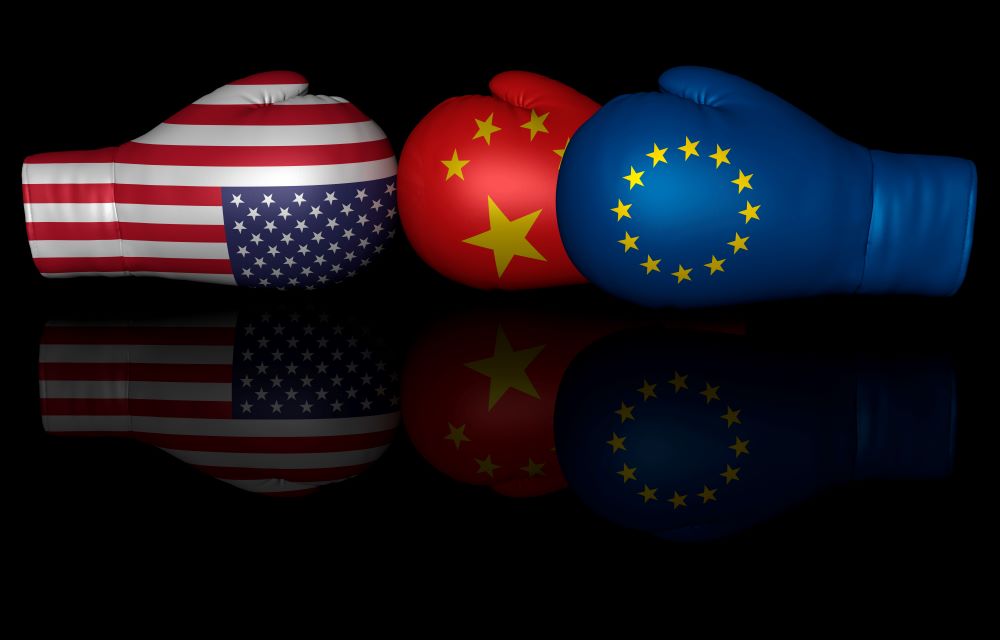
Europe-China Relations Overshadowed by Beijing-Washington Ties

Europe-China Relations Overshadowed by Beijing-Washington Ties

Strategic Council Online: An expert on Europe affairs believes that if the EU was to fully approach China, in the post-Trump period it would cause them harm and would lead to more transatlantic gap. To this end, Europe has taken a double-standard policy towards China.

Implications of Turkish Military Movements

Implications of Turkish Military Movements

Strategic Council Online: At present, part of Turkey’s tensions with neighbouring countries and its surrounding areas are rooted in the “geopolitical coordinates and characteristics” of that country.

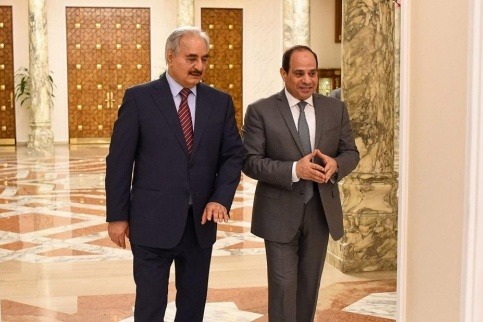
Egypt-Turkey Rivalry in Libya

Egypt-Turkey Rivalry in Libya

Strategic Council Online – A university professor said that Turkey’s sphere of influence and territorialization in Libya is approaching the strategic depth and the first influence of Egypt, and in some cases they overlap. He added that at the beginning outbreak of clashes between Egypt and Turkey exists on the battlefield, but after a while when the two sides reach a balance in interests and the war turns into one of attrition they will go for negotiations.

Falling Oil Prices & Decline of Militarism in the MENA

Falling Oil Prices & Decline of Militarism in the MENA

Strategic Council Online: An expert on political economy said that until now the treasury of the Persian Gulf Arab states was the unofficial treasury of the Americans, adding that this type of funding will practically be cut with the falling oil prices because the Arab states themselves are faced with budget deficits and cannot afford supporting US terrorist schemes in the region.

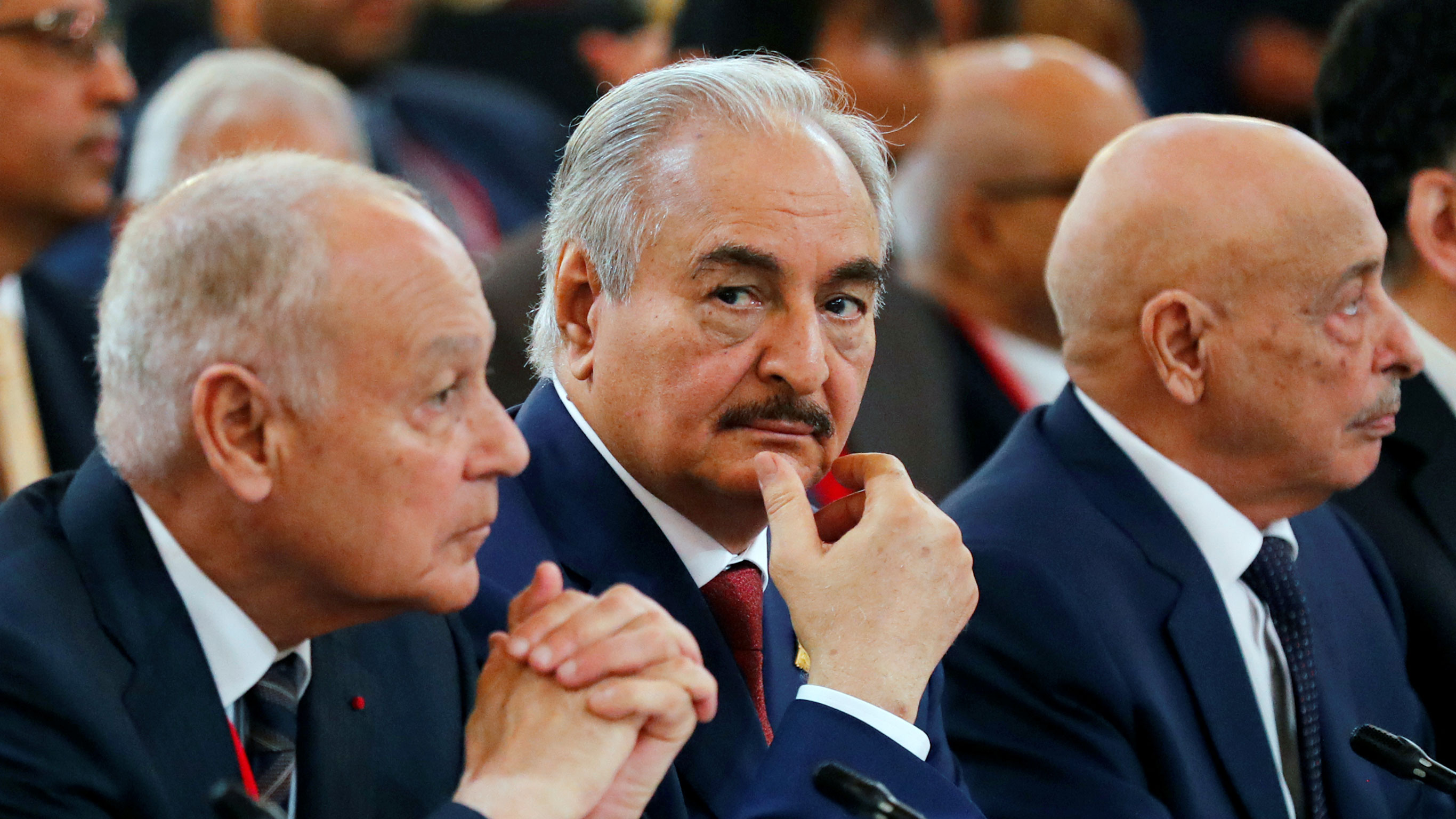
Haftar’s Goals behind Conditional Acceptance of Ceasefire

Haftar’s Goals behind Conditional Acceptance of Ceasefire

Strategic Council Online: A university professor outlining the failure to achieve peace and ceasefire in Libya said: Since Khalifa Haftar is fully aware that Turkey would not abandon its support for economic investments and Brotherhood-led government in North Africa it has made accepting the ceasefire conditional on Turkish troop withdrawal from Libya to send the ball into the court of the National Unity Government and impose international pressure on it

Reasons and Aims of New Mobility in German-Turkish Relations

Reasons and Aims of New Mobility in German-Turkish Relations

Strategic Council Online: Erdogan is trying to get closer to achieving some of his European goals by using the refugee card, which today is the Achilles’ Heel of EU countries, including Germany.
Abed Akbari – European Affairs Expert

Libya’s Ambiguous Perspective

Libya’s Ambiguous Perspective

Strategic Council Online: An expert on African affairs says the proxy war in Libya has somehow started with the intervention of the regional states, mainly the Arab states. He considers the ineffectiveness of the National Unity Government a means to further intensify the provocative efforts of Khalifa Haftar, emphasizing that in these circumstances, one cannot virtually draw a good perspective for the future of the Libyan government.

Libyan Crisis Scenarios

Strategic Council Online: The scenario of the West’s intervention and the presence of European armies in the Libyan soil are among the assumptions cited in some analyses because as pointed out by experts on North African affairs if Libya’s oil-rich resources fall into the hands of Muslim groups and popular organizations, European governments will inevitably begin to engage in direct military intervention in Libya; Of course, such an assumption seems highly unlikely considering the problems the West is now facing.
Jafar Ghanadbashi – North African Affairs Expert

North Africa: Internal Challenges and Foreign Actors

Strategic Council Online: What is happening today in major North African countries, including Sudan, Libya, and Algeria, is affected by a combination of internal factors and mechanisms as well as foreign interventions before being a proof of the “Arab Spring, the Second Wave.”
Kourosh Fakhr Tavoli – African Affairs Expert

أحدث الوظائف

Realities of the Tripartite Makkah Pact

SCFR Online – Interview: The signing of the Makkah agreement between Saudi Arabia, Pakistan, and Turkey has raised questions about the future of the region’s security structure and the position of these countries in West Asian equations. Can this agreement become a genuine collective defense mechanism, or does it have more of a political and deterrent function than creating new military capacity?

Strategic Implications of the Reduction of US Weapons Stockpiles

SCFR Online – Opinion: The continuation of the US war against Iran, in addition to increasing operational costs, has called into question the actual capacity of the American arsenal to simultaneously fulfill security commitments on multiple fronts; an issue that affects deterrence, defense production capacity, and Washington’s resource prioritization.

The Formation of a New Order in Relations Between Powers

SCFR Online – Opinion: The Russia-Ukraine war and the war of the United States and the Israeli regime against Iran have been formed with different objectives and actors, but field and political developments indicate that they are not entirely separate from one another.

An Analysis of the Makkah Defense Pact

SCFR Online – Opinion: On Friday, August 7, the heads of state of three countries – Saudi Arabia, Turkey, and Pakistan – signed a text under the title “Makkah Joint Defense Agreement.”

Dimensions and challenges of the initiative to revive the Hejaz Railway

Strategic Council Online – Note: The initiative to revive the Hejaz Railway, beyond being a transportation project, constitutes an attempt to redefine geopolitics, the economy, and Turkey’s regional position; however, its realization appears to face significant financial, security, and institutional challenges.

Loading

North Africa

The role of UAE in the tension between Morocco and the Western Sahara

The role of UAE in the tension between Morocco and the Western Sahara

Strategic Council Online—Interview: An expert of Africa affairs says the Western Sahara government considers the recent intrusion of the Moroccan Army to Guerguerat in Western Sahara as the final seal on the termination of the 1991 peace accord between the two sides.

Europe-China Relations Overshadowed by Beijing-Washington Ties

Europe-China Relations Overshadowed by Beijing-Washington Ties

Strategic Council Online: An expert on Europe affairs believes that if the EU was to fully approach China, in the post-Trump period it would cause them harm and would lead to more transatlantic gap. To this end, Europe has taken a double-standard policy towards China.

Implications of Turkish Military Movements

Implications of Turkish Military Movements

Strategic Council Online: At present, part of Turkey’s tensions with neighbouring countries and its surrounding areas are rooted in the “geopolitical coordinates and characteristics” of that country.

Egypt-Turkey Rivalry in Libya

Egypt-Turkey Rivalry in Libya

Strategic Council Online – A university professor said that Turkey’s sphere of influence and territorialization in Libya is approaching the strategic depth and the first influence of Egypt, and in some cases they overlap. He added that at the beginning outbreak of clashes between Egypt and Turkey exists on the battlefield, but after a while when the two sides reach a balance in interests and the war turns into one of attrition they will go for negotiations.

Falling Oil Prices & Decline of Militarism in the MENA

Falling Oil Prices & Decline of Militarism in the MENA

Strategic Council Online: An expert on political economy said that until now the treasury of the Persian Gulf Arab states was the unofficial treasury of the Americans, adding that this type of funding will practically be cut with the falling oil prices because the Arab states themselves are faced with budget deficits and cannot afford supporting US terrorist schemes in the region.

Haftar’s Goals behind Conditional Acceptance of Ceasefire

Haftar’s Goals behind Conditional Acceptance of Ceasefire

Strategic Council Online: A university professor outlining the failure to achieve peace and ceasefire in Libya said: Since Khalifa Haftar is fully aware that Turkey would not abandon its support for economic investments and Brotherhood-led government in North Africa it has made accepting the ceasefire conditional on Turkish troop withdrawal from Libya to send the ball into the court of the National Unity Government and impose international pressure on it

Reasons and Aims of New Mobility in German-Turkish Relations

Reasons and Aims of New Mobility in German-Turkish Relations

Strategic Council Online: Erdogan is trying to get closer to achieving some of his European goals by using the refugee card, which today is the Achilles’ Heel of EU countries, including Germany.
Abed Akbari – European Affairs Expert

Libya’s Ambiguous Perspective

Libya’s Ambiguous Perspective

Strategic Council Online: An expert on African affairs says the proxy war in Libya has somehow started with the intervention of the regional states, mainly the Arab states. He considers the ineffectiveness of the National Unity Government a means to further intensify the provocative efforts of Khalifa Haftar, emphasizing that in these circumstances, one cannot virtually draw a good perspective for the future of the Libyan government.

Libyan Crisis Scenarios

Strategic Council Online: The scenario of the West’s intervention and the presence of European armies in the Libyan soil are among the assumptions cited in some analyses because as pointed out by experts on North African affairs if Libya’s oil-rich resources fall into the hands of Muslim groups and popular organizations, European governments will inevitably begin to engage in direct military intervention in Libya; Of course, such an assumption seems highly unlikely considering the problems the West is now facing.
Jafar Ghanadbashi – North African Affairs Expert

North Africa: Internal Challenges and Foreign Actors

Strategic Council Online: What is happening today in major North African countries, including Sudan, Libya, and Algeria, is affected by a combination of internal factors and mechanisms as well as foreign interventions before being a proof of the “Arab Spring, the Second Wave.”
Kourosh Fakhr Tavoli – African Affairs Expert

North Africa

The role of UAE in the tension between Morocco and the Western Sahara

The role of UAE in the tension between Morocco and the Western Sahara

Strategic Council Online—Interview: An expert of Africa affairs says the Western Sahara government considers the recent intrusion of the Moroccan Army to Guerguerat in Western Sahara as the final seal on the termination of the 1991 peace accord between the two sides.

Europe-China Relations Overshadowed by Beijing-Washington Ties

Europe-China Relations Overshadowed by Beijing-Washington Ties

Strategic Council Online: An expert on Europe affairs believes that if the EU was to fully approach China, in the post-Trump period it would cause them harm and would lead to more transatlantic gap. To this end, Europe has taken a double-standard policy towards China.

Implications of Turkish Military Movements

Implications of Turkish Military Movements

Strategic Council Online: At present, part of Turkey’s tensions with neighbouring countries and its surrounding areas are rooted in the “geopolitical coordinates and characteristics” of that country.

Egypt-Turkey Rivalry in Libya

Egypt-Turkey Rivalry in Libya

Strategic Council Online – A university professor said that Turkey’s sphere of influence and territorialization in Libya is approaching the strategic depth and the first influence of Egypt, and in some cases they overlap. He added that at the beginning outbreak of clashes between Egypt and Turkey exists on the battlefield, but after a while when the two sides reach a balance in interests and the war turns into one of attrition they will go for negotiations.

Falling Oil Prices & Decline of Militarism in the MENA

Falling Oil Prices & Decline of Militarism in the MENA

Strategic Council Online: An expert on political economy said that until now the treasury of the Persian Gulf Arab states was the unofficial treasury of the Americans, adding that this type of funding will practically be cut with the falling oil prices because the Arab states themselves are faced with budget deficits and cannot afford supporting US terrorist schemes in the region.

Haftar’s Goals behind Conditional Acceptance of Ceasefire

Haftar’s Goals behind Conditional Acceptance of Ceasefire

Strategic Council Online: A university professor outlining the failure to achieve peace and ceasefire in Libya said: Since Khalifa Haftar is fully aware that Turkey would not abandon its support for economic investments and Brotherhood-led government in North Africa it has made accepting the ceasefire conditional on Turkish troop withdrawal from Libya to send the ball into the court of the National Unity Government and impose international pressure on it

Reasons and Aims of New Mobility in German-Turkish Relations

Reasons and Aims of New Mobility in German-Turkish Relations

Strategic Council Online: Erdogan is trying to get closer to achieving some of his European goals by using the refugee card, which today is the Achilles’ Heel of EU countries, including Germany.
Abed Akbari – European Affairs Expert

Libya’s Ambiguous Perspective

Libya’s Ambiguous Perspective

Strategic Council Online: An expert on African affairs says the proxy war in Libya has somehow started with the intervention of the regional states, mainly the Arab states. He considers the ineffectiveness of the National Unity Government a means to further intensify the provocative efforts of Khalifa Haftar, emphasizing that in these circumstances, one cannot virtually draw a good perspective for the future of the Libyan government.

Libyan Crisis Scenarios

Strategic Council Online: The scenario of the West’s intervention and the presence of European armies in the Libyan soil are among the assumptions cited in some analyses because as pointed out by experts on North African affairs if Libya’s oil-rich resources fall into the hands of Muslim groups and popular organizations, European governments will inevitably begin to engage in direct military intervention in Libya; Of course, such an assumption seems highly unlikely considering the problems the West is now facing.
Jafar Ghanadbashi – North African Affairs Expert

North Africa: Internal Challenges and Foreign Actors

Strategic Council Online: What is happening today in major North African countries, including Sudan, Libya, and Algeria, is affected by a combination of internal factors and mechanisms as well as foreign interventions before being a proof of the “Arab Spring, the Second Wave.”
Kourosh Fakhr Tavoli – African Affairs Expert

LATEST CONTENT

Realities of the Tripartite Makkah Pact

SCFR Online – Interview: The signing of the Makkah agreement between Saudi Arabia, Pakistan, and Turkey has raised questions about the future of the region’s security structure and the position of these countries in West Asian equations. Can this agreement become a genuine collective defense mechanism, or does it have more of a political and deterrent function than creating new military capacity?

Strategic Implications of the Reduction of US Weapons Stockpiles

SCFR Online – Opinion: The continuation of the US war against Iran, in addition to increasing operational costs, has called into question the actual capacity of the American arsenal to simultaneously fulfill security commitments on multiple fronts; an issue that affects deterrence, defense production capacity, and Washington’s resource prioritization.

The Formation of a New Order in Relations Between Powers

SCFR Online – Opinion: The Russia-Ukraine war and the war of the United States and the Israeli regime against Iran have been formed with different objectives and actors, but field and political developments indicate that they are not entirely separate from one another.

An Analysis of the Makkah Defense Pact

SCFR Online – Opinion: On Friday, August 7, the heads of state of three countries – Saudi Arabia, Turkey, and Pakistan – signed a text under the title “Makkah Joint Defense Agreement.”

Dimensions and challenges of the initiative to revive the Hejaz Railway

Strategic Council Online – Note: The initiative to revive the Hejaz Railway, beyond being a transportation project, constitutes an attempt to redefine geopolitics, the economy, and Turkey’s regional position; however, its realization appears to face significant financial, security, and institutional challenges.

Loading

North Africa

The role of UAE in the tension between Morocco and the Western Sahara

The role of UAE in the tension between Morocco and the Western Sahara

Strategic Council Online—Interview: An expert of Africa affairs says the Western Sahara government considers the recent intrusion of the Moroccan Army to Guerguerat in Western Sahara as the final seal on the termination of the 1991 peace accord between the two sides.

Europe-China Relations Overshadowed by Beijing-Washington Ties

Europe-China Relations Overshadowed by Beijing-Washington Ties

Strategic Council Online: An expert on Europe affairs believes that if the EU was to fully approach China, in the post-Trump period it would cause them harm and would lead to more transatlantic gap. To this end, Europe has taken a double-standard policy towards China.

Implications of Turkish Military Movements

Implications of Turkish Military Movements

Strategic Council Online: At present, part of Turkey’s tensions with neighbouring countries and its surrounding areas are rooted in the “geopolitical coordinates and characteristics” of that country.

Egypt-Turkey Rivalry in Libya

Egypt-Turkey Rivalry in Libya

Strategic Council Online – A university professor said that Turkey’s sphere of influence and territorialization in Libya is approaching the strategic depth and the first influence of Egypt, and in some cases they overlap. He added that at the beginning outbreak of clashes between Egypt and Turkey exists on the battlefield, but after a while when the two sides reach a balance in interests and the war turns into one of attrition they will go for negotiations.

Falling Oil Prices & Decline of Militarism in the MENA

Falling Oil Prices & Decline of Militarism in the MENA

Strategic Council Online: An expert on political economy said that until now the treasury of the Persian Gulf Arab states was the unofficial treasury of the Americans, adding that this type of funding will practically be cut with the falling oil prices because the Arab states themselves are faced with budget deficits and cannot afford supporting US terrorist schemes in the region.

Haftar’s Goals behind Conditional Acceptance of Ceasefire

Haftar’s Goals behind Conditional Acceptance of Ceasefire

Strategic Council Online: A university professor outlining the failure to achieve peace and ceasefire in Libya said: Since Khalifa Haftar is fully aware that Turkey would not abandon its support for economic investments and Brotherhood-led government in North Africa it has made accepting the ceasefire conditional on Turkish troop withdrawal from Libya to send the ball into the court of the National Unity Government and impose international pressure on it

Reasons and Aims of New Mobility in German-Turkish Relations

Reasons and Aims of New Mobility in German-Turkish Relations

Strategic Council Online: Erdogan is trying to get closer to achieving some of his European goals by using the refugee card, which today is the Achilles’ Heel of EU countries, including Germany.
Abed Akbari – European Affairs Expert

Libya’s Ambiguous Perspective

Libya’s Ambiguous Perspective

Strategic Council Online: An expert on African affairs says the proxy war in Libya has somehow started with the intervention of the regional states, mainly the Arab states. He considers the ineffectiveness of the National Unity Government a means to further intensify the provocative efforts of Khalifa Haftar, emphasizing that in these circumstances, one cannot virtually draw a good perspective for the future of the Libyan government.

Libyan Crisis Scenarios

Strategic Council Online: The scenario of the West’s intervention and the presence of European armies in the Libyan soil are among the assumptions cited in some analyses because as pointed out by experts on North African affairs if Libya’s oil-rich resources fall into the hands of Muslim groups and popular organizations, European governments will inevitably begin to engage in direct military intervention in Libya; Of course, such an assumption seems highly unlikely considering the problems the West is now facing.
Jafar Ghanadbashi – North African Affairs Expert

North Africa: Internal Challenges and Foreign Actors

Strategic Council Online: What is happening today in major North African countries, including Sudan, Libya, and Algeria, is affected by a combination of internal factors and mechanisms as well as foreign interventions before being a proof of the “Arab Spring, the Second Wave.”
Kourosh Fakhr Tavoli – African Affairs Expert

ÚLTIMAS PUBLICACIONES

Realities of the Tripartite Makkah Pact

SCFR Online – Interview: The signing of the Makkah agreement between Saudi Arabia, Pakistan, and Turkey has raised questions about the future of the region’s security structure and the position of these countries in West Asian equations. Can this agreement become a genuine collective defense mechanism, or does it have more of a political and deterrent function than creating new military capacity?

Strategic Implications of the Reduction of US Weapons Stockpiles

SCFR Online – Opinion: The continuation of the US war against Iran, in addition to increasing operational costs, has called into question the actual capacity of the American arsenal to simultaneously fulfill security commitments on multiple fronts; an issue that affects deterrence, defense production capacity, and Washington’s resource prioritization.

The Formation of a New Order in Relations Between Powers

SCFR Online – Opinion: The Russia-Ukraine war and the war of the United States and the Israeli regime against Iran have been formed with different objectives and actors, but field and political developments indicate that they are not entirely separate from one another.

An Analysis of the Makkah Defense Pact

SCFR Online – Opinion: On Friday, August 7, the heads of state of three countries – Saudi Arabia, Turkey, and Pakistan – signed a text under the title “Makkah Joint Defense Agreement.”

Dimensions and challenges of the initiative to revive the Hejaz Railway

Strategic Council Online – Note: The initiative to revive the Hejaz Railway, beyond being a transportation project, constitutes an attempt to redefine geopolitics, the economy, and Turkey’s regional position; however, its realization appears to face significant financial, security, and institutional challenges.

Loading

North Africa

The role of UAE in the tension between Morocco and the Western Sahara

The role of UAE in the tension between Morocco and the Western Sahara

Strategic Council Online—Interview: An expert of Africa affairs says the Western Sahara government considers the recent intrusion of the Moroccan Army to Guerguerat in Western Sahara as the final seal on the termination of the 1991 peace accord between the two sides.

Europe-China Relations Overshadowed by Beijing-Washington Ties

Europe-China Relations Overshadowed by Beijing-Washington Ties

Strategic Council Online: An expert on Europe affairs believes that if the EU was to fully approach China, in the post-Trump period it would cause them harm and would lead to more transatlantic gap. To this end, Europe has taken a double-standard policy towards China.

Implications of Turkish Military Movements

Implications of Turkish Military Movements

Strategic Council Online: At present, part of Turkey’s tensions with neighbouring countries and its surrounding areas are rooted in the “geopolitical coordinates and characteristics” of that country.

Egypt-Turkey Rivalry in Libya

Egypt-Turkey Rivalry in Libya

Strategic Council Online – A university professor said that Turkey’s sphere of influence and territorialization in Libya is approaching the strategic depth and the first influence of Egypt, and in some cases they overlap. He added that at the beginning outbreak of clashes between Egypt and Turkey exists on the battlefield, but after a while when the two sides reach a balance in interests and the war turns into one of attrition they will go for negotiations.

Falling Oil Prices & Decline of Militarism in the MENA

Falling Oil Prices & Decline of Militarism in the MENA

Strategic Council Online: An expert on political economy said that until now the treasury of the Persian Gulf Arab states was the unofficial treasury of the Americans, adding that this type of funding will practically be cut with the falling oil prices because the Arab states themselves are faced with budget deficits and cannot afford supporting US terrorist schemes in the region.

Haftar’s Goals behind Conditional Acceptance of Ceasefire

Haftar’s Goals behind Conditional Acceptance of Ceasefire

Strategic Council Online: A university professor outlining the failure to achieve peace and ceasefire in Libya said: Since Khalifa Haftar is fully aware that Turkey would not abandon its support for economic investments and Brotherhood-led government in North Africa it has made accepting the ceasefire conditional on Turkish troop withdrawal from Libya to send the ball into the court of the National Unity Government and impose international pressure on it

Reasons and Aims of New Mobility in German-Turkish Relations

Reasons and Aims of New Mobility in German-Turkish Relations

Strategic Council Online: Erdogan is trying to get closer to achieving some of his European goals by using the refugee card, which today is the Achilles’ Heel of EU countries, including Germany.
Abed Akbari – European Affairs Expert

Libya’s Ambiguous Perspective

Libya’s Ambiguous Perspective

Strategic Council Online: An expert on African affairs says the proxy war in Libya has somehow started with the intervention of the regional states, mainly the Arab states. He considers the ineffectiveness of the National Unity Government a means to further intensify the provocative efforts of Khalifa Haftar, emphasizing that in these circumstances, one cannot virtually draw a good perspective for the future of the Libyan government.

Libyan Crisis Scenarios

Strategic Council Online: The scenario of the West’s intervention and the presence of European armies in the Libyan soil are among the assumptions cited in some analyses because as pointed out by experts on North African affairs if Libya’s oil-rich resources fall into the hands of Muslim groups and popular organizations, European governments will inevitably begin to engage in direct military intervention in Libya; Of course, such an assumption seems highly unlikely considering the problems the West is now facing.
Jafar Ghanadbashi – North African Affairs Expert

North Africa: Internal Challenges and Foreign Actors

Strategic Council Online: What is happening today in major North African countries, including Sudan, Libya, and Algeria, is affected by a combination of internal factors and mechanisms as well as foreign interventions before being a proof of the “Arab Spring, the Second Wave.”
Kourosh Fakhr Tavoli – African Affairs Expert

ÚLTIMAS PUBLICACIONES

Realities of the Tripartite Makkah Pact

SCFR Online – Interview: The signing of the Makkah agreement between Saudi Arabia, Pakistan, and Turkey has raised questions about the future of the region’s security structure and the position of these countries in West Asian equations. Can this agreement become a genuine collective defense mechanism, or does it have more of a political and deterrent function than creating new military capacity?

Strategic Implications of the Reduction of US Weapons Stockpiles

SCFR Online – Opinion: The continuation of the US war against Iran, in addition to increasing operational costs, has called into question the actual capacity of the American arsenal to simultaneously fulfill security commitments on multiple fronts; an issue that affects deterrence, defense production capacity, and Washington’s resource prioritization.

The Formation of a New Order in Relations Between Powers

SCFR Online – Opinion: The Russia-Ukraine war and the war of the United States and the Israeli regime against Iran have been formed with different objectives and actors, but field and political developments indicate that they are not entirely separate from one another.

An Analysis of the Makkah Defense Pact

SCFR Online – Opinion: On Friday, August 7, the heads of state of three countries – Saudi Arabia, Turkey, and Pakistan – signed a text under the title “Makkah Joint Defense Agreement.”

Dimensions and challenges of the initiative to revive the Hejaz Railway

Strategic Council Online – Note: The initiative to revive the Hejaz Railway, beyond being a transportation project, constitutes an attempt to redefine geopolitics, the economy, and Turkey’s regional position; however, its realization appears to face significant financial, security, and institutional challenges.

Loading

North Africa

The role of UAE in the tension between Morocco and the Western Sahara

The role of UAE in the tension between Morocco and the Western Sahara

Strategic Council Online—Interview: An expert of Africa affairs says the Western Sahara government considers the recent intrusion of the Moroccan Army to Guerguerat in Western Sahara as the final seal on the termination of the 1991 peace accord between the two sides.

Europe-China Relations Overshadowed by Beijing-Washington Ties

Europe-China Relations Overshadowed by Beijing-Washington Ties

Strategic Council Online: An expert on Europe affairs believes that if the EU was to fully approach China, in the post-Trump period it would cause them harm and would lead to more transatlantic gap. To this end, Europe has taken a double-standard policy towards China.

Implications of Turkish Military Movements

Implications of Turkish Military Movements

Strategic Council Online: At present, part of Turkey’s tensions with neighbouring countries and its surrounding areas are rooted in the “geopolitical coordinates and characteristics” of that country.

Egypt-Turkey Rivalry in Libya

Egypt-Turkey Rivalry in Libya

Strategic Council Online – A university professor said that Turkey’s sphere of influence and territorialization in Libya is approaching the strategic depth and the first influence of Egypt, and in some cases they overlap. He added that at the beginning outbreak of clashes between Egypt and Turkey exists on the battlefield, but after a while when the two sides reach a balance in interests and the war turns into one of attrition they will go for negotiations.

Falling Oil Prices & Decline of Militarism in the MENA

Falling Oil Prices & Decline of Militarism in the MENA

Strategic Council Online: An expert on political economy said that until now the treasury of the Persian Gulf Arab states was the unofficial treasury of the Americans, adding that this type of funding will practically be cut with the falling oil prices because the Arab states themselves are faced with budget deficits and cannot afford supporting US terrorist schemes in the region.

Haftar’s Goals behind Conditional Acceptance of Ceasefire

Haftar’s Goals behind Conditional Acceptance of Ceasefire

Strategic Council Online: A university professor outlining the failure to achieve peace and ceasefire in Libya said: Since Khalifa Haftar is fully aware that Turkey would not abandon its support for economic investments and Brotherhood-led government in North Africa it has made accepting the ceasefire conditional on Turkish troop withdrawal from Libya to send the ball into the court of the National Unity Government and impose international pressure on it

Reasons and Aims of New Mobility in German-Turkish Relations

Reasons and Aims of New Mobility in German-Turkish Relations

Strategic Council Online: Erdogan is trying to get closer to achieving some of his European goals by using the refugee card, which today is the Achilles’ Heel of EU countries, including Germany.
Abed Akbari – European Affairs Expert

Libya’s Ambiguous Perspective

Libya’s Ambiguous Perspective

Strategic Council Online: An expert on African affairs says the proxy war in Libya has somehow started with the intervention of the regional states, mainly the Arab states. He considers the ineffectiveness of the National Unity Government a means to further intensify the provocative efforts of Khalifa Haftar, emphasizing that in these circumstances, one cannot virtually draw a good perspective for the future of the Libyan government.

Libyan Crisis Scenarios

Strategic Council Online: The scenario of the West’s intervention and the presence of European armies in the Libyan soil are among the assumptions cited in some analyses because as pointed out by experts on North African affairs if Libya’s oil-rich resources fall into the hands of Muslim groups and popular organizations, European governments will inevitably begin to engage in direct military intervention in Libya; Of course, such an assumption seems highly unlikely considering the problems the West is now facing.
Jafar Ghanadbashi – North African Affairs Expert

North Africa: Internal Challenges and Foreign Actors

Strategic Council Online: What is happening today in major North African countries, including Sudan, Libya, and Algeria, is affected by a combination of internal factors and mechanisms as well as foreign interventions before being a proof of the “Arab Spring, the Second Wave.”
Kourosh Fakhr Tavoli – African Affairs Expert

ÚLTIMAS PUBLICACIONES

Realities of the Tripartite Makkah Pact

SCFR Online – Interview: The signing of the Makkah agreement between Saudi Arabia, Pakistan, and Turkey has raised questions about the future of the region’s security structure and the position of these countries in West Asian equations. Can this agreement become a genuine collective defense mechanism, or does it have more of a political and deterrent function than creating new military capacity?

Strategic Implications of the Reduction of US Weapons Stockpiles

SCFR Online – Opinion: The continuation of the US war against Iran, in addition to increasing operational costs, has called into question the actual capacity of the American arsenal to simultaneously fulfill security commitments on multiple fronts; an issue that affects deterrence, defense production capacity, and Washington’s resource prioritization.

The Formation of a New Order in Relations Between Powers

SCFR Online – Opinion: The Russia-Ukraine war and the war of the United States and the Israeli regime against Iran have been formed with different objectives and actors, but field and political developments indicate that they are not entirely separate from one another.

An Analysis of the Makkah Defense Pact

SCFR Online – Opinion: On Friday, August 7, the heads of state of three countries – Saudi Arabia, Turkey, and Pakistan – signed a text under the title “Makkah Joint Defense Agreement.”

Dimensions and challenges of the initiative to revive the Hejaz Railway

Strategic Council Online – Note: The initiative to revive the Hejaz Railway, beyond being a transportation project, constitutes an attempt to redefine geopolitics, the economy, and Turkey’s regional position; however, its realization appears to face significant financial, security, and institutional challenges.

Loading

North Africa

The role of UAE in the tension between Morocco and the Western Sahara

The role of UAE in the tension between Morocco and the Western Sahara

Strategic Council Online—Interview: An expert of Africa affairs says the Western Sahara government considers the recent intrusion of the Moroccan Army to Guerguerat in Western Sahara as the final seal on the termination of the 1991 peace accord between the two sides.

Europe-China Relations Overshadowed by Beijing-Washington Ties

Europe-China Relations Overshadowed by Beijing-Washington Ties

Strategic Council Online: An expert on Europe affairs believes that if the EU was to fully approach China, in the post-Trump period it would cause them harm and would lead to more transatlantic gap. To this end, Europe has taken a double-standard policy towards China.

Implications of Turkish Military Movements

Implications of Turkish Military Movements

Strategic Council Online: At present, part of Turkey’s tensions with neighbouring countries and its surrounding areas are rooted in the “geopolitical coordinates and characteristics” of that country.

Egypt-Turkey Rivalry in Libya

Egypt-Turkey Rivalry in Libya

Strategic Council Online – A university professor said that Turkey’s sphere of influence and territorialization in Libya is approaching the strategic depth and the first influence of Egypt, and in some cases they overlap. He added that at the beginning outbreak of clashes between Egypt and Turkey exists on the battlefield, but after a while when the two sides reach a balance in interests and the war turns into one of attrition they will go for negotiations.

Falling Oil Prices & Decline of Militarism in the MENA

Falling Oil Prices & Decline of Militarism in the MENA

Strategic Council Online: An expert on political economy said that until now the treasury of the Persian Gulf Arab states was the unofficial treasury of the Americans, adding that this type of funding will practically be cut with the falling oil prices because the Arab states themselves are faced with budget deficits and cannot afford supporting US terrorist schemes in the region.

Haftar’s Goals behind Conditional Acceptance of Ceasefire

Haftar’s Goals behind Conditional Acceptance of Ceasefire

Strategic Council Online: A university professor outlining the failure to achieve peace and ceasefire in Libya said: Since Khalifa Haftar is fully aware that Turkey would not abandon its support for economic investments and Brotherhood-led government in North Africa it has made accepting the ceasefire conditional on Turkish troop withdrawal from Libya to send the ball into the court of the National Unity Government and impose international pressure on it

Reasons and Aims of New Mobility in German-Turkish Relations

Reasons and Aims of New Mobility in German-Turkish Relations

Strategic Council Online: Erdogan is trying to get closer to achieving some of his European goals by using the refugee card, which today is the Achilles’ Heel of EU countries, including Germany.
Abed Akbari – European Affairs Expert

Libya’s Ambiguous Perspective

Libya’s Ambiguous Perspective

Strategic Council Online: An expert on African affairs says the proxy war in Libya has somehow started with the intervention of the regional states, mainly the Arab states. He considers the ineffectiveness of the National Unity Government a means to further intensify the provocative efforts of Khalifa Haftar, emphasizing that in these circumstances, one cannot virtually draw a good perspective for the future of the Libyan government.

Libyan Crisis Scenarios

Strategic Council Online: The scenario of the West’s intervention and the presence of European armies in the Libyan soil are among the assumptions cited in some analyses because as pointed out by experts on North African affairs if Libya’s oil-rich resources fall into the hands of Muslim groups and popular organizations, European governments will inevitably begin to engage in direct military intervention in Libya; Of course, such an assumption seems highly unlikely considering the problems the West is now facing.
Jafar Ghanadbashi – North African Affairs Expert

North Africa: Internal Challenges and Foreign Actors

Strategic Council Online: What is happening today in major North African countries, including Sudan, Libya, and Algeria, is affected by a combination of internal factors and mechanisms as well as foreign interventions before being a proof of the “Arab Spring, the Second Wave.”
Kourosh Fakhr Tavoli – African Affairs Expert

ÚLTIMAS PUBLICACIONES

Realities of the Tripartite Makkah Pact

SCFR Online – Interview: The signing of the Makkah agreement between Saudi Arabia, Pakistan, and Turkey has raised questions about the future of the region’s security structure and the position of these countries in West Asian equations. Can this agreement become a genuine collective defense mechanism, or does it have more of a political and deterrent function than creating new military capacity?

Strategic Implications of the Reduction of US Weapons Stockpiles

SCFR Online – Opinion: The continuation of the US war against Iran, in addition to increasing operational costs, has called into question the actual capacity of the American arsenal to simultaneously fulfill security commitments on multiple fronts; an issue that affects deterrence, defense production capacity, and Washington’s resource prioritization.

The Formation of a New Order in Relations Between Powers

SCFR Online – Opinion: The Russia-Ukraine war and the war of the United States and the Israeli regime against Iran have been formed with different objectives and actors, but field and political developments indicate that they are not entirely separate from one another.

An Analysis of the Makkah Defense Pact

SCFR Online – Opinion: On Friday, August 7, the heads of state of three countries – Saudi Arabia, Turkey, and Pakistan – signed a text under the title “Makkah Joint Defense Agreement.”

Dimensions and challenges of the initiative to revive the Hejaz Railway

Strategic Council Online – Note: The initiative to revive the Hejaz Railway, beyond being a transportation project, constitutes an attempt to redefine geopolitics, the economy, and Turkey’s regional position; however, its realization appears to face significant financial, security, and institutional challenges.

Loading