جدیدترین مطالب

The Makkah Pact; Reasons for its Formation and Challenges Ahead

SCFR Online – Opinion: The Makkah Pact, signed between Saudi Arabia, Pakistan, and Turkey under the motto “an attack on one is an attack on all,” is viewed by some analysts less as a full-fledged military coalition and more as an attempt to reduce security dependence on an external power and to establish a regional security mechanism.

Implications of the US-Saudi Nuclear Agreement

SCFR Online – Opinion: The new US-Saudi nuclear agreement, despite legal and political ambiguities, could alter previous non-proliferation standards in West Asia and intensify nuclear competition, ushering it into a new phase.

An Analysis of Recent Turkey-Israeli Regime Tensions

SCFR Online – Opinion: Recent developments in Syria indicate an intensification of strategic rivalry between Turkey and the Israeli regime, but mutual considerations and the role of the United States have limited the likelihood of direct war.

Increasing criticism of the extensive Zionist lobby network

SCFR Online – Opinion: An examination of the mechanisms of the Israeli regime’s influence in the United States depicts a complex picture of shared interests, strategic dependencies, and the limitations of this relationship.

Realities of the Tripartite Makkah Pact

SCFR Online – Interview: The signing of the Makkah agreement between Saudi Arabia, Pakistan, and Turkey has raised questions about the future of the region’s security structure and the position of these countries in West Asian equations. Can this agreement become a genuine collective defense mechanism, or does it have more of a political and deterrent function than creating new military capacity?

Strategic Implications of the Reduction of US Weapons Stockpiles

SCFR Online – Opinion: The continuation of the US war against Iran, in addition to increasing operational costs, has called into question the actual capacity of the American arsenal to simultaneously fulfill security commitments on multiple fronts; an issue that affects deterrence, defense production capacity, and Washington’s resource prioritization.

The Formation of a New Order in Relations Between Powers

SCFR Online – Opinion: The Russia-Ukraine war and the war of the United States and the Israeli regime against Iran have been formed with different objectives and actors, but field and political developments indicate that they are not entirely separate from one another.

Loading

Reza Mirabian

Strategic Consequences of Ansarullah Field Advances in Ma’rib

Strategic Consequences of Ansarullah Field Advances in Ma’rib

Strategic Council Online – Interview: A West Asian affairs analyst says that it is very difficult and impossible for the Saudis to accept a political dialogue in the current situation and that there will be no solution to start political talks or clarify the situation in the Yemeni war until Ma’rib is liberated. He said: Ansarullah is determined to liberate Ma’rib and we will see this happen in the future.

Objectives, Consequences of Establishing Zionist Regime Embassy in UAE

Objectives, Consequences of Establishing Zionist Regime Embassy in UAE

Strategic Council Online – An expert on West Asia affairs said that the Zionist regime has been pursuing military and security goals in the Persian Gulf since the day it normalized relations with the UAE, Bahrain and Sudan, adding: The regime wants to be part of the region but public opinion in the region opposes it and does not accept it.

Saudi Objectives in Reintroducing Fraudulent Ceasefire Plan in Yemen

Saudi Objectives in Reintroducing Fraudulent Ceasefire Plan in Yemen

Strategic Council Online – An analyst of West Asia affairs said that the repeated presentation of the ceasefire plan by Saudi Arabia was done solely for the purpose of hindering the progress in Ma’rib Province, adding that Saudi Arabia is trying to buy time to make it clear to the United States and the West that they seek peace and deceive the public opinion by saying that they are after putting an end to the war and seek peace and ceasefire.

Saudis Escape Forward by Raising Unacceptable Proposal of Attending JCPOA Talks

Saudis Escape Forward by Raising Unacceptable Proposal of Attending JCPOA Talks

Strategic Council Online – Riyadh and Manama concerned about easing tensions between Iran and the United States and even with Europe and changing their supportive approach to Saudi Arabia and Bahrain, have called for participation in renewed talks on Iran or at least their interests be taken into account, an expert on the Middle East affairs said.

Field Advances of Ansarullah; Despair of Saudi Regime in Yemen

Field Advances of Ansarullah; Despair of Saudi Regime in Yemen

Strategic Council Online – An expert on West Asia affairs said that Saudi Arabia is trying to somehow save itself from the predicament of the war in Yemen, adding: By taking back the Ma’rib Province, no area in the northern part of Yemen will remain in the hands of Saudi Arabia or Saudi mercenaries and Ansarullah will exercise its sovereignty over all those areas.

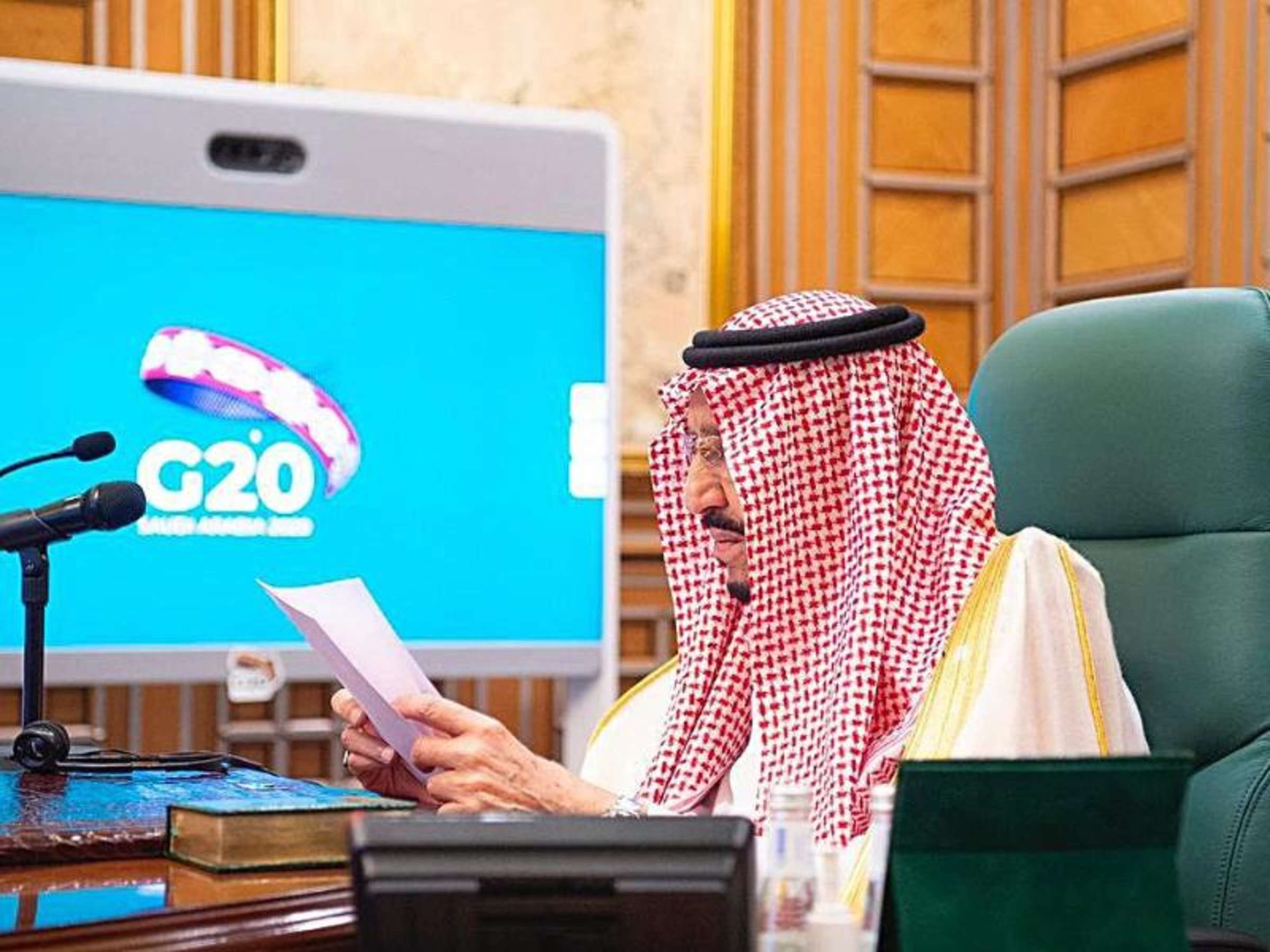
Saudi Arabia, the main loser of G20 Summit

Saudi Arabia, the main loser of G20 Summit

Strategic Council Online—Interview: An expert of Persian Gulf studies says the recent G20 Summit meeting was held under circumstances in which many human rights groups had asked the G20 leaders to take the opportunity to put pressure on the Saudi regime for its grave violations of human rights.

Iraq against normalization of relations with Zionist Regime

Iraq against normalization of relations with Zionist Regime

Strategic Council Online -interview: The people, religious establishment, parliament and political and resistance groups in Iraq are opposed to any probable normalization of relations with Zionist Regime, an expert of West Asia affairs says.

Prospects of Field Developments after Israel-UAE Agreement

Prospects of Field Developments after Israel-UAE Agreement

Strategic Council Online – An expert on West Asian affairs said that what the Americans are saying in terms of achieving their goals or changing the course of peace in the Middle East is more propaganda and media feed, adding “The Arab states of the Persian Gulf have considerations and they know that this action will have serious consequences for them.”

US Plan to Plunder Oil & Gas in Kurdish Areas of Syria

US Plan to Plunder Oil & Gas in Kurdish Areas of Syria

Strategic Council Online – At present, the US goal of maintaining presence in the Kurdish regions of Syria is to extract oil and gas, but the question is whether it is possible to implement this agreement and if so, how long will it continue, because the situation in the region is very sensitive and it cannot be assumed that if the Kurds dominate an area, they can use the resources and reserves there as they wish.
Reza Mirabian – Middle East Affairs Expert

أحدث الوظائف

The Makkah Pact; Reasons for its Formation and Challenges Ahead

SCFR Online – Opinion: The Makkah Pact, signed between Saudi Arabia, Pakistan, and Turkey under the motto “an attack on one is an attack on all,” is viewed by some analysts less as a full-fledged military coalition and more as an attempt to reduce security dependence on an external power and to establish a regional security mechanism.

Implications of the US-Saudi Nuclear Agreement

SCFR Online – Opinion: The new US-Saudi nuclear agreement, despite legal and political ambiguities, could alter previous non-proliferation standards in West Asia and intensify nuclear competition, ushering it into a new phase.

An Analysis of Recent Turkey-Israeli Regime Tensions

SCFR Online – Opinion: Recent developments in Syria indicate an intensification of strategic rivalry between Turkey and the Israeli regime, but mutual considerations and the role of the United States have limited the likelihood of direct war.

Increasing criticism of the extensive Zionist lobby network

SCFR Online – Opinion: An examination of the mechanisms of the Israeli regime’s influence in the United States depicts a complex picture of shared interests, strategic dependencies, and the limitations of this relationship.

Realities of the Tripartite Makkah Pact

SCFR Online – Interview: The signing of the Makkah agreement between Saudi Arabia, Pakistan, and Turkey has raised questions about the future of the region’s security structure and the position of these countries in West Asian equations. Can this agreement become a genuine collective defense mechanism, or does it have more of a political and deterrent function than creating new military capacity?

Strategic Implications of the Reduction of US Weapons Stockpiles

SCFR Online – Opinion: The continuation of the US war against Iran, in addition to increasing operational costs, has called into question the actual capacity of the American arsenal to simultaneously fulfill security commitments on multiple fronts; an issue that affects deterrence, defense production capacity, and Washington’s resource prioritization.

The Formation of a New Order in Relations Between Powers

SCFR Online – Opinion: The Russia-Ukraine war and the war of the United States and the Israeli regime against Iran have been formed with different objectives and actors, but field and political developments indicate that they are not entirely separate from one another.

Loading

Reza Mirabian

Strategic Consequences of Ansarullah Field Advances in Ma’rib

Strategic Consequences of Ansarullah Field Advances in Ma’rib

Strategic Council Online – Interview: A West Asian affairs analyst says that it is very difficult and impossible for the Saudis to accept a political dialogue in the current situation and that there will be no solution to start political talks or clarify the situation in the Yemeni war until Ma’rib is liberated. He said: Ansarullah is determined to liberate Ma’rib and we will see this happen in the future.

Objectives, Consequences of Establishing Zionist Regime Embassy in UAE

Objectives, Consequences of Establishing Zionist Regime Embassy in UAE

Strategic Council Online – An expert on West Asia affairs said that the Zionist regime has been pursuing military and security goals in the Persian Gulf since the day it normalized relations with the UAE, Bahrain and Sudan, adding: The regime wants to be part of the region but public opinion in the region opposes it and does not accept it.

Saudi Objectives in Reintroducing Fraudulent Ceasefire Plan in Yemen

Saudi Objectives in Reintroducing Fraudulent Ceasefire Plan in Yemen

Strategic Council Online – An analyst of West Asia affairs said that the repeated presentation of the ceasefire plan by Saudi Arabia was done solely for the purpose of hindering the progress in Ma’rib Province, adding that Saudi Arabia is trying to buy time to make it clear to the United States and the West that they seek peace and deceive the public opinion by saying that they are after putting an end to the war and seek peace and ceasefire.

Saudis Escape Forward by Raising Unacceptable Proposal of Attending JCPOA Talks

Saudis Escape Forward by Raising Unacceptable Proposal of Attending JCPOA Talks

Strategic Council Online – Riyadh and Manama concerned about easing tensions between Iran and the United States and even with Europe and changing their supportive approach to Saudi Arabia and Bahrain, have called for participation in renewed talks on Iran or at least their interests be taken into account, an expert on the Middle East affairs said.

Field Advances of Ansarullah; Despair of Saudi Regime in Yemen

Field Advances of Ansarullah; Despair of Saudi Regime in Yemen

Strategic Council Online – An expert on West Asia affairs said that Saudi Arabia is trying to somehow save itself from the predicament of the war in Yemen, adding: By taking back the Ma’rib Province, no area in the northern part of Yemen will remain in the hands of Saudi Arabia or Saudi mercenaries and Ansarullah will exercise its sovereignty over all those areas.

Saudi Arabia, the main loser of G20 Summit

Saudi Arabia, the main loser of G20 Summit

Strategic Council Online—Interview: An expert of Persian Gulf studies says the recent G20 Summit meeting was held under circumstances in which many human rights groups had asked the G20 leaders to take the opportunity to put pressure on the Saudi regime for its grave violations of human rights.

Iraq against normalization of relations with Zionist Regime

Iraq against normalization of relations with Zionist Regime

Strategic Council Online -interview: The people, religious establishment, parliament and political and resistance groups in Iraq are opposed to any probable normalization of relations with Zionist Regime, an expert of West Asia affairs says.

Prospects of Field Developments after Israel-UAE Agreement

Prospects of Field Developments after Israel-UAE Agreement

Strategic Council Online – An expert on West Asian affairs said that what the Americans are saying in terms of achieving their goals or changing the course of peace in the Middle East is more propaganda and media feed, adding “The Arab states of the Persian Gulf have considerations and they know that this action will have serious consequences for them.”

US Plan to Plunder Oil & Gas in Kurdish Areas of Syria

US Plan to Plunder Oil & Gas in Kurdish Areas of Syria

Strategic Council Online – At present, the US goal of maintaining presence in the Kurdish regions of Syria is to extract oil and gas, but the question is whether it is possible to implement this agreement and if so, how long will it continue, because the situation in the region is very sensitive and it cannot be assumed that if the Kurds dominate an area, they can use the resources and reserves there as they wish.
Reza Mirabian – Middle East Affairs Expert

Reza Mirabian

Strategic Consequences of Ansarullah Field Advances in Ma’rib

Strategic Consequences of Ansarullah Field Advances in Ma’rib

Strategic Council Online – Interview: A West Asian affairs analyst says that it is very difficult and impossible for the Saudis to accept a political dialogue in the current situation and that there will be no solution to start political talks or clarify the situation in the Yemeni war until Ma’rib is liberated. He said: Ansarullah is determined to liberate Ma’rib and we will see this happen in the future.

Objectives, Consequences of Establishing Zionist Regime Embassy in UAE

Objectives, Consequences of Establishing Zionist Regime Embassy in UAE

Strategic Council Online – An expert on West Asia affairs said that the Zionist regime has been pursuing military and security goals in the Persian Gulf since the day it normalized relations with the UAE, Bahrain and Sudan, adding: The regime wants to be part of the region but public opinion in the region opposes it and does not accept it.

Saudi Objectives in Reintroducing Fraudulent Ceasefire Plan in Yemen

Saudi Objectives in Reintroducing Fraudulent Ceasefire Plan in Yemen

Strategic Council Online – An analyst of West Asia affairs said that the repeated presentation of the ceasefire plan by Saudi Arabia was done solely for the purpose of hindering the progress in Ma’rib Province, adding that Saudi Arabia is trying to buy time to make it clear to the United States and the West that they seek peace and deceive the public opinion by saying that they are after putting an end to the war and seek peace and ceasefire.

Saudis Escape Forward by Raising Unacceptable Proposal of Attending JCPOA Talks

Saudis Escape Forward by Raising Unacceptable Proposal of Attending JCPOA Talks

Strategic Council Online – Riyadh and Manama concerned about easing tensions between Iran and the United States and even with Europe and changing their supportive approach to Saudi Arabia and Bahrain, have called for participation in renewed talks on Iran or at least their interests be taken into account, an expert on the Middle East affairs said.

Field Advances of Ansarullah; Despair of Saudi Regime in Yemen

Field Advances of Ansarullah; Despair of Saudi Regime in Yemen

Strategic Council Online – An expert on West Asia affairs said that Saudi Arabia is trying to somehow save itself from the predicament of the war in Yemen, adding: By taking back the Ma’rib Province, no area in the northern part of Yemen will remain in the hands of Saudi Arabia or Saudi mercenaries and Ansarullah will exercise its sovereignty over all those areas.

Saudi Arabia, the main loser of G20 Summit

Saudi Arabia, the main loser of G20 Summit

Strategic Council Online—Interview: An expert of Persian Gulf studies says the recent G20 Summit meeting was held under circumstances in which many human rights groups had asked the G20 leaders to take the opportunity to put pressure on the Saudi regime for its grave violations of human rights.

Iraq against normalization of relations with Zionist Regime

Iraq against normalization of relations with Zionist Regime

Strategic Council Online -interview: The people, religious establishment, parliament and political and resistance groups in Iraq are opposed to any probable normalization of relations with Zionist Regime, an expert of West Asia affairs says.

Prospects of Field Developments after Israel-UAE Agreement

Prospects of Field Developments after Israel-UAE Agreement

Strategic Council Online – An expert on West Asian affairs said that what the Americans are saying in terms of achieving their goals or changing the course of peace in the Middle East is more propaganda and media feed, adding “The Arab states of the Persian Gulf have considerations and they know that this action will have serious consequences for them.”

US Plan to Plunder Oil & Gas in Kurdish Areas of Syria

US Plan to Plunder Oil & Gas in Kurdish Areas of Syria

Strategic Council Online – At present, the US goal of maintaining presence in the Kurdish regions of Syria is to extract oil and gas, but the question is whether it is possible to implement this agreement and if so, how long will it continue, because the situation in the region is very sensitive and it cannot be assumed that if the Kurds dominate an area, they can use the resources and reserves there as they wish.
Reza Mirabian – Middle East Affairs Expert

LATEST CONTENT

The Makkah Pact; Reasons for its Formation and Challenges Ahead

SCFR Online – Opinion: The Makkah Pact, signed between Saudi Arabia, Pakistan, and Turkey under the motto “an attack on one is an attack on all,” is viewed by some analysts less as a full-fledged military coalition and more as an attempt to reduce security dependence on an external power and to establish a regional security mechanism.

Implications of the US-Saudi Nuclear Agreement

SCFR Online – Opinion: The new US-Saudi nuclear agreement, despite legal and political ambiguities, could alter previous non-proliferation standards in West Asia and intensify nuclear competition, ushering it into a new phase.

An Analysis of Recent Turkey-Israeli Regime Tensions

SCFR Online – Opinion: Recent developments in Syria indicate an intensification of strategic rivalry between Turkey and the Israeli regime, but mutual considerations and the role of the United States have limited the likelihood of direct war.

Increasing criticism of the extensive Zionist lobby network

SCFR Online – Opinion: An examination of the mechanisms of the Israeli regime’s influence in the United States depicts a complex picture of shared interests, strategic dependencies, and the limitations of this relationship.

Realities of the Tripartite Makkah Pact

SCFR Online – Interview: The signing of the Makkah agreement between Saudi Arabia, Pakistan, and Turkey has raised questions about the future of the region’s security structure and the position of these countries in West Asian equations. Can this agreement become a genuine collective defense mechanism, or does it have more of a political and deterrent function than creating new military capacity?

Strategic Implications of the Reduction of US Weapons Stockpiles

SCFR Online – Opinion: The continuation of the US war against Iran, in addition to increasing operational costs, has called into question the actual capacity of the American arsenal to simultaneously fulfill security commitments on multiple fronts; an issue that affects deterrence, defense production capacity, and Washington’s resource prioritization.

The Formation of a New Order in Relations Between Powers

SCFR Online – Opinion: The Russia-Ukraine war and the war of the United States and the Israeli regime against Iran have been formed with different objectives and actors, but field and political developments indicate that they are not entirely separate from one another.

Loading

Reza Mirabian

Strategic Consequences of Ansarullah Field Advances in Ma’rib

Strategic Consequences of Ansarullah Field Advances in Ma’rib

Strategic Council Online – Interview: A West Asian affairs analyst says that it is very difficult and impossible for the Saudis to accept a political dialogue in the current situation and that there will be no solution to start political talks or clarify the situation in the Yemeni war until Ma’rib is liberated. He said: Ansarullah is determined to liberate Ma’rib and we will see this happen in the future.

Objectives, Consequences of Establishing Zionist Regime Embassy in UAE

Objectives, Consequences of Establishing Zionist Regime Embassy in UAE

Strategic Council Online – An expert on West Asia affairs said that the Zionist regime has been pursuing military and security goals in the Persian Gulf since the day it normalized relations with the UAE, Bahrain and Sudan, adding: The regime wants to be part of the region but public opinion in the region opposes it and does not accept it.

Saudi Objectives in Reintroducing Fraudulent Ceasefire Plan in Yemen

Saudi Objectives in Reintroducing Fraudulent Ceasefire Plan in Yemen

Strategic Council Online – An analyst of West Asia affairs said that the repeated presentation of the ceasefire plan by Saudi Arabia was done solely for the purpose of hindering the progress in Ma’rib Province, adding that Saudi Arabia is trying to buy time to make it clear to the United States and the West that they seek peace and deceive the public opinion by saying that they are after putting an end to the war and seek peace and ceasefire.

Saudis Escape Forward by Raising Unacceptable Proposal of Attending JCPOA Talks

Saudis Escape Forward by Raising Unacceptable Proposal of Attending JCPOA Talks

Strategic Council Online – Riyadh and Manama concerned about easing tensions between Iran and the United States and even with Europe and changing their supportive approach to Saudi Arabia and Bahrain, have called for participation in renewed talks on Iran or at least their interests be taken into account, an expert on the Middle East affairs said.

Field Advances of Ansarullah; Despair of Saudi Regime in Yemen

Field Advances of Ansarullah; Despair of Saudi Regime in Yemen

Strategic Council Online – An expert on West Asia affairs said that Saudi Arabia is trying to somehow save itself from the predicament of the war in Yemen, adding: By taking back the Ma’rib Province, no area in the northern part of Yemen will remain in the hands of Saudi Arabia or Saudi mercenaries and Ansarullah will exercise its sovereignty over all those areas.

Saudi Arabia, the main loser of G20 Summit

Saudi Arabia, the main loser of G20 Summit

Strategic Council Online—Interview: An expert of Persian Gulf studies says the recent G20 Summit meeting was held under circumstances in which many human rights groups had asked the G20 leaders to take the opportunity to put pressure on the Saudi regime for its grave violations of human rights.

Iraq against normalization of relations with Zionist Regime

Iraq against normalization of relations with Zionist Regime

Strategic Council Online -interview: The people, religious establishment, parliament and political and resistance groups in Iraq are opposed to any probable normalization of relations with Zionist Regime, an expert of West Asia affairs says.

Prospects of Field Developments after Israel-UAE Agreement

Prospects of Field Developments after Israel-UAE Agreement

Strategic Council Online – An expert on West Asian affairs said that what the Americans are saying in terms of achieving their goals or changing the course of peace in the Middle East is more propaganda and media feed, adding “The Arab states of the Persian Gulf have considerations and they know that this action will have serious consequences for them.”

US Plan to Plunder Oil & Gas in Kurdish Areas of Syria

US Plan to Plunder Oil & Gas in Kurdish Areas of Syria

Strategic Council Online – At present, the US goal of maintaining presence in the Kurdish regions of Syria is to extract oil and gas, but the question is whether it is possible to implement this agreement and if so, how long will it continue, because the situation in the region is very sensitive and it cannot be assumed that if the Kurds dominate an area, they can use the resources and reserves there as they wish.
Reza Mirabian – Middle East Affairs Expert

ÚLTIMAS PUBLICACIONES

The Makkah Pact; Reasons for its Formation and Challenges Ahead

SCFR Online – Opinion: The Makkah Pact, signed between Saudi Arabia, Pakistan, and Turkey under the motto “an attack on one is an attack on all,” is viewed by some analysts less as a full-fledged military coalition and more as an attempt to reduce security dependence on an external power and to establish a regional security mechanism.

Implications of the US-Saudi Nuclear Agreement

SCFR Online – Opinion: The new US-Saudi nuclear agreement, despite legal and political ambiguities, could alter previous non-proliferation standards in West Asia and intensify nuclear competition, ushering it into a new phase.

An Analysis of Recent Turkey-Israeli Regime Tensions

SCFR Online – Opinion: Recent developments in Syria indicate an intensification of strategic rivalry between Turkey and the Israeli regime, but mutual considerations and the role of the United States have limited the likelihood of direct war.

Increasing criticism of the extensive Zionist lobby network

SCFR Online – Opinion: An examination of the mechanisms of the Israeli regime’s influence in the United States depicts a complex picture of shared interests, strategic dependencies, and the limitations of this relationship.

Realities of the Tripartite Makkah Pact

SCFR Online – Interview: The signing of the Makkah agreement between Saudi Arabia, Pakistan, and Turkey has raised questions about the future of the region’s security structure and the position of these countries in West Asian equations. Can this agreement become a genuine collective defense mechanism, or does it have more of a political and deterrent function than creating new military capacity?

Strategic Implications of the Reduction of US Weapons Stockpiles

SCFR Online – Opinion: The continuation of the US war against Iran, in addition to increasing operational costs, has called into question the actual capacity of the American arsenal to simultaneously fulfill security commitments on multiple fronts; an issue that affects deterrence, defense production capacity, and Washington’s resource prioritization.

The Formation of a New Order in Relations Between Powers

SCFR Online – Opinion: The Russia-Ukraine war and the war of the United States and the Israeli regime against Iran have been formed with different objectives and actors, but field and political developments indicate that they are not entirely separate from one another.

Loading

Reza Mirabian

Strategic Consequences of Ansarullah Field Advances in Ma’rib

Strategic Consequences of Ansarullah Field Advances in Ma’rib

Strategic Council Online – Interview: A West Asian affairs analyst says that it is very difficult and impossible for the Saudis to accept a political dialogue in the current situation and that there will be no solution to start political talks or clarify the situation in the Yemeni war until Ma’rib is liberated. He said: Ansarullah is determined to liberate Ma’rib and we will see this happen in the future.

Objectives, Consequences of Establishing Zionist Regime Embassy in UAE

Objectives, Consequences of Establishing Zionist Regime Embassy in UAE

Strategic Council Online – An expert on West Asia affairs said that the Zionist regime has been pursuing military and security goals in the Persian Gulf since the day it normalized relations with the UAE, Bahrain and Sudan, adding: The regime wants to be part of the region but public opinion in the region opposes it and does not accept it.

Saudi Objectives in Reintroducing Fraudulent Ceasefire Plan in Yemen

Saudi Objectives in Reintroducing Fraudulent Ceasefire Plan in Yemen

Strategic Council Online – An analyst of West Asia affairs said that the repeated presentation of the ceasefire plan by Saudi Arabia was done solely for the purpose of hindering the progress in Ma’rib Province, adding that Saudi Arabia is trying to buy time to make it clear to the United States and the West that they seek peace and deceive the public opinion by saying that they are after putting an end to the war and seek peace and ceasefire.

Saudis Escape Forward by Raising Unacceptable Proposal of Attending JCPOA Talks

Saudis Escape Forward by Raising Unacceptable Proposal of Attending JCPOA Talks

Strategic Council Online – Riyadh and Manama concerned about easing tensions between Iran and the United States and even with Europe and changing their supportive approach to Saudi Arabia and Bahrain, have called for participation in renewed talks on Iran or at least their interests be taken into account, an expert on the Middle East affairs said.

Field Advances of Ansarullah; Despair of Saudi Regime in Yemen

Field Advances of Ansarullah; Despair of Saudi Regime in Yemen

Strategic Council Online – An expert on West Asia affairs said that Saudi Arabia is trying to somehow save itself from the predicament of the war in Yemen, adding: By taking back the Ma’rib Province, no area in the northern part of Yemen will remain in the hands of Saudi Arabia or Saudi mercenaries and Ansarullah will exercise its sovereignty over all those areas.

Saudi Arabia, the main loser of G20 Summit

Saudi Arabia, the main loser of G20 Summit

Strategic Council Online—Interview: An expert of Persian Gulf studies says the recent G20 Summit meeting was held under circumstances in which many human rights groups had asked the G20 leaders to take the opportunity to put pressure on the Saudi regime for its grave violations of human rights.

Iraq against normalization of relations with Zionist Regime

Iraq against normalization of relations with Zionist Regime

Strategic Council Online -interview: The people, religious establishment, parliament and political and resistance groups in Iraq are opposed to any probable normalization of relations with Zionist Regime, an expert of West Asia affairs says.

Prospects of Field Developments after Israel-UAE Agreement

Prospects of Field Developments after Israel-UAE Agreement

Strategic Council Online – An expert on West Asian affairs said that what the Americans are saying in terms of achieving their goals or changing the course of peace in the Middle East is more propaganda and media feed, adding “The Arab states of the Persian Gulf have considerations and they know that this action will have serious consequences for them.”

US Plan to Plunder Oil & Gas in Kurdish Areas of Syria

US Plan to Plunder Oil & Gas in Kurdish Areas of Syria

Strategic Council Online – At present, the US goal of maintaining presence in the Kurdish regions of Syria is to extract oil and gas, but the question is whether it is possible to implement this agreement and if so, how long will it continue, because the situation in the region is very sensitive and it cannot be assumed that if the Kurds dominate an area, they can use the resources and reserves there as they wish.
Reza Mirabian – Middle East Affairs Expert

ÚLTIMAS PUBLICACIONES

The Makkah Pact; Reasons for its Formation and Challenges Ahead

SCFR Online – Opinion: The Makkah Pact, signed between Saudi Arabia, Pakistan, and Turkey under the motto “an attack on one is an attack on all,” is viewed by some analysts less as a full-fledged military coalition and more as an attempt to reduce security dependence on an external power and to establish a regional security mechanism.

Implications of the US-Saudi Nuclear Agreement

SCFR Online – Opinion: The new US-Saudi nuclear agreement, despite legal and political ambiguities, could alter previous non-proliferation standards in West Asia and intensify nuclear competition, ushering it into a new phase.

An Analysis of Recent Turkey-Israeli Regime Tensions

SCFR Online – Opinion: Recent developments in Syria indicate an intensification of strategic rivalry between Turkey and the Israeli regime, but mutual considerations and the role of the United States have limited the likelihood of direct war.

Increasing criticism of the extensive Zionist lobby network

SCFR Online – Opinion: An examination of the mechanisms of the Israeli regime’s influence in the United States depicts a complex picture of shared interests, strategic dependencies, and the limitations of this relationship.

Realities of the Tripartite Makkah Pact

SCFR Online – Interview: The signing of the Makkah agreement between Saudi Arabia, Pakistan, and Turkey has raised questions about the future of the region’s security structure and the position of these countries in West Asian equations. Can this agreement become a genuine collective defense mechanism, or does it have more of a political and deterrent function than creating new military capacity?

Strategic Implications of the Reduction of US Weapons Stockpiles

SCFR Online – Opinion: The continuation of the US war against Iran, in addition to increasing operational costs, has called into question the actual capacity of the American arsenal to simultaneously fulfill security commitments on multiple fronts; an issue that affects deterrence, defense production capacity, and Washington’s resource prioritization.

The Formation of a New Order in Relations Between Powers

SCFR Online – Opinion: The Russia-Ukraine war and the war of the United States and the Israeli regime against Iran have been formed with different objectives and actors, but field and political developments indicate that they are not entirely separate from one another.

Loading

Reza Mirabian

Strategic Consequences of Ansarullah Field Advances in Ma’rib

Strategic Consequences of Ansarullah Field Advances in Ma’rib

Strategic Council Online – Interview: A West Asian affairs analyst says that it is very difficult and impossible for the Saudis to accept a political dialogue in the current situation and that there will be no solution to start political talks or clarify the situation in the Yemeni war until Ma’rib is liberated. He said: Ansarullah is determined to liberate Ma’rib and we will see this happen in the future.

Objectives, Consequences of Establishing Zionist Regime Embassy in UAE

Objectives, Consequences of Establishing Zionist Regime Embassy in UAE

Strategic Council Online – An expert on West Asia affairs said that the Zionist regime has been pursuing military and security goals in the Persian Gulf since the day it normalized relations with the UAE, Bahrain and Sudan, adding: The regime wants to be part of the region but public opinion in the region opposes it and does not accept it.

Saudi Objectives in Reintroducing Fraudulent Ceasefire Plan in Yemen

Saudi Objectives in Reintroducing Fraudulent Ceasefire Plan in Yemen

Strategic Council Online – An analyst of West Asia affairs said that the repeated presentation of the ceasefire plan by Saudi Arabia was done solely for the purpose of hindering the progress in Ma’rib Province, adding that Saudi Arabia is trying to buy time to make it clear to the United States and the West that they seek peace and deceive the public opinion by saying that they are after putting an end to the war and seek peace and ceasefire.

Saudis Escape Forward by Raising Unacceptable Proposal of Attending JCPOA Talks

Saudis Escape Forward by Raising Unacceptable Proposal of Attending JCPOA Talks

Strategic Council Online – Riyadh and Manama concerned about easing tensions between Iran and the United States and even with Europe and changing their supportive approach to Saudi Arabia and Bahrain, have called for participation in renewed talks on Iran or at least their interests be taken into account, an expert on the Middle East affairs said.

Field Advances of Ansarullah; Despair of Saudi Regime in Yemen

Field Advances of Ansarullah; Despair of Saudi Regime in Yemen

Strategic Council Online – An expert on West Asia affairs said that Saudi Arabia is trying to somehow save itself from the predicament of the war in Yemen, adding: By taking back the Ma’rib Province, no area in the northern part of Yemen will remain in the hands of Saudi Arabia or Saudi mercenaries and Ansarullah will exercise its sovereignty over all those areas.

Saudi Arabia, the main loser of G20 Summit

Saudi Arabia, the main loser of G20 Summit

Strategic Council Online—Interview: An expert of Persian Gulf studies says the recent G20 Summit meeting was held under circumstances in which many human rights groups had asked the G20 leaders to take the opportunity to put pressure on the Saudi regime for its grave violations of human rights.

Iraq against normalization of relations with Zionist Regime

Iraq against normalization of relations with Zionist Regime

Strategic Council Online -interview: The people, religious establishment, parliament and political and resistance groups in Iraq are opposed to any probable normalization of relations with Zionist Regime, an expert of West Asia affairs says.

Prospects of Field Developments after Israel-UAE Agreement

Prospects of Field Developments after Israel-UAE Agreement

Strategic Council Online – An expert on West Asian affairs said that what the Americans are saying in terms of achieving their goals or changing the course of peace in the Middle East is more propaganda and media feed, adding “The Arab states of the Persian Gulf have considerations and they know that this action will have serious consequences for them.”

US Plan to Plunder Oil & Gas in Kurdish Areas of Syria

US Plan to Plunder Oil & Gas in Kurdish Areas of Syria

Strategic Council Online – At present, the US goal of maintaining presence in the Kurdish regions of Syria is to extract oil and gas, but the question is whether it is possible to implement this agreement and if so, how long will it continue, because the situation in the region is very sensitive and it cannot be assumed that if the Kurds dominate an area, they can use the resources and reserves there as they wish.
Reza Mirabian – Middle East Affairs Expert

ÚLTIMAS PUBLICACIONES

The Makkah Pact; Reasons for its Formation and Challenges Ahead

SCFR Online – Opinion: The Makkah Pact, signed between Saudi Arabia, Pakistan, and Turkey under the motto “an attack on one is an attack on all,” is viewed by some analysts less as a full-fledged military coalition and more as an attempt to reduce security dependence on an external power and to establish a regional security mechanism.

Implications of the US-Saudi Nuclear Agreement

SCFR Online – Opinion: The new US-Saudi nuclear agreement, despite legal and political ambiguities, could alter previous non-proliferation standards in West Asia and intensify nuclear competition, ushering it into a new phase.

An Analysis of Recent Turkey-Israeli Regime Tensions

SCFR Online – Opinion: Recent developments in Syria indicate an intensification of strategic rivalry between Turkey and the Israeli regime, but mutual considerations and the role of the United States have limited the likelihood of direct war.

Increasing criticism of the extensive Zionist lobby network

SCFR Online – Opinion: An examination of the mechanisms of the Israeli regime’s influence in the United States depicts a complex picture of shared interests, strategic dependencies, and the limitations of this relationship.

Realities of the Tripartite Makkah Pact

SCFR Online – Interview: The signing of the Makkah agreement between Saudi Arabia, Pakistan, and Turkey has raised questions about the future of the region’s security structure and the position of these countries in West Asian equations. Can this agreement become a genuine collective defense mechanism, or does it have more of a political and deterrent function than creating new military capacity?

Strategic Implications of the Reduction of US Weapons Stockpiles

SCFR Online – Opinion: The continuation of the US war against Iran, in addition to increasing operational costs, has called into question the actual capacity of the American arsenal to simultaneously fulfill security commitments on multiple fronts; an issue that affects deterrence, defense production capacity, and Washington’s resource prioritization.

The Formation of a New Order in Relations Between Powers

SCFR Online – Opinion: The Russia-Ukraine war and the war of the United States and the Israeli regime against Iran have been formed with different objectives and actors, but field and political developments indicate that they are not entirely separate from one another.

Loading

Reza Mirabian

Strategic Consequences of Ansarullah Field Advances in Ma’rib

Strategic Consequences of Ansarullah Field Advances in Ma’rib

Strategic Council Online – Interview: A West Asian affairs analyst says that it is very difficult and impossible for the Saudis to accept a political dialogue in the current situation and that there will be no solution to start political talks or clarify the situation in the Yemeni war until Ma’rib is liberated. He said: Ansarullah is determined to liberate Ma’rib and we will see this happen in the future.

Objectives, Consequences of Establishing Zionist Regime Embassy in UAE

Objectives, Consequences of Establishing Zionist Regime Embassy in UAE

Strategic Council Online – An expert on West Asia affairs said that the Zionist regime has been pursuing military and security goals in the Persian Gulf since the day it normalized relations with the UAE, Bahrain and Sudan, adding: The regime wants to be part of the region but public opinion in the region opposes it and does not accept it.

Saudi Objectives in Reintroducing Fraudulent Ceasefire Plan in Yemen

Saudi Objectives in Reintroducing Fraudulent Ceasefire Plan in Yemen

Strategic Council Online – An analyst of West Asia affairs said that the repeated presentation of the ceasefire plan by Saudi Arabia was done solely for the purpose of hindering the progress in Ma’rib Province, adding that Saudi Arabia is trying to buy time to make it clear to the United States and the West that they seek peace and deceive the public opinion by saying that they are after putting an end to the war and seek peace and ceasefire.

Saudis Escape Forward by Raising Unacceptable Proposal of Attending JCPOA Talks

Saudis Escape Forward by Raising Unacceptable Proposal of Attending JCPOA Talks

Strategic Council Online – Riyadh and Manama concerned about easing tensions between Iran and the United States and even with Europe and changing their supportive approach to Saudi Arabia and Bahrain, have called for participation in renewed talks on Iran or at least their interests be taken into account, an expert on the Middle East affairs said.

Field Advances of Ansarullah; Despair of Saudi Regime in Yemen

Field Advances of Ansarullah; Despair of Saudi Regime in Yemen

Strategic Council Online – An expert on West Asia affairs said that Saudi Arabia is trying to somehow save itself from the predicament of the war in Yemen, adding: By taking back the Ma’rib Province, no area in the northern part of Yemen will remain in the hands of Saudi Arabia or Saudi mercenaries and Ansarullah will exercise its sovereignty over all those areas.

Saudi Arabia, the main loser of G20 Summit

Saudi Arabia, the main loser of G20 Summit

Strategic Council Online—Interview: An expert of Persian Gulf studies says the recent G20 Summit meeting was held under circumstances in which many human rights groups had asked the G20 leaders to take the opportunity to put pressure on the Saudi regime for its grave violations of human rights.

Iraq against normalization of relations with Zionist Regime

Iraq against normalization of relations with Zionist Regime

Strategic Council Online -interview: The people, religious establishment, parliament and political and resistance groups in Iraq are opposed to any probable normalization of relations with Zionist Regime, an expert of West Asia affairs says.

Prospects of Field Developments after Israel-UAE Agreement

Prospects of Field Developments after Israel-UAE Agreement

Strategic Council Online – An expert on West Asian affairs said that what the Americans are saying in terms of achieving their goals or changing the course of peace in the Middle East is more propaganda and media feed, adding “The Arab states of the Persian Gulf have considerations and they know that this action will have serious consequences for them.”

US Plan to Plunder Oil & Gas in Kurdish Areas of Syria

US Plan to Plunder Oil & Gas in Kurdish Areas of Syria

Strategic Council Online – At present, the US goal of maintaining presence in the Kurdish regions of Syria is to extract oil and gas, but the question is whether it is possible to implement this agreement and if so, how long will it continue, because the situation in the region is very sensitive and it cannot be assumed that if the Kurds dominate an area, they can use the resources and reserves there as they wish.
Reza Mirabian – Middle East Affairs Expert

ÚLTIMAS PUBLICACIONES

The Makkah Pact; Reasons for its Formation and Challenges Ahead

SCFR Online – Opinion: The Makkah Pact, signed between Saudi Arabia, Pakistan, and Turkey under the motto “an attack on one is an attack on all,” is viewed by some analysts less as a full-fledged military coalition and more as an attempt to reduce security dependence on an external power and to establish a regional security mechanism.

Implications of the US-Saudi Nuclear Agreement

SCFR Online – Opinion: The new US-Saudi nuclear agreement, despite legal and political ambiguities, could alter previous non-proliferation standards in West Asia and intensify nuclear competition, ushering it into a new phase.

An Analysis of Recent Turkey-Israeli Regime Tensions

SCFR Online – Opinion: Recent developments in Syria indicate an intensification of strategic rivalry between Turkey and the Israeli regime, but mutual considerations and the role of the United States have limited the likelihood of direct war.

Increasing criticism of the extensive Zionist lobby network

SCFR Online – Opinion: An examination of the mechanisms of the Israeli regime’s influence in the United States depicts a complex picture of shared interests, strategic dependencies, and the limitations of this relationship.

Realities of the Tripartite Makkah Pact

SCFR Online – Interview: The signing of the Makkah agreement between Saudi Arabia, Pakistan, and Turkey has raised questions about the future of the region’s security structure and the position of these countries in West Asian equations. Can this agreement become a genuine collective defense mechanism, or does it have more of a political and deterrent function than creating new military capacity?

Strategic Implications of the Reduction of US Weapons Stockpiles

SCFR Online – Opinion: The continuation of the US war against Iran, in addition to increasing operational costs, has called into question the actual capacity of the American arsenal to simultaneously fulfill security commitments on multiple fronts; an issue that affects deterrence, defense production capacity, and Washington’s resource prioritization.

The Formation of a New Order in Relations Between Powers

SCFR Online – Opinion: The Russia-Ukraine war and the war of the United States and the Israeli regime against Iran have been formed with different objectives and actors, but field and political developments indicate that they are not entirely separate from one another.

Loading